




Policy Shift Keeps Exposed Citizens From U.S. Soil
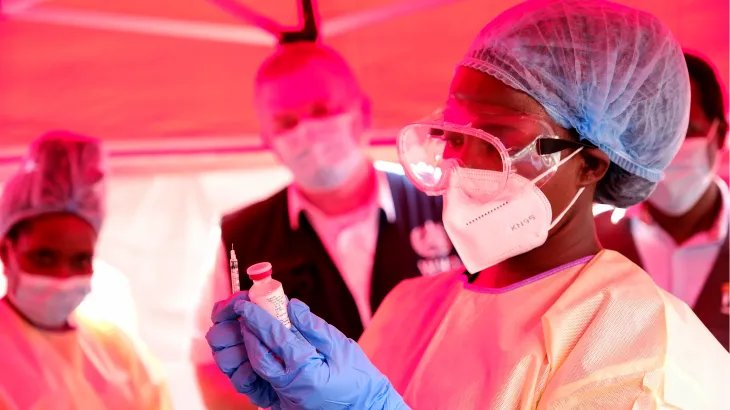
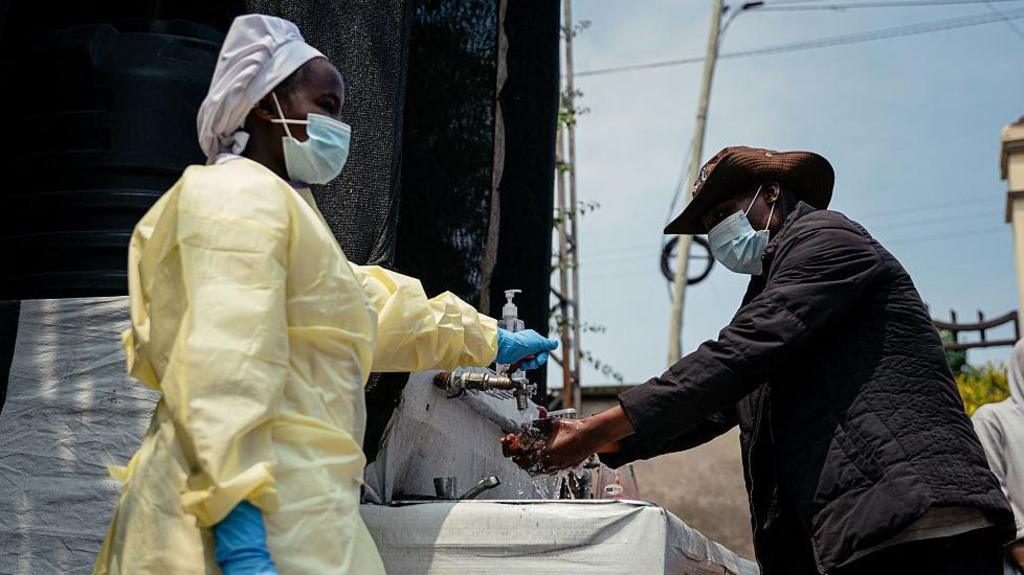
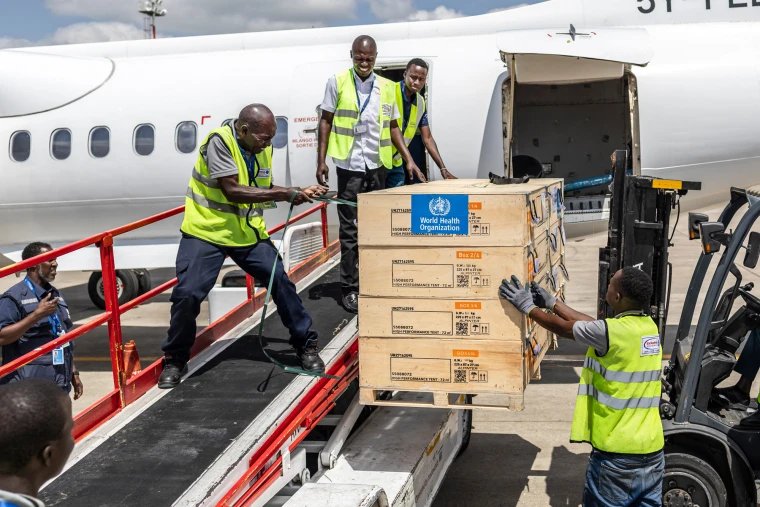
The Trump administration is preparing a quarantine and treatment facility in Kenya for Americans exposed to Ebola during the outbreak in the Democratic Republic of the Congo. An administration official said Wednesday the center will allow patients to receive care faster and avoid medical evacuation flights to the United States that can take more than 12 hours. The facility is a departure from previous Ebola outbreaks when exposed Americans were routinely flown home for quarantine or treatment.
Departments of State, Defense, and Health and Human Services coordinated the effort. The official described the site as equipped for the full spectrum of Ebola care including intensive and critical needs though patients requiring more advanced treatment could transfer elsewhere on a case-by-case basis.
Outbreak Scale Drives Rapid U.S. Response
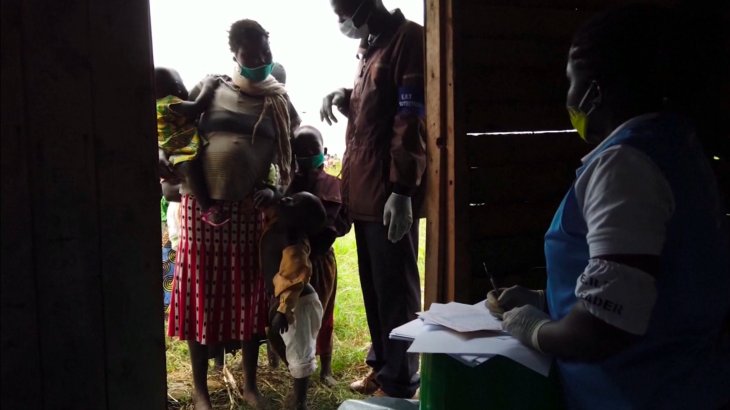
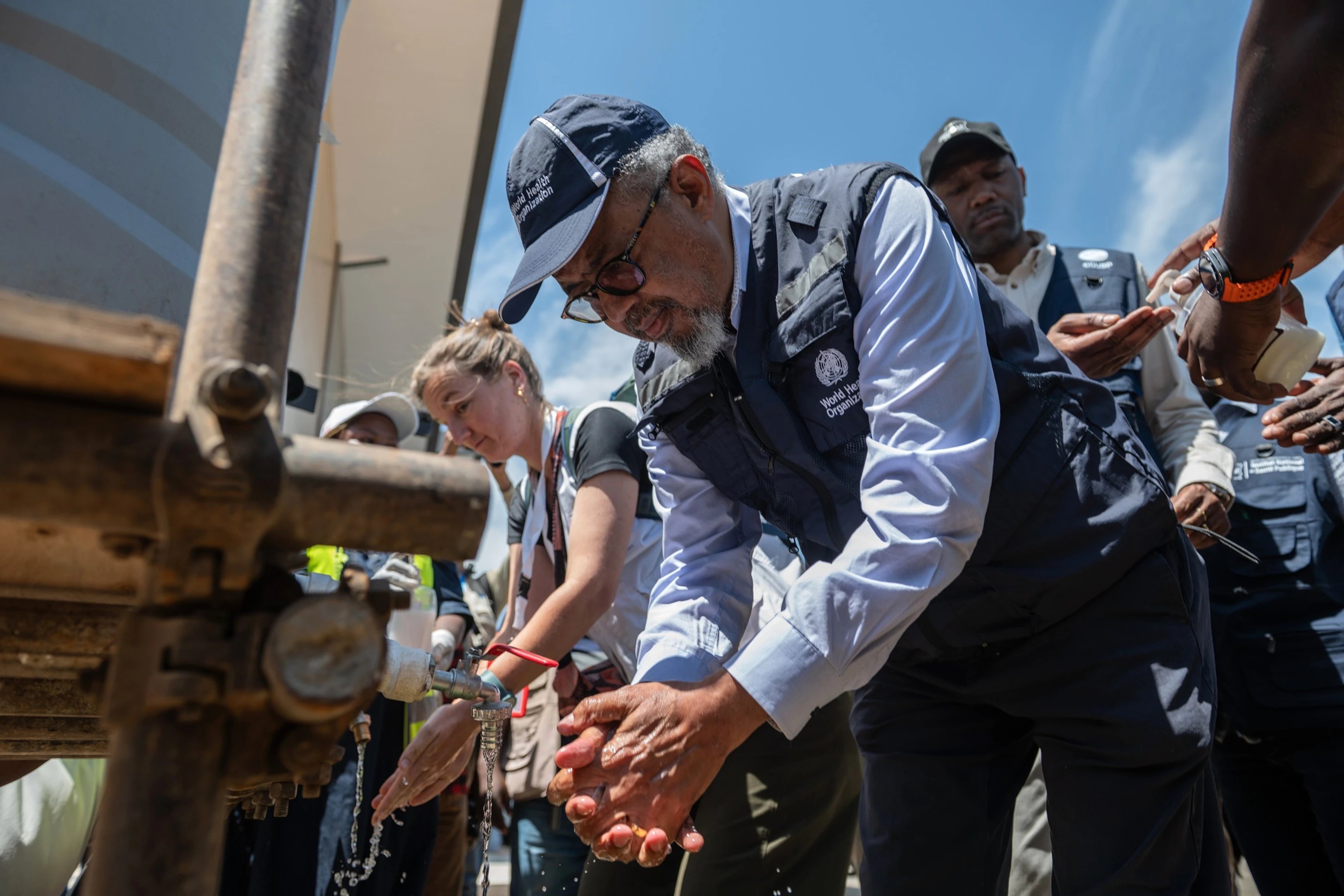
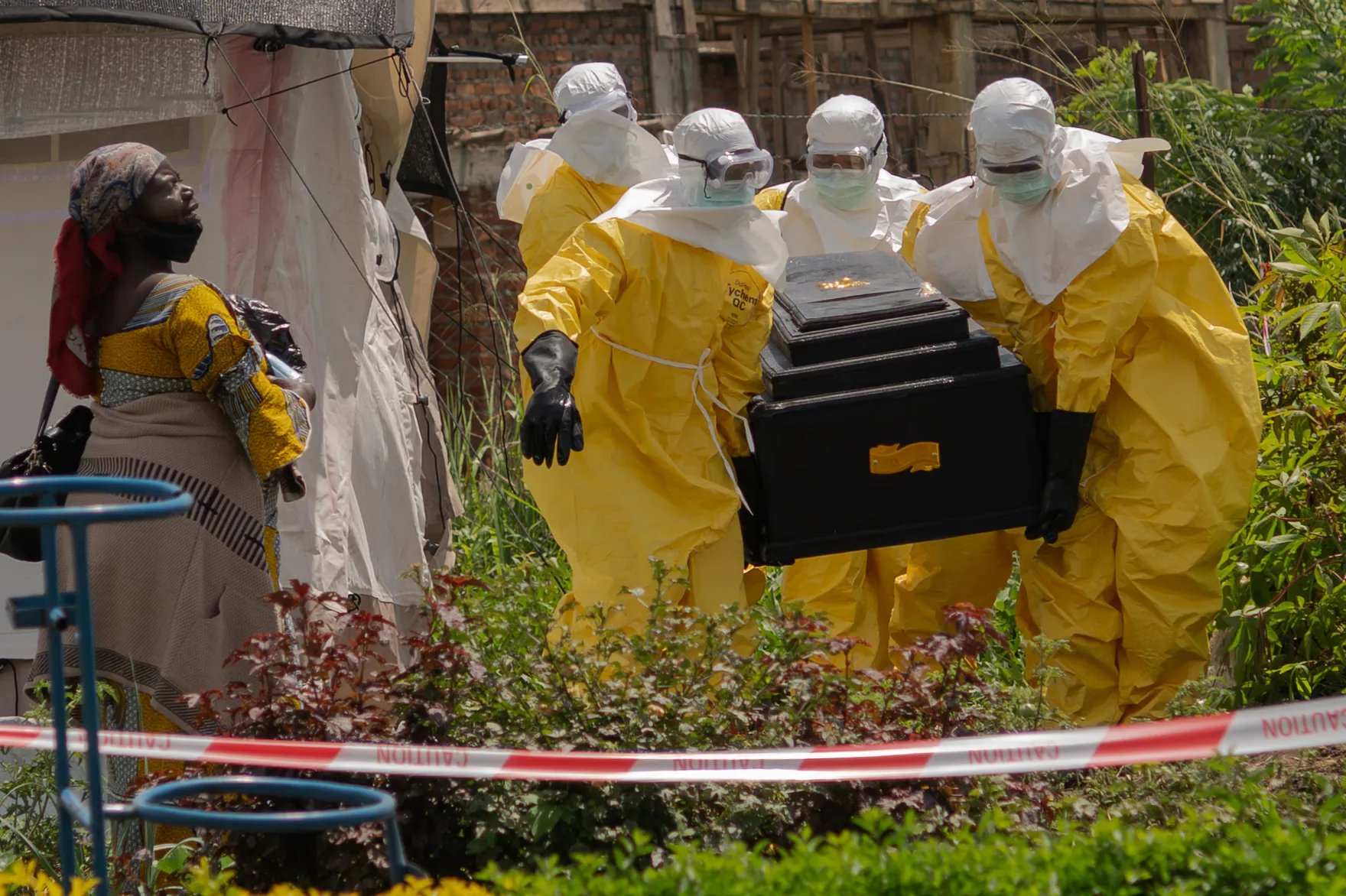
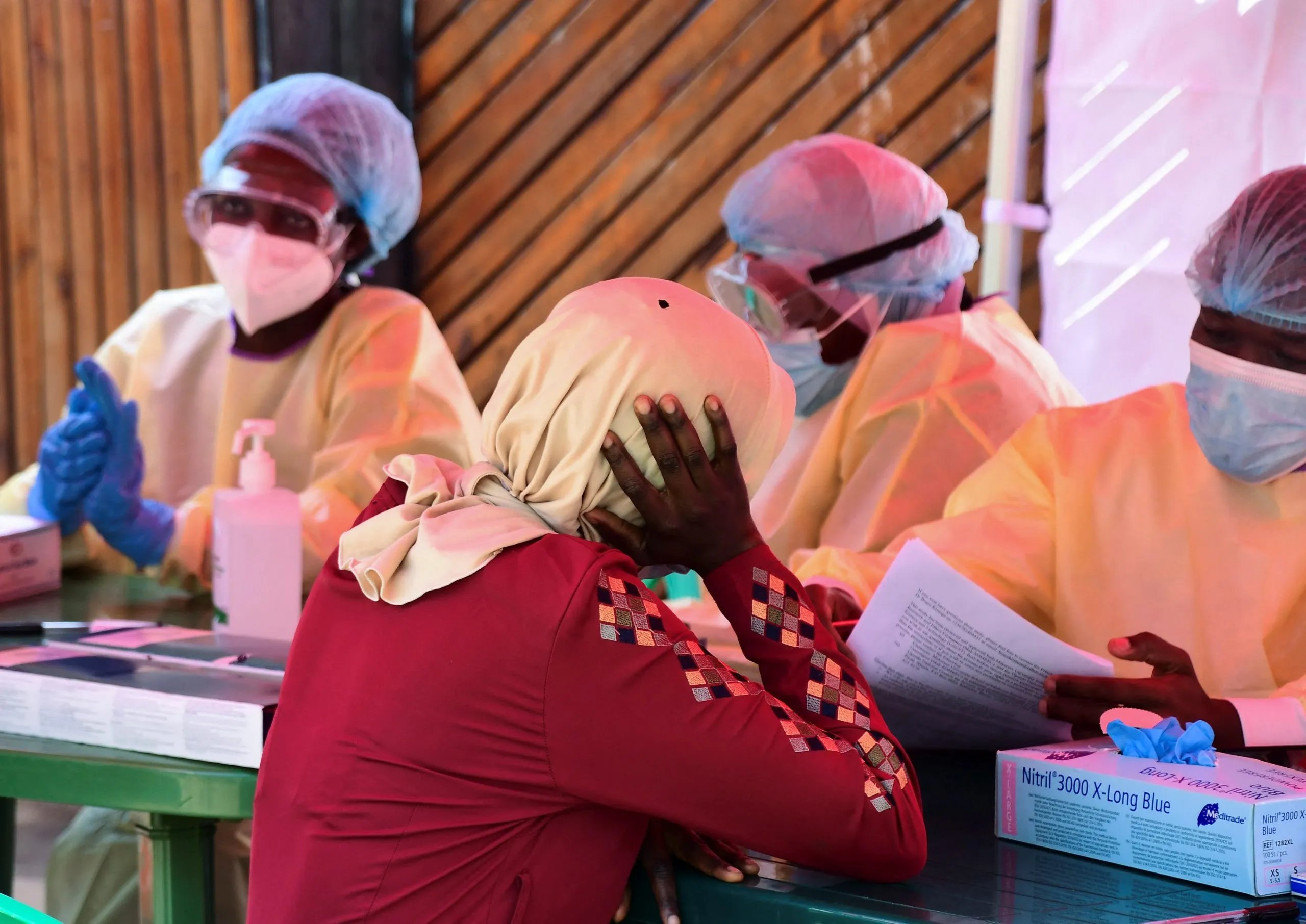
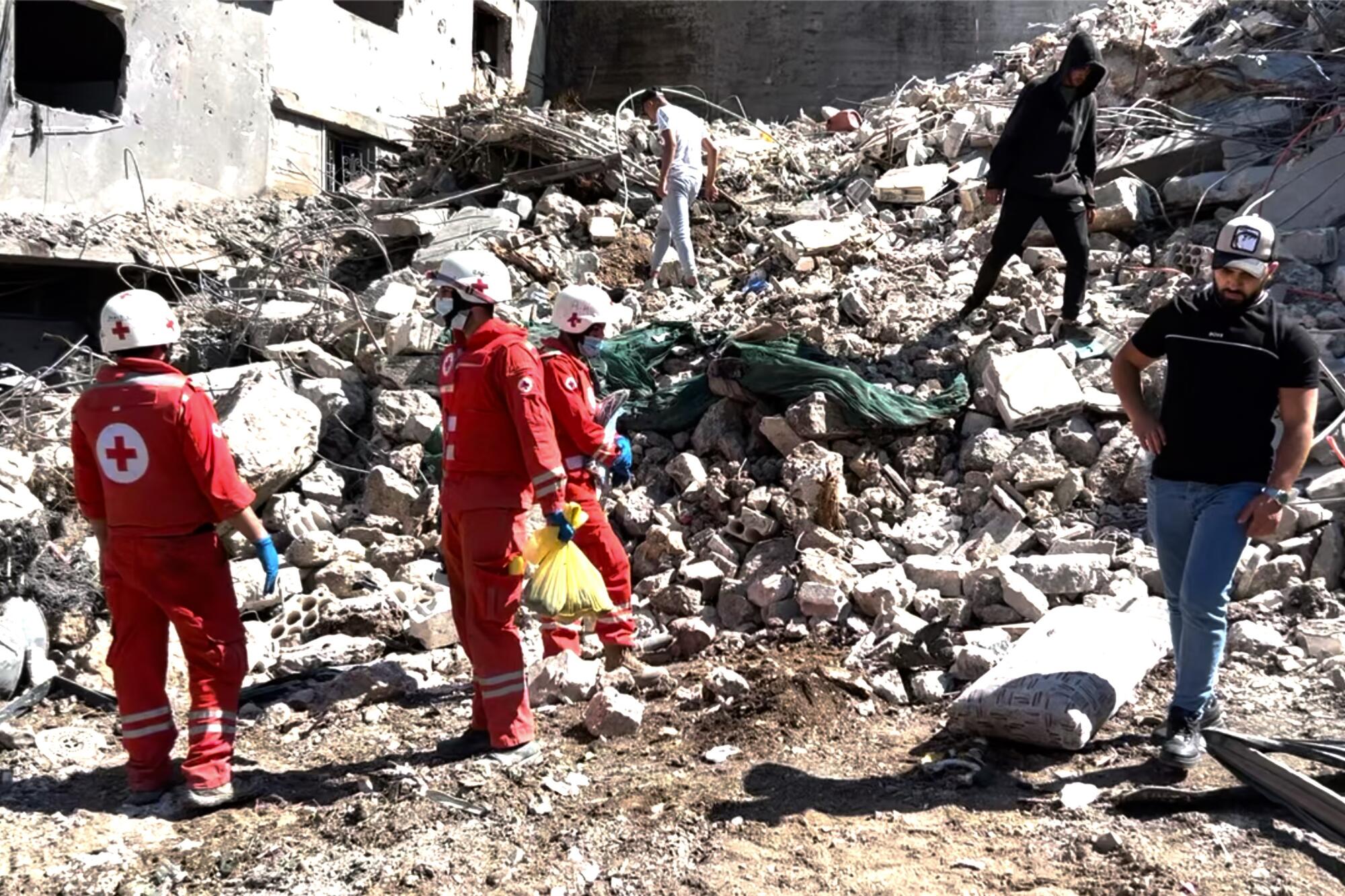
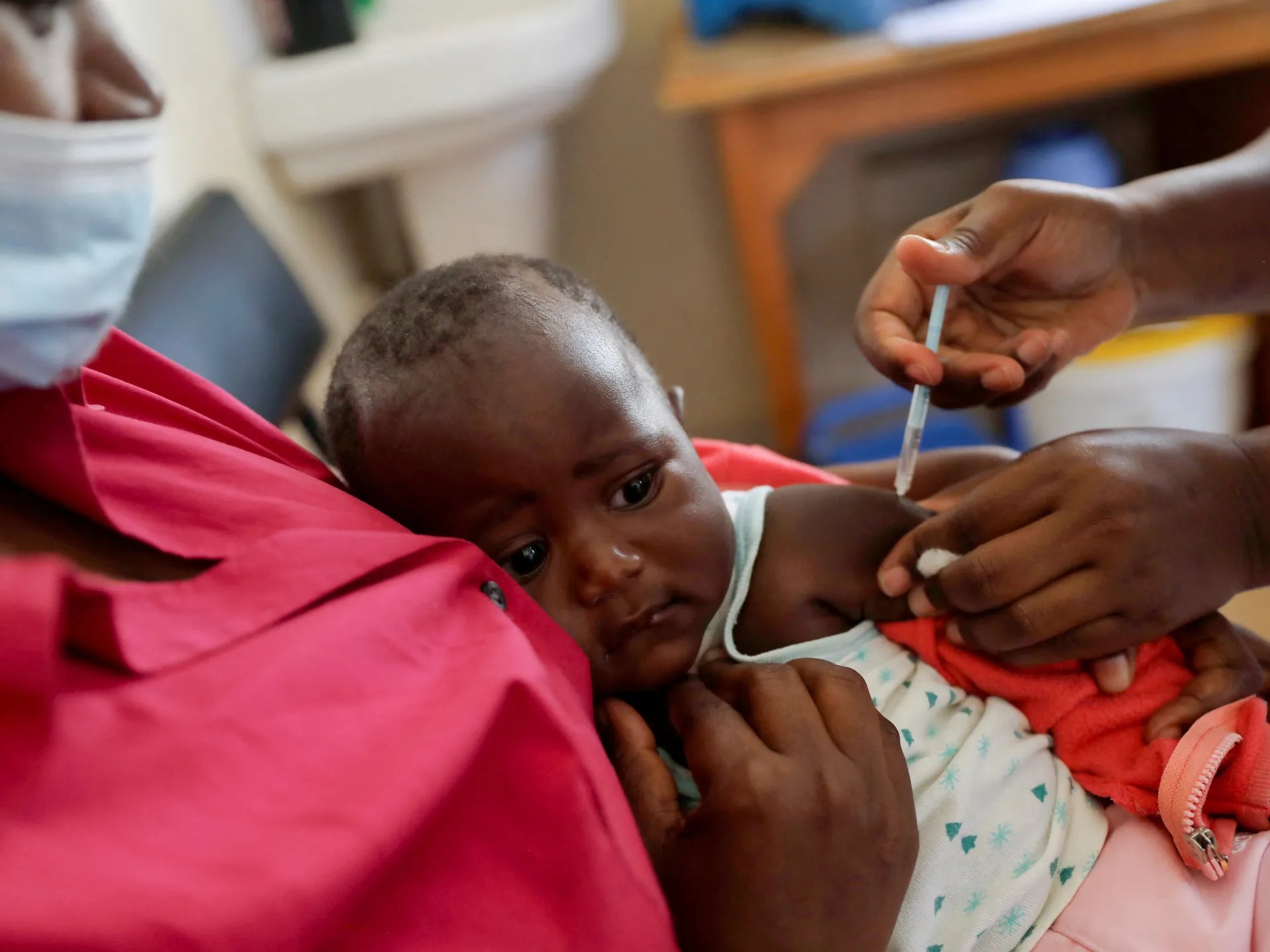
The outbreak in Congo has climbed to more than 1,000 cases with deaths topping 200 according to the World Health Organization. Health authorities confirmed 101 cases and are investigating more than 3,000 possible contacts.
This marks the third-largest Ebola outbreak on record. The World Health Organization said the virus is outpacing containment efforts. Health authorities in Congo struggle with armed groups, displaced populations, and poor infrastructure in eastern Congo.
Officials Prioritize Blocking Virus Entry
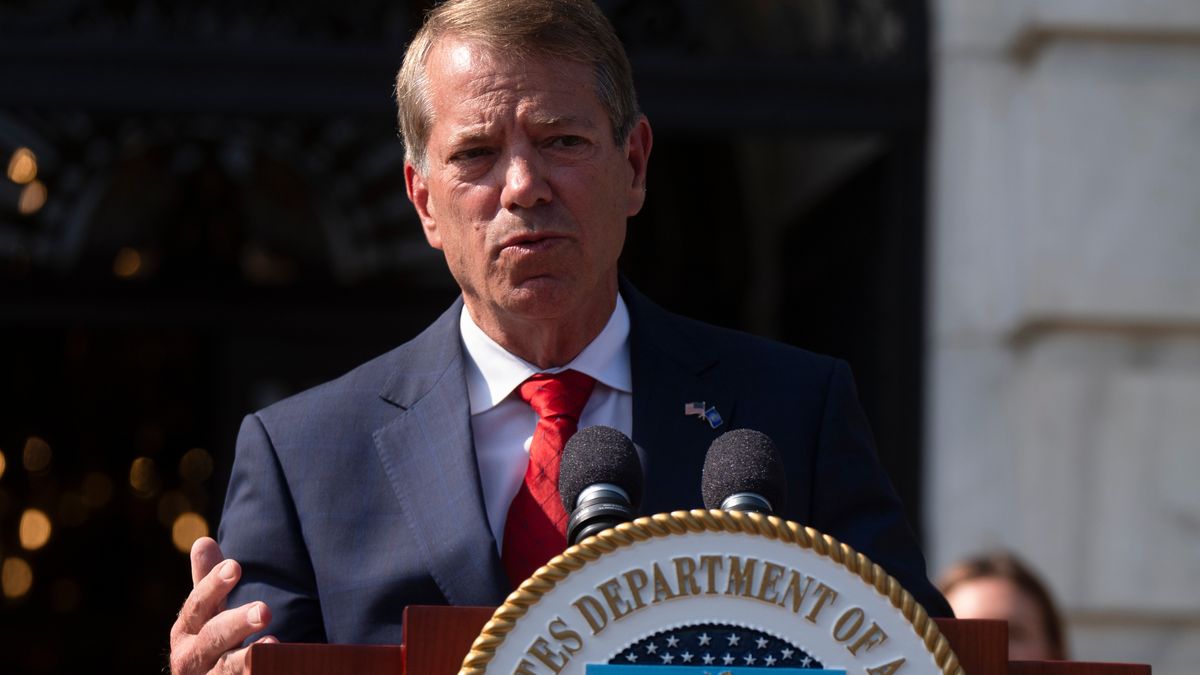
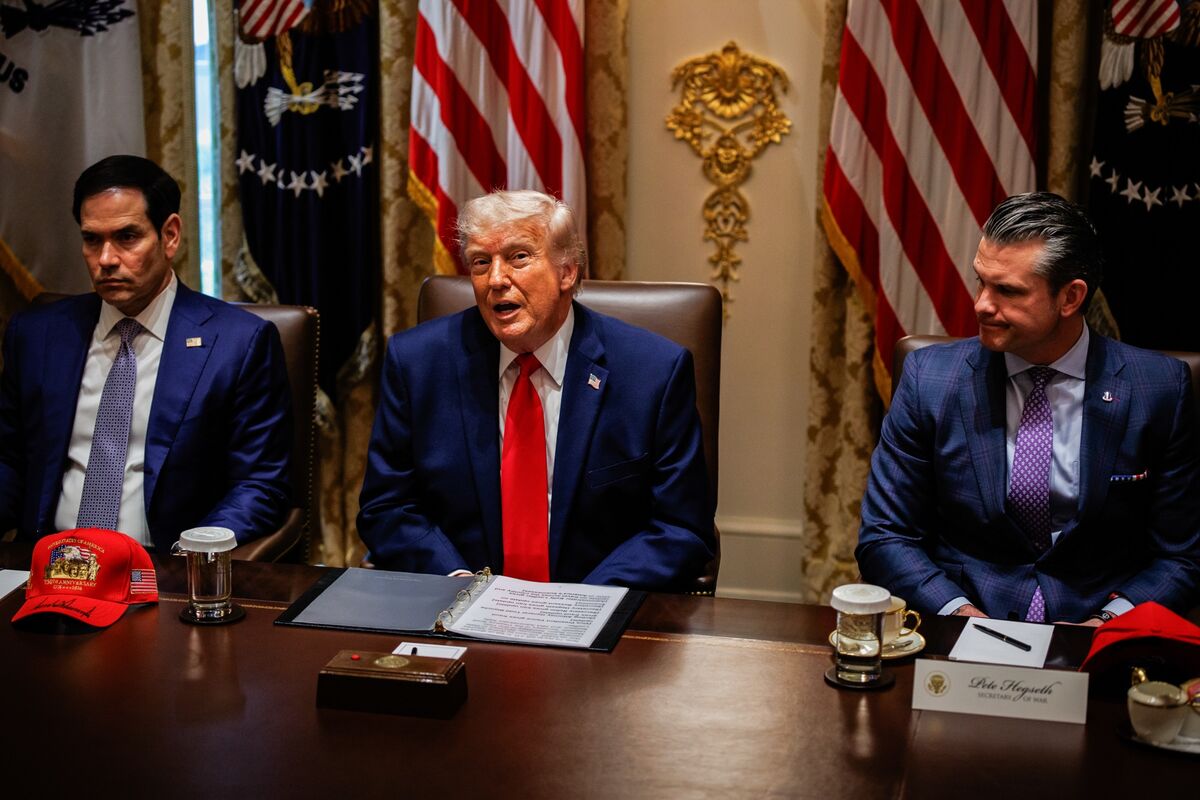
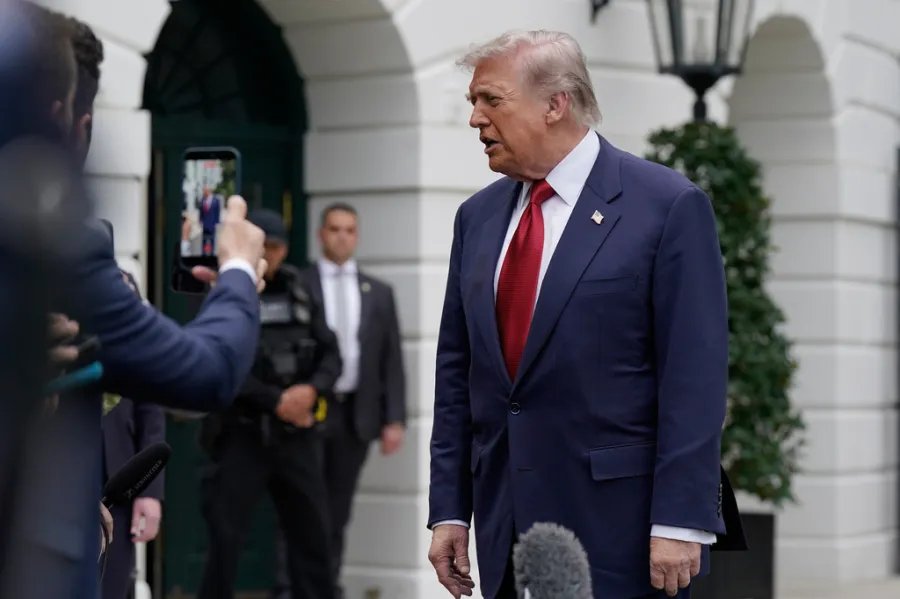
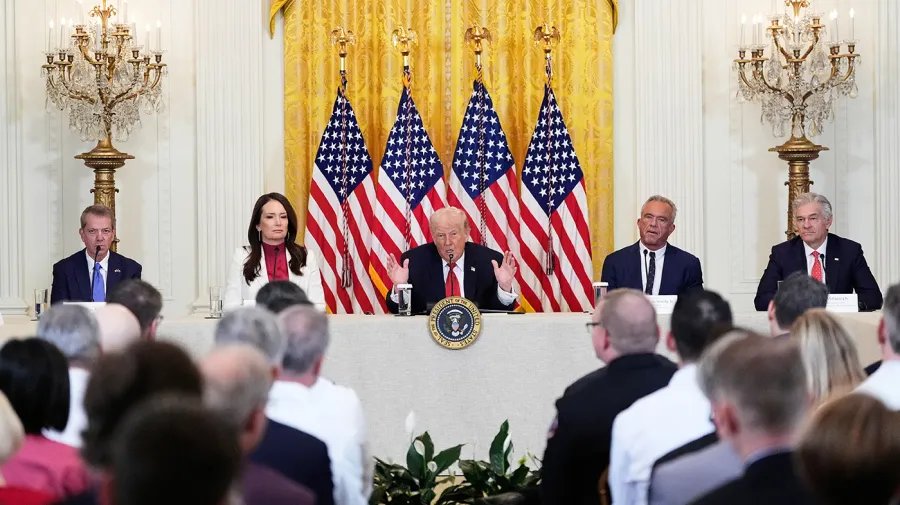
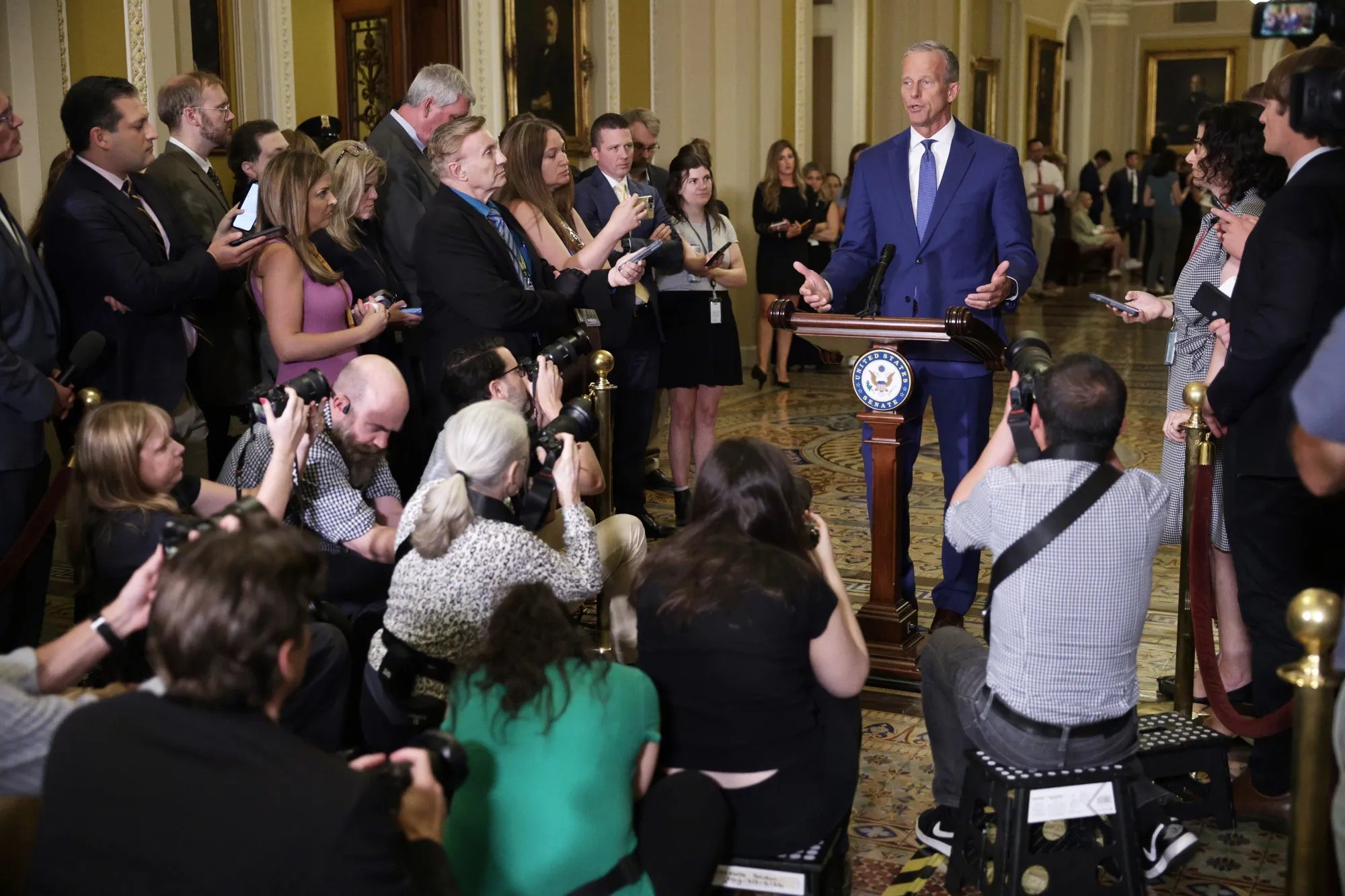
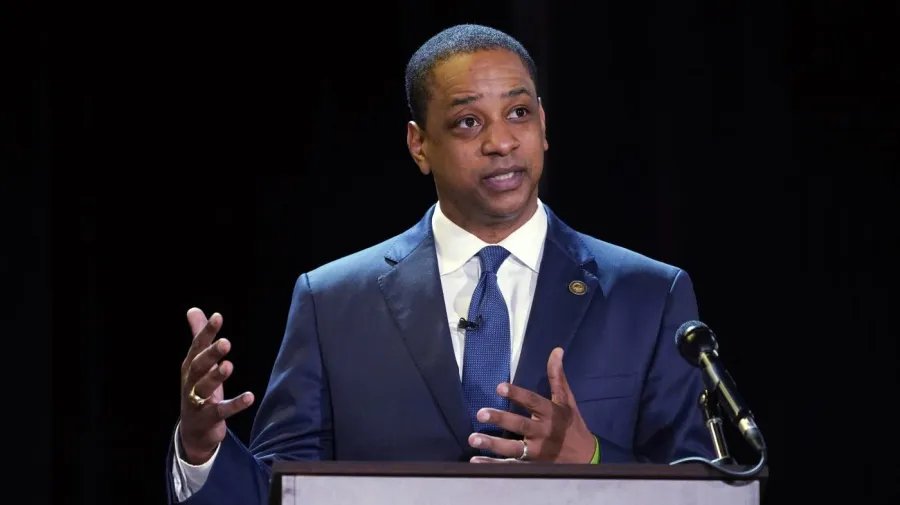
Secretary of State Marco Rubio told a White House Cabinet meeting Wednesday that protecting the American people remains the top priority. "We cannot and will not allow any cases of Ebola to enter the United States" Rubio said. The administration has already begun evacuating Americans from the region rather than returning them home.
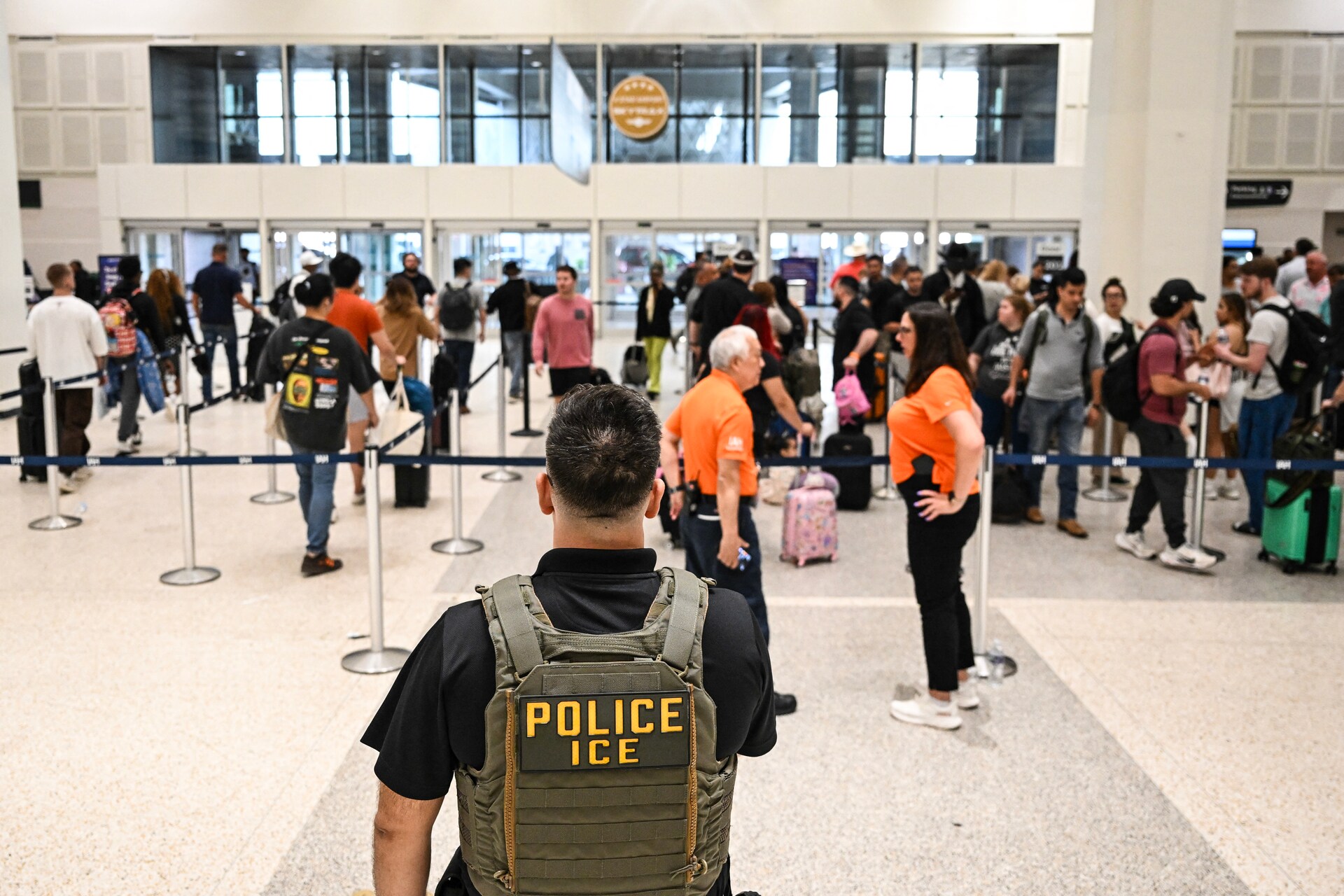
The Centers for Disease Control and Prevention blocked U.S. entry for non-U.S. citizens who visited Congo Uganda or South Sudan within the past 21 days. U.S. citizens remain exempt but face rerouting to specific airports for additional health screenings. The travel restrictions now extend to green card holders with recent travel history in those three countries.
American Medical Workers Already Diverted
Dr. Peter Stafford, an American doctor working in Congo as a Christian missionary, contracted Ebola. He was flown to a hospital in Germany instead of the United States. His wife and four children who showed no symptoms were also sent to Germany for monitoring while another doctor Patrick LaRochelle was transported to the Czech Republic after exposure.
Stafford developed chills fever and weakness but has not experienced organ failure. German officials reported his viral load dropped rapidly over the past week likely due to antiviral therapy. On Wednesday Berlin's Charite University Hospital described him as weak but stable and optimistic about recovery.
Critics Question Care Quality and Ethics
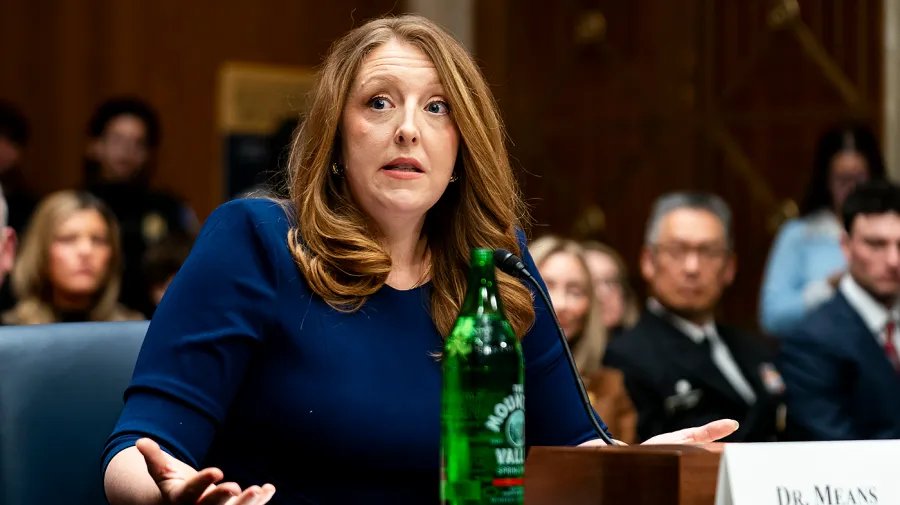
Lawrence Gostin director of the World Health Organization Collaborating Center on National and Global Health Law called the Kenya decision unprecedented. "It is likely to cost American lives" Gostin wrote in an email. He cited an ethical duty to protect U.S. citizens especially health workers and noted it is impossible to match U.S. state-of-the-art facilities in Kenya.
Jennifer Nuzzo epidemiologist and director of the Pandemic Center at Brown University School of Public Health expressed shock at preventing Americans from accessing taxpayer-funded biocontainment units. "There are profound ethical concerns with this approach" she said. Nuzzo warned that lack of clear quarantine plans could amplify virus spread and discourage exposed individuals from disclosing their status.
Jeremy Konyndyk president of Refugees International and former leader in the 2014-2015 Ebola response said the policy sends a clear message to American health workers. "That's basically telling any American health worker who might go and work on the effort to contain this outbreak that if they get sick they can't come home" Konyndyk said. He argued such measures proved counterproductive during the 2014 outbreak.
Dr. Craig Spencer a Brown University public health professor who survived Ebola in 2014 called refusal to bring patients home a moral abdication. Dr. Ali Khan former CDC outbreak leader and current dean at University of Nebraska Medical Center stressed that any overseas facility must deliver equivalent care and infection control to U.S. standards.
Kenyan Officials Respond Cautiously
Kenya's health minister Aden Duale confirmed his government is talking with the U.S. about preparedness and response mechanisms for Ebola. Duale did not confirm establishment of a dedicated treatment facility for Americans. He stated that any international health cooperation would follow Kenya's national laws public health regulations biosafety standards and duty to protect Kenyans.
It remains unclear exactly where in Kenya the facility would be located or whether Kenyan officials have formally agreed to host it. The White House described the center as providing high-quality care for Americans needing to exit Congo quickly without lengthy transport risks.
Next Step for Americans in the Region
The administration official emphasized that time is of the essence for Ebola patients. The Kenya facility aims to deliver lifesaving care as quickly as possible to Americans in the region who contract the virus. Those already working in Congo now face new procedures that route them to the African facility rather than U.S. soil if exposure occurs.