




Charges Unsealed in Miami
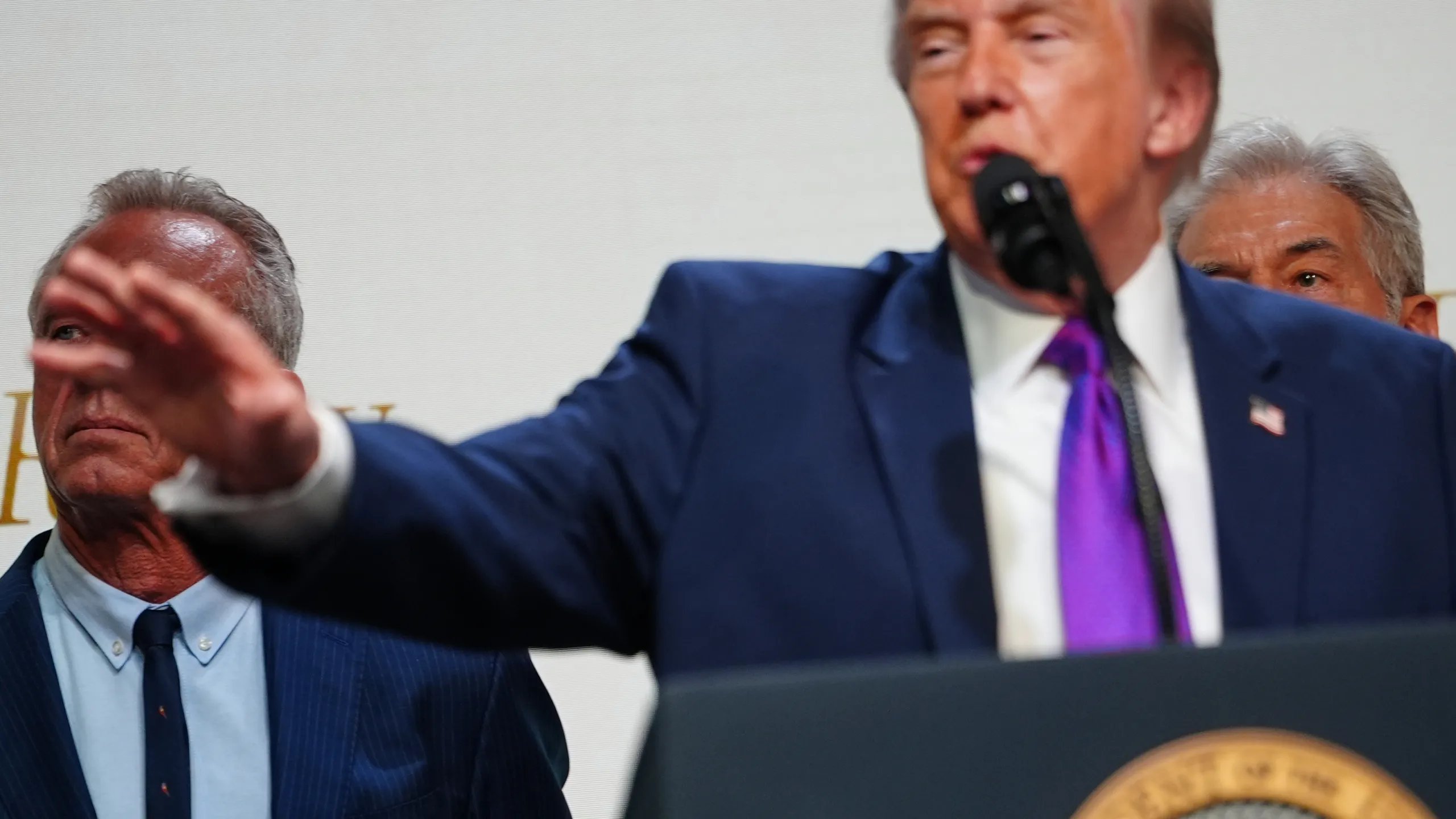
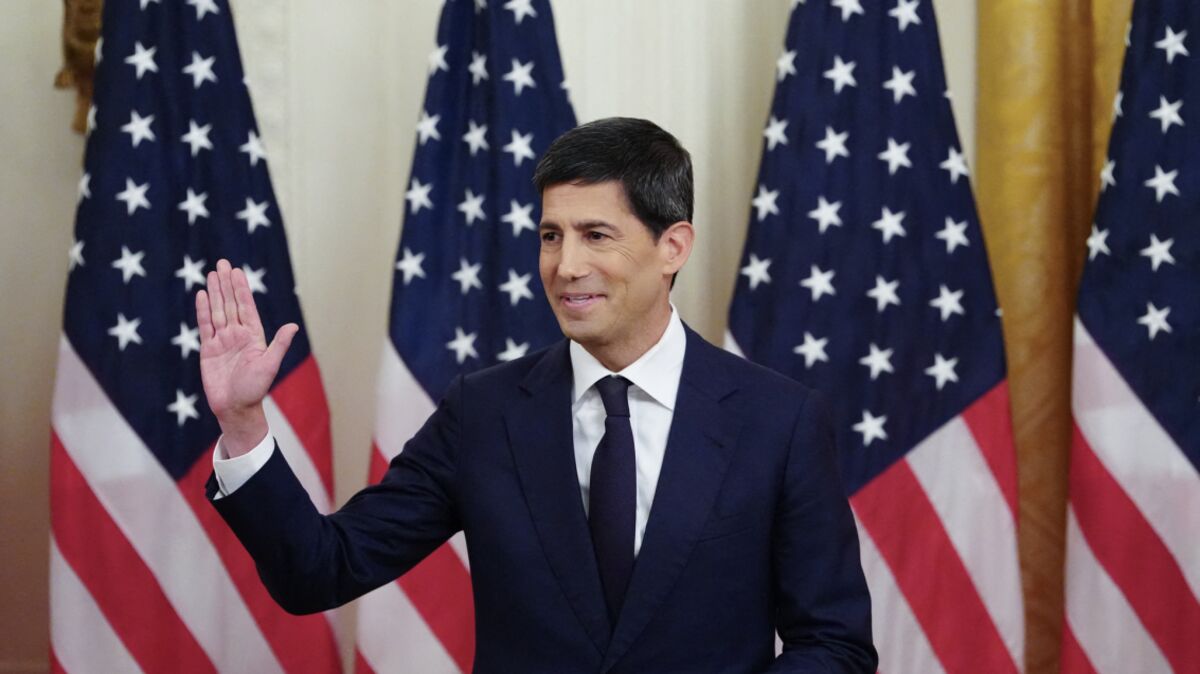
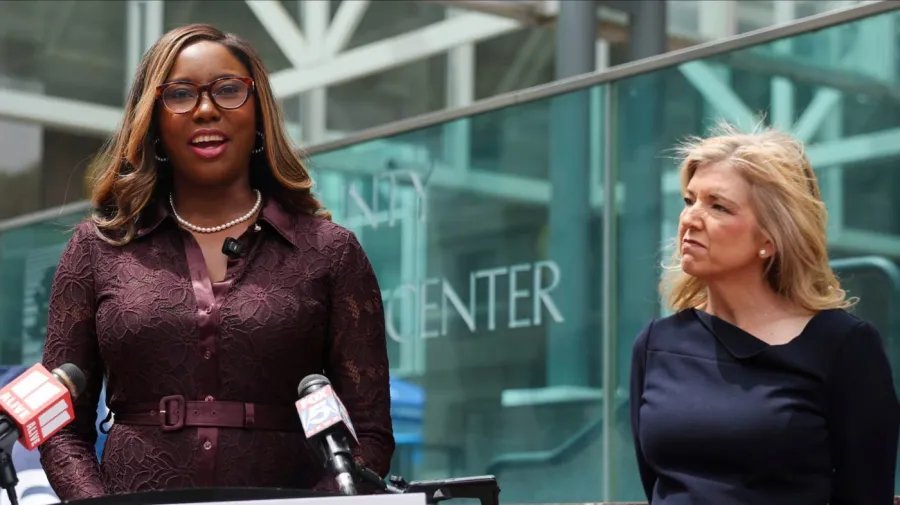
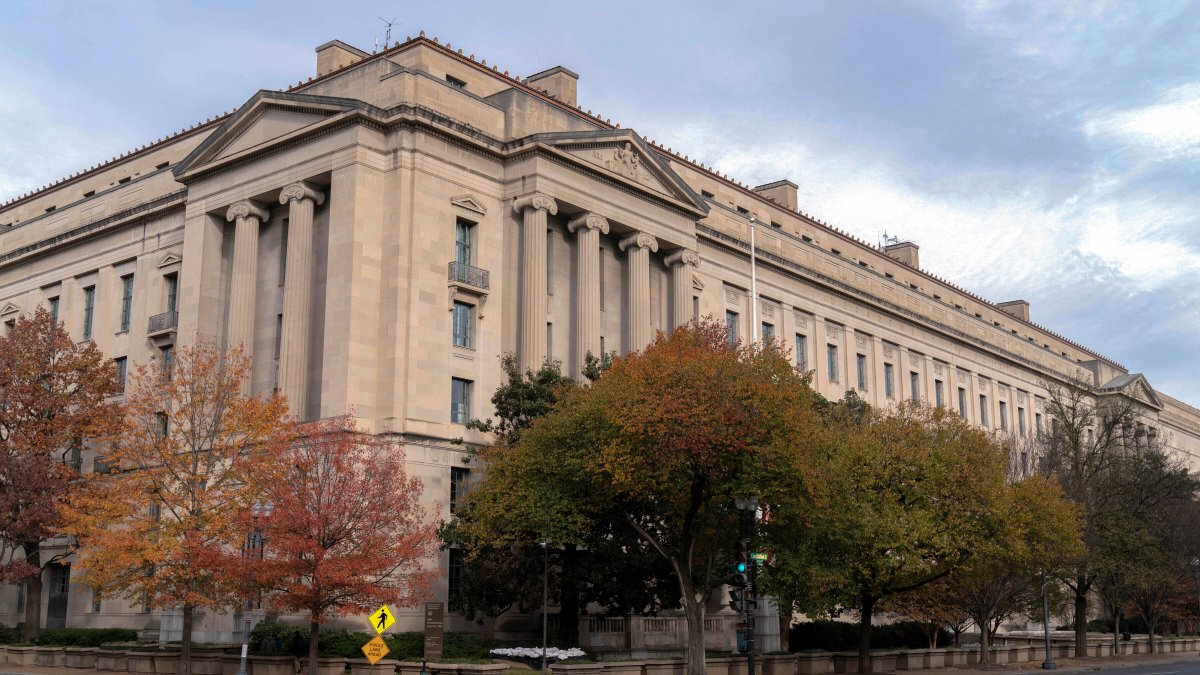
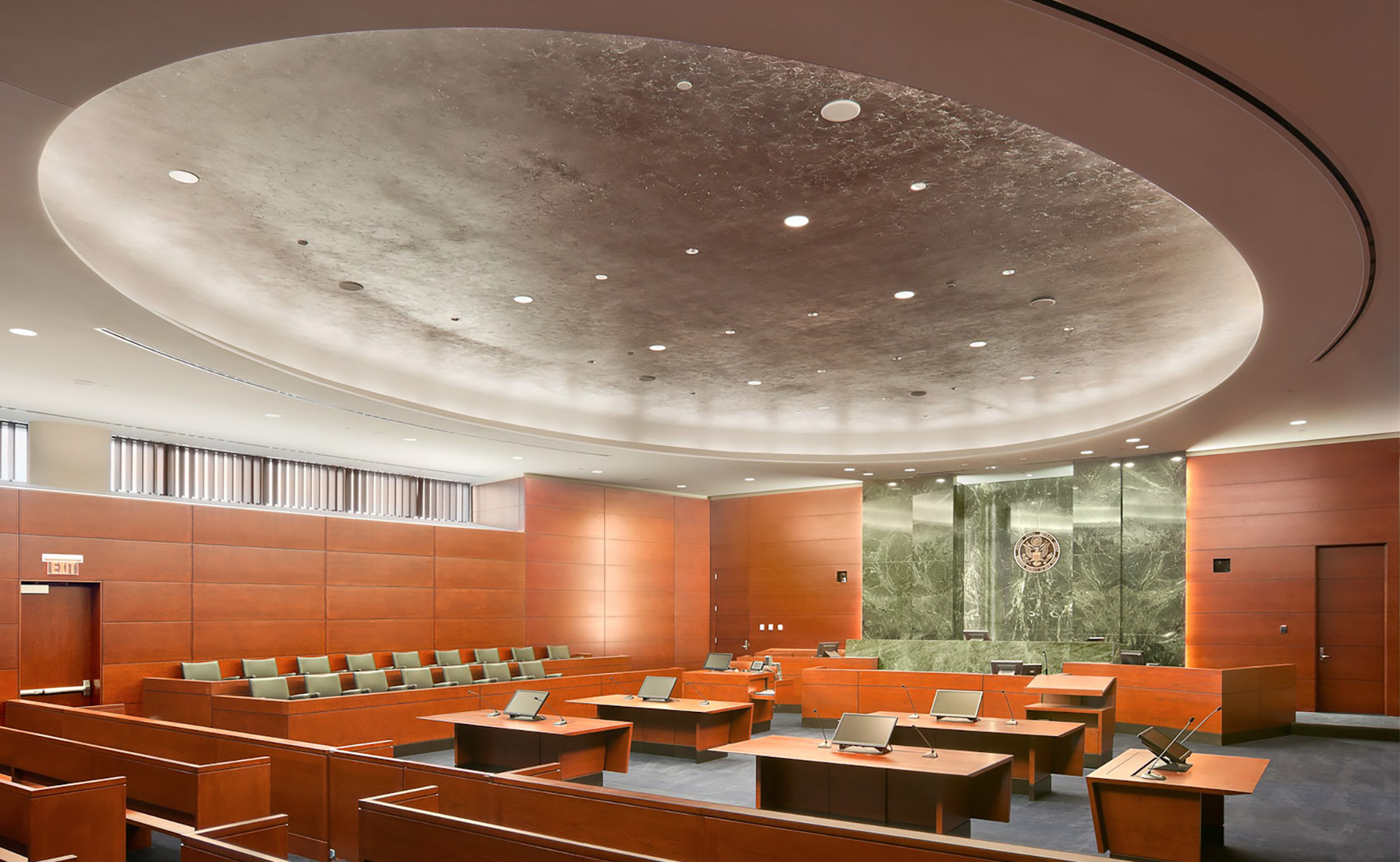
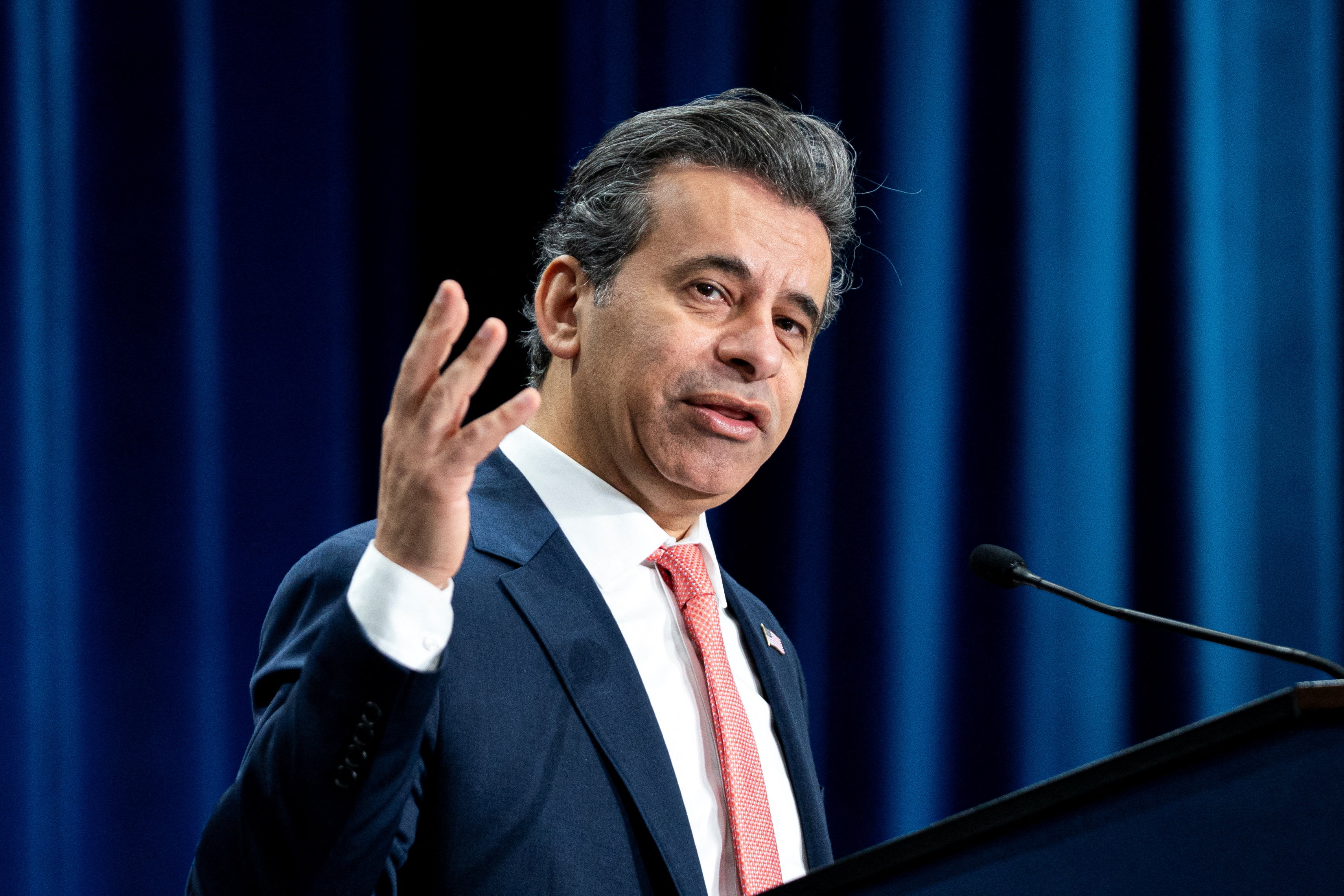
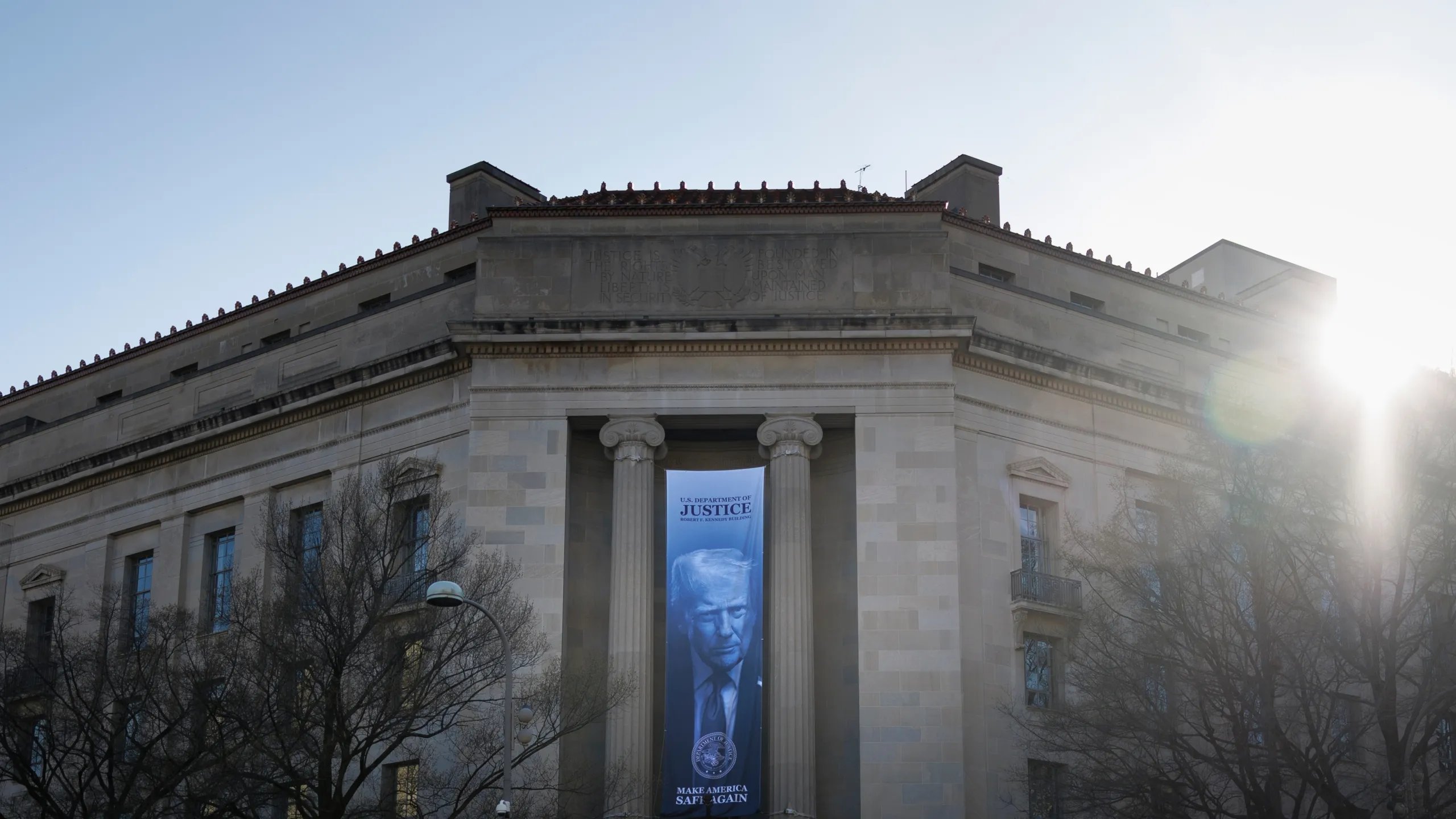
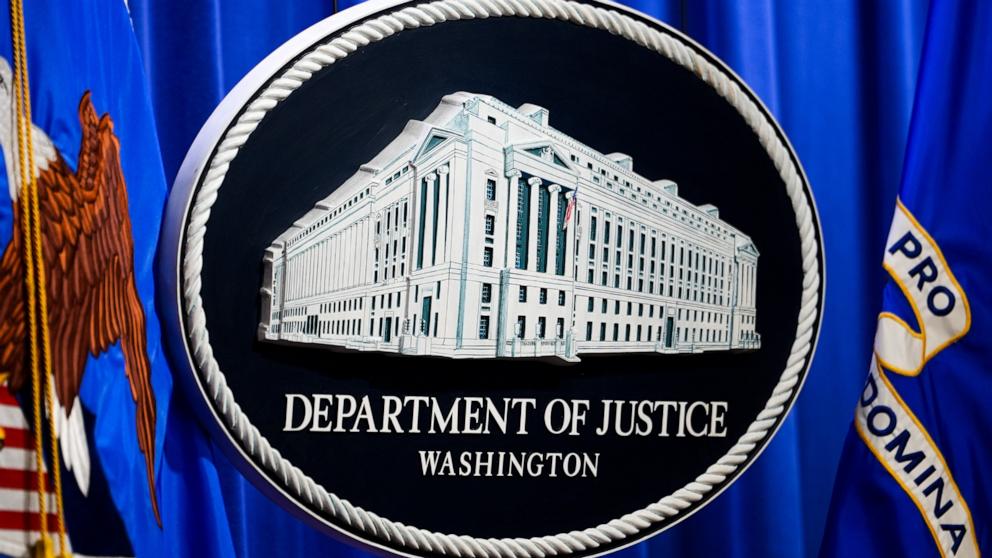
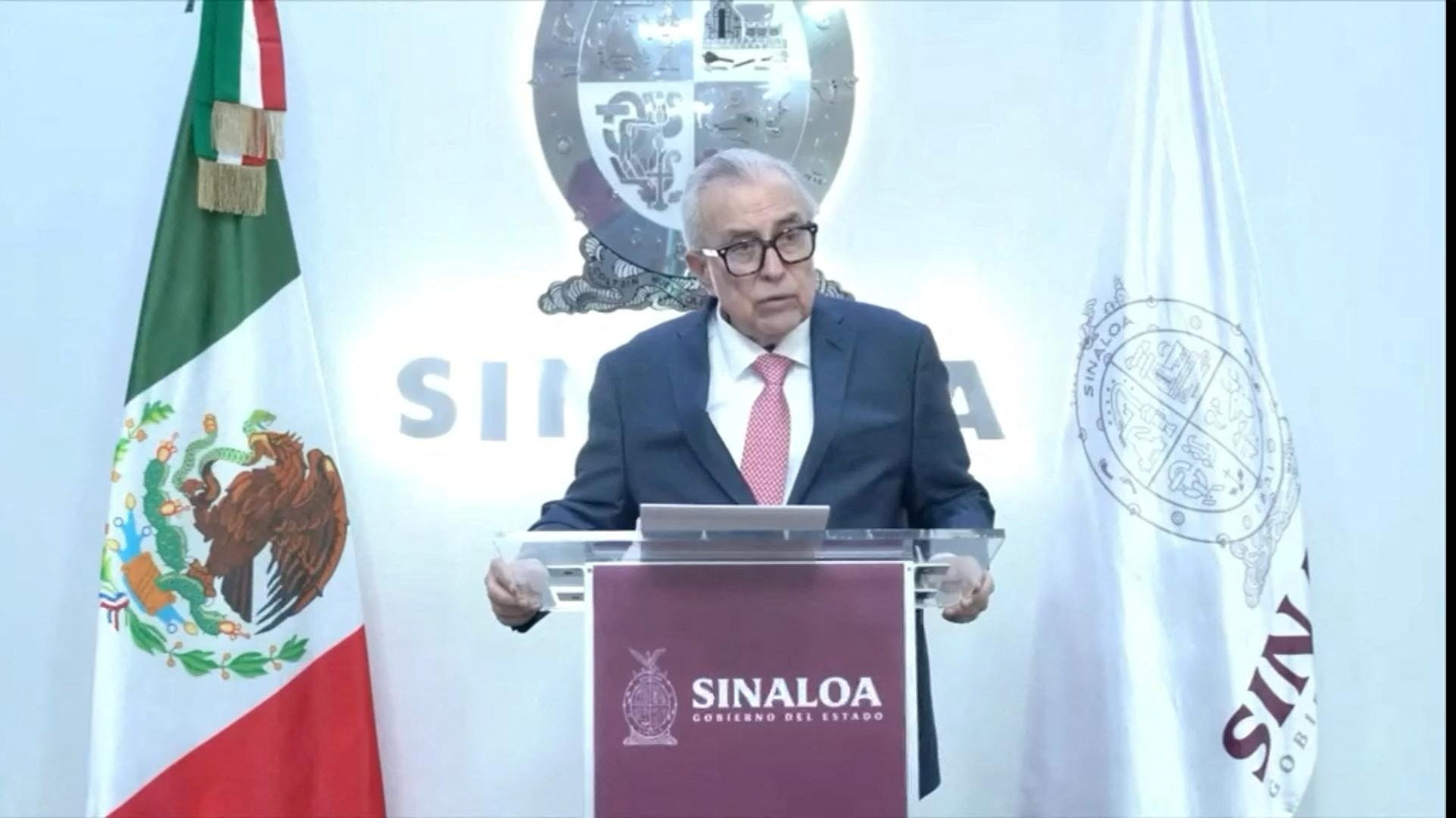
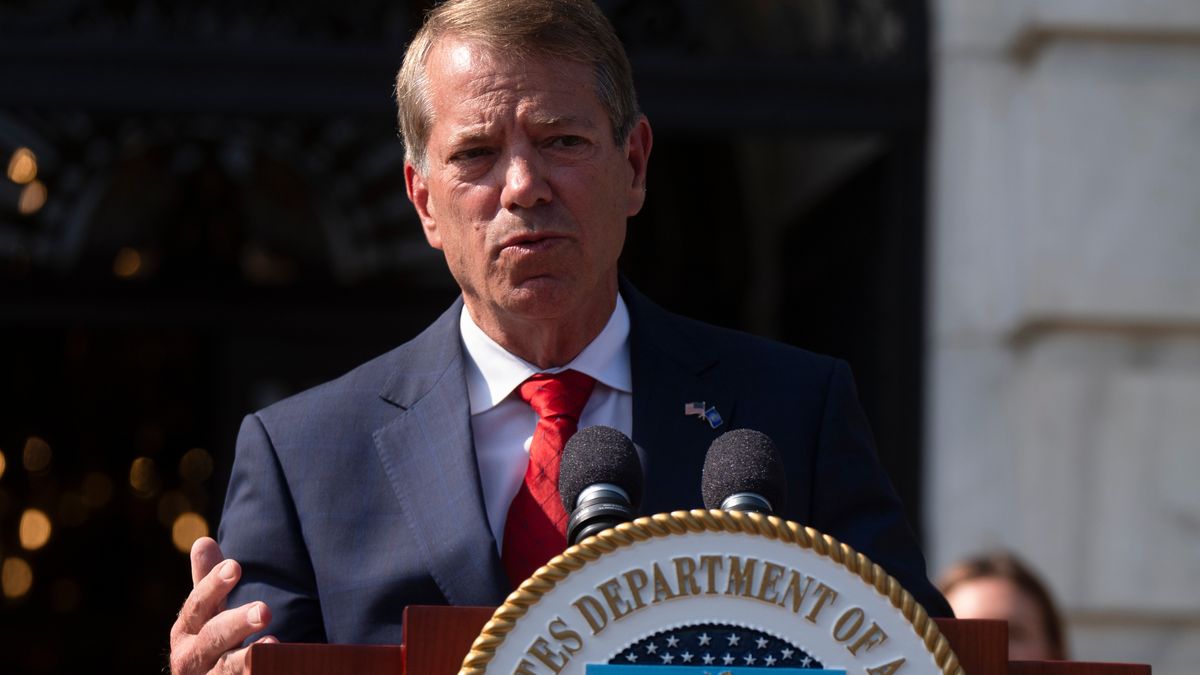
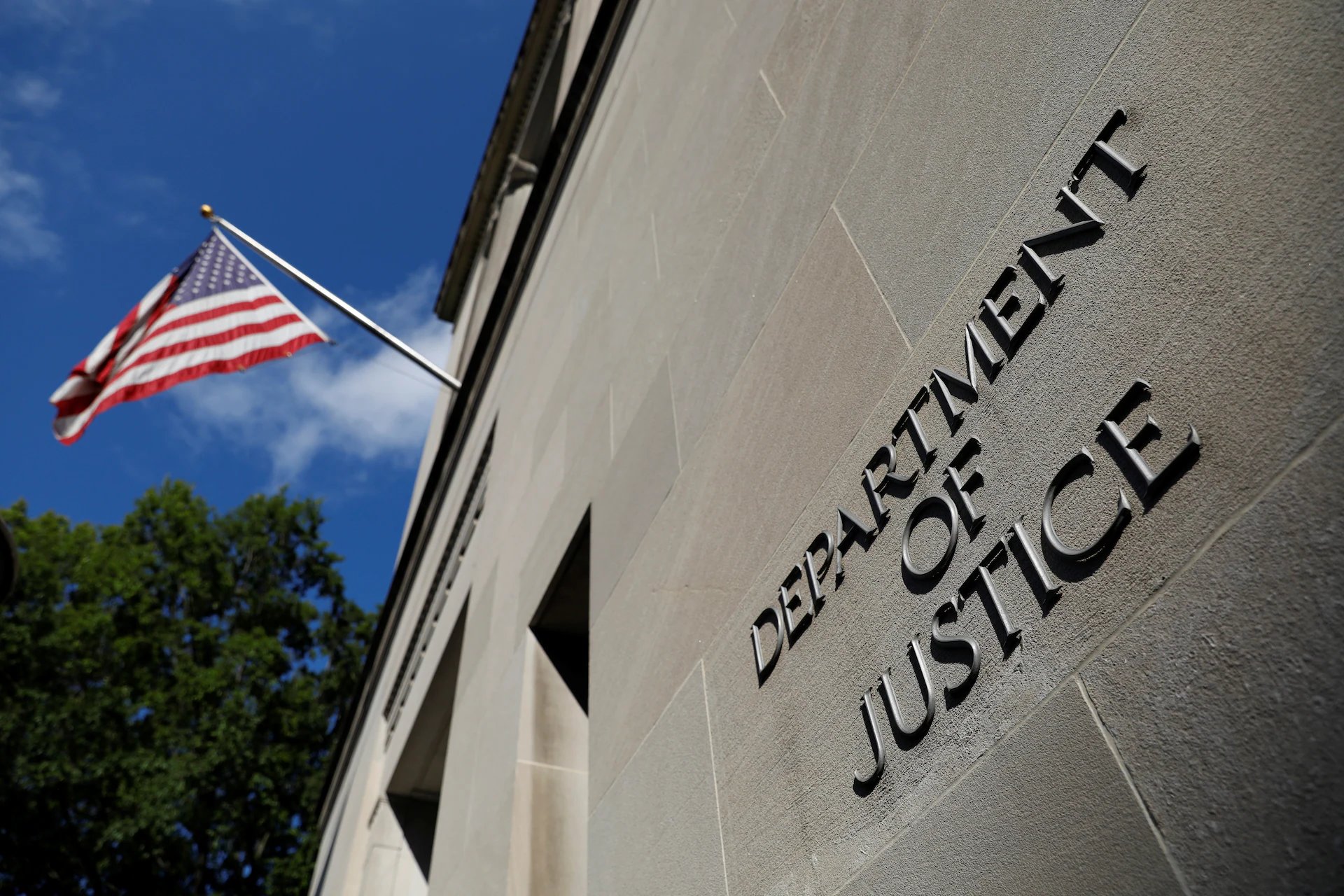
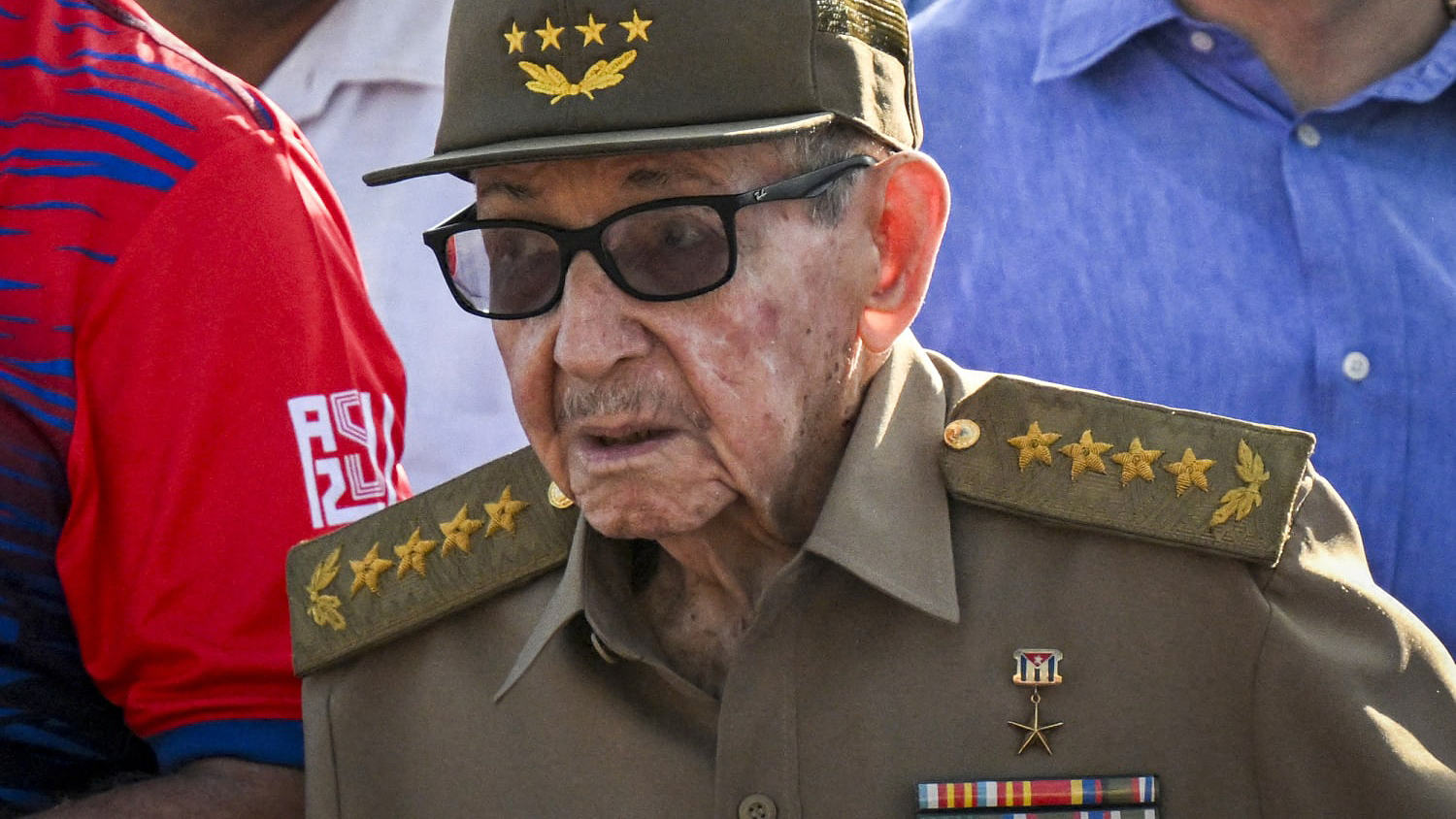
Former Cuban President Raul Castro, age 94, was indicted by a U.S. grand jury on Wednesday for his alleged role in the 1996 downing of two civilian aircraft. Acting Attorney General Todd Blanche announced the indictment in Miami, at the Freedom Tower, a location known as "the Ellis Island of the South" for Cuban Americans. The charges against Castro include conspiracy to kill U.S. nationals, destruction of aircraft, and four counts of murder.
Brothers to the Rescue Targeted
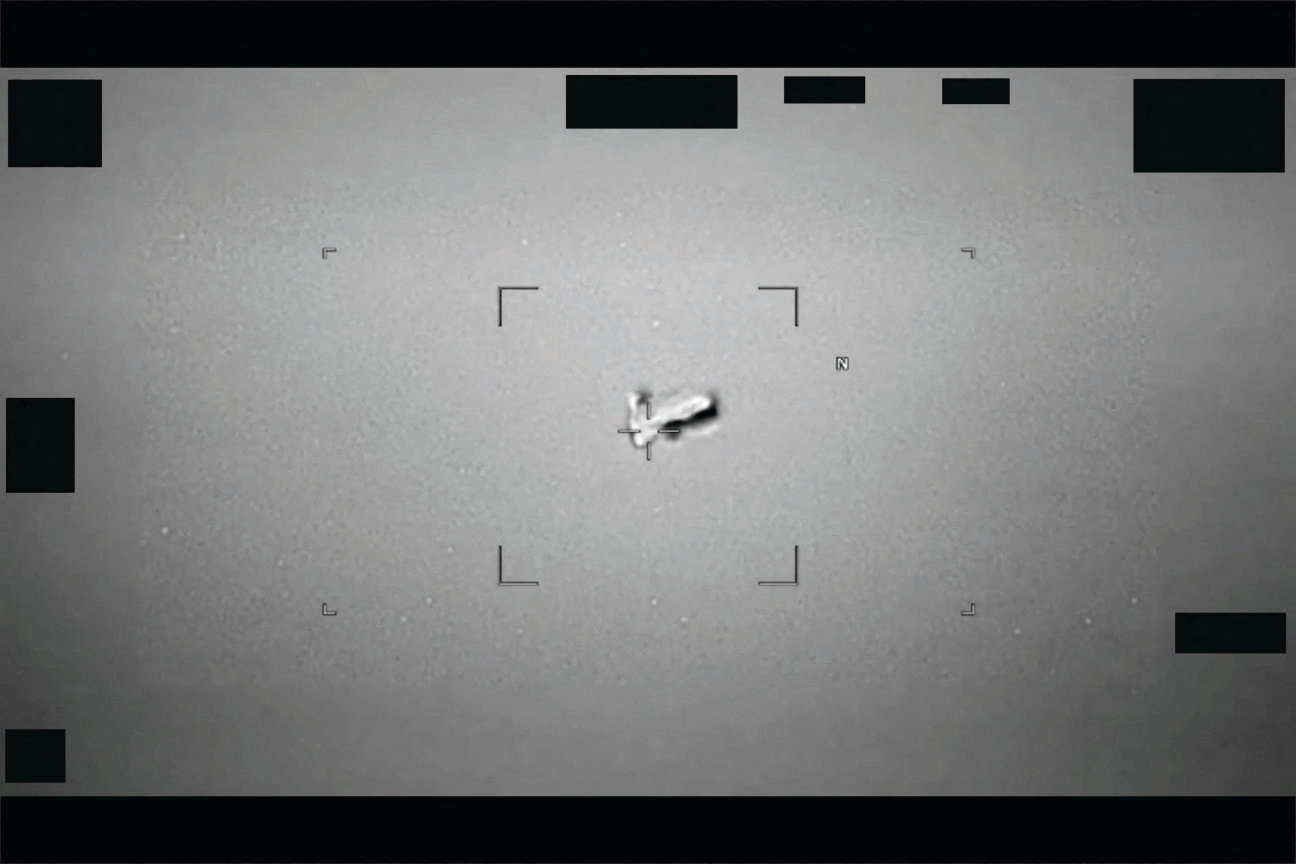
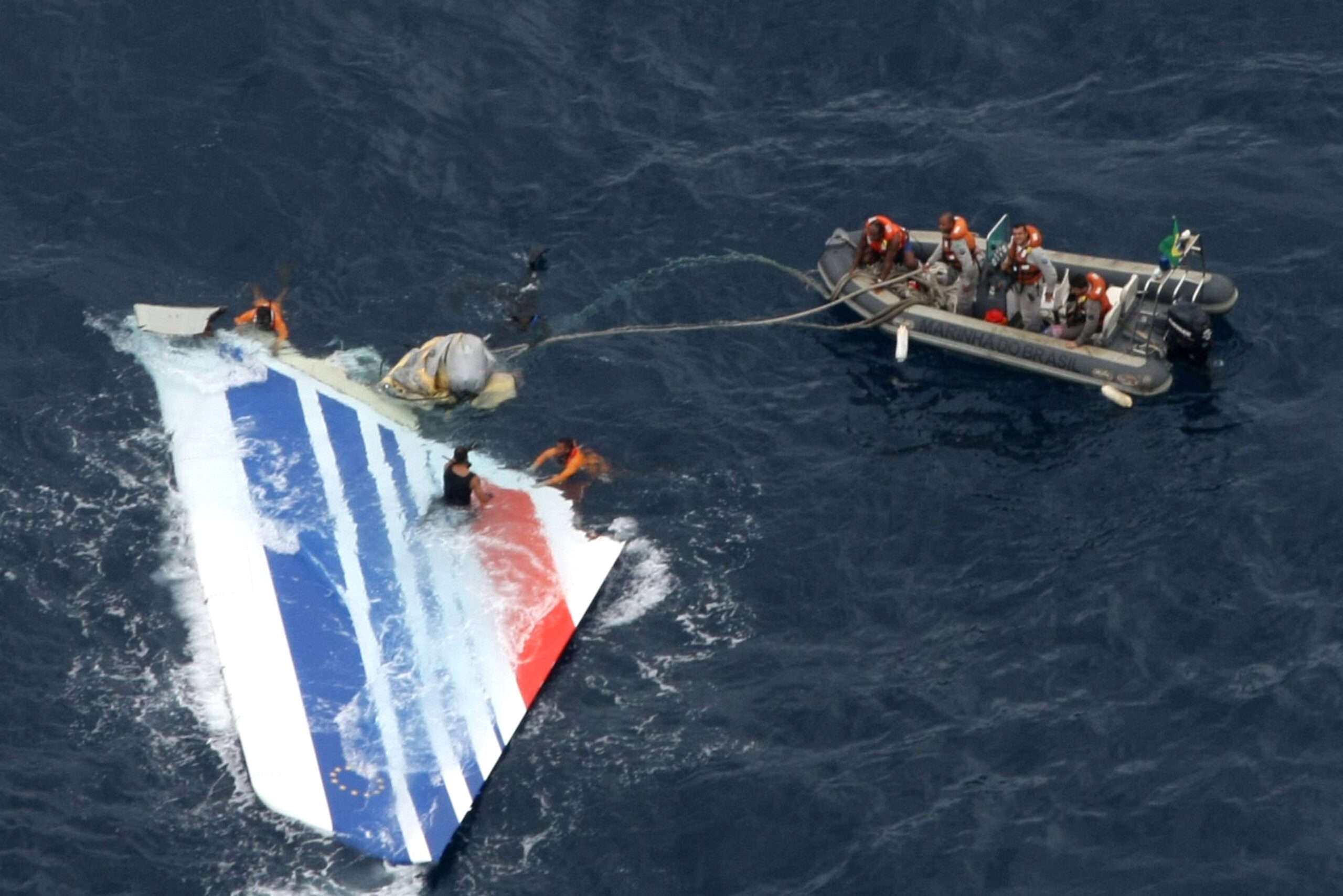
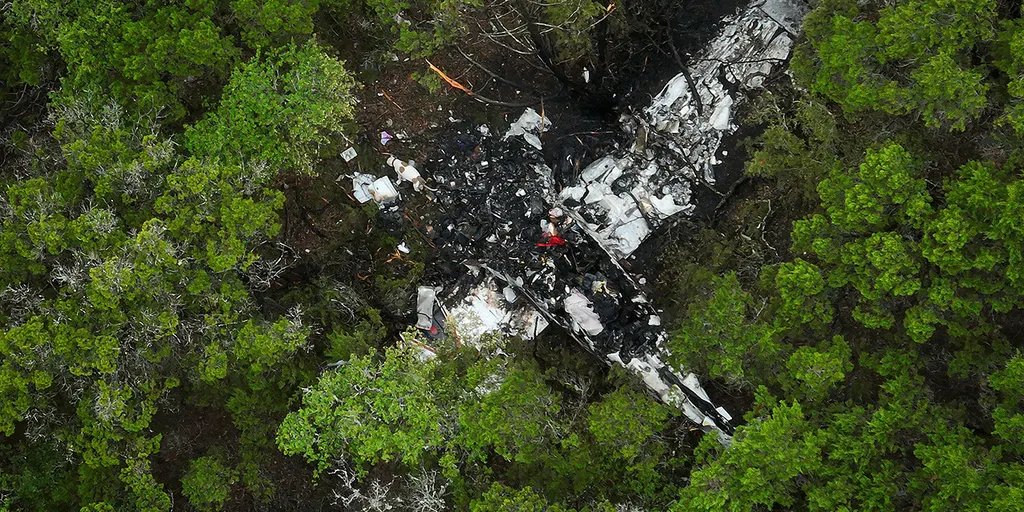
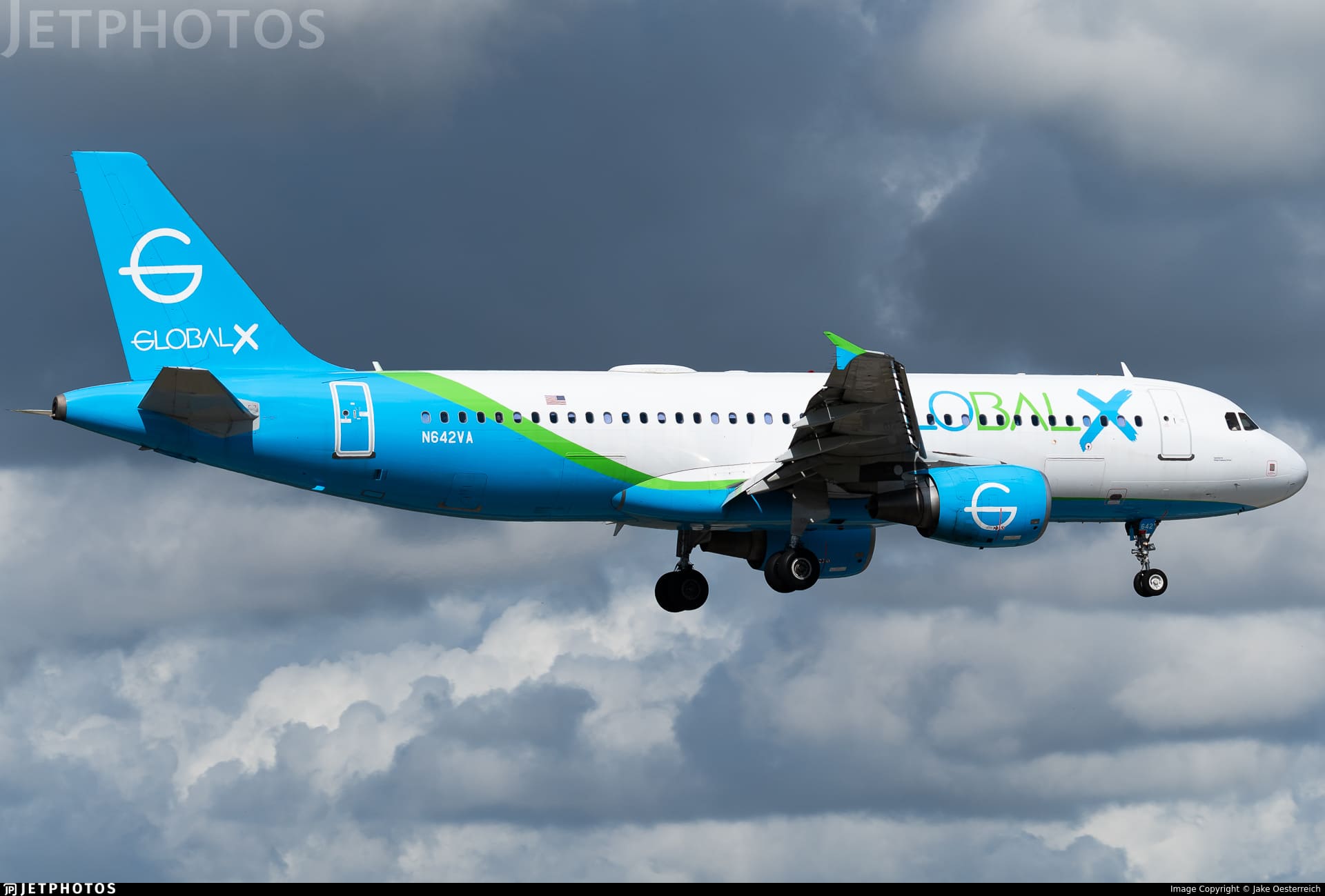
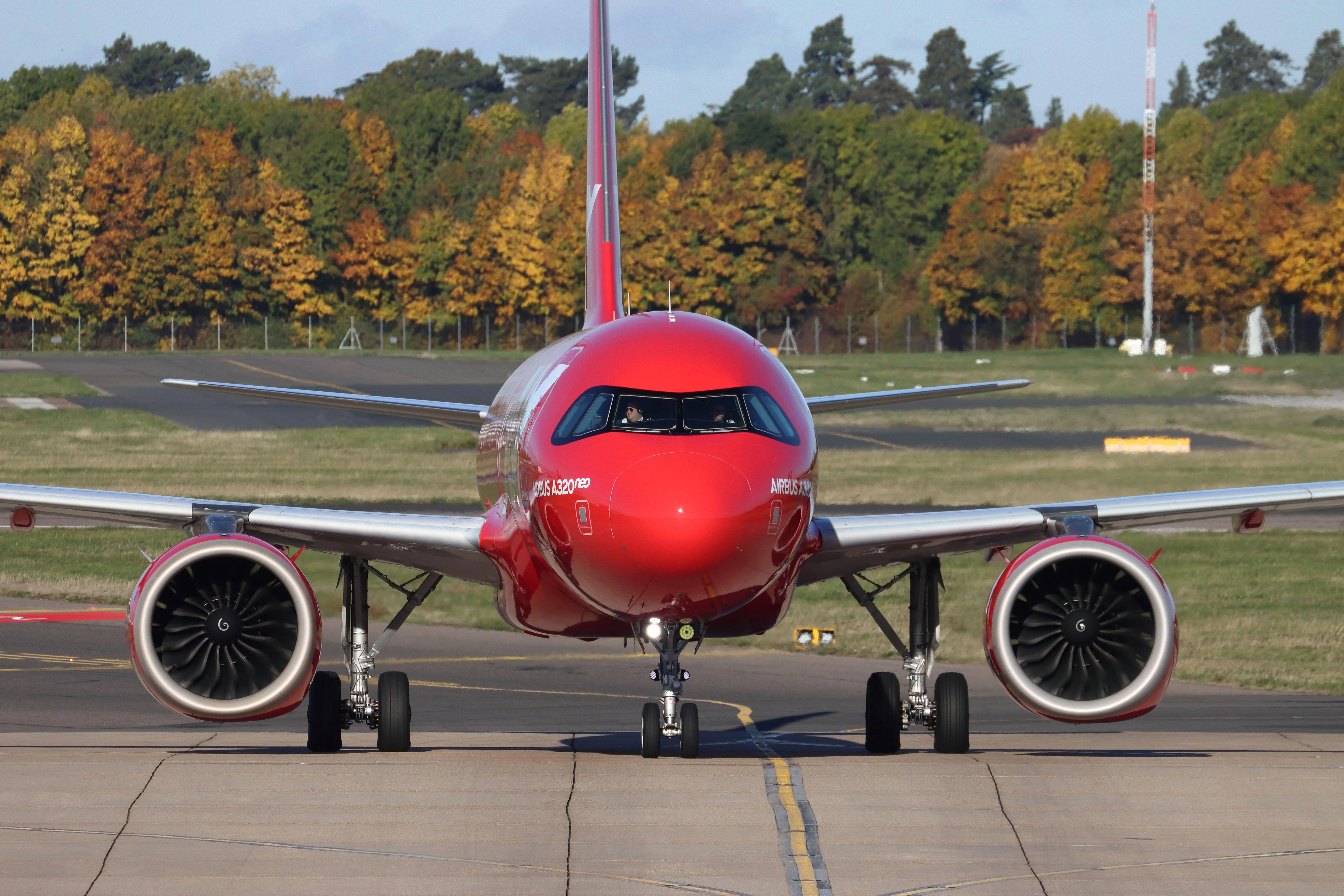
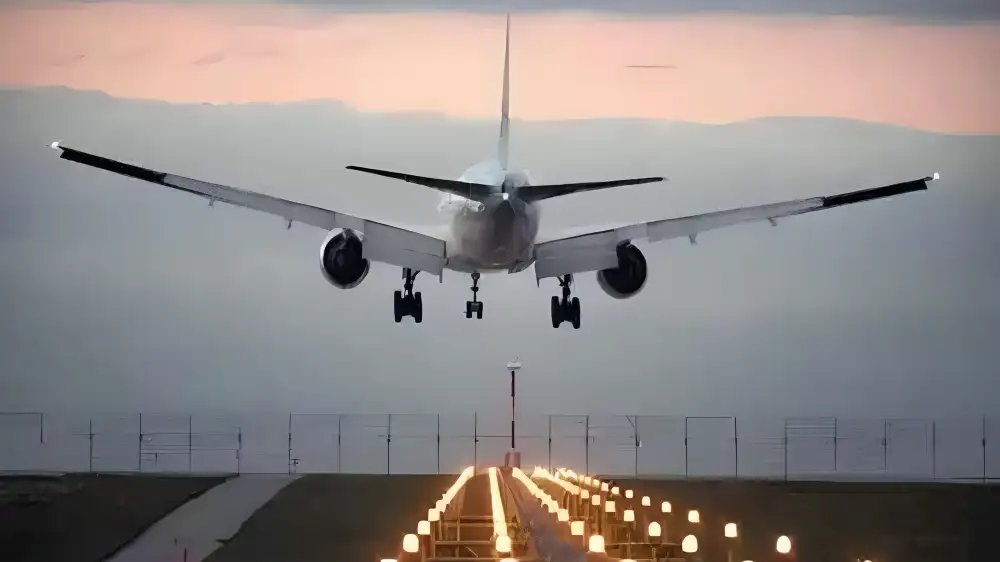
The indictment stems from an incident in February 1996, when two planes operated by Brothers to the Rescue were shot down by a Cuban MiG-29. Brothers to the Rescue was founded in 1991 by Jose Basulto and other Cuban exiles, and conducted flight operations to search for Cuban migrants fleeing the island. The planes were downed in international airspace, killing four people: Carlos Costa, Armando Alejandre Jr., Mario de la Peña, and Pablo Morales.
U.S. Response and Cuban Defense
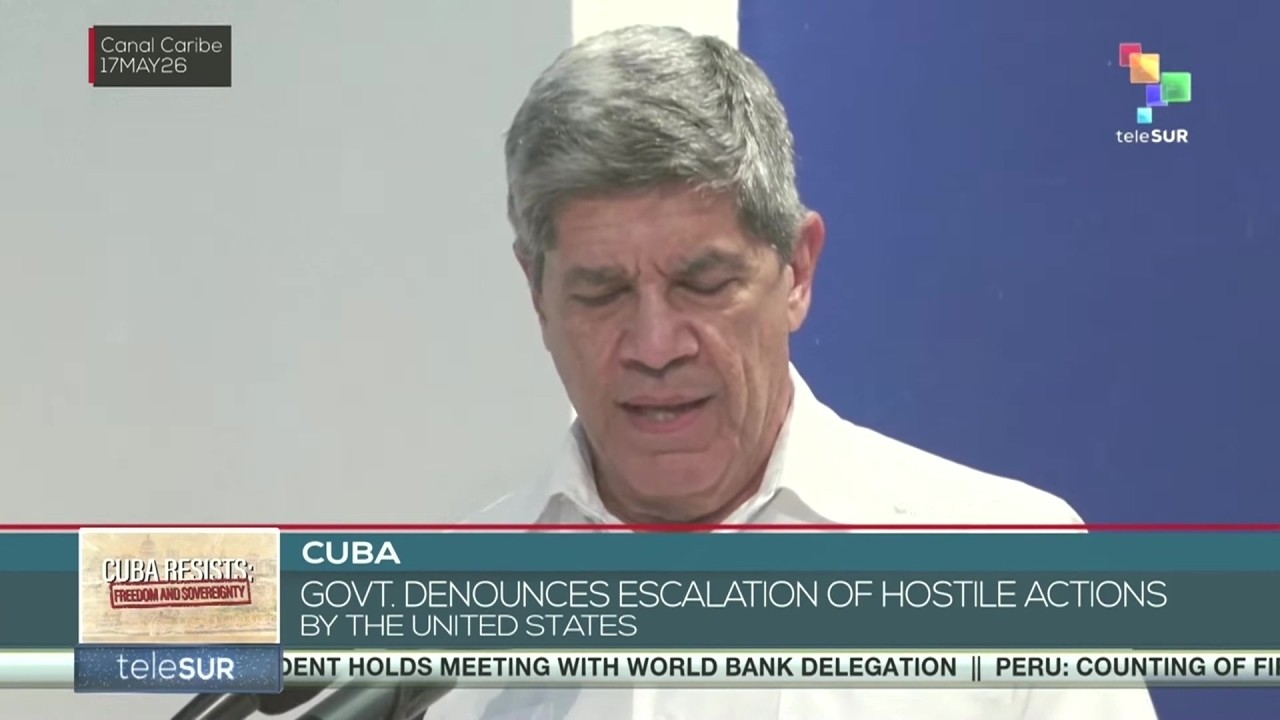
The International Civil Aviation Organization concluded the planes were shot down in international airspace. The Cuban government has maintained the planes violated Cuban airspace and that Brothers to the Rescue was made up of anti-Cuba terrorists. Following the shootdown, Congress codified the U.S. embargo against Cuba.
Justice Department Action
The indictment alleges that Castro, who was Cuba's defense minister at the time, authorized the use of deadly action against Brothers to the Rescue. The Justice Department alleges that Cuban intelligence agents infiltrated the organization and relayed information about its flight operations back to the Cuban government. In 2003, the head of Cuba's Air Force and two fighter pilots were also indicted for the incident.
Political Ramifications
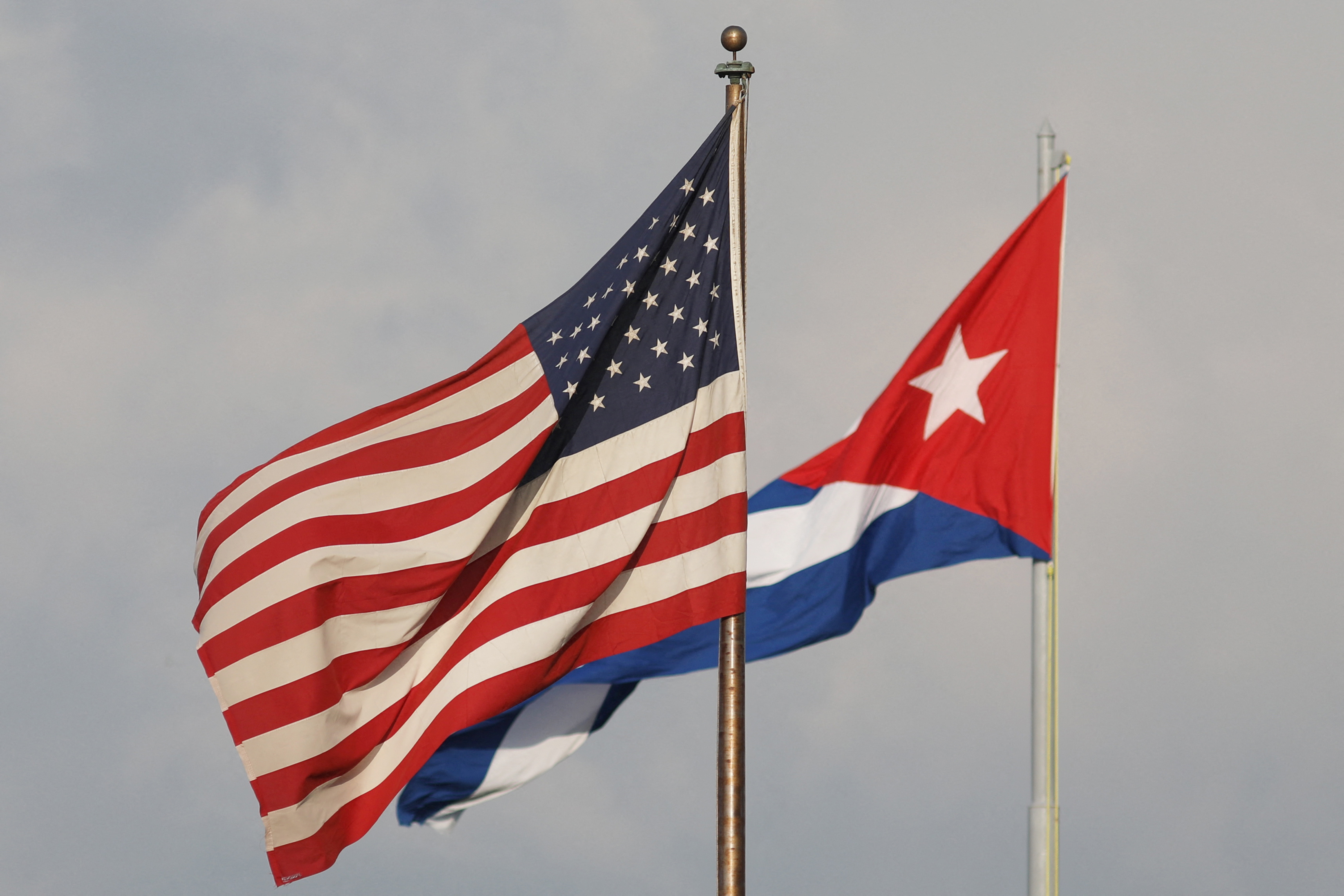
The indictment marks an escalation in the U.S. pressure campaign against the Cuban government. Rep. Mario Díaz-Balart and other lawmakers have been pressing for Castro's indictment. CIA Director John Ratcliffe met with Cuban officials, including Castro's grandson, on May 14 to discuss intelligence cooperation, economic stability, and security issues.
Unclear Future for Castro
It is unclear whether Castro will stand trial in the U.S., as Cuba does not extradite people to the United States. The indictment comes as the Trump administration has threatened steep tariffs against any country that ships oil to Cuba. Secretary of State Marco Rubio urged the people of Cuba to choose "a new path."