




Faster decisions on whistleblower complaints
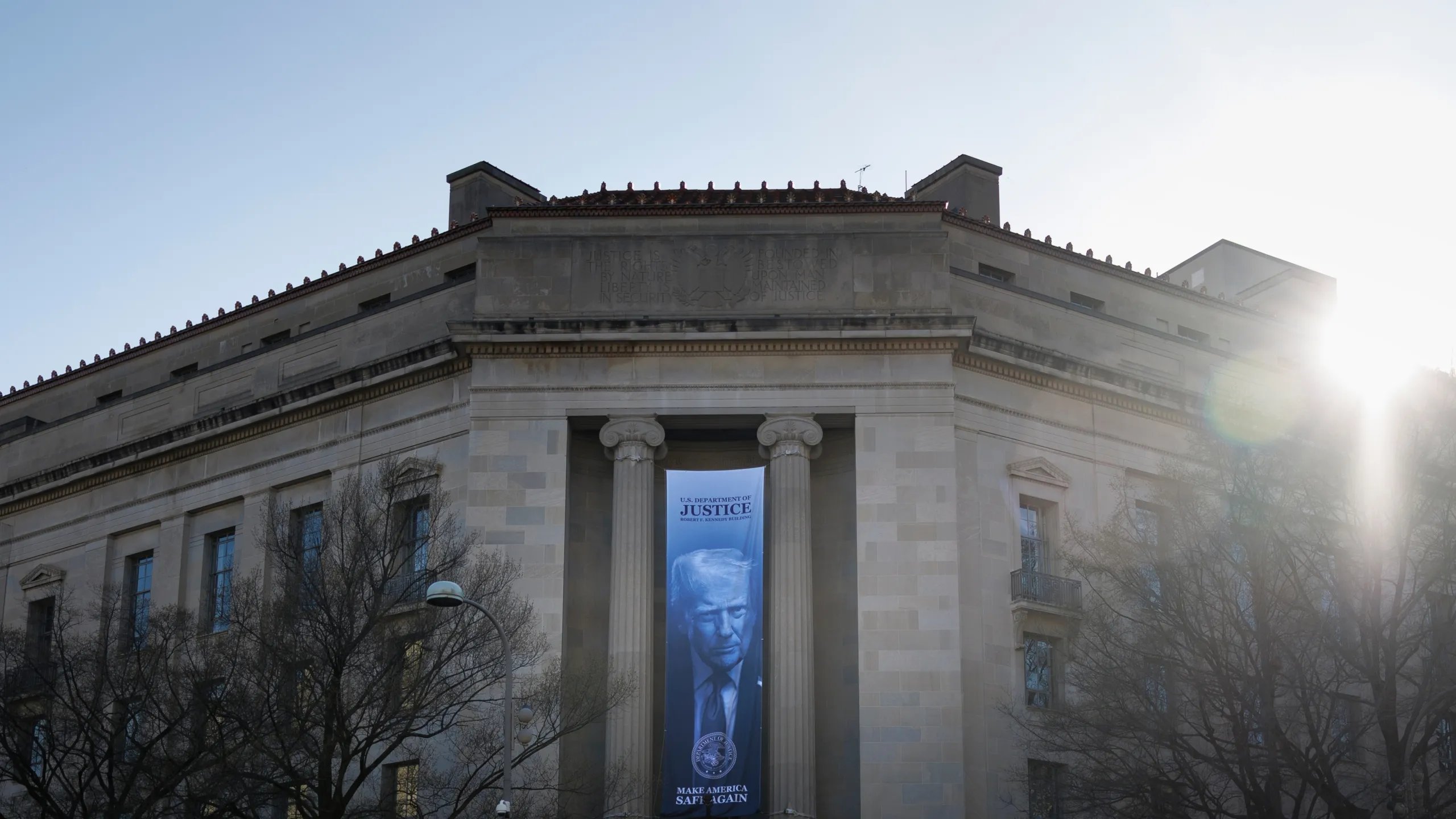
The U.S. Department of Justice will speed up its review of whistleblower complaints alleging fraud against federal benefit programs like Medicare, federal officials told CBS News exclusively Wednesday. The DOJ Civil Division now plans to decide within 60 to 120 days whether to pursue litigation, investigate further, or dismiss cases brought under the False Claims Act, which is the main federal statute used to fight cases of alleged fraud against government programs.
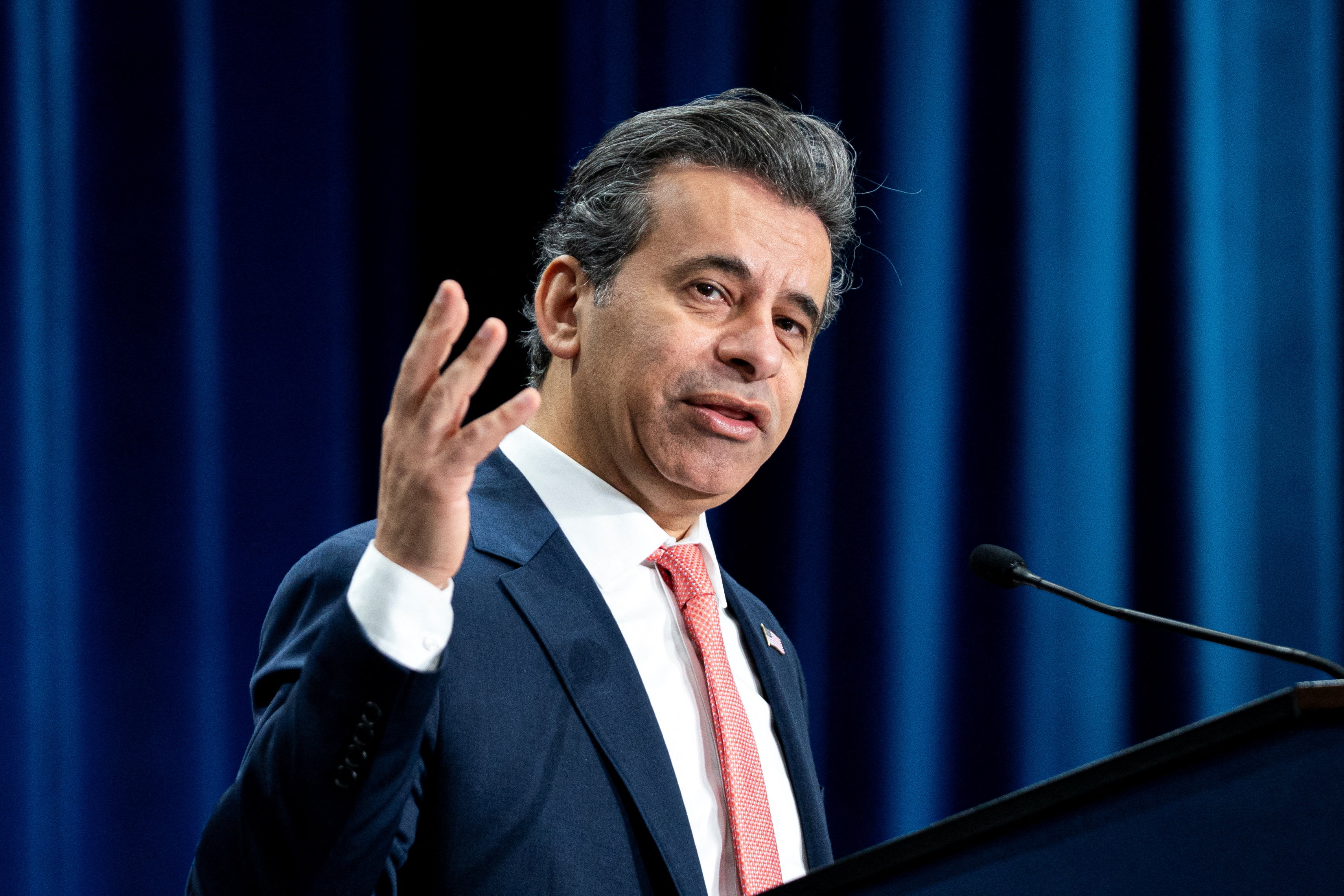
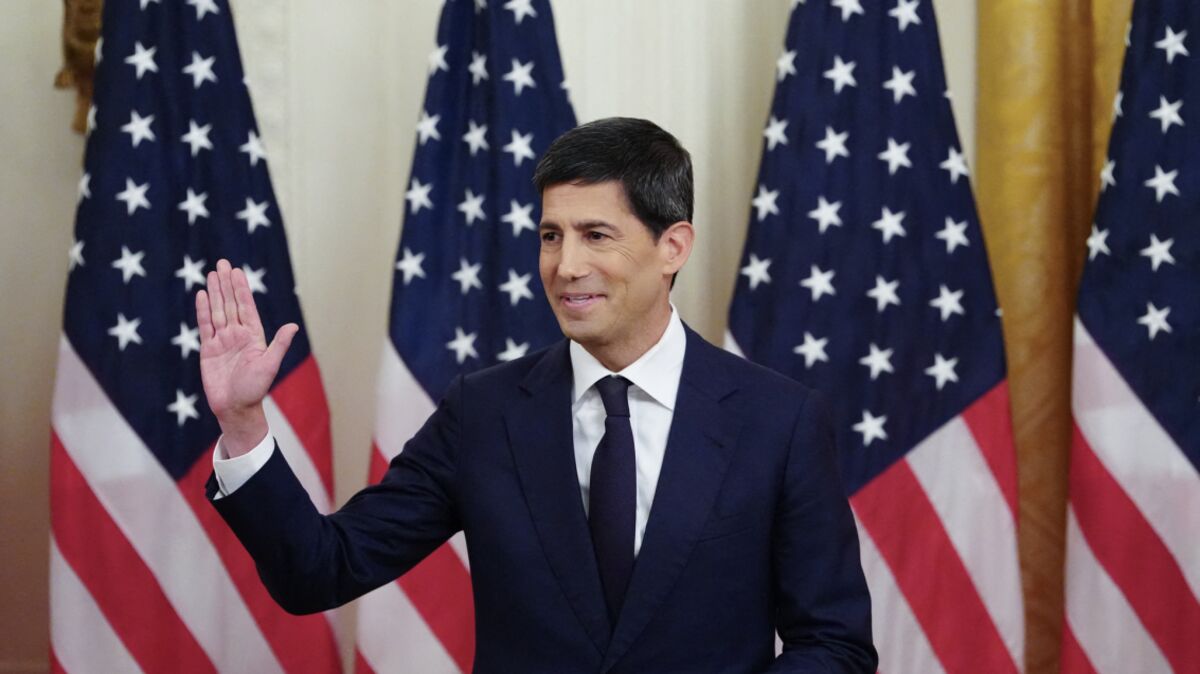
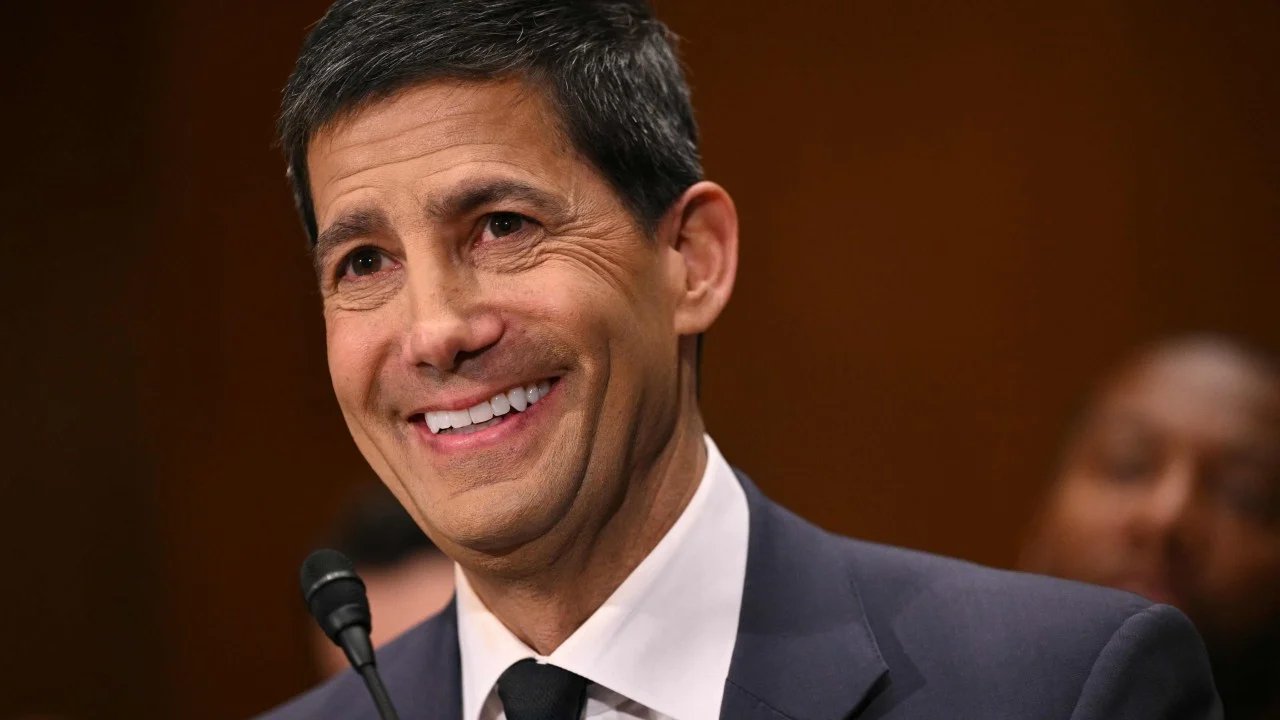
Assistant Attorney General Brett A. Shumate of the Justice Department's Civil Division said the change will "accelerate review of qui tam complaints alleging benefits fraud" to "more rapidly identify and disrupt emerging schemes, strategically deploy enforcement resources to recover taxpayer money, and strengthen the government's broader fight against fraud." Qui tam actions are complaints filed by private individuals, known as relators, who can receive a significant share of any government recovery if their claim succeeds.
A departure from past practice
Making a decision to decline a claim in less than 120 days is unusual, according to sources familiar with the process. The timeline varies significantly depending on case complexity. Colin M. Huntley, an attorney with the Akin law firm and former deputy director of DOJ's Civil Fraud Section, explained that while some cases involve a limited number of discrete transactions, others can span thousands of transactions nationwide, with scope and complexity determining how quickly decisions are made.
Huntley told CBS News that conducting investigations efficiently and making faster decisions is "generally considered a good thing," though he cautioned there is "no replacement for thoroughness."
Part of broader fraud crackdown
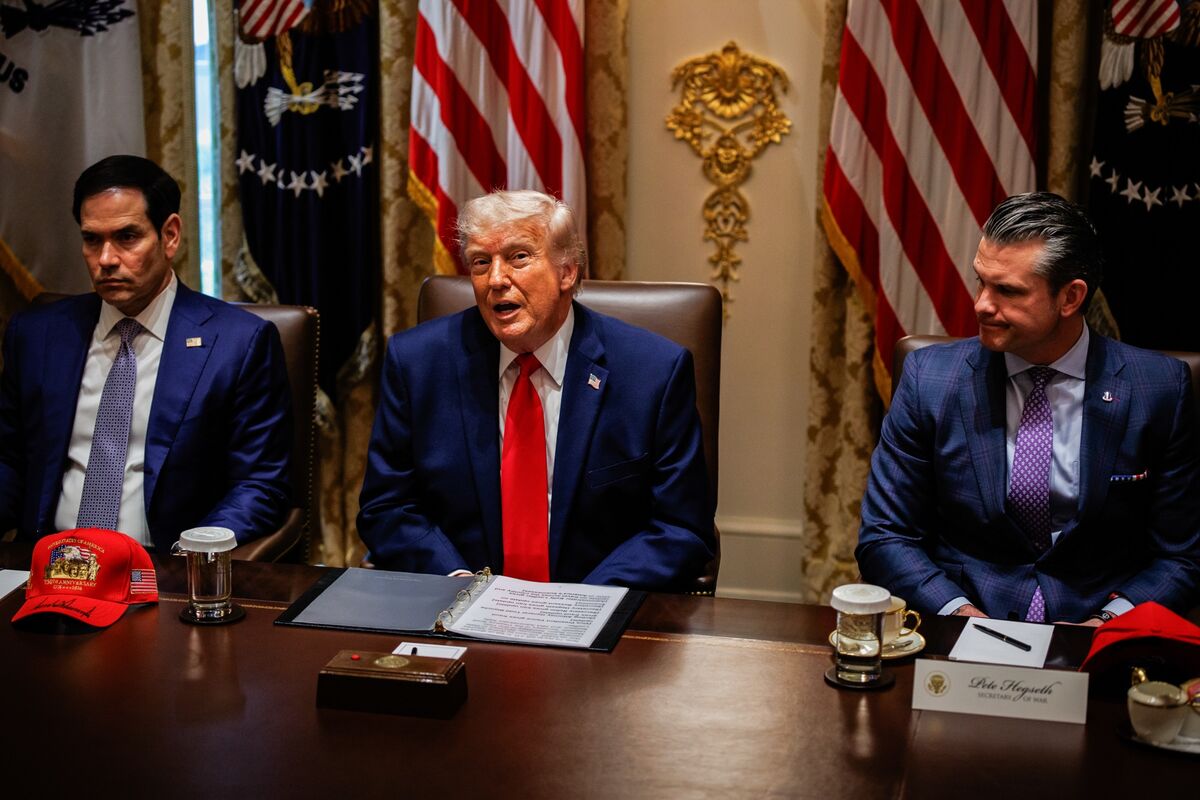
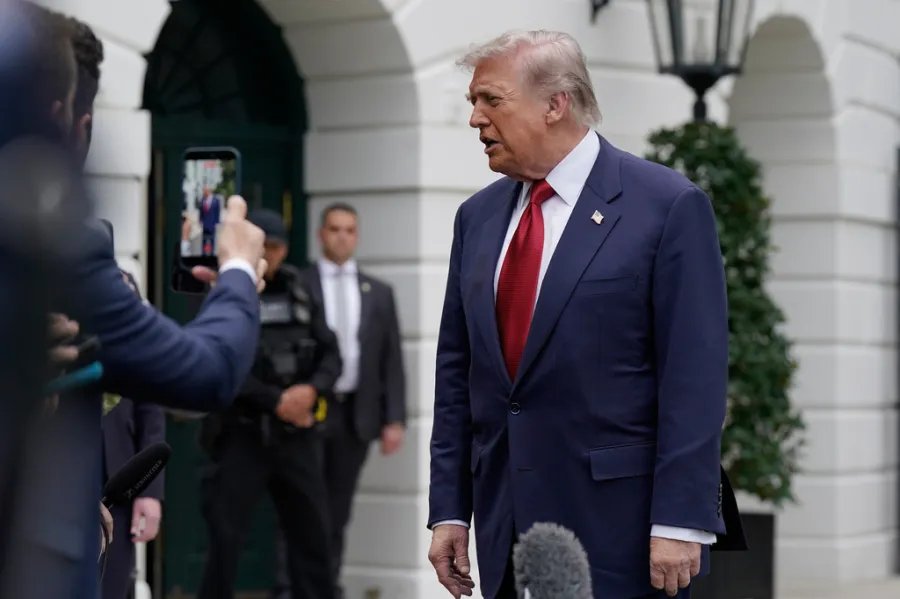
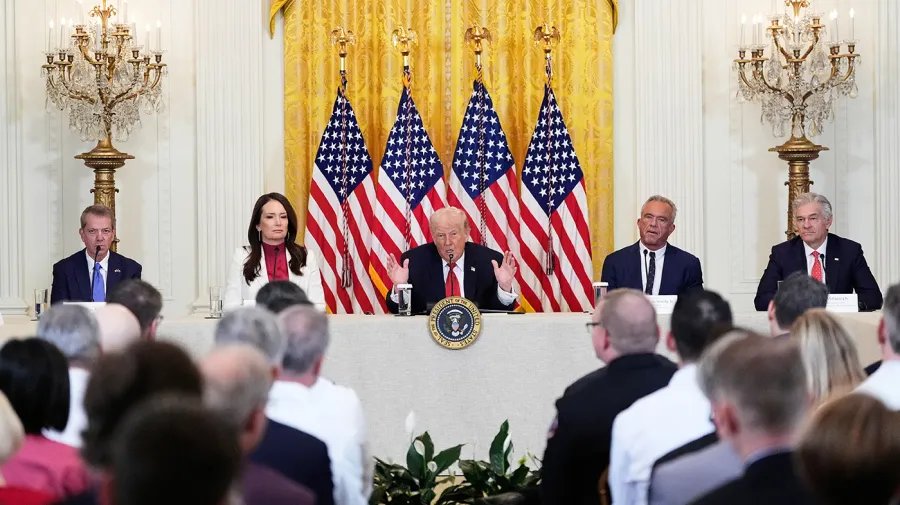
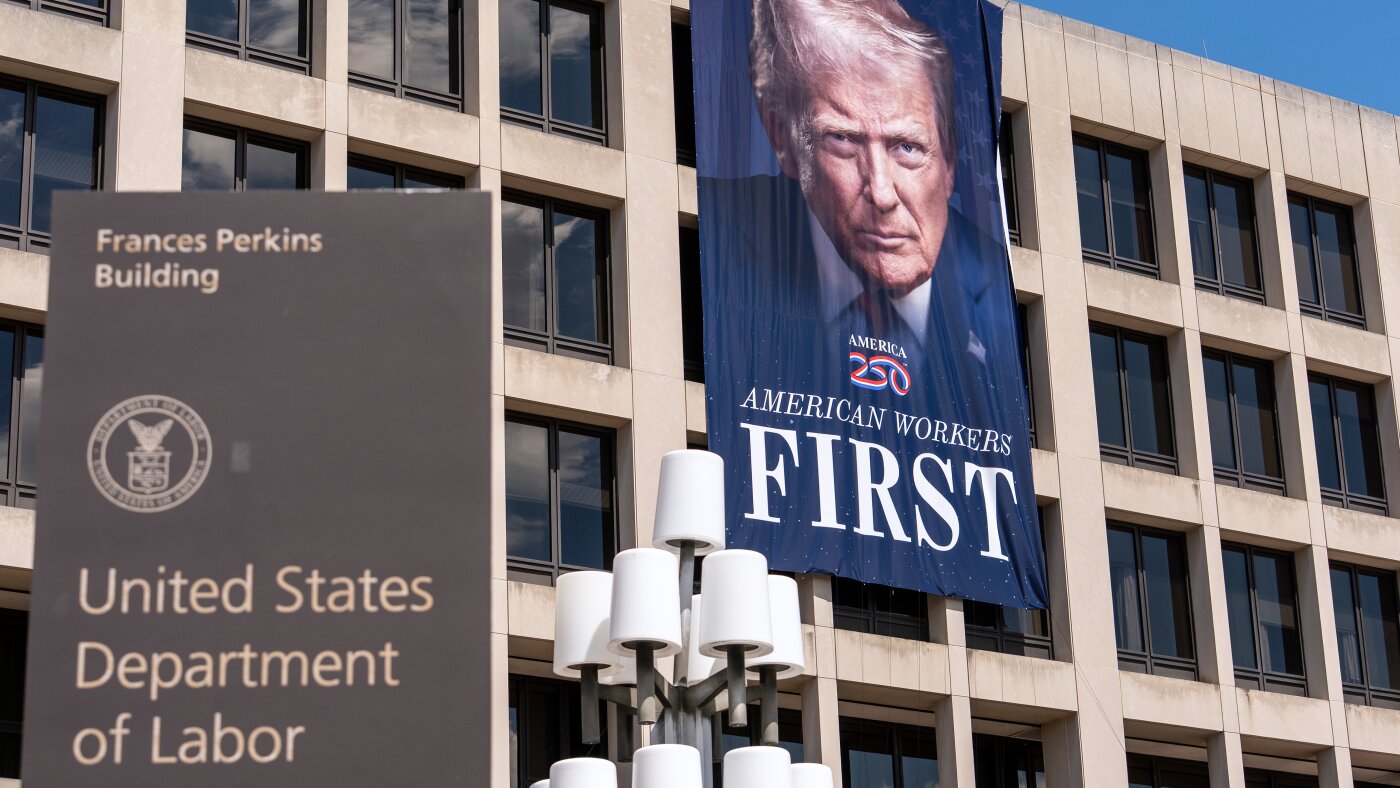
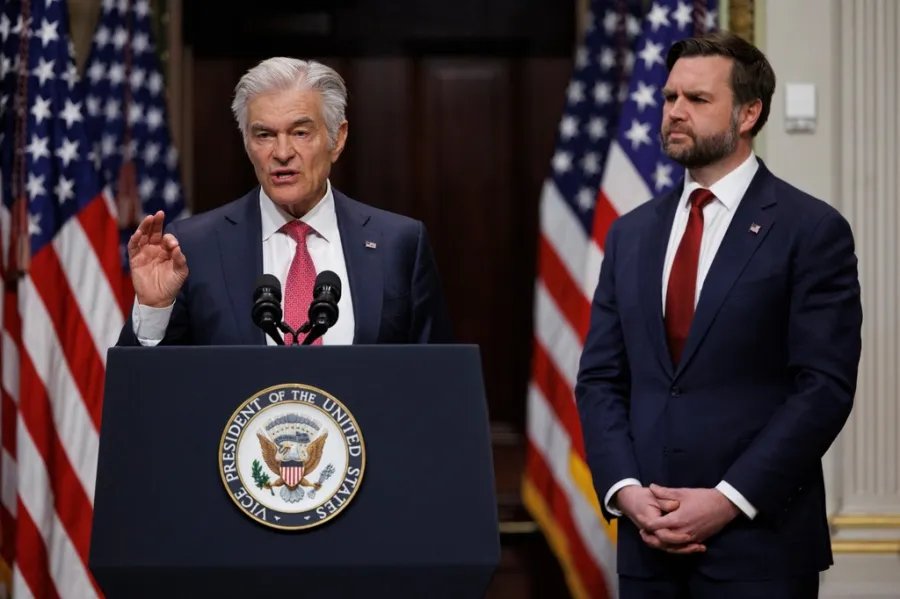
The Trump administration has named targeting fraud one of its key priorities, leading to several press conferences and announcements on the issue. Republicans and Democrats have traded barbs about who is responsible for creating circumstances that allow for fraud and who is doing more to fix it. In April, the Department of Justice announced the creation of the Fraud Division. Vice President JD Vance chairs a separate task force focused on eliminating fraud, with healthcare fraud particularly targeted, especially in the hospice and home healthcare space.
California has also established a fraud task force. State Attorney General Rob Bonta's office has brought criminal fraud cases against more than 100 defendants in the hospice industry and about two dozen civil cases. A CBS News analysis of every hospice operating in Los Angeles County found that over 700 of the roughly 1,800 facilities trigger multiple red flags for fraud as defined by state auditors.