




Confirmation Vote and Dissent
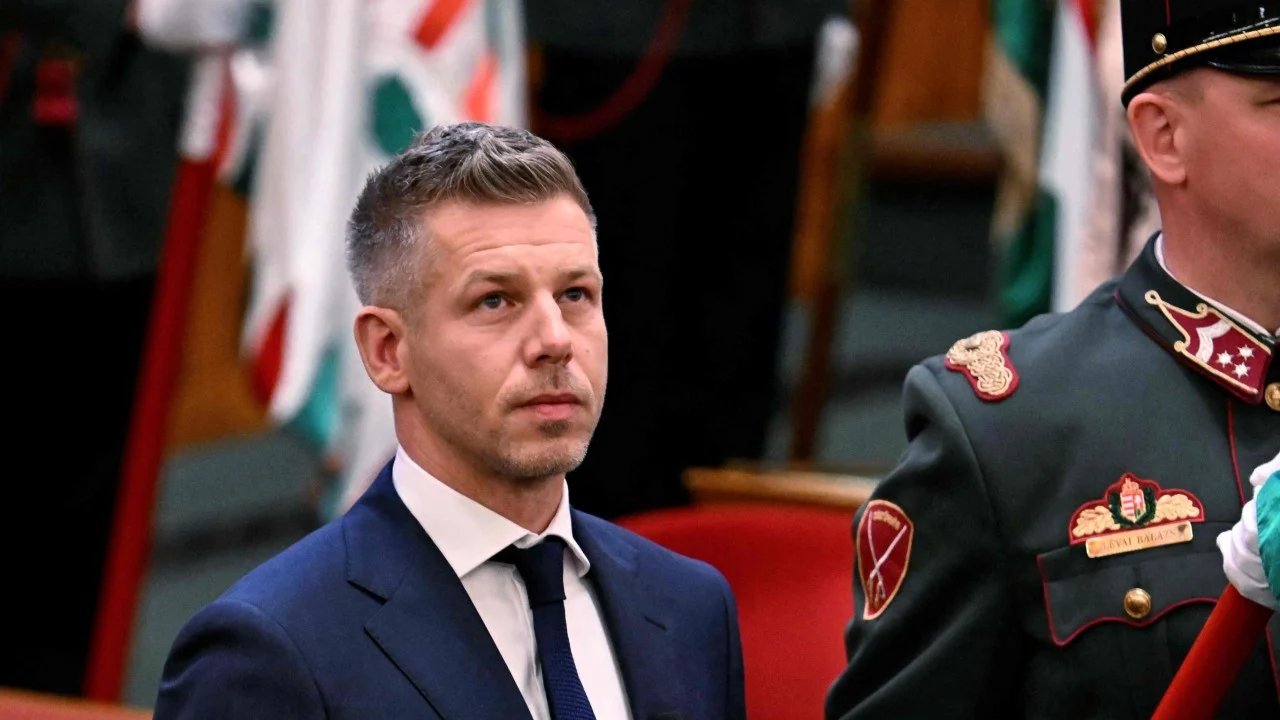
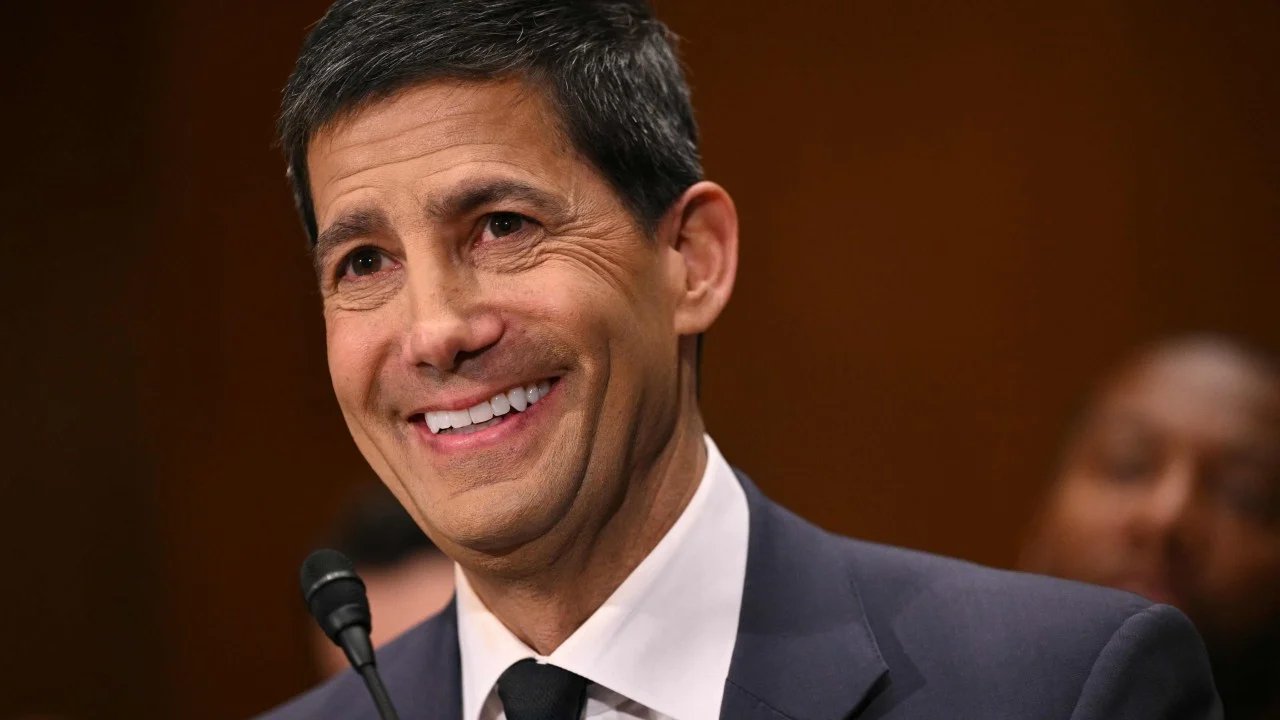
Kevin Warsh was confirmed by the Senate as the next Federal Reserve chair in a 54-45 vote on Wednesday. The vote was largely along party lines, with Senator John Fetterman of Pennsylvania as the only Democrat to vote in favor. This confirmation margin is the slimmest ever for a head of the central bank. Elizabeth Warren accused Warsh of being a "sock puppet" for President Trump.
Replacing Powell and Policy Differences
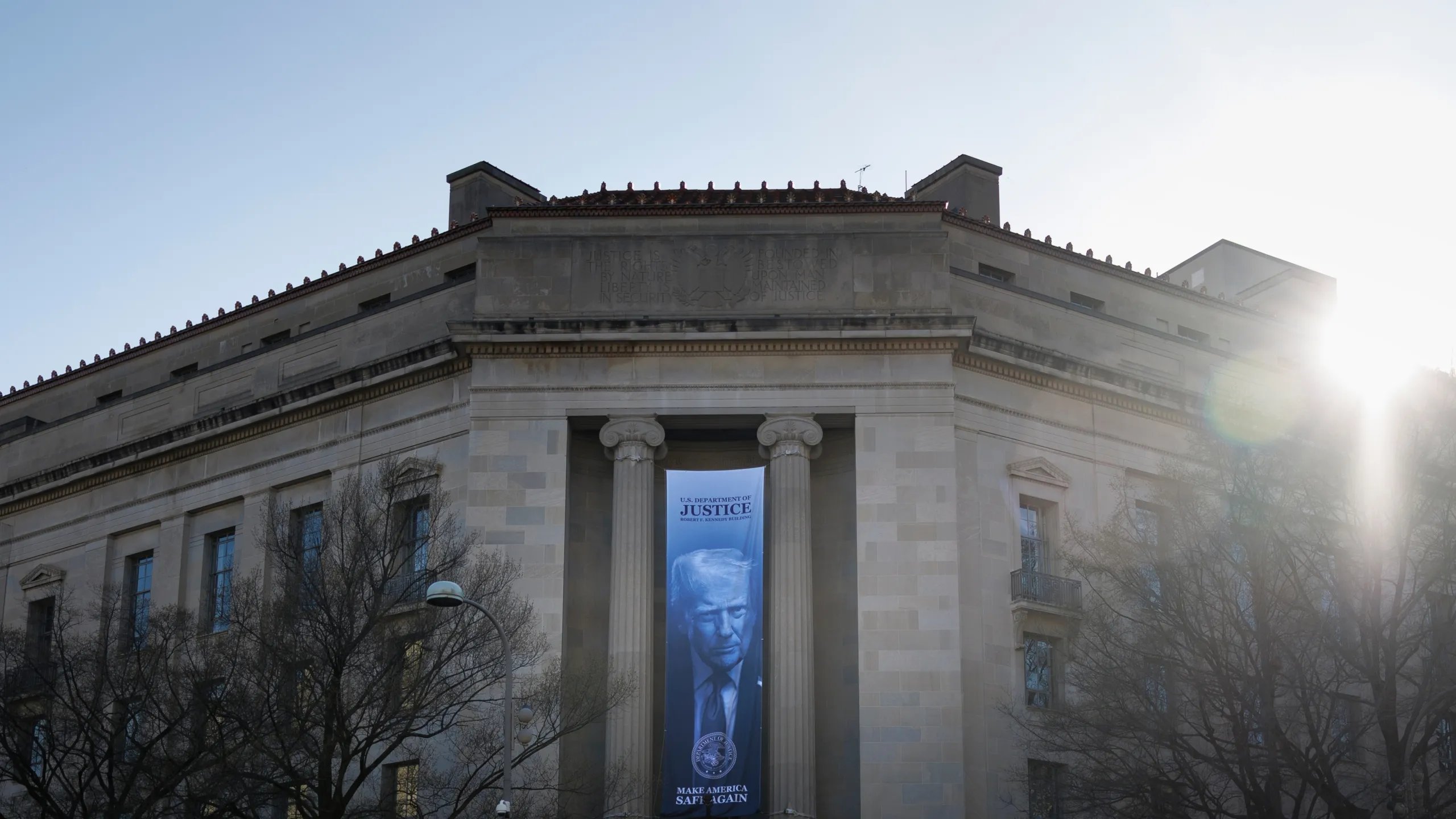
Warsh will succeed Jerome Powell, whose term ends on Friday. Despite Trump's repeated criticism, Powell will remain on the Fed's Board of Governors until 2028. Powell cited an ongoing Justice Department probe into Fed building renovations as his reason for staying. Warsh previously served on the Fed's governing board from 2006 to 2011.
Trump's Influence and Fed Independence
President Trump has openly pressed for lower interest rates. Warsh has stated he will be an "independent actor" and that monetary policy independence is essential. The confirmation was delayed after a criminal investigation into Powell, which Senator Thom Tillis, Republican from North Carolina, protested. The investigation was dropped in April.
Economic Challenges and Inflation
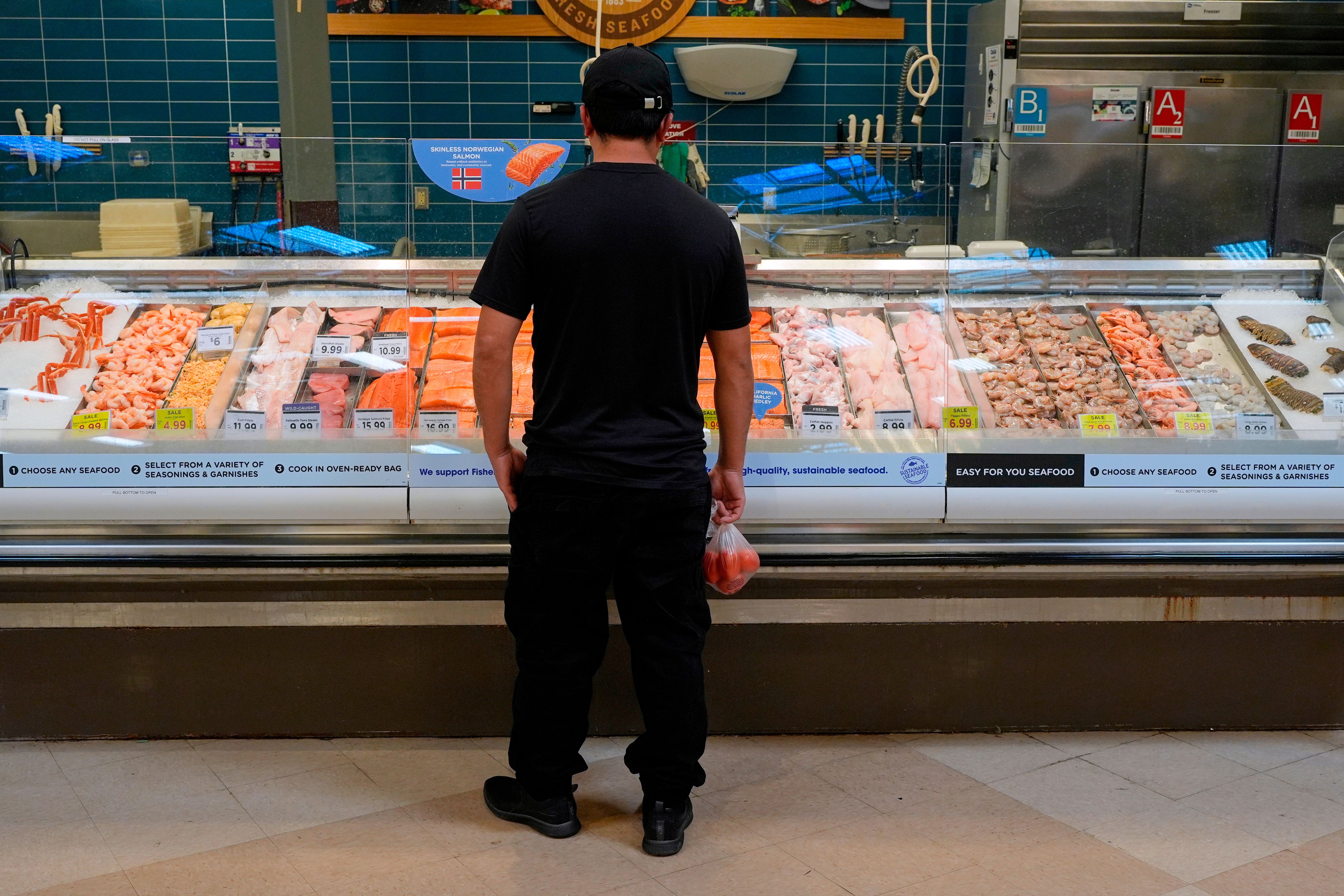
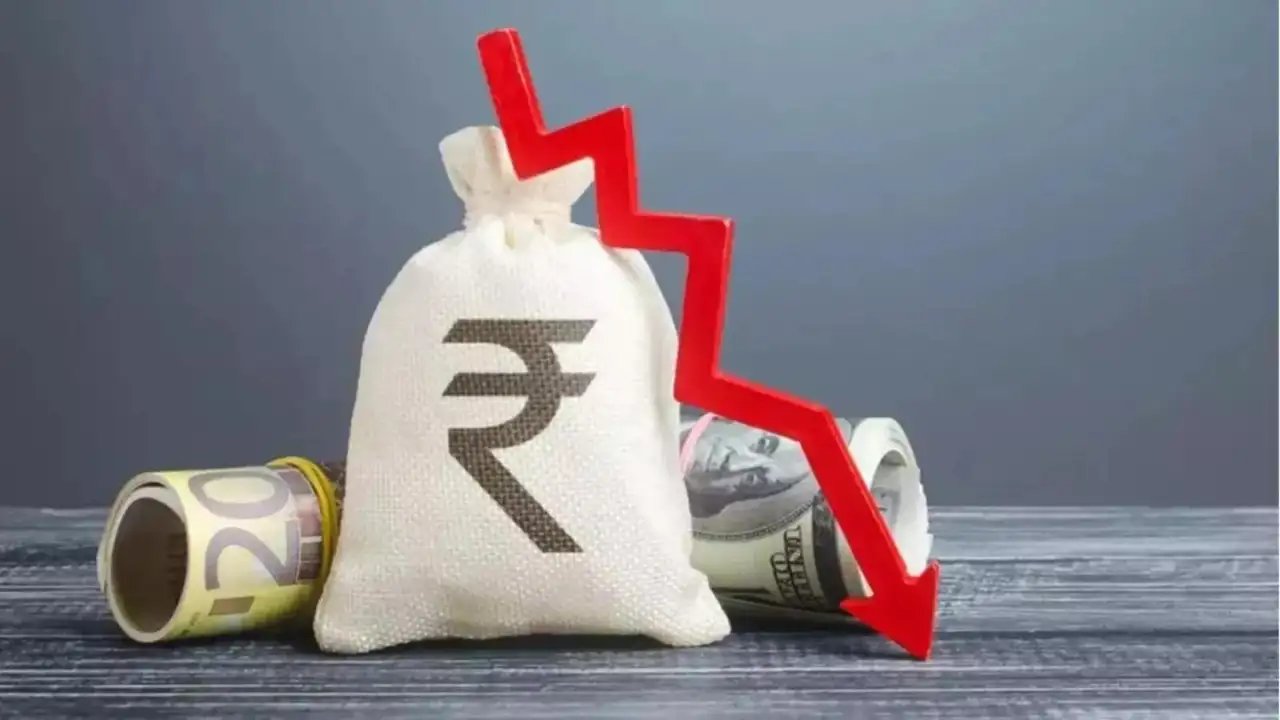
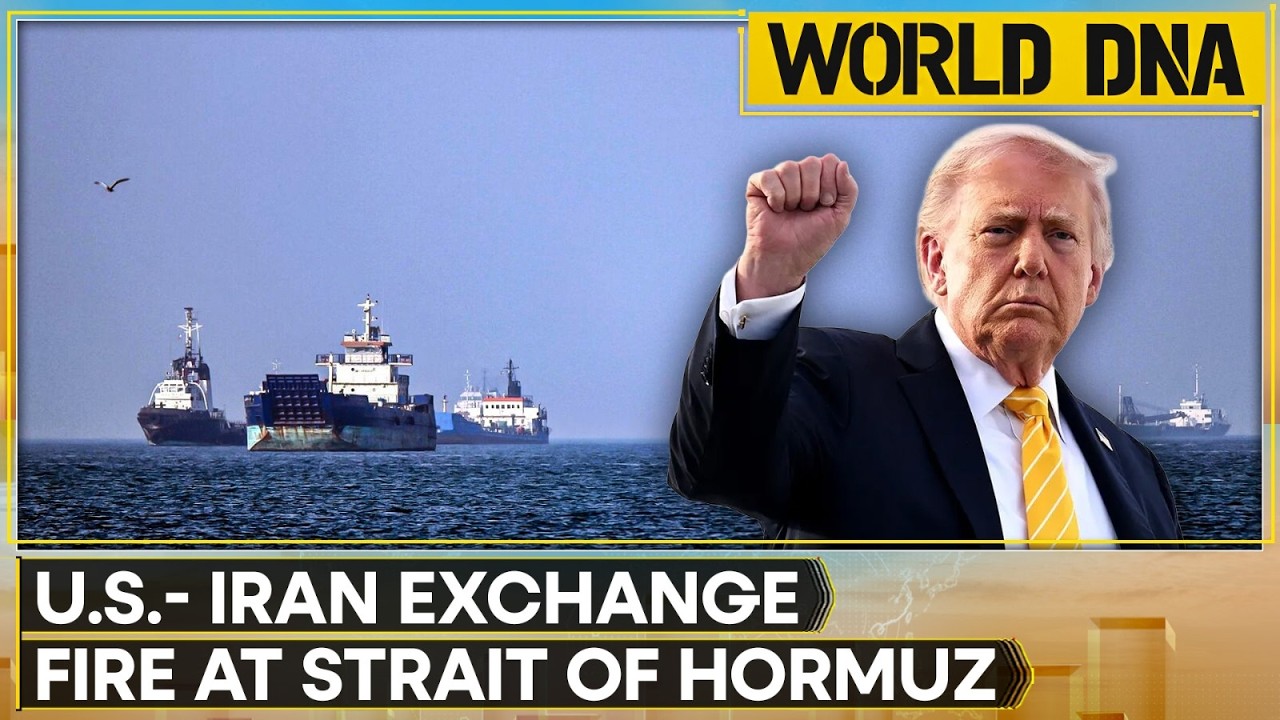
Warsh is taking over amid rising inflation and economic uncertainty stemming from the war with Iran. The cost of living increased 3.8% in the last twelve months. This is the biggest annual increase in nearly three years. Warsh has argued there's room to lower interest rates.
Warsh's Influence on Interest Rates
While the Fed chair typically has influence over the Federal Open Market Committee, their power is not absolute. The FOMC consists of twelve members, including the Fed governors and five regional bank presidents. Three Trump nominees and three Biden nominees are currently governors. Warsh will need to work to form consensus on interest rate decisions.
Potential Changes at the Fed
Warsh has called for a "regime change" at the central bank. He has questioned its handling of inflation and its approach to regulating banks. He has also suggested improvements in how the government measures inflation and how Fed policymakers communicate with the public.
Powell's Continued Presence
Powell plans to maintain a "low profile" and support the direction Warsh wants to go in. Powell will be the first former Fed chair to remain on the board since 1948. His presence may draw extra attention.
With inflation concerns and political pressures mounting, Warsh's first FOMC meeting next month will be closely watched for any shifts in monetary policy.