




A Shift in Mineral Strategy
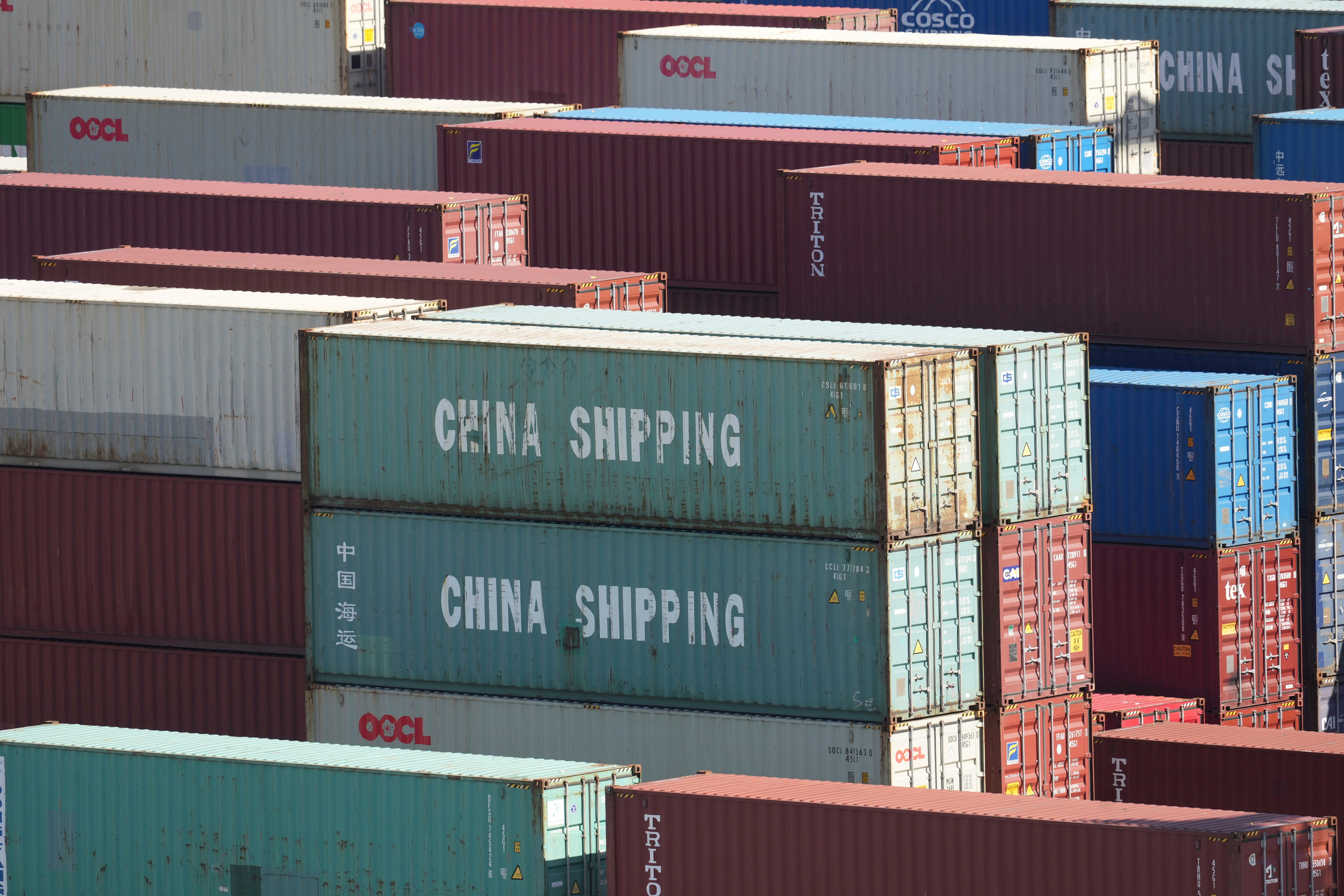
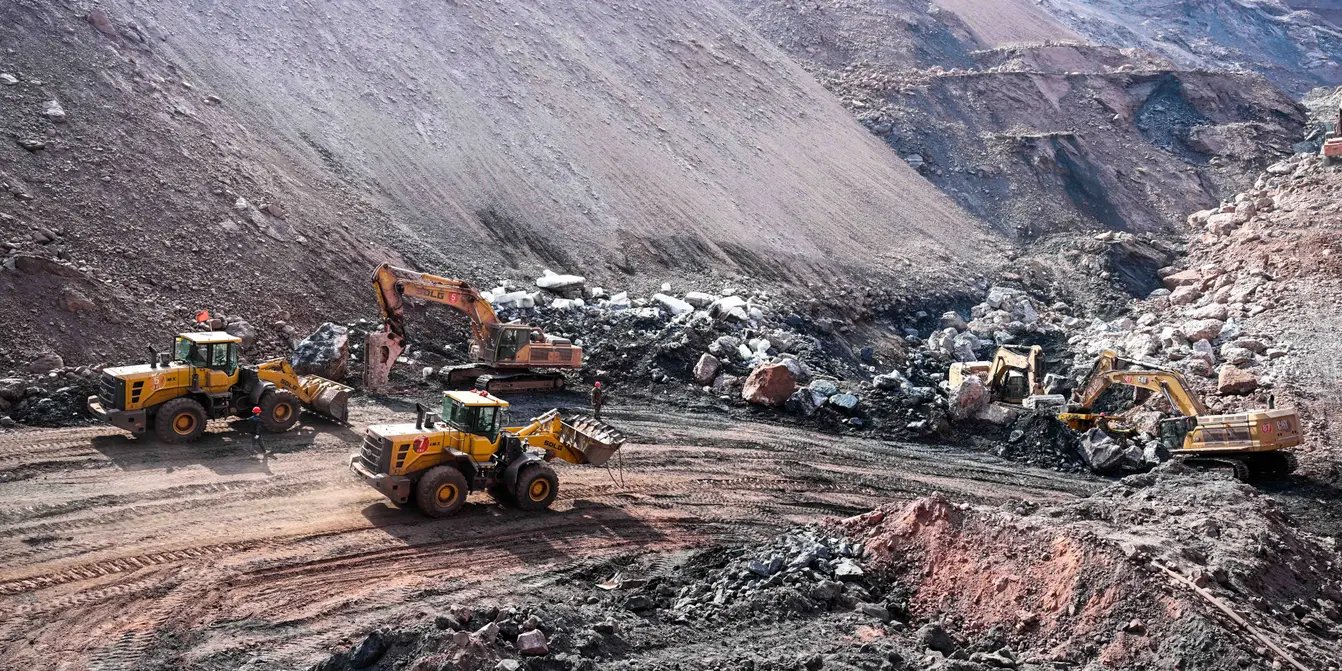
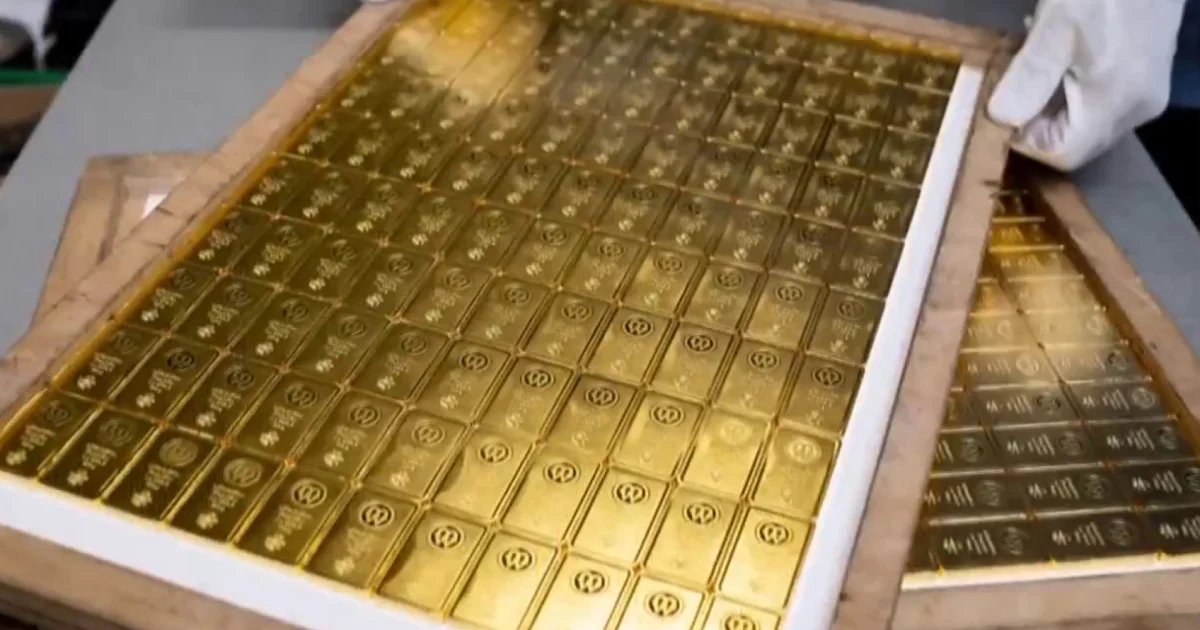
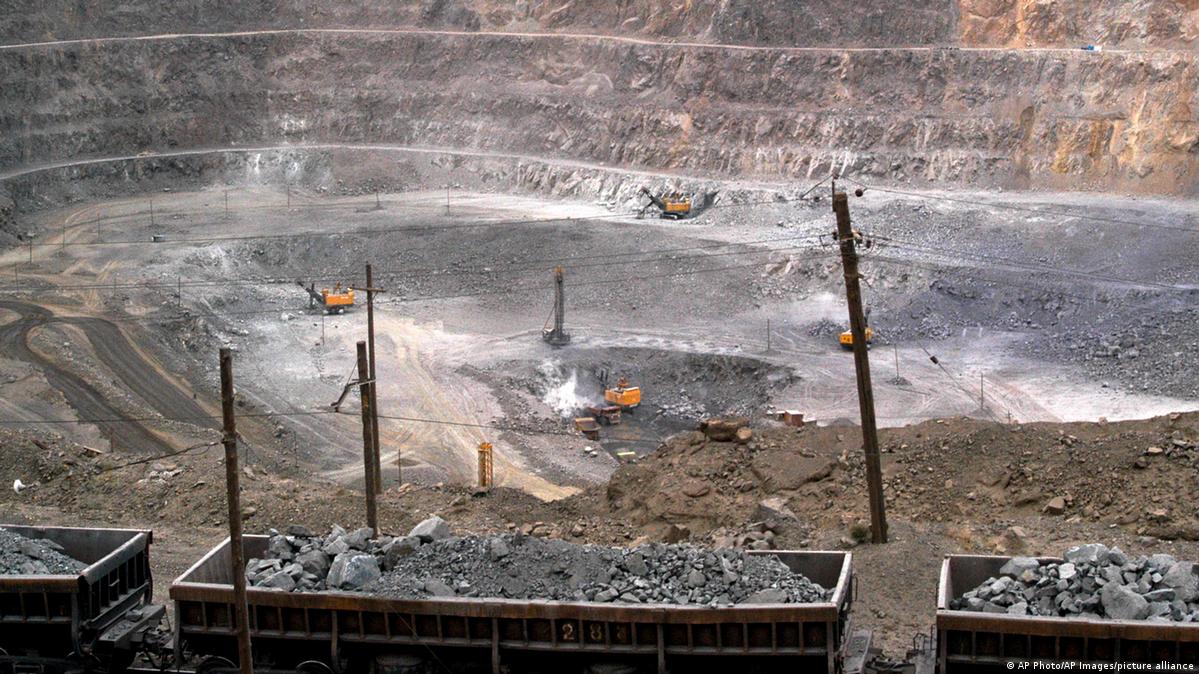
The European Union has shortlisted tungsten, rare earths, and gallium for its first joint stockpile of critical minerals. This initiative aims to decrease the bloc's reliance on China, which currently dominates the production of these vital resources. According to sources familiar with the matter, this decision marks a significant step towards insulating the EU's economy from Beijing's influence, particularly concerning elements essential for defense, technology, and energy transition.
Key Minerals Identified
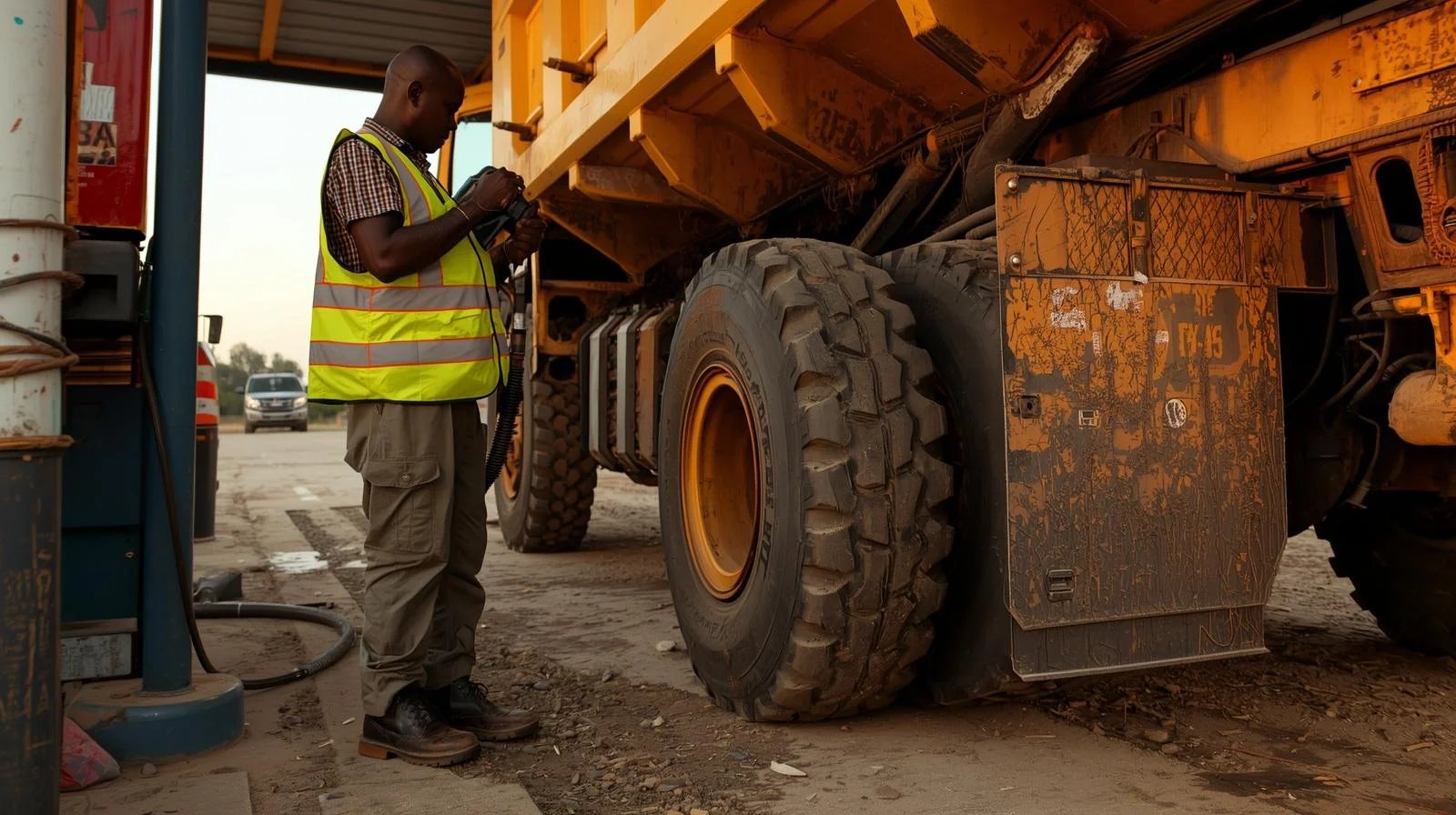
In addition to tungsten and rare earths, magnesium is also expected to be prioritized in the stockpile, with germanium and graphite potentially making the final list. This diverse selection highlights the EU's intent to secure a reliable supply of minerals that are often leveraged in trade disputes. The stockpile is part of a broader strategy to ensure that European industries can thrive without over-dependence on external sources, particularly from China.
Storage Plans Underway
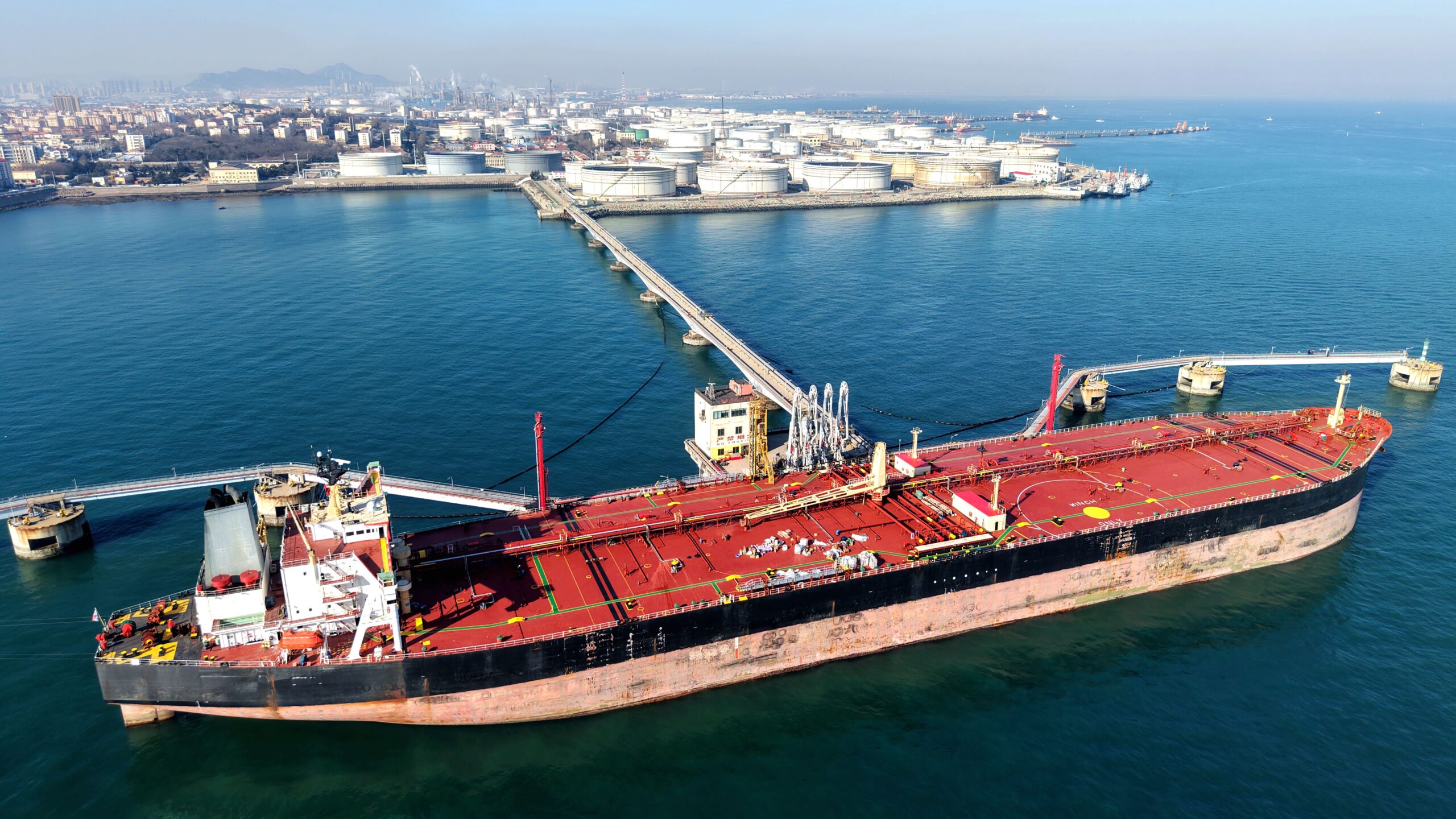
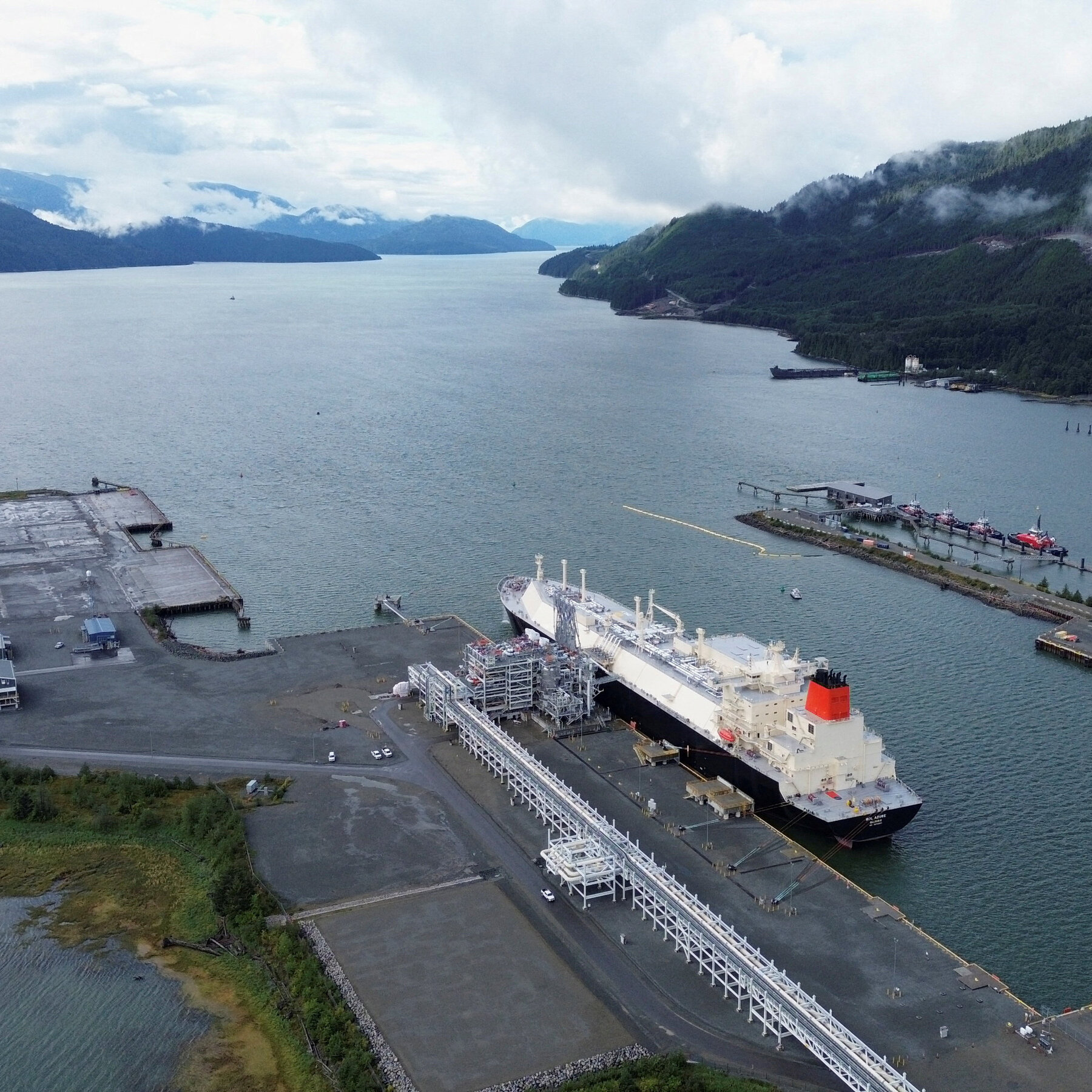
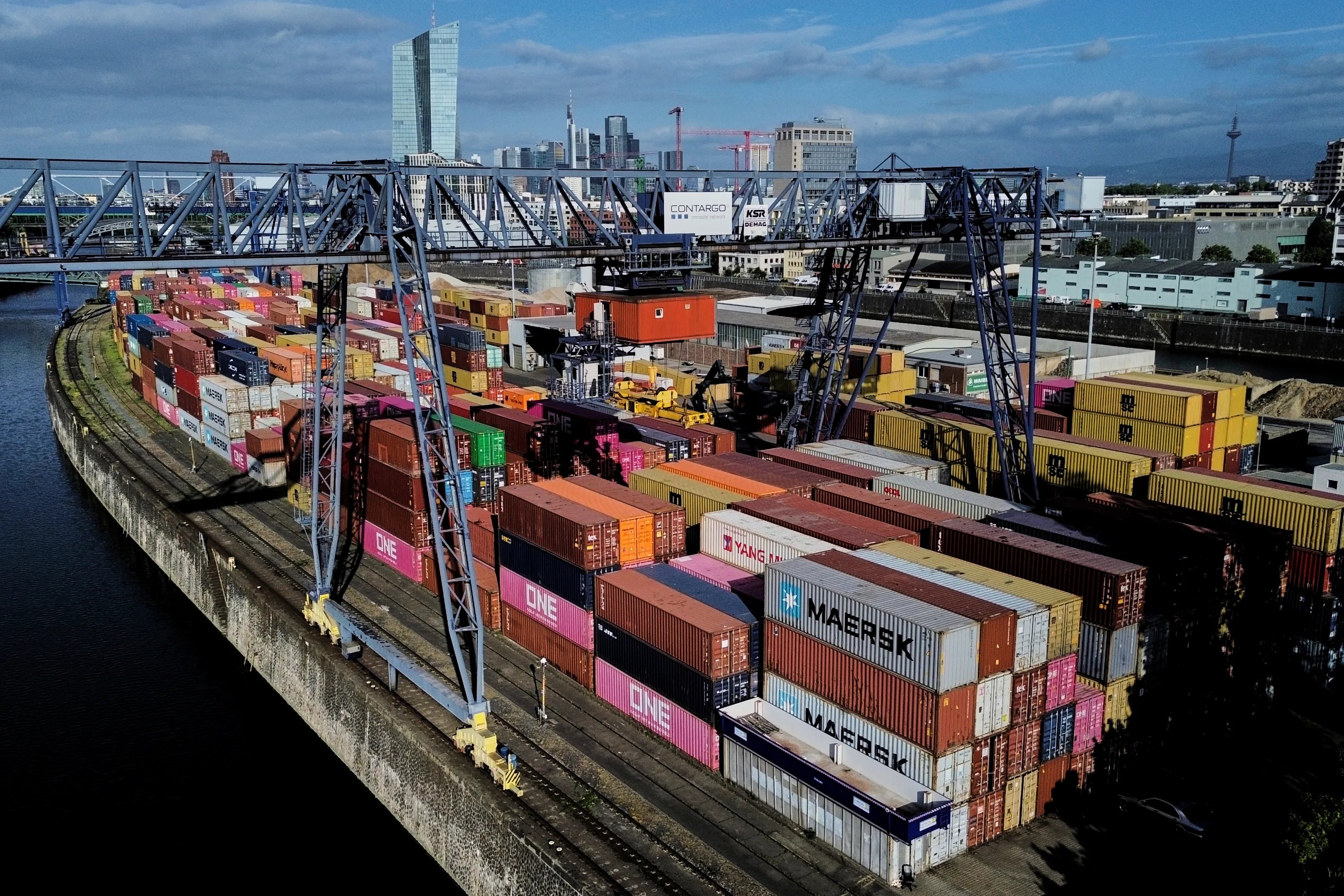
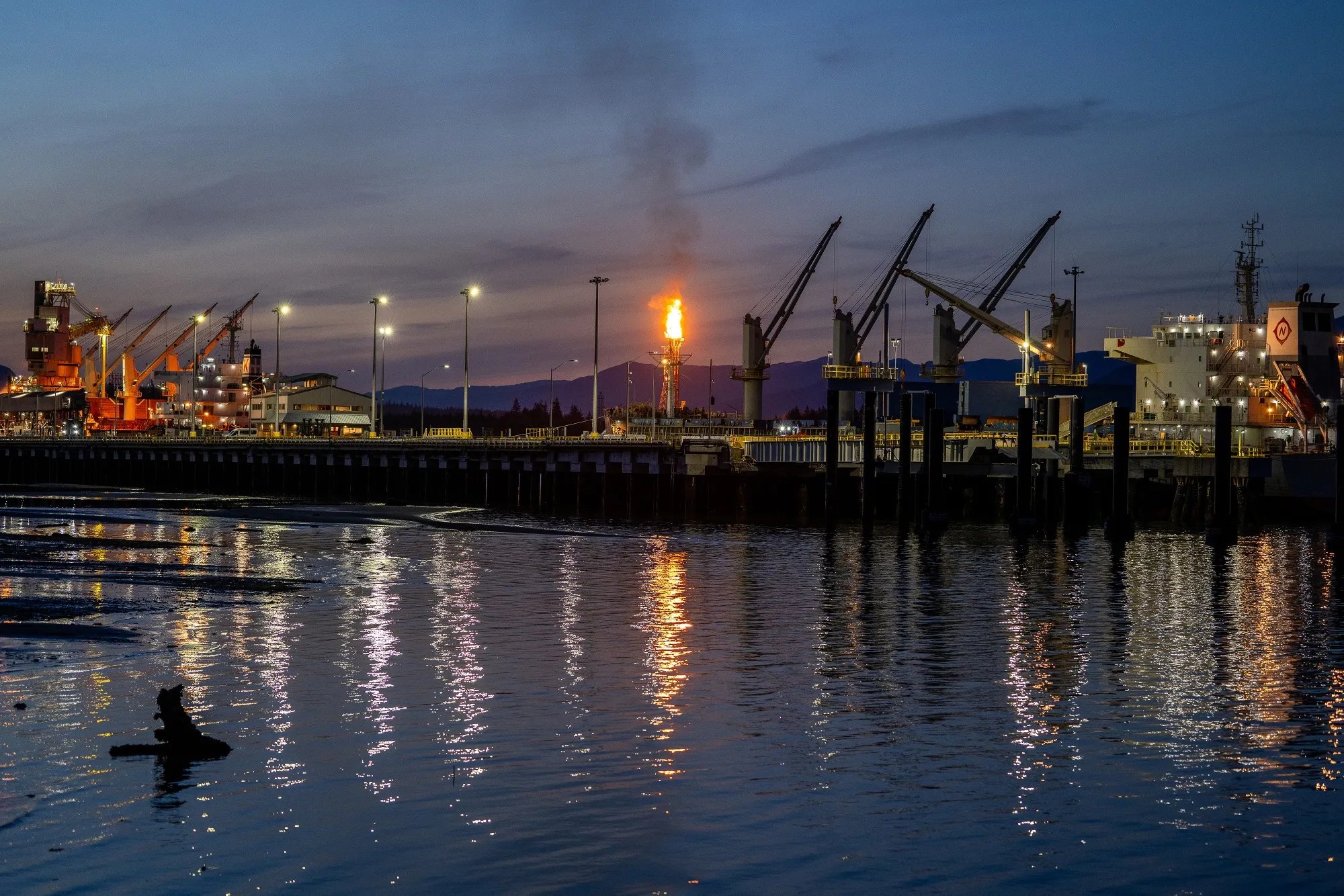
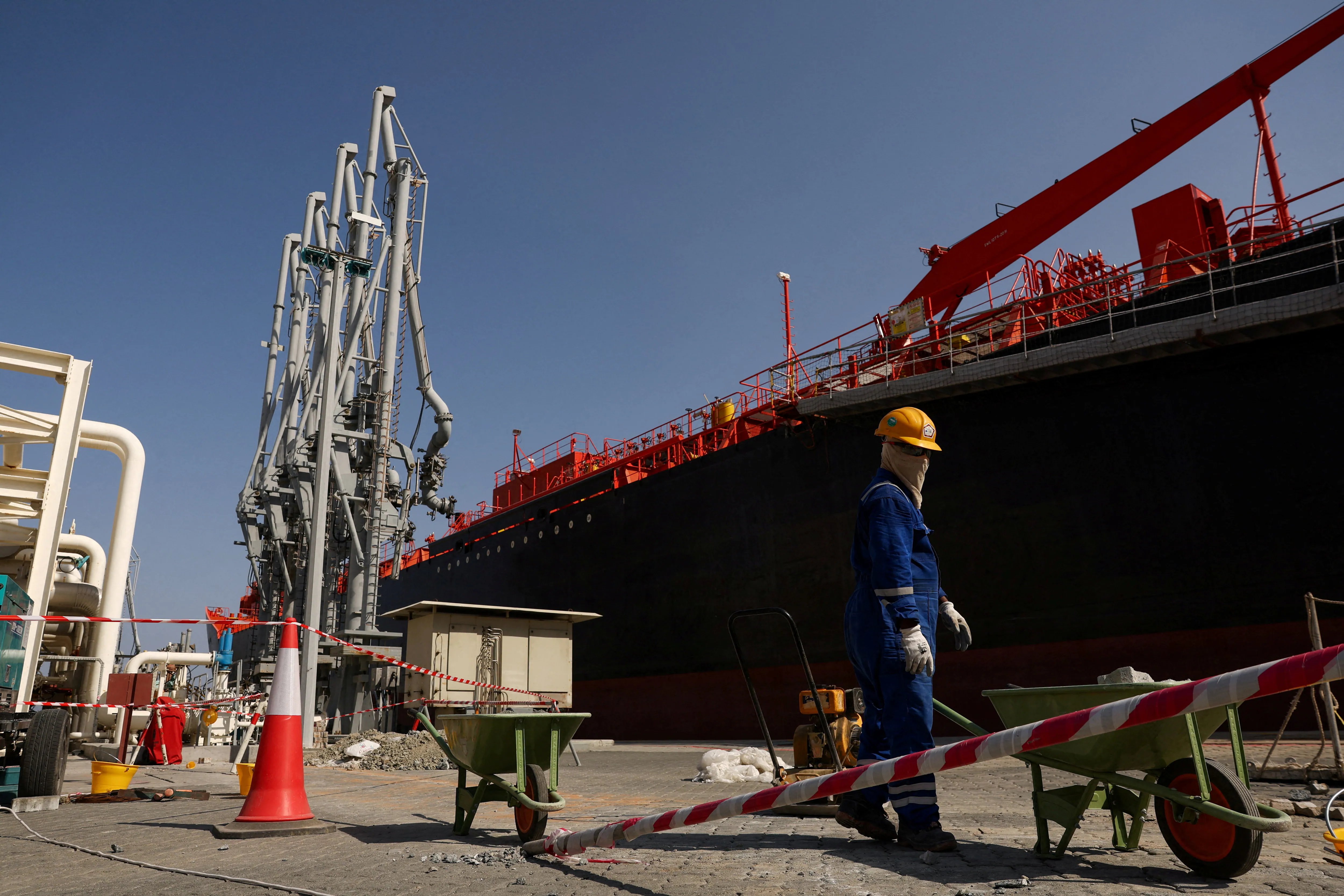
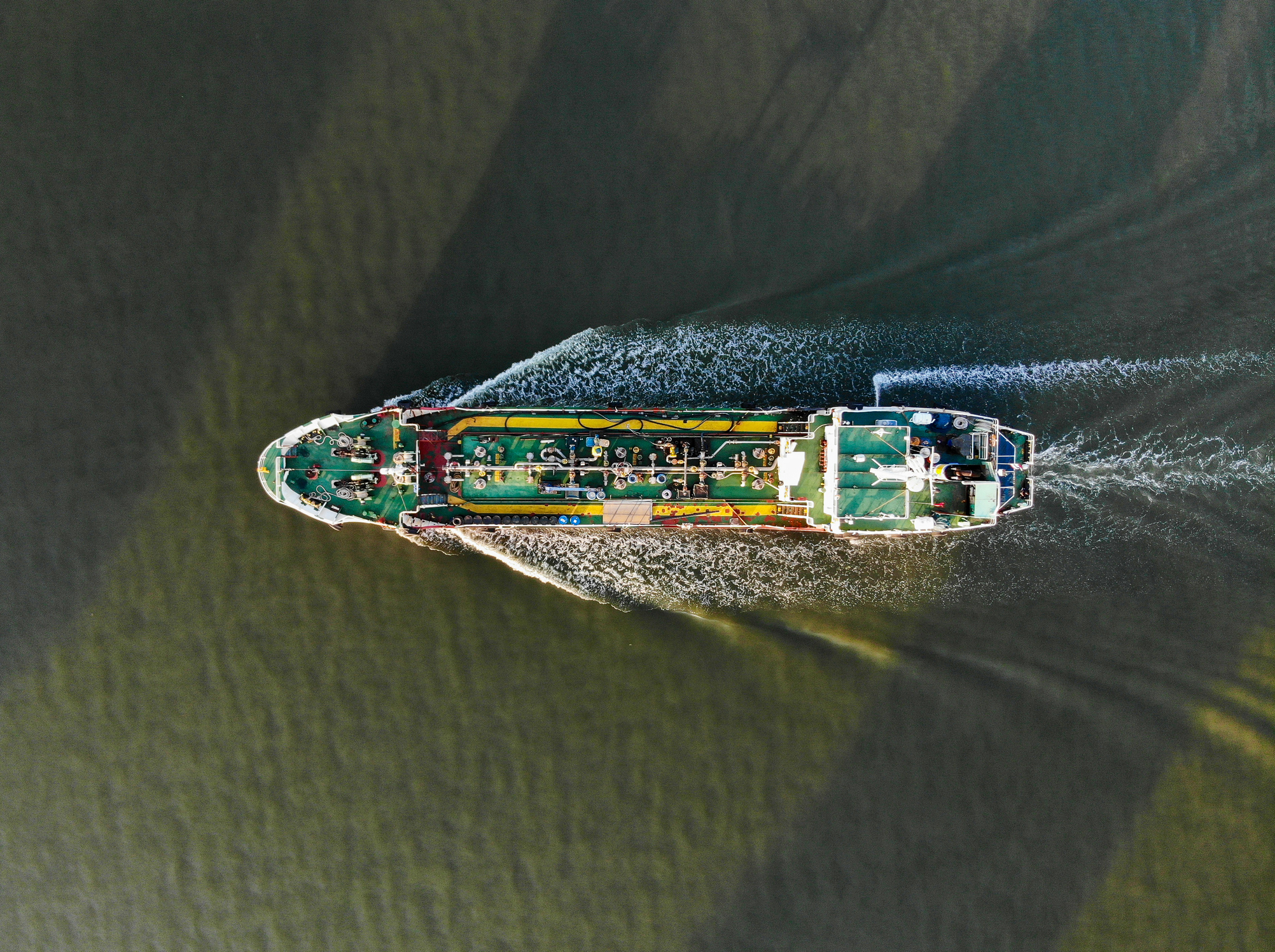
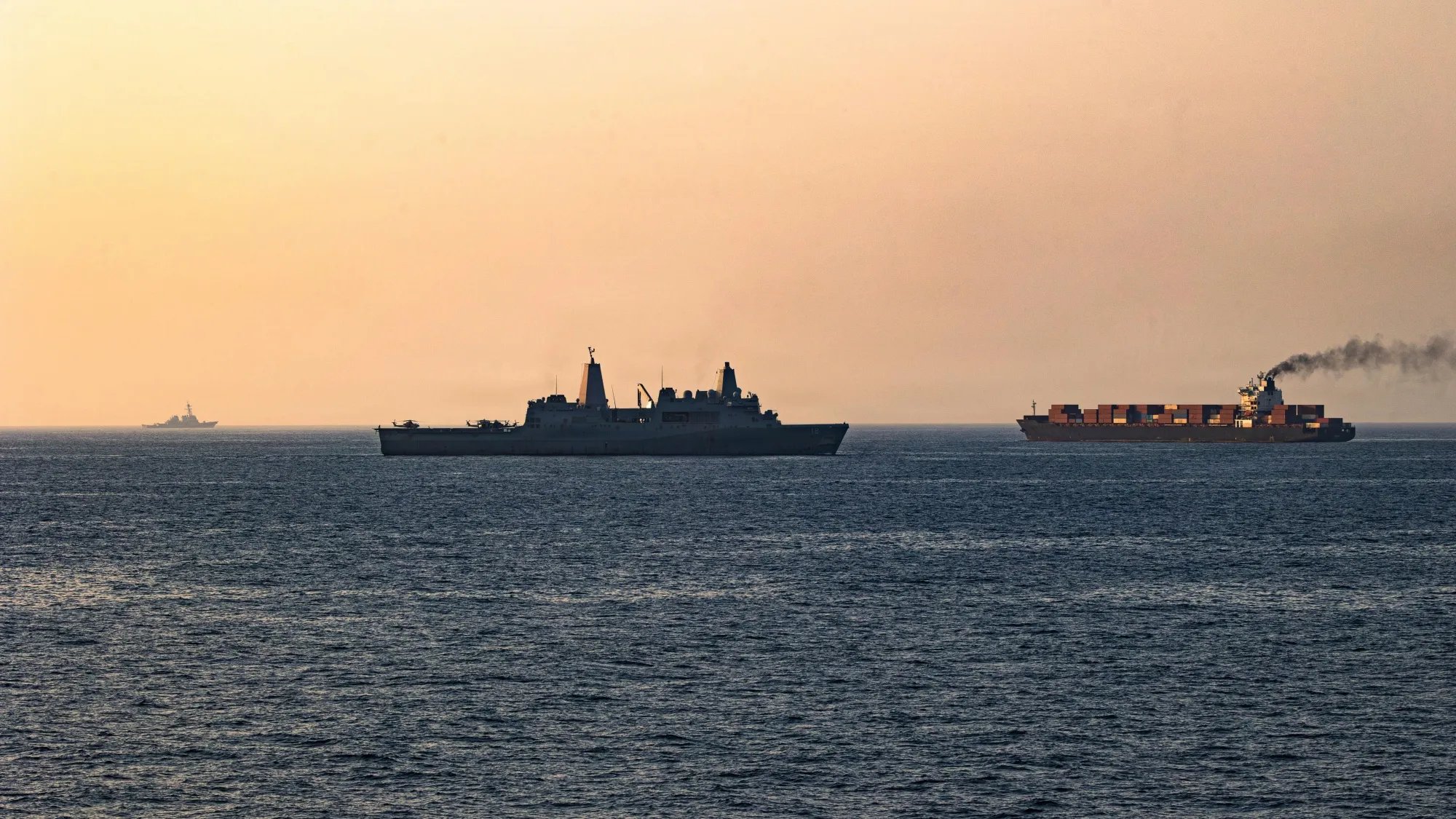
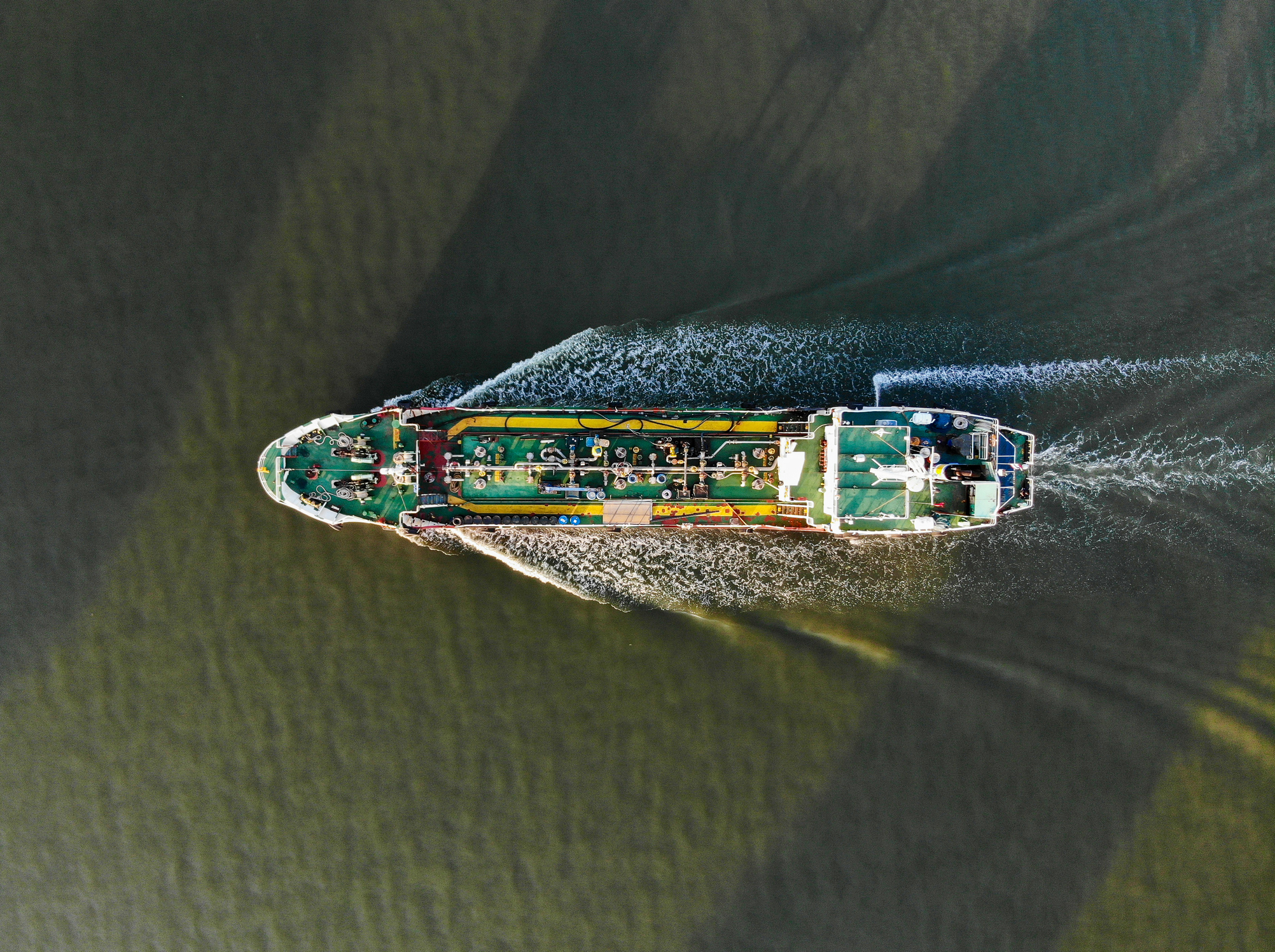
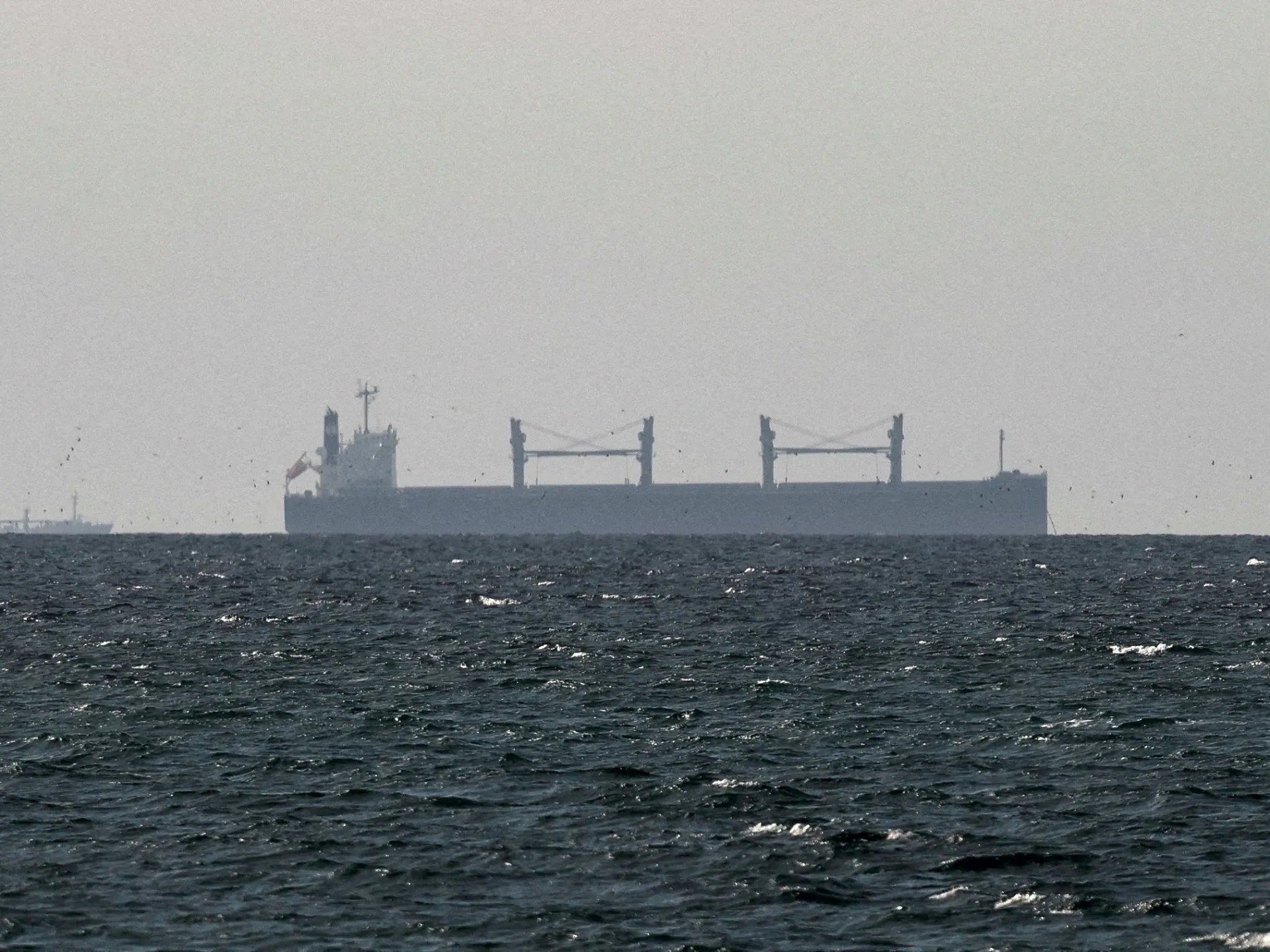
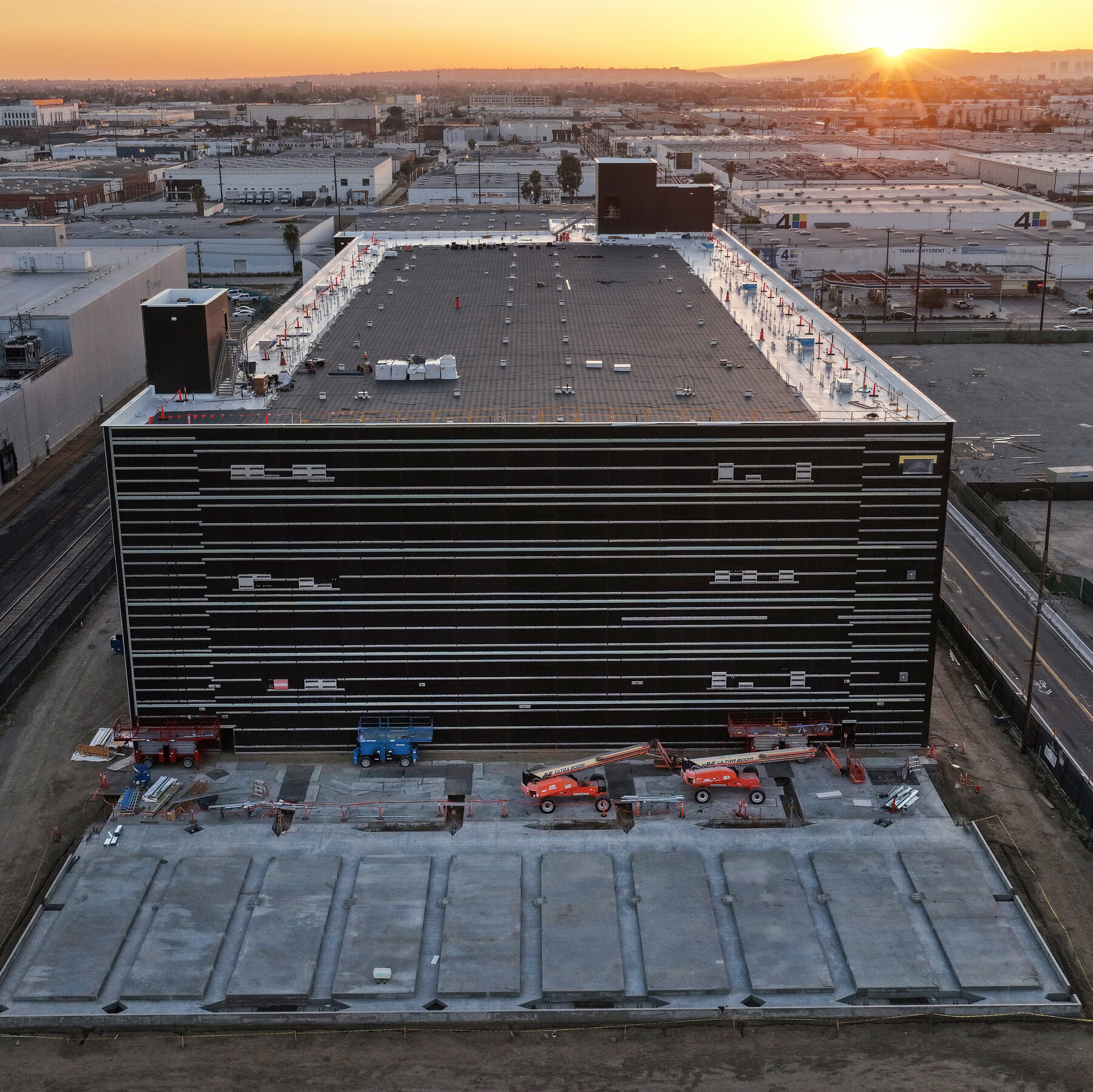
The EU is in discussions with major ports, including Rotterdam, to serve as storage sites for the new stockpile. Rotterdam is the largest port in Europe, making it a strategic choice for storing these critical minerals. Establishing secure storage facilities will be crucial for the EU as it moves to create a robust supply chain independent of Chinese production.
Implications for Global Supply Chains
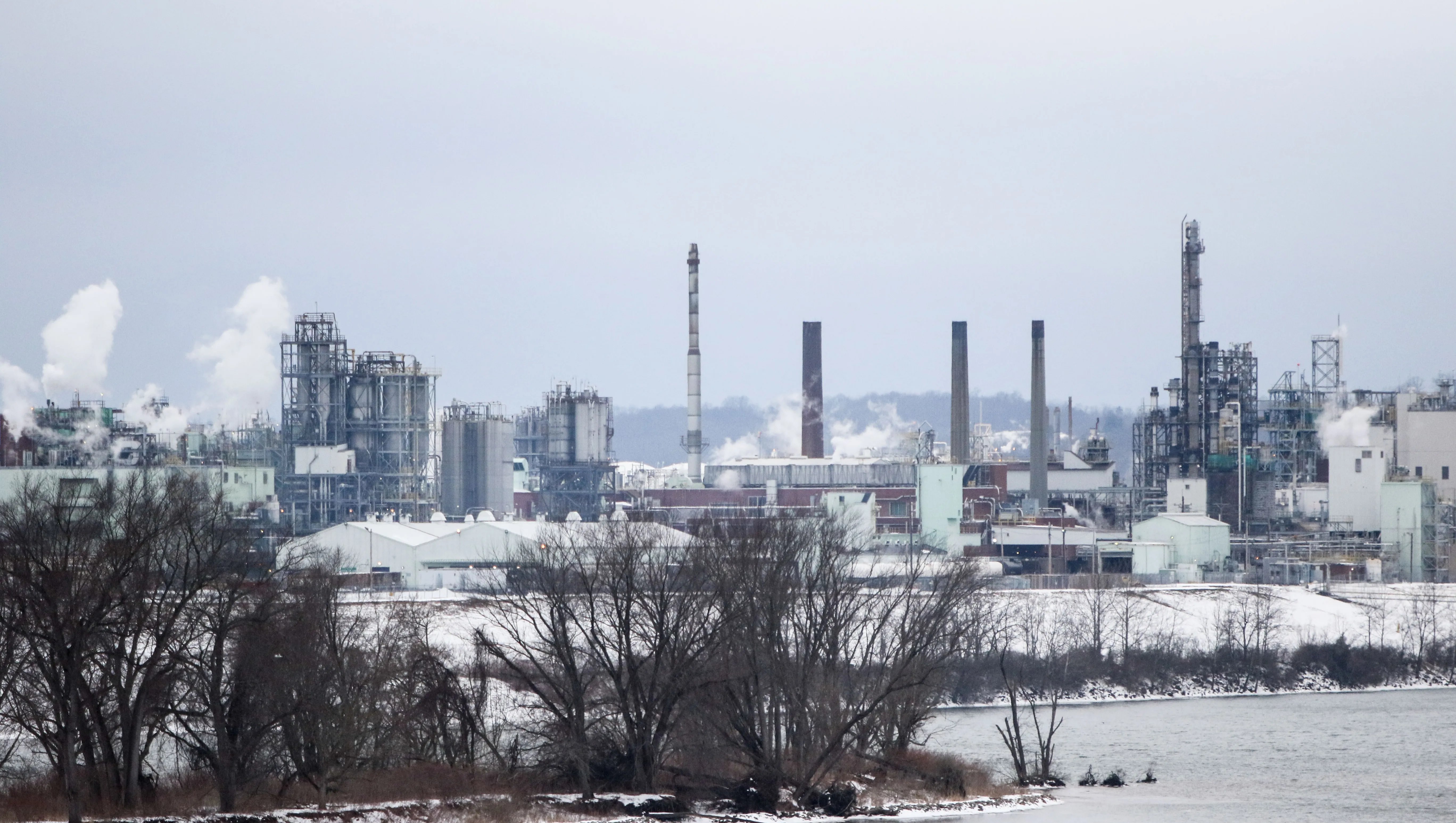
This move is expected to have far-reaching effects on global supply chains, especially in sectors that rely heavily on these minerals. By stockpiling tungsten and rare earths, the EU aims to stabilize prices and availability, which could lead to a shift in how industries source these materials. Analysts predict that this initiative may drive innovation in mining and processing within Europe, reducing the need to rely on imports.
Reactions from Industry Experts
Industry experts have noted that this stockpiling effort reflects a growing awareness of the vulnerabilities associated with relying on a single country for critical resources. One expert stated, "The EU's decision to prioritize these minerals signals a proactive approach to safeguarding its technological and defense capabilities." This sentiment underscores the urgency of the EU's actions in the face of rising geopolitical tensions.
Next Steps for the EU
As the EU advances its plans, stakeholders will be closely monitoring the implementation of this stockpile strategy. The next steps involve finalizing the list of minerals and establishing agreements with port authorities. The EU's commitment to reducing dependence on China will be crucial in shaping future trade policies and ensuring economic resilience in the face of global uncertainties.
This strategic move underscores the importance of securing critical resources and may alter the dynamics of international trade as countries reassess their dependencies on specific suppliers. The EU's proactive stance could pave the way for a more balanced and secure global supply chain.