




Military Engagements Intensify
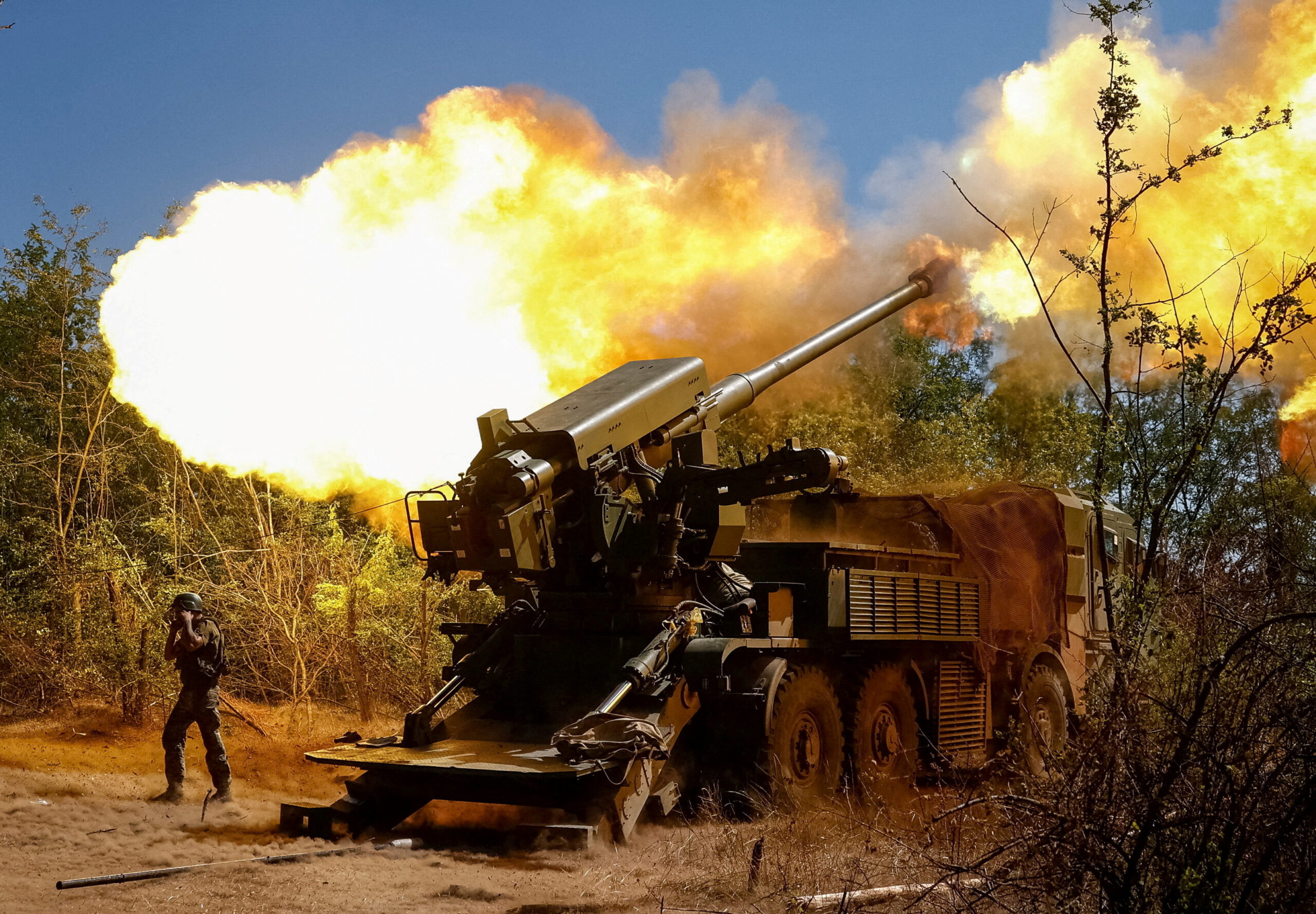
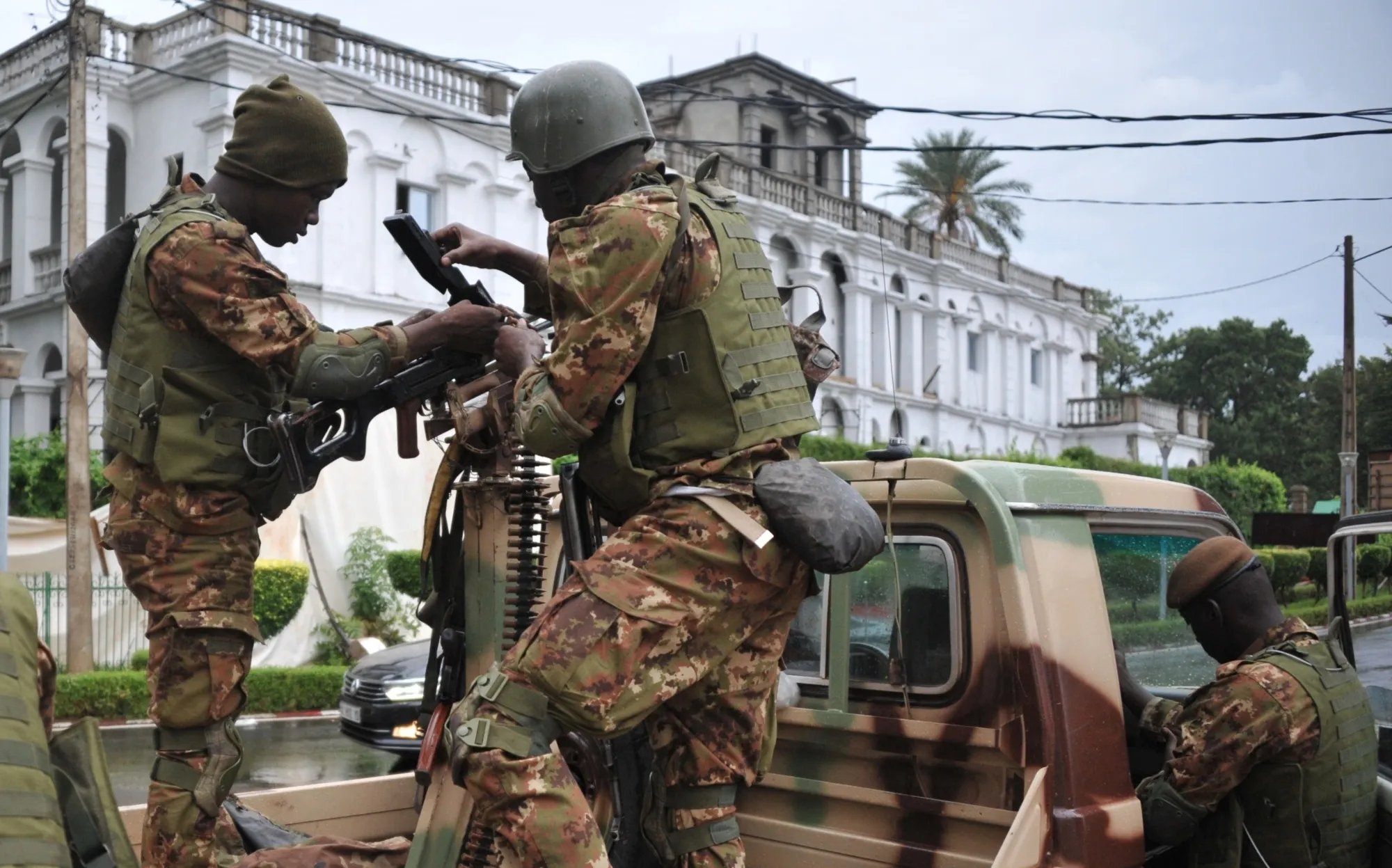
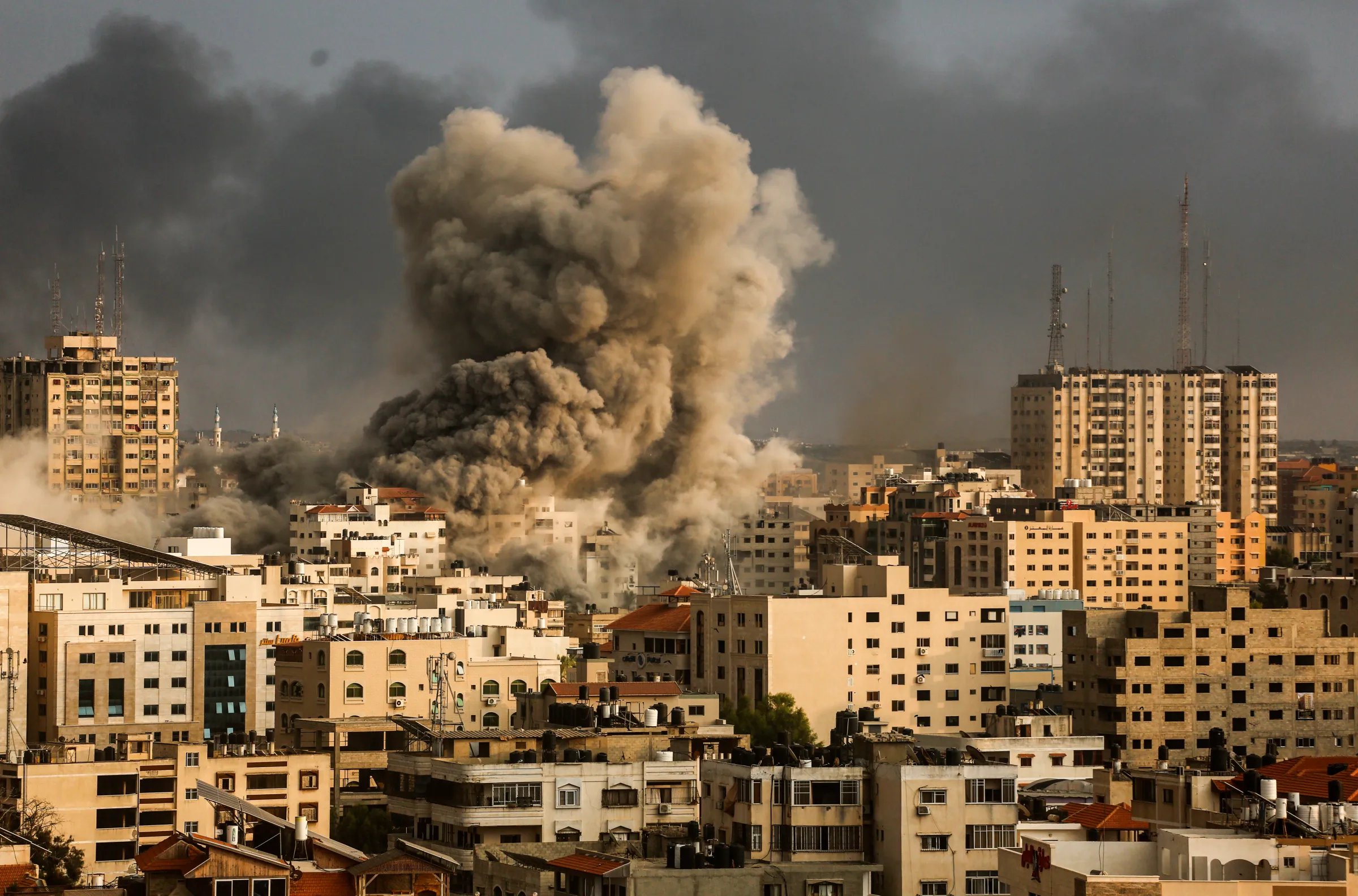
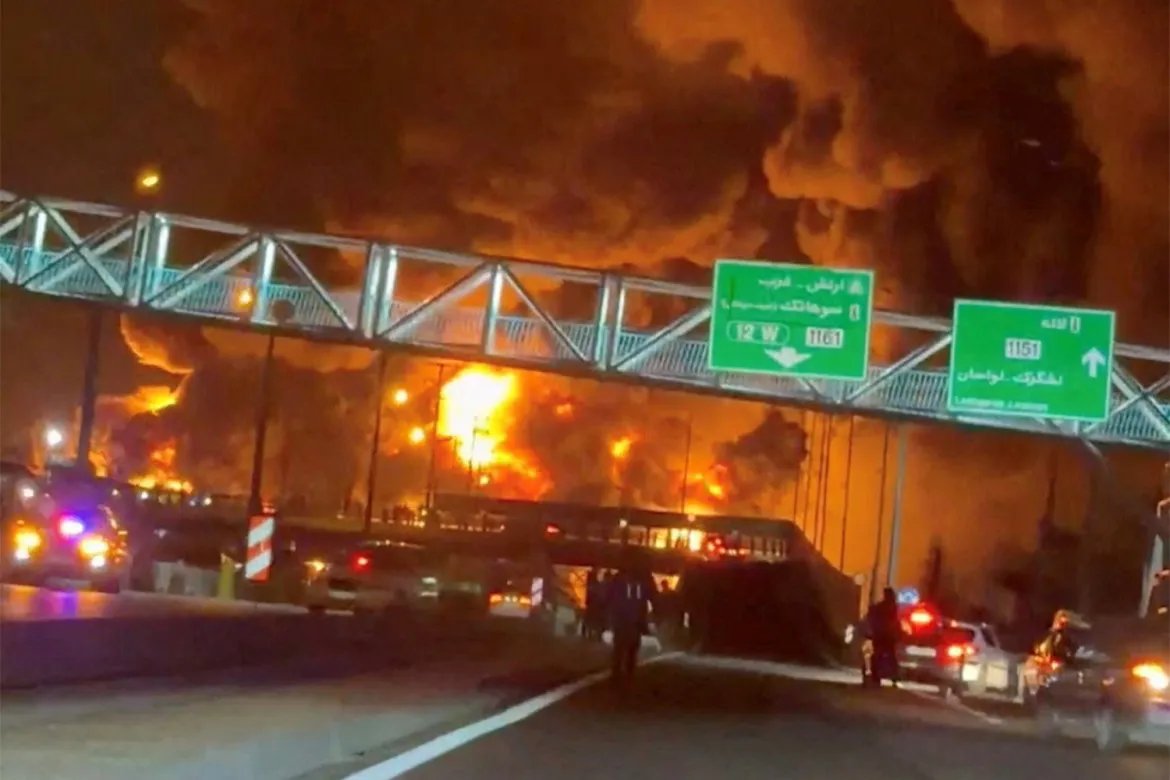
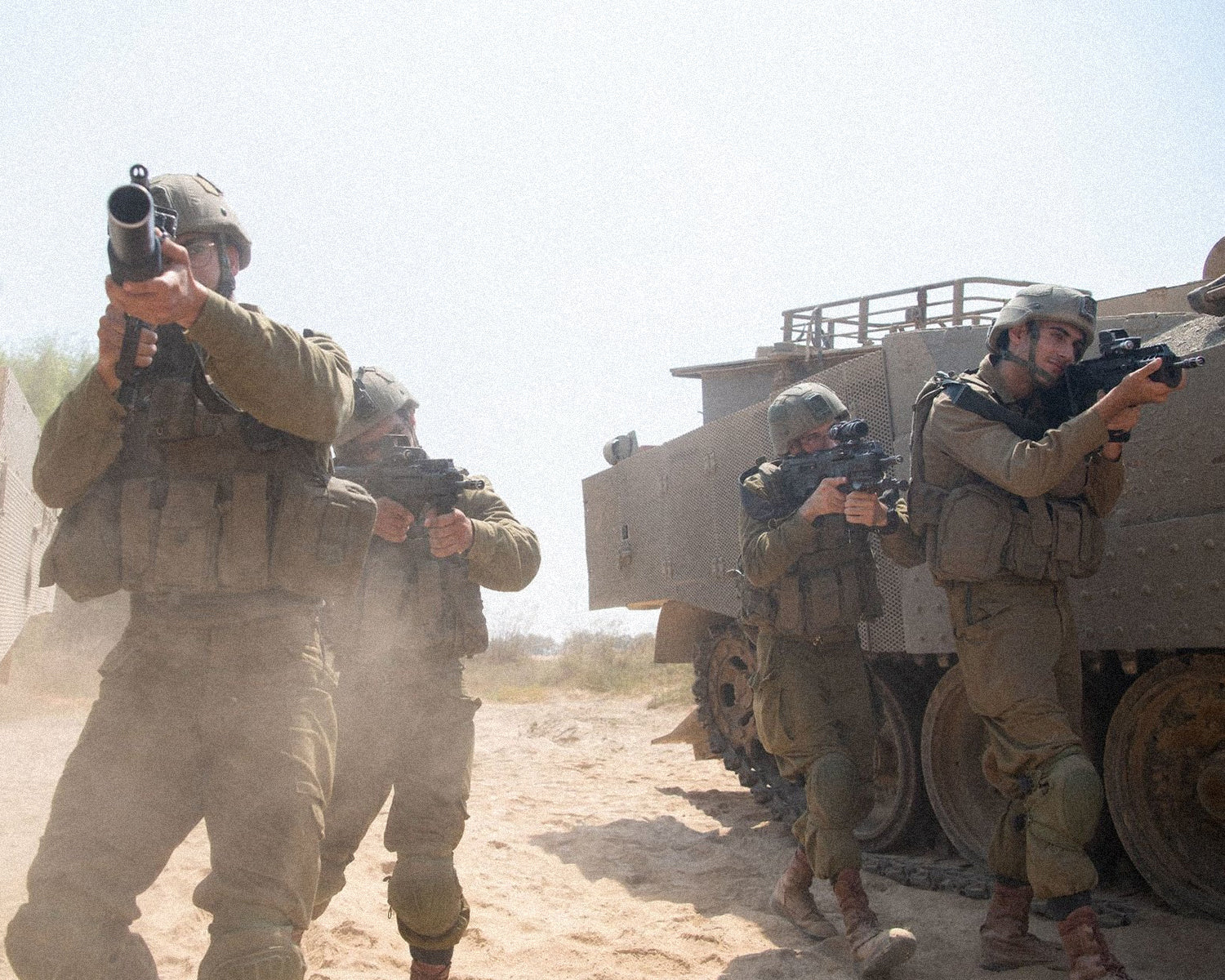
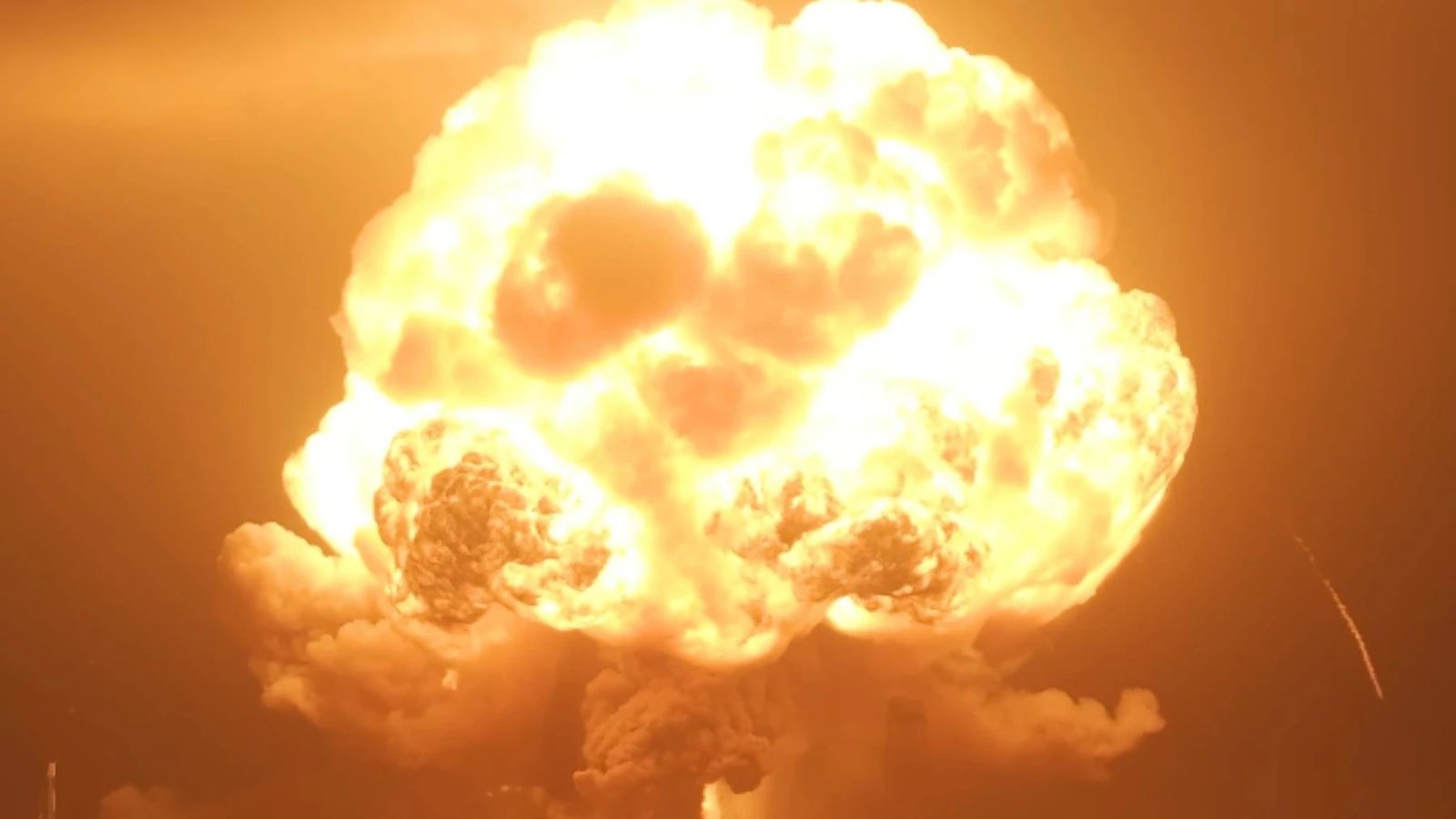
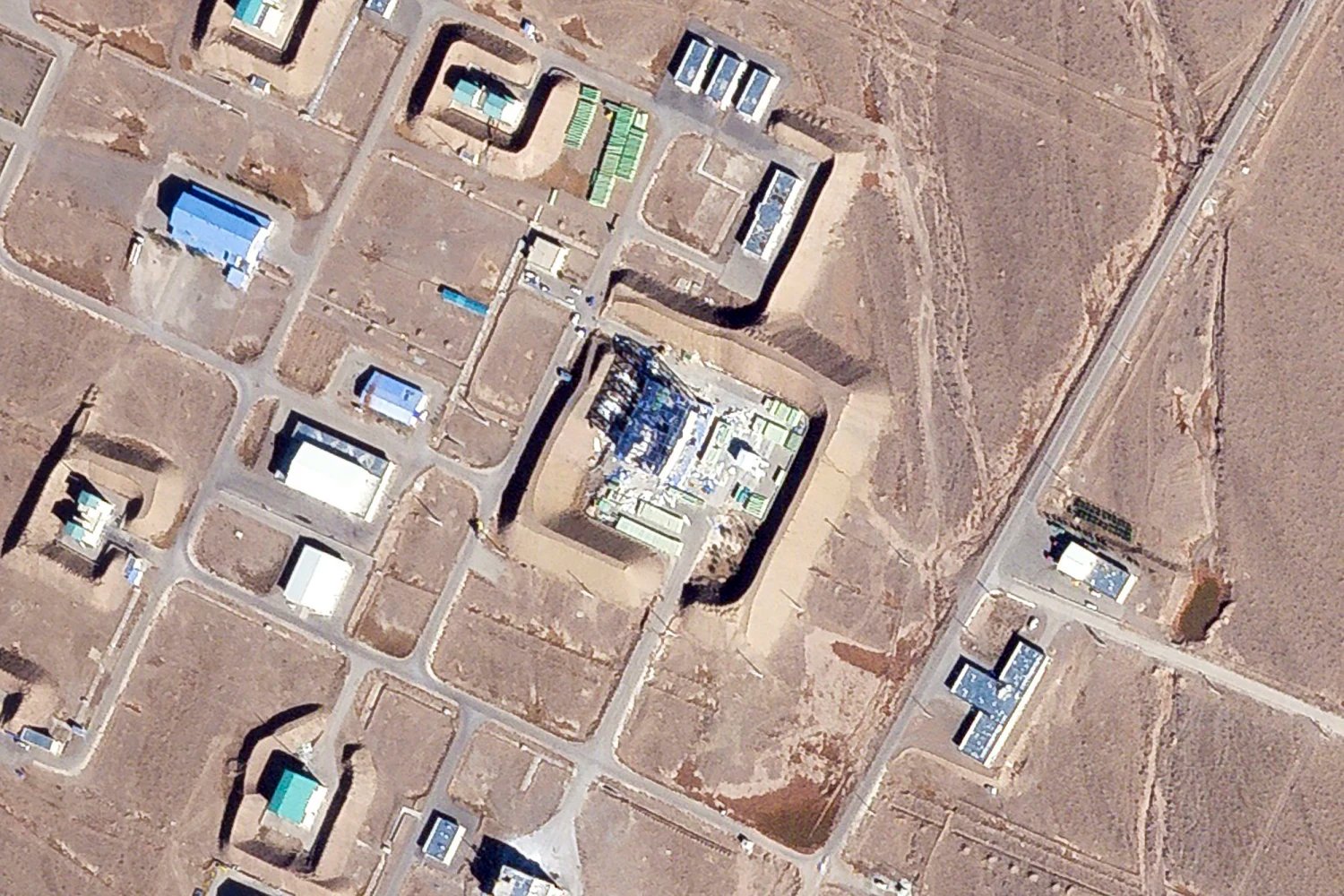
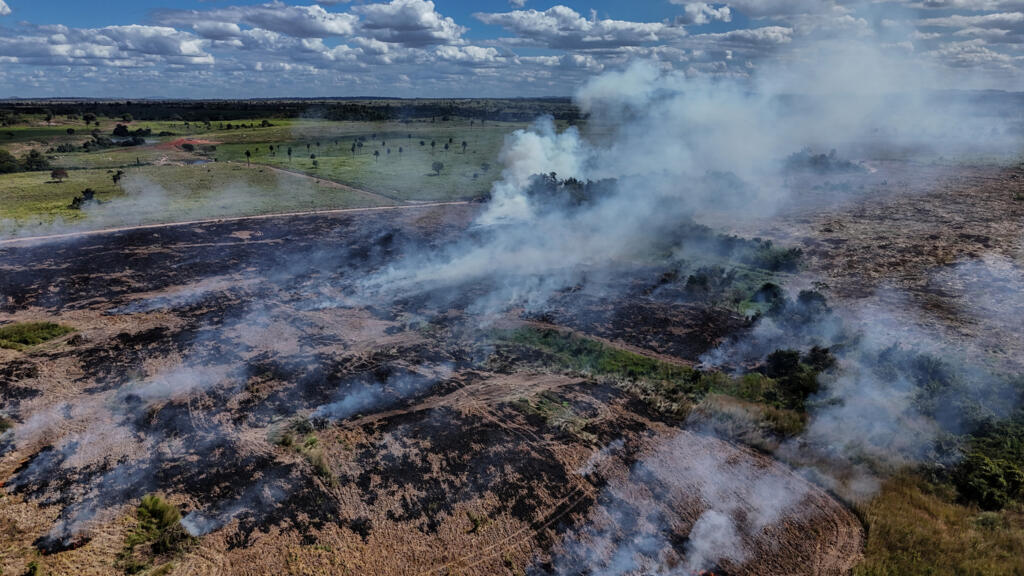
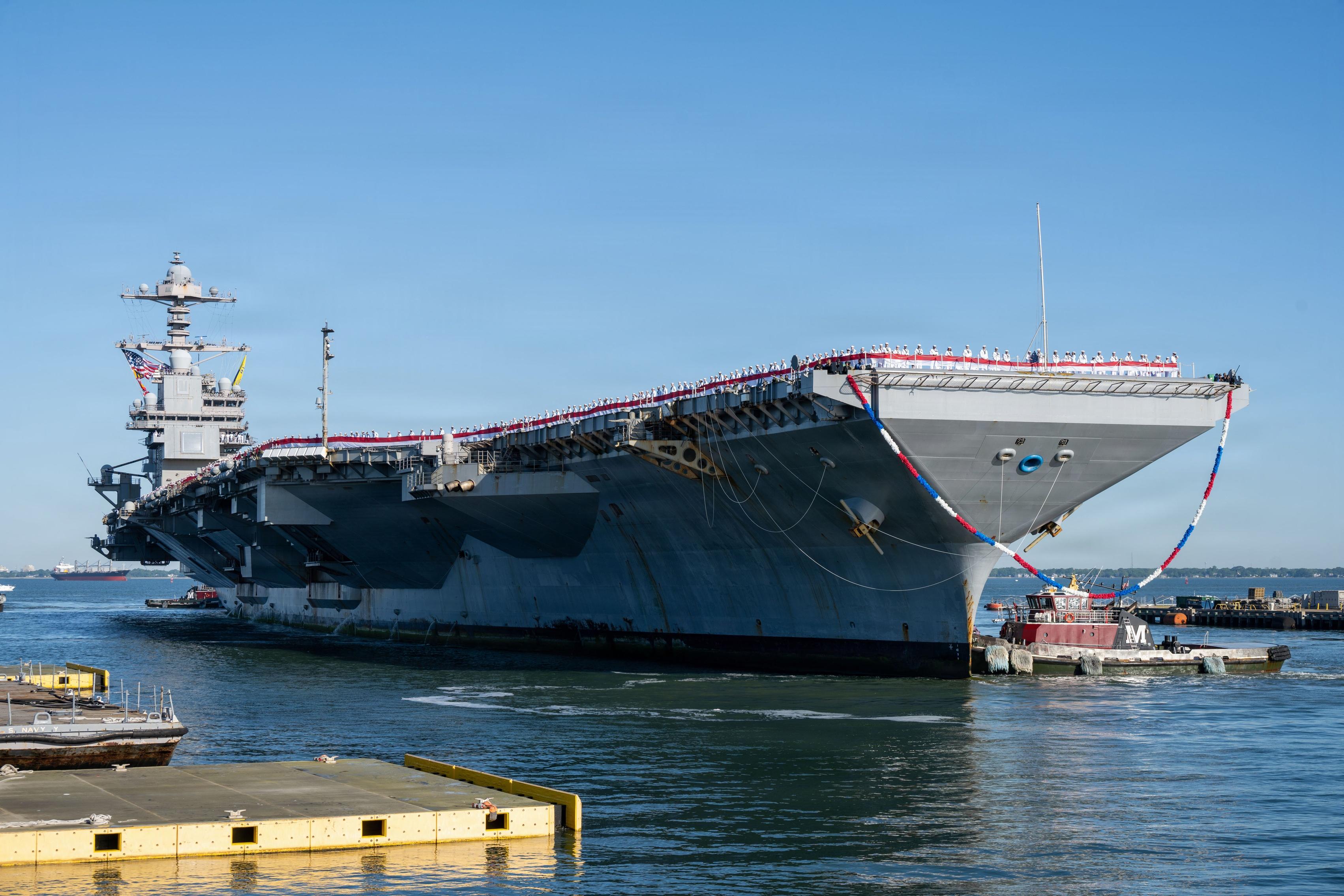
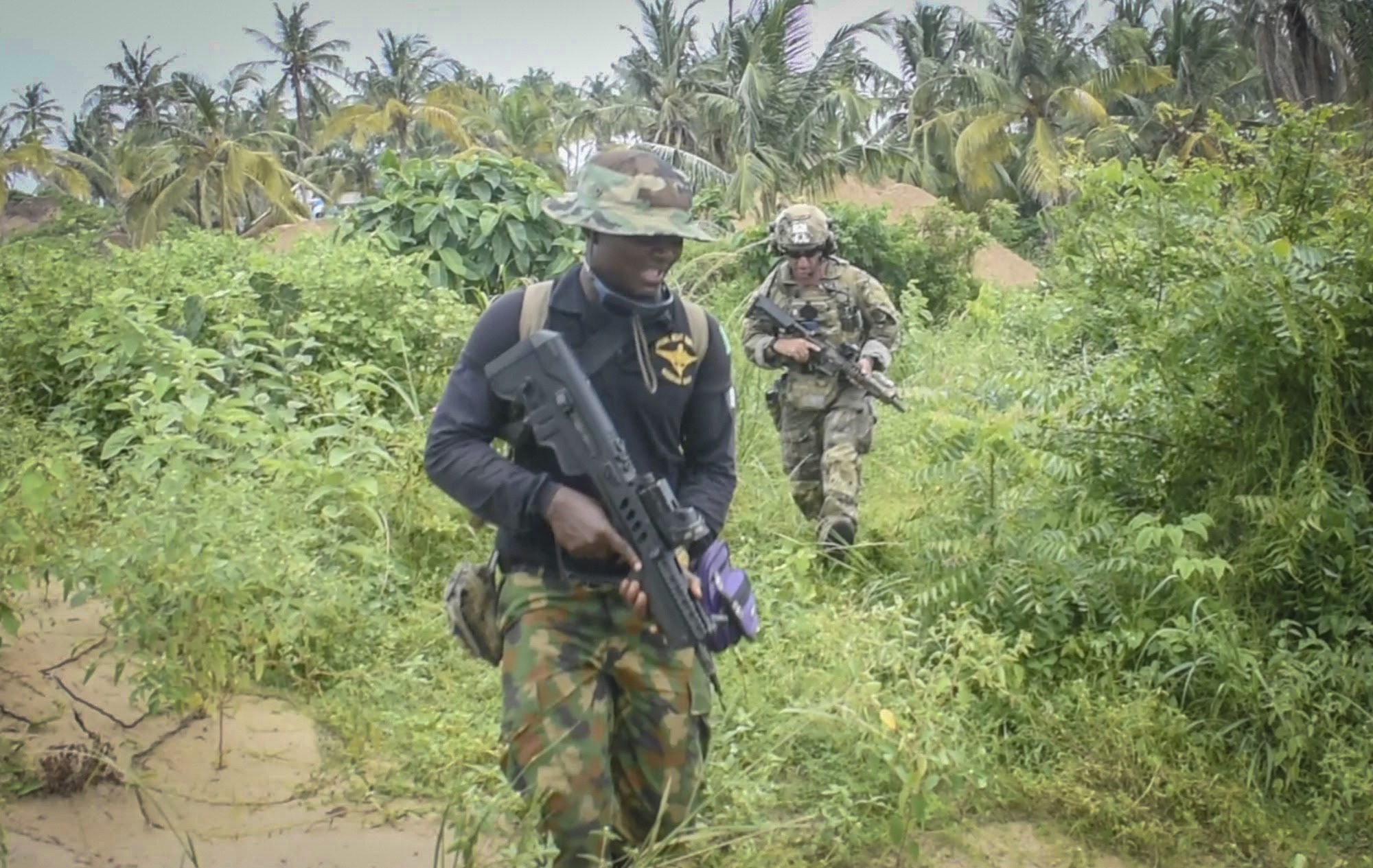
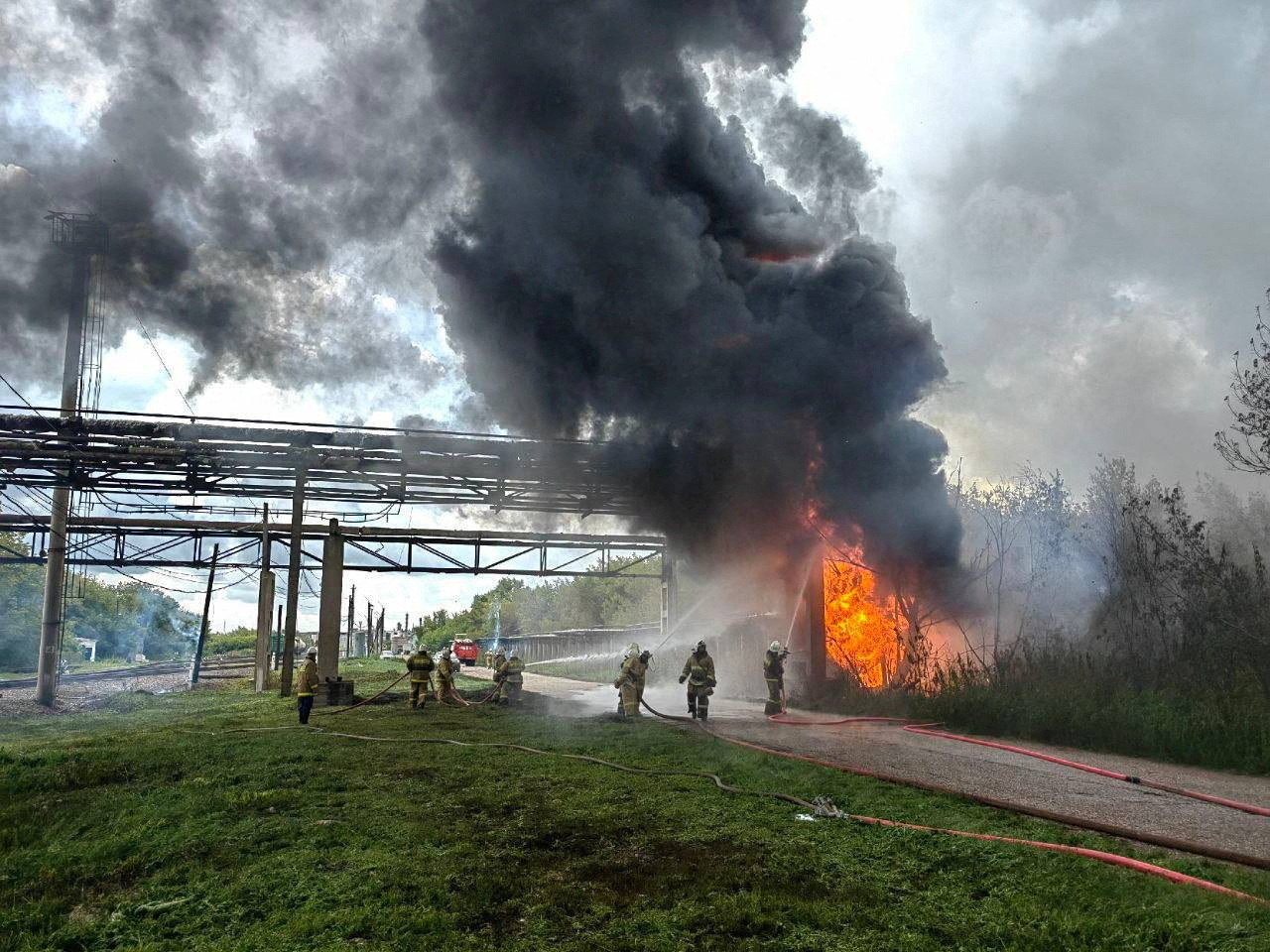
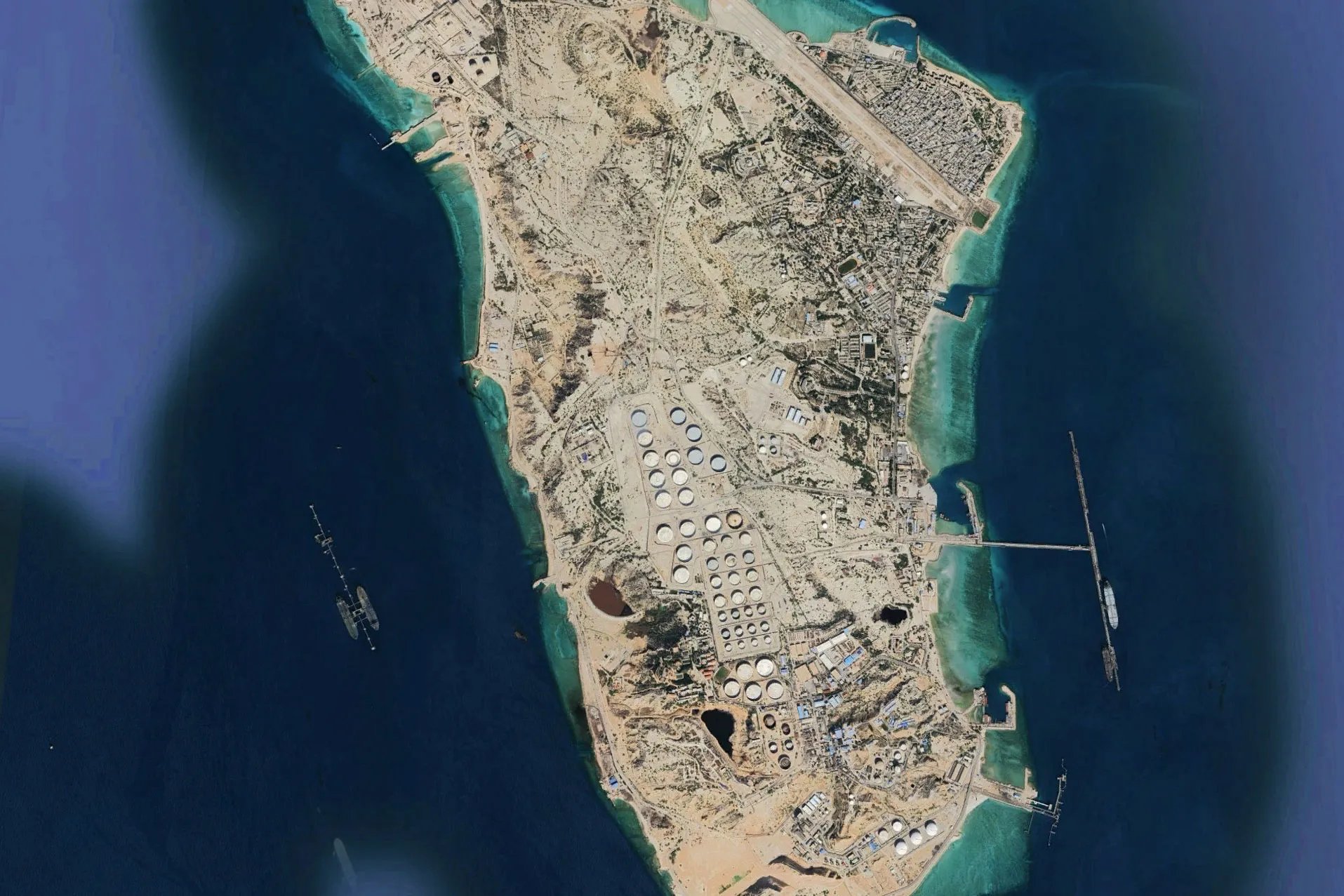
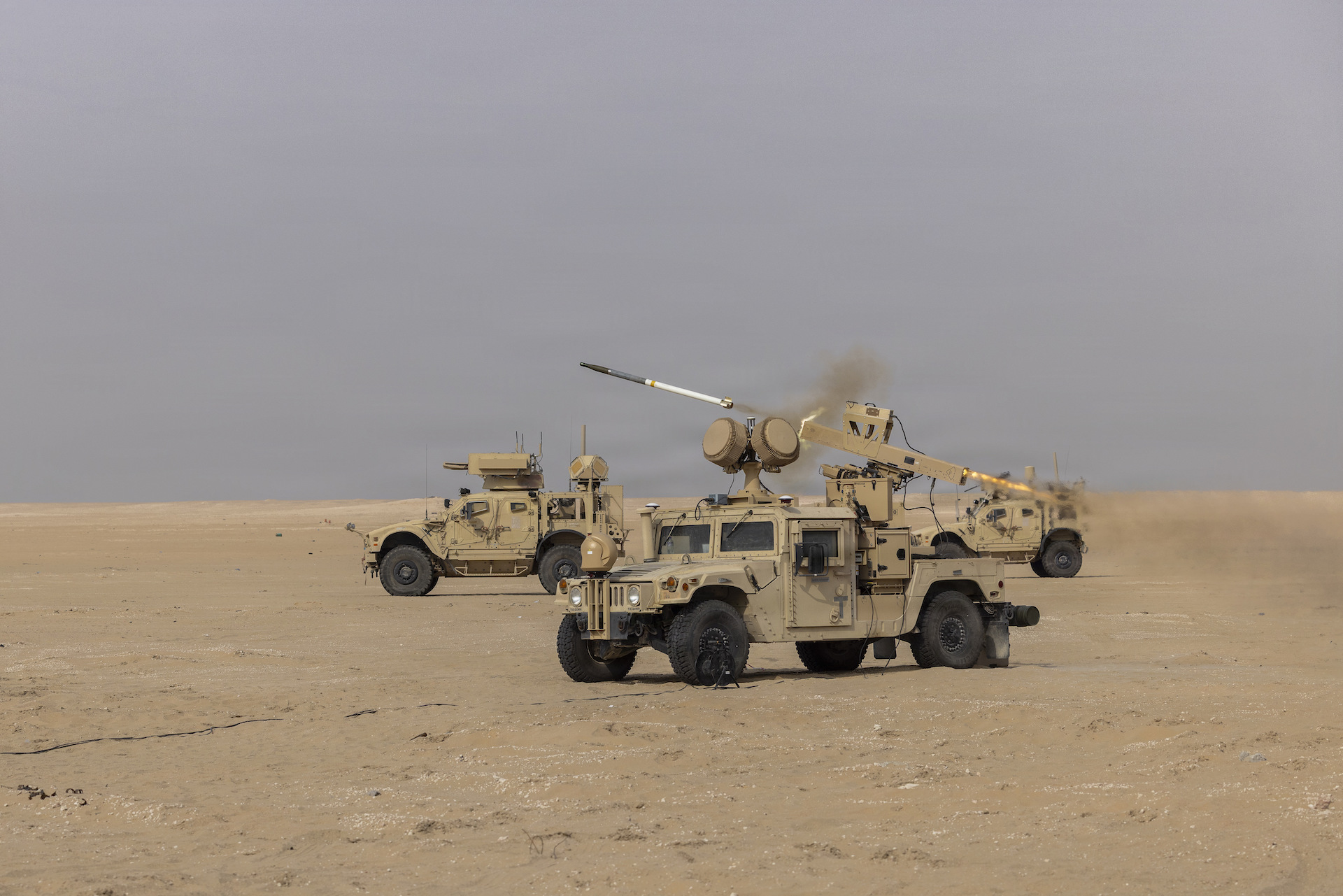
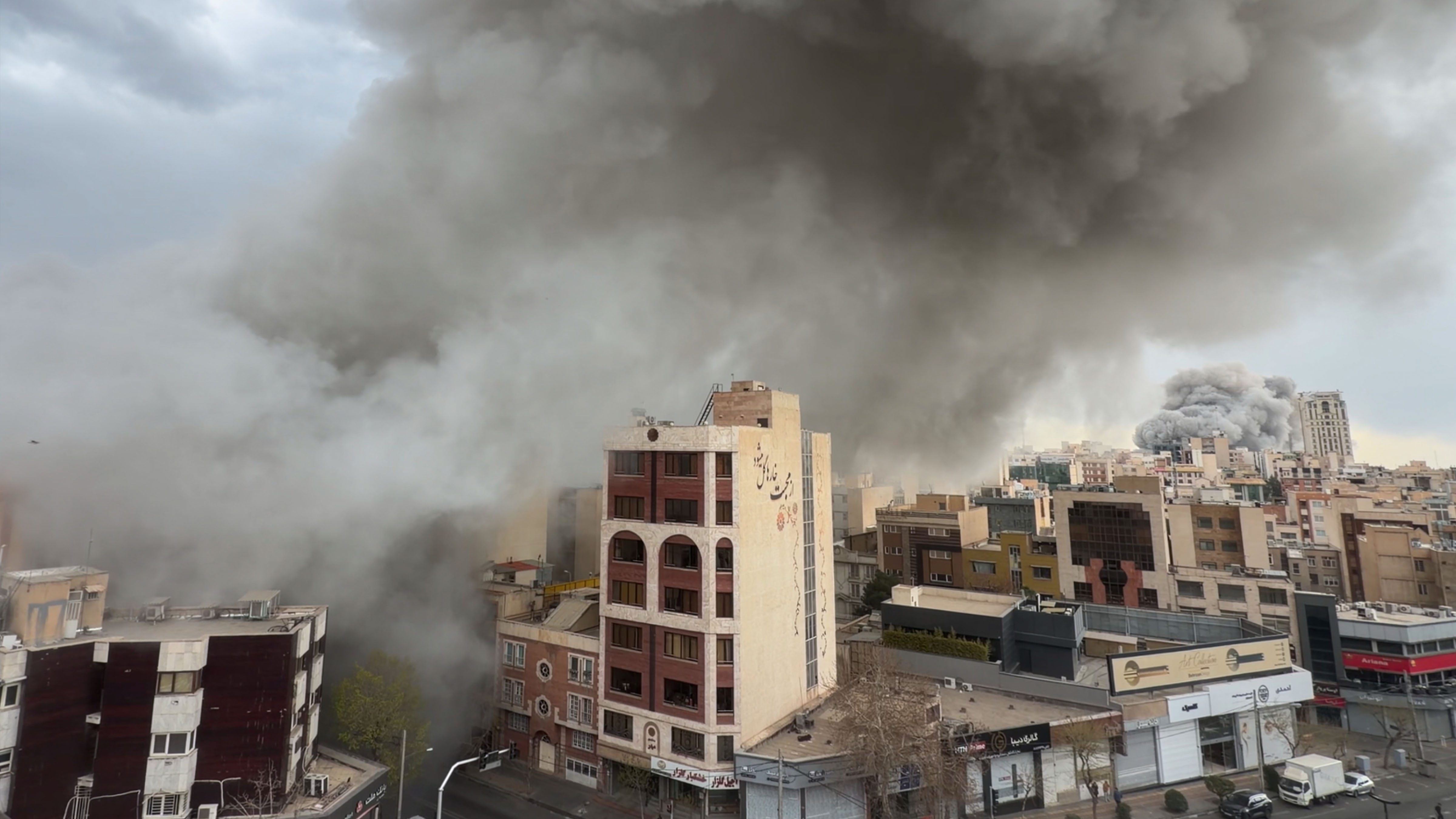
The U.S. military conducted strikes on Iran's Qeshm Island following attempted missile and drone attacks from Iran on regional allies, including Kuwait and Bahrain. U.S. Central Command (CENTCOM) reported that all Iranian ballistic missiles launched during these attacks failed to hit their intended targets, with two missiles aimed at Kuwait falling short and three aimed at Bahrain intercepted by U.S. and Bahraini air defenses. CENTCOM confirmed that U.S. forces successfully shot down multiple Iranian drones that were targeting civilian vessels in the Gulf.
Iranian Claims and U.S. Denials
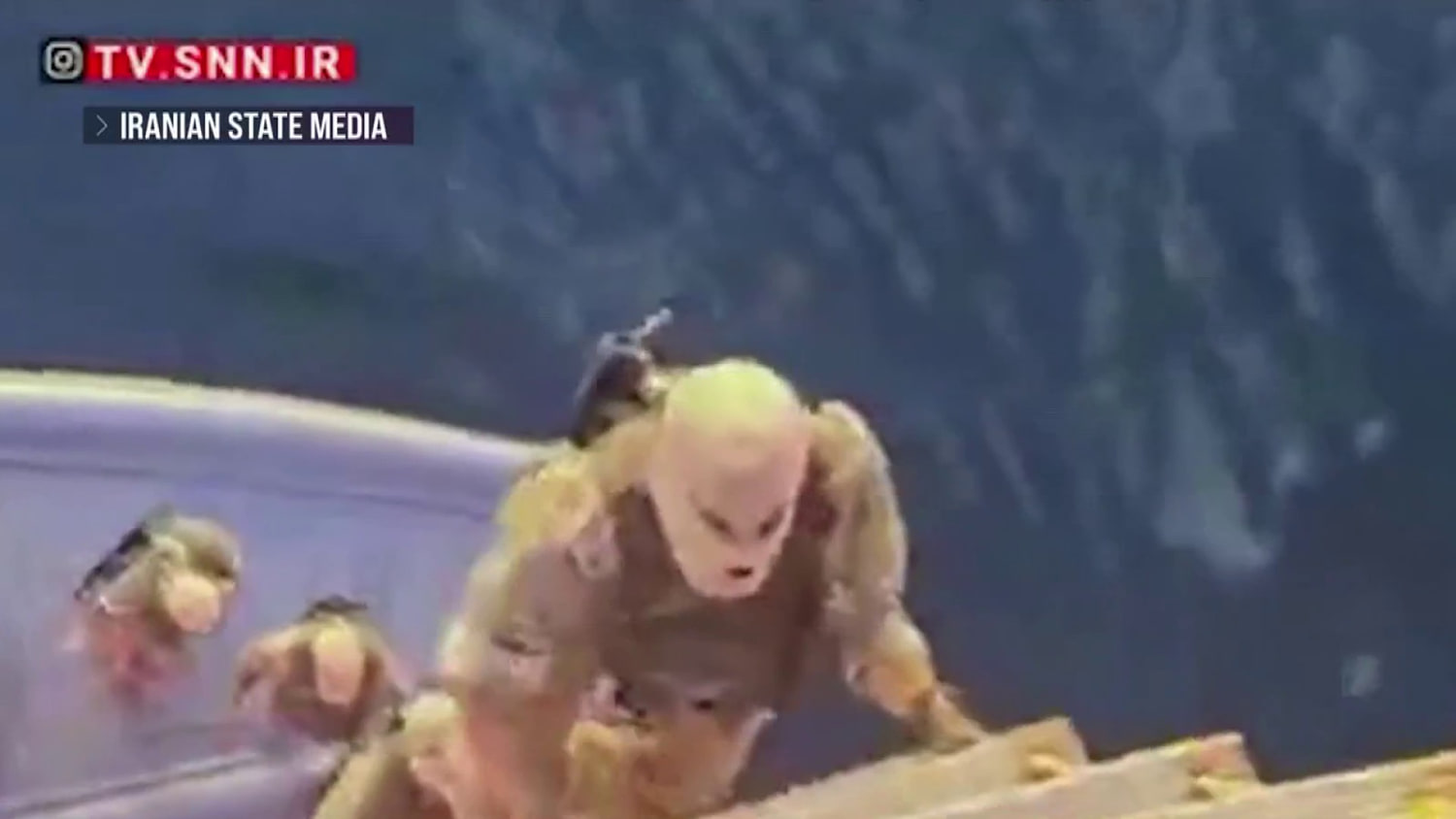
Iran's Islamic Revolutionary Guard Corps (IRGC) claimed it attacked U.S. bases in Bahrain and launched missiles at Kuwait and Bahrain, saying these actions were in response to the U.S. disabling the oil tanker M/T Lexie. However, CENTCOM refuted these claims, stating that the attack on the U.S. Fifth Fleet headquarters in Bahrain was "false." The U.S. military emphasized that its actions were defensive, aimed at protecting its forces and allies in the region.
Blockade and Shipping Disruptions
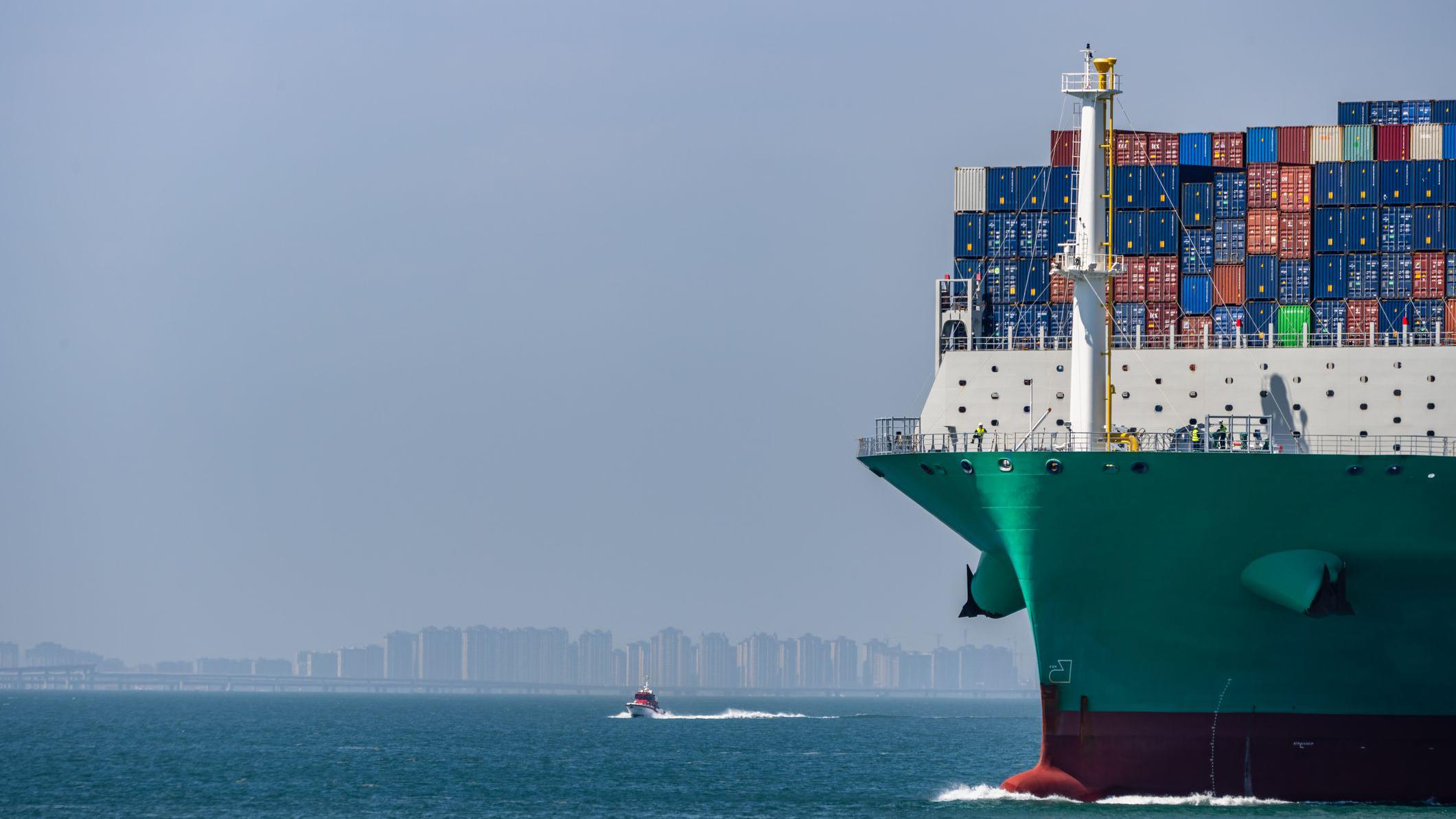
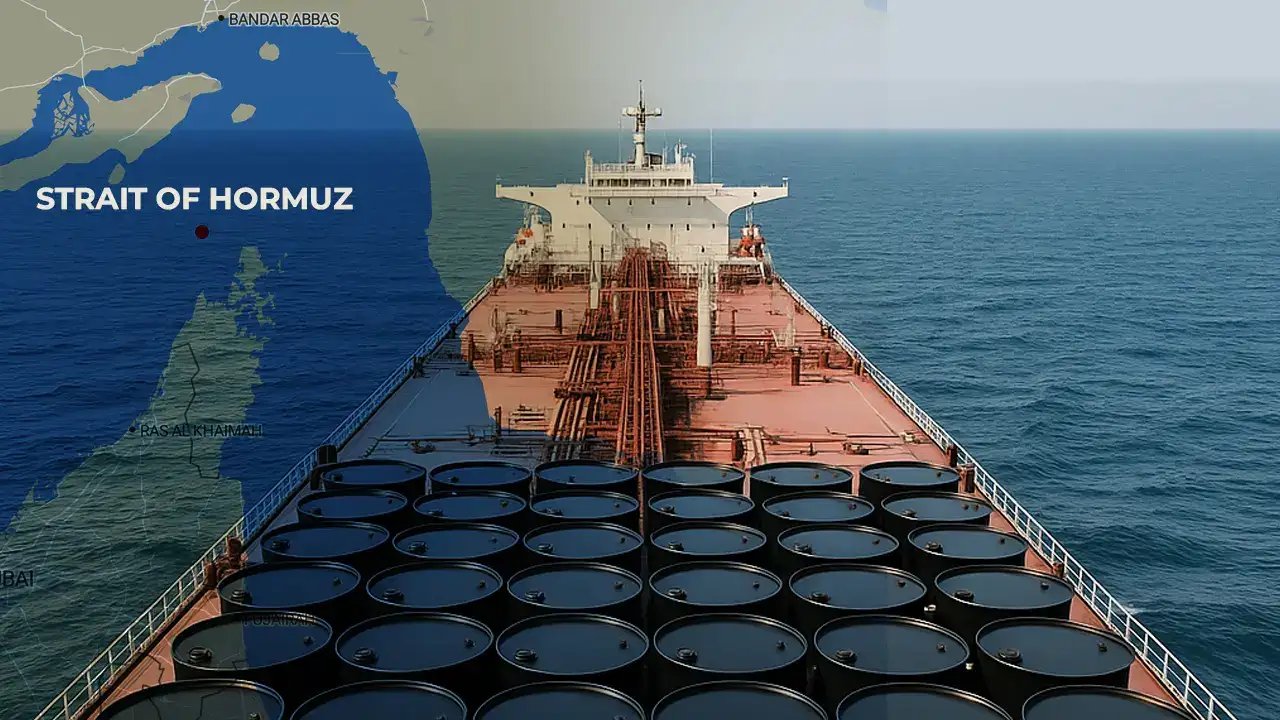
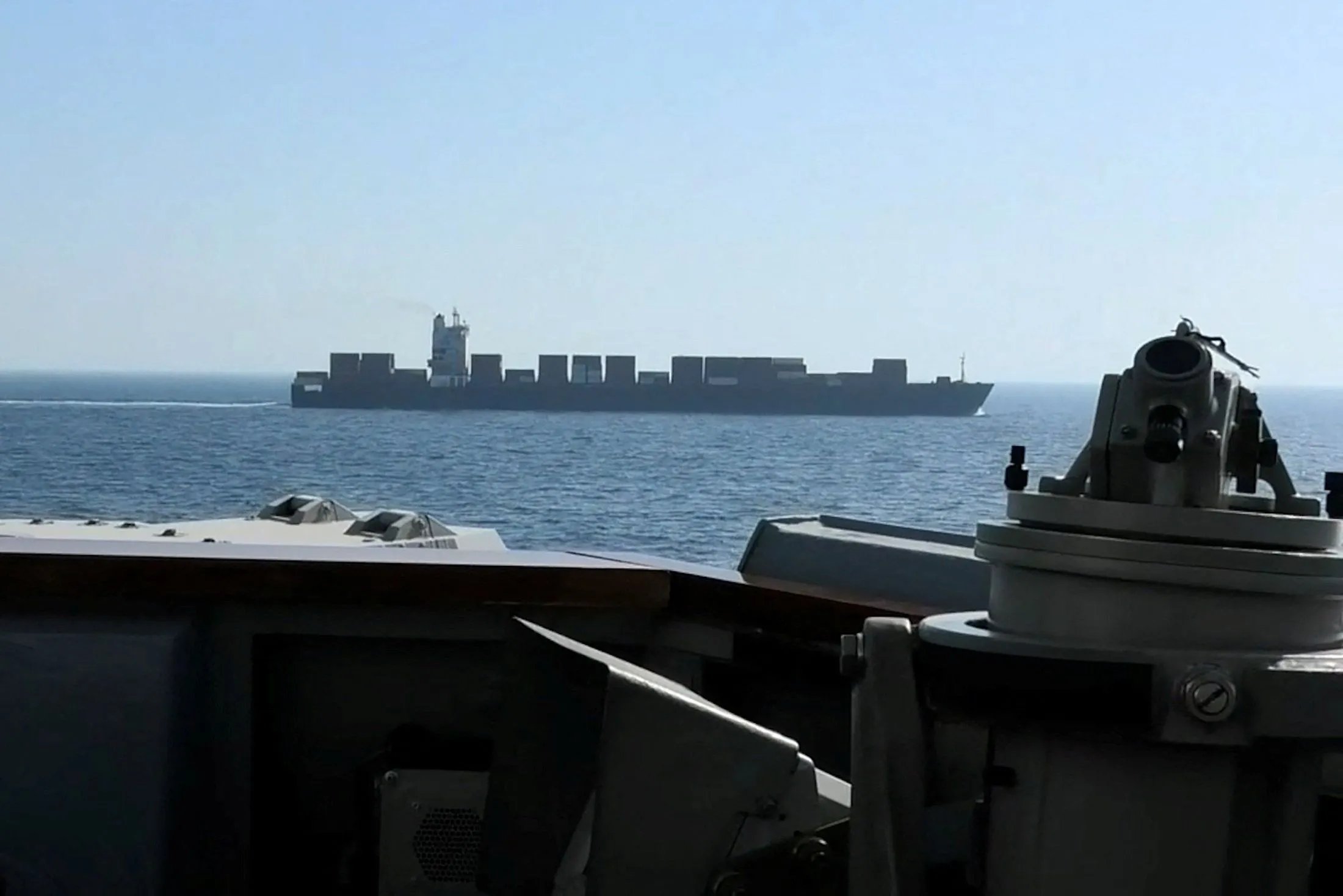
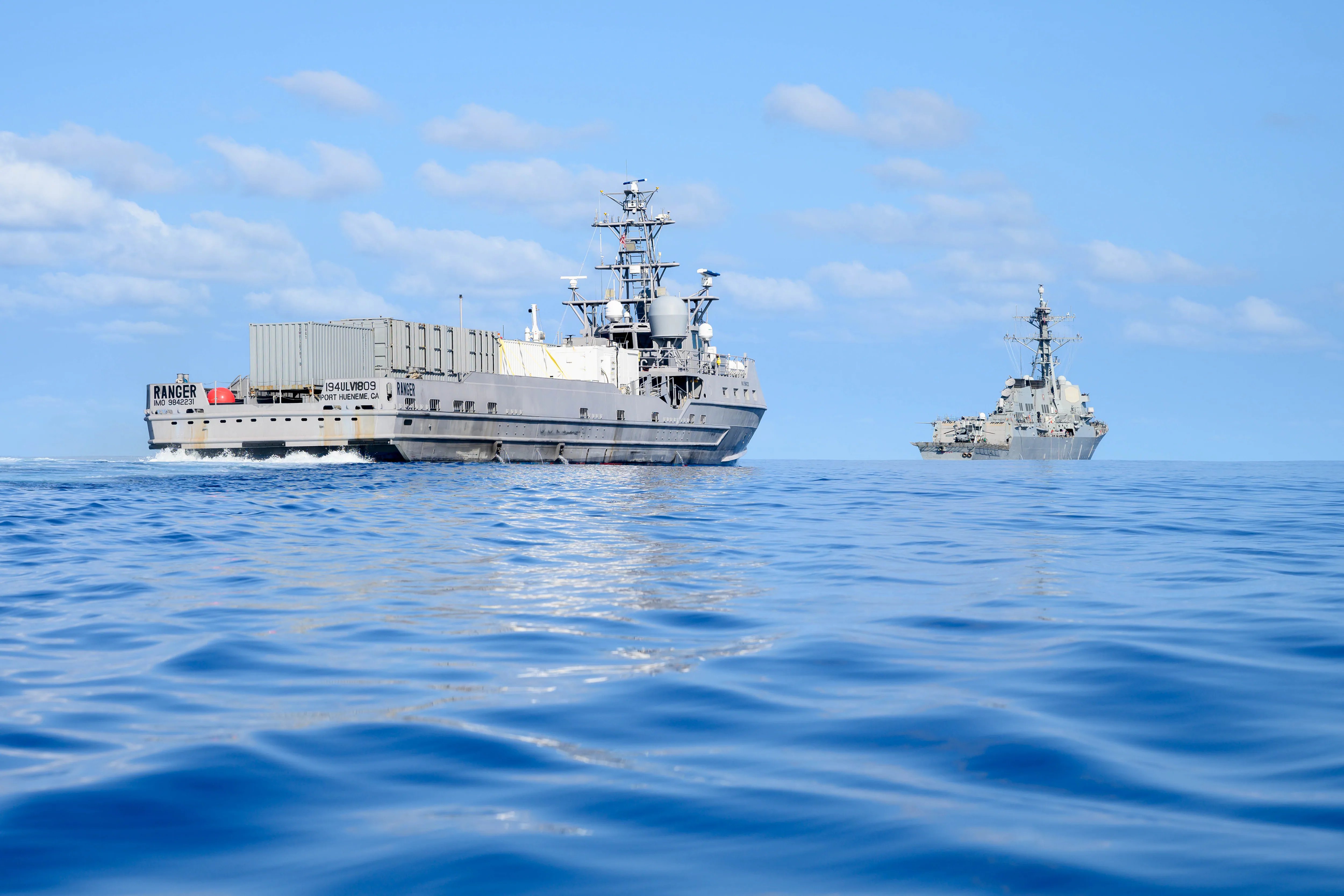
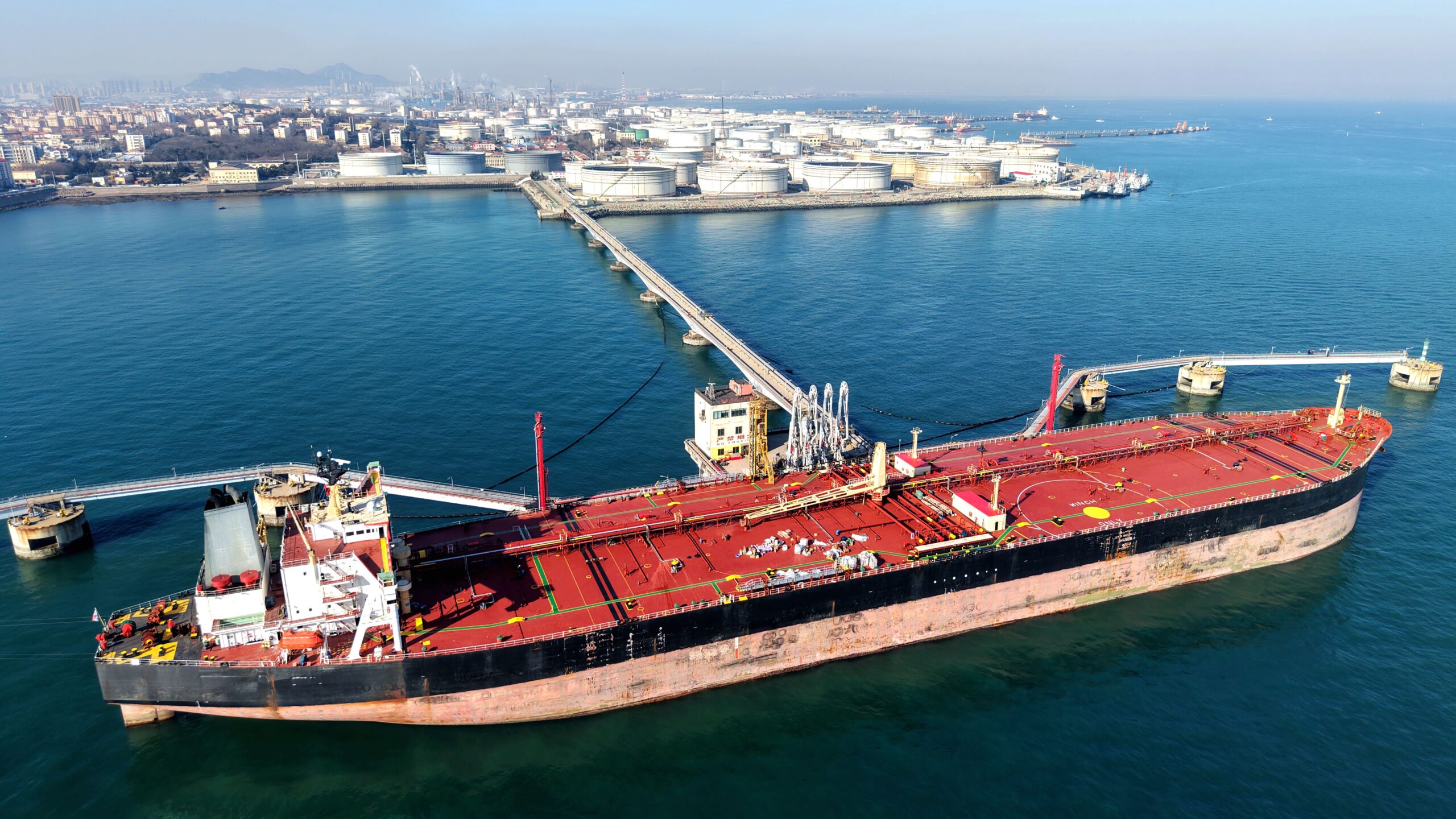
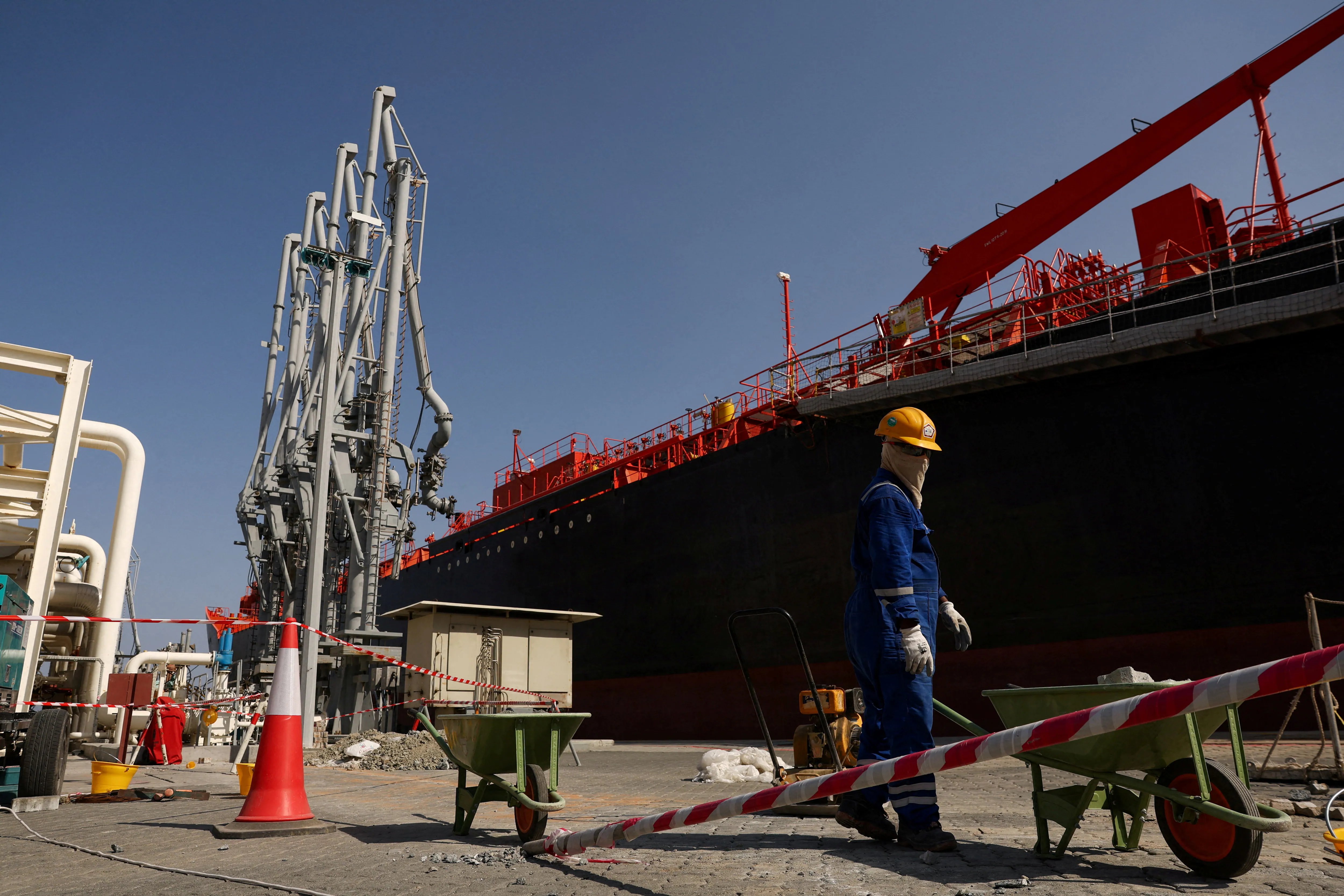
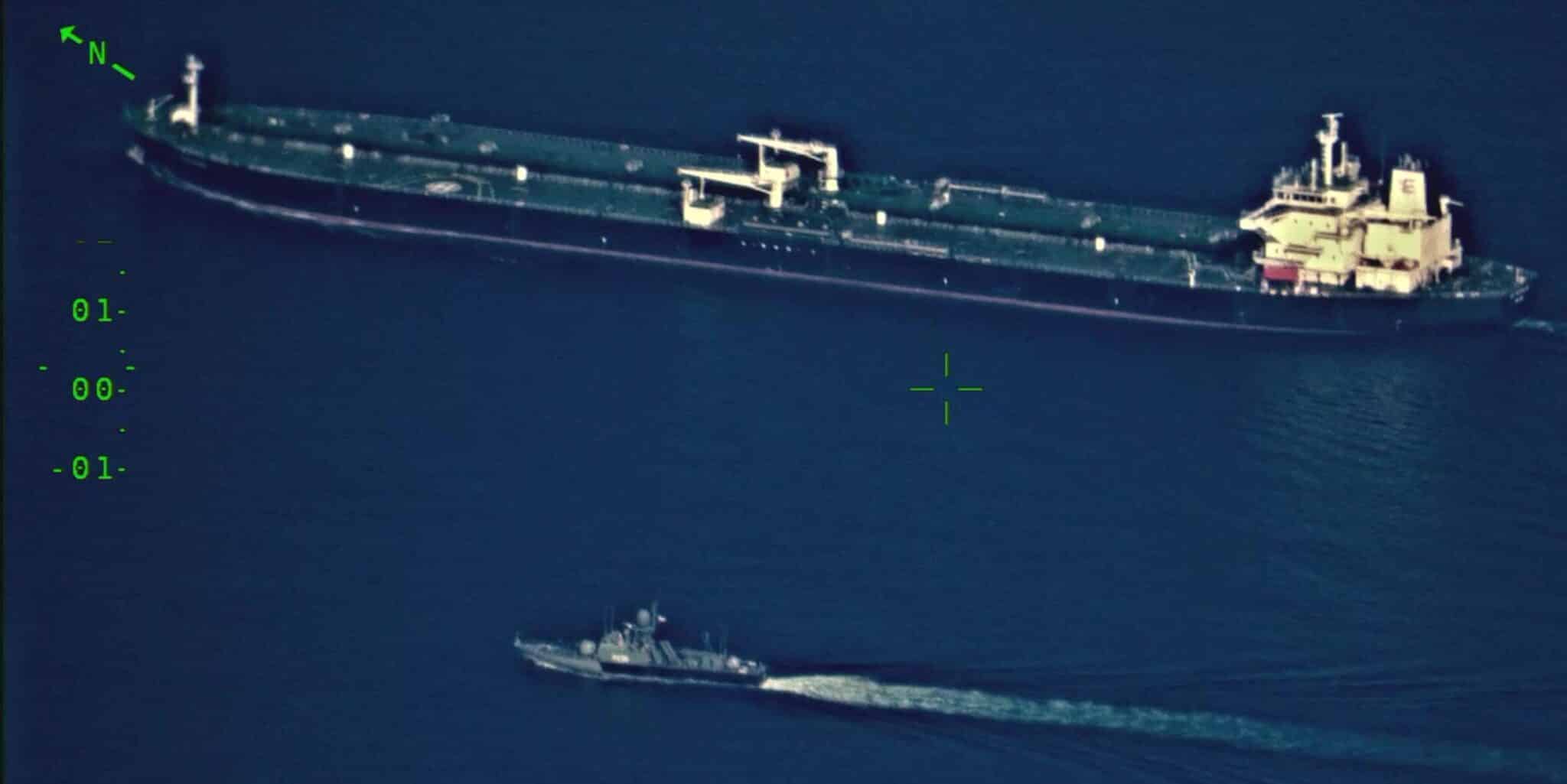
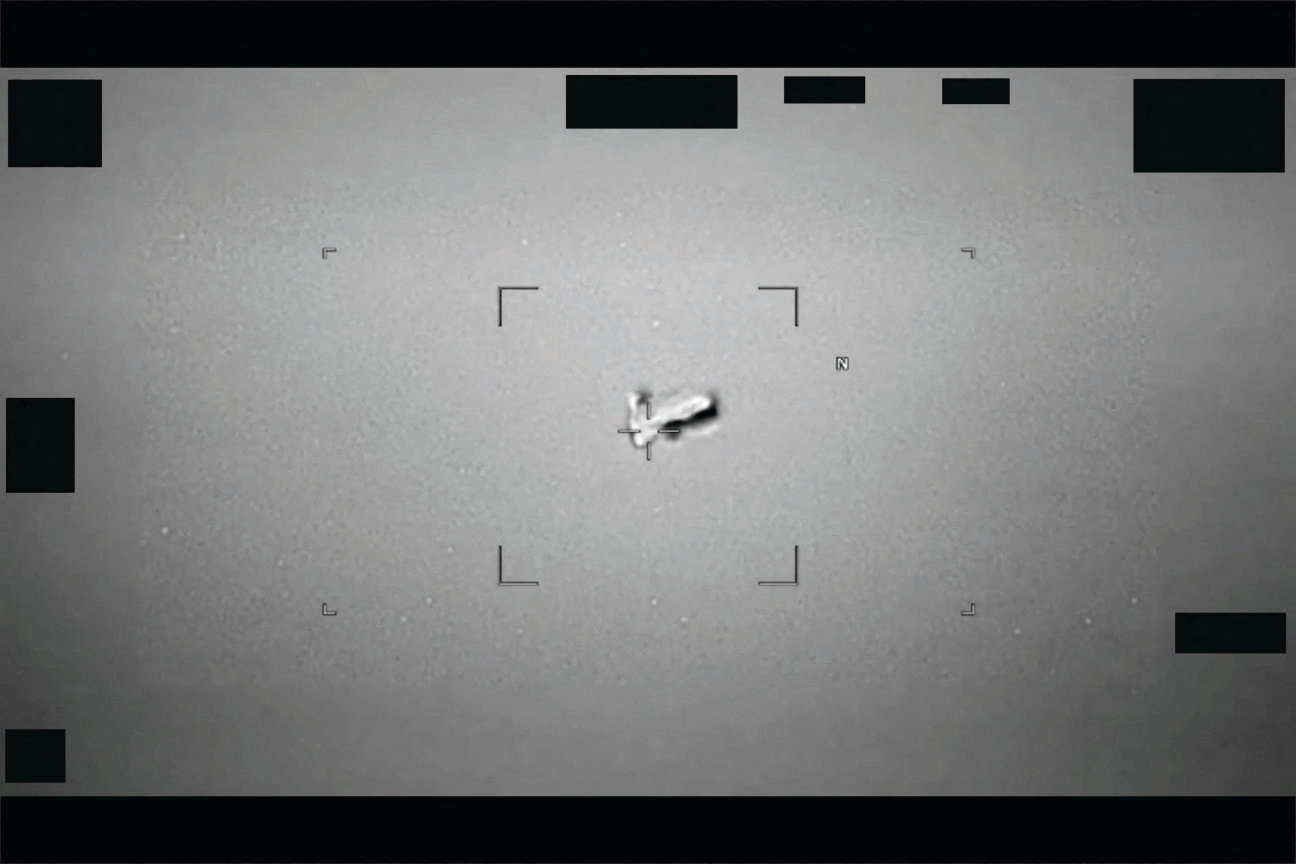
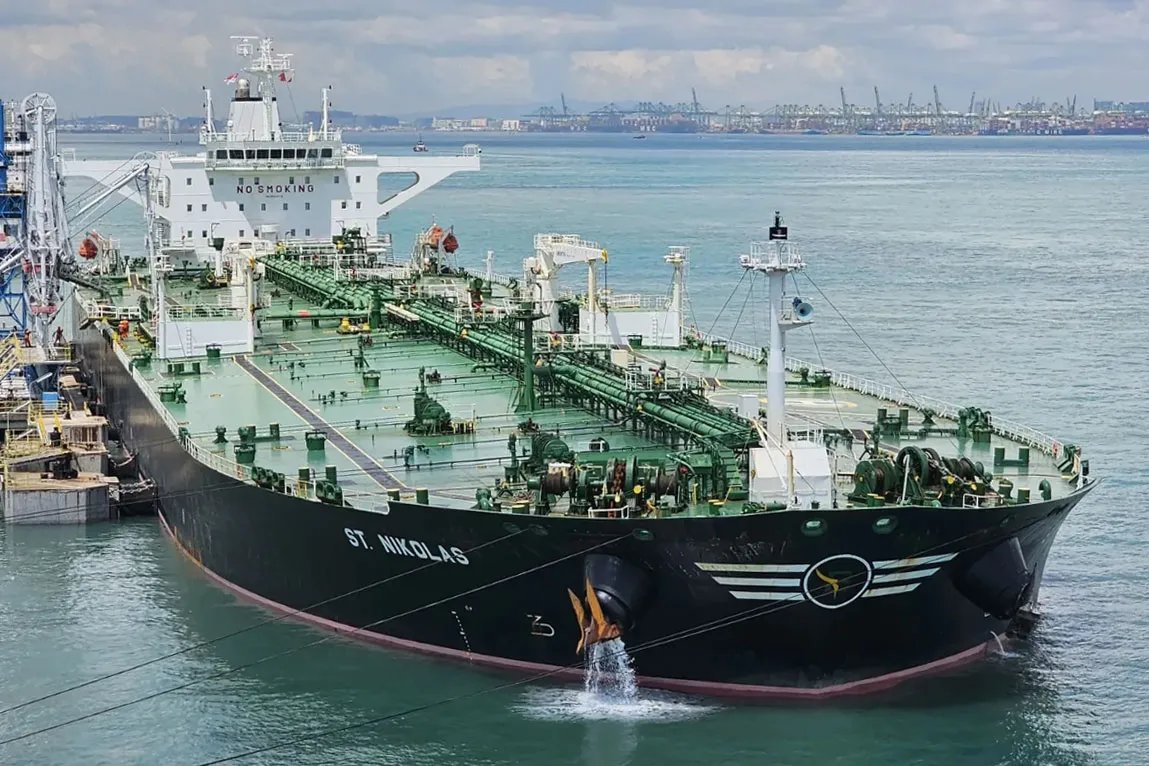
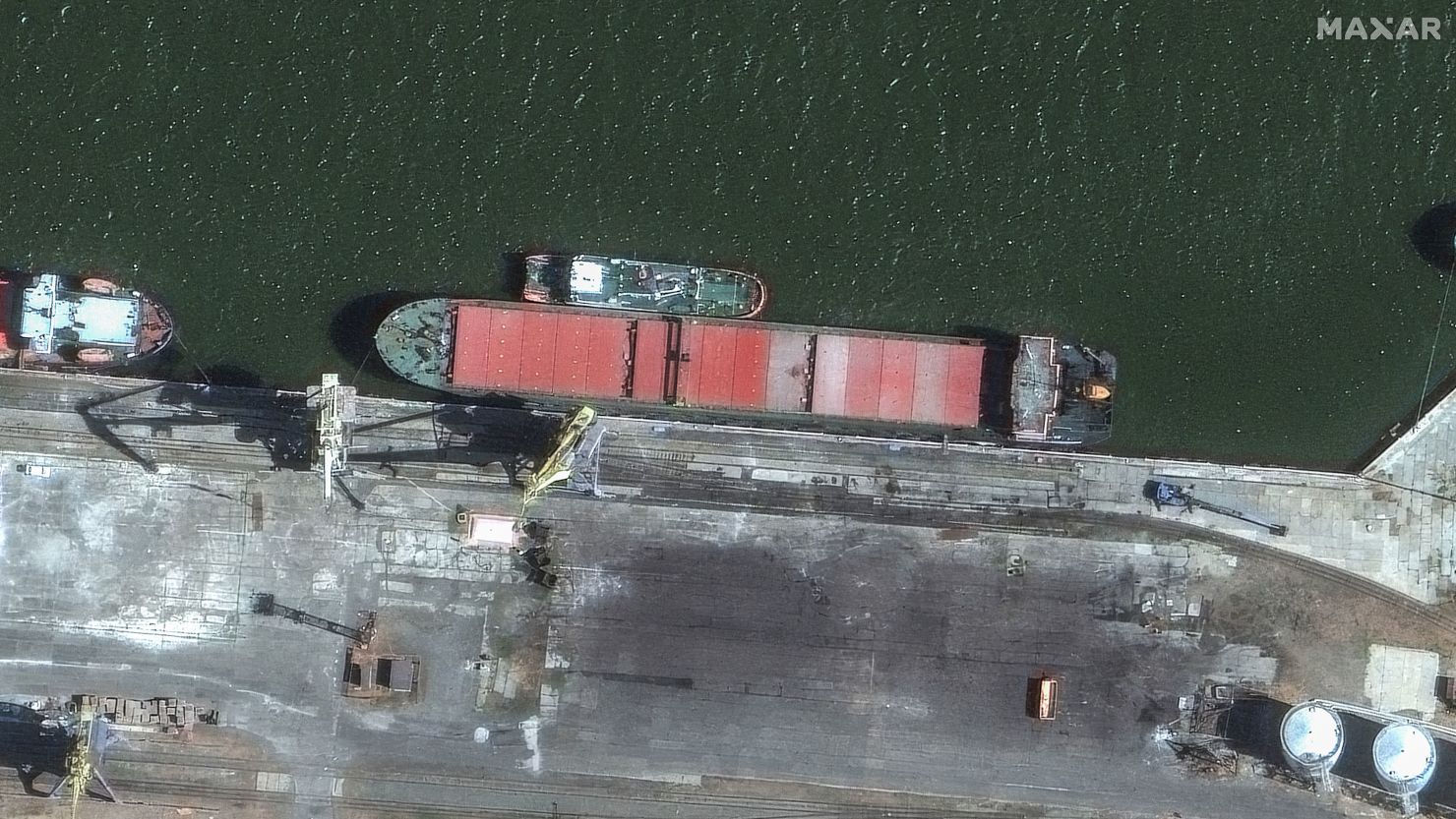
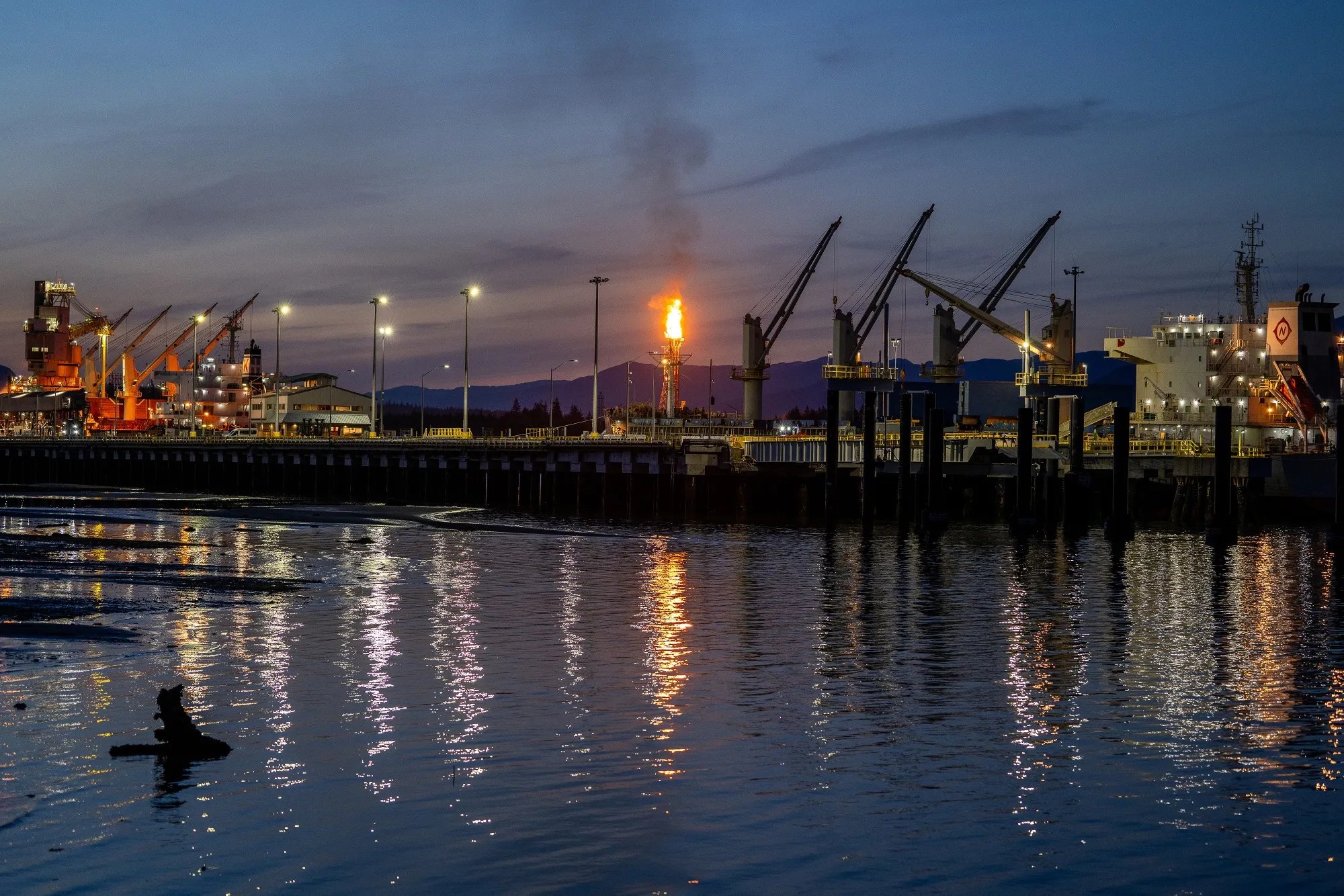
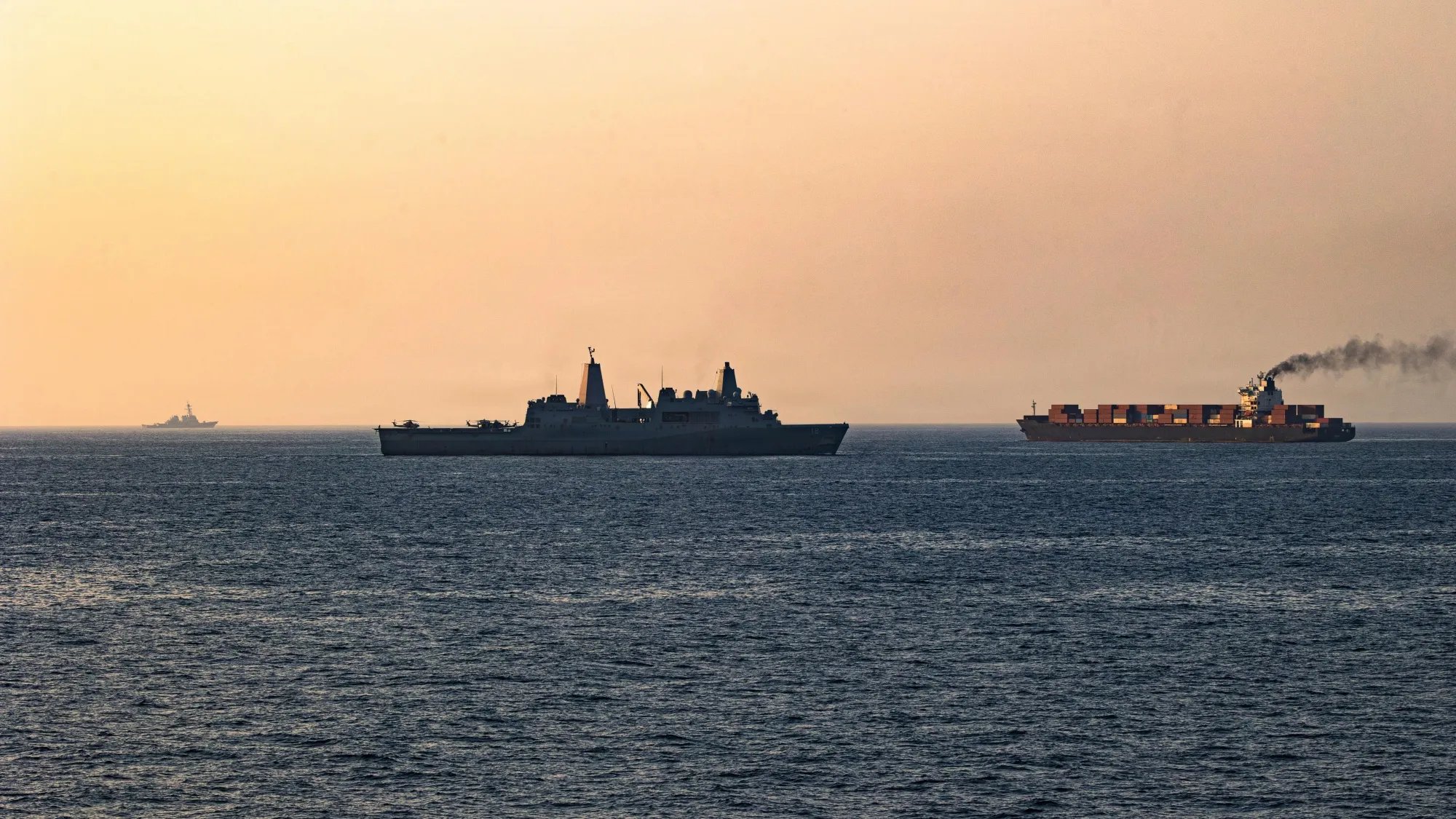
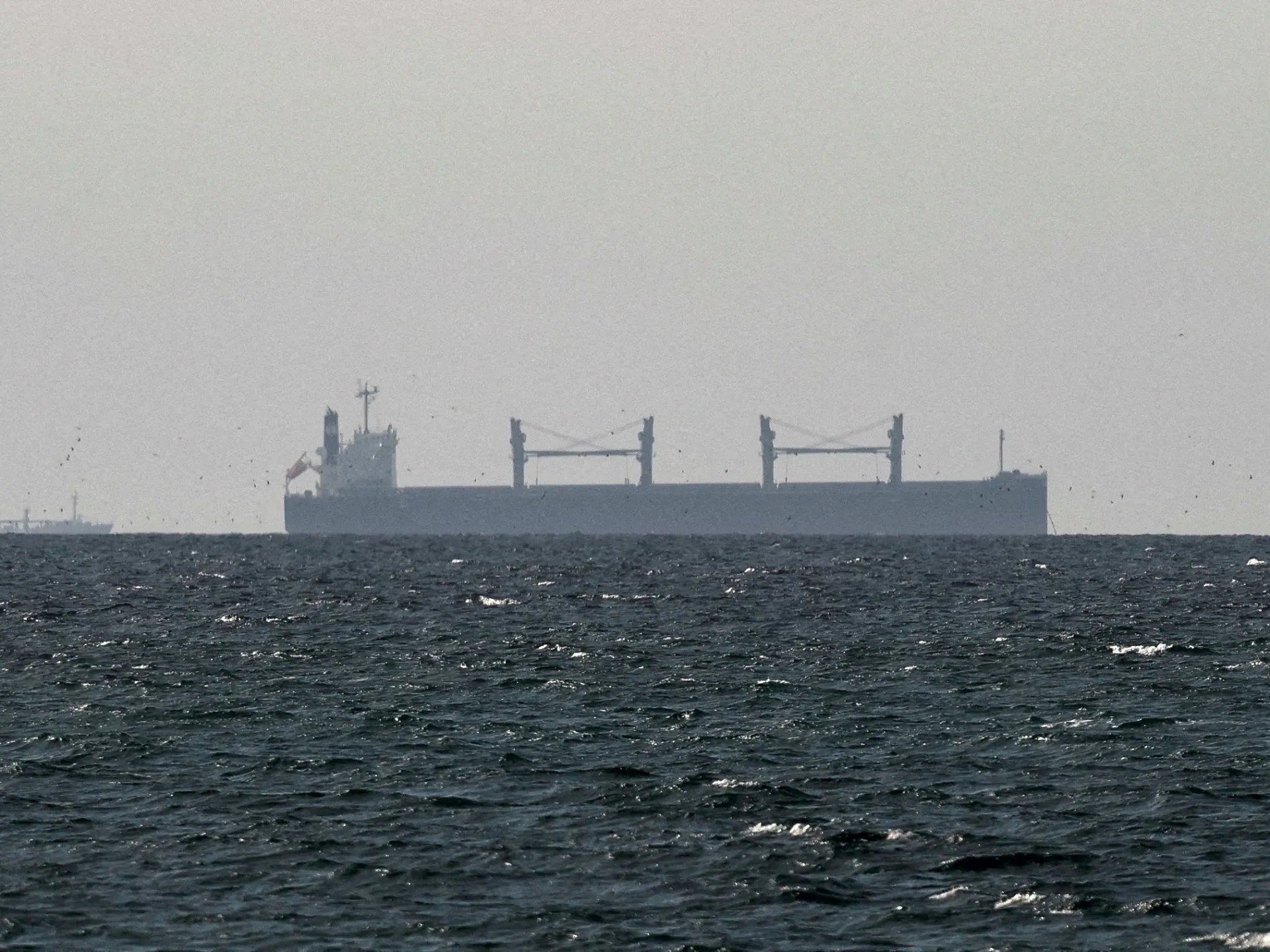
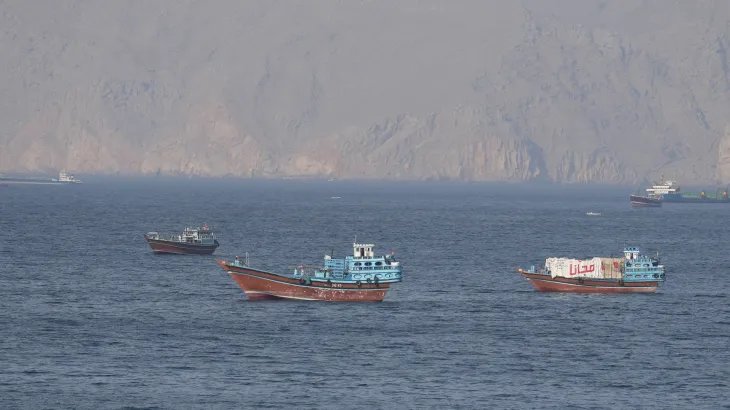
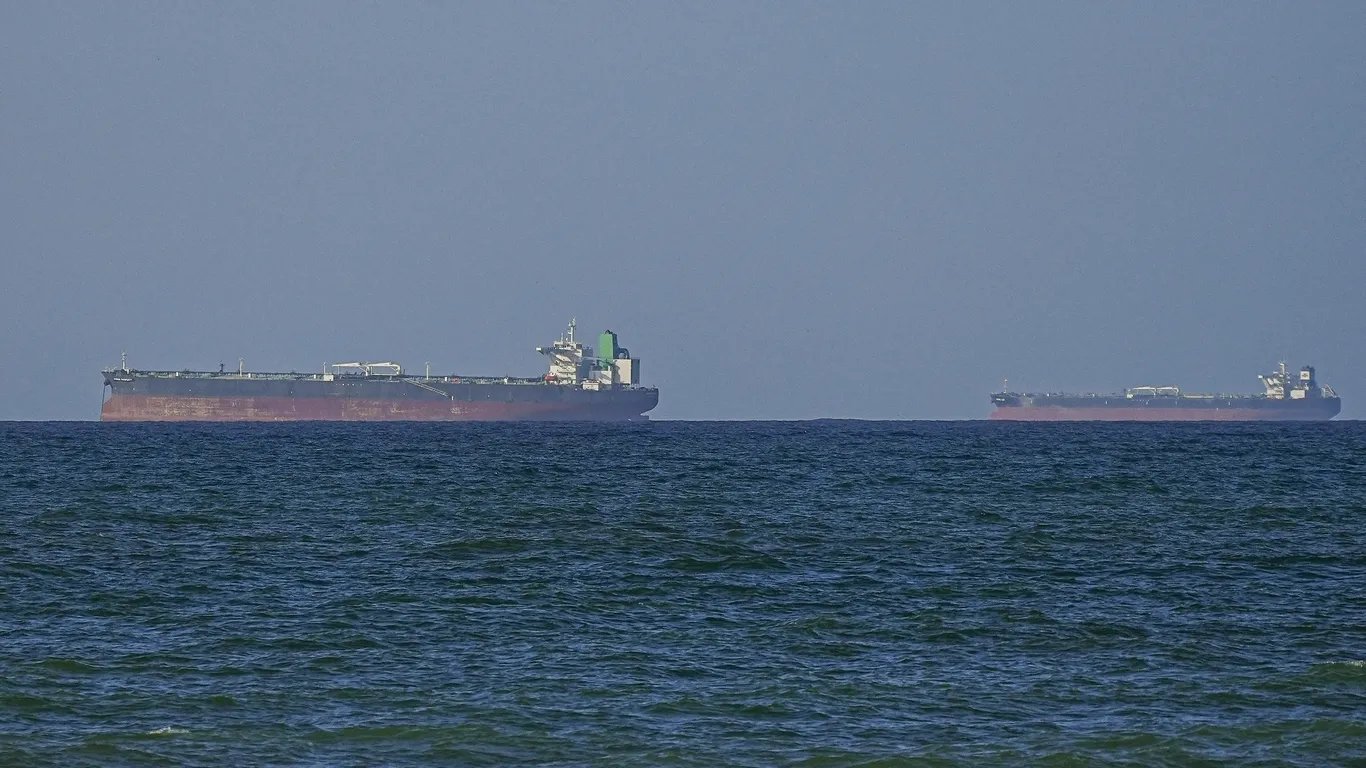
The U.S. has maintained a blockade on Iranian ports since April 13, with CENTCOM reporting that it has disabled six commercial vessels and redirected 122 others to ensure compliance. On Tuesday, U.S. forces disabled a Botswana-flagged oil tanker, M/T Lexie, which was transiting toward Iran's Kharg Island after ignoring repeated warnings over 24 hours. A Hellfire missile was fired into the vessel's engine room after its crew ignored repeated warnings over 24 hours. This incident is part of the broader tensions affecting shipping traffic through the crucial Strait of Hormuz.
Economic Implications for Oil Prices
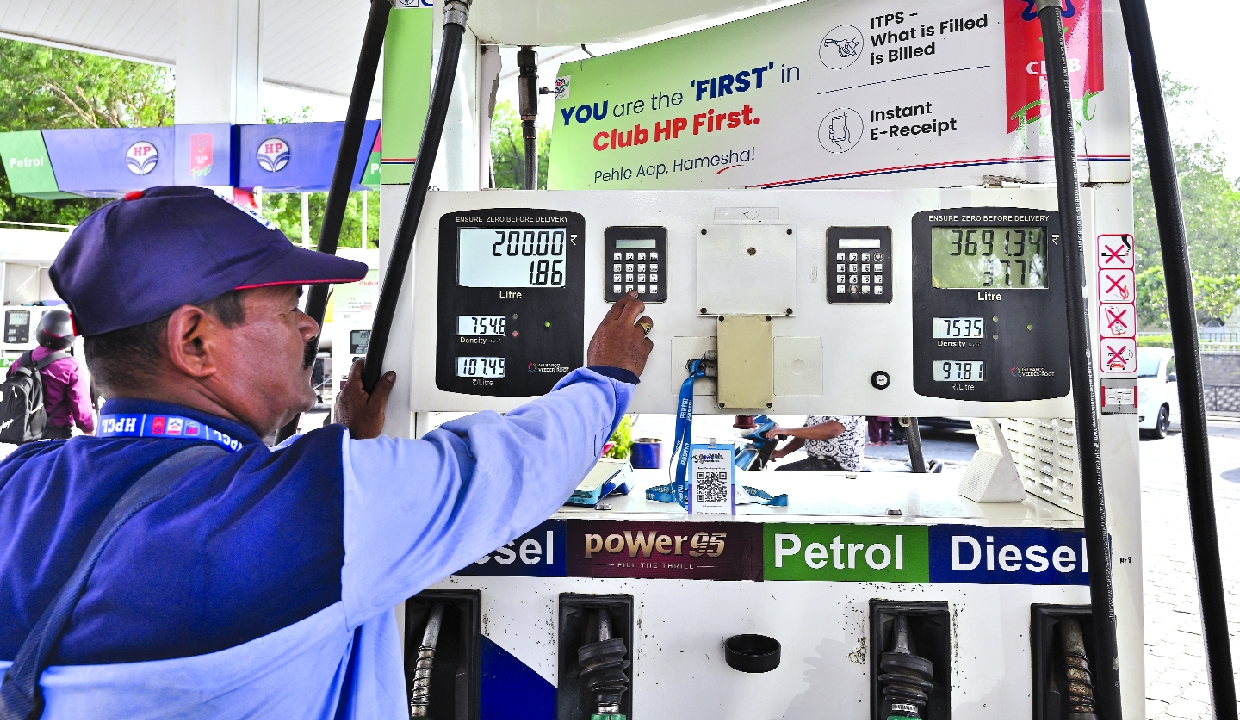
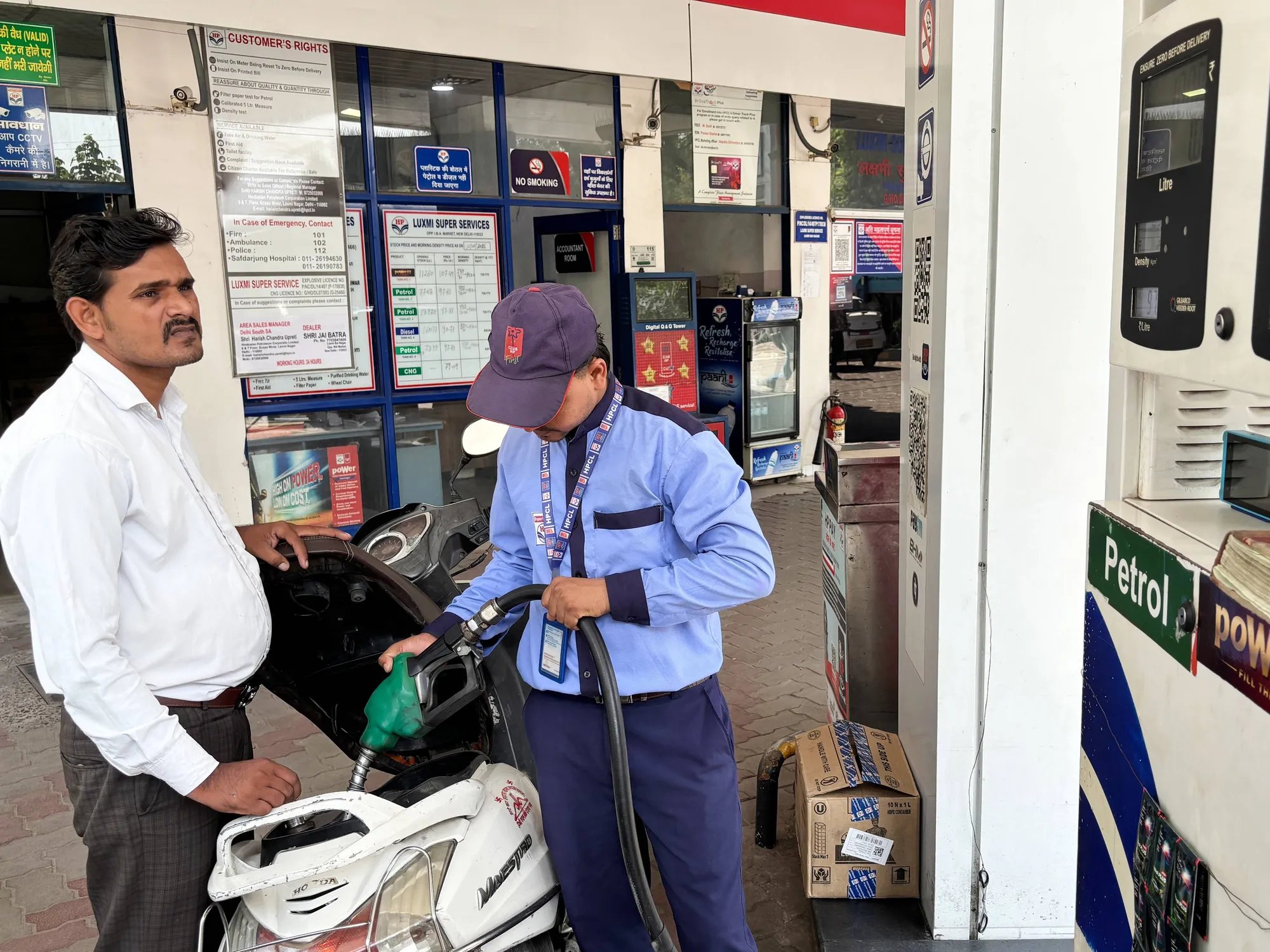
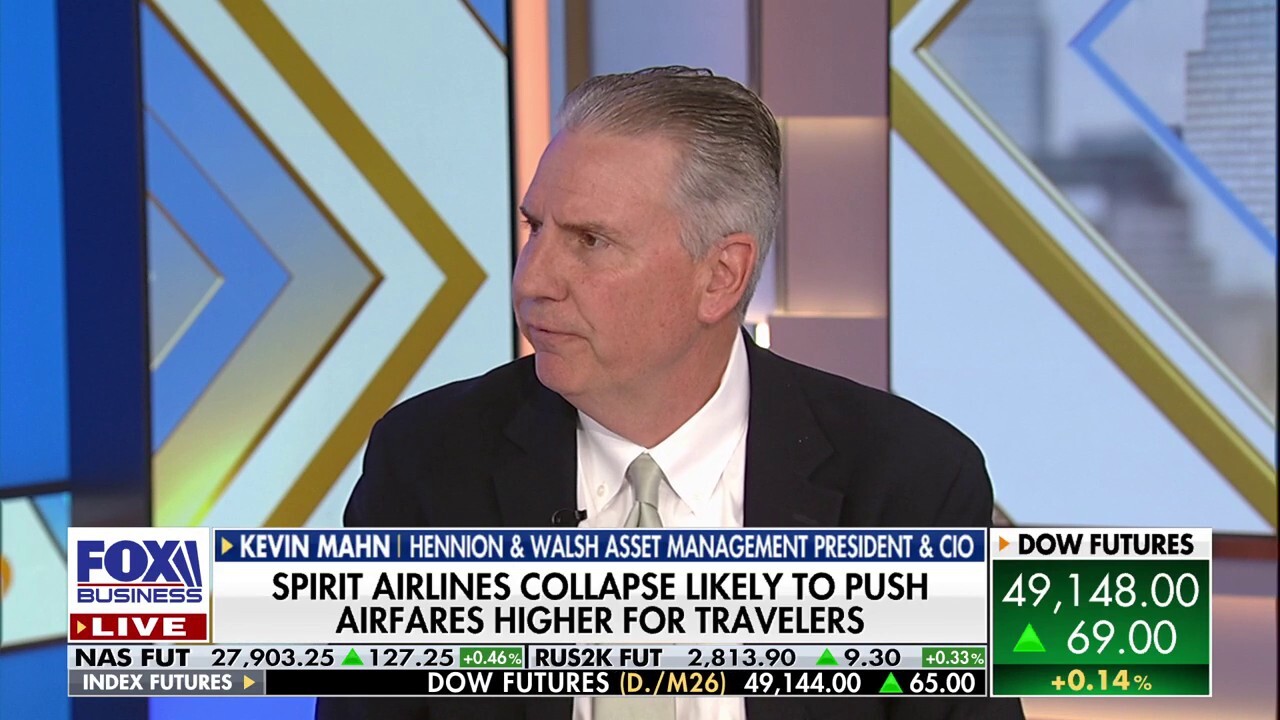
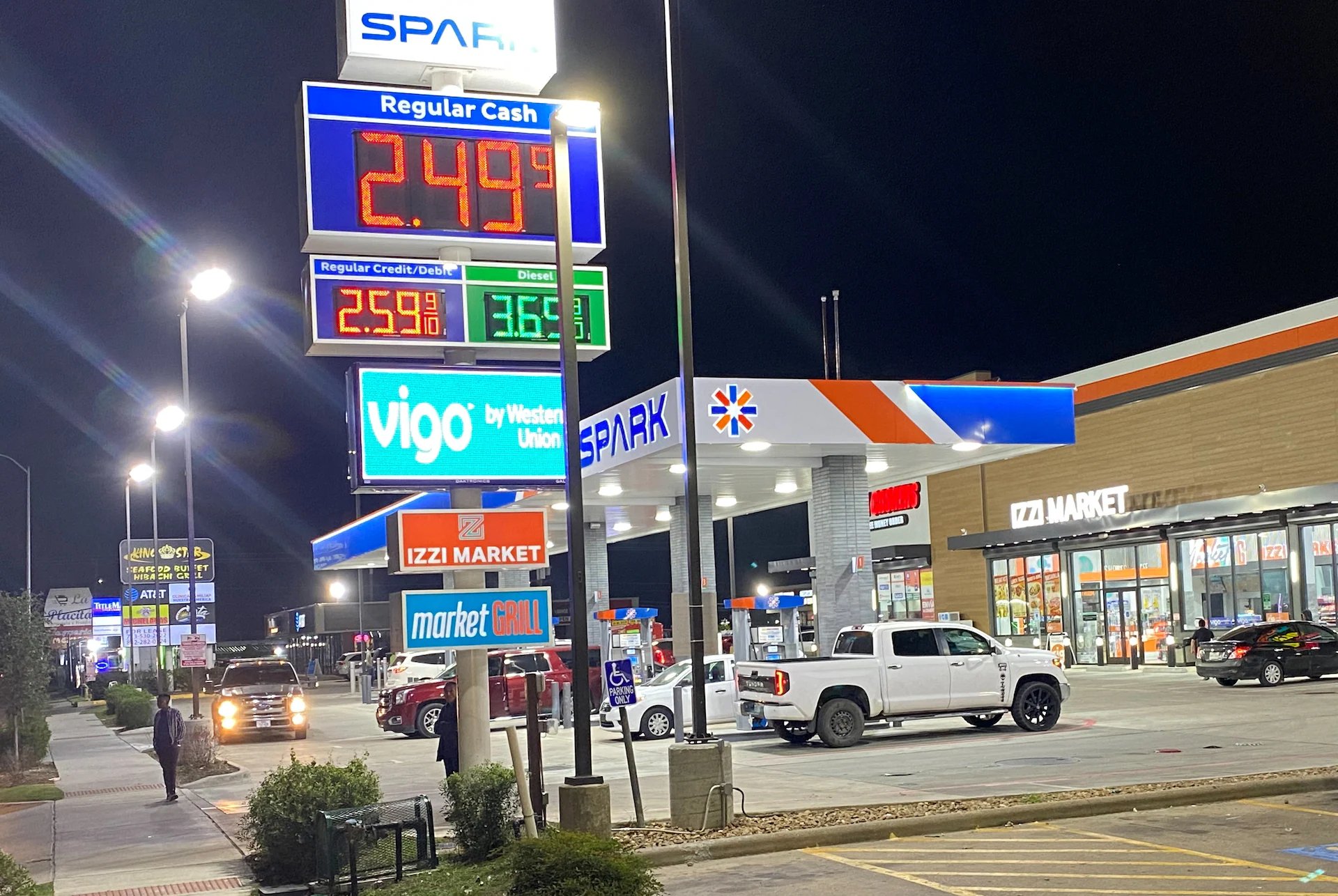
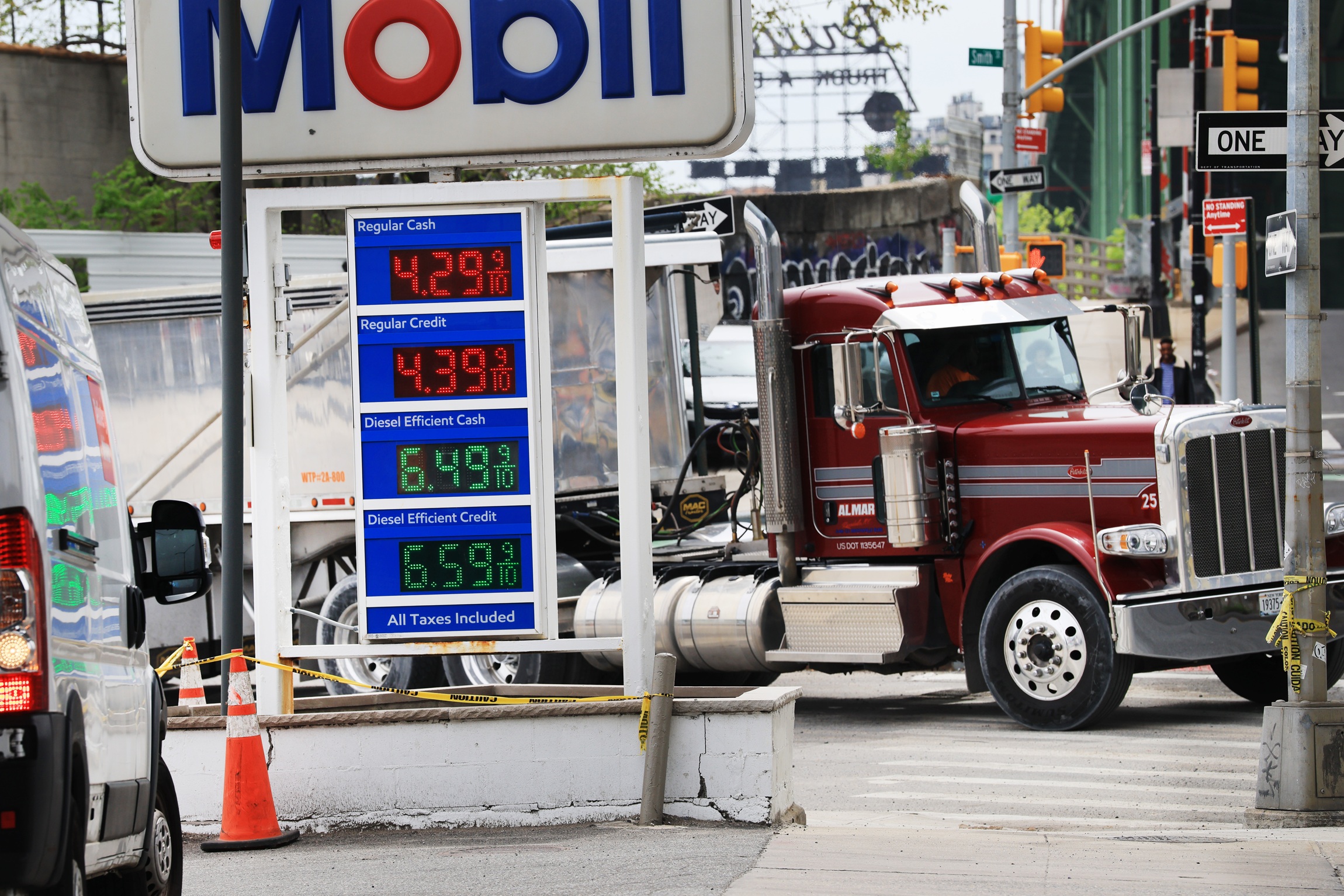
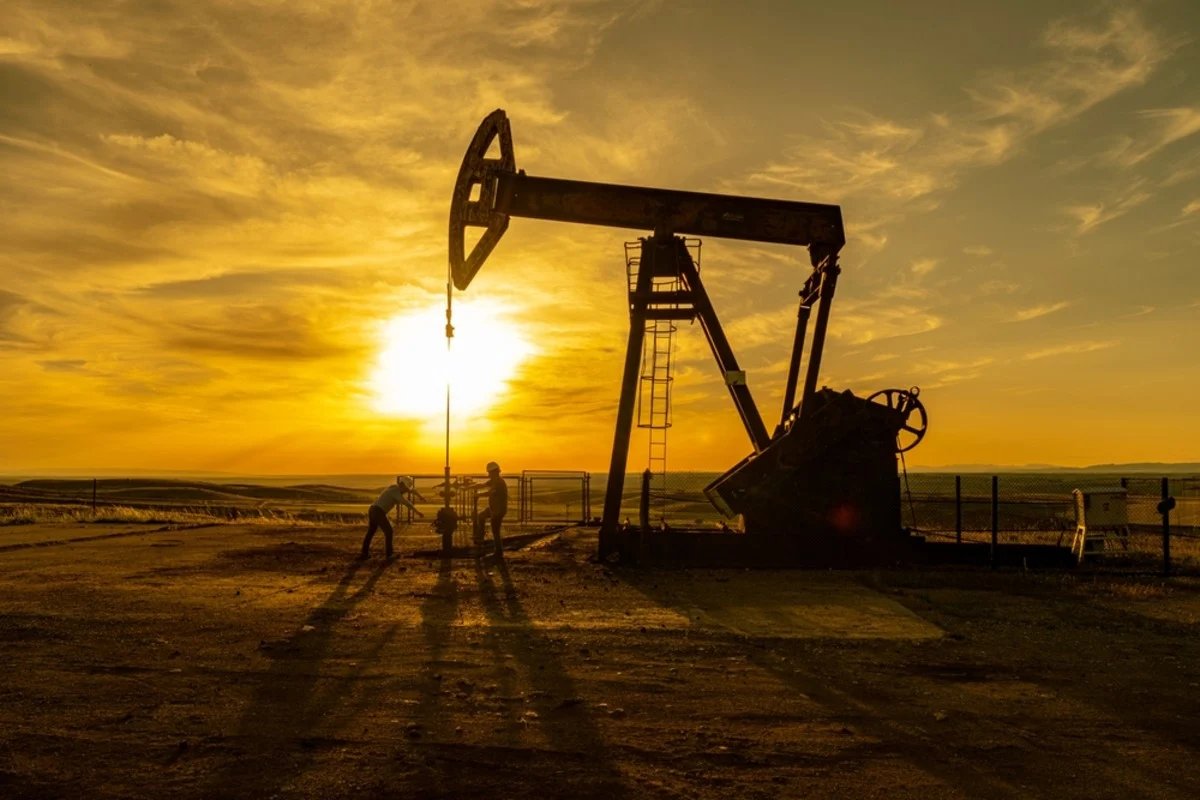
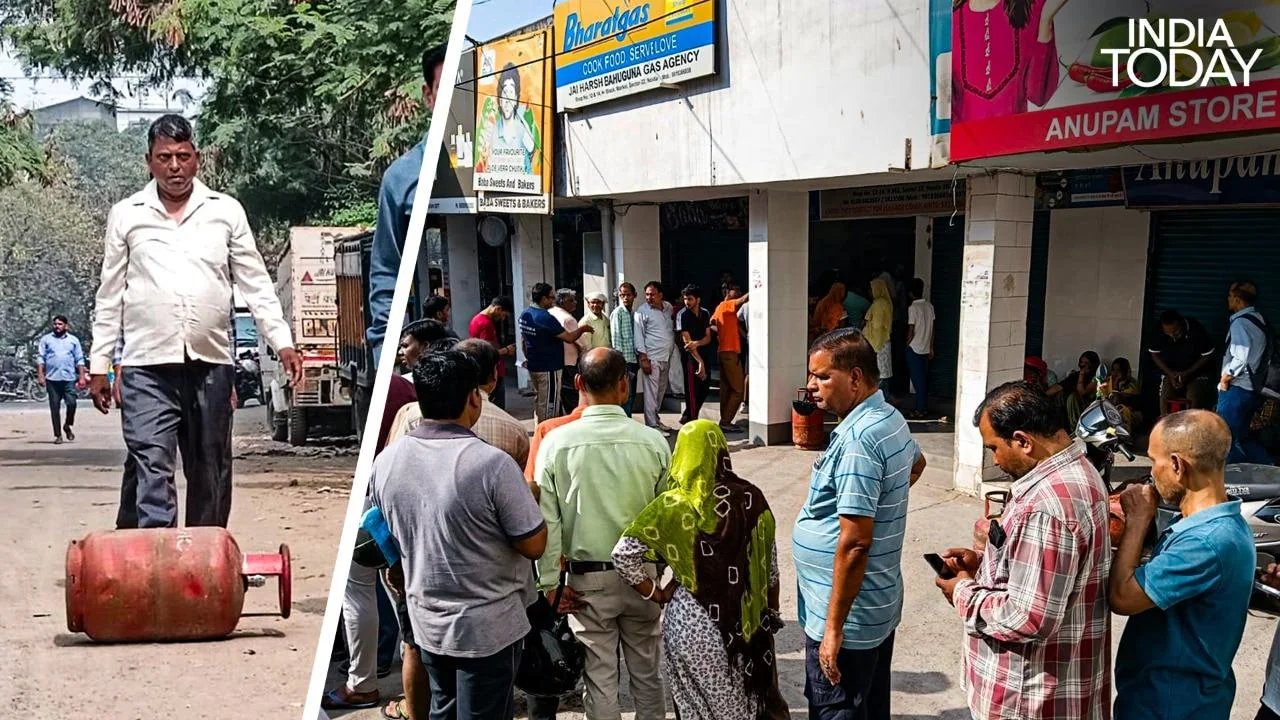
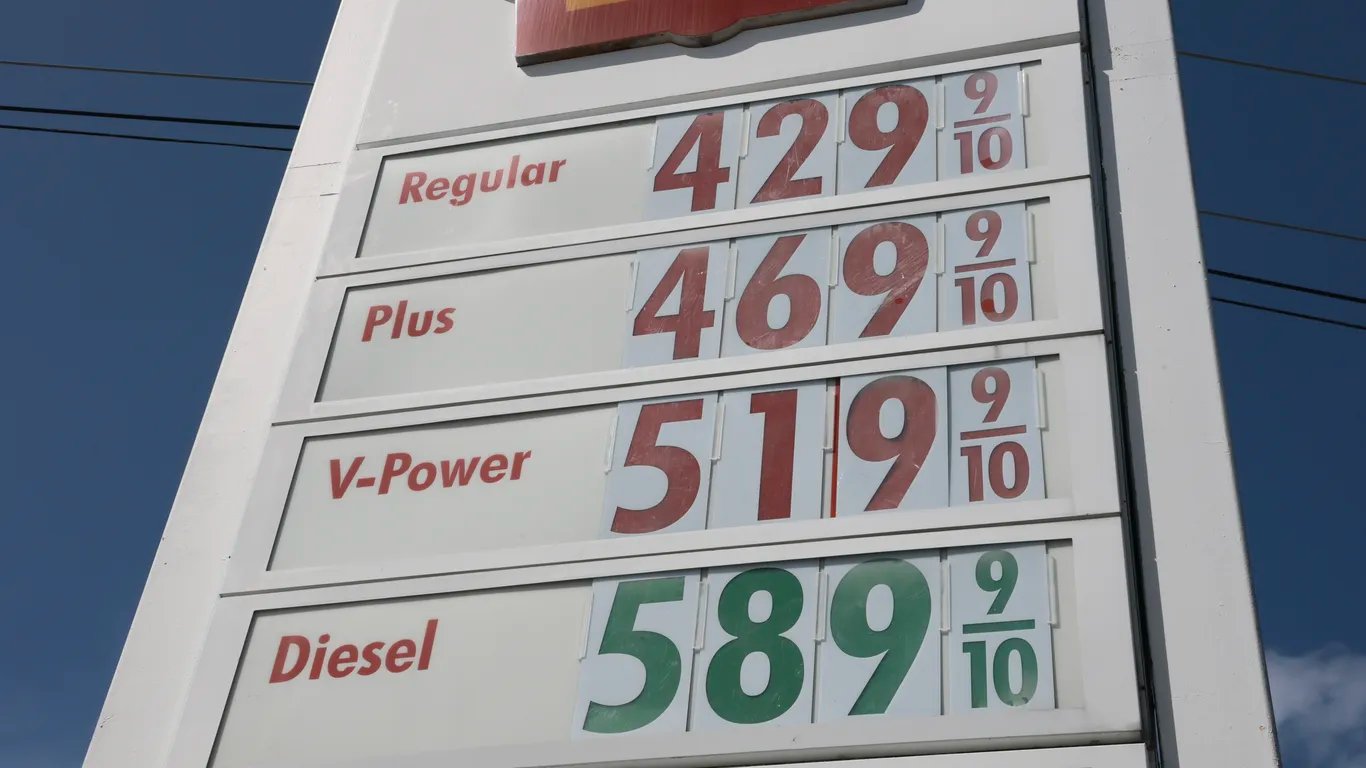
The ongoing conflict has contributed to rising oil prices, which have increased by over 1% this week amid uncertainty surrounding a peace deal. The average price of gasoline in the U.S. is currently $4.29 per gallon, significantly higher than the pre-war average of $2.98. Experts warn that even if a peace agreement is reached, it will take months, if not years, for prices to normalize.
Diplomatic Stalemate
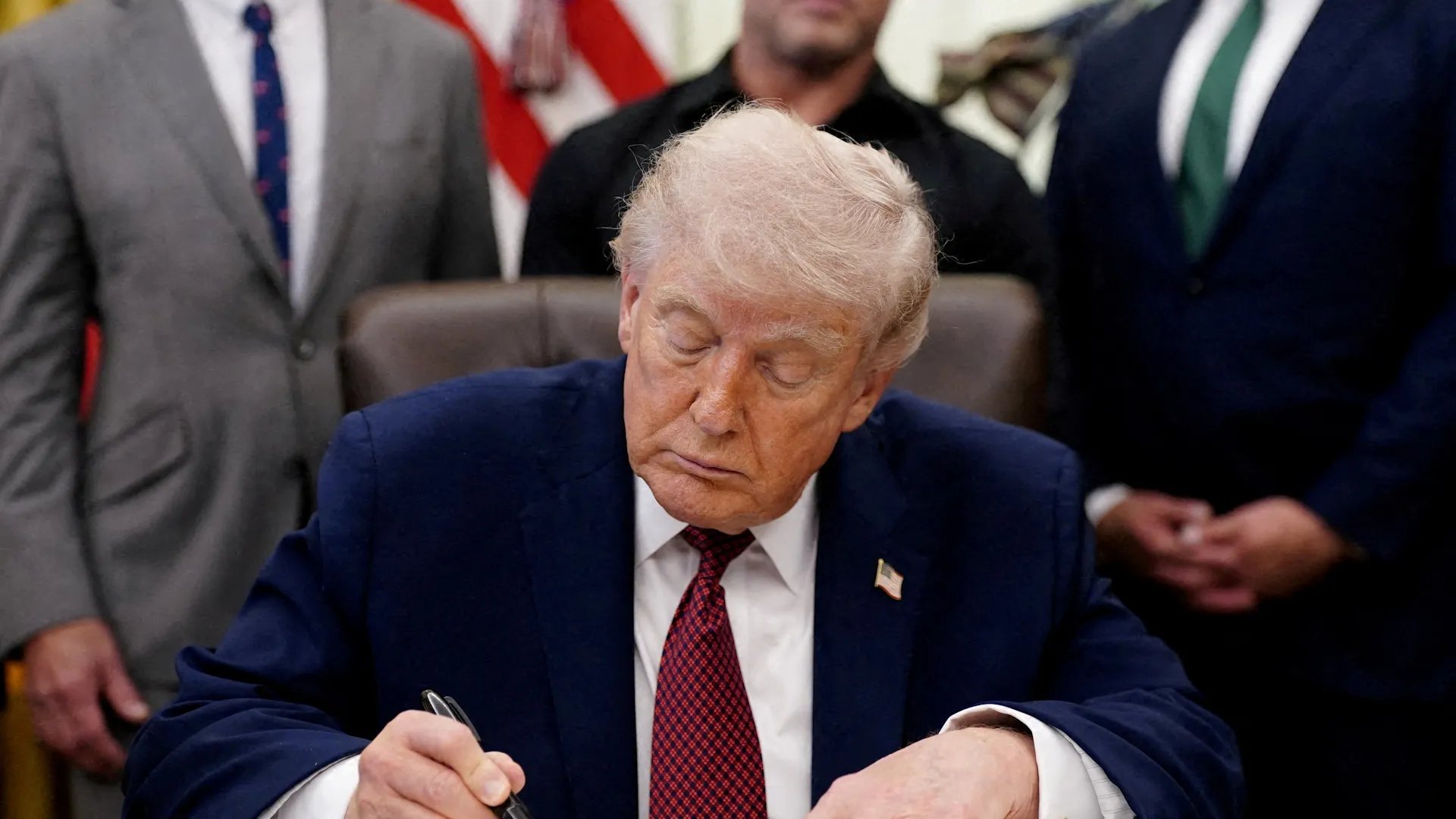
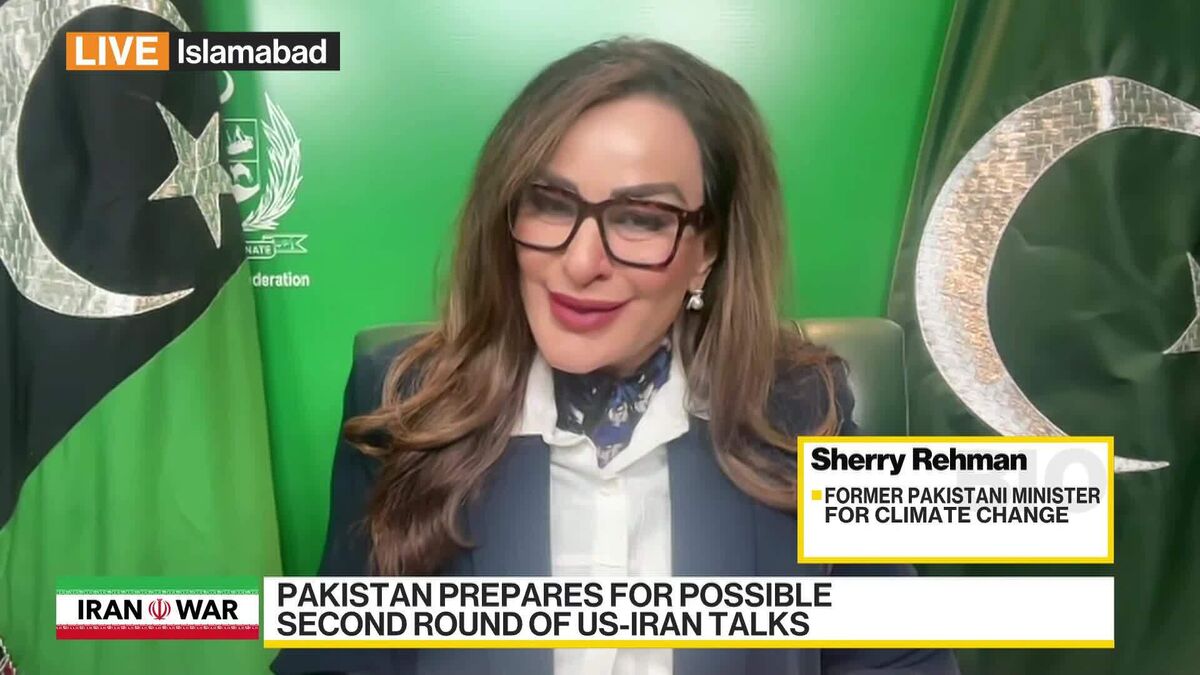
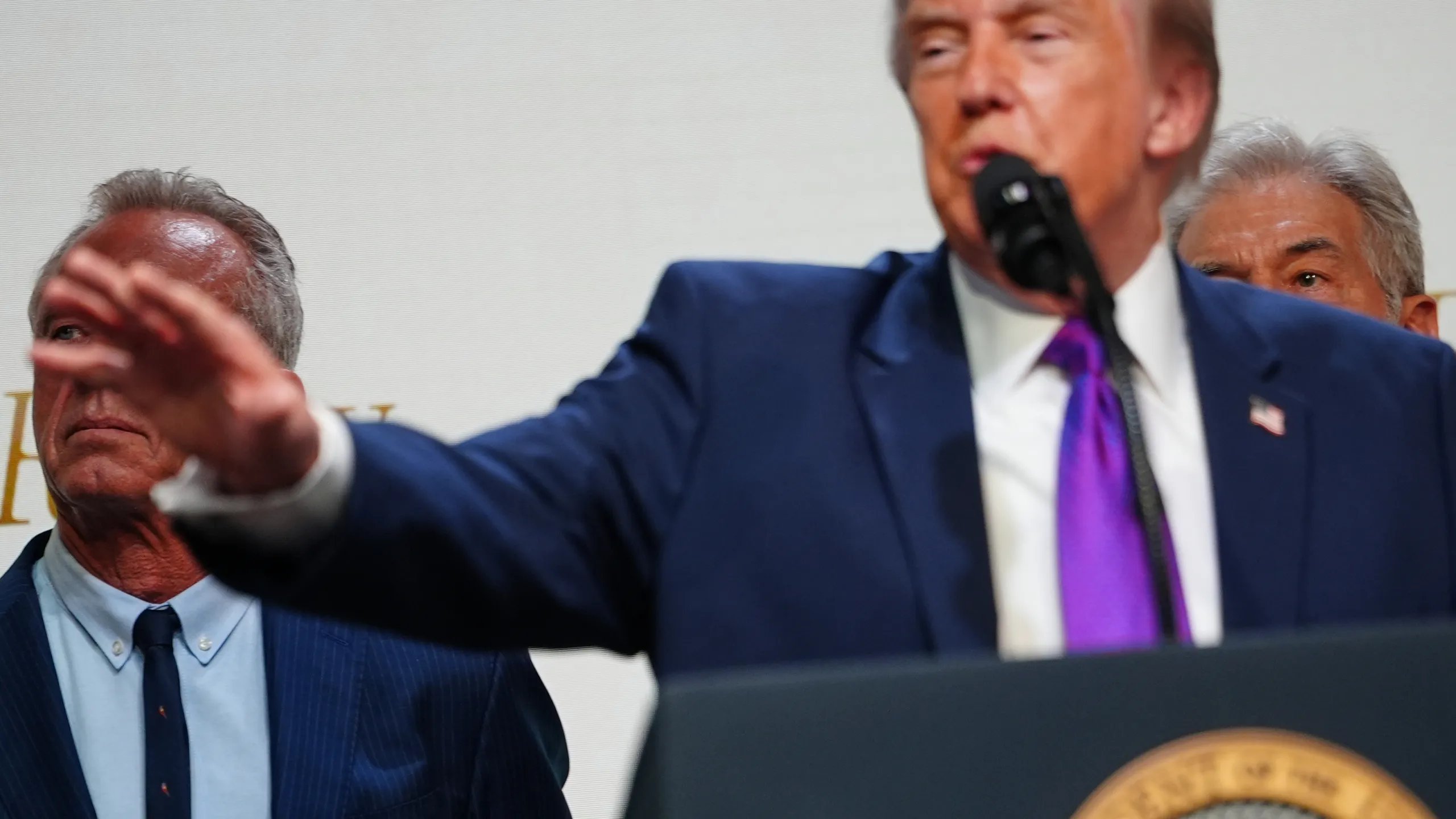
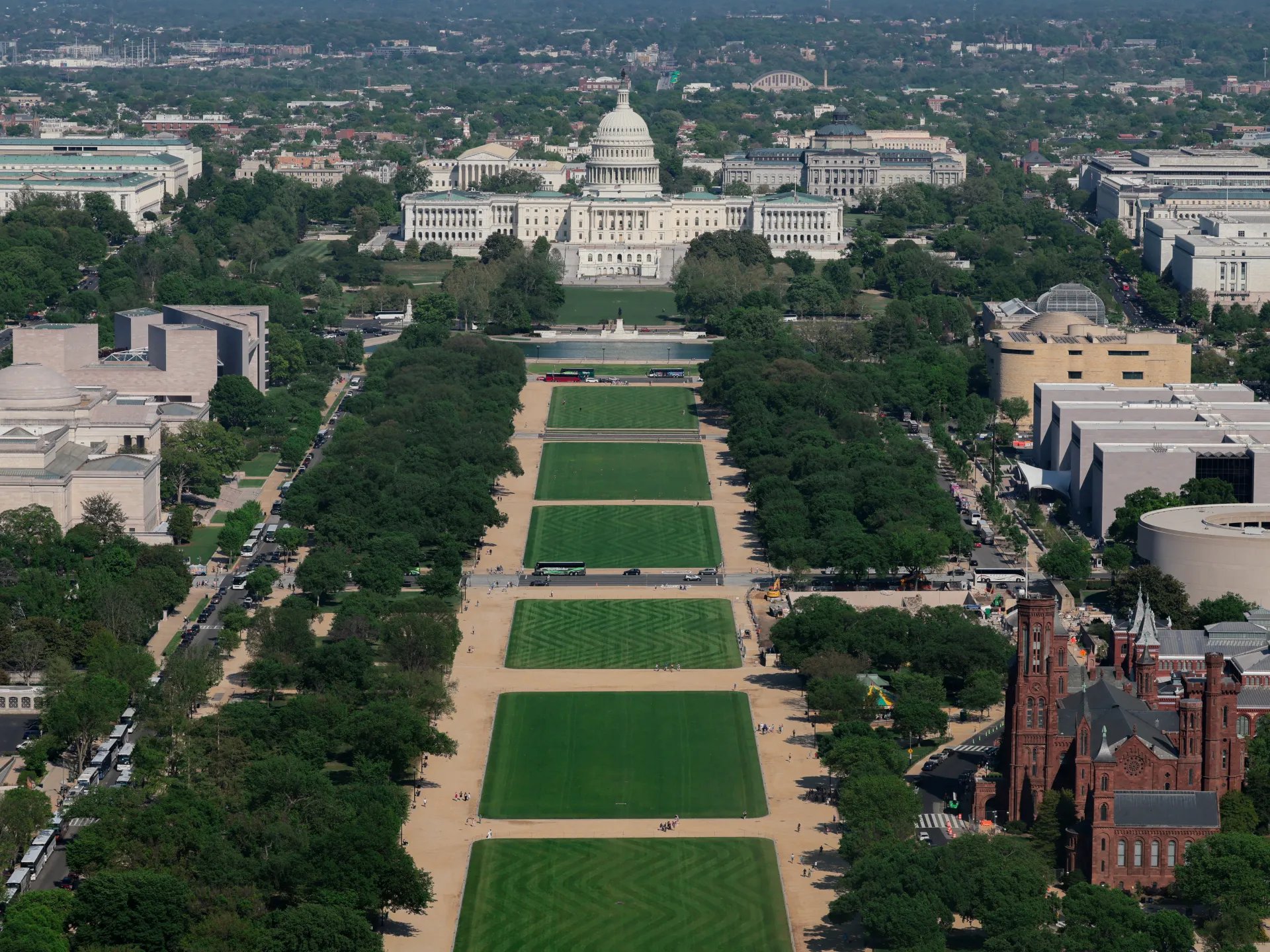
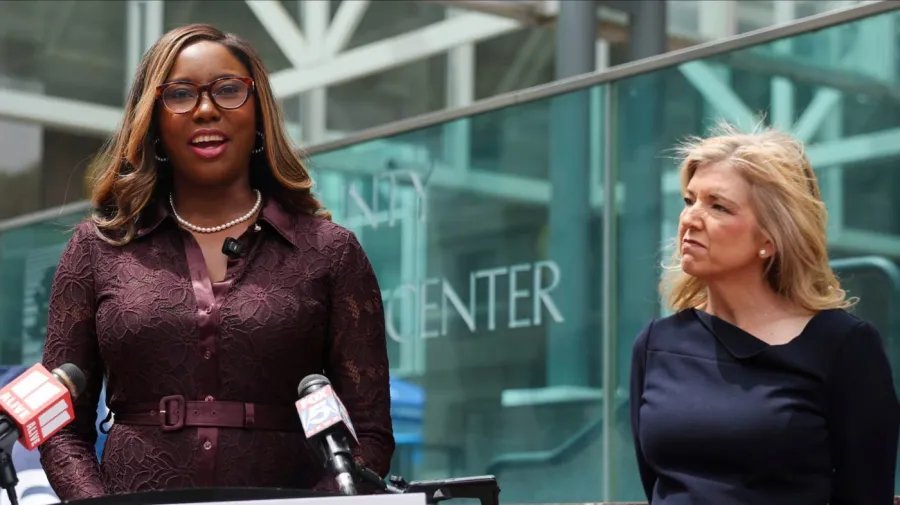
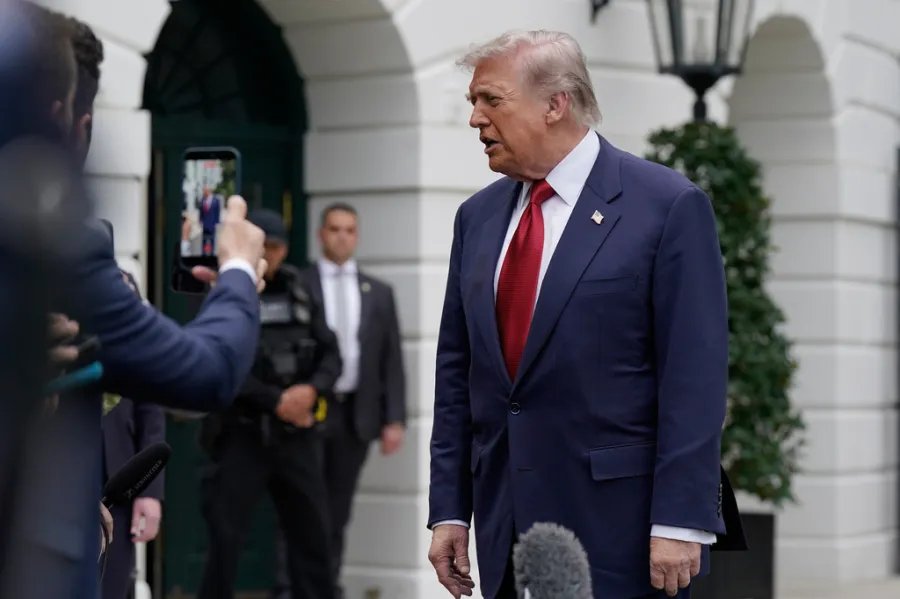
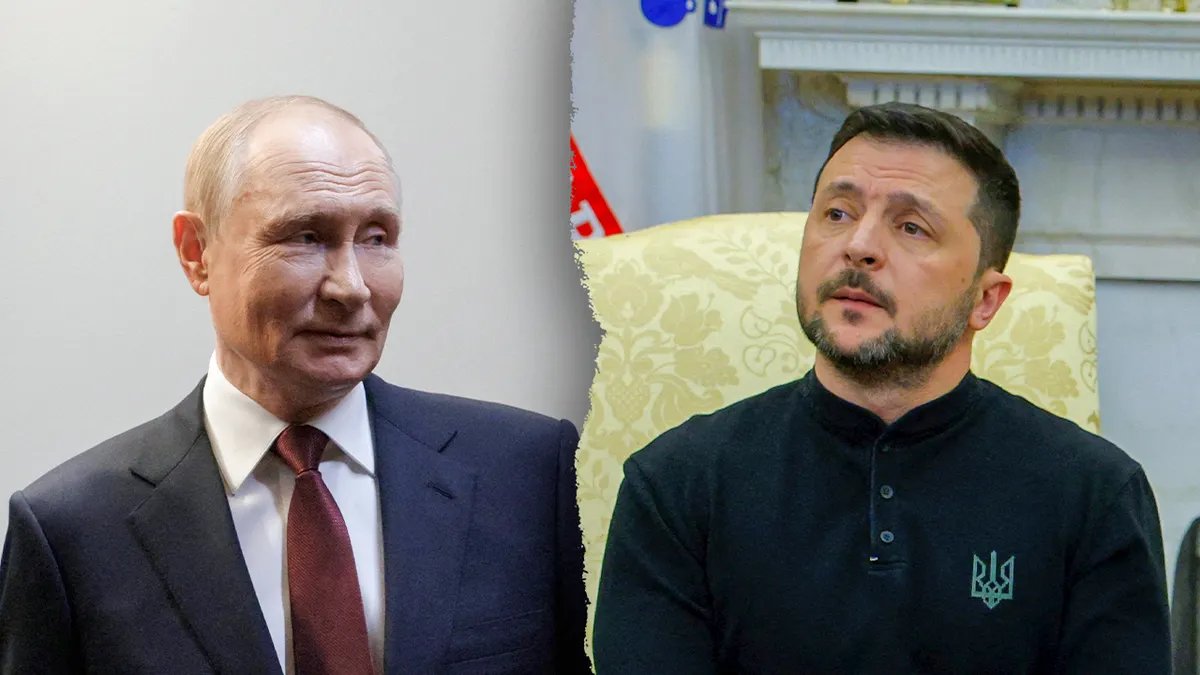
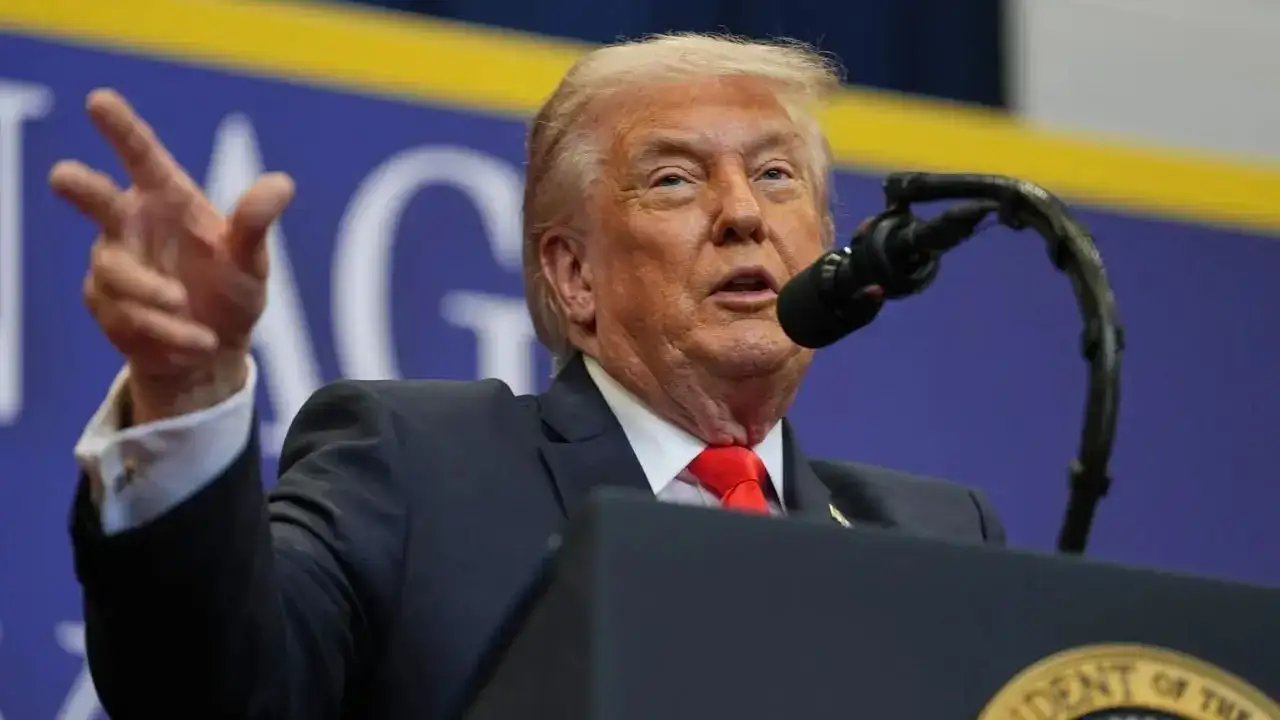
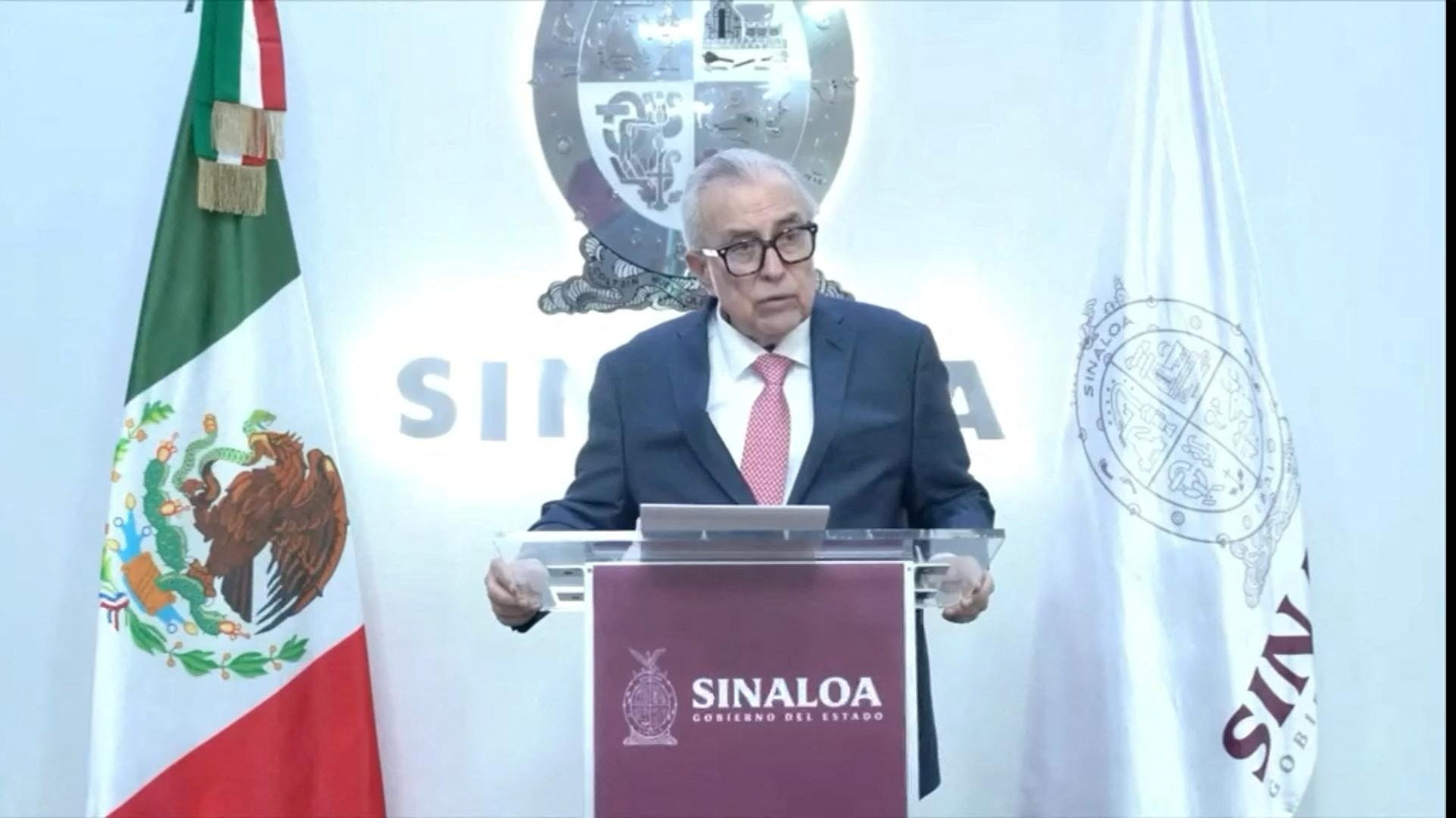
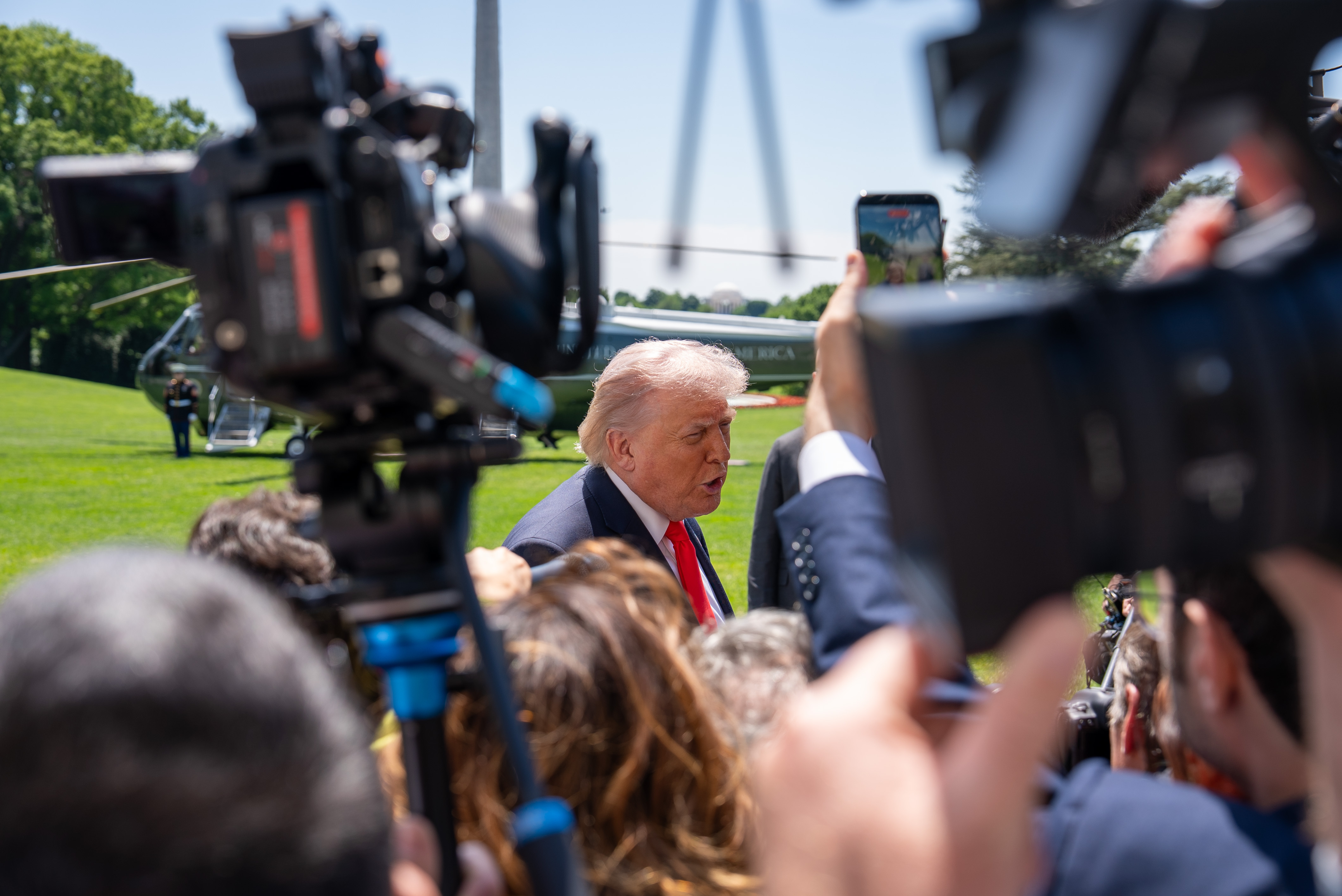
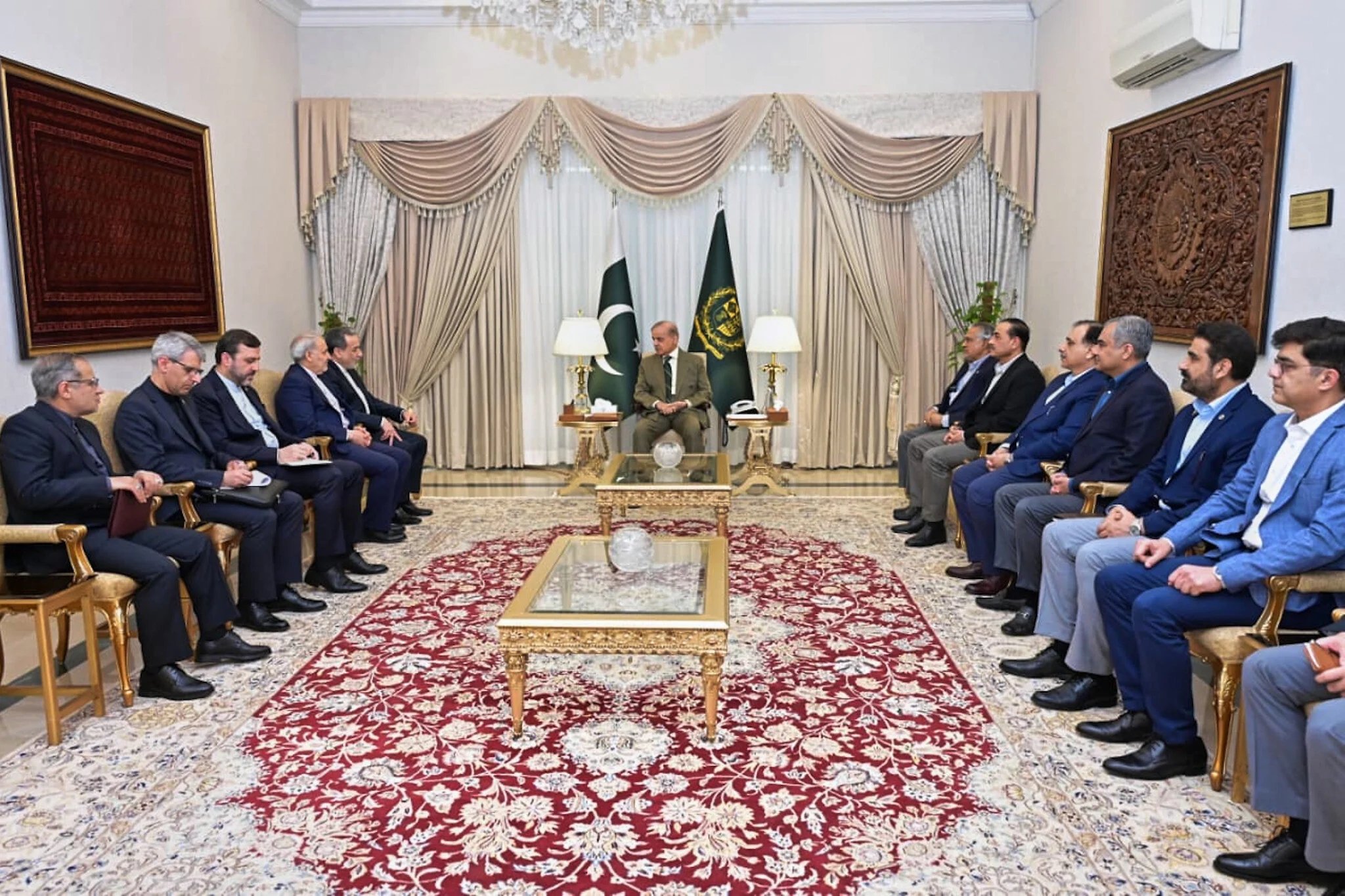
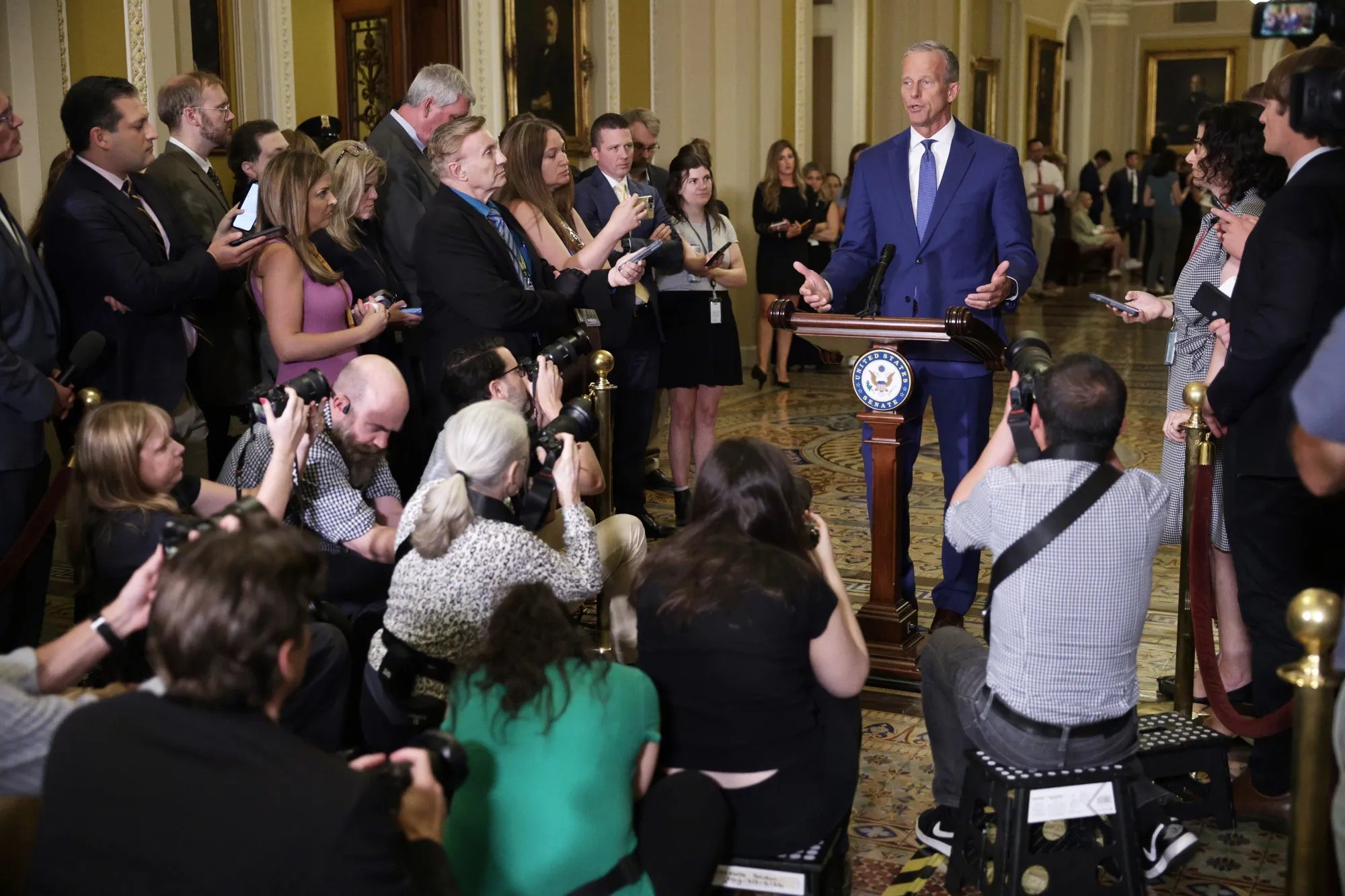
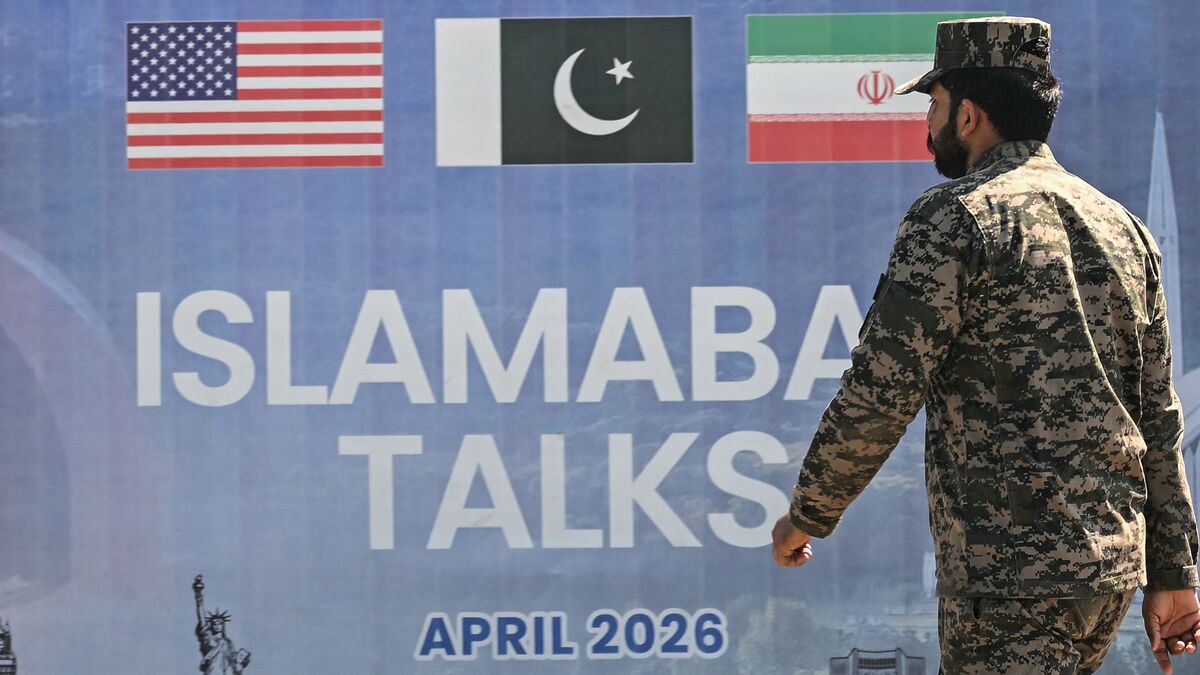
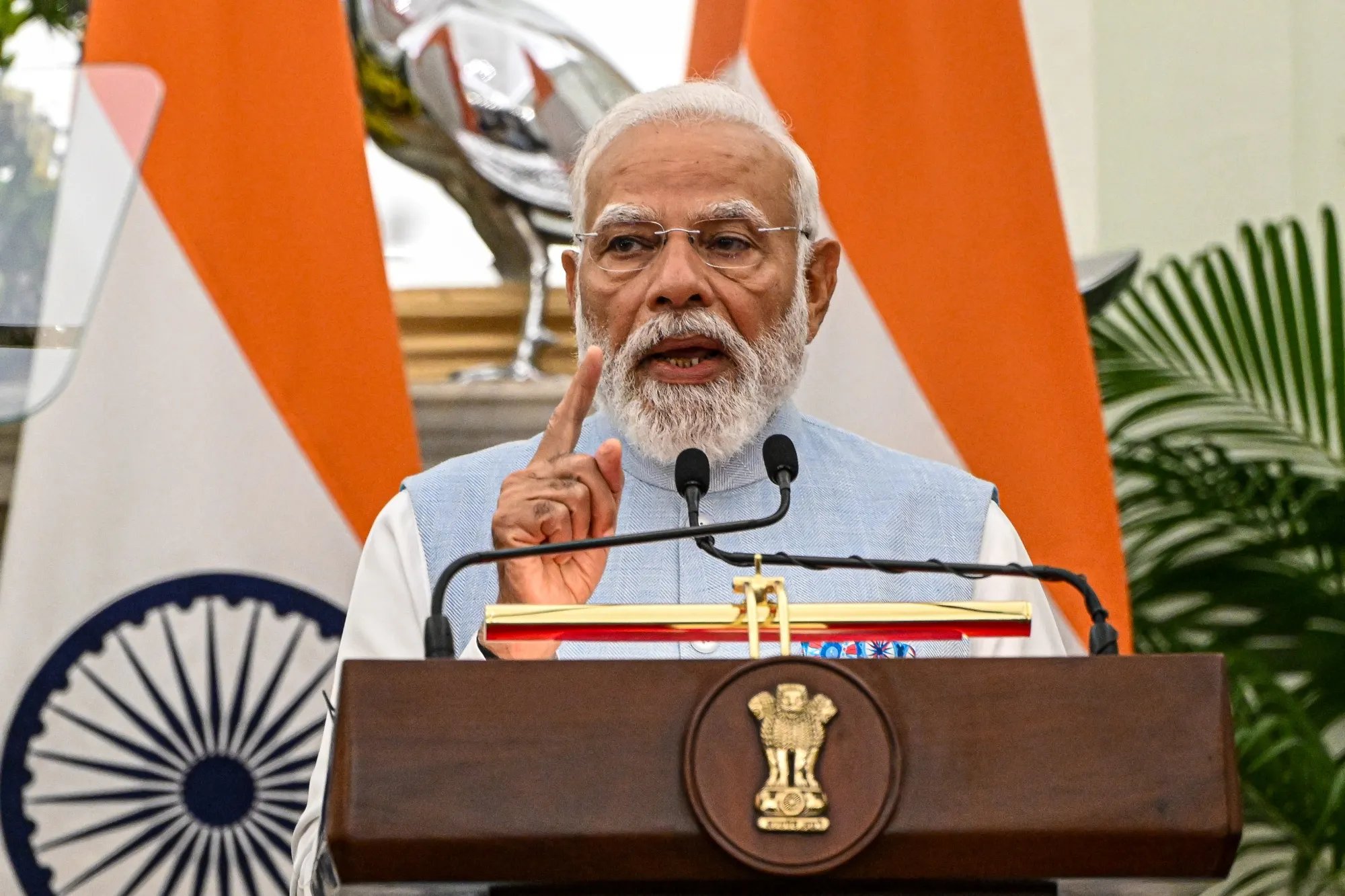
Despite U.S. Secretary of State Marco Rubio's assertions that negotiations with Iran were ongoing, Iran's semi-official news agency stated that all conversations with the U.S. have ceased until Israel halts its military actions in Lebanon against Hezbollah. Rubio, testifying before Congress, maintained that any potential sanctions relief for Iran would require significant concessions related to its nuclear program.
Civilian Casualties and Humanitarian Concerns
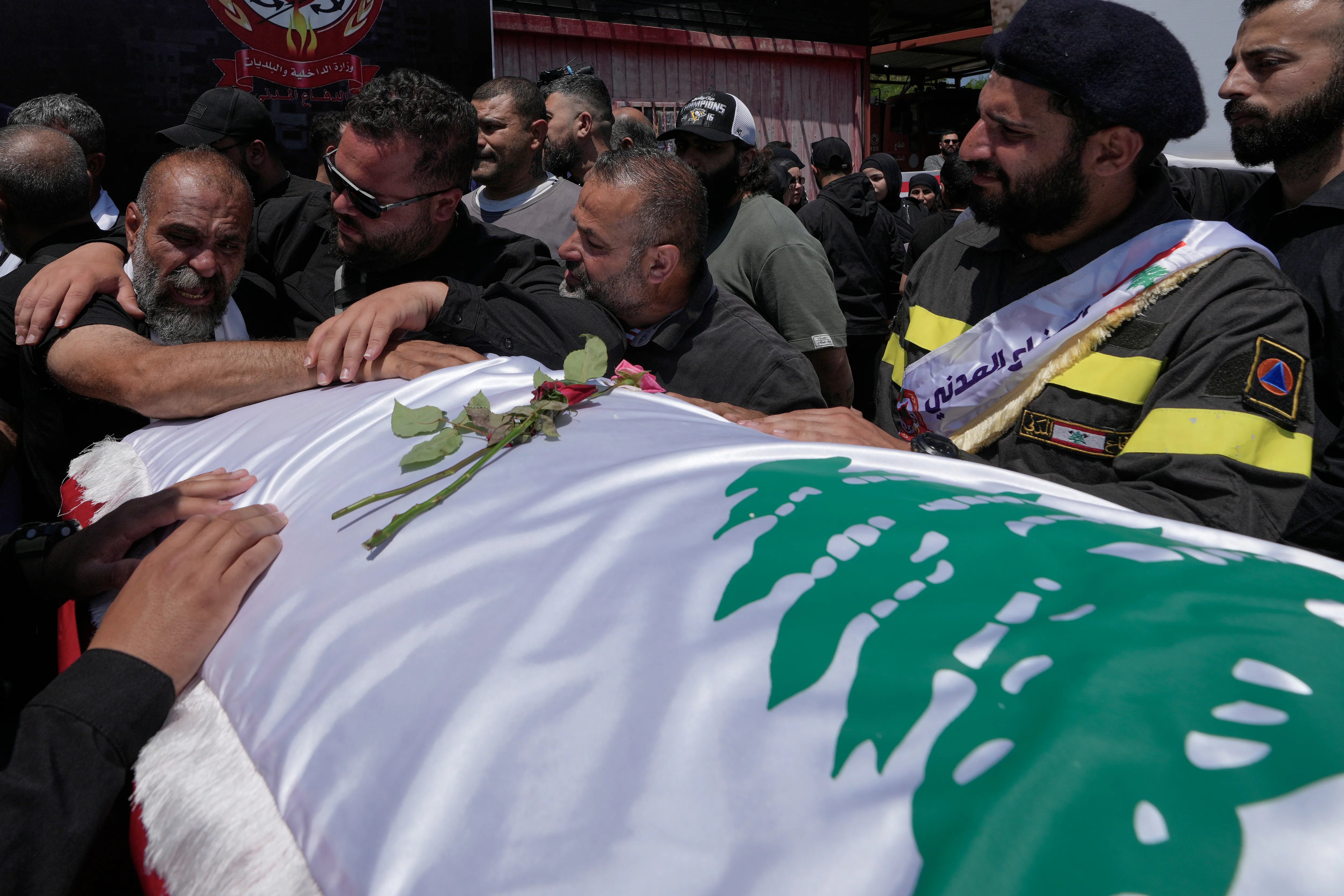
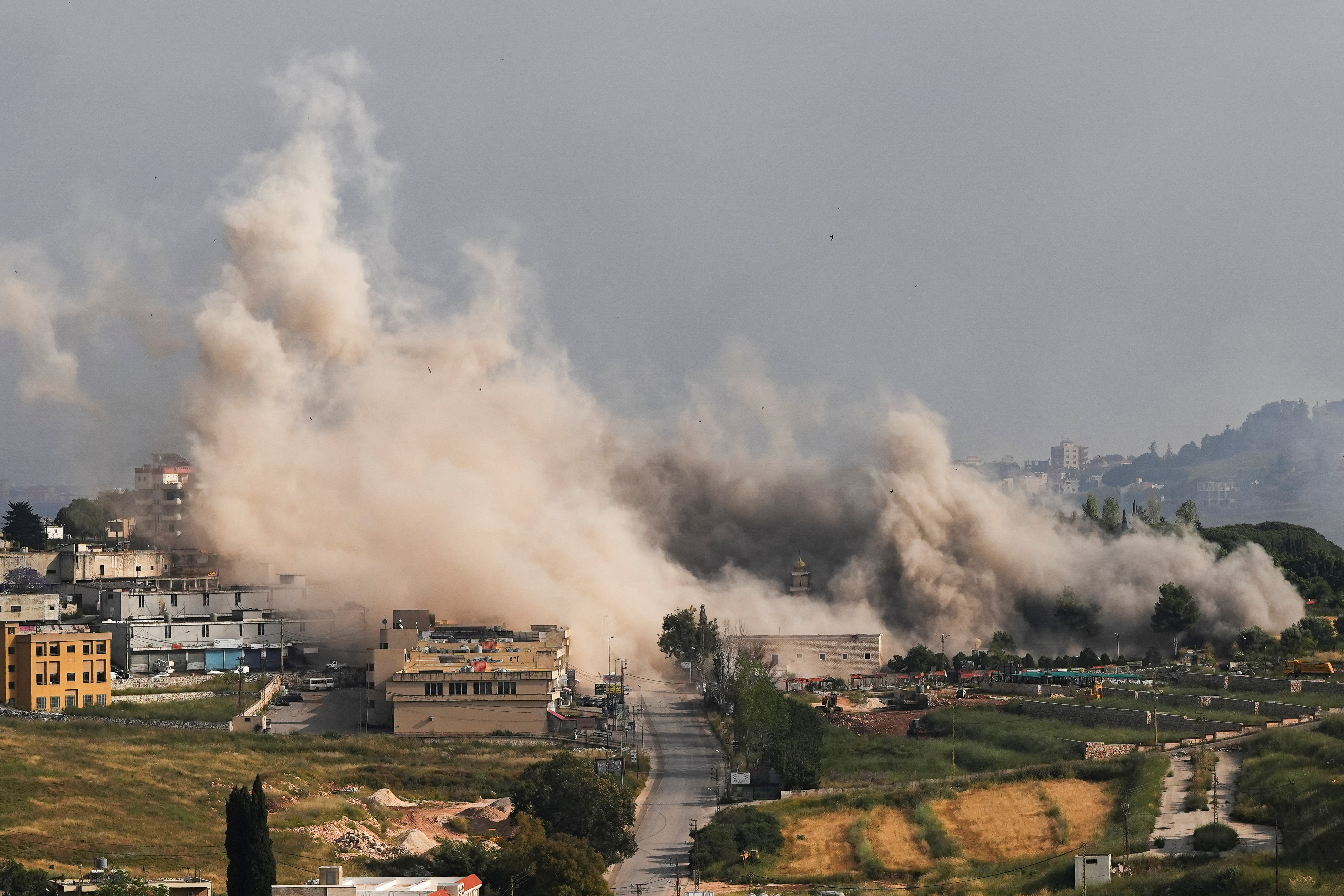
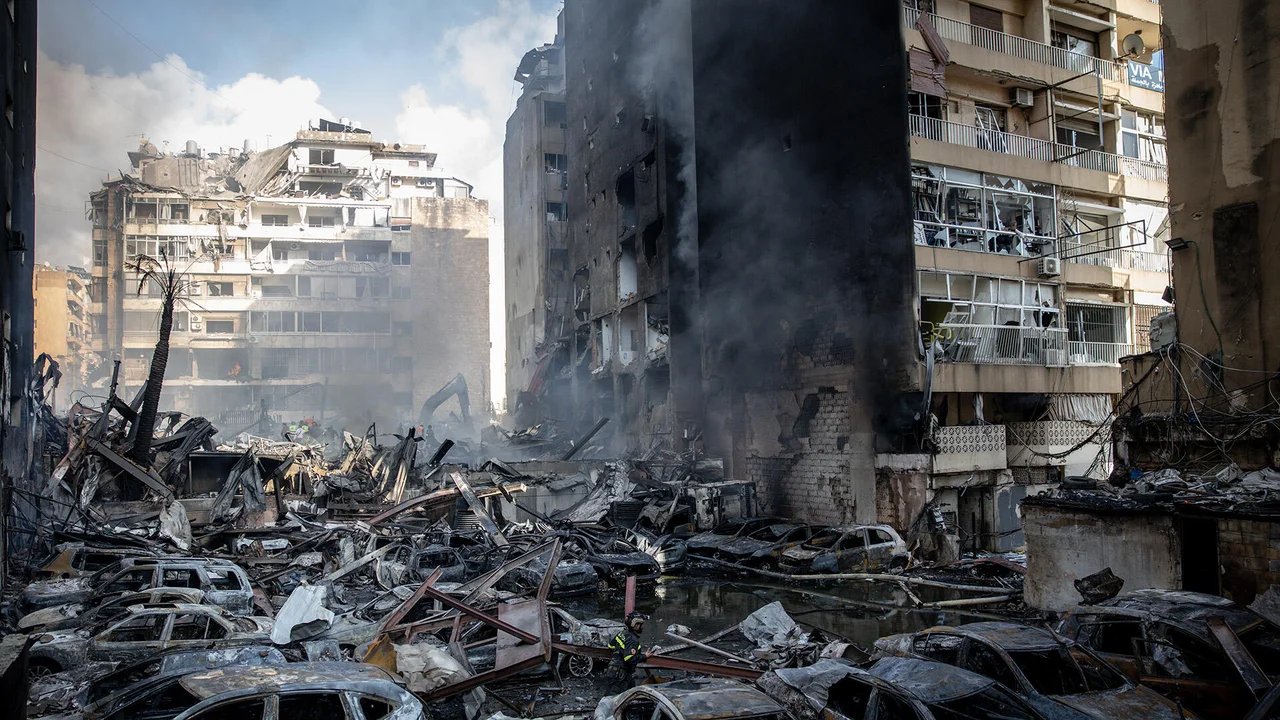
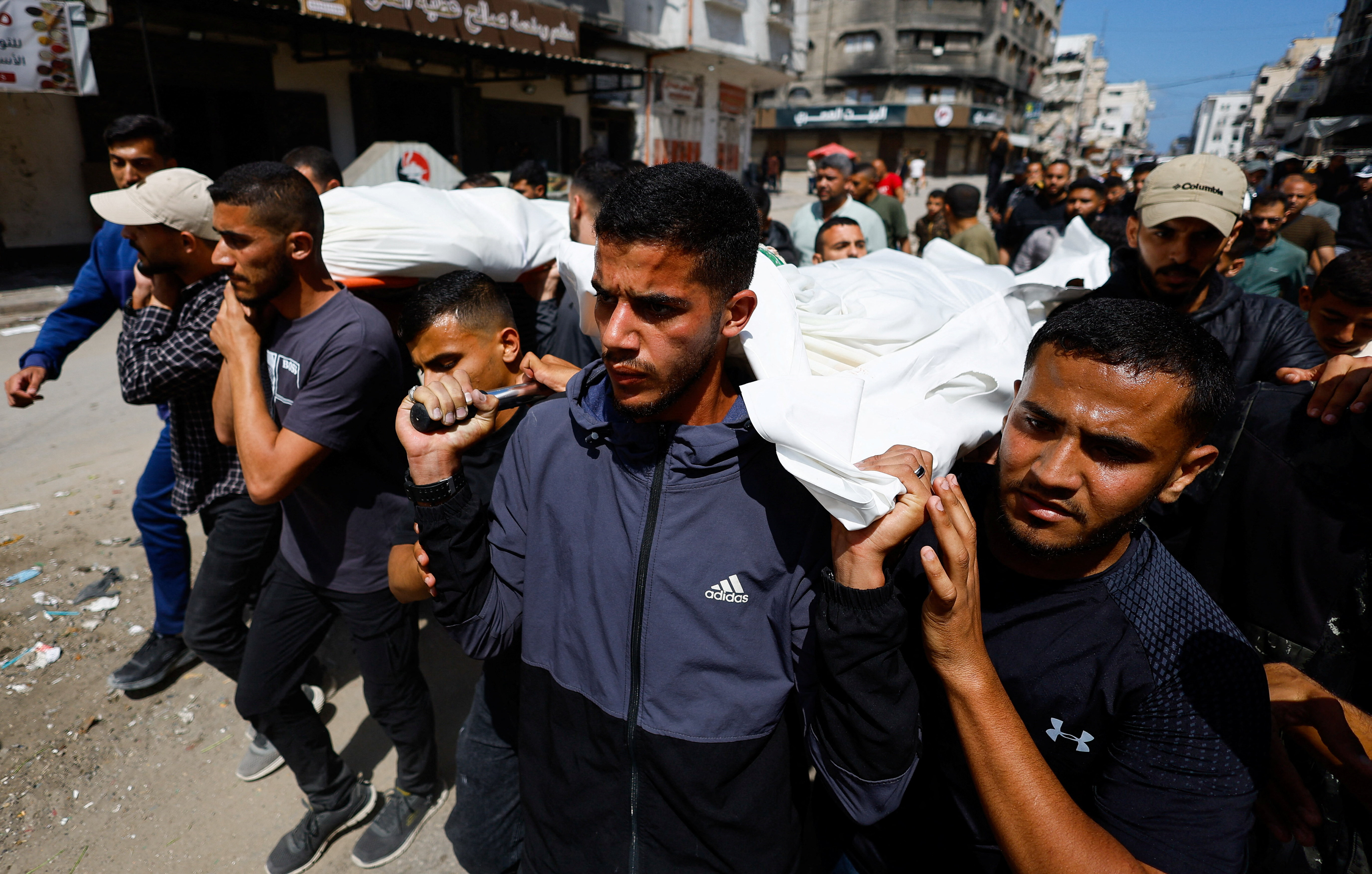
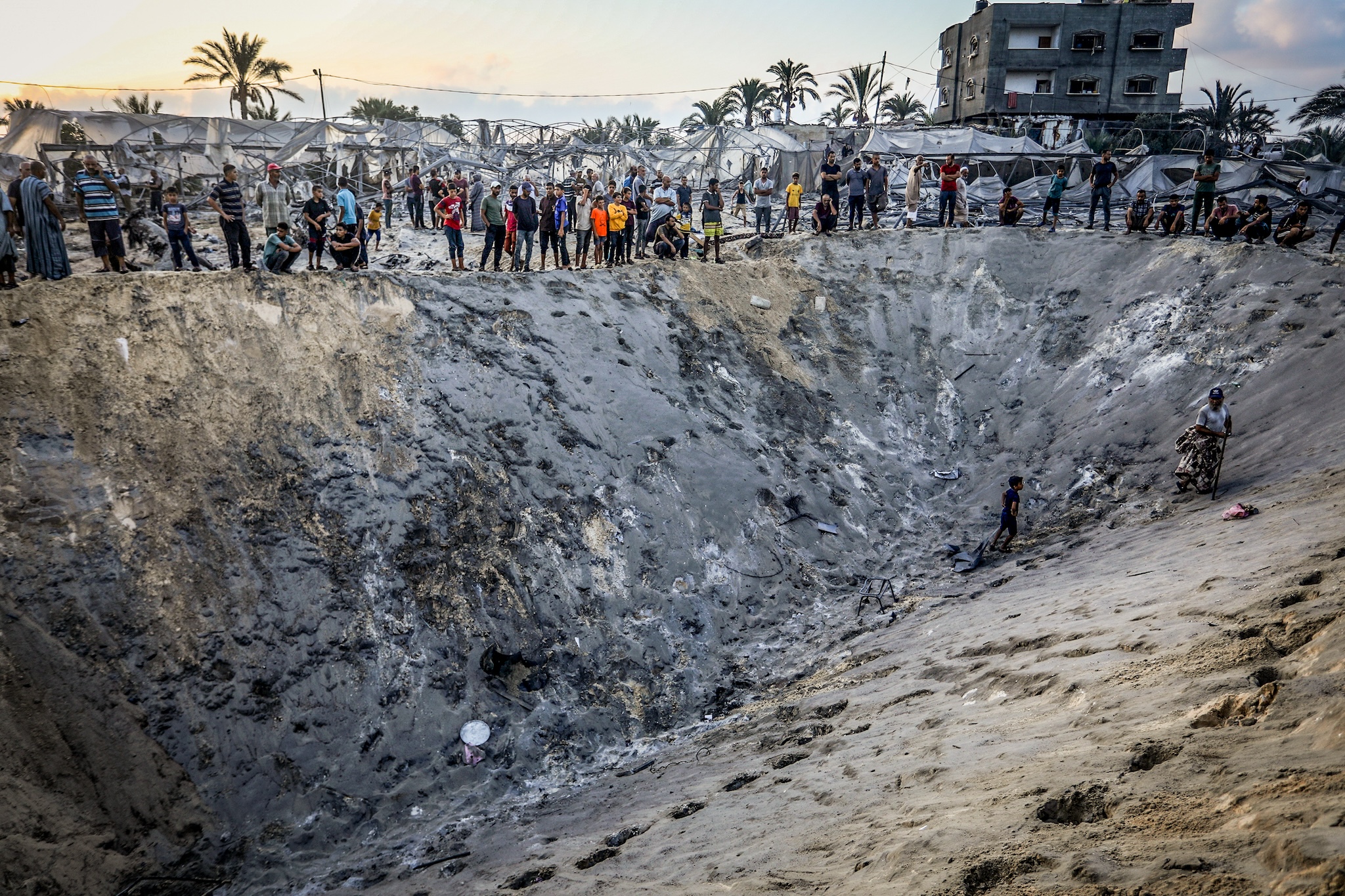
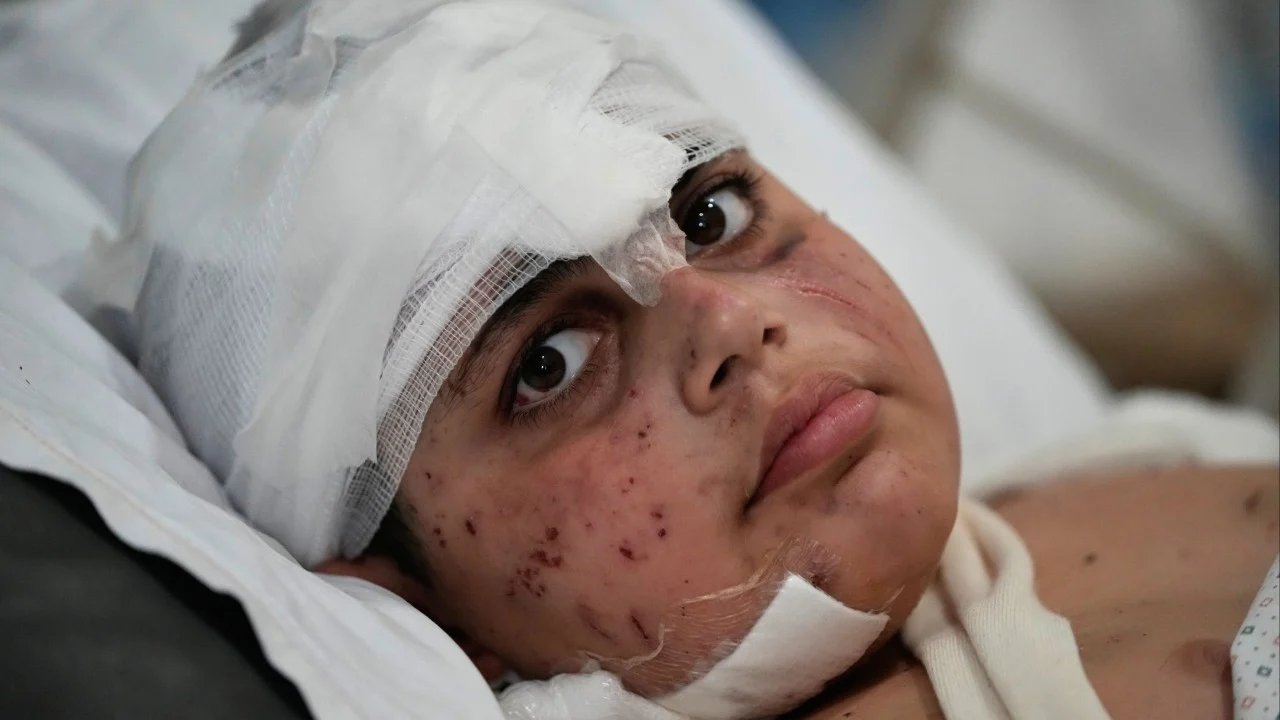
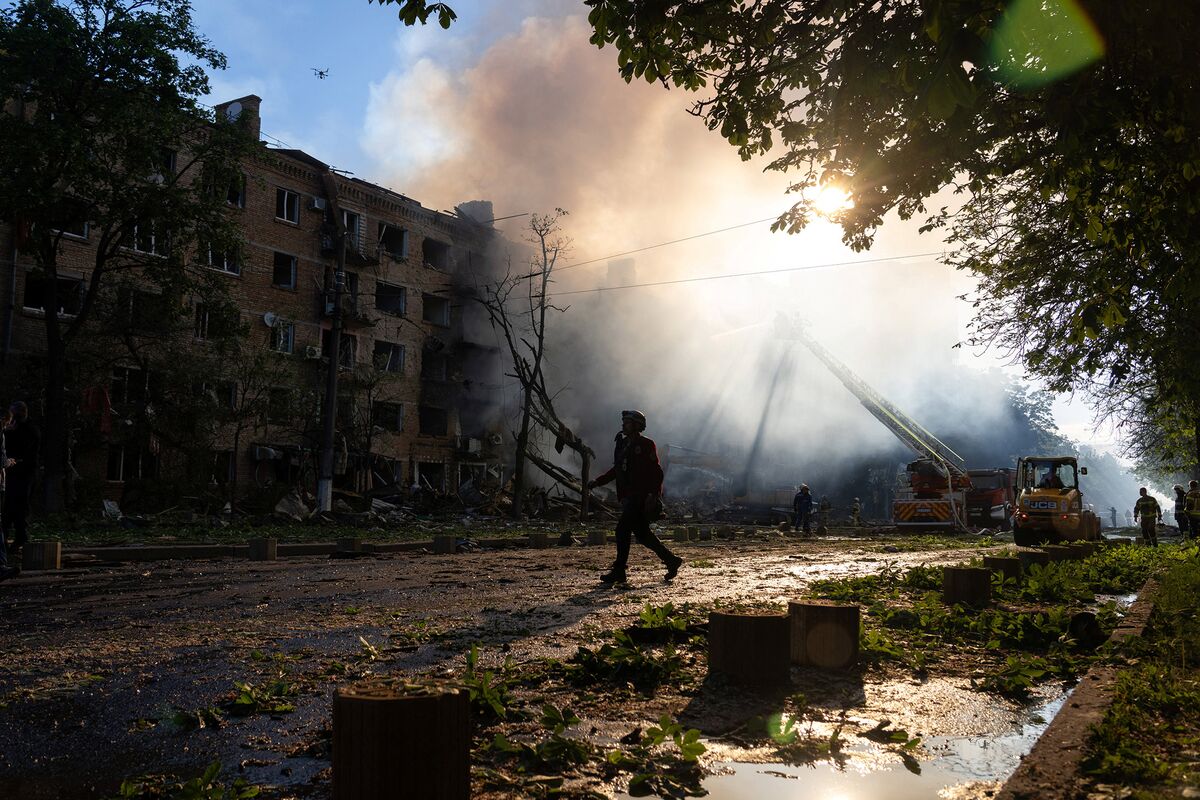
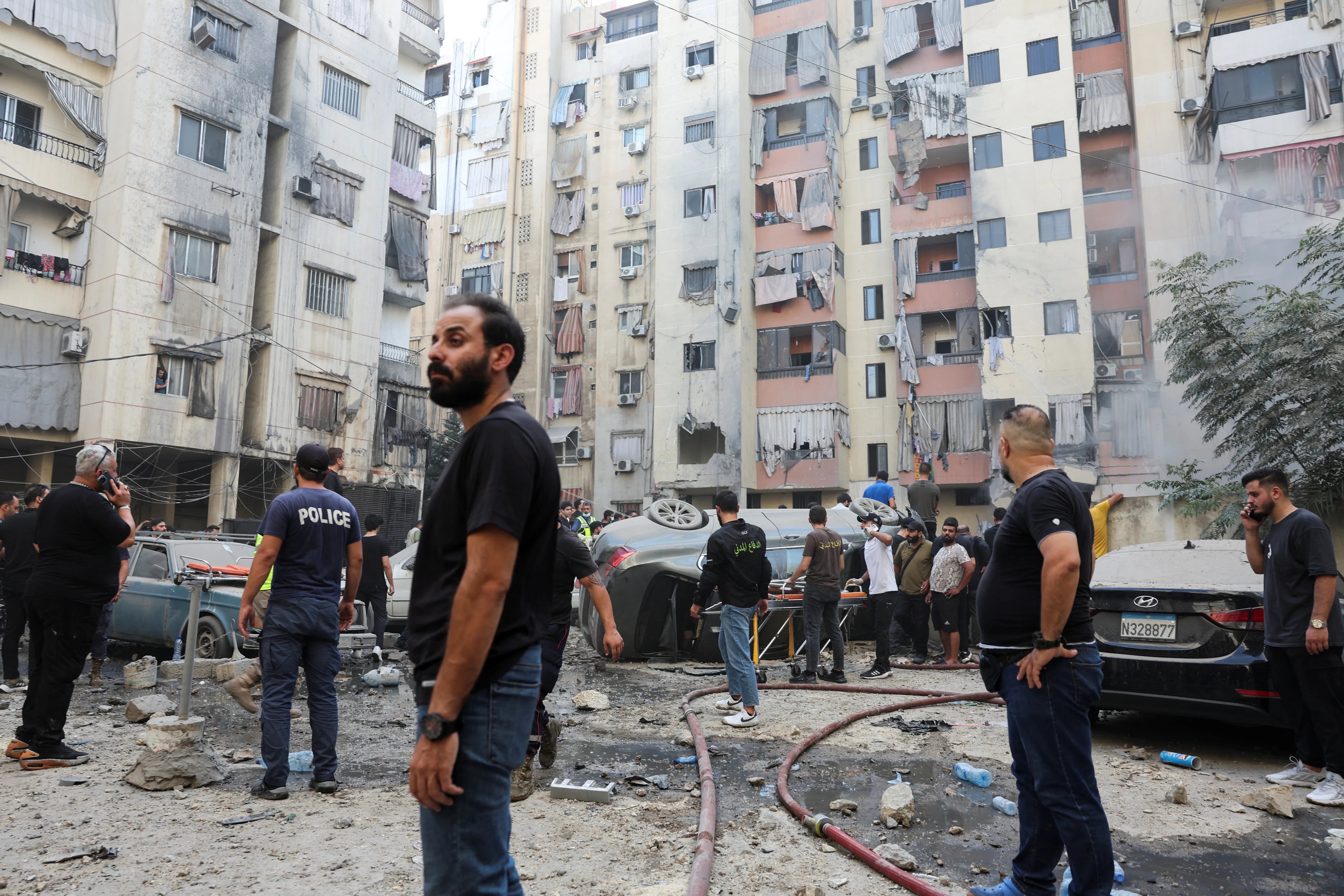
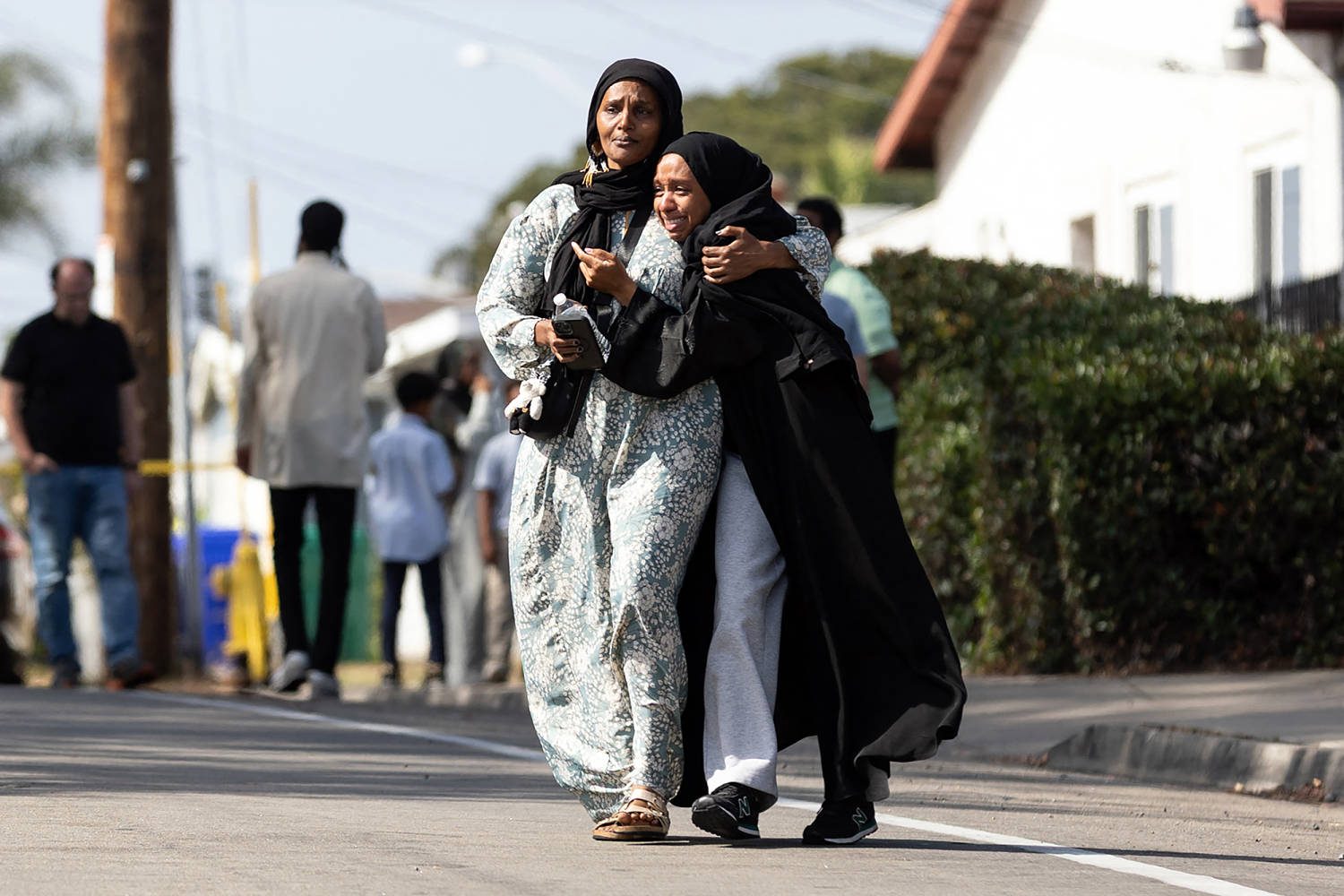
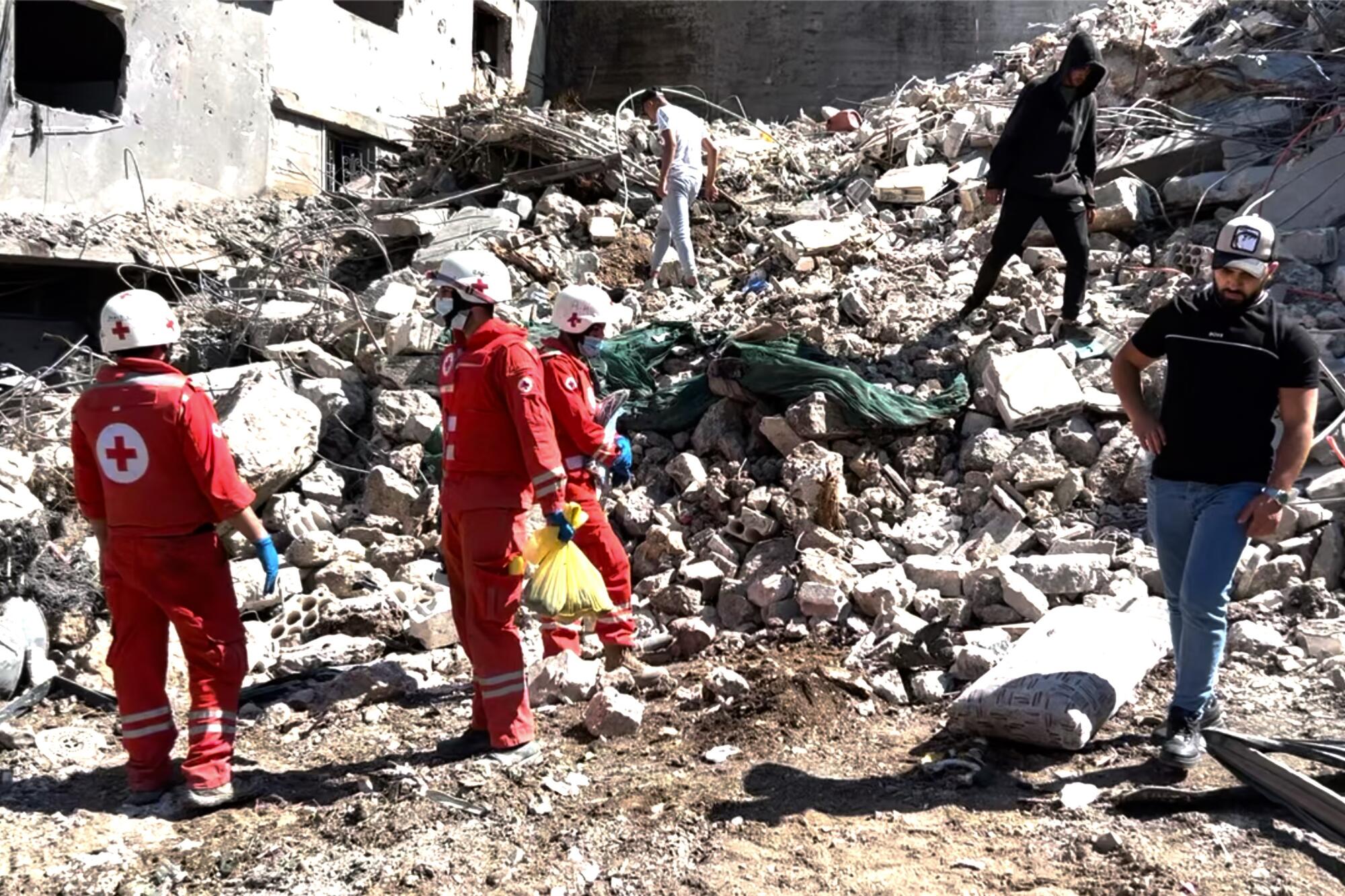
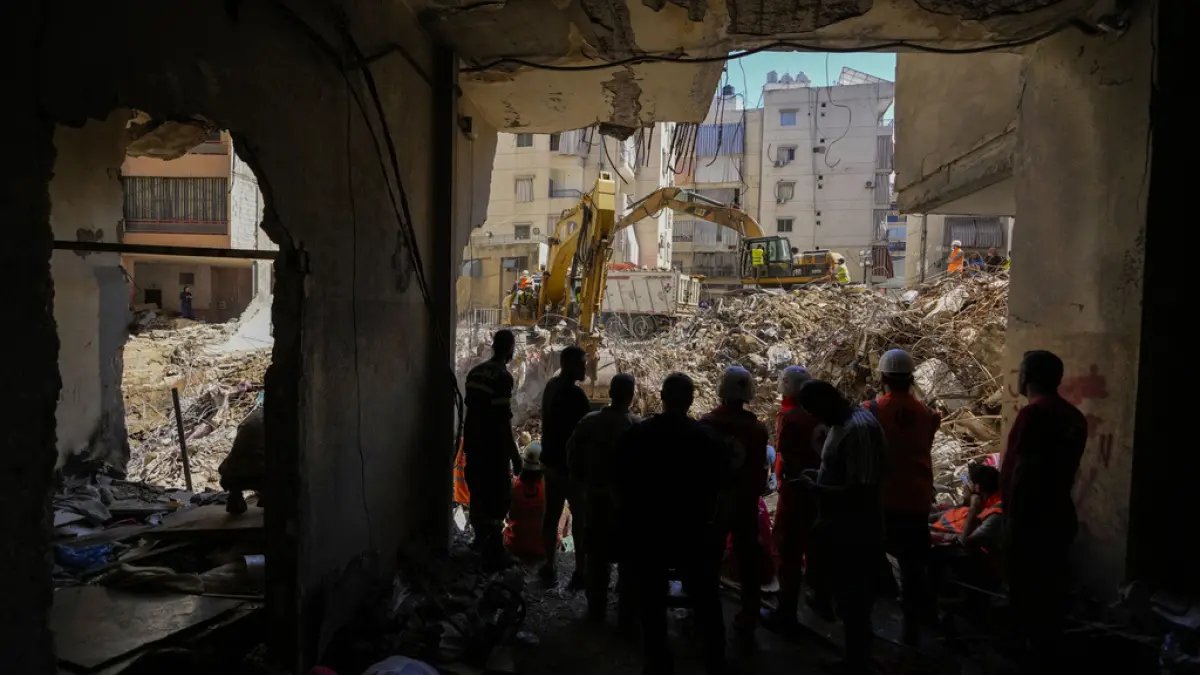
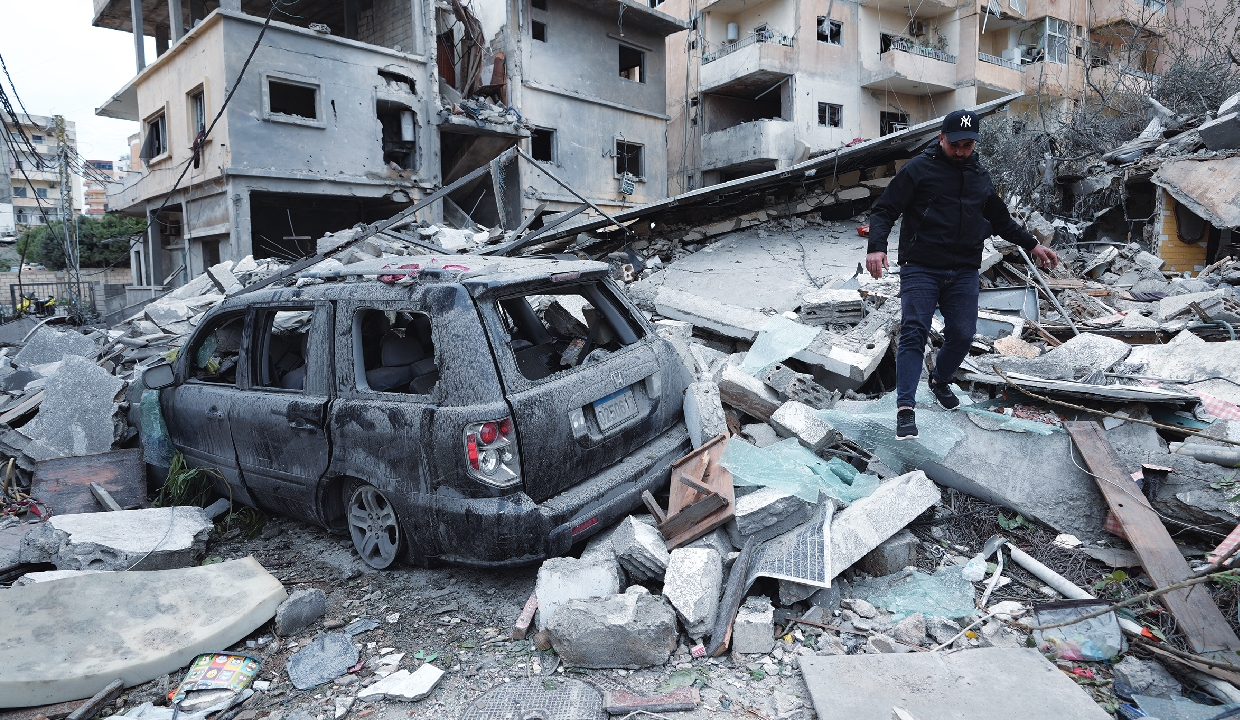
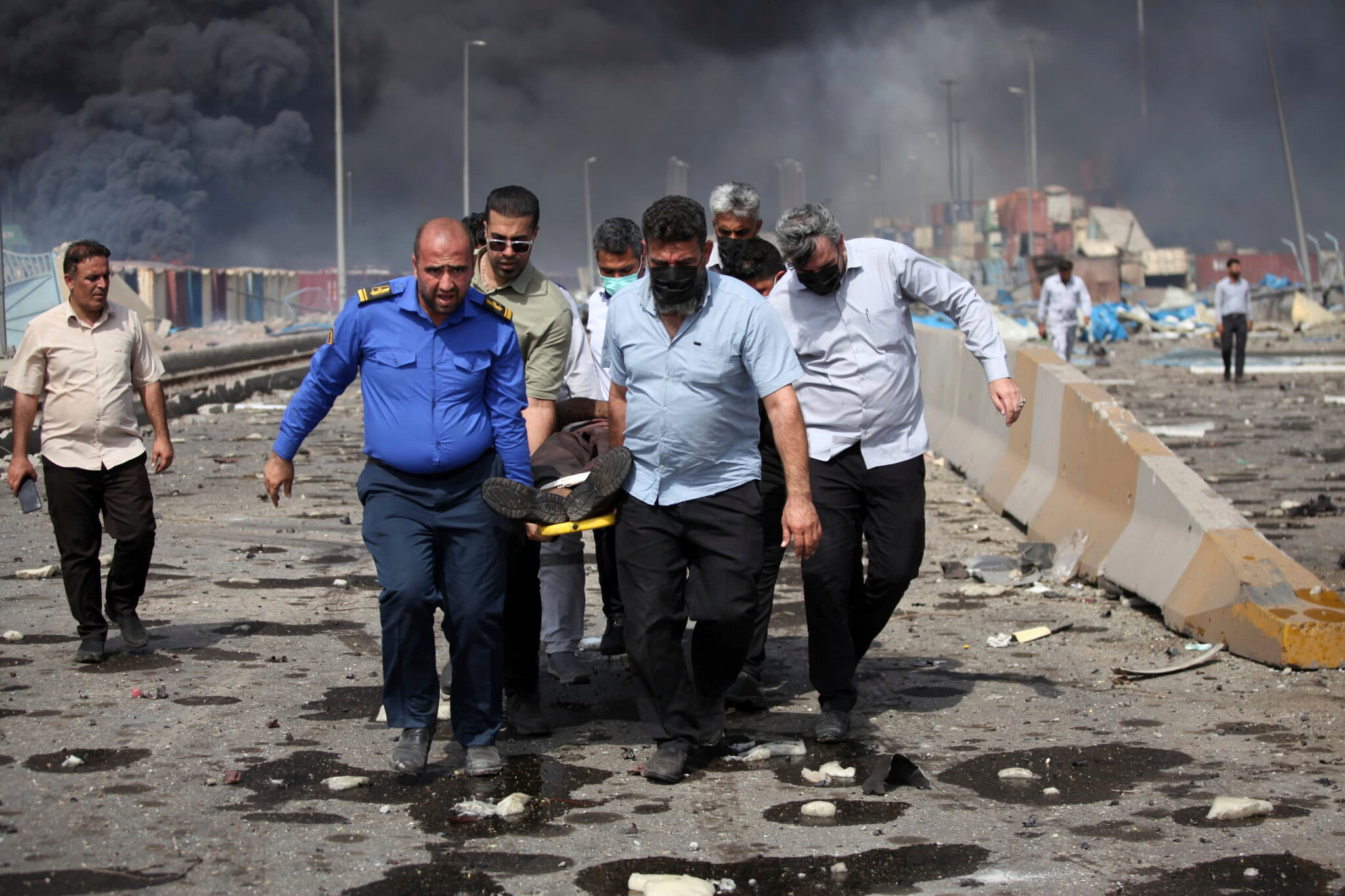
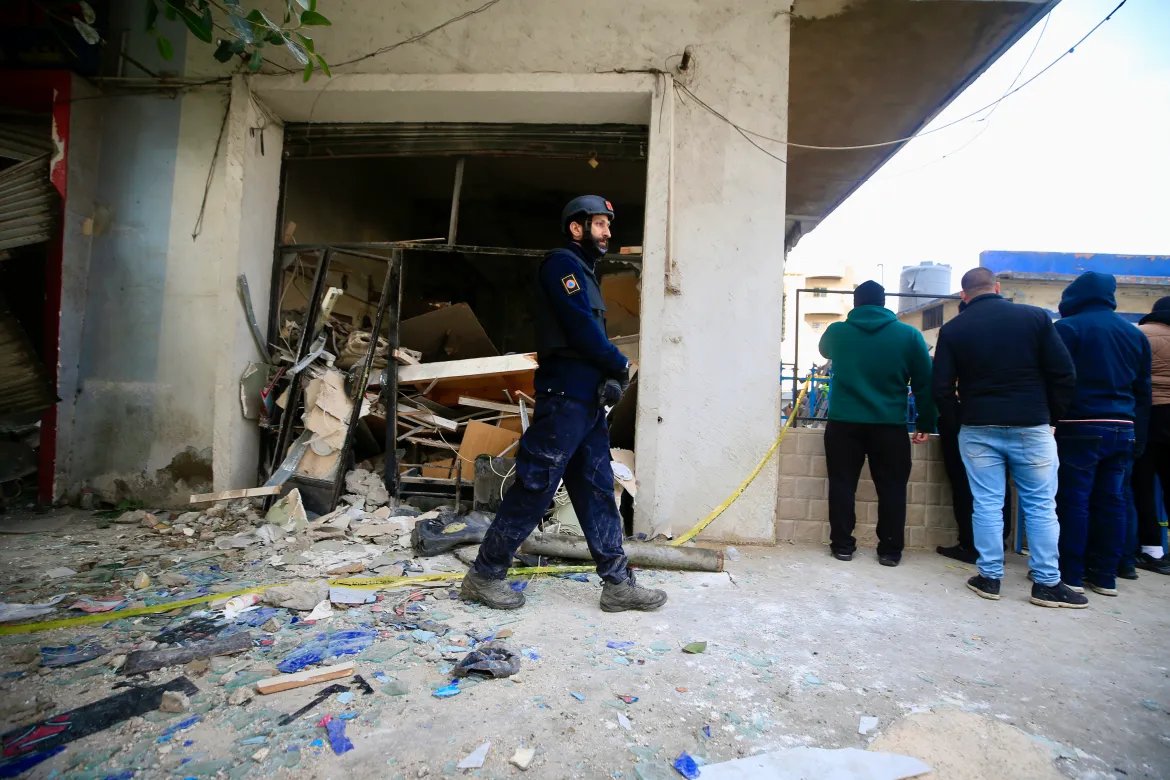
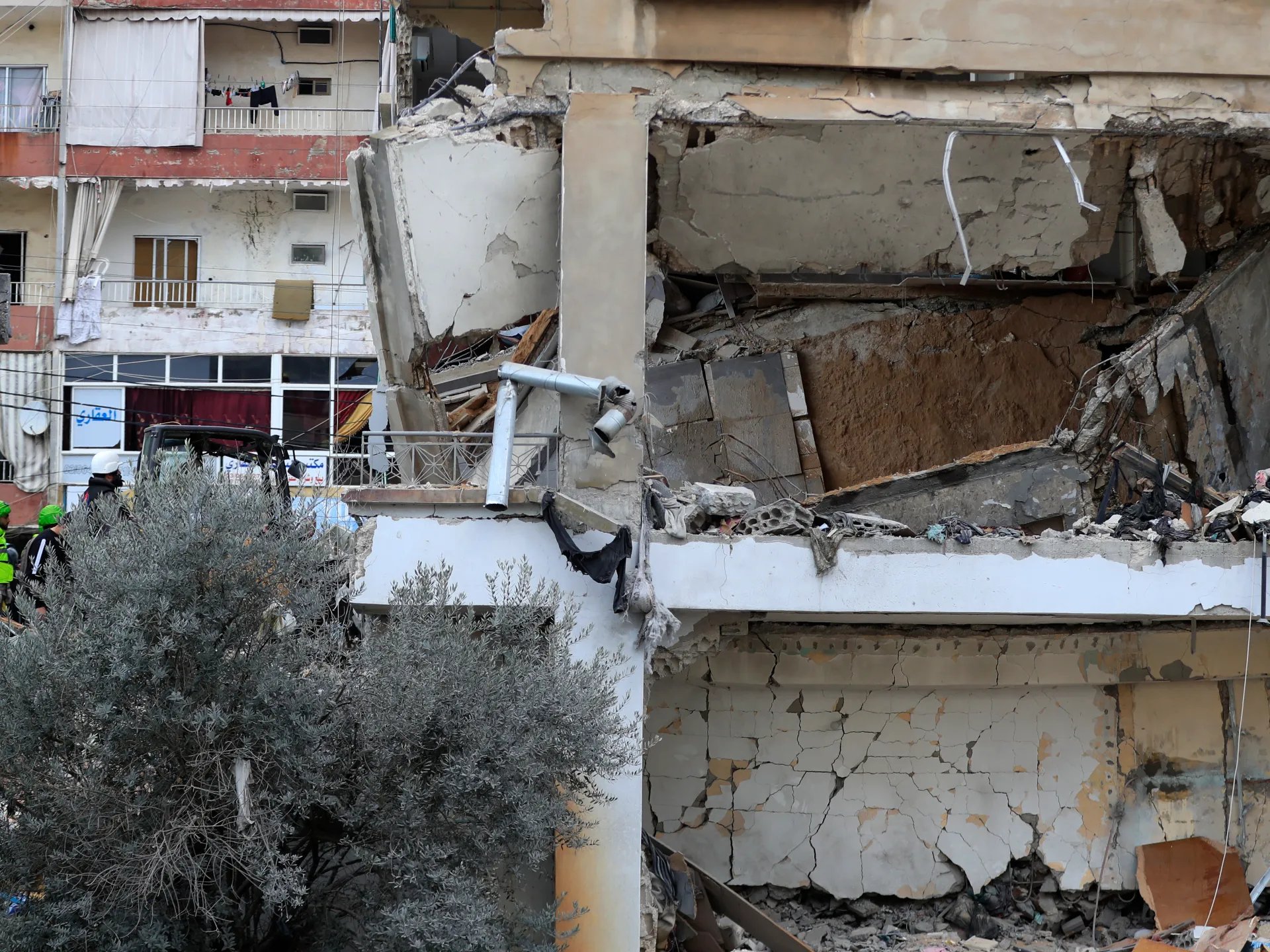
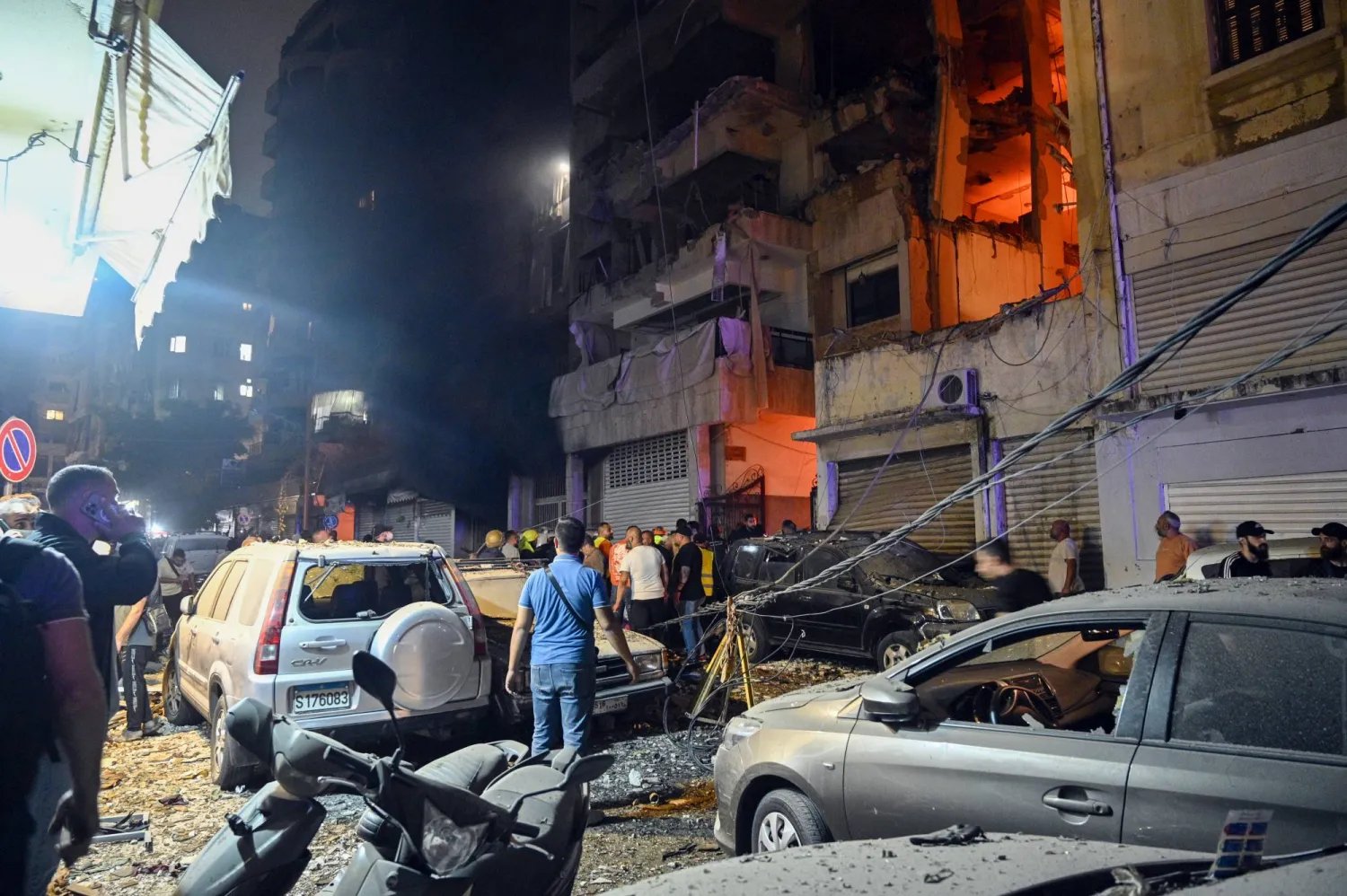
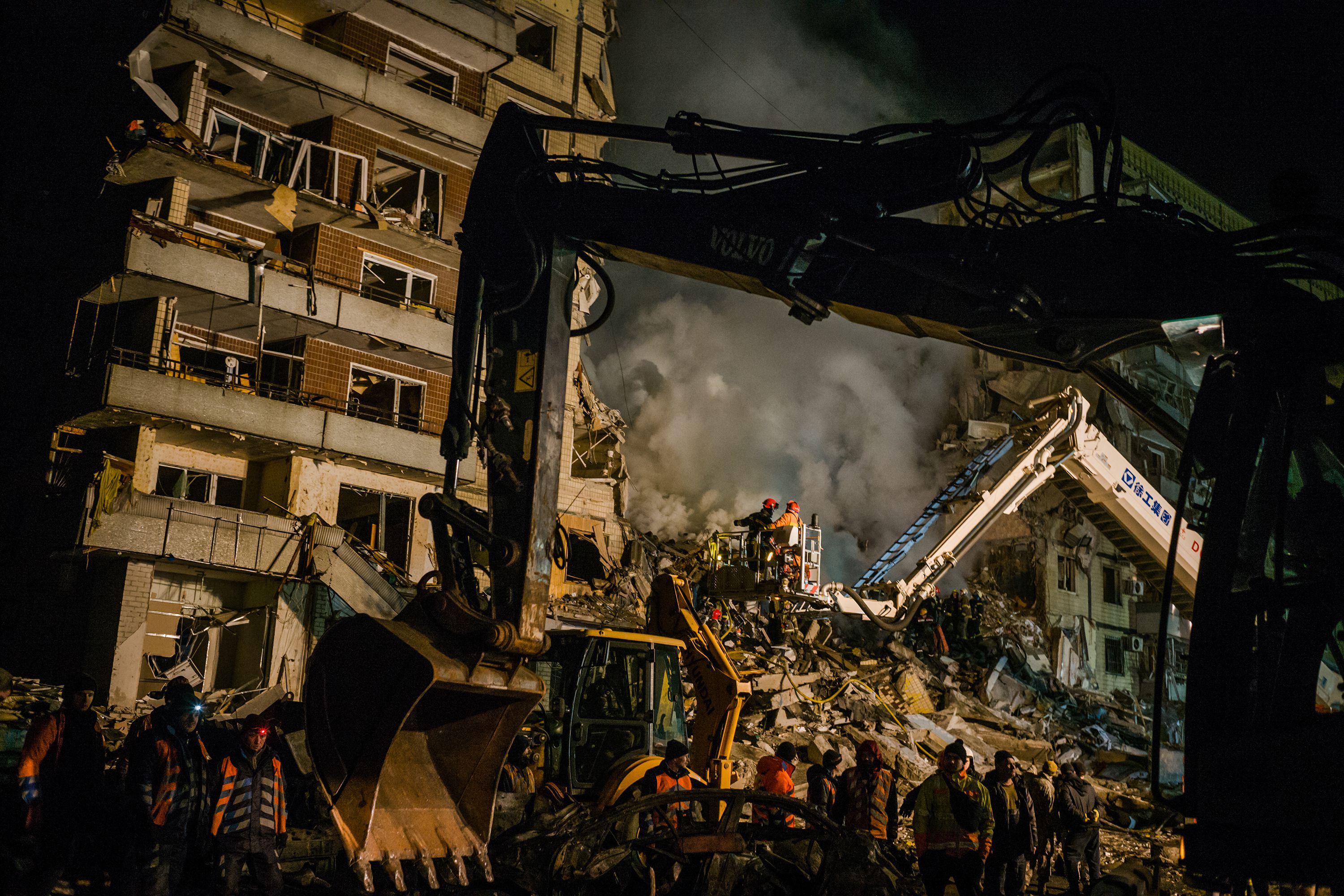
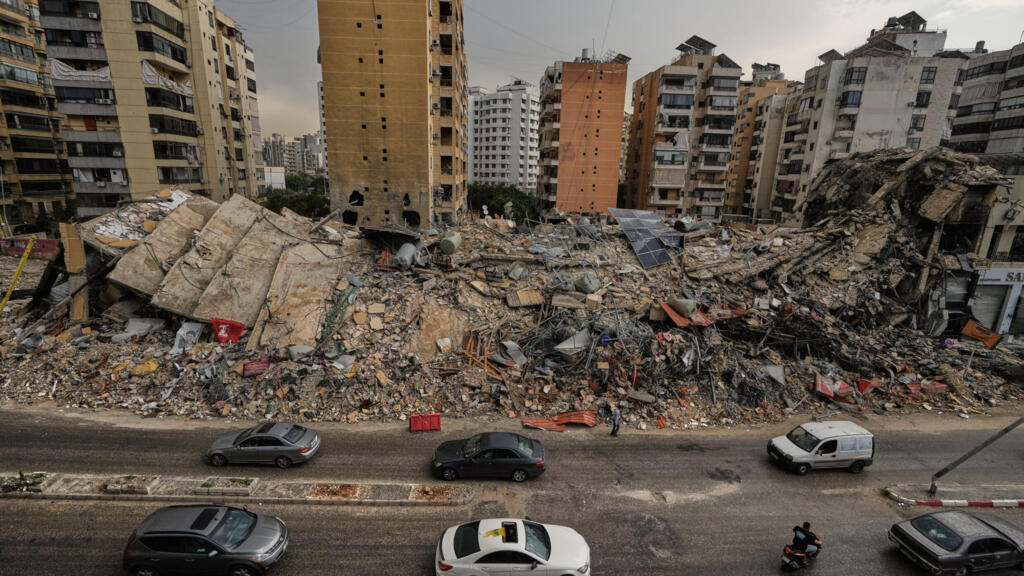
The conflict has led to civilian casualties, with reports indicating that an Israeli strike in southern Lebanon killed eight people, including children. Humanitarian organizations have raised alarms about the impact of military actions on civilian infrastructure, calling for urgent measures to protect non-combatants and medical facilities.
Future of U.S.-Iran Relations
As tensions continue to escalate, the prospect of a long-term ceasefire remains uncertain. Iran's military leadership has expressed a willingness to continue hostilities if their demands are not met, with senior officers claiming that total surrender to U.S. demands is not an option. The U.S. administration, meanwhile, is caught in a precarious position, balancing military action with diplomatic efforts to stabilize the region.
The situation in the Gulf remains tense, with the potential for further military engagement looming as both sides prepare for a protracted conflict. The ongoing strikes and military responses underline the fragile state of international relations in the region and the urgent need for a comprehensive peace agreement.