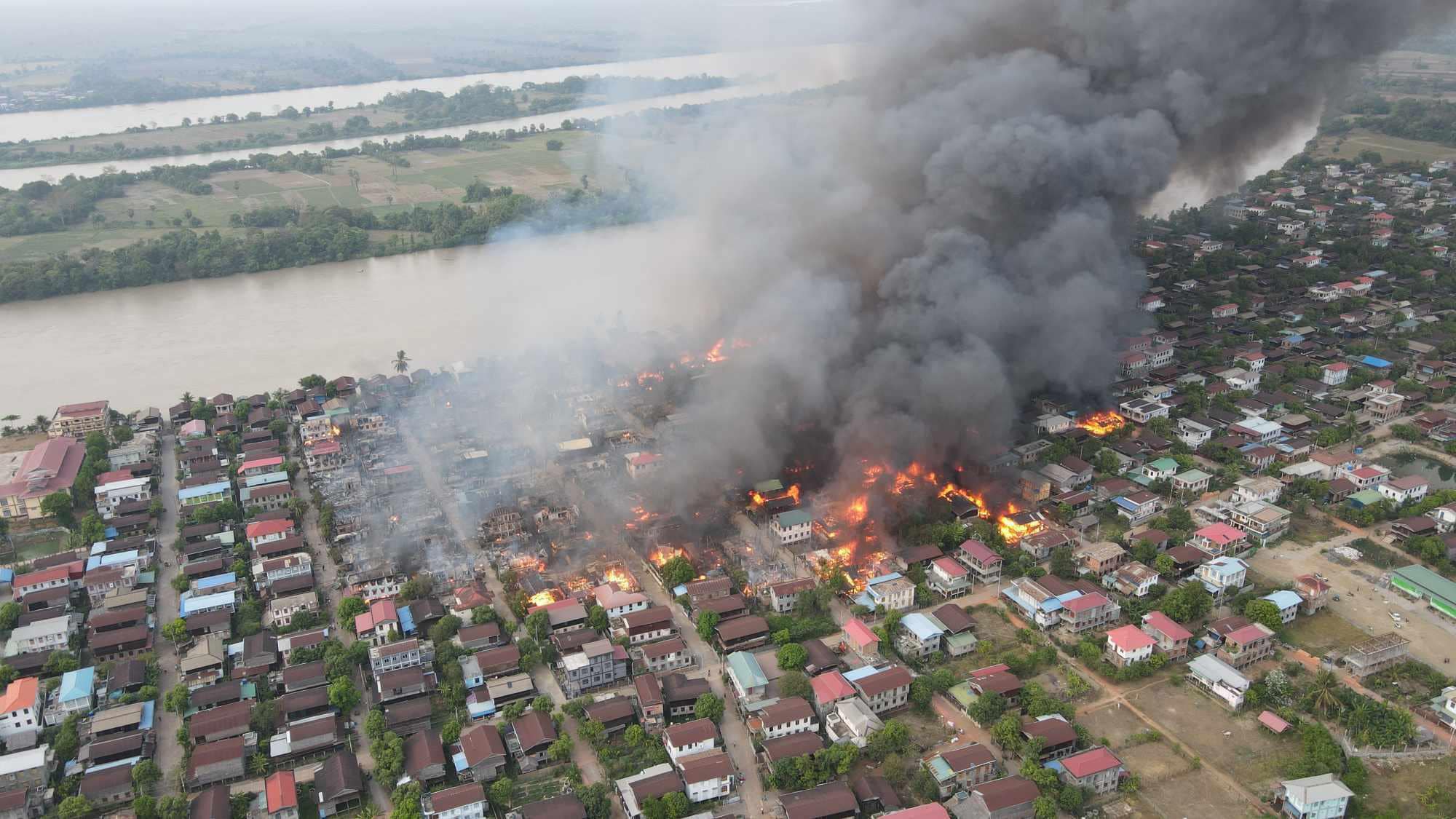
An explosion at a building storing mining explosives killed at least 55 people and wounded around 70 others in the rebel-held village of Kaung Tat in Myanmar's Shan State. The blast occurred around 12:00 local time on Sunday in Namkham Township, about three kilometers south of the Chinese border.
Local media outlet Shwe Phee Myay reported the dead included 25 women and 30 men, among them six children. Namhkam Hospital faced an acute shortage of blood supplies to treat the injured. Hundreds of homes suffered damage, affecting almost an entire neighborhood.
The Ta'ang National Liberation Army, which controls the area, said the accidental explosion involved gelignite stored by its economic department for use in mining and stone quarrying sites. The group expressed sympathy for the victims and announced a thorough investigation, promising to hold those responsible accountable.
Preliminary investigations cited by Chinese state broadcaster CCTV pointed to large quantities of mining explosives stored at the site. The TNLA is one of the most powerful ethnic armed groups opposed to Myanmar's military junta. The area is known for its ruby-rich mines.
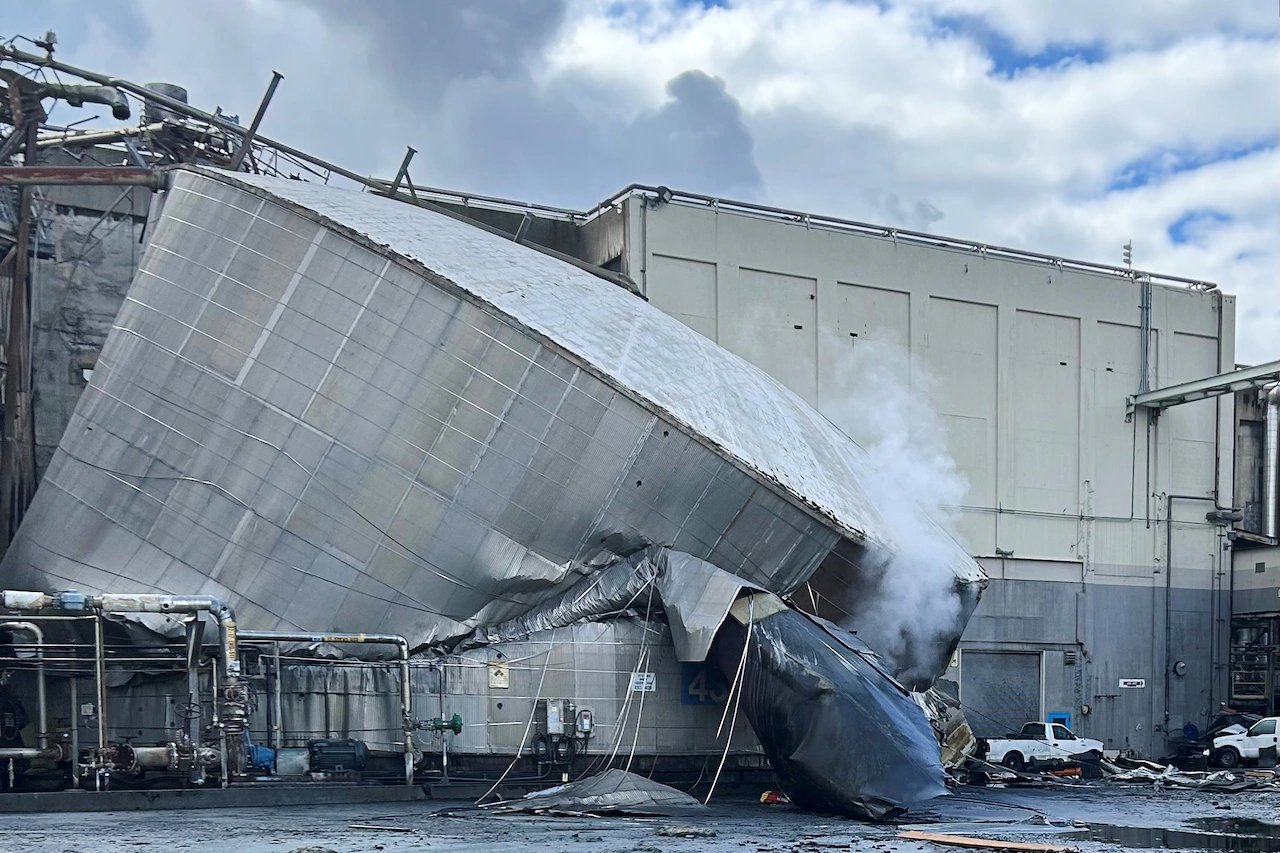
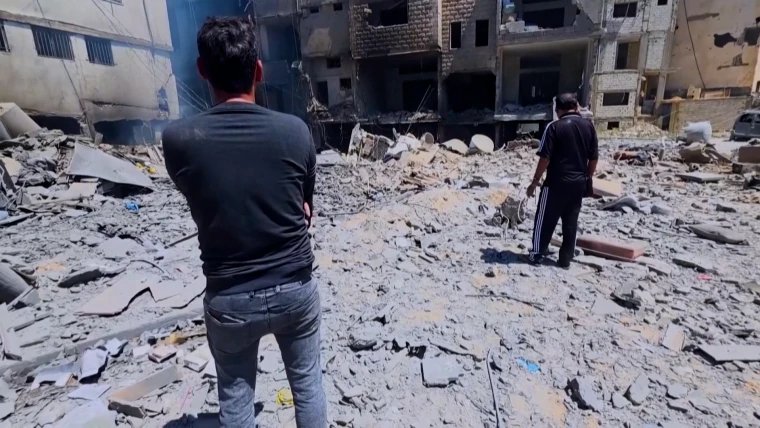
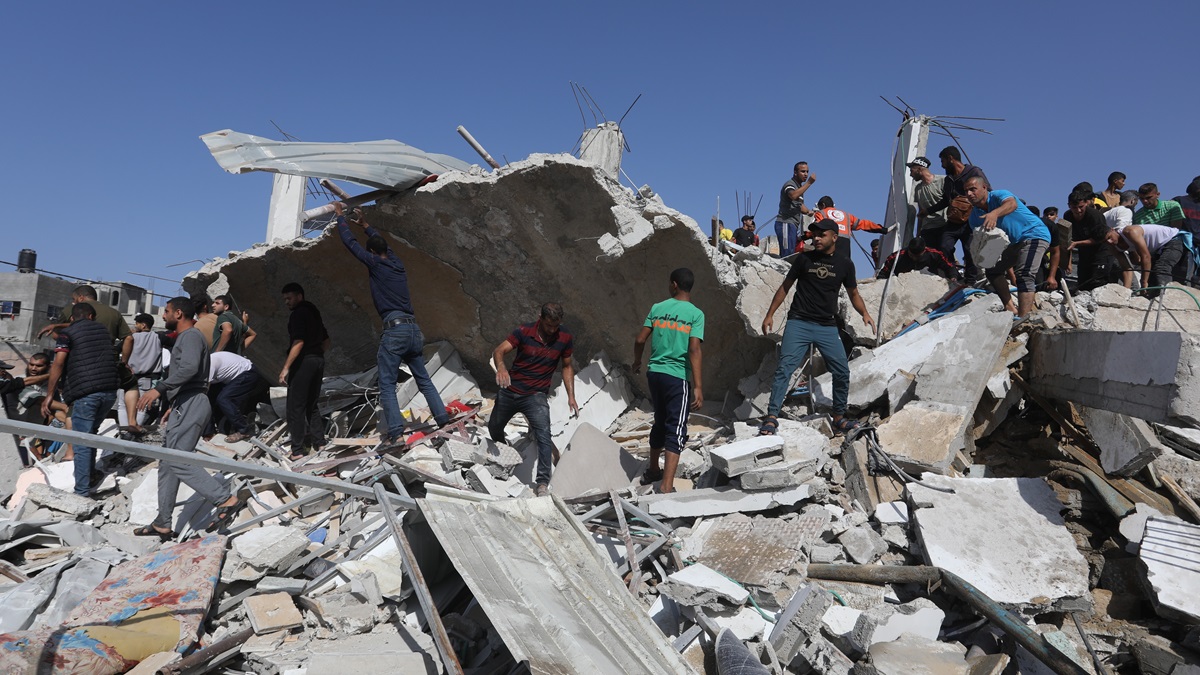
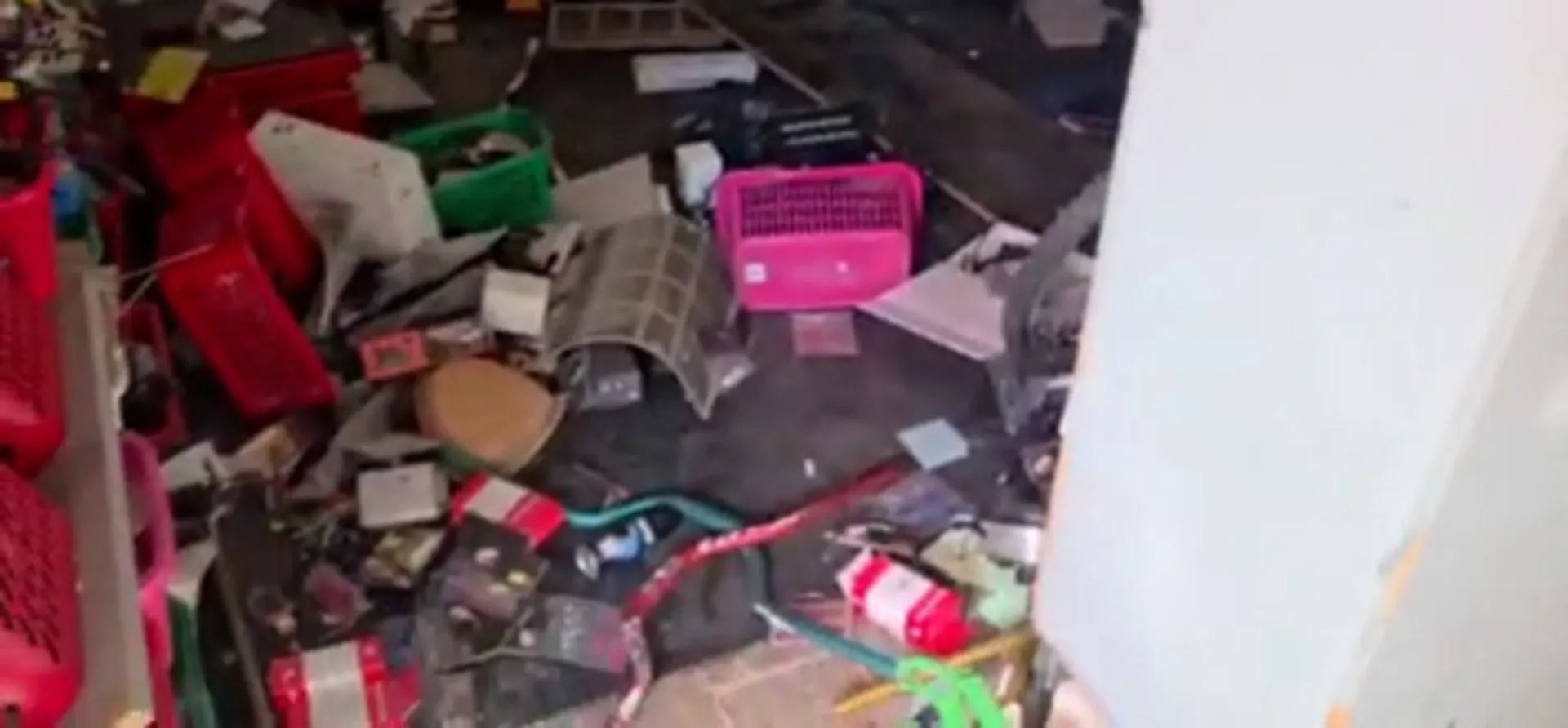
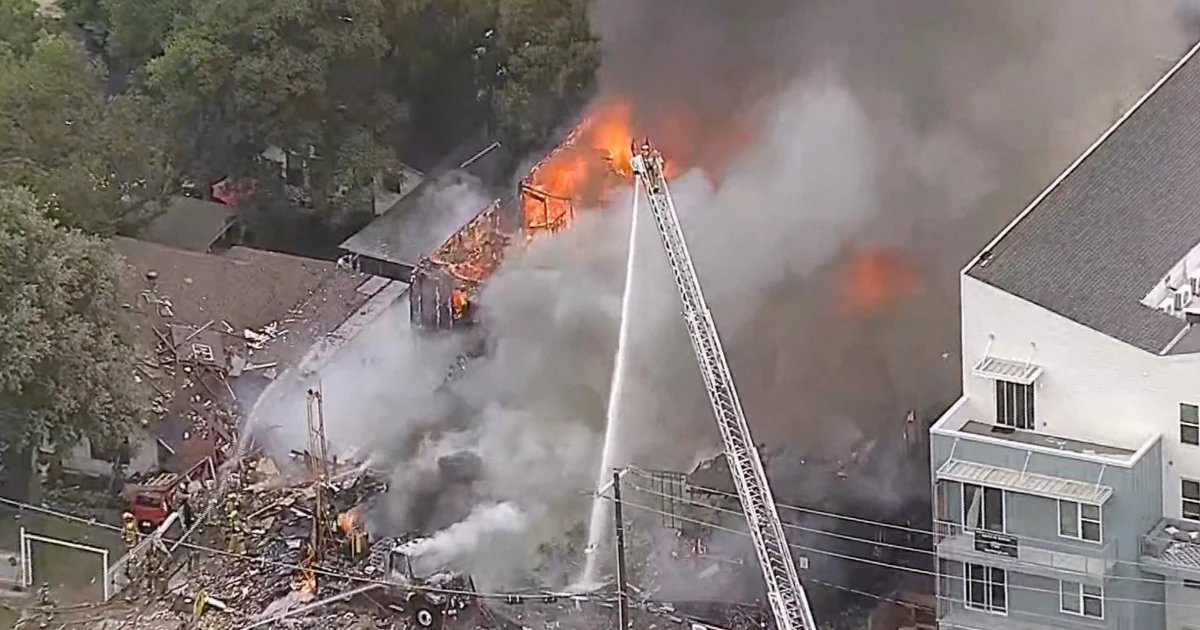
Footage from the scene showed a vast crater of earth and rubble surrounded by shattered buildings, with smoke drifting from charred debris and twisted trees. A huge cloud of smoke billowed over the village shortly after the blast. Residents initially believed the explosion was caused by an air strike.
One resident wrote on social media that her phone saved her life while she sat in her bedroom eating noodles. She said that if she had been eating in the kitchen she probably would not be alive today. The resident suffered a minor leg injury and lost her home in the blast.
The resident questioned why a facility containing explosives had been allowed to operate close to residential areas. She said families of those killed would not be satisfied unless authorities provided a full explanation. People were crying and calling out for their parents in the aftermath, with the scene feeling as if the world had come to an end.
The TNLA confirmed in a statement on its Telegram channel and on Facebook that the stored material was used in mining operations. The group said many local villagers lost their lives, suffered injuries, and sustained damage to their homes.
The TNLA is part of the Three Brotherhood Alliance fighting for greater autonomy for ethnic groups. The group has controlled the Namhkam area since the alliance and its allies launched a major offensive against the Myanmar military in the northeast in late 2023. Many of the country's rebel groups rely on mining precious minerals to fund their campaigns.
Lax safety measures make mine collapses and other accidents common. Gelignite can become highly unstable over time if stored improperly. The TNLA signed a ceasefire with the Myanmar military last October following China-mediated talks, but relations remain tense.
Chinese state broadcaster CCTV reported that the explosion caused multiple deaths, injuries, and severe damage to many residential buildings. The blast took place in an area three kilometers from the Chinese border. The exact death toll remained unclear in initial reports, with local news website The Irrawaddy citing at least 46 killed and more than 70 wounded.
Secondary explosions followed the initial blast, according to footage shared on social media. Several houses were damaged in the explosion that occurred around 12:30pm local time according to one report.
The tragedy underscores persistent safety risks tied to resource extraction in conflict zones, where armed groups depend on mineral revenues to sustain operations against central authorities. Families now face the task of recovering from destroyed homes and lost loved ones while awaiting investigation results.
An explosion at a building storing mining explosives killed at least 55 people and wounded around 70 others in the rebel-held village of Kaung Tat in Myanmar's Shan State. The blast occurred around 12:00 local time on Sunday in Namkham Township, about three kilometers south of the Chinese border. Rescue workers recovered 46 bodies and took 74 injured people to hospital, with operations continuing to search for victims under rubble.
Local media outlet Shwe Phee Myay reported the dead included 25 women and 30 men, among them six children. Namhkam Hospital faced an acute shortage of blood supplies to treat the injured. Hundreds of homes suffered damage, affecting almost an entire neighborhood.
The Ta'ang National Liberation Army, which controls the area, said the accidental explosion involved gelignite stored by its economic department for use in mining and stone quarrying sites. The TNLA described the incident as an accidental explosion of explosives used in mining and quarrying. The group expressed sympathy for the victims and announced a thorough investigation, promising to hold those responsible accountable.
Preliminary investigations cited by Chinese state broadcaster CCTV pointed to large quantities of mining explosives stored at the site. The TNLA is one of the most powerful ethnic armed groups opposed to Myanmar's military junta. The area is known for its ruby-rich mines.
Footage from the scene showed a vast crater of earth and rubble surrounded by shattered buildings, with smoke drifting from charred debris and twisted trees. A huge cloud of smoke billowed over the village shortly after the blast. Residents initially believed the explosion was caused by an air strike.
One resident wrote on social media that her phone saved her life while she sat in her bedroom eating noodles. She said that if she had been eating in the kitchen she probably would not be alive today. The resident suffered a minor leg injury and lost her home in the blast.
The resident questioned why a facility containing explosives had been allowed to operate close to residential areas. She said families of those killed would not be satisfied unless authorities provided a full explanation. People were crying and calling out for their parents in the aftermath, with the scene feeling as if the world had come to an end.
The TNLA confirmed in a statement on its Telegram channel and on Facebook that the stored material was used in mining operations. The group said many local villagers lost their lives, suffered injuries, and sustained damage to their homes. Rescue workers cited by the Associated Press reported between 40 and 46 people killed, while AFP sources gave a range from 46 to 59.
The TNLA is part of the Three Brotherhood Alliance fighting for greater autonomy for ethnic groups. The group has controlled the Namhkam area since the alliance and its allies launched a major offensive against the Myanmar military in the northeast in late 2023. Many of the country's rebel groups rely on mining precious minerals to fund their campaigns.
Lax safety measures make mine collapses and other accidents common. Gelignite can become highly unstable over time if stored improperly. The TNLA signed a ceasefire with the Myanmar military last October following China-mediated talks, but relations remain tense.
Chinese state broadcaster CCTV reported that the explosion caused multiple deaths, injuries, and severe damage to many residential buildings. The blast took place in an area three kilometers from the Chinese border. The exact death toll remained unclear in initial reports, with local news website The Irrawaddy citing at least 46 killed and more than 70 wounded.
Secondary explosions followed the initial blast, according to footage shared on social media. Several houses were damaged in the explosion that occurred around 12:30pm local time according to one report. The Irrawaddy and Shwe Phee Myay provided varying casualty figures ranging from 50 to 55 deaths.
The tragedy underscores persistent safety risks tied to resource extraction in conflict zones, where armed groups depend on mineral revenues to sustain operations against central authorities. Families now face the task of recovering from destroyed homes and lost loved ones while awaiting investigation results.
Highlighted text was flagged by the council. Tap to see feedback.