




The Stakes of the Election
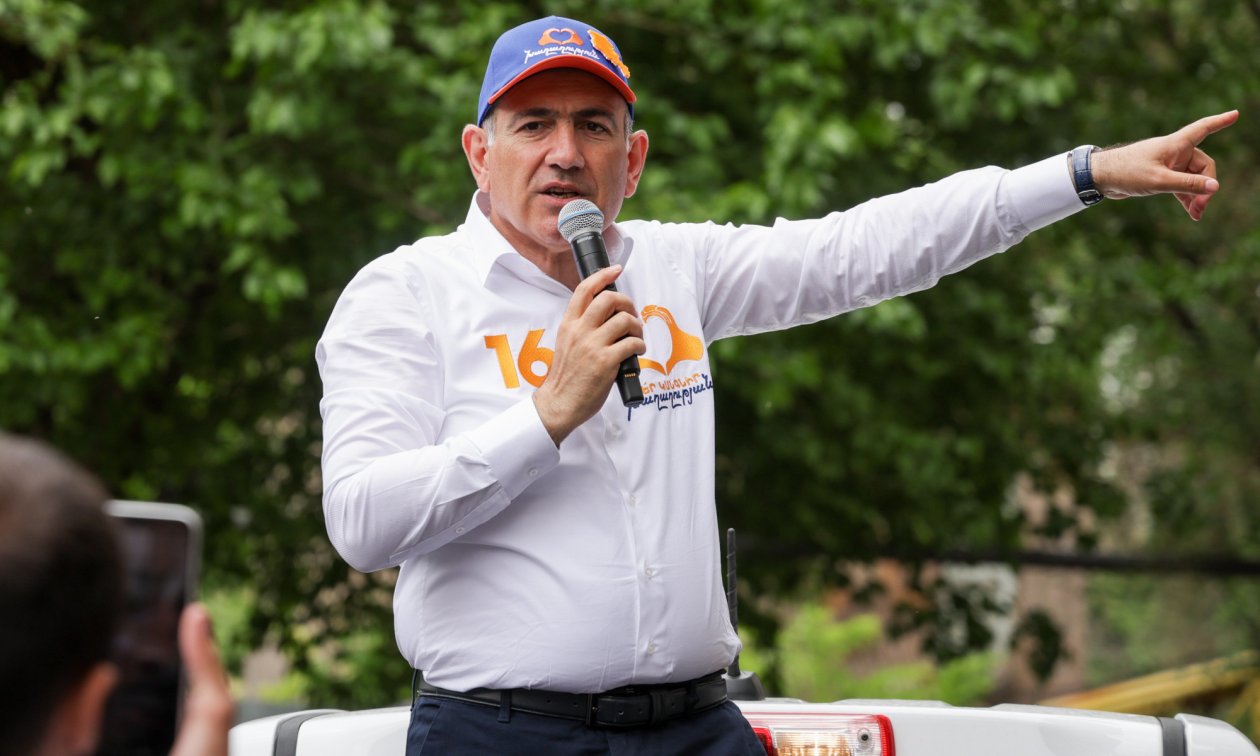
Voters in Armenia head to the polls today to decide the future of their country as Prime Minister Nikol Pashinyan seeks a third term amid increasing pressure from Russia. This parliamentary election is not just a contest of political power; it is a referendum on Armenia's geopolitical alignment, with Pashinyan advocating for closer ties with the European Union and the United States. With a population of three million, Armenia faces a stark choice: continue its shift towards the West or revert to its traditional alliance with Russia.
Pashinyan's Shift Towards the West
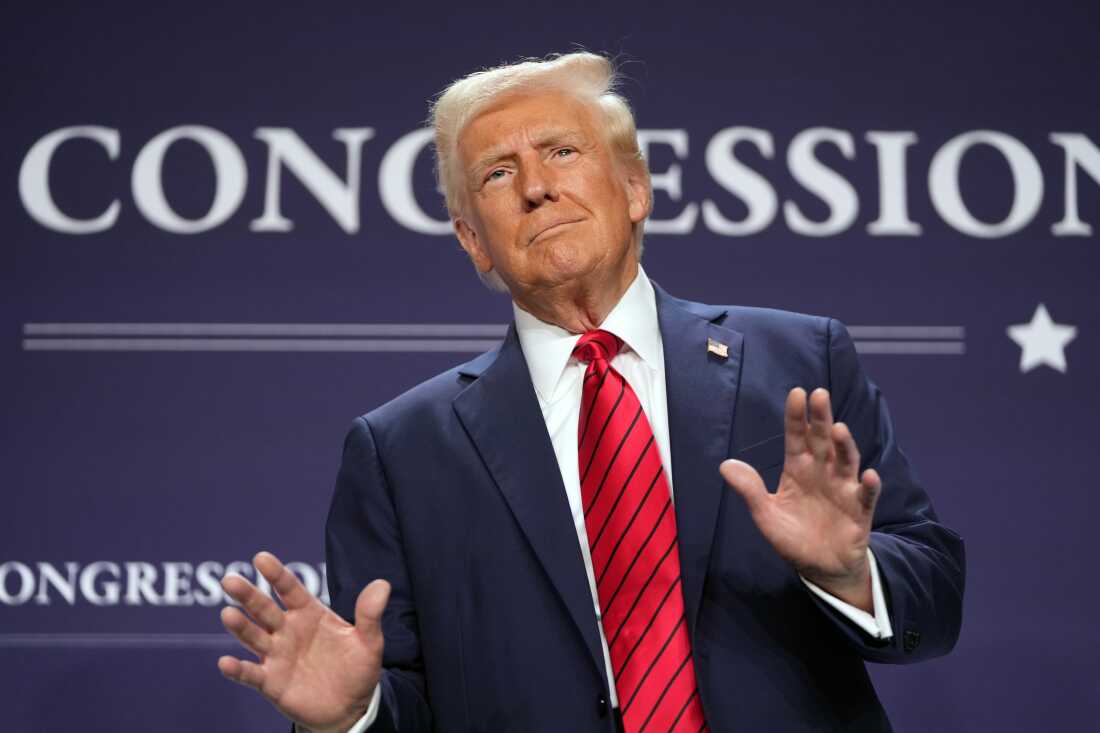
Since taking office in 2018, Pashinyan has worked to distance Armenia from Moscow, passing legislation aimed at initiating EU membership and facilitating a peace process with Azerbaijan. His efforts have garnered international recognition, including an endorsement from U.S. President Donald Trump. However, domestic support for Pashinyan has plummeted from 54% in 2021 to approximately 30% today, primarily due to dissatisfaction over his handling of the Nagorno-Karabakh conflict, which saw Azerbaijan reclaim the territory in 2023.
Economic Pressures from Russia
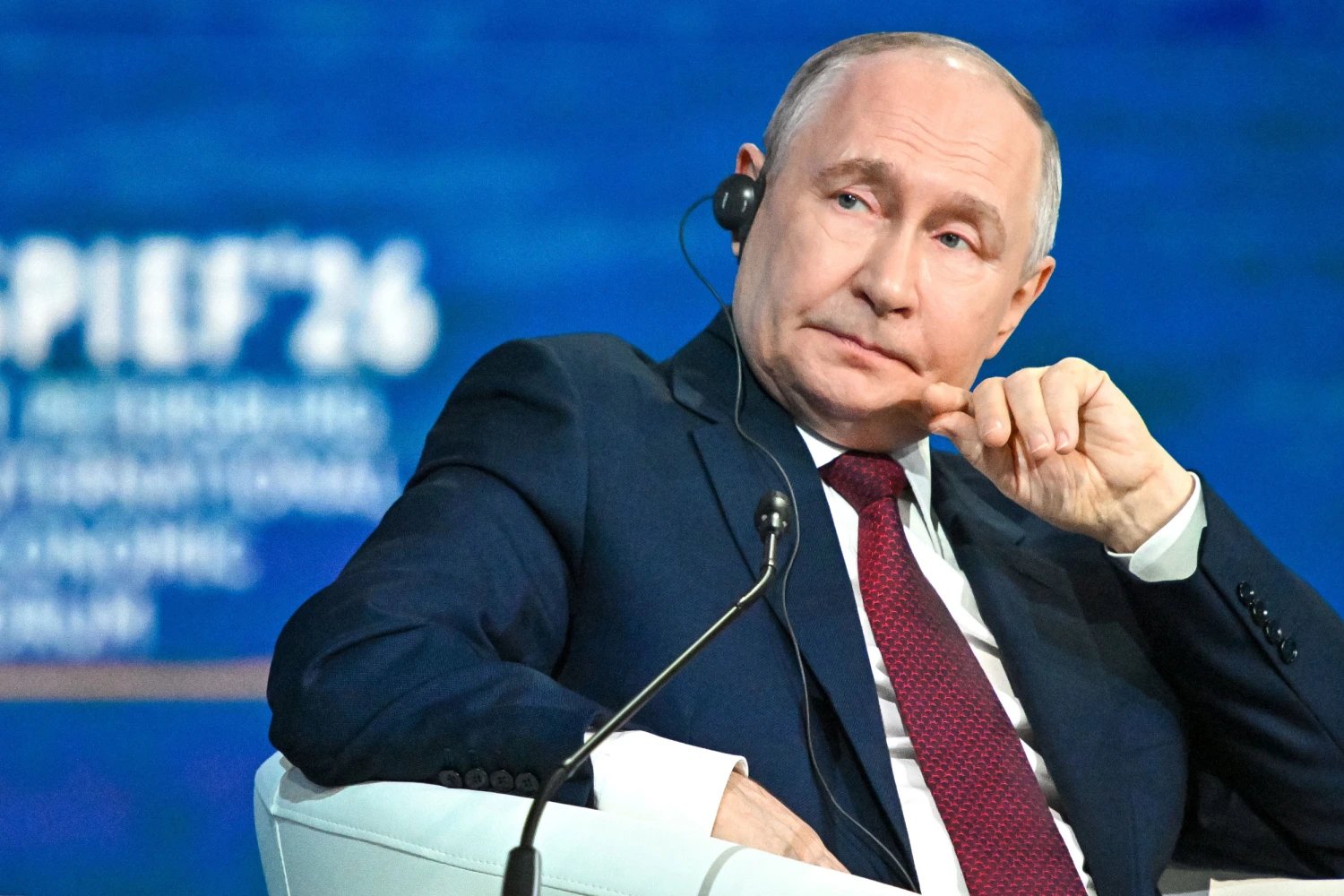
Moscow has intensified its economic pressure on Armenia as the election approaches. In the weeks leading up to the vote, Russia banned the export of Armenian flowers, mineral water, cognac, and fresh produce, impacting a significant portion of Armenia's economy. In 2025, Russia accounted for 36% of Armenia's foreign trade, making the economic stakes particularly high for voters. Haykaz Fanyan from the Armenian Centre for Socio-Economic Studies noted that while Armenia's dependence on Russian military imports has decreased, Moscow's economic leverage remains potent.
Opposition Dynamics
Pashinyan faces stiff competition from various opposition parties, including the Armenia Alliance led by former president Robert Kocharyan. Kocharyan's coalition argues that a return to strong military and economic ties with Russia is vital for national security. Nearly 40% of voters express distrust in any political figure, indicating a fragmented electorate.
Tensions and Controversies
The election campaign has been marked by tensions and accusations of authoritarianism against Pashinyan. Incidents have occurred where the prime minister used confrontational language towards critics, including civil activist Artur Osipyan, who was arrested after a protest. Opposition figures accuse Pashinyan of manipulating state resources and using intimidation tactics to bolster his campaign. Artur Khachatryan, a member of the opposition, described the current campaign atmosphere as one of fear and coercion.
European Support Amidst Pressure
European Commission President Ursula von der Leyen recently pledged €50 million in support of Armenia, framing it as a response to Moscow's attempts to weaponize economic relations. Von der Leyen's commitment to easing trade with Armenia highlights the EU's interest in countering Russian influence in the region. However, Armenia's path to EU membership remains uncertain, as Pashinyan acknowledged that the choice between remaining in the Russian-led Eurasian Economic Union and joining the EU is still theoretical.
Voter Sentiment and the Future
As Armenians cast their votes, they face a critical decision that extends beyond political affiliations. Many voters must weigh the economic implications of Pashinyan's pro-Western stance against the backdrop of a turbulent relationship with Russia. The outcome of this election could reshape Armenia's political landscape and determine the nation's future trajectory—whether it embraces a European identity or returns to the security of Russian ties.
On June 7, the voters' choice will resonate far beyond the ballot box, potentially altering the course of Armenia's history and its role in the region.