President Trump is evaluating an extension of the Jones Act waiver, which has allowed foreign-flagged vessels to transport oil between US ports. This increase has boosted the US fleet by 70 percent, helping to lower fuel costs for consumers in regions like Alaska, where the imported jet fuel equals half the state's average monthly consumption.
Trump announced an indefinite extension of the US-Iran ceasefire on Tuesday, citing a request from Pakistan's Field Marshal Asim Munir and Prime Minister Shehbaz Sharif. The decision came hours before the original ceasefire deadline, allowing time for Iran to submit a unified proposal amid internal divisions.
The Hudson Institute argues that extending the waiver could undermine US shipping jobs by favoring foreign vessels, including those built in China. Meanwhile, the Cato Institute counters that the Jones Act raises shipping costs unnecessarily, burdening consumers with higher prices for goods.
Administration data shows the waiver has facilitated oil movement from California to other states, easing supply chain pressures during global disruptions. In Alaska, the additional fuel has directly addressed shortages, supporting local aviation and heating needs.
Iran's national security adviser Mahdi Mohammadi dismissed the ceasefire extension as meaningless, warning of potential military responses to the ongoing US blockade. US officials, including White House spokesperson Taylor Rogers, emphasized that no final decision on the waiver has been made, but early results show faster oil deliveries to US ports. This uncertainty could affect global energy markets, potentially influencing consumer costs if tensions escalate.
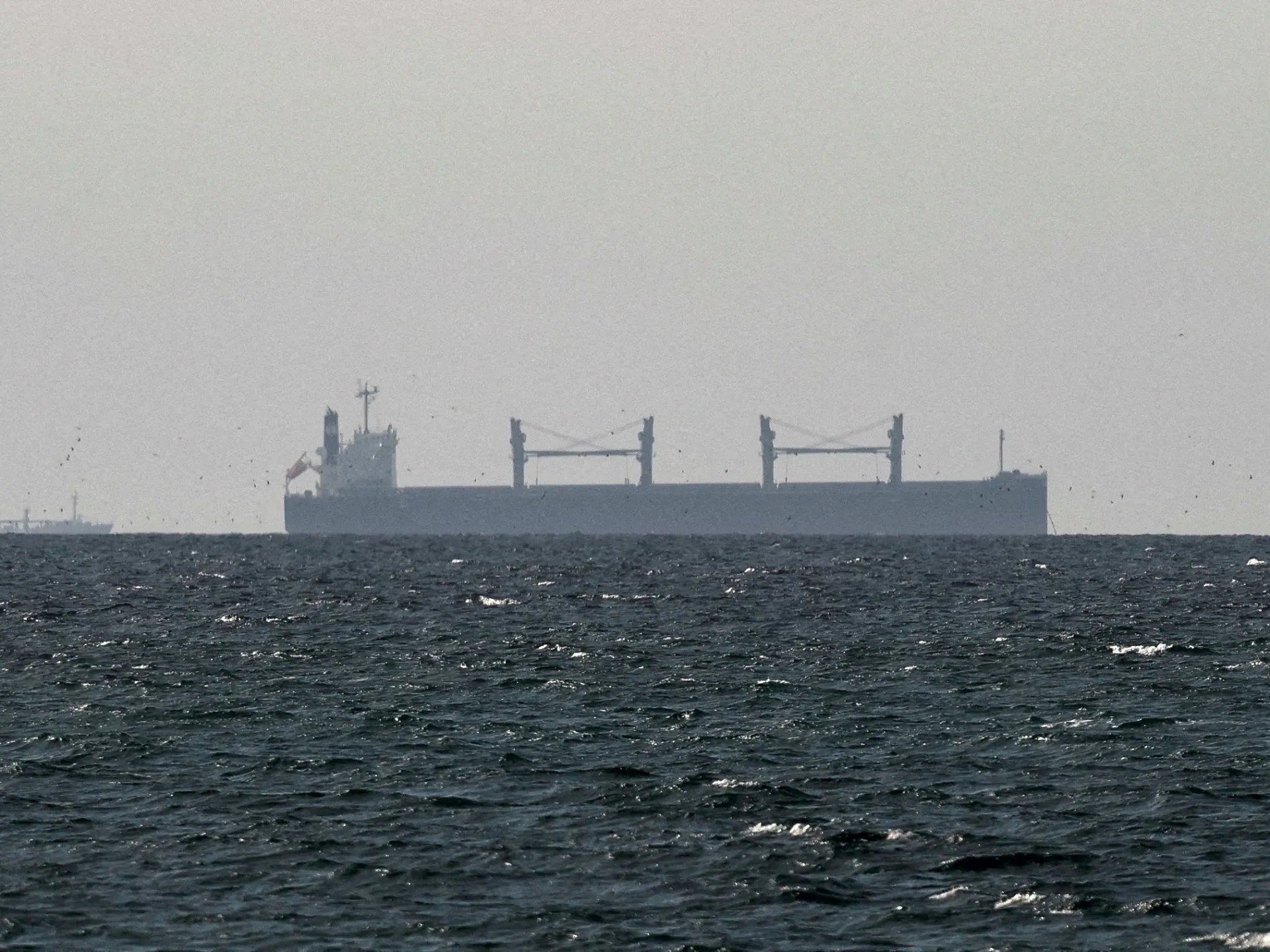
President Trump is evaluating an extension of the Jones Act waiver, which has allowed foreign-flagged vessels to transport oil between US ports. The waiver, issued on March 18, enabled 40 tankers to deliver 9 million barrels of oil to states like Texas, Florida, and Alaska. This increase has boosted the US fleet by 70 percent, helping to lower fuel costs for consumers in regions like Alaska, where the imported jet fuel equals half the state's average monthly consumption.
Trump announced an indefinite extension of the US-Iran ceasefire on Tuesday, citing a request from Pakistan's Field Marshal Asim Munir and Prime Minister Shehbaz Sharif. The decision came hours before the original ceasefire deadline, allowing time for Iran to submit a unified proposal amid internal divisions. This move has stabilized oil prices, with investors noting that the extension prevented a potential spike that could raise gasoline expenses for American drivers.
The Hudson Institute argues that extending the waiver could undermine US shipping jobs by favoring foreign vessels, including those built in China. Protectionists highlight that the law supports tens of thousands of American workers and billions in domestic investments. Meanwhile, the Cato Institute counters that the Jones Act raises shipping costs unnecessarily, burdening consumers with higher prices for goods.
Administration data shows the waiver has facilitated oil movement from California to other states, easing supply chain pressures during global disruptions. In Alaska, the additional fuel has directly addressed shortages, supporting local aviation and heating needs. Trump advisers have praised these outcomes, noting the waiver's role in mitigating price increases tied to the Iran situation.
Iran's national security adviser Mahdi Mohammadi dismissed the ceasefire extension as meaningless, warning of potential military responses to the ongoing US blockade. US officials, including White House spokesperson Taylor Rogers, emphasized that no final decision on the waiver has been made, but early results show faster oil deliveries to US ports. This uncertainty could affect global energy markets, potentially influencing consumer costs if tensions escalate.
Highlighted text was flagged by the council. Tap to see feedback.