




USDA Confirms New Infection in Texas Calf
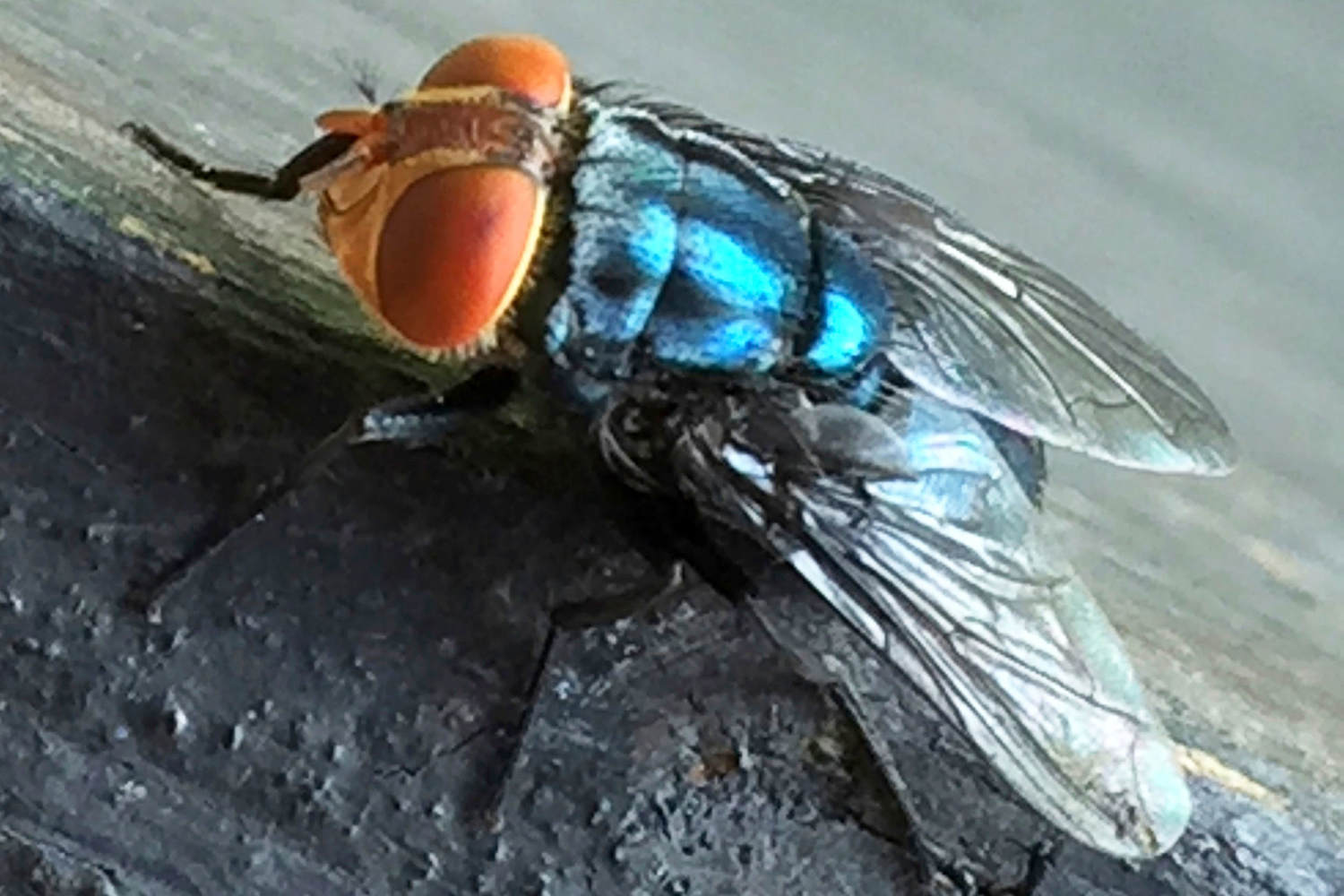
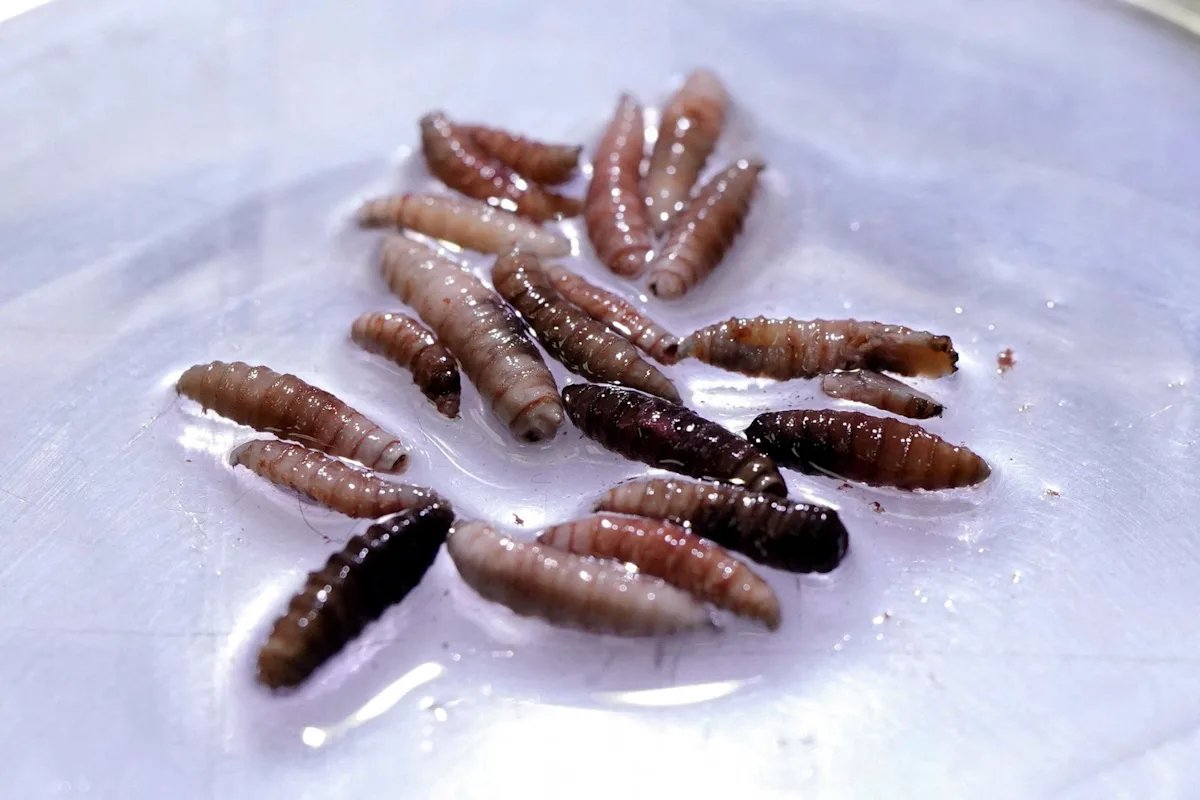
The U.S. Department of Agriculture (USDA) confirmed a second case of the flesh-eating New World screwworm in Texas, detected in a one-month-old calf in Zavala County. This follows the initial case reported just days earlier in a one-year-old calf, marking the first detection of the parasite in the U.S. in over 60 years.
Texas Governor Issues Disaster Declaration
In response to the outbreak, Texas Governor Greg Abbott declared a state of disaster, citing an "imminent threat" to the state's agricultural industry. Abbott stated that officials are collaborating with the federal government to implement measures aimed at containing the parasite's spread. "We're in the season for spread," Abbott warned, emphasizing the urgency of the situation as summer approaches.
Economic Impact on Cattle Industry
The discovery of the screwworms poses a significant economic threat to Texas's cattle industry, which is a vital part of the state's economy. The USDA noted that the resurgence of this parasite could lead to increased animal deaths and higher treatment costs for ranchers. The U.S. beef industry, valued at $100 billion, has already contracted to a 75-year low due to border restrictions on Mexican cattle imports that have been in effect for over a year. The screwworm outbreak now poses an additional economic threat.
Canada Bans Texas Livestock
In a precautionary move, Canada's food inspection agency announced a temporary ban on livestock from Texas. This ban affects cows and horses that were in Texas within 21 days before crossing into Canada. Canadian officials noted that the parasite is unlikely to become a problem in the country because of the colder climate, as screwworms historically spread in warmer, humid areas. They advised farmers to monitor livestock for wounds accompanied by discharge or foul odor and urged residents to check pets if they travel to Texas.
Containment Measures Underway
To combat the outbreak, Texas officials are releasing millions of sterile screwworm flies in areas near the reported infections. This strategy aims to prevent wild females from reproducing, thereby controlling the screwworm population. The Texas Animal Health Commission has emphasized the importance of enhanced surveillance and movement restrictions in the affected areas.
Historical Context and Future Vigilance
The New World screwworm was considered eradicated in the U.S. in 1966, but previous outbreaks have occurred, including one in the 1970s. The current outbreak represents northward progression from Central America, which has been observed since 2023. Dr. Bud Dinges, director of the Texas Animal Health Commission, noted that the agency had been preparing for a potential resurgence for over two years. He urged animal owners to remain vigilant and report any suspicious signs of infection immediately.
The situation underscores the ongoing challenges faced by agricultural officials in managing livestock health and the potential impact on the broader economy. As the summer progresses, ranchers and regulators alike will be watching closely for any further developments in this unfolding crisis.