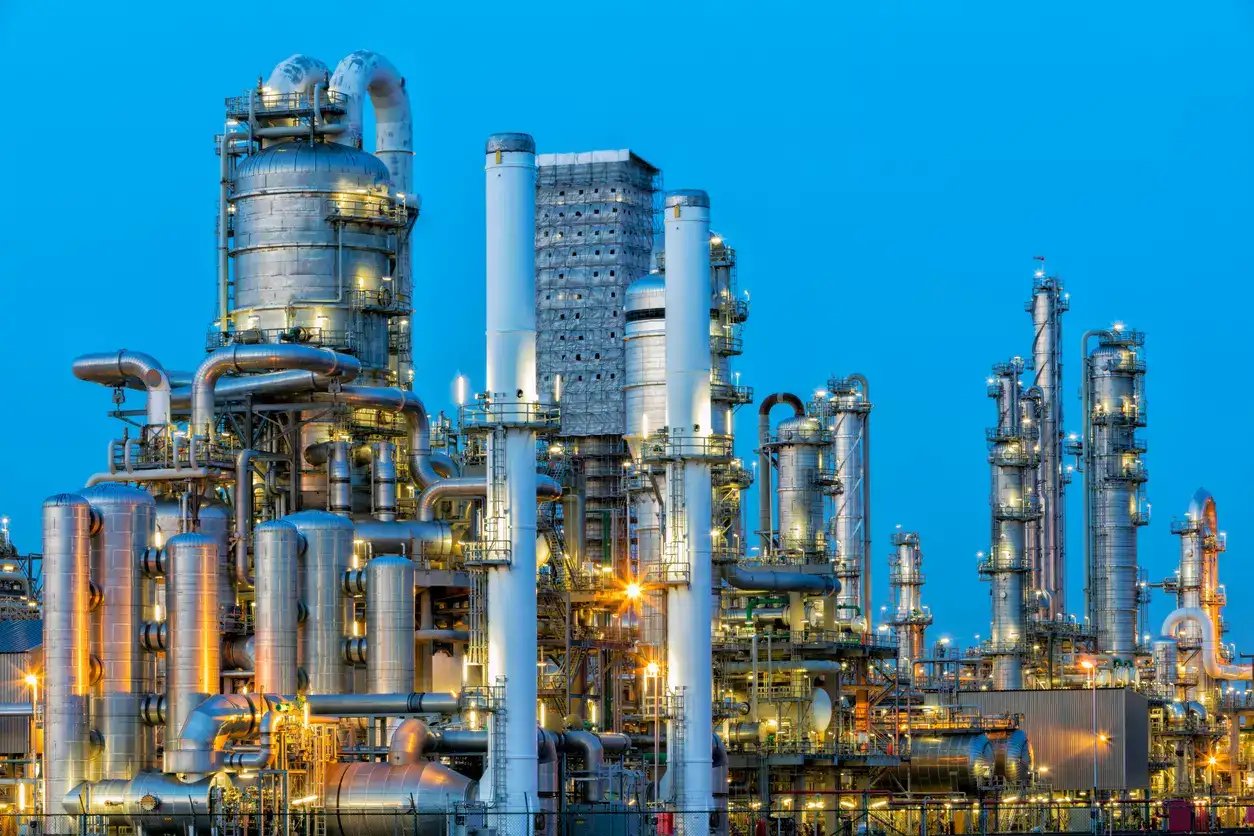
India has announced the removal of customs duties on 40 petrochemical products, a decision that is expected to cost the government an estimated 18 billion rupees, equivalent to over $190 million. This tax waiver will remain in effect until June 2026. The measure aims to address supply disruptions stemming from ongoing conflicts in the Middle East, stabilize prices, and support key industries including plastics, pharmaceuticals, and textiles.
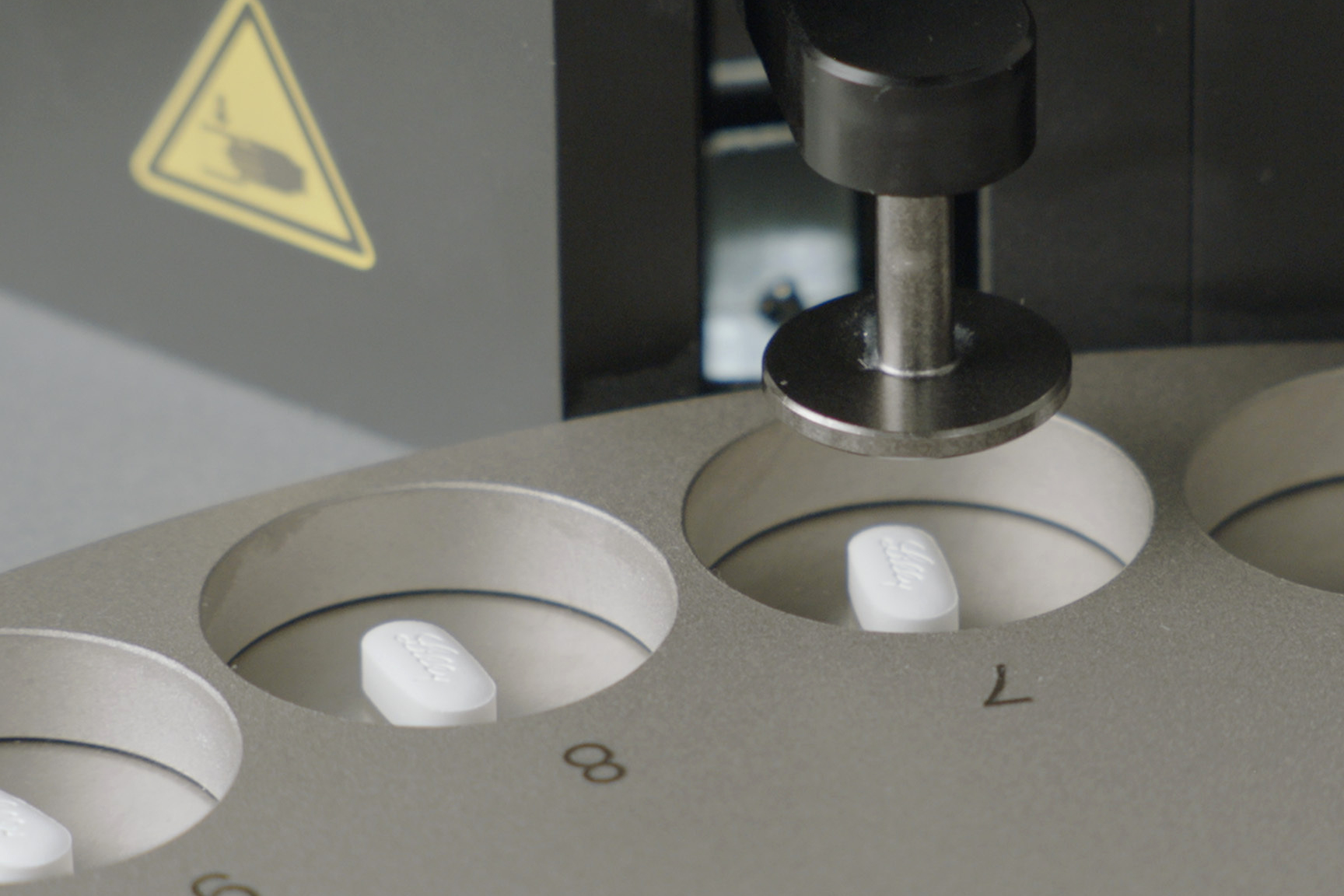
The elimination of the import tax is designed to ensure the availability of essential raw materials for various sectors. By cutting costs for petrochemicals, businesses in the plastics and pharmaceutical industries can expect reduced production expenses. This development could lead to lower prices for consumer goods, benefiting everyday consumers in India. The government hopes that this strategic move will bolster domestic production and mitigate the impact of global supply chain issues.
The government aims to stabilize market conditions and promote economic growth within critical sectors. By facilitating easier access to raw materials, the administration seeks to enhance the competitiveness of Indian manufacturers on both domestic and international fronts.
While the tax waiver is intended to stimulate economic activity, it presents challenges regarding government revenue. The loss of over $190 million could impact public finances, potentially affecting funding for various government initiatives.
As India moves forward with this policy change, the focus will be on monitoring its impact on both the economy and government revenue. Stakeholders from various sectors will be keeping a close eye on how these adjustments affect market dynamics and consumer prices. The government will need to balance the immediate advantages of reduced import costs against the potential long-term fiscal consequences of decreased revenue.
India has announced the removal of customs duties on 40 petrochemical products, a decision that is expected to cost the government an estimated 18 billion rupees, equivalent to over $190 million. This tax waiver will remain in effect until June 2026. The measure aims to address supply disruptions stemming from ongoing conflicts in the Middle East, stabilize prices, and support key industries including plastics, pharmaceuticals, and textiles.
The elimination of the import tax is designed to ensure the availability of essential raw materials for various sectors. By cutting costs for petrochemicals, businesses in the plastics and pharmaceutical industries can expect reduced production expenses. This development could lead to lower prices for consumer goods, benefiting everyday consumers in India. The government hopes that this strategic move will bolster domestic production and mitigate the impact of global supply chain issues.
Officials have indicated that the decision to scrap the import tax is a proactive response to external pressures affecting the petrochemical supply chain. The government aims to stabilize market conditions and promote economic growth within critical sectors. By facilitating easier access to raw materials, the administration seeks to enhance the competitiveness of Indian manufacturers on both domestic and international fronts.
While the tax waiver is intended to stimulate economic activity, it presents challenges regarding government revenue. The loss of over $190 million could impact public finances, potentially affecting funding for various government initiatives. Critics argue that while the immediate benefits to industries are clear, the long-term fiscal implications must be carefully monitored to ensure sustainable economic health.
Industry representatives have largely welcomed the tax removal, noting that it will ease the burden on manufacturers struggling with rising costs. A spokesperson for a major petrochemical company expressed optimism that the policy change would foster innovation and investment in the sector. However, some industry leaders caution that the government must remain vigilant about potential price volatility in the global market that could offset these benefits.
As India moves forward with this policy change, the focus will be on monitoring its impact on both the economy and government revenue. Stakeholders from various sectors will be keeping a close eye on how these adjustments affect market dynamics and consumer prices. The government will need to balance the immediate advantages of reduced import costs against the potential long-term fiscal consequences of decreased revenue.
Highlighted text was flagged by the council. Tap to see feedback.