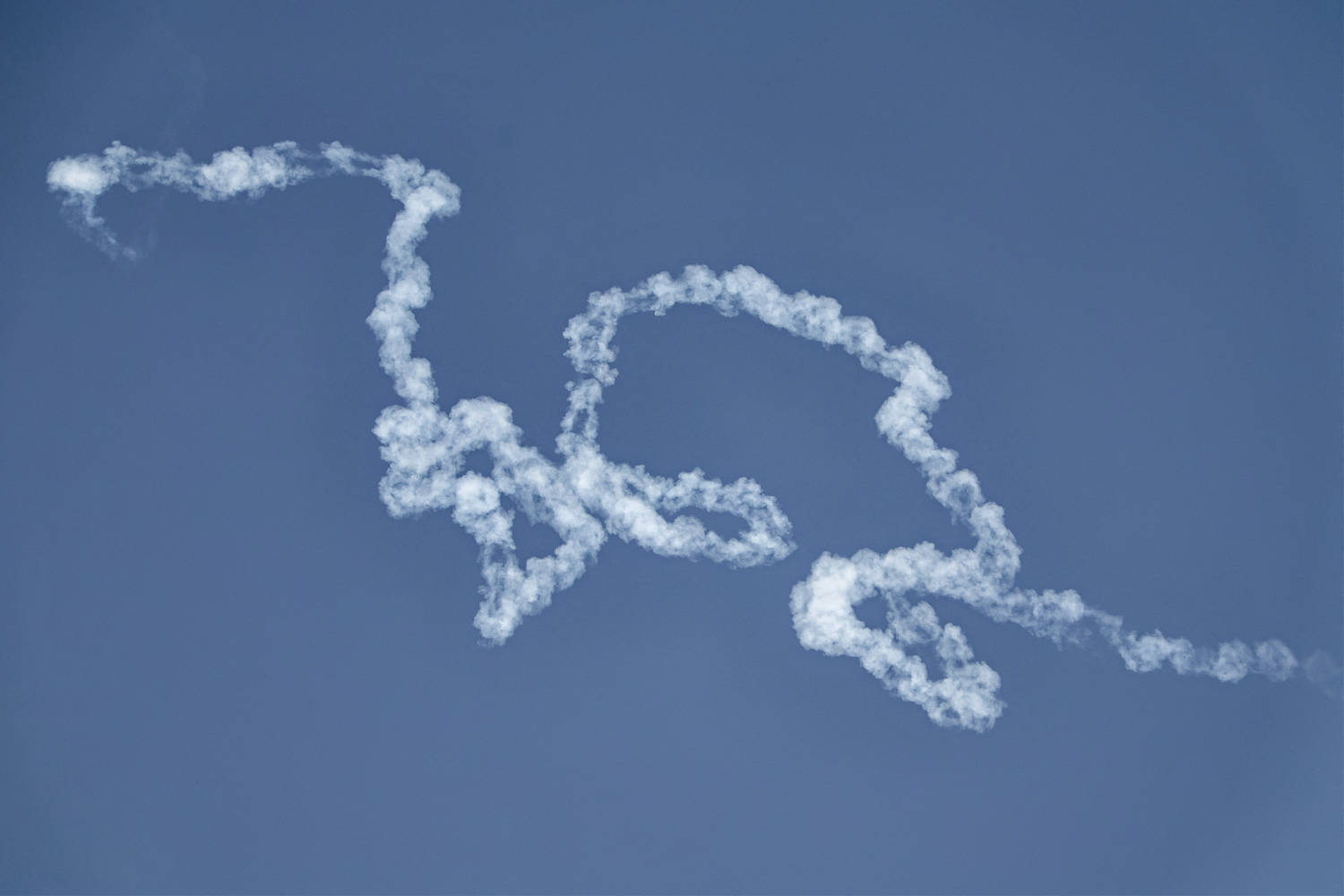
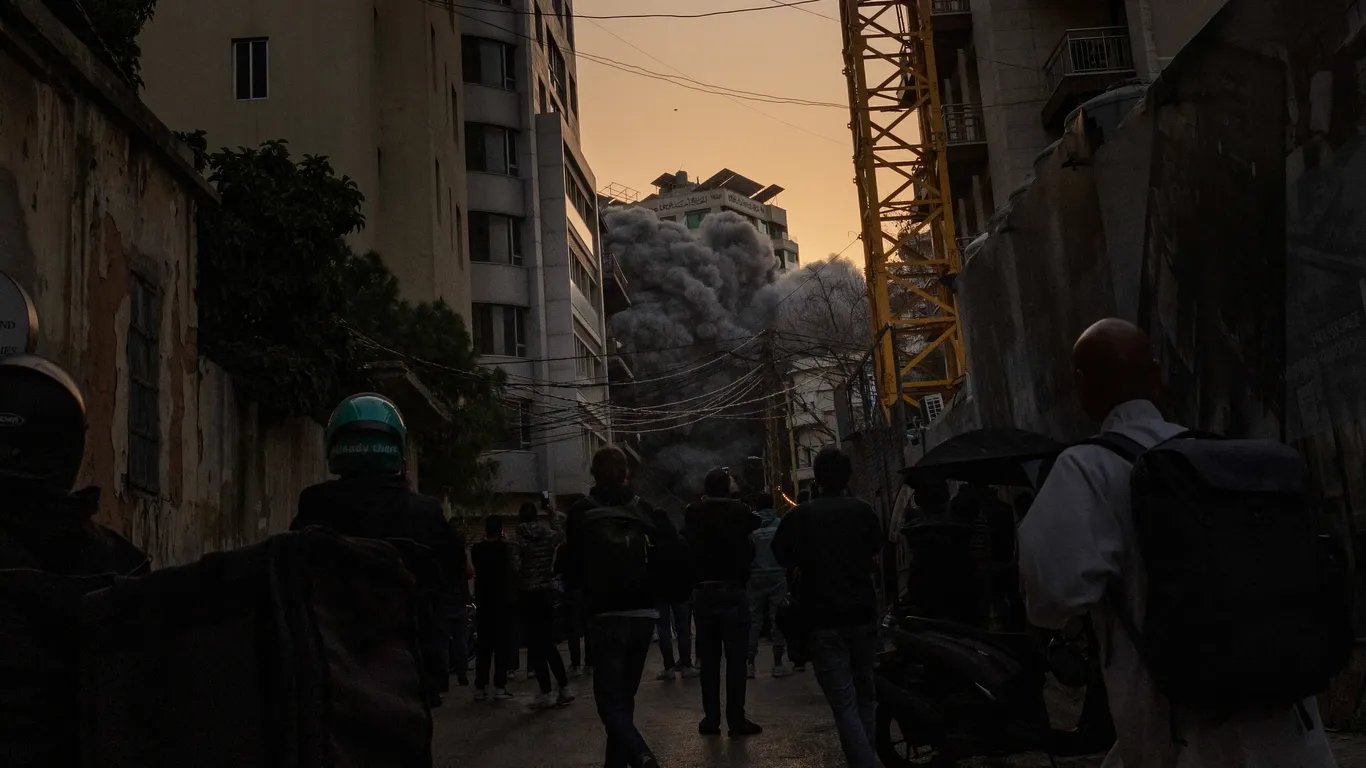
Israel launched additional airstrikes in and around Tehran early Friday, coinciding with the Persian New Year celebrations known as Nowruz. This marks the continuation of military actions that have persisted since the conflict began on February 28th. Israeli Prime Minister Benjamin Netanyahu confirmed that Israel targeted Iran's South Pars gas field, the world's largest natural gas field, prompting Iranian retaliation against multiple energy facilities across the Gulf, including a strike on Qatar's Ras Laffan, which is a vital energy hub.
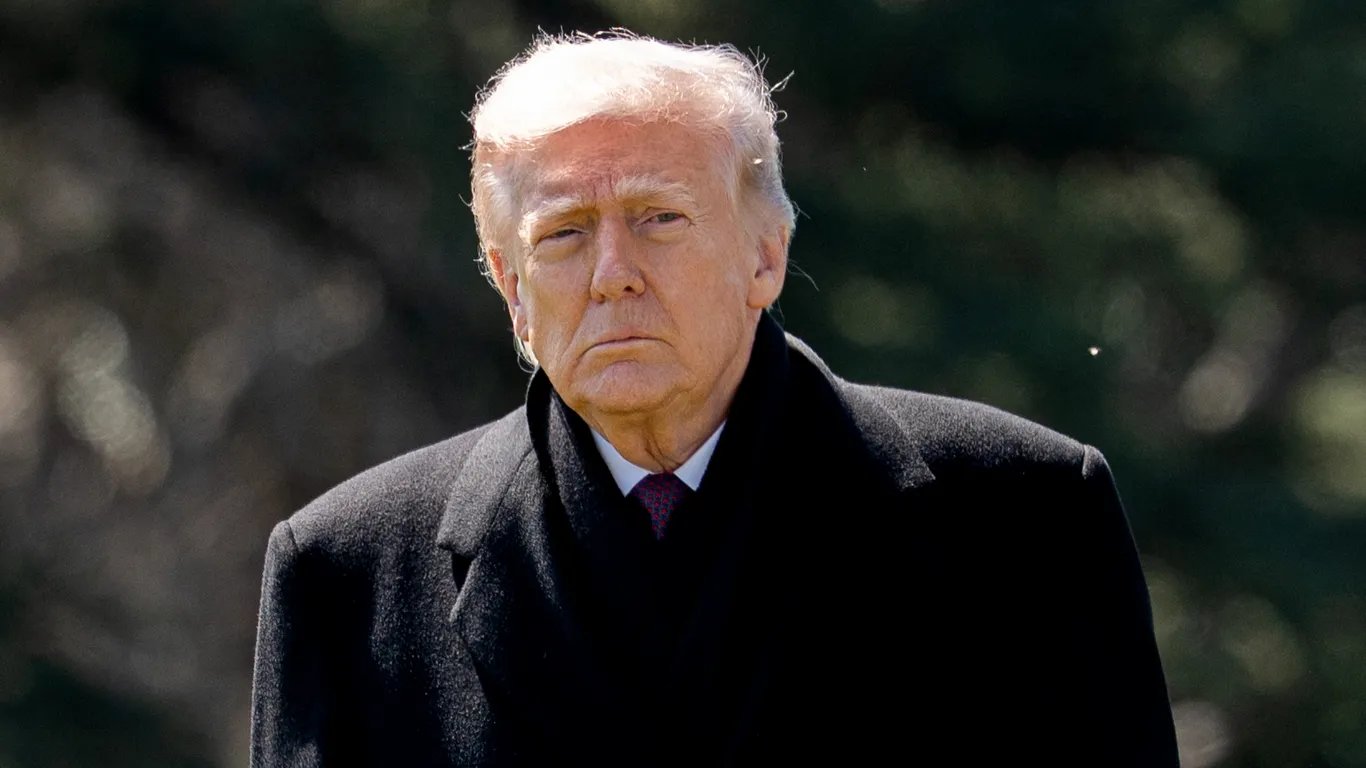
The military actions have strained relations between Israel and the United States. President Donald Trump publicly expressed his disapproval of the strikes on Iranian energy sites, stating he had urged Israel to refrain from further attacks to avoid destabilizing global energy supplies. Netanyahu, however, insisted that Israel "acted alone" in these operations and stated that future attacks would be paused at Trump's request. This divergence highlights the complexities of U.S.-Israeli coordination amid escalating tensions.
The Iranian strikes on Gulf oil facilities triggered a surge in oil prices, with the UK benchmark briefly peaking at nearly 183 pence per therm before settling back to 154.8 pence, representing an 11.3% increase. Qatar's Prime Minister, Mohammed bin Abdurrahman Al-Thani, warned that the attacks would have "significant repercussions" for global energy supplies, emphasizing the far-reaching economic consequences of the conflict.
As the conflict intensifies, the humanitarian situation in Iran worsens. The US-based group Human Rights Activists in Iran reports that 3,114 people have been killed in Iran, including 1,354 civilians, since the onset of hostilities. Iranians are experiencing a somber Nowruz, with many feeling the weight of the ongoing war. Citizens express concerns over the destruction of their country's infrastructure and the psychological toll of living under constant threat of airstrikes.
Iran has intensified its military responses, targeting energy infrastructure in Gulf states. The Iranian Foreign Minister, Abbas Araghchi, stated that the country had used only a fraction of its military capabilities in its retaliation and warned of "zero restraint" should further strikes occur against its infrastructure. These attacks have forced Gulf states, including Kuwait and the United Arab Emirates, to bolster their defenses amid fears of further escalation.
Gulf Cooperation Council leaders, gathered in Saudi Arabia, expressed their concerns over Iran's aggressive actions. Saudi Foreign Minister Prince Faisal bin Farhan Al Saud noted that the attacks were intended to intimidate regional leaders and emphasized that trust between Iran and its neighbors has been severely damaged.
The EU's statement underscores the international community's desire to mitigate the conflict's impact on global stability.
As the conflict continues, both Israel and Iran appear entrenched in their positions, with each side refusing to back down. Netanyahu has reiterated that Israel aims to weaken Iran's military capabilities, while Iran remains defiant in its retaliatory strategy. The ongoing war raises questions about regional security and the potential for broader conflict, leaving civilians in both nations to bear the brunt of the escalating violence.
Israel launched additional airstrikes in and around Tehran early Friday, coinciding with the Persian New Year celebrations known as Nowruz. This marks the continuation of military actions that have persisted since the conflict escalated three weeks ago. Israeli Prime Minister Benjamin Netanyahu confirmed that Israel targeted Iran's South Pars gas field, the world’s largest natural gas field, prompting Iranian retaliation against multiple energy facilities across the Gulf, including a strike on Qatar's Ras Laffan, which is a vital energy hub.
The military actions have strained relations between Israel and the United States. President Donald Trump publicly expressed his disapproval of the strikes on Iranian energy sites, stating he had urged Israel to refrain from further attacks to avoid destabilizing global energy supplies. Netanyahu, however, insisted that Israel "acted alone" in these operations and stated that future attacks would be paused at Trump’s request. This divergence highlights the complexities of U.S.-Israeli coordination amid escalating tensions.
The Iranian strikes on Gulf oil facilities triggered a surge in oil prices, with the UK benchmark briefly peaking at nearly 183 pence per therm before settling back to 154.8 pence, representing an 11.3% increase. Qatar’s Prime Minister, Mohammed bin Abdurrahman Al-Thani, warned that the attacks would have "significant repercussions" for global energy supplies, emphasizing the far-reaching economic consequences of the conflict.
As the conflict intensifies, the humanitarian situation in Iran worsens. Reports indicate that 3,114 people, including 1,354 civilians, have been killed since the onset of hostilities. Iranians are experiencing a somber Nowruz, with many feeling the weight of the ongoing war. Citizens express concerns over the destruction of their country's infrastructure and the psychological toll of living under constant threat of airstrikes.
Iran has intensified its military responses, targeting energy infrastructure in Gulf states. The Iranian Foreign Minister, Abbas Araghchi, stated that the country had used only a fraction of its military capabilities in its retaliation and warned of "zero restraint" should further strikes occur against its infrastructure. These attacks have forced Gulf states, including Kuwait and the United Arab Emirates, to bolster their defenses amid fears of further escalation.
Gulf Cooperation Council leaders, gathered in Saudi Arabia, expressed their concerns over Iran's aggressive actions. Saudi Foreign Minister Prince Faisal bin Farhan Al Saud noted that the attacks were intended to intimidate regional leaders and emphasized that trust between Iran and its neighbors has been severely damaged. The prospect of Gulf nations entering the conflict remains a possibility, as leaders discuss their military capabilities and the need for collective security.
European Union leaders have called for an immediate halt to strikes targeting civilian and energy infrastructure. They expressed concern over the humanitarian impact of the war and urged for a reopening of the Strait of Hormuz, a critical shipping route for global oil supplies. The EU's statement underscores the international community's desire to mitigate the conflict's impact on global stability.
As the conflict continues, both Israel and Iran appear entrenched in their positions, with each side refusing to back down. Netanyahu has reiterated that Israel aims to weaken Iran's military capabilities, while Iran remains defiant in its retaliatory strategy. The ongoing war raises questions about regional security and the potential for broader conflict, leaving civilians in both nations to bear the brunt of the escalating violence.
Highlighted text was flagged by the council. Tap to see feedback.






The sources also report that the Israeli airstrike targeted Iran's South Pars gas field, which is the world's largest natural gas field, prompting Iranian retaliation against multiple energy facilities across the Gulf.