Israel has confirmed the death of Iran's Minister of Intelligence, Esmail Khatib, in an overnight precision strike, according to Israeli Defense Minister Israel Katz. This assassination marks a significant escalation in the ongoing conflict, as it follows the killing of two other high-ranking Iranian officials, Ali Larijani and Gholamreza Soleimani, within a span of 24 hours. Katz stated, "Israel's policy is clear and unequivocal: no one in Iran has immunity—everyone is a target."
In response to the assassinations, Iran launched missile strikes targeting central Israel, including the Tel Aviv area, resulting in the deaths of two individuals in Ramat Gan. These attacks are part of a broader Iranian retaliation, which has reportedly resulted in approximately 1,300 deaths in Iran, 922 in Lebanon, and 16 in Israel since the conflict began on February 28. Iran's Foreign Minister, Abbas Araghchi, emphasized that the recent killings would not destabilize Iran's political system, asserting that the country possesses a "strong political structure."
The strike on Khatib was reportedly facilitated by a collaborative intelligence effort between the U.S. and Israel. A senior Israeli official claimed that Khatib was involved in plots targeting American officials. The official described the strike as part of a larger military operation, dubbed "Operation Epic Fury," which has aimed to decimate Iran's leadership and military capabilities.
The assassination of Khatib is part of a series of targeted killings by Israel, which has already claimed the lives of several key Iranian figures since the onset of the war.
The U.S. State Department recently offered a $10 million reward for information on senior Iranian officials, including Khatib. The ongoing conflict has already drawn in U.S. military forces, with 13 American service members reported killed and around 200 wounded since the beginning of hostilities.
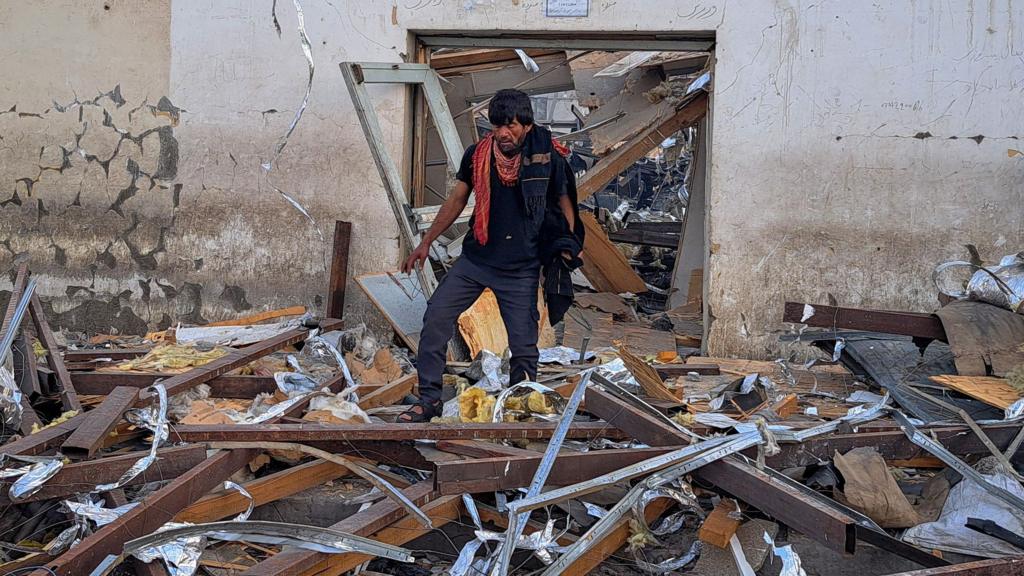
The conflict has had devastating effects on civilians, with reports of widespread damage in both Iran and Lebanon. Israel struck central Beirut, killing 10 people and destroying residential buildings. Families continue to flee Iran amid fears of government reprisals, contributing to a growing refugee situation as the conflict intensifies.
As Israel continues its campaign against Iranian leadership, the potential for further military action remains high. Analysts warn that the targeted killings could provoke even more aggressive responses from Iran, making an already volatile situation even more precarious. The international community is urged to seek diplomatic solutions to prevent further escalation and to address the humanitarian crisis resulting from the ongoing conflict.
Israel has confirmed the death of Iran's Minister of Intelligence, Esmail Khatib, in an overnight precision strike, according to Israeli Defense Minister Israel Katz. This assassination marks a significant escalation in the ongoing conflict, as it follows the killing of two other high-ranking Iranian officials, Ali Larijani and Gholamreza Soleimani, within a span of 24 hours. Katz stated, "Israel's policy is clear and unequivocal: no one in Iran has immunity—everyone is a target."
In response to the assassinations, Iran launched missile strikes targeting central Israel, including the Tel Aviv area, resulting in the deaths of two individuals in Ramat Gan. These attacks are part of a broader Iranian retaliation, which has reportedly resulted in approximately 1,300 deaths in Iran, 922 in Lebanon, and 16 in Israel since the conflict began on February 28. Iran's Foreign Minister, Abbas Araghchi, emphasized that the recent killings would not destabilize Iran's political system, asserting that the country possesses a "strong political structure."
The strike on Khatib was reportedly facilitated by a collaborative intelligence effort between the U.S. and Israel. A senior Israeli official claimed that Khatib was involved in plots targeting American officials, including President Donald Trump. The official described the strike as part of a larger military operation, dubbed "Operation Epic Fury," which has aimed to decimate Iran's leadership and military capabilities.
The assassination of Khatib is part of a series of targeted killings by Israel, which has already claimed the lives of several key Iranian figures since the onset of the war. The Israeli military has been granted standing authorization to eliminate other senior Iranian officials without seeking further approval. Israeli military analysts view Khatib as a significant figure close to Iran's new supreme leader, Mojtaba Khamenei, suggesting that his death could have far-reaching implications for Iran's leadership structure.
The U.S. State Department recently offered a $10 million reward for information on senior Iranian officials, including Khatib. As tensions escalate, the international community is closely monitoring the situation, with some analysts expressing concern over the potential for further destabilization in the region. The ongoing conflict has already drawn in U.S. military forces, with 13 American service members reported killed and around 200 wounded since the beginning of hostilities.
The conflict has had devastating effects on civilians, with reports of widespread damage in both Iran and Lebanon. In Beirut, Israeli airstrikes have killed at least 10 people and destroyed residential buildings, exacerbating the humanitarian crisis in the region. Families continue to flee Iran amid fears of government reprisals, contributing to a growing refugee situation as the conflict intensifies.
As Israel continues its campaign against Iranian leadership, the potential for further military action remains high. Analysts warn that the targeted killings could provoke even more aggressive responses from Iran, making an already volatile situation even more precarious. The international community is urged to seek diplomatic solutions to prevent further escalation and to address the humanitarian crisis resulting from the ongoing conflict.
Highlighted text was flagged by the council. Tap to see feedback.