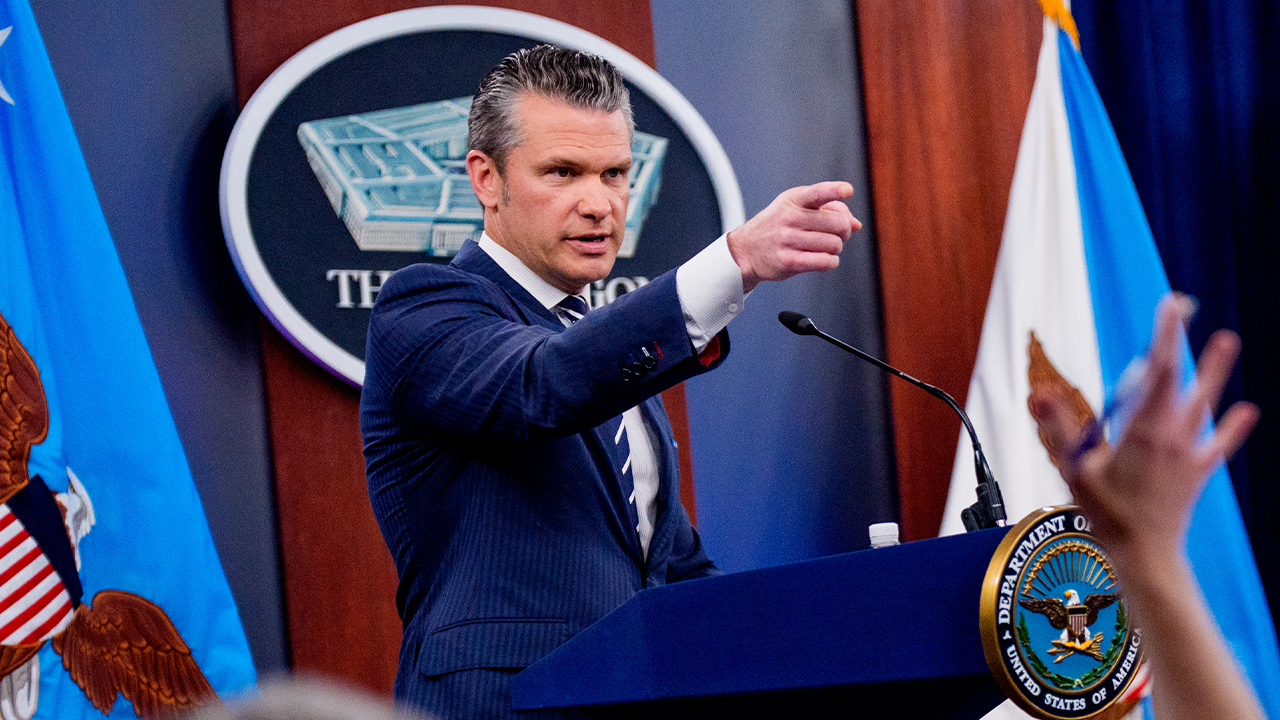
A federal judge ruled Friday that the Pentagon's policy restricting press access is unconstitutional, siding with The New York Times in a lawsuit alleging violations of the First and Fifth Amendments. U.S. District Judge Paul Friedman determined that the policy, implemented by Defense Secretary Pete Hegseth, gave the Department of Defense too much power to punish reporters and outlets over coverage it disliked.
The Pentagon's press access policy, introduced in October, required media organizations to pledge not to gather information unless the Department of Defense formally authorized its release. The policy prohibited journalists from soliciting information that the defense department didn't directly provide, and revoked the credentials of any outlet that didn't sign on. News outlets including the Washington Post, the Wall Street Journal, Associated Press, Reuters, Bloomberg News and the Atlantic joined TV networks in refusing to sign. Only one of 56 news outlets in the Pentagon Press Association agreed to sign onto the new policy.
Judge Friedman's 40-page ruling stated, "Those who drafted the First Amendment believed that the nation's security requires a free press and an informed people and that such security is endangered by governmental suppression of political speech." He argued the policy was vague and could chill critical speech, potentially leading journalists to avoid asking questions to prevent losing their credentials. He also noted the importance of public access to information, especially considering the "country's recent incursion into Venezuela and its ongoing war with Iran."
The New York Times alleged viewpoint discrimination, pointing to reporters and outlets who signed the Pentagon's pledge and are outspoken supporters of President Donald Trump. Judge Friedman pointed to instances of Defense Secretary Pete Hegseth criticizing news outlets in harsh terms. He raised the issue of right-wing influencer Laura Loomer being allowed access to the Pentagon despite setting up a "tip line," while a similar request for tips by The Washington Post was deemed inappropriate.
Pentagon spokesman Sean Parnell stated the department disagreed with the decision and is pursuing an immediate appeal. The Pentagon has argued that it isn't forcing reporters to clear their stories with the military, and is instead trying to protect national security by preventing leaks of highly sensitive information.
The ruling orders the Pentagon to reinstate press passes for New York Times reporter Julian E. Barnes and other Times reporters. The Pentagon Press Association "celebrates" the decision and called for the "immediate reinstatement of the credentials of all PPA members." The Freedom of the Press Foundation called the policy a "sweeping prior restraint."
A federal judge ruled Friday that the Pentagon's policy restricting press access is unconstitutional, siding with The New York Times in a lawsuit alleging violations of the First and Fifth Amendments. U.S. District Judge Paul Friedman determined that the policy, implemented by Defense Secretary Pete Hegseth, gave the Department of Defense too much power to punish reporters and outlets over coverage it disliked. The ruling effectively ends a policy that caused many news organizations to leave the Pentagon.
The Pentagon’s press access policy, introduced in October, required media organizations to pledge not to gather information unless the Department of Defense formally authorized its release. The policy prohibited journalists from soliciting information that the defense department didn’t directly provide, and revoked the credentials of any outlet that didn’t sign on. News outlets including the Washington Post, the Wall Street Journal, Associated Press, Reuters, Bloomberg News and the Atlantic joined TV networks in refusing to sign. Only one of 56 news outlets in the Pentagon Press Association agreed to sign onto the new policy.
Judge Friedman's 40-page ruling stated, "Those who drafted the First Amendment believed that the nation’s security requires a free press and an informed people and that such security is endangered by governmental suppression of political speech." He argued the policy was vague and could chill critical speech, potentially leading journalists to avoid asking questions to prevent losing their credentials. He also noted the importance of public access to information, especially considering the "country's recent incursion into Venezuela and its ongoing war with Iran."
The New York Times alleged viewpoint discrimination, pointing to reporters and outlets who signed the Pentagon's pledge and are outspoken supporters of President Donald Trump. Judge Friedman pointed to instances of Defense Secretary Pete Hegseth criticizing news outlets in harsh terms, and warmer treatment of more supportive outlets. He raised the issue of right-wing influencer Laura Loomer being allowed access to the Pentagon despite setting up a "tip line," while a similar request for tips by The Washington Post was deemed inappropriate.
Pentagon spokesman Sean Parnell stated the department disagreed with the decision and is pursuing an immediate appeal. The Pentagon has argued that it isn't forcing reporters to clear their stories with the military, and is instead trying to protect national security by preventing leaks of highly sensitive information.
The ruling orders the Pentagon to reinstate press passes for Julian E. Barnes and several other Times reporters. The Pentagon Press Association "celebrates" the decision and called for the "immediate reinstatement of the credentials of all PPA members." The Freedom of the Press Foundation called the policy a "sweeping prior restraint."
In other legal news, the DOJ asked a court to drop charges against two former officers accused of providing false information on a search warrant that led to the 2020 Breonna Taylor raid. Federal prosecutors initially brought charges against Joshua Jaynes and Kyle Meany in 2022, alleging they provided false information on the search warrant that allowed police to enter Taylor's Louisville home. The judge has yet to issue a ruling.
Highlighted text was flagged by the council. Tap to see feedback.