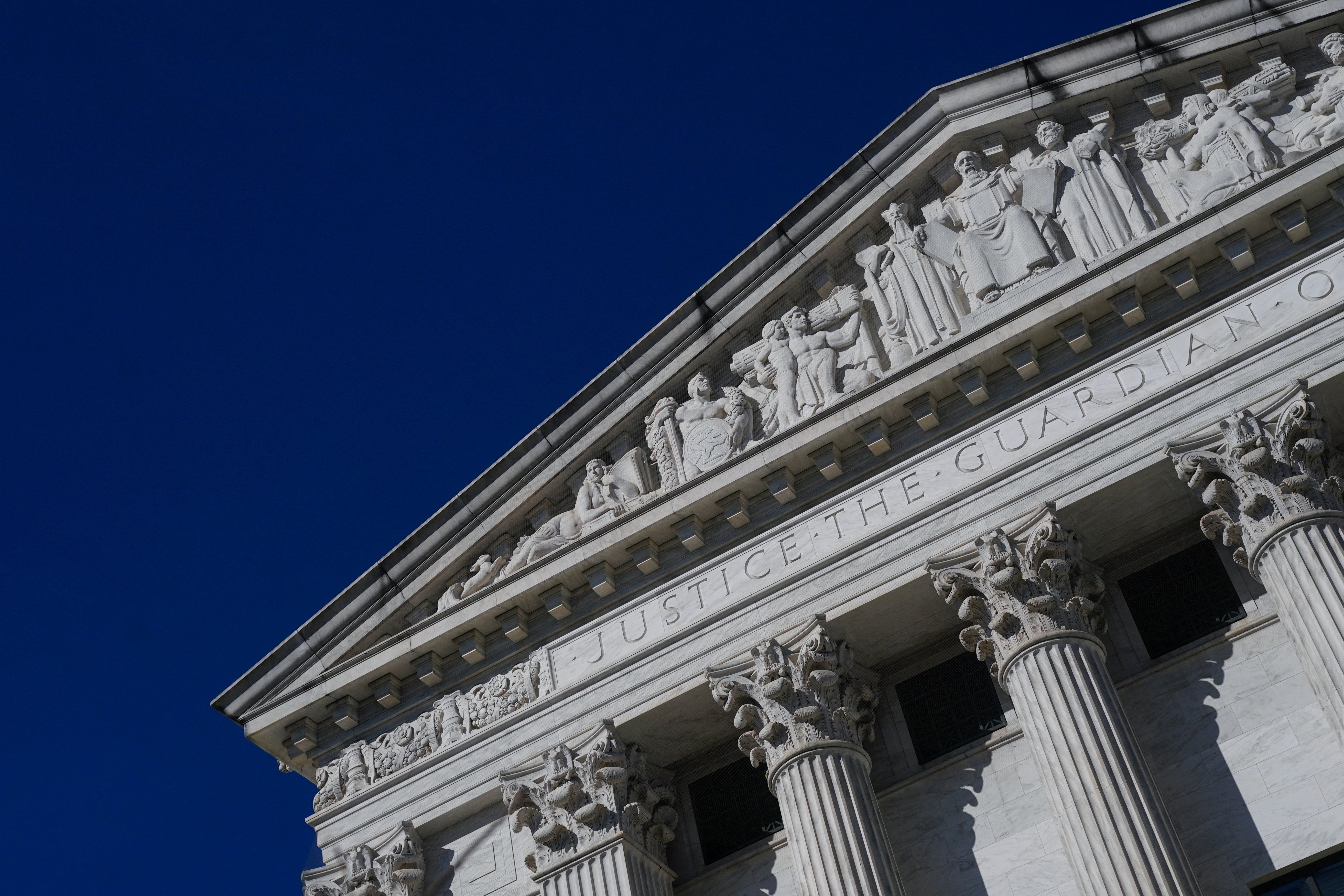
The Missouri Supreme Court upheld a new Republican-drawn congressional map, ruling that state law does not prohibit mid-decade redistricting. In a decisive 4-3 ruling, Judge Zel M. Fischer stated the General Assembly holds the authority to redistrict more frequently than once a decade, asserting that "the obligation to legislate congressional districts once a decade does not limit" this power. The map is designed to net the GOP a House seat in the 2026 midterm elections.
The map, signed into law by Missouri's Republican governor, is designed specifically to assist Republicans in unseating Democratic Representative Emanuel Cleaver. The new boundaries shift parts of Kansas City into more rural and Republican-leaning districts, a strategy aimed at consolidating Republican votes. Six Republican candidates have already filed to run for the newly drawn seat ahead of the August primary, underscoring the urgency and potential consequences of this redistricting.
Opponents of the map are mobilizing against it, with the advocacy group People Not Politicians claiming they have gathered enough signatures to qualify a voter referendum on the issue. However, Republican Secretary of State Denny Hoskins has yet to certify these signatures. Additionally, the NAACP is pursuing a separate lawsuit challenging the map's validity after losing a case in trial court last month. These legal battles reflect the contentious nature of redistricting and its implications for voter representation.
This ruling is part of a broader trend in which Republican-controlled states are actively redrawing congressional maps to bolster their electoral chances. Following calls from President Donald Trump for states to revise their congressional boundaries, six states enacted new maps in 2025. As this redistricting arms race unfolds, voters in Virginia are preparing to weigh in on a Democratic-drawn map next month, while Florida's Republican lawmakers are gearing up for a special session on redistricting.
The Missouri Supreme Court's ruling serves as a pivotal moment in the state's political landscape, with potential ramifications that extend beyond its borders.
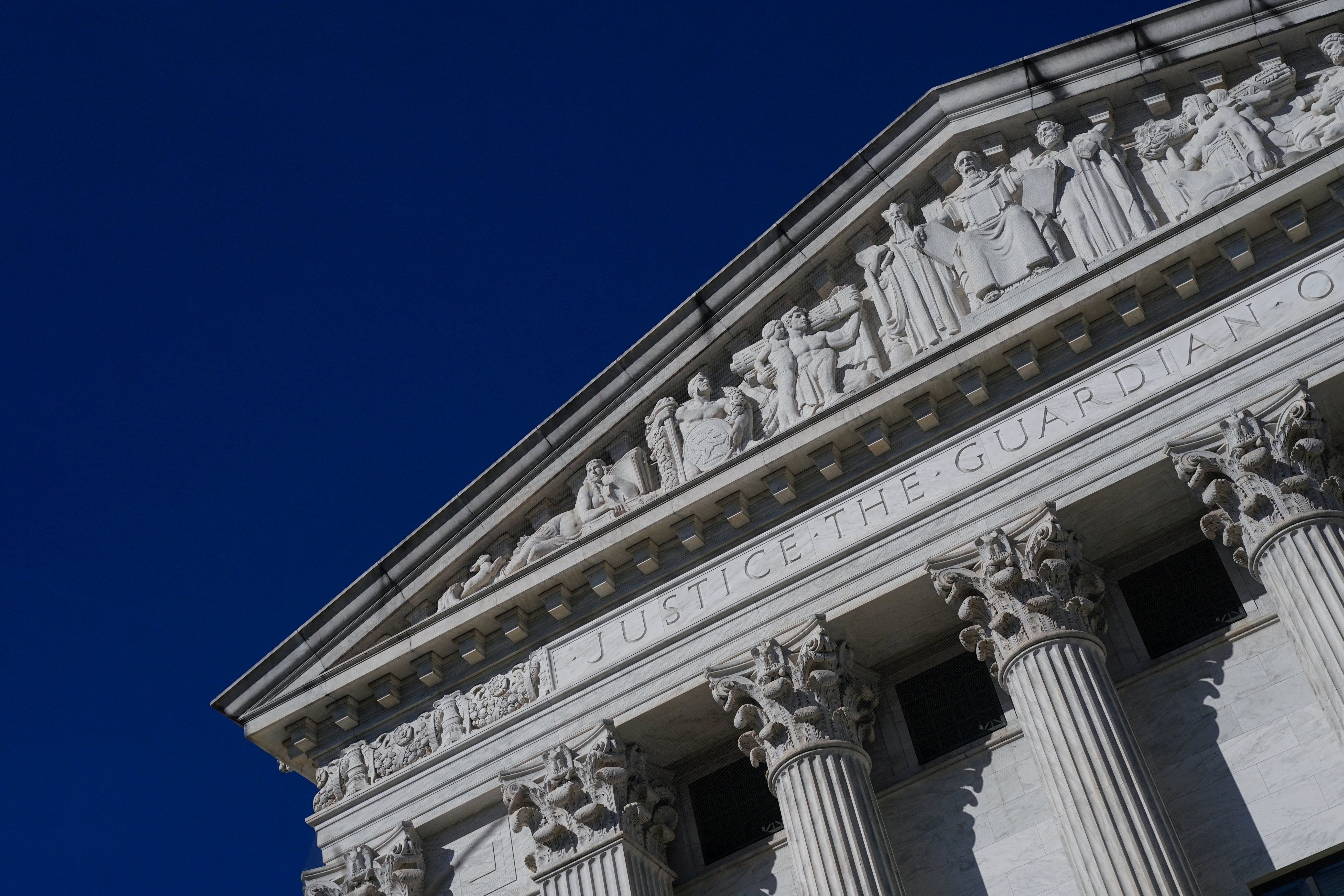
The Missouri Supreme Court upheld a new Republican-drawn congressional map, ruling that state law does not prohibit mid-decade redistricting. In a decisive 4-3 ruling, Judge Zel M. Fischer stated the General Assembly holds the authority to redistrict more frequently than once a decade, asserting that “the obligation to legislate congressional districts once a decade does not limit” this power. This decision is expected to significantly impact the upcoming midterm elections by potentially allowing the GOP to gain a House seat.
The map, signed into law by Missouri's Republican governor, is designed specifically to assist Republicans in unseating Democratic Representative Emanuel Cleaver. The new boundaries shift parts of Kansas City into more rural and Republican-leaning districts, a strategy aimed at consolidating Republican votes. Six Republican candidates have already filed to run for the newly drawn seat ahead of the August primary, underscoring the urgency and potential consequences of this redistricting.
Opponents of the map are mobilizing against it, with the advocacy group People Not Politicians claiming they have gathered enough signatures to qualify a voter referendum on the issue. However, Republican Secretary of State Denny Hoskins has yet to certify these signatures. Additionally, the NAACP is pursuing a separate lawsuit challenging the map's validity after losing a case in trial court last month. These legal battles reflect the contentious nature of redistricting and its implications for voter representation.
This ruling is part of a broader trend in which Republican-controlled states are actively redrawing congressional maps to bolster their electoral chances. Following calls from former President Donald Trump for states to revise their congressional boundaries, six states enacted new maps in 2025. As this redistricting arms race unfolds, voters in Virginia are preparing to weigh in on a Democratic-drawn map next month, while Florida’s Republican lawmakers are gearing up for a special session on redistricting.
The Missouri Supreme Court's ruling serves as a pivotal moment in the state's political landscape, with potential ramifications that extend beyond its borders. As the deadline for the August primary approaches, both supporters and opponents of the new map are gearing up for an intense electoral battle. The outcome of these contests will not only affect individual races but could also shape the broader dynamics of the 2026 midterms, influencing how voters engage with the electoral process in Missouri and beyond.
Highlighted text was flagged by the council. Tap to see feedback.







The sources also report that People Not Politicians has sued to put the map on hold while the referendum is decided. The NAACP also appealed their lawsuit to the Missouri Supreme Court.