



Mississippi Law Under Scrutiny
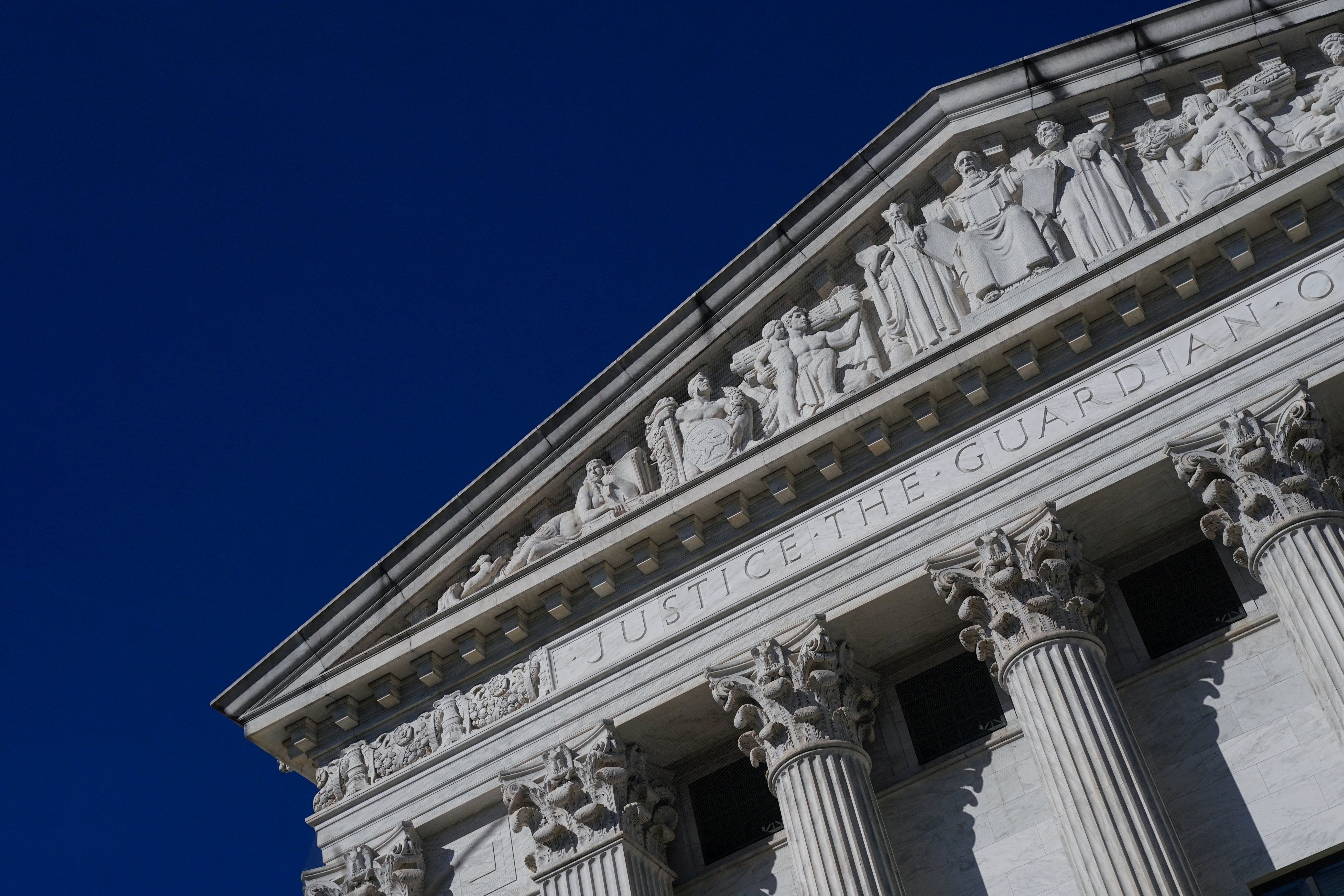
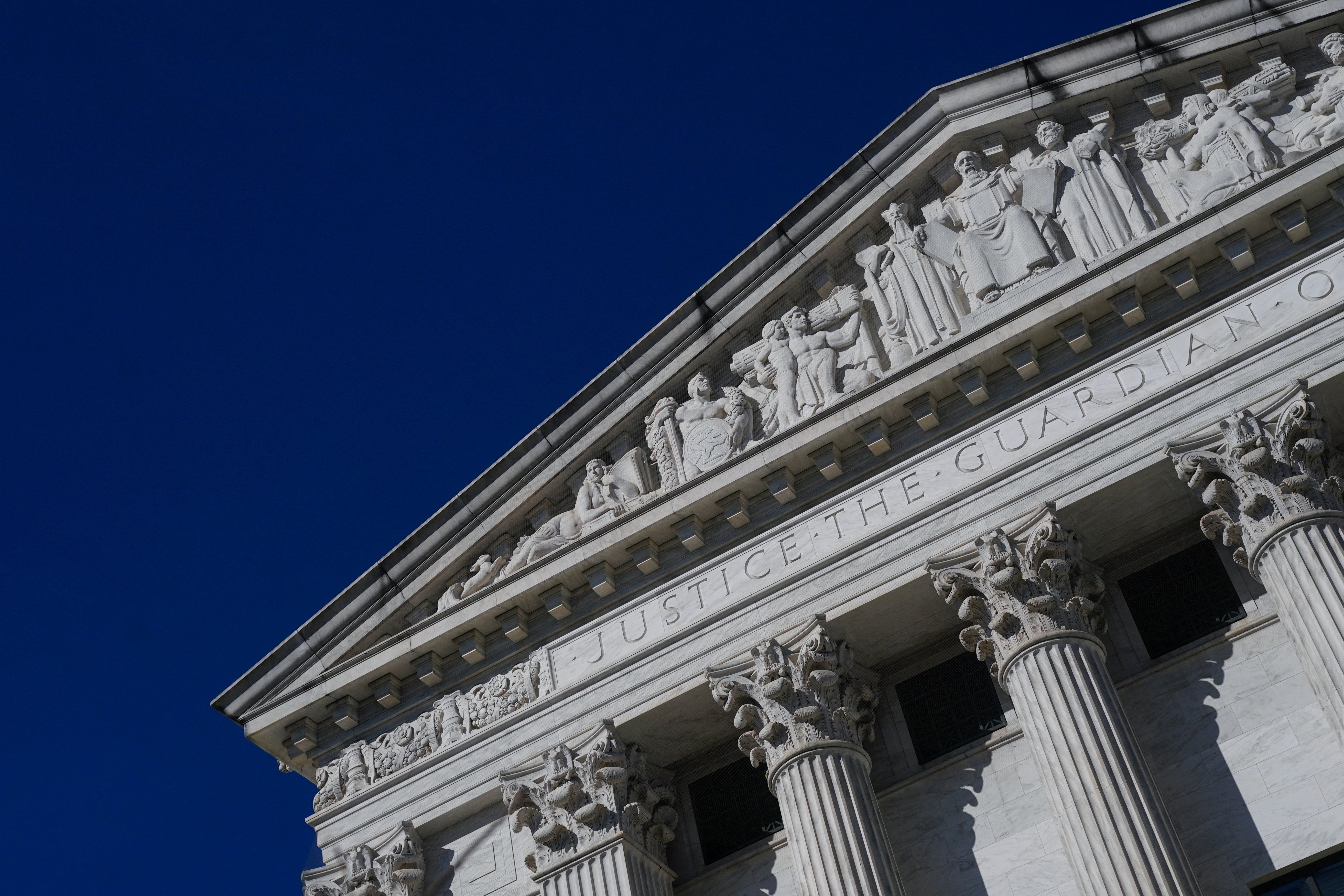
The Supreme Court is hearing arguments regarding mail-in voting laws, specifically focusing on whether states can count ballots postmarked by Election Day but received afterward. The case centers on a Mississippi law that allows ballots arriving up to five days after Election Day to be counted if postmarked beforehand. This law is being challenged by the Republican National Committee and the Libertarian Party of Mississippi.

The sources also report that the Trump administration filed a brief supporting the challenge to Mississippi's law.
National Implications for Voting
The outcome of the case could impact similar laws in over a dozen states and territories. Currently, 14 states allow grace periods for mail-in ballots, ranging from one day in Texas to 21 days in Washington. A total of 29 states allow extra time for military and overseas ballots. If the Supreme Court strikes down Mississippi's law, it could force states to scramble to adjust their election procedures with only months before absentee ballots are sent out.

The sources also report that 13 other states have laws similar to Mississippi's regarding mail-in ballots.
Arguments For and Against Grace Periods
Those challenging the Mississippi law argue that federal law designates Election Day as the Tuesday after the first Monday in November, implying ballots must be received by then. Supporters of the law contend that states have the right to set their own voting rules, as granted by the Constitution, which gives states the authority to set the "times, places and manner" of elections. They also argue that eliminating grace periods could create confusion and disenfranchisement.
Impact on Voters and Elections
Stuart Holmes, director of elections for the Washington Secretary of State's office, estimates that 127,000 ballots could be rejected if Mississippi loses the case, based on the number of ballots received after Election Day in 2024. Ohio state Sen. Theresa Gavarone argues that allowing ballots to arrive after Election Day hurts the integrity of elections. The ruling could affect ballot verification activities, provisional ballot processing, and the processing of military and overseas ballots.
States React to Potential Changes
Four states — Ohio, Kansas, North Dakota and Utah — eliminated grace periods last year. Minnesota shortened its ballot deadline to 5 p.m. on Election Day. Ohio Gov. Mike DeWine said the Mississippi lawsuit forced his hand, fearing a ruling against Mississippi would jeopardize similar laws in other states, including Ohio.
Communication is Key for Voters
Katy Owens Hubler, elections program director at the National Conference of State Legislatures, emphasized the need to quickly inform voters of any changes resulting from the Supreme Court's ruling. She said that if there is a change from a postmarked-by to a received-by date, that needs to be communicated well in advance. In response to potential Postal Service processing delays, some states have proposed extending their ballot deadlines.

The NBC article states that Mississippi's Republican attorney general is defending the law, even against the Republican National Committee and Mississippi's own Republican Party, who are challenging it.