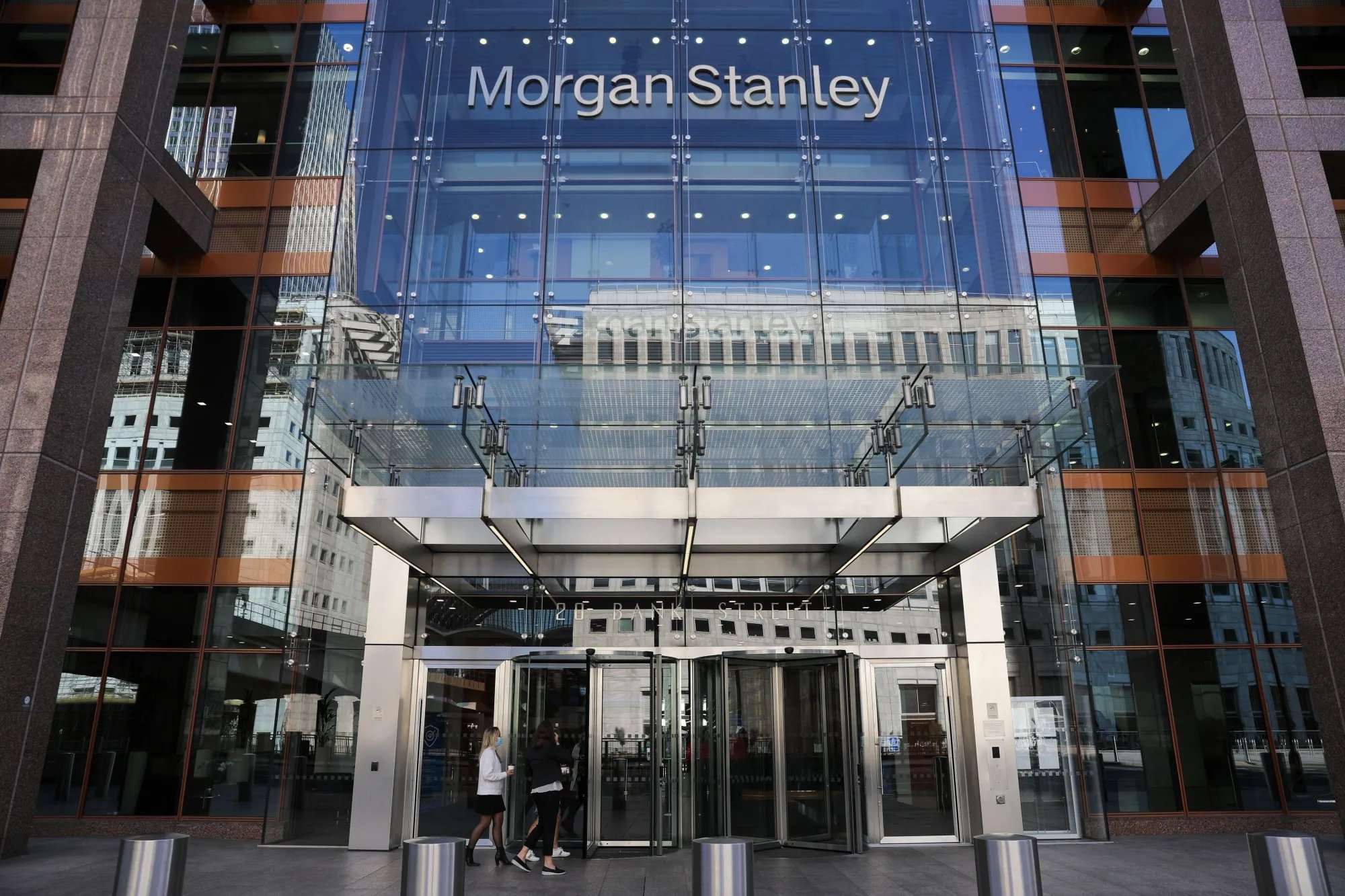





Morgan Stanley Restricts Redemptions at Private Credit Fund
Morgan Stanley has blocked investors from pulling money from its $11 billion private credit fund after withdrawal requests surged beyond what the fund could handle, according to people familiar with the matter. The restriction, known as a gate, prevents thousands of wealthy investors from accessing their capital in a market that manages $1.5 trillion in direct-lending assets. The fund's managers enacted the limit when redemption requests exceeded the quarterly withdrawal cap, forcing them to choose between selling assets at fire-sale prices or restricting investor access.
How the Fund Worked Before
The Morgan Stanley fund typically allowed investors to redeem up to 5 percent of their holdings each quarter, according to fund documents. Investors needed to give 45 days notice before the quarter's end to access their money. The fund invested in private company loans, real estate debt, and other credit instruments that are difficult to sell quickly. These investments generated returns by charging borrowers higher interest rates than the fund paid to investors, with the difference representing profit.
The Surge in Withdrawal Requests
Withdrawal requests jumped to levels that would have required the fund to sell between 15 and 20 percent of its assets to meet demand, according to sources who requested anonymity because they weren't authorized to speak publicly.
What This Means for Investors
Investors who requested redemptions will have their money returned on a pro-rata basis up to the quarterly limit, with remaining requests carried forward to future quarters. Those who missed the 45-day deadline must wait until the next quarter to submit new requests. Investors face potential losses if the fund needs to sell assets at discounts to meet future redemption requests.
The Broader Market Impact
Morgan Stanley and Cliffwater LLC capped withdrawals from their multibillion-dollar private credit funds after investors sought to redeem vastly more than the vehicles allow, according to Bloomberg. The restrictions signal stress in the $1.5 trillion direct-lending market where funds have locked up investor money in long-term loans. KKR's publicly traded private credit fund also reported near-term returns pressure, with CFO Robert Lewin telling investors that market conditions have made it challenging to maintain previous performance levels. The wave of redemption requests suggests investors are growing concerned about liquidity in private credit markets.
Why Investors Want Out
Rising interest rates have made traditional savings accounts and money market funds more attractive, offering 4-5 percent returns with daily liquidity. Private credit funds typically lock up investor money for years and have become less appealing as safer alternatives pay competitive rates. Some investors also fear that economic uncertainty could lead to higher default rates on the loans these funds hold. The combination of better alternatives elsewhere and increased risk has prompted many to seek exits.
What Happens Next
The fund will continue operating normally except for the redemption restrictions, collecting interest payments from borrowers and making new loans. Morgan Stanley must decide whether to gradually sell assets to meet future redemption requests or maintain restrictions if withdrawal requests remain high. The fund's managers have started calling investors to explain the situation and discourage additional redemption requests. Legal experts say investors have limited recourse since fund documents clearly allow gates under these circumstances.