The Cost Emerges in Congressional Hearing
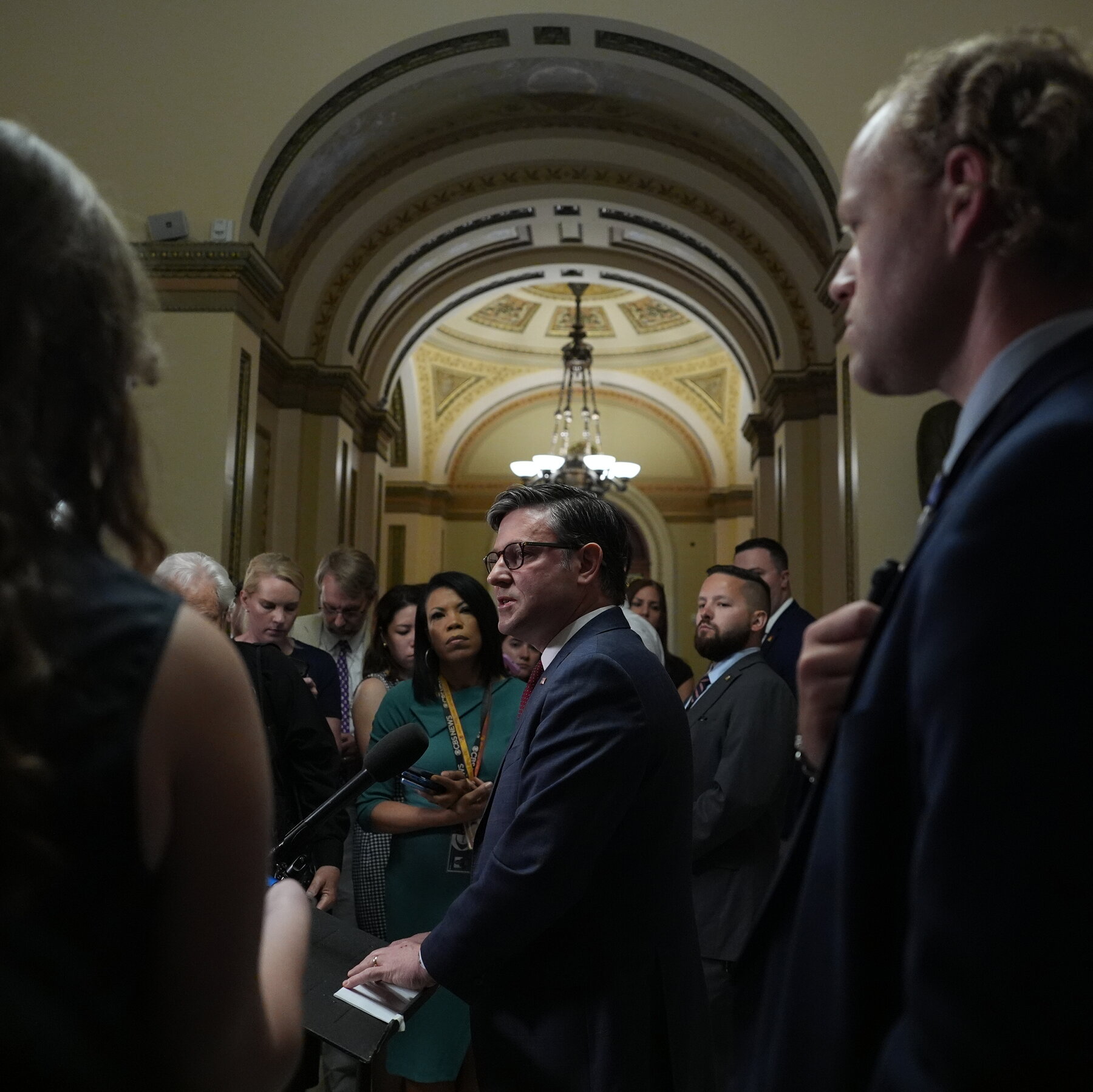
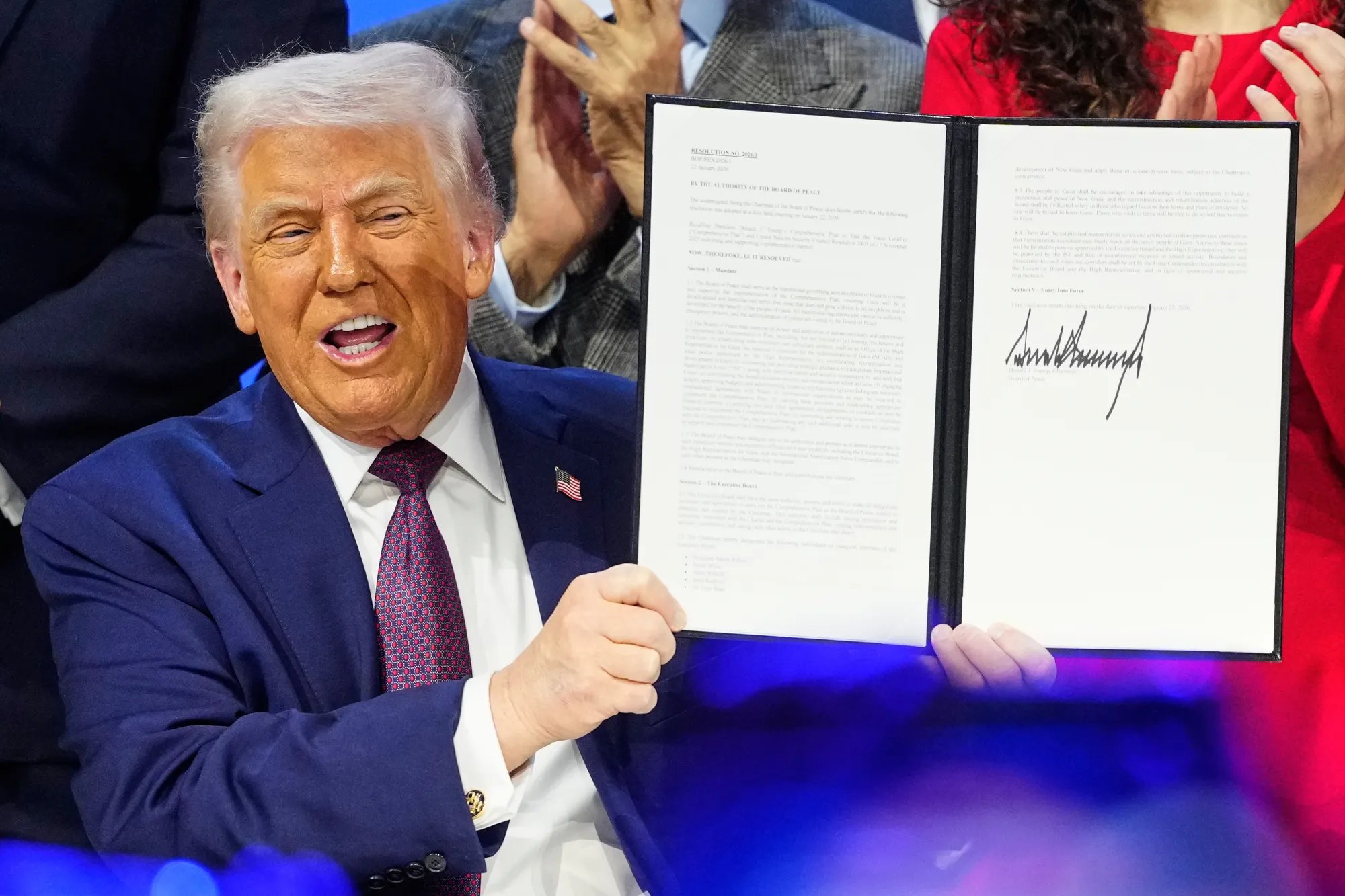
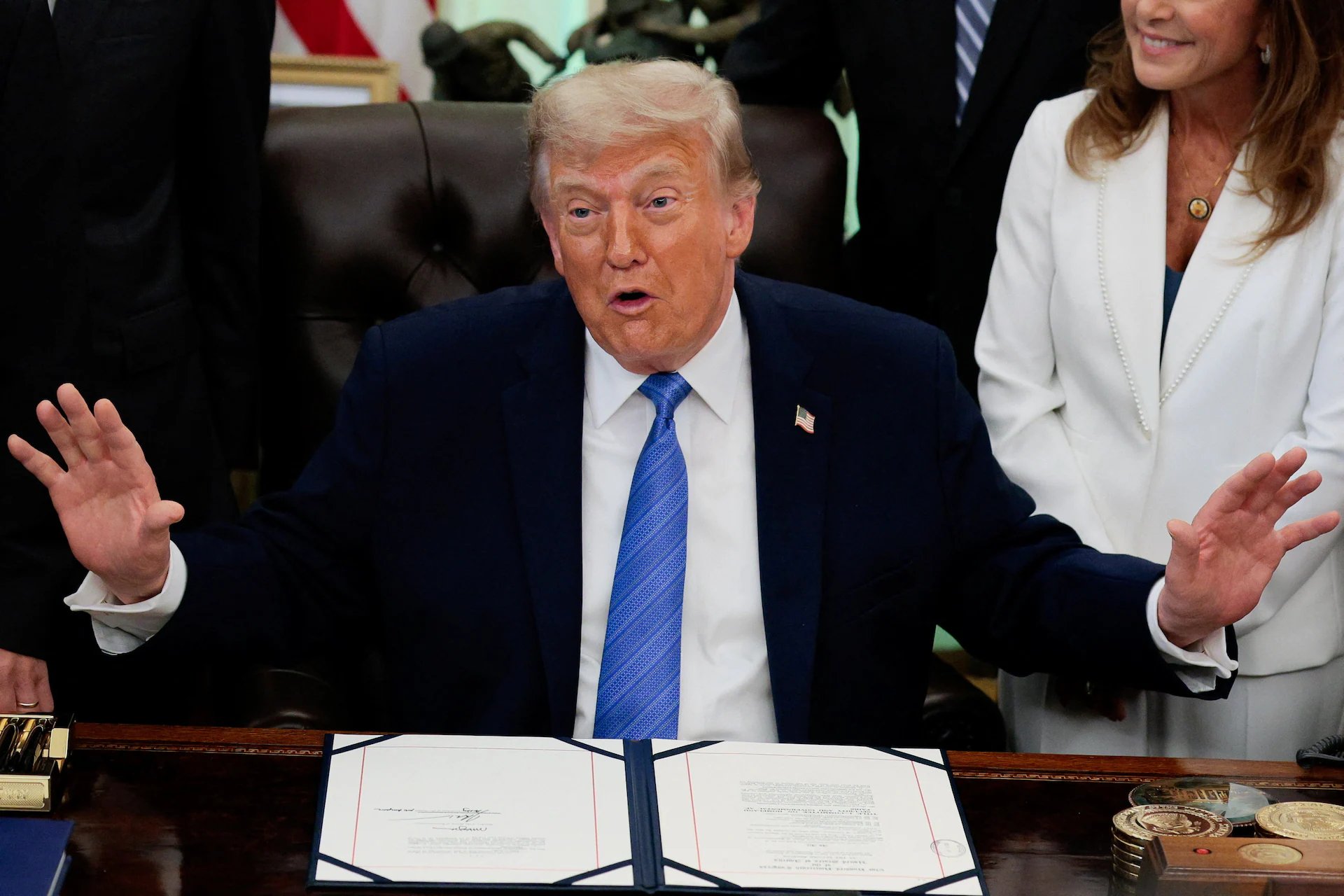
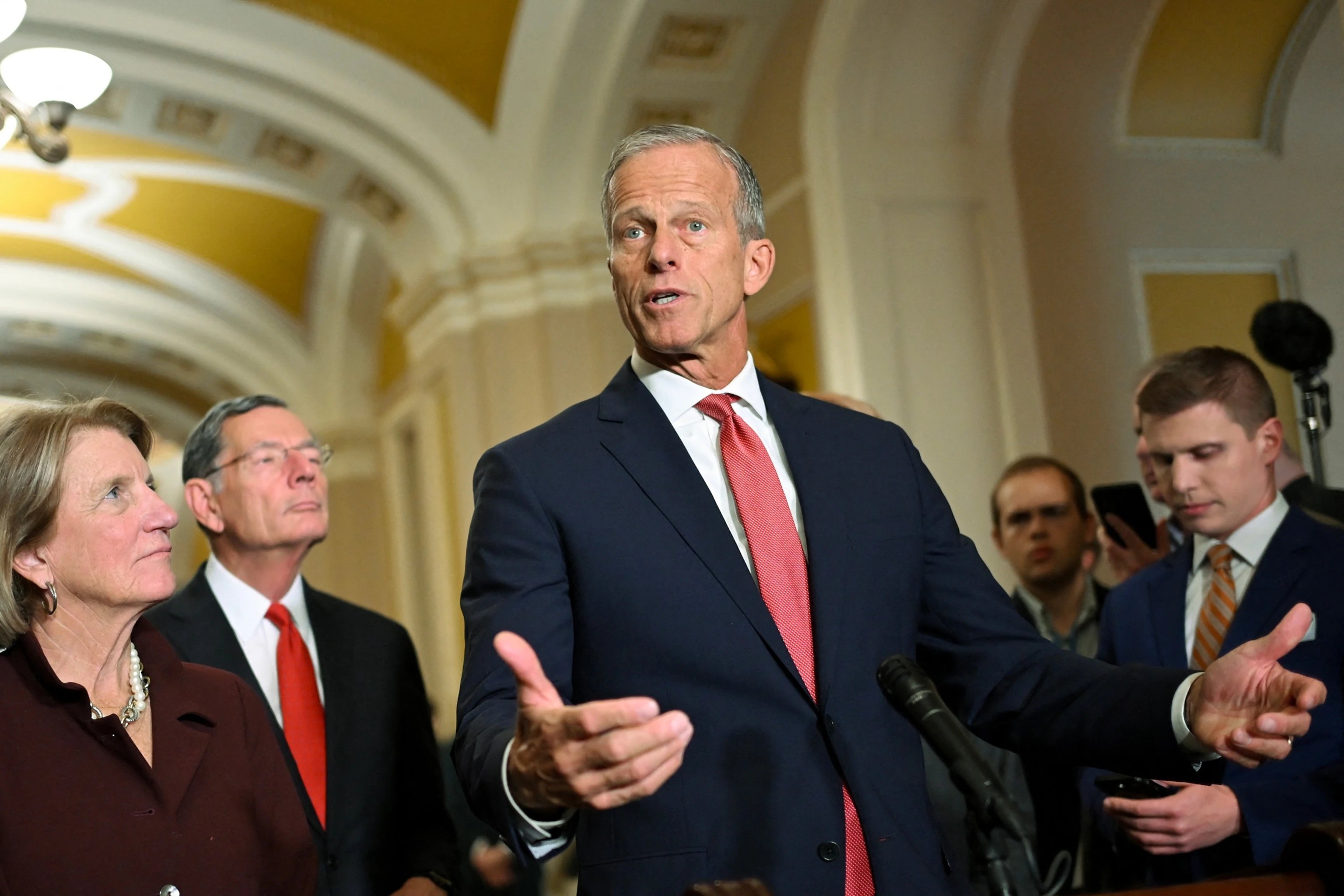
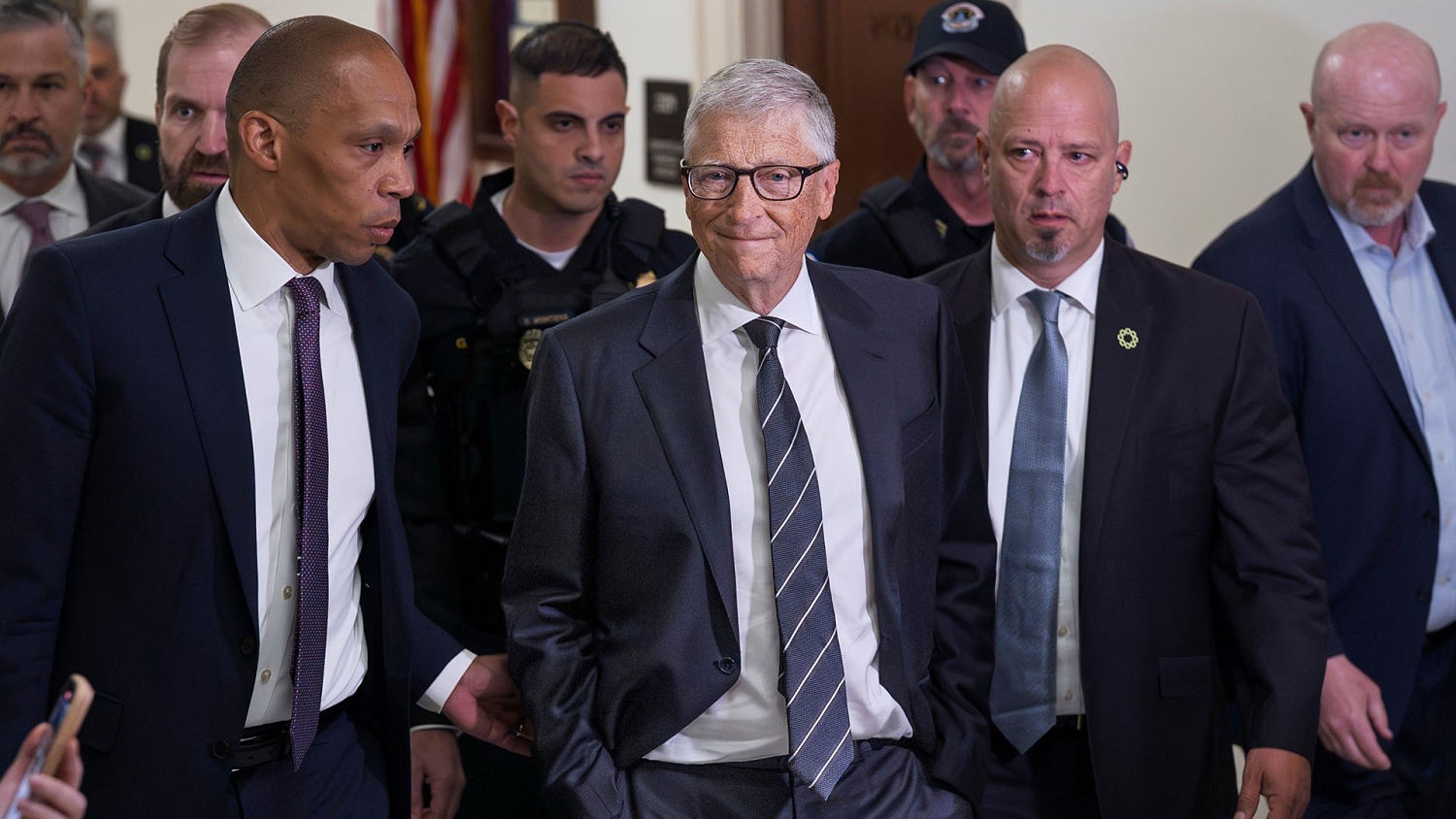
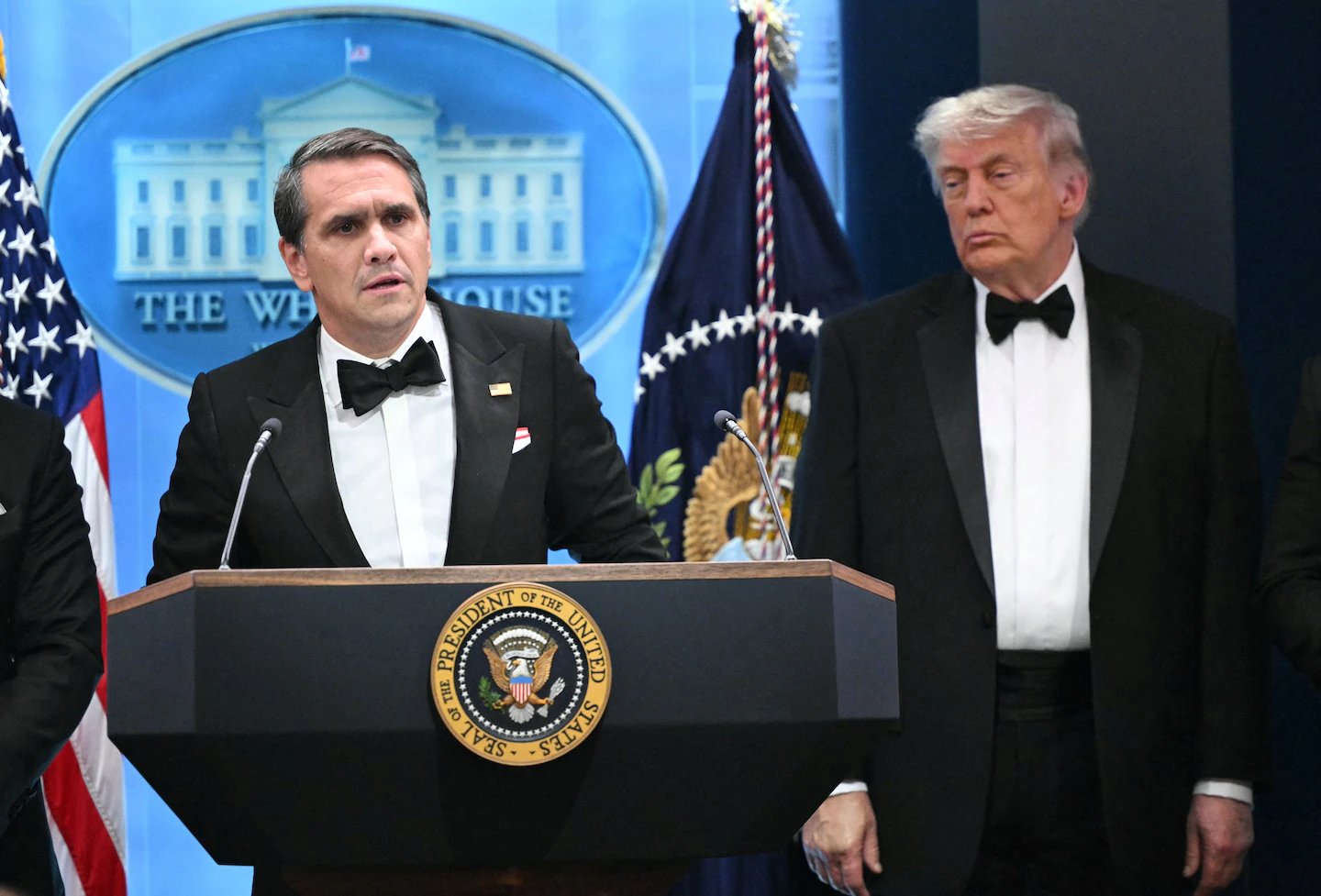
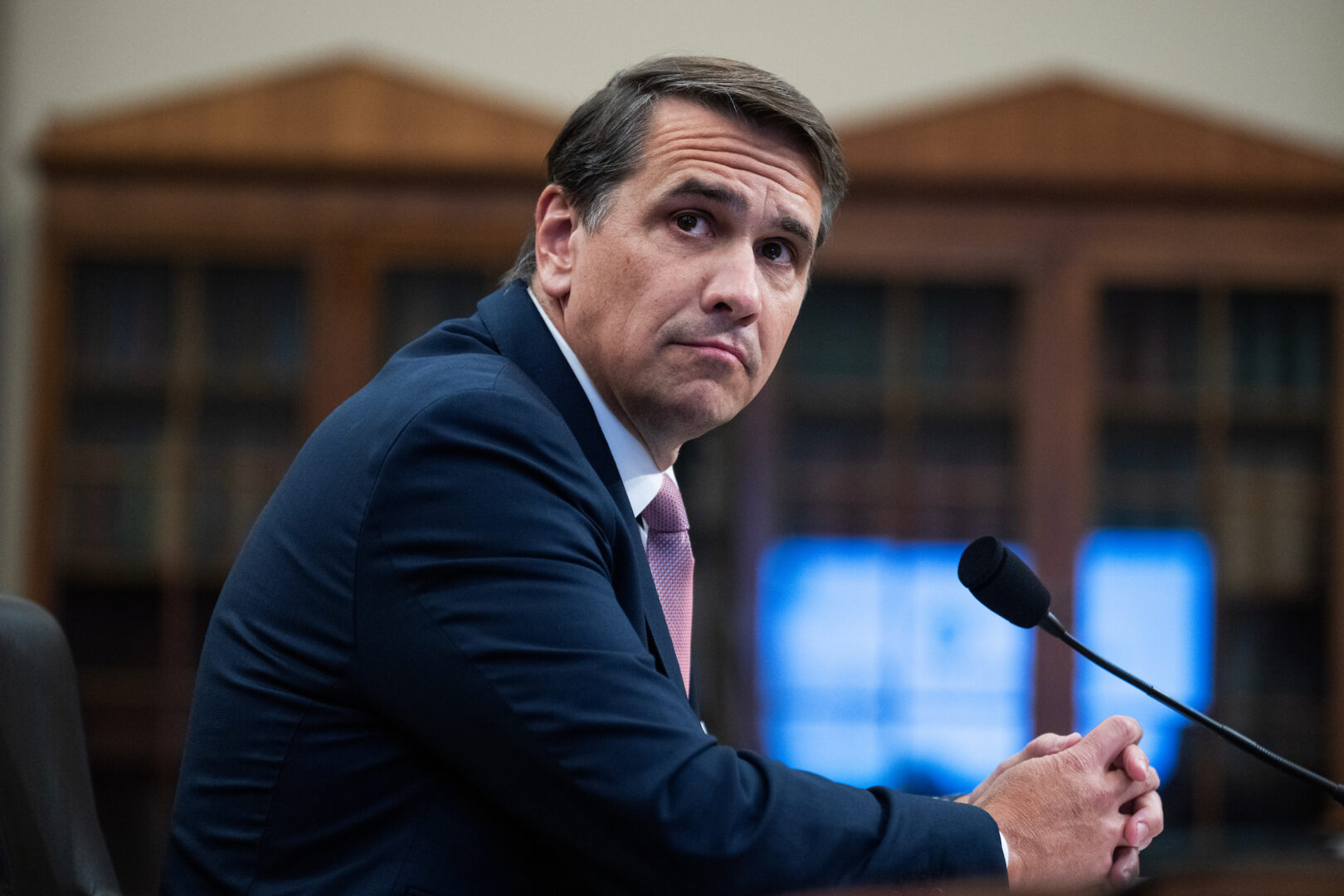
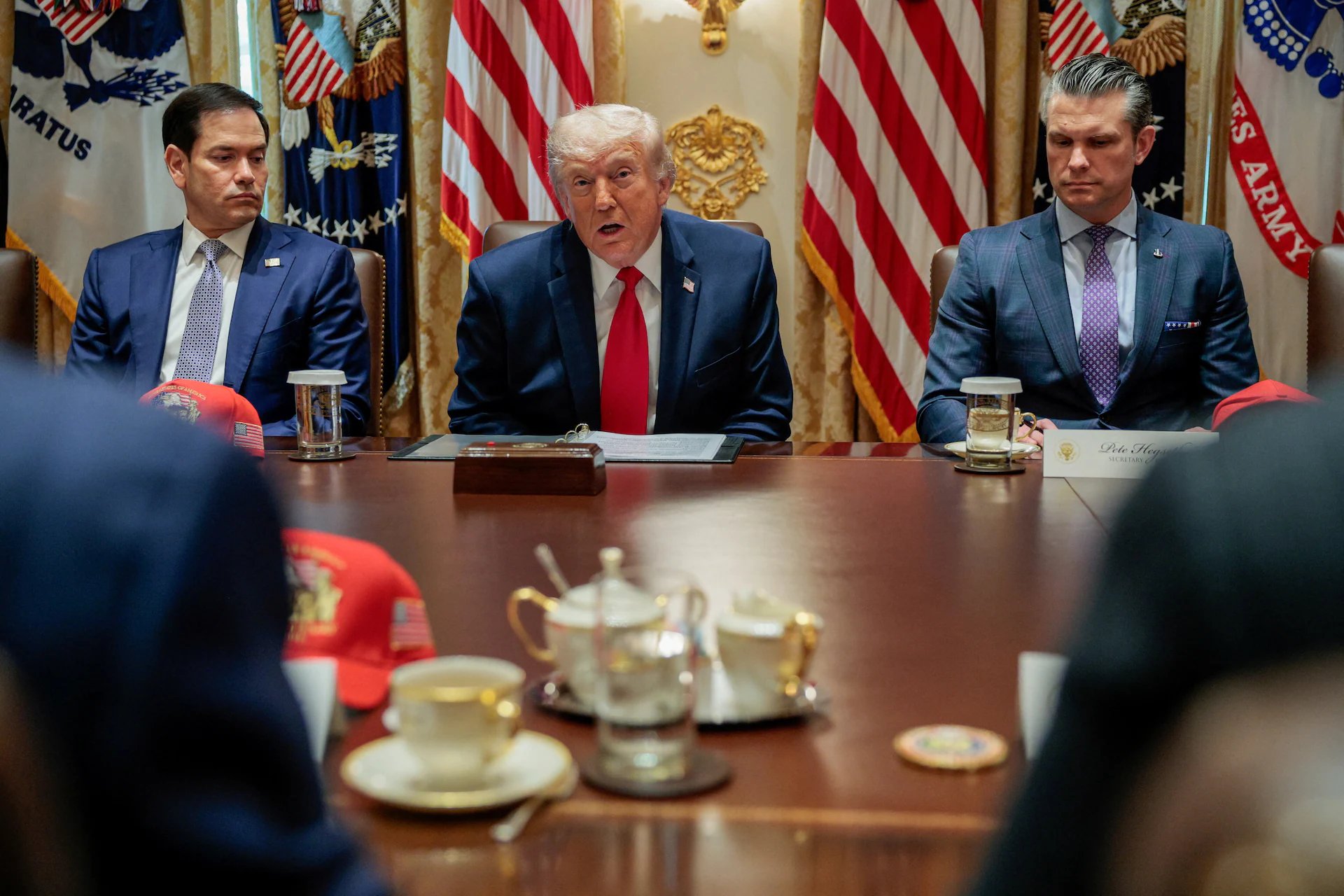
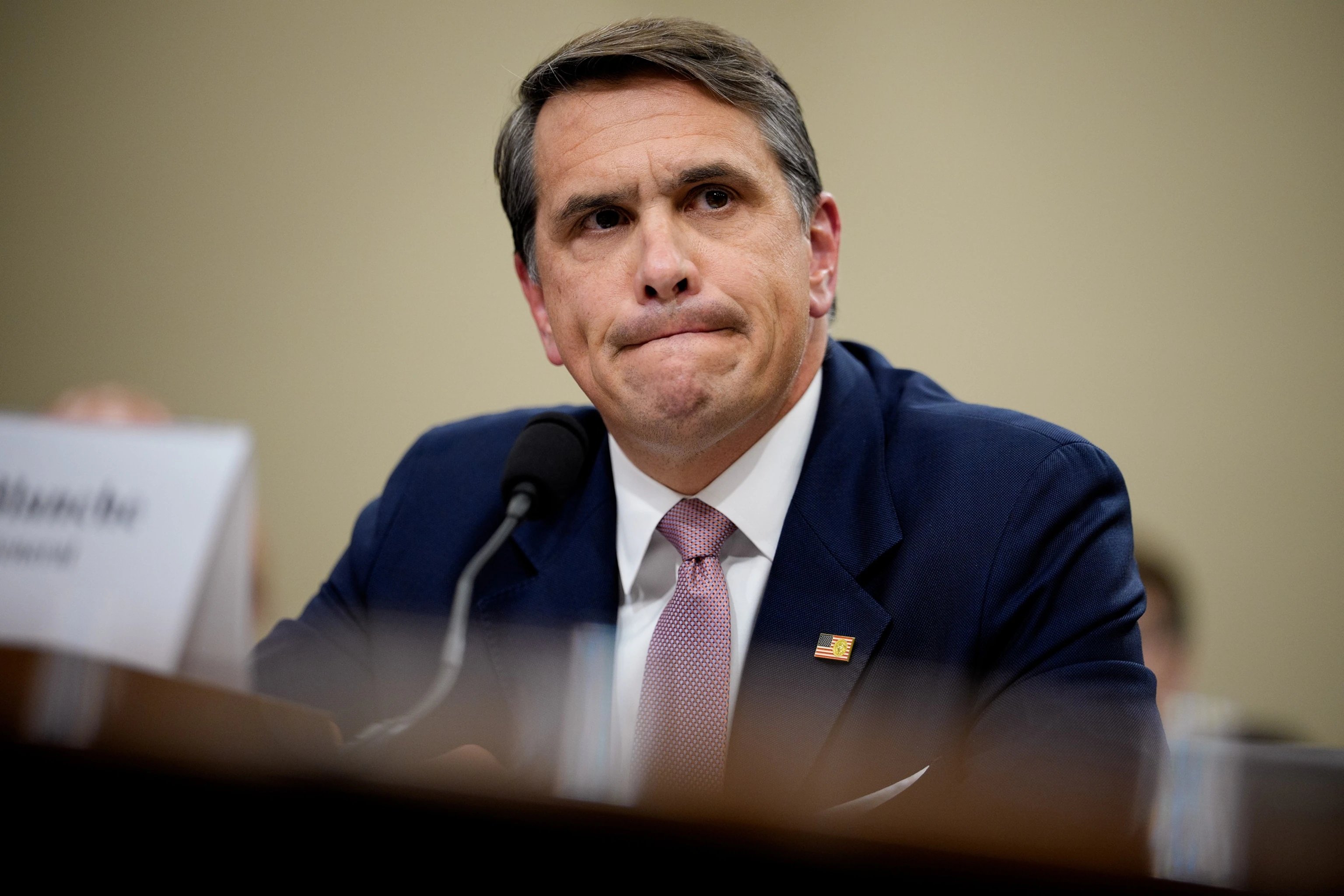
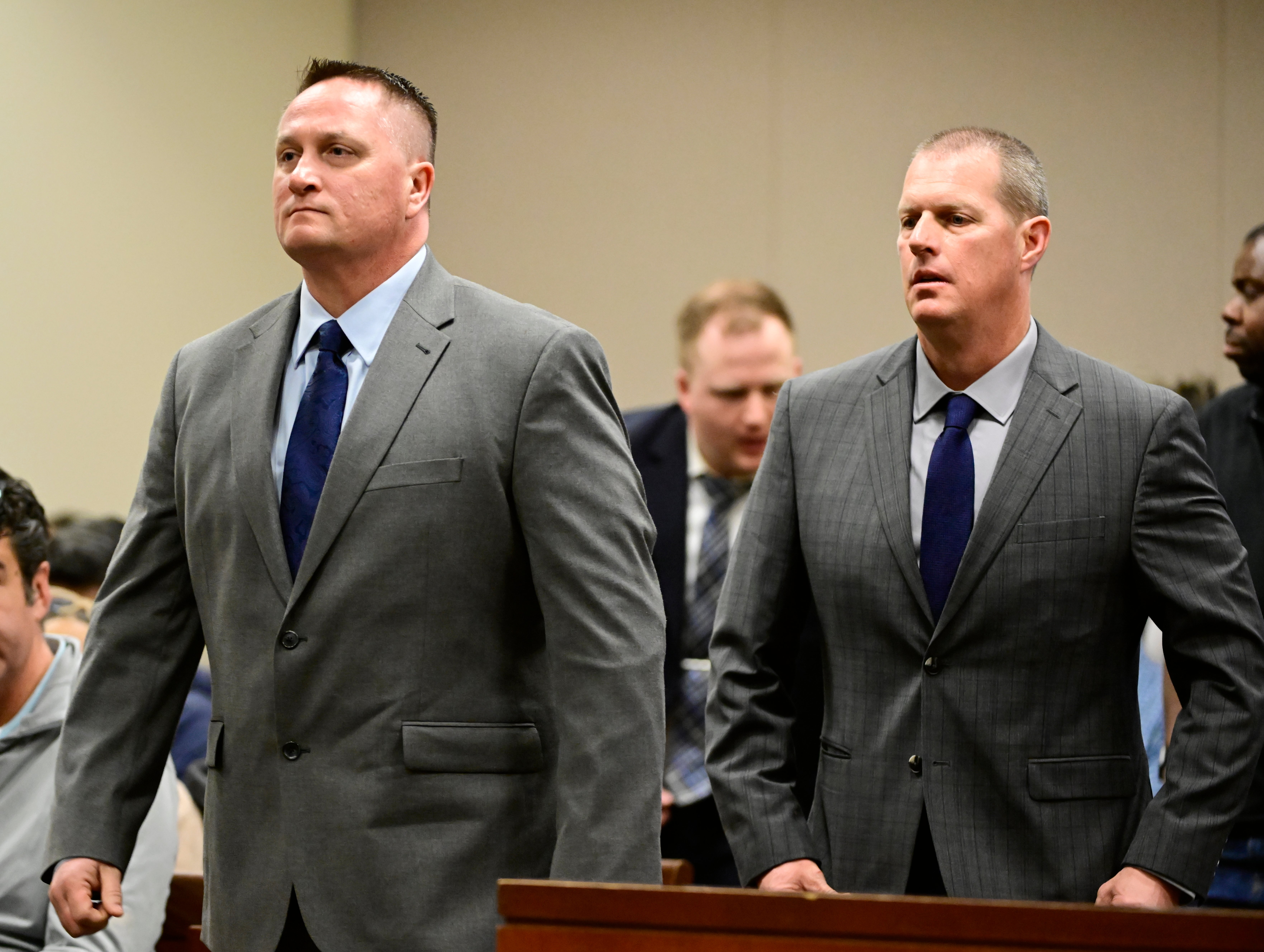
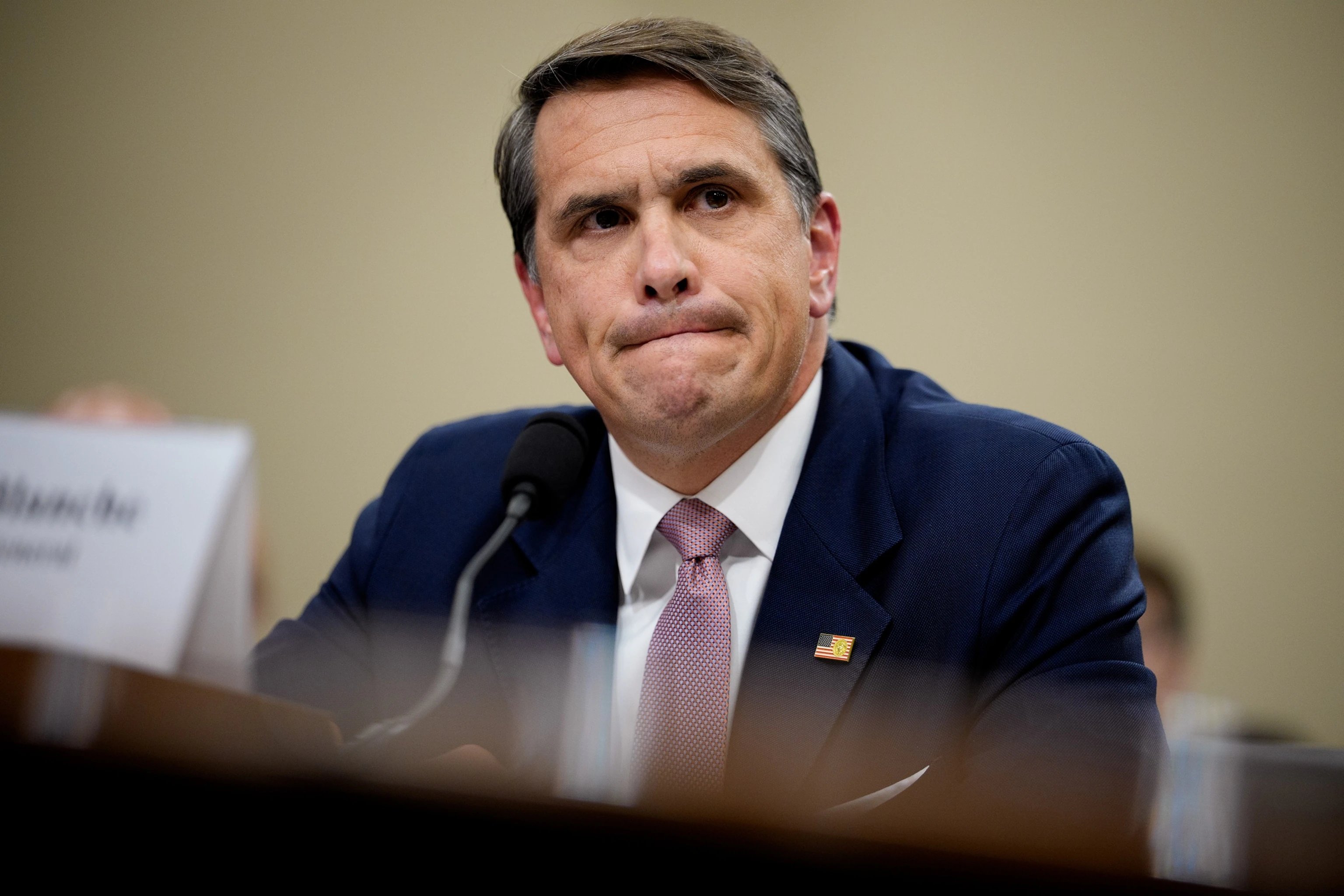
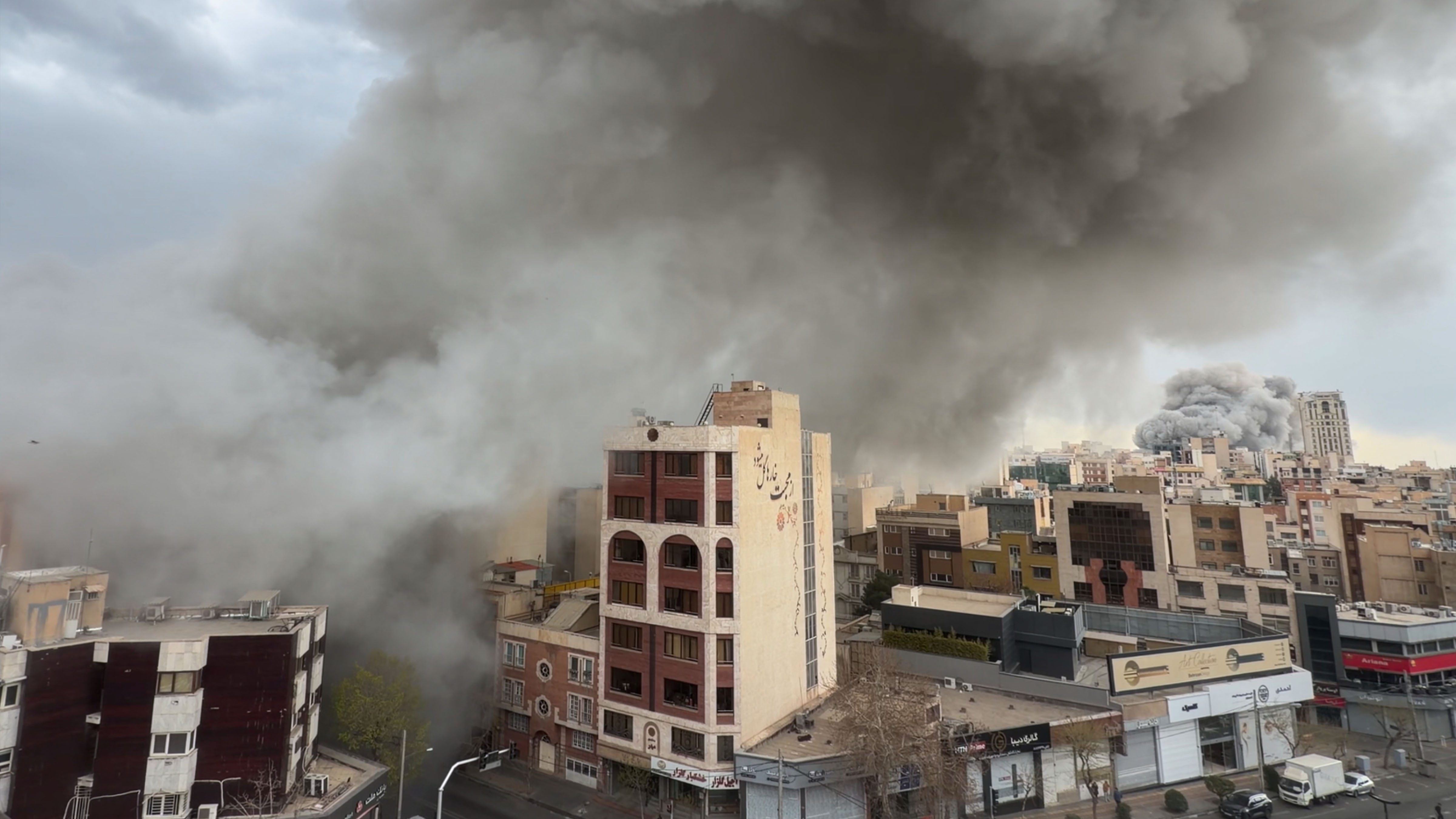
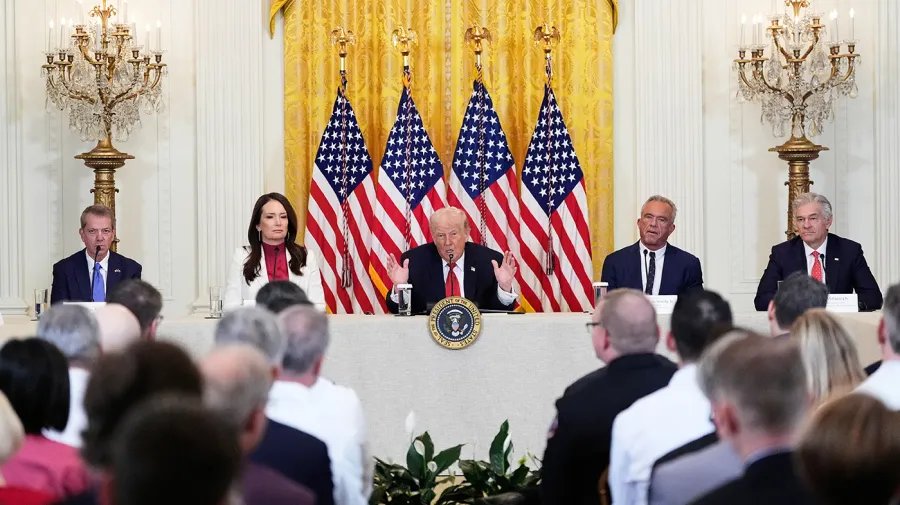
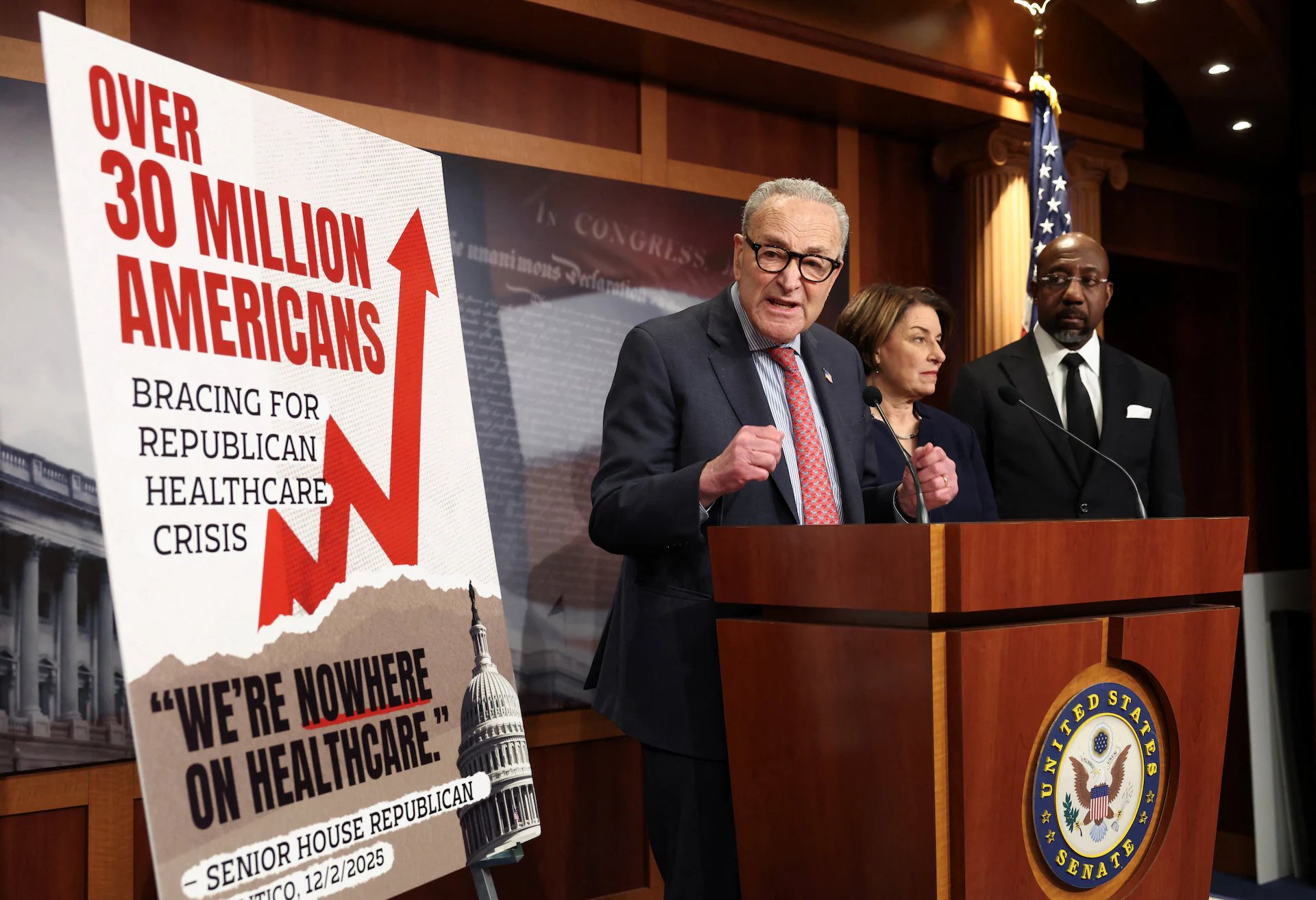
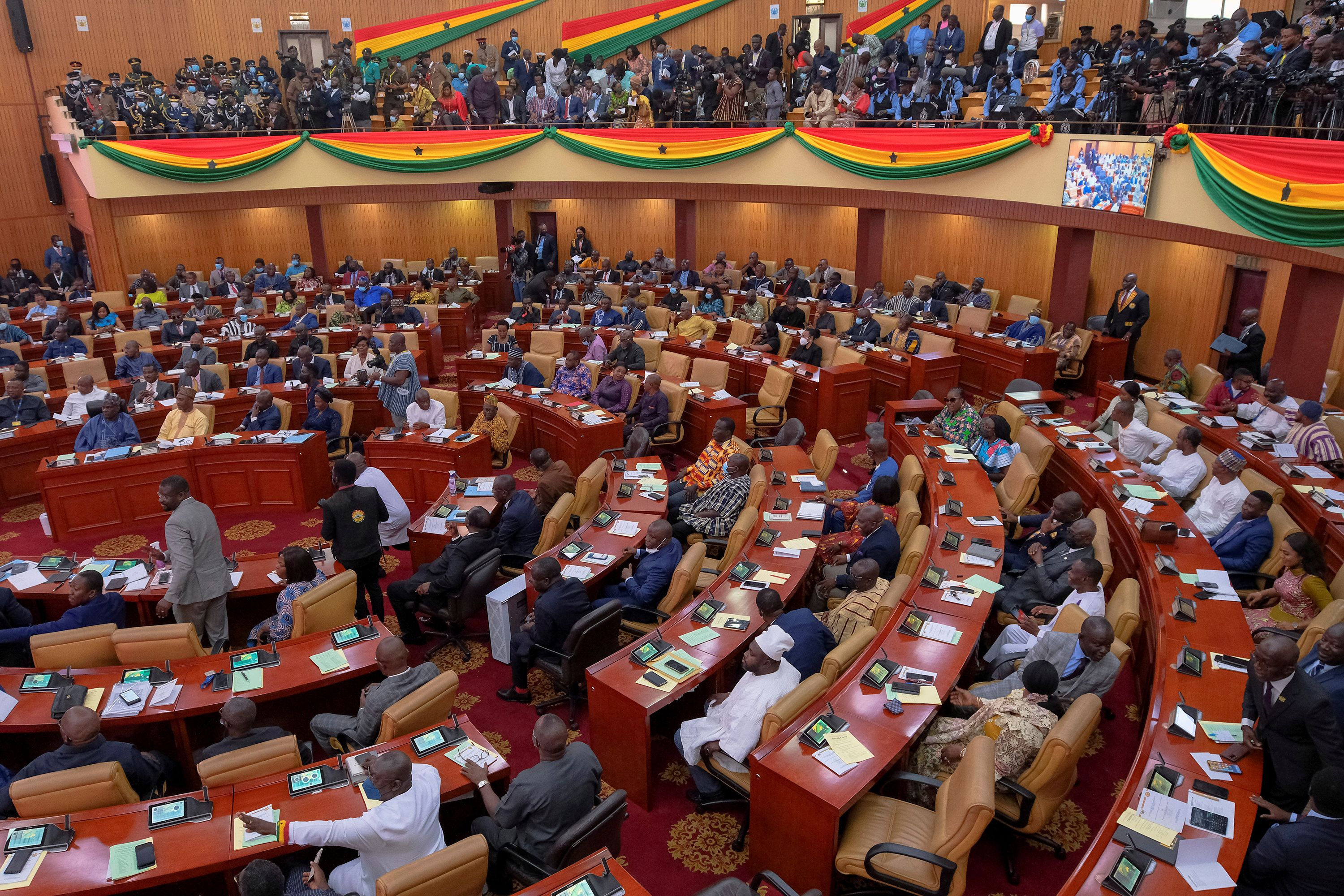
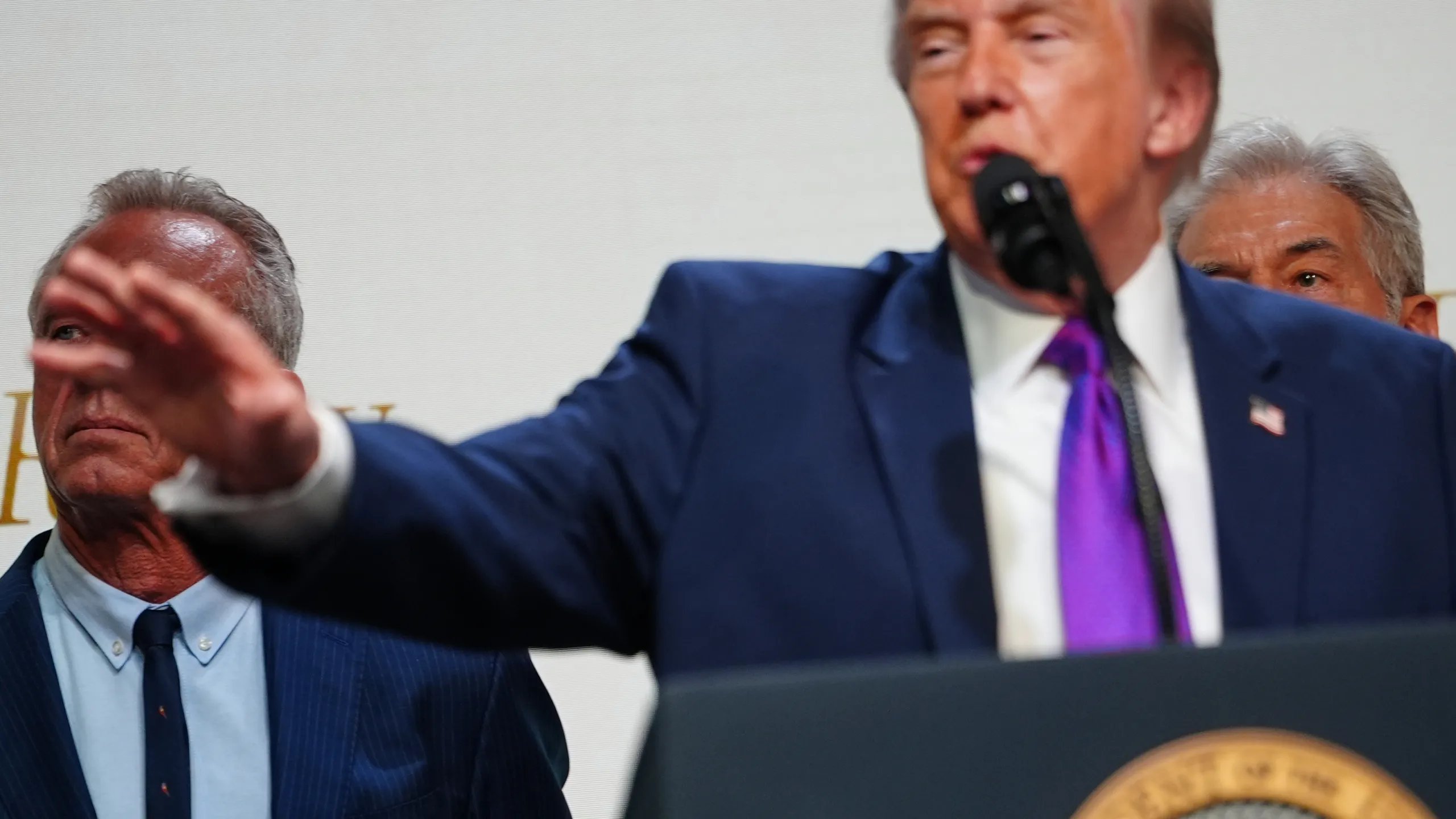
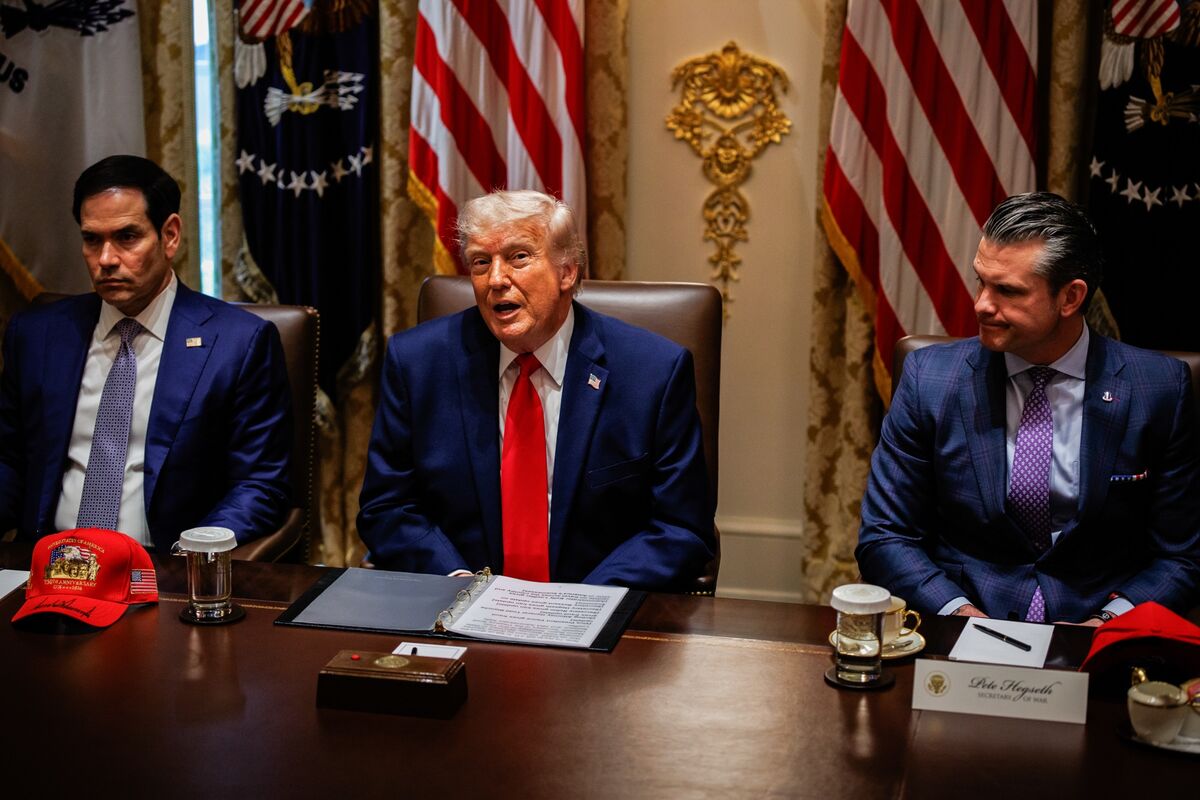
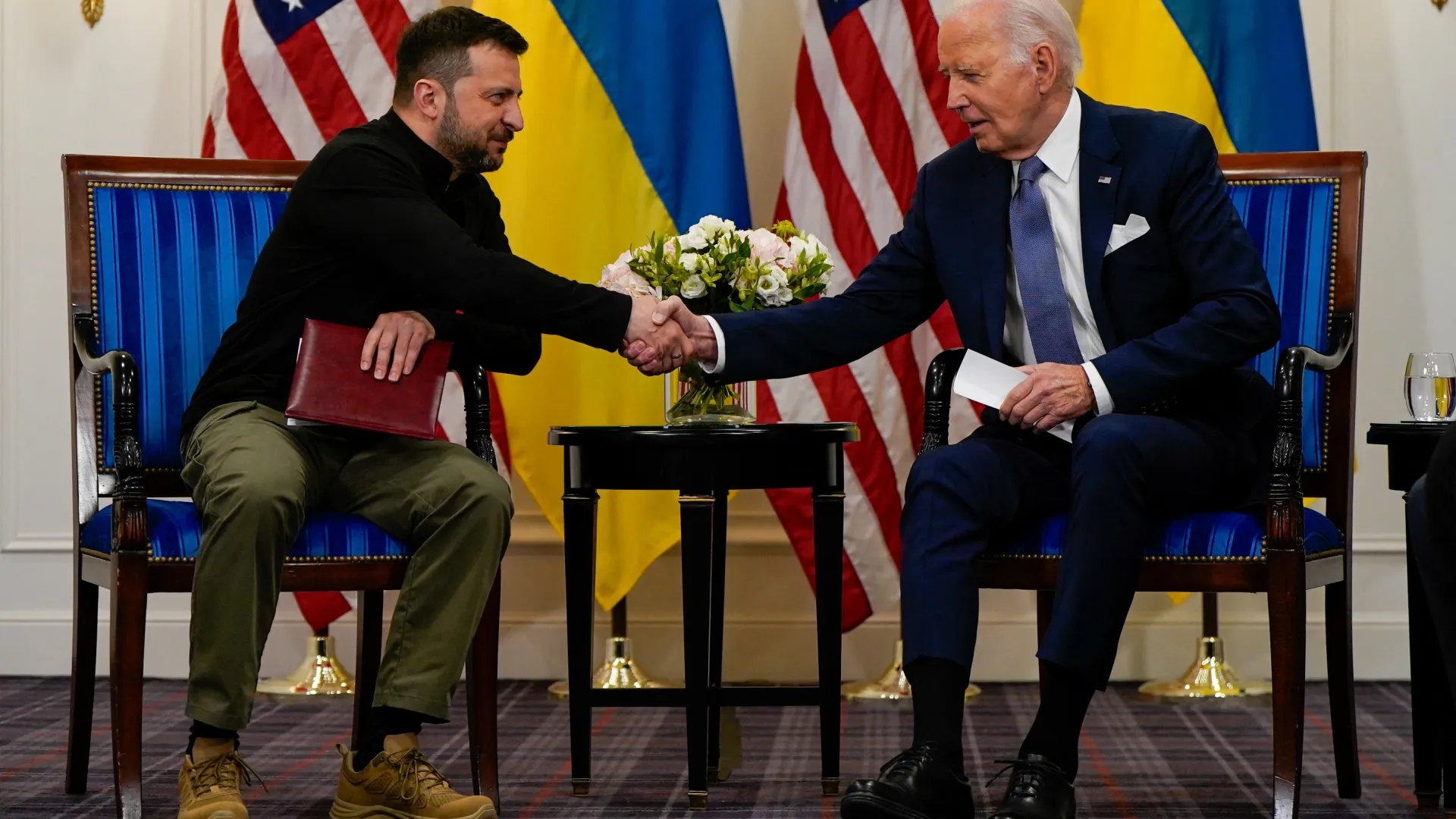
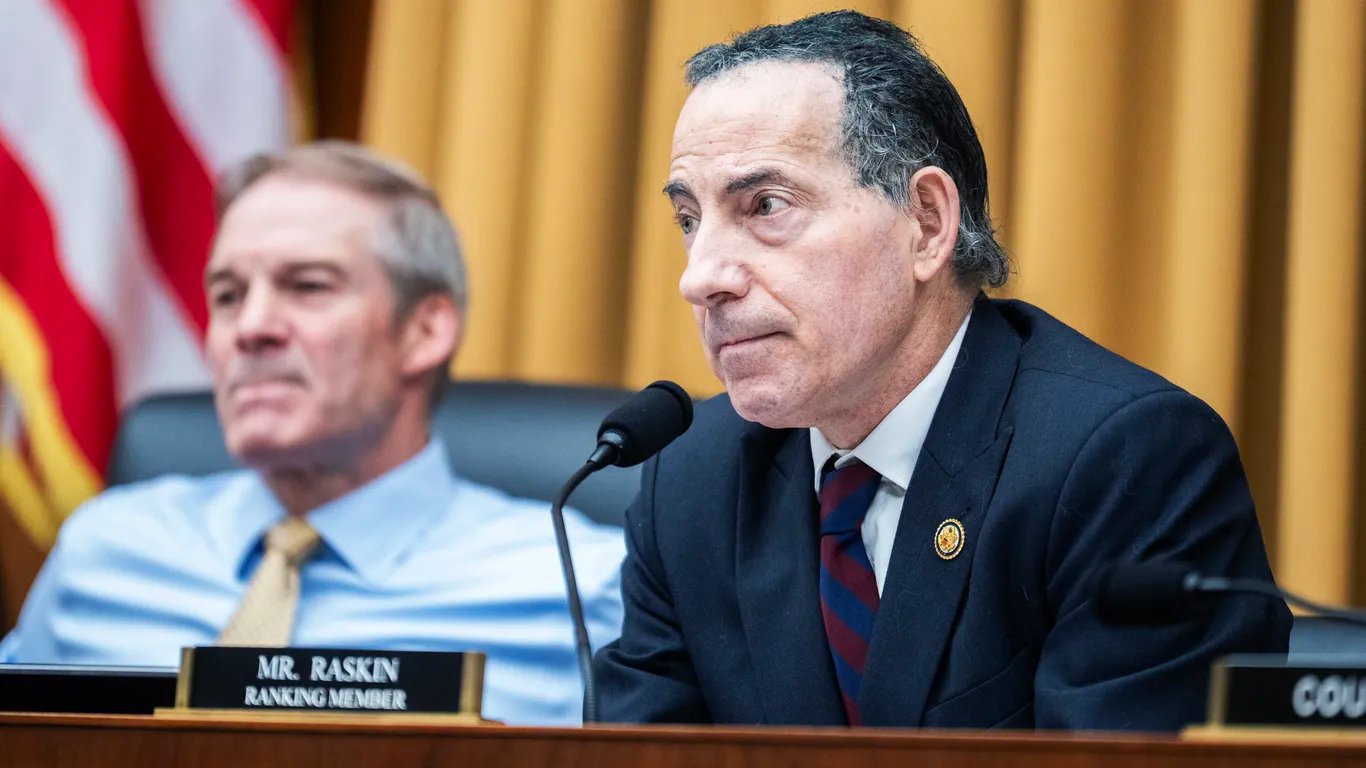
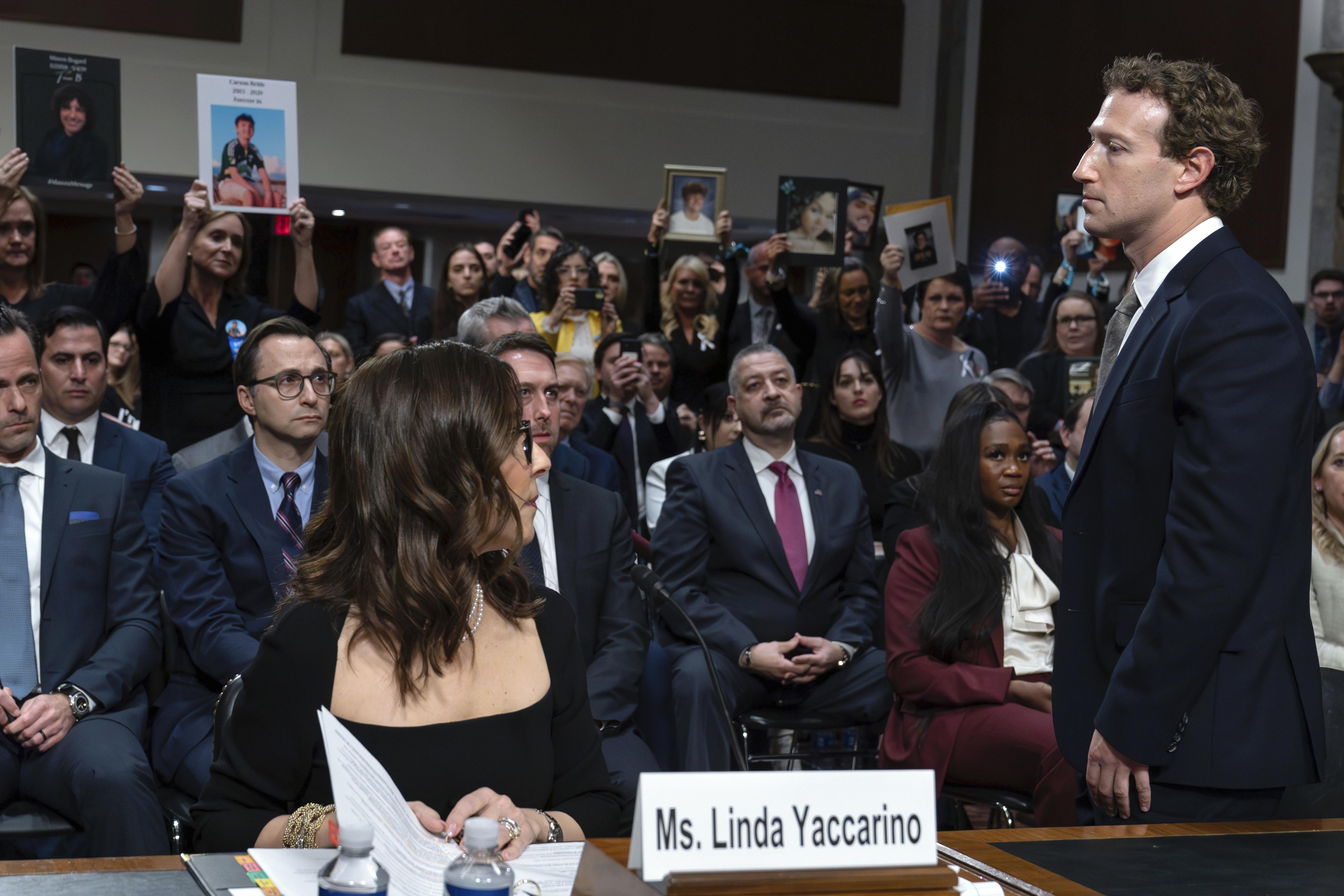
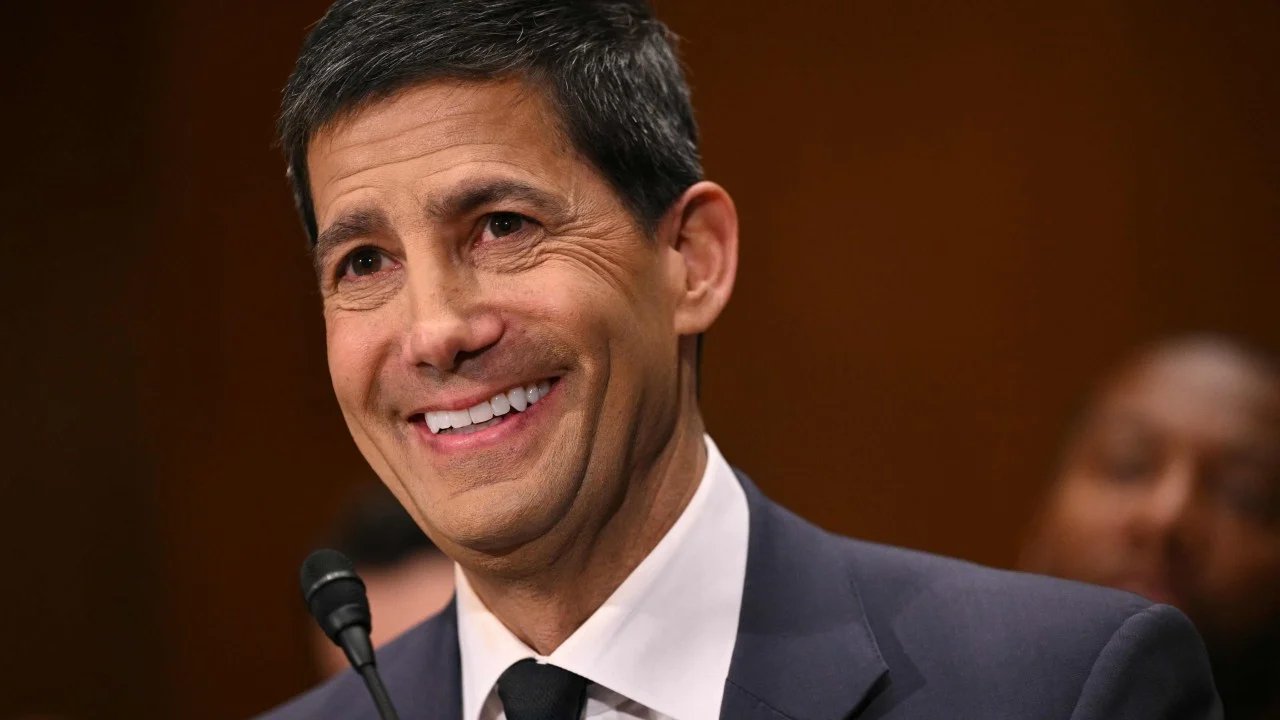
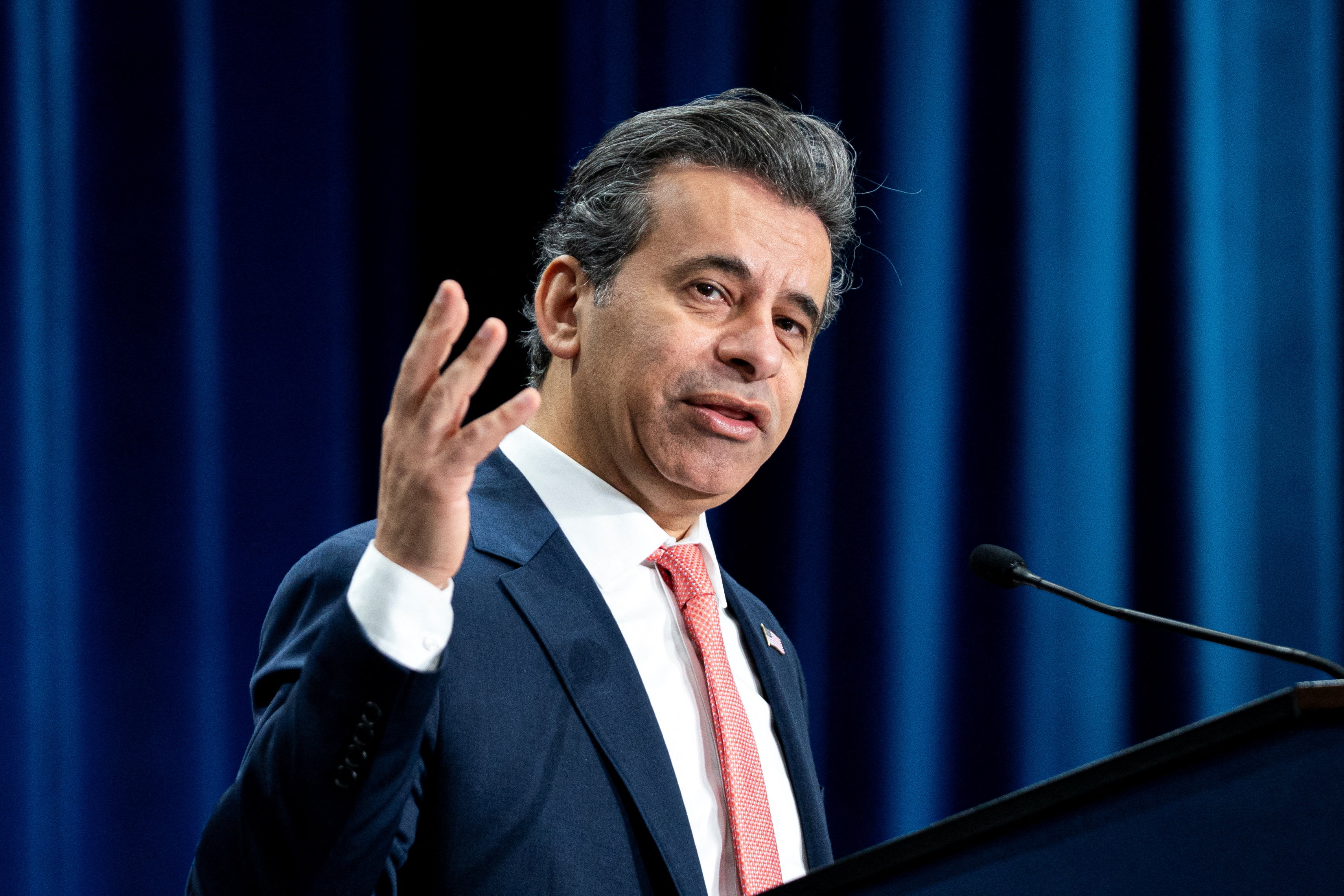
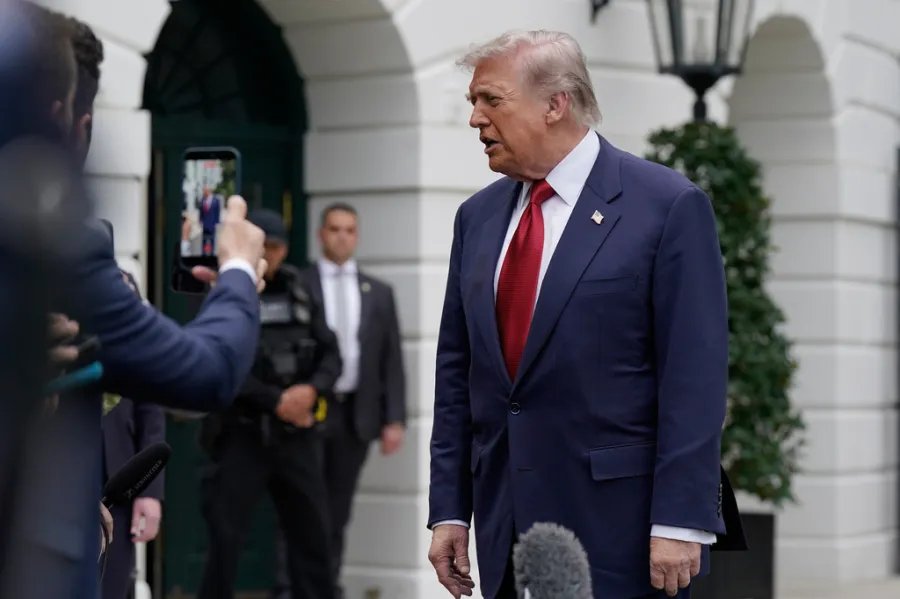
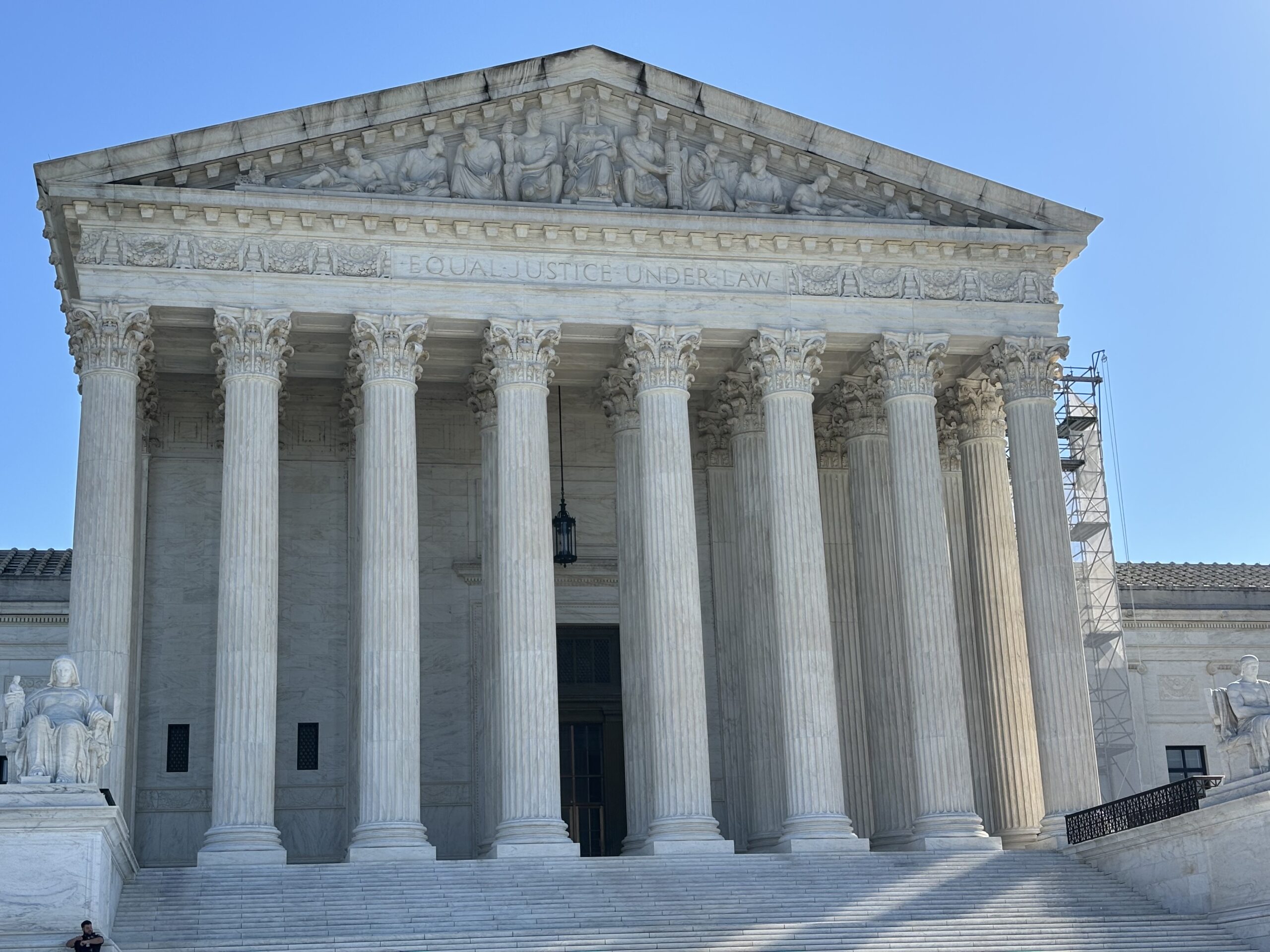
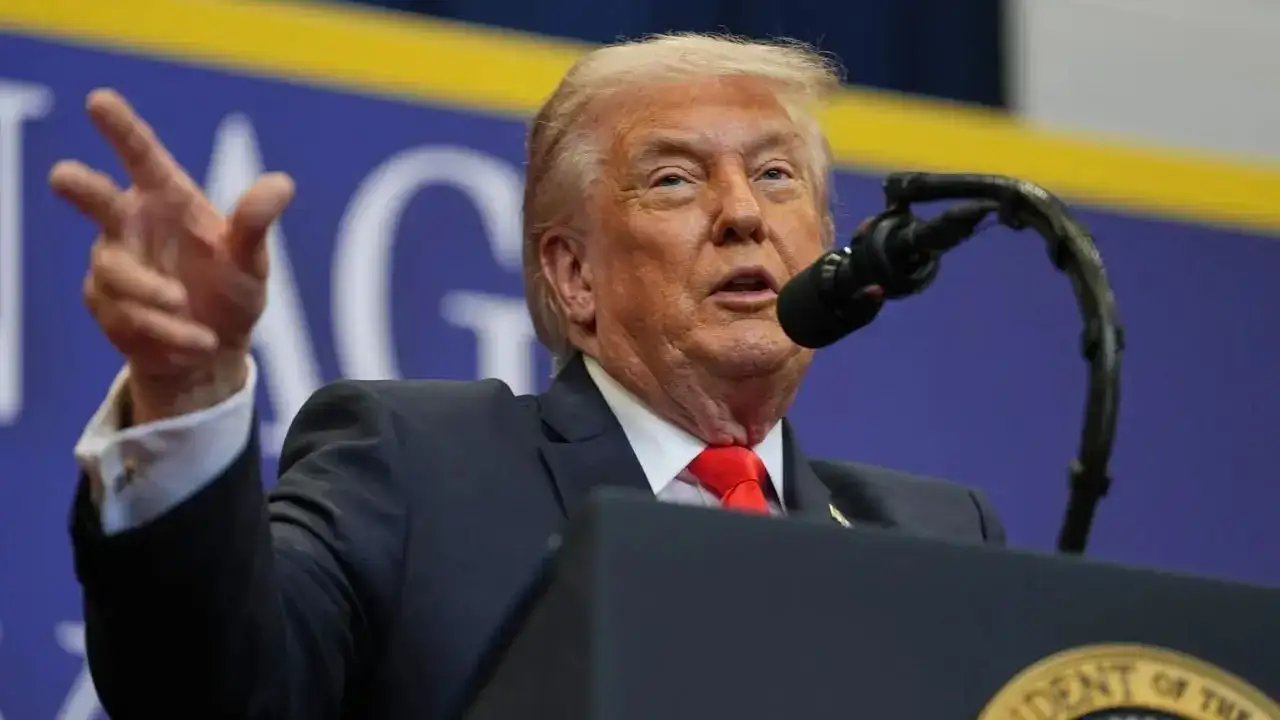
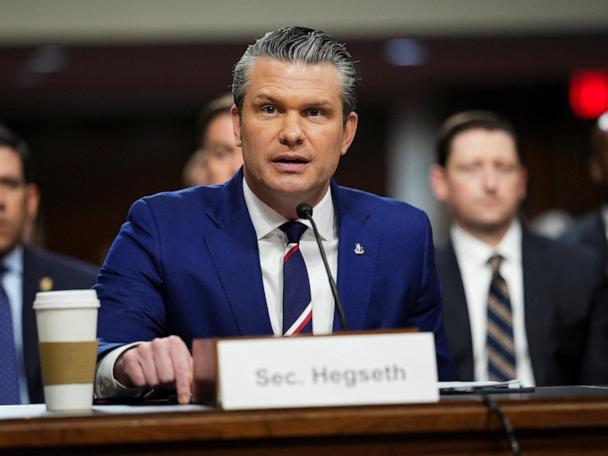
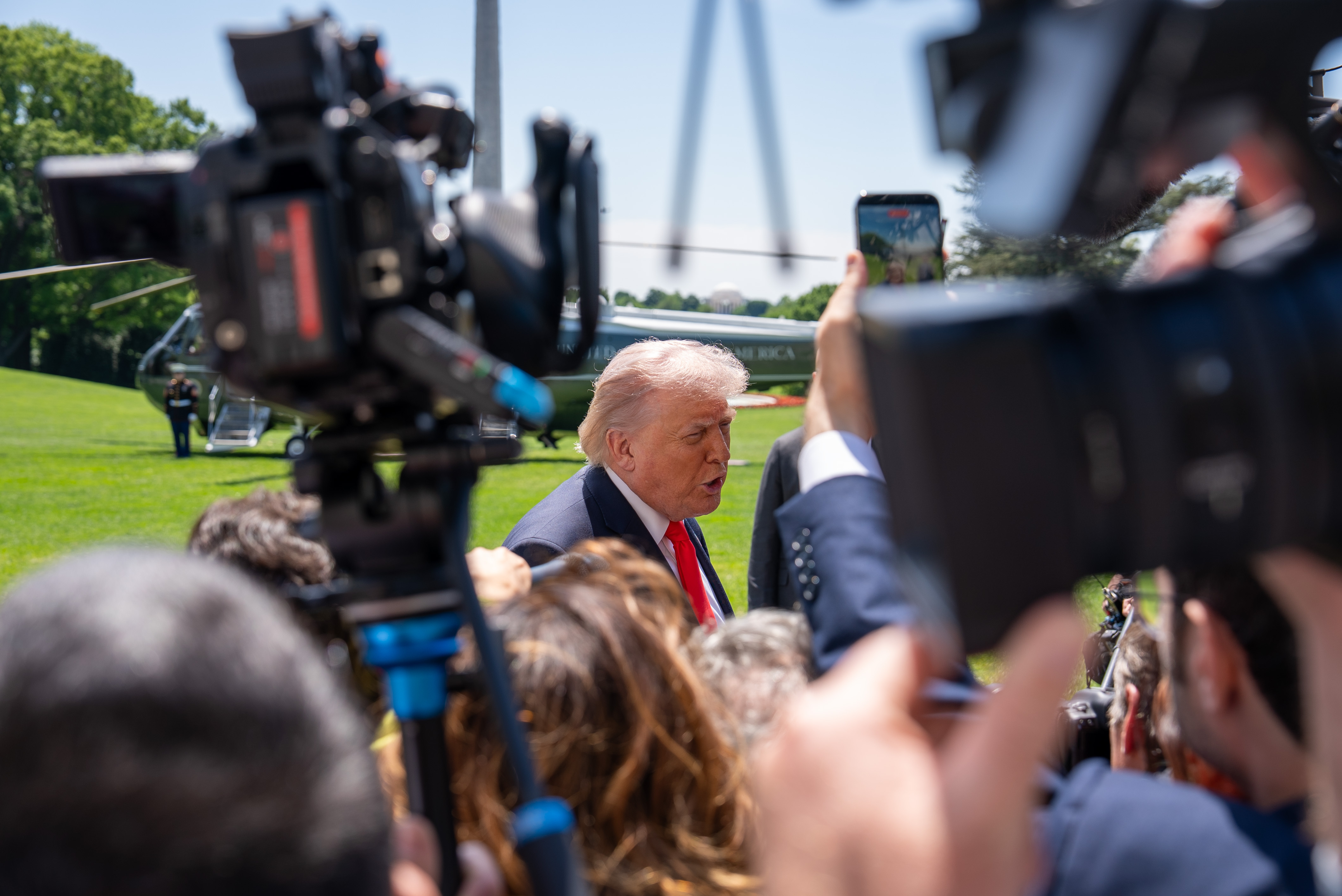
The Pentagon's acting chief financial officer told lawmakers Wednesday that the U.S. war against Iran has cost $25 billion so far. Jules Hurst III disclosed the figure during a contentious House Armed Services Committee hearing where Defense Secretary Pete Hegseth faced his first public questioning on the conflict since it began nine weeks ago.
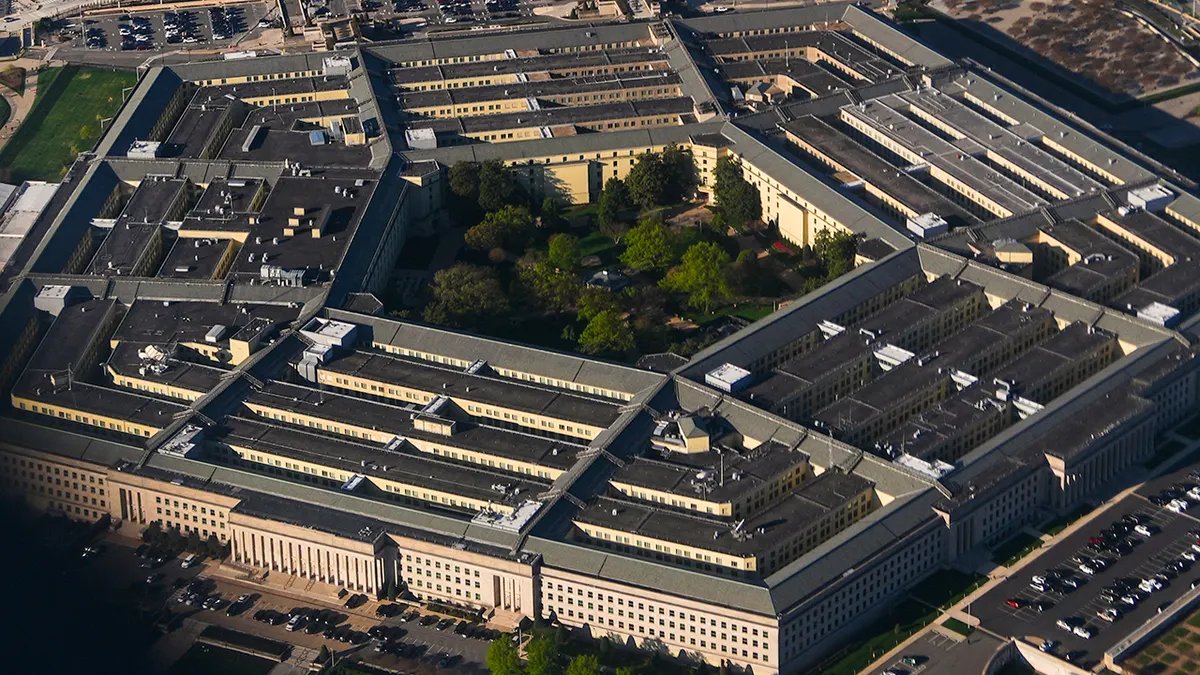
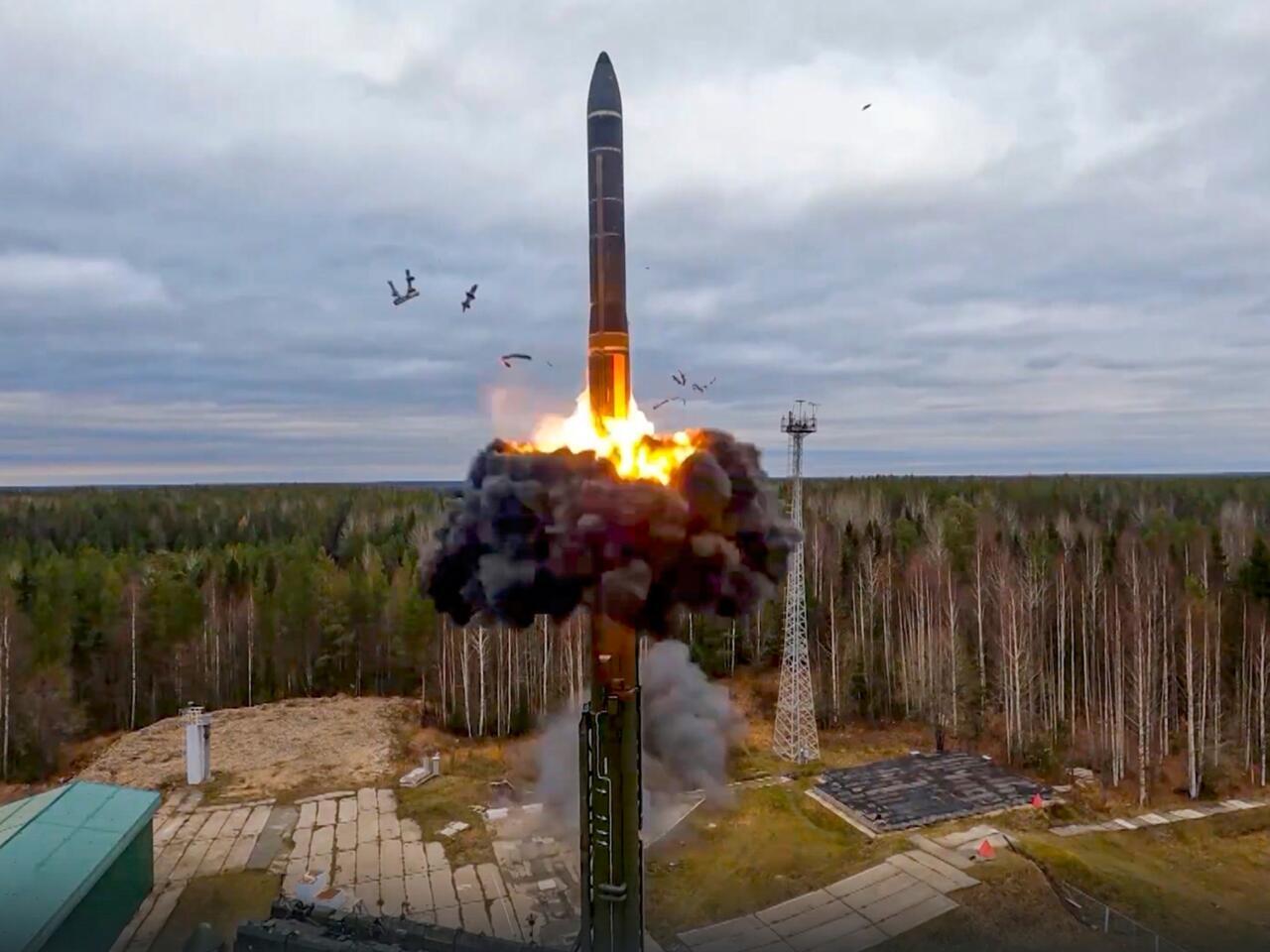
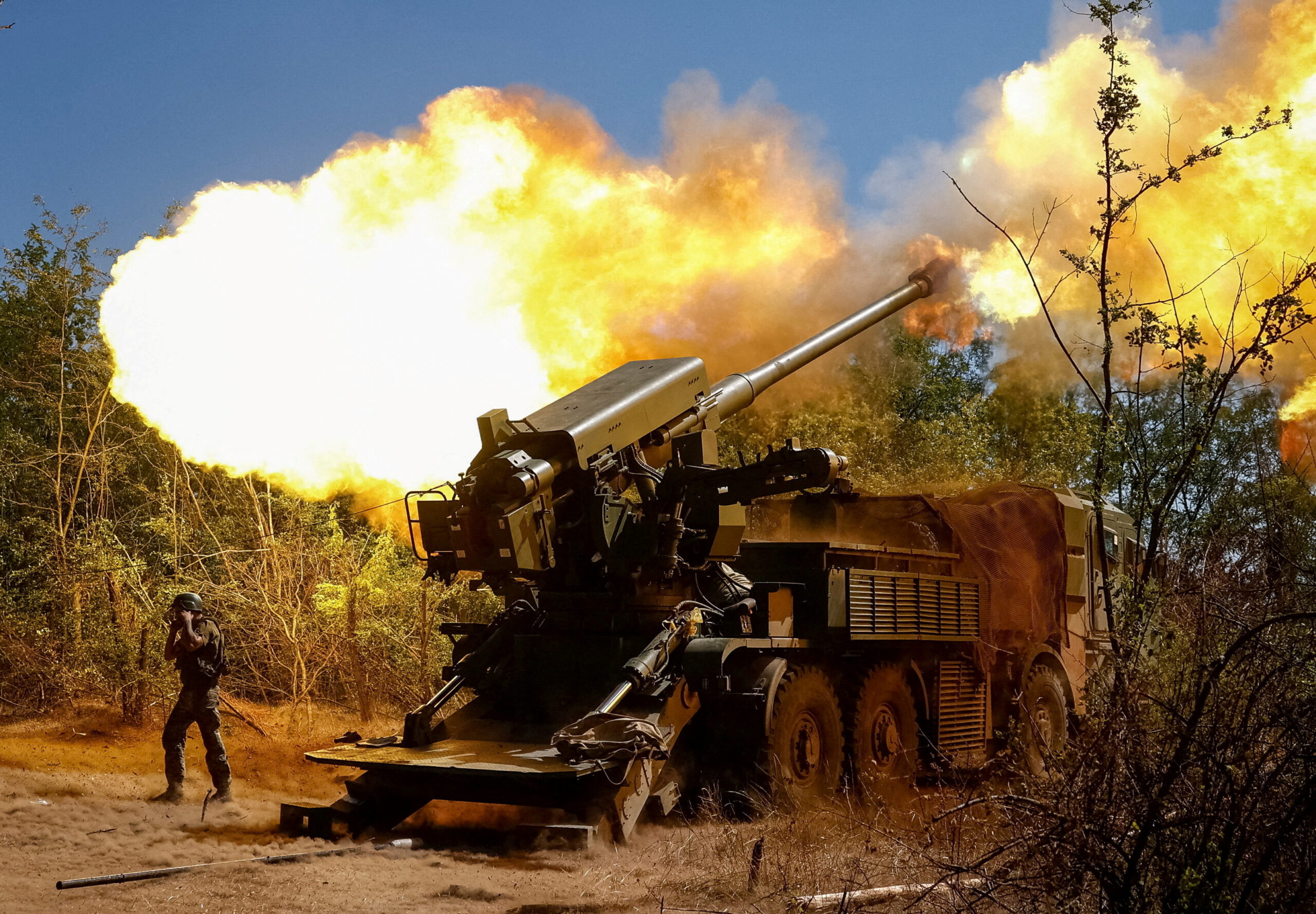
Most of the expense has gone to munitions, Hurst said, with additional spending on operations and equipment replacement. The Pentagon plans to submit a supplemental budget request to Congress once officials complete a full assessment of the war's costs. Hurst appeared alongside Hegseth and Joint Chiefs of Staff Chair Gen. Dan Caine as the three defended the Trump administration's $1.5 trillion defense budget proposal for fiscal 2027, a roughly 40 percent increase from current levels.
Gasoline Prices Rise as Shipping Lanes Remain Blocked
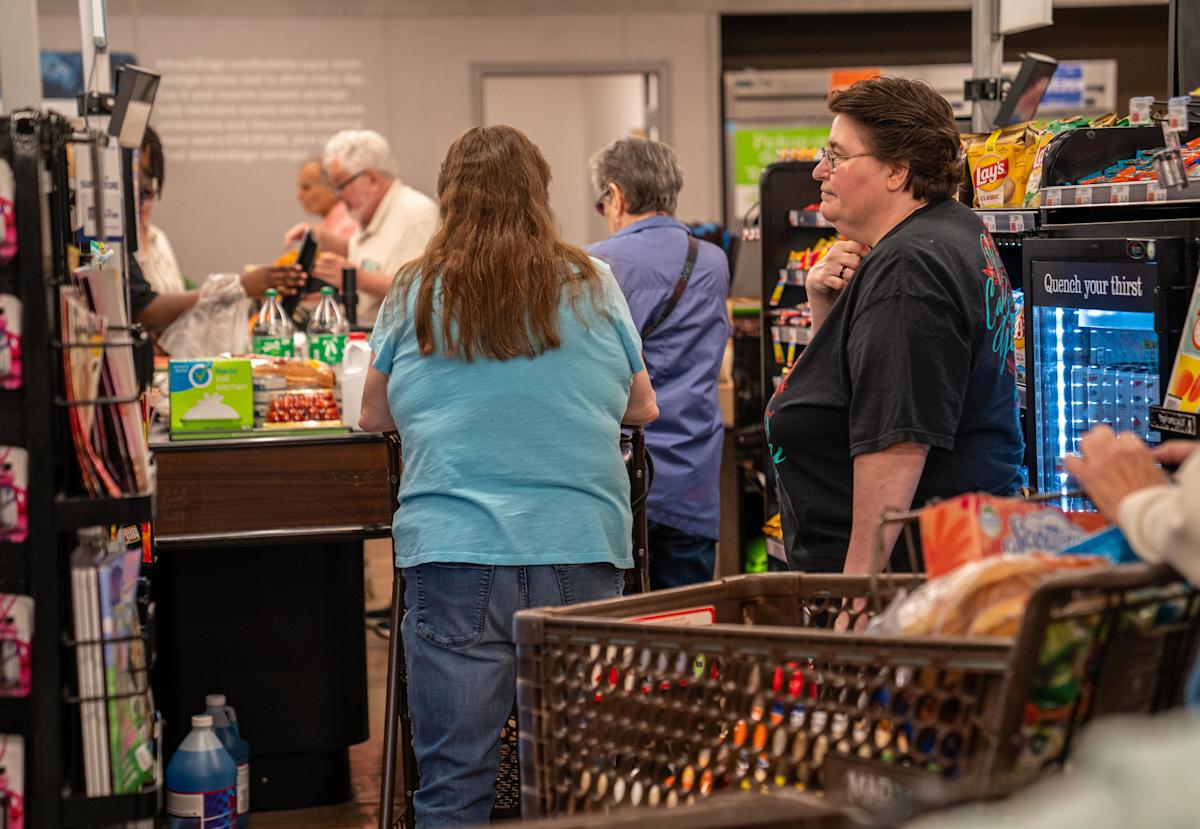
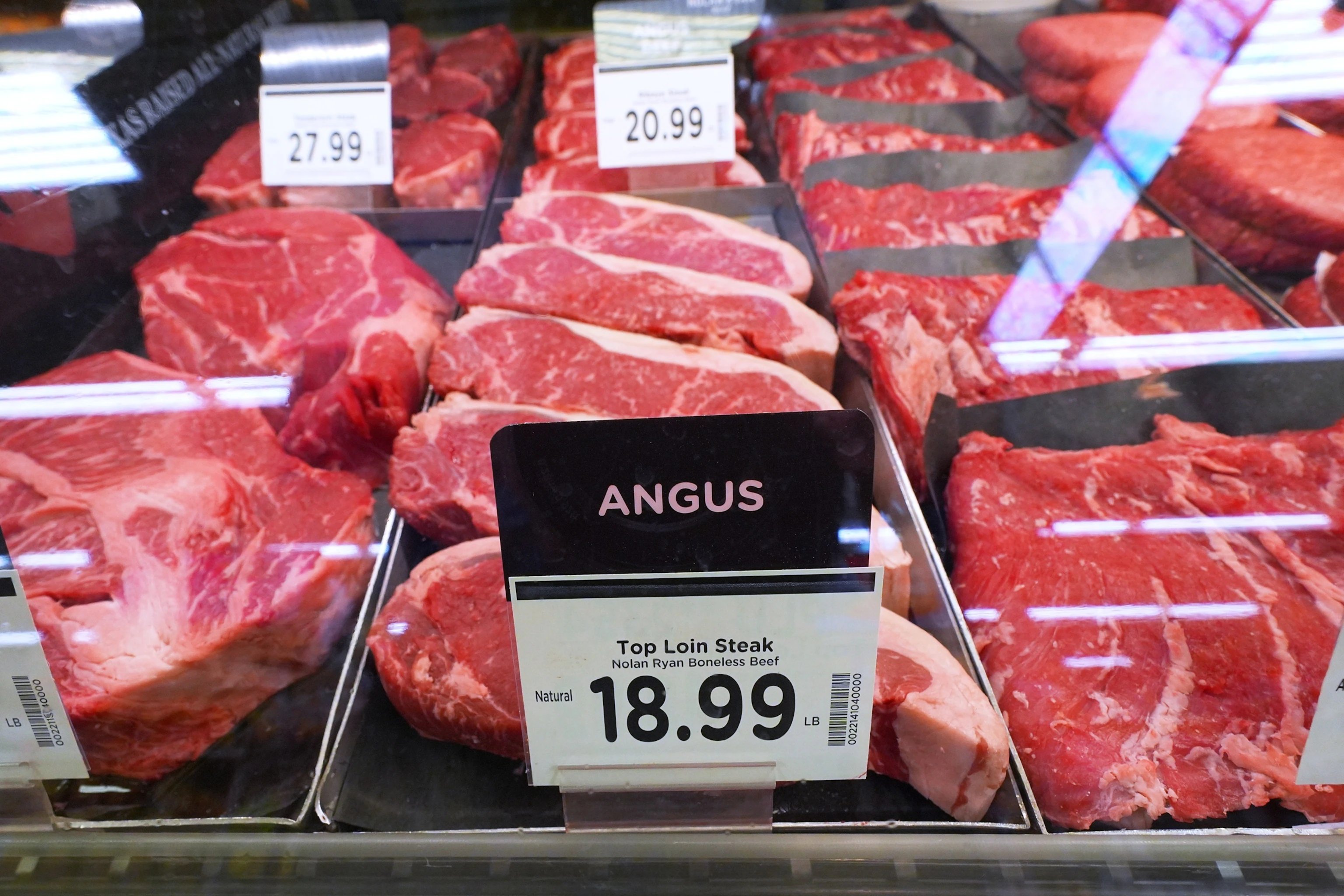
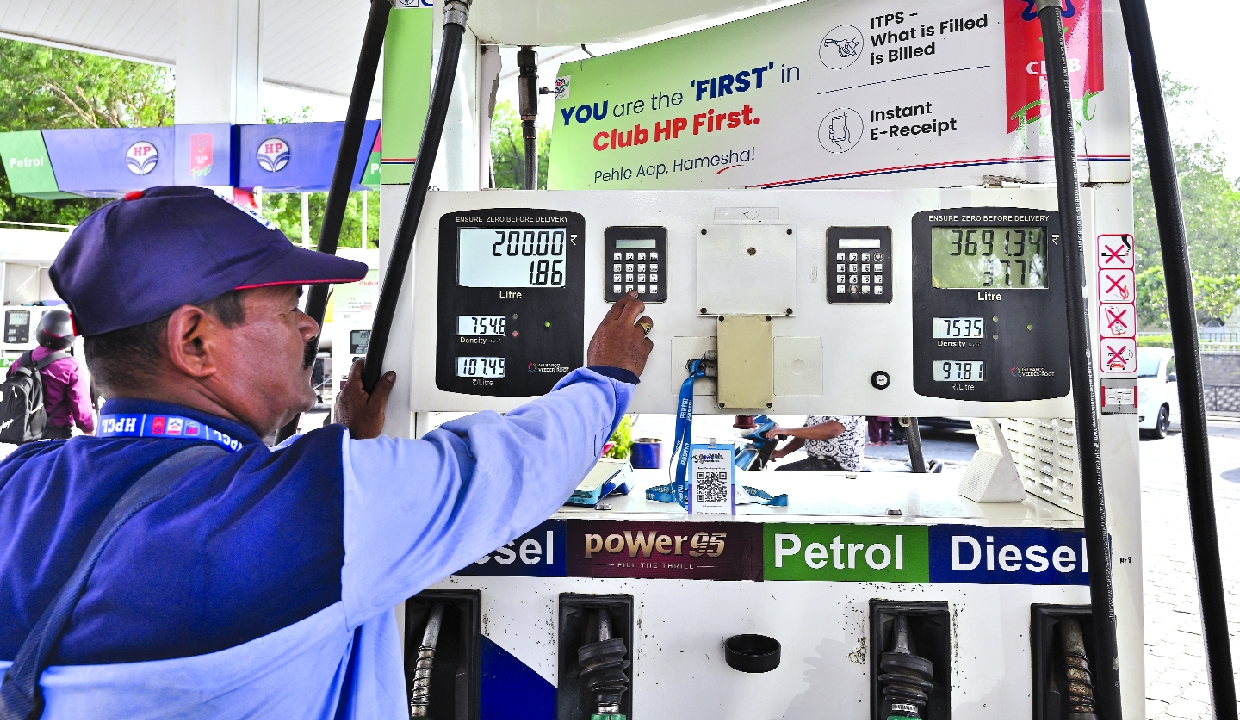
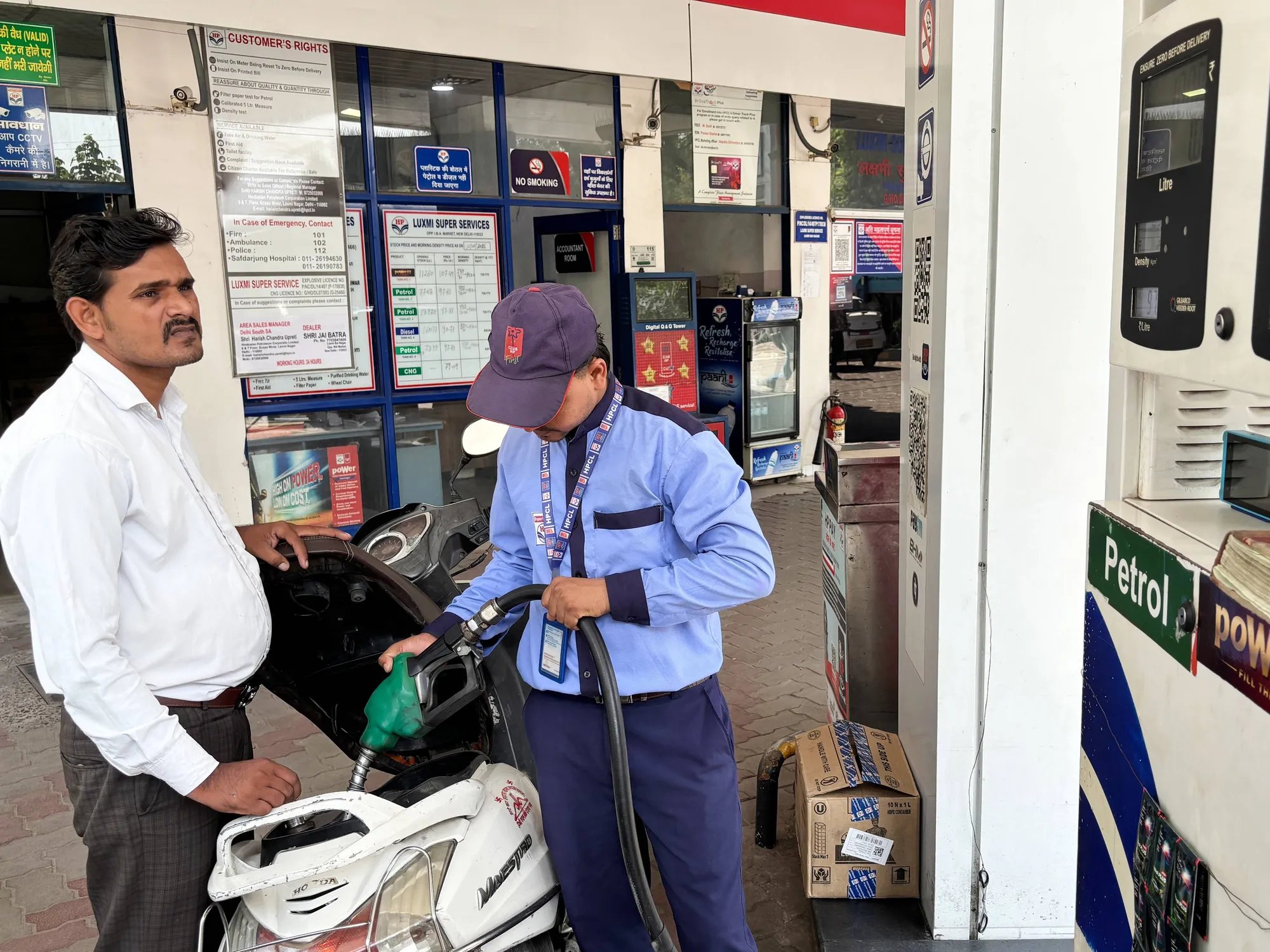
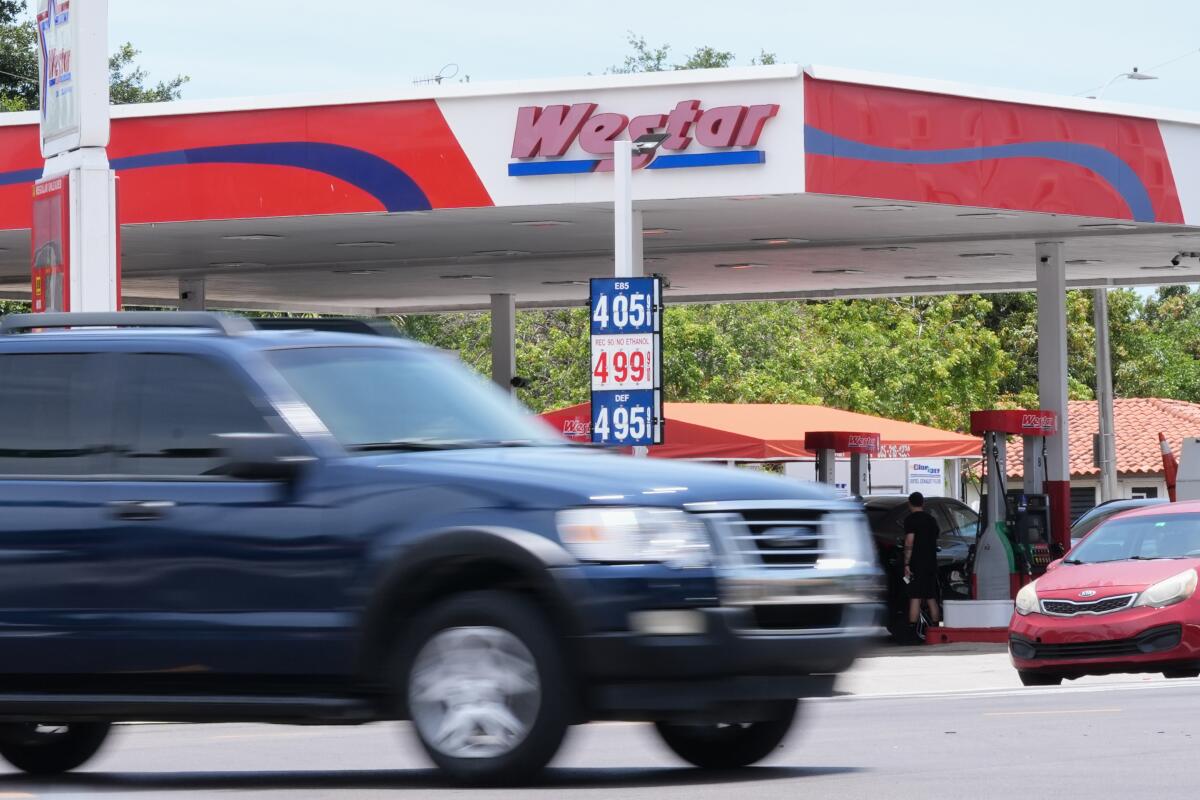
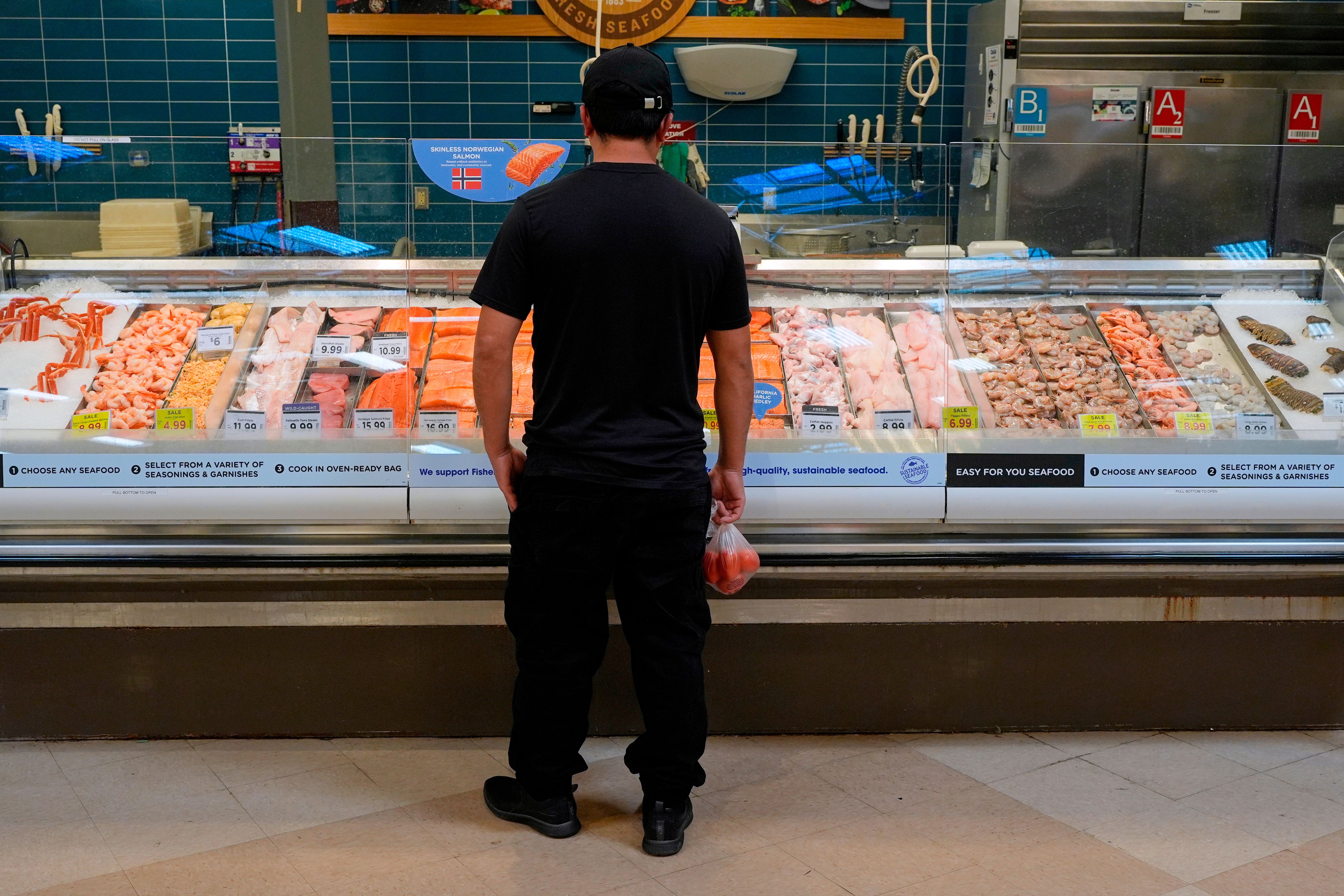
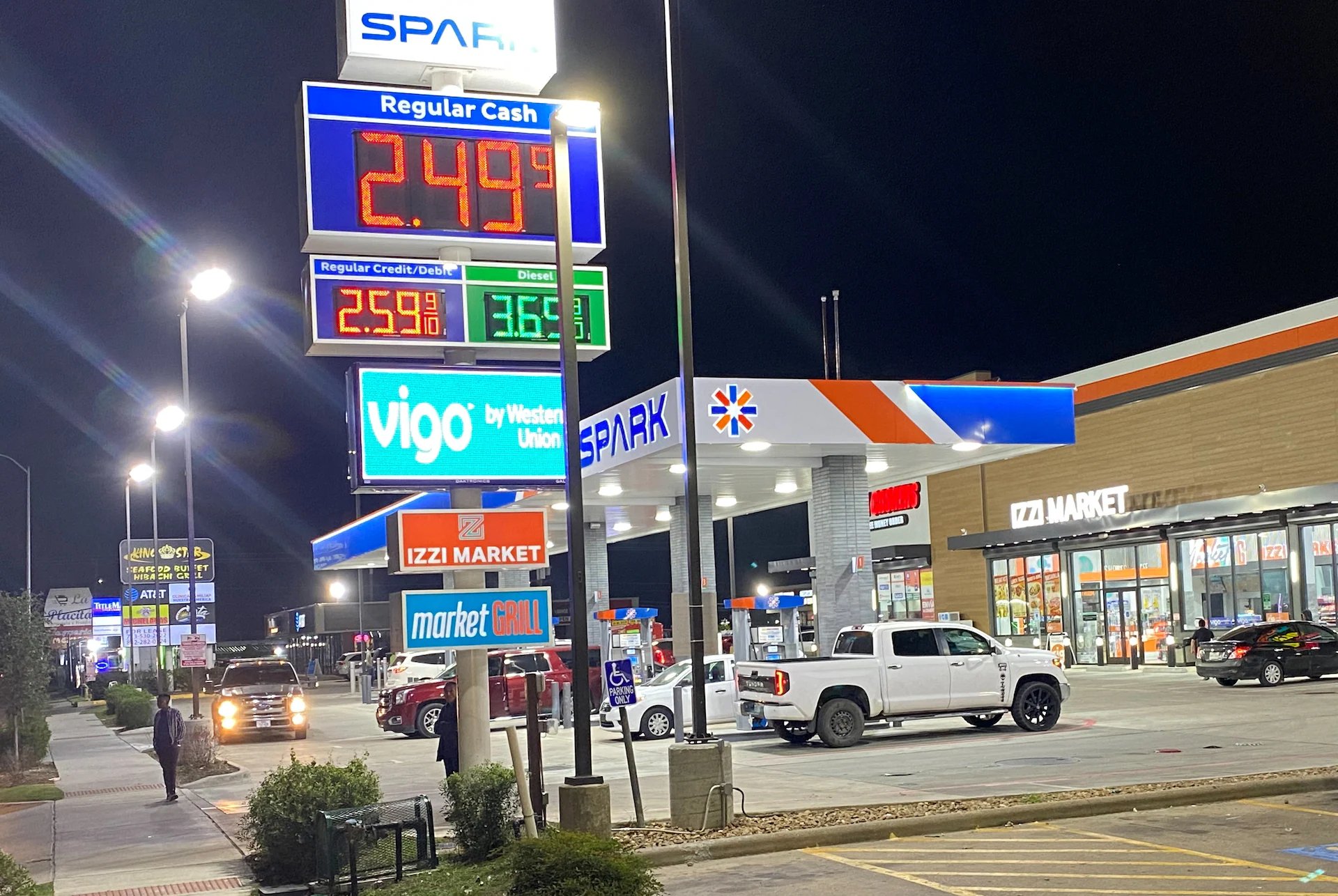
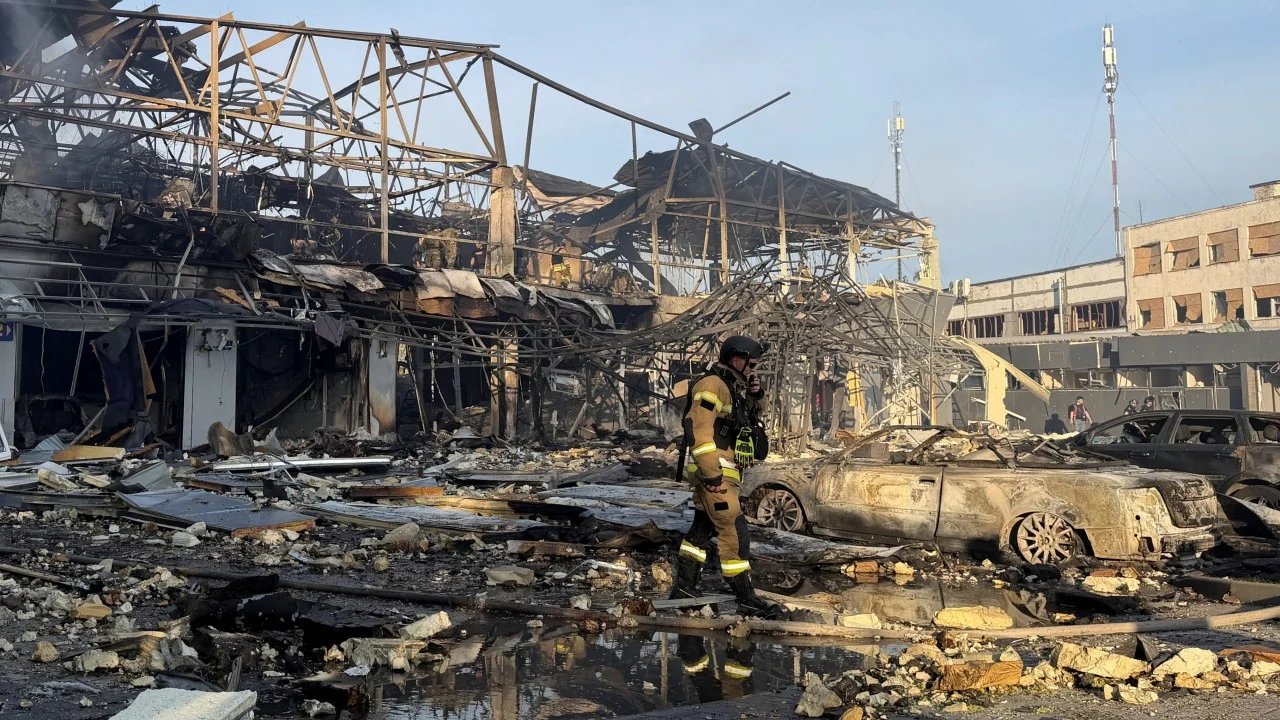
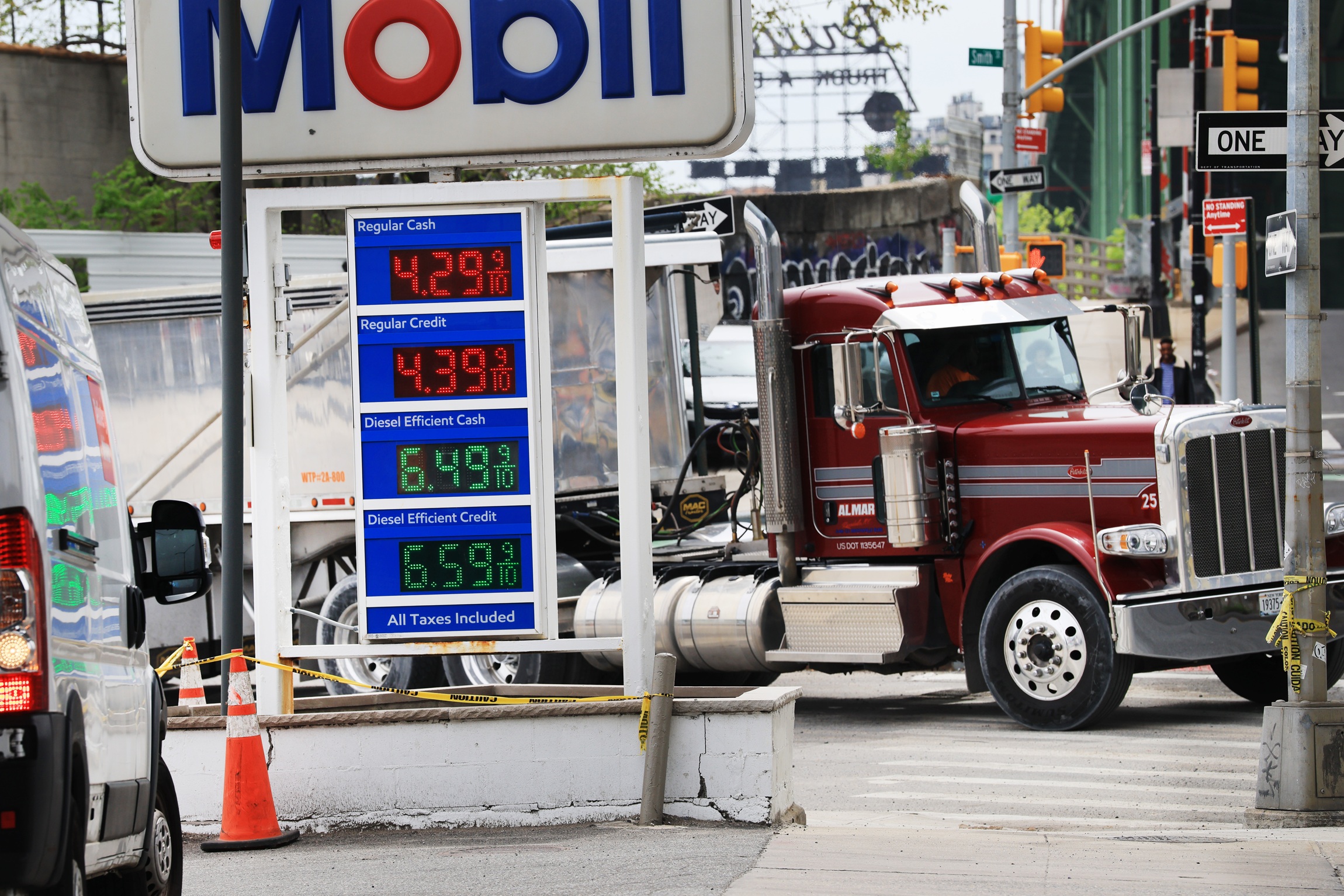
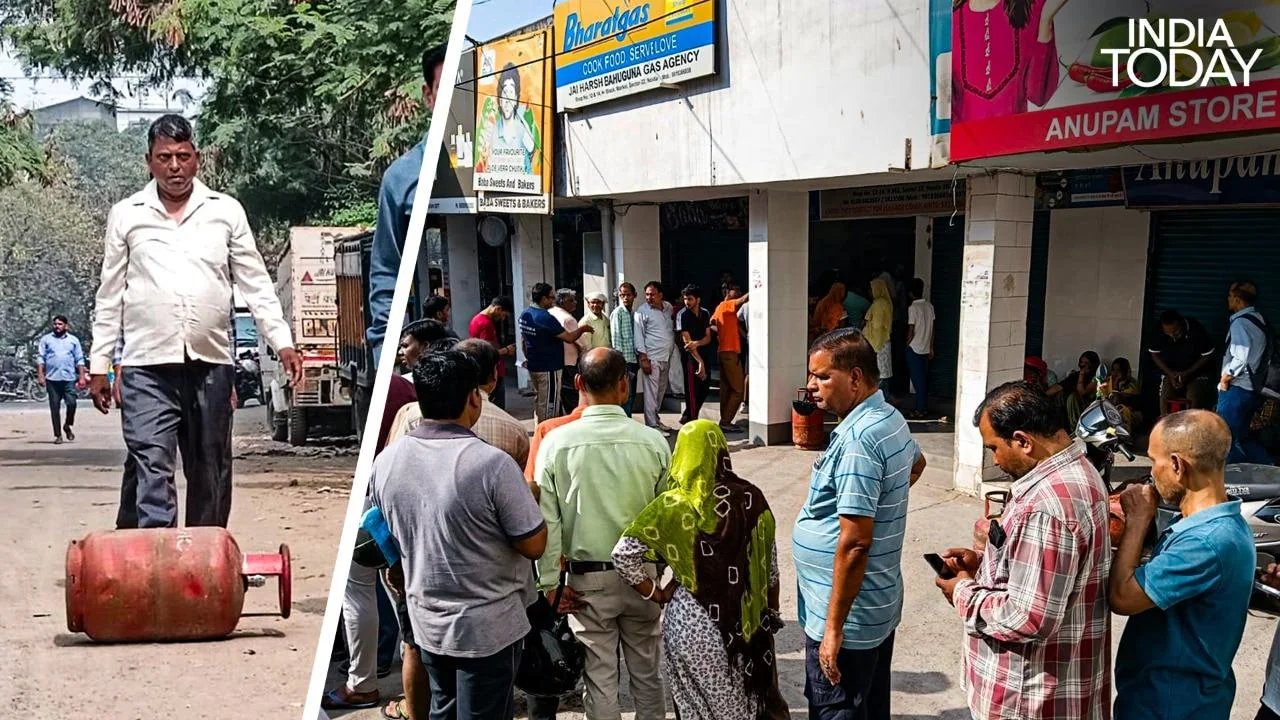
The war's economic impact is reaching American households at the pump. Gasoline prices hit $4.23 a gallon on Wednesday, up $1.25 since the U.S. and Israel launched their first attacks on Iran on February 28. The average price peaked at $4.18 on Tuesday, the highest level since the war began, according to AAA.
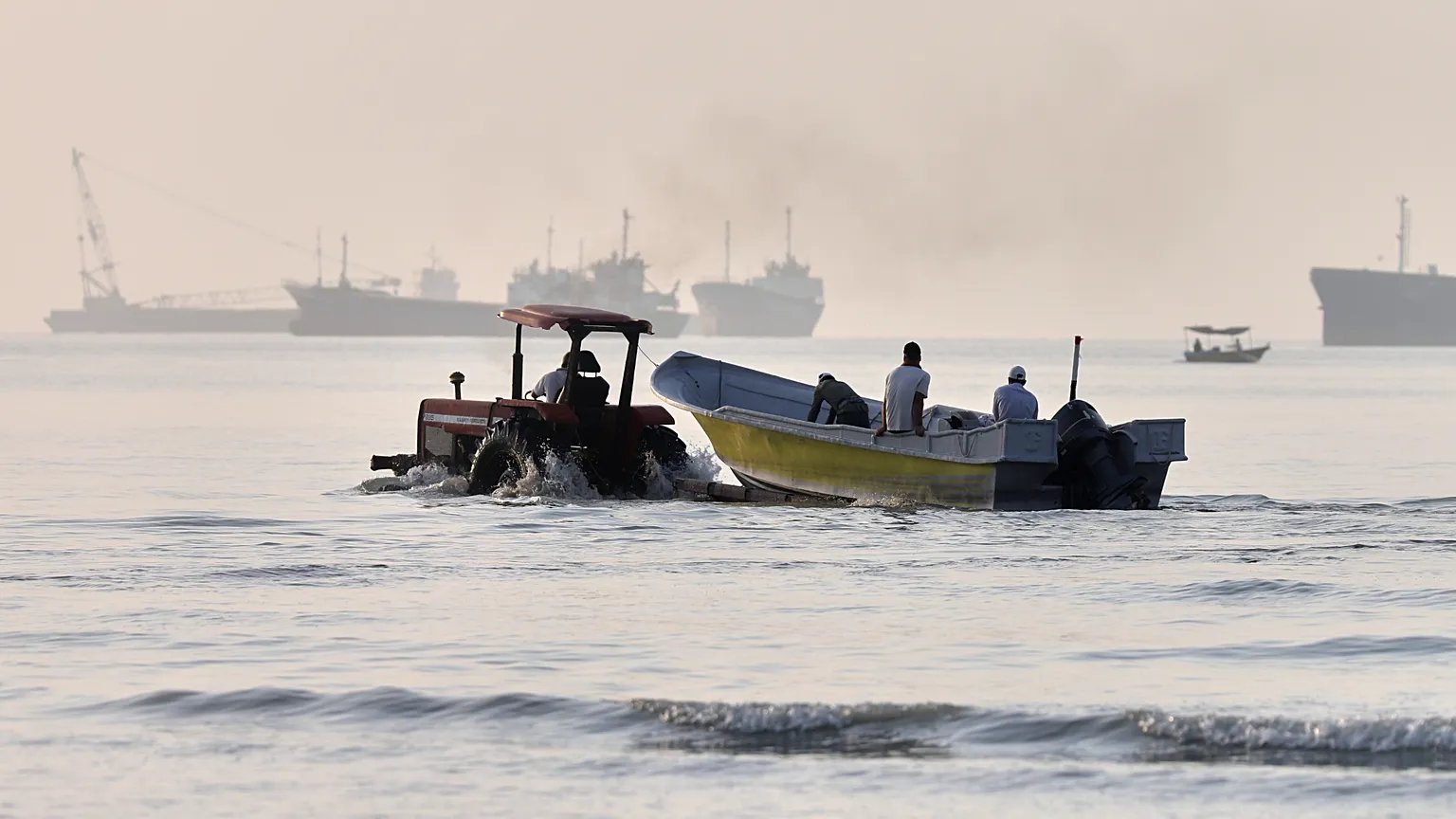
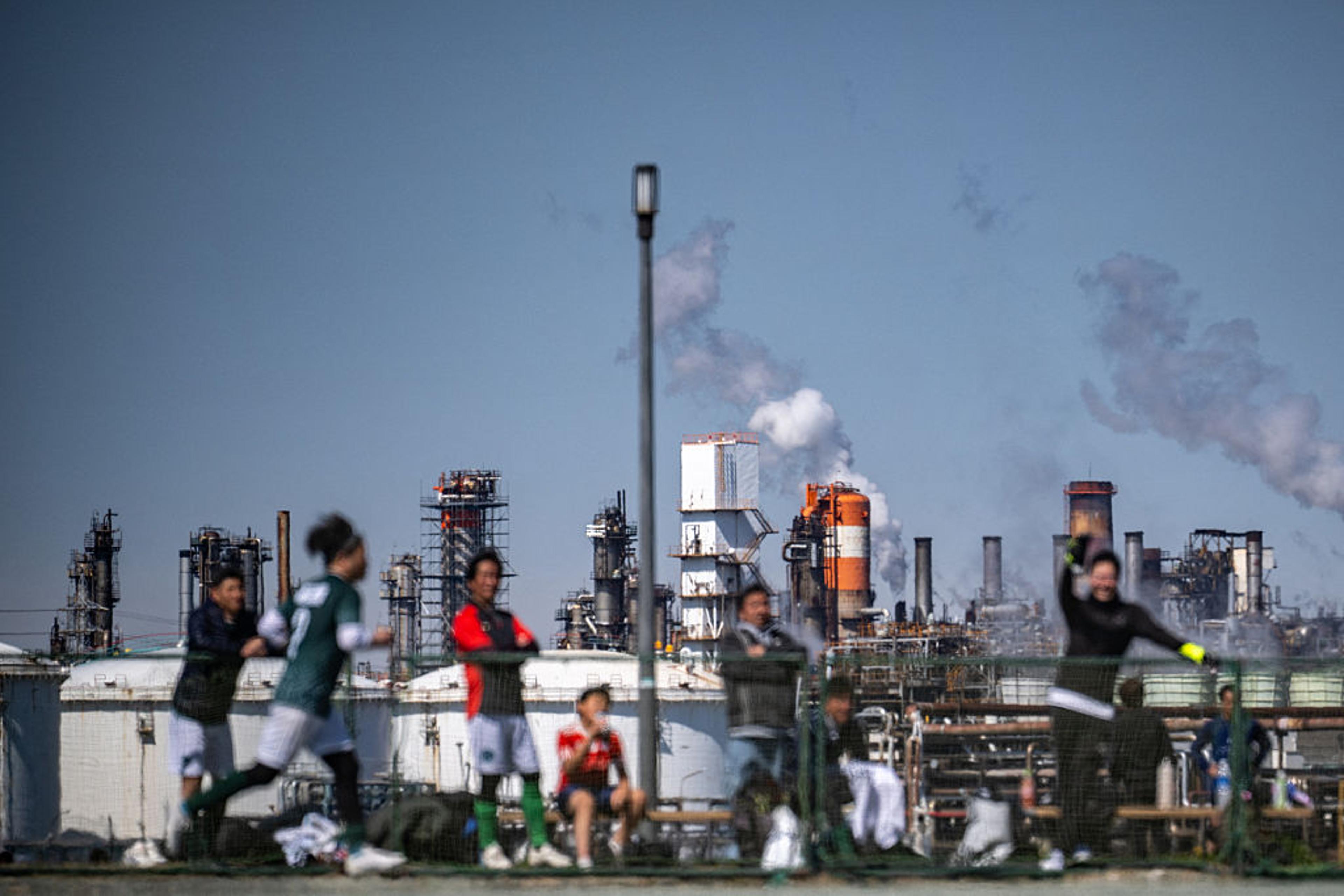
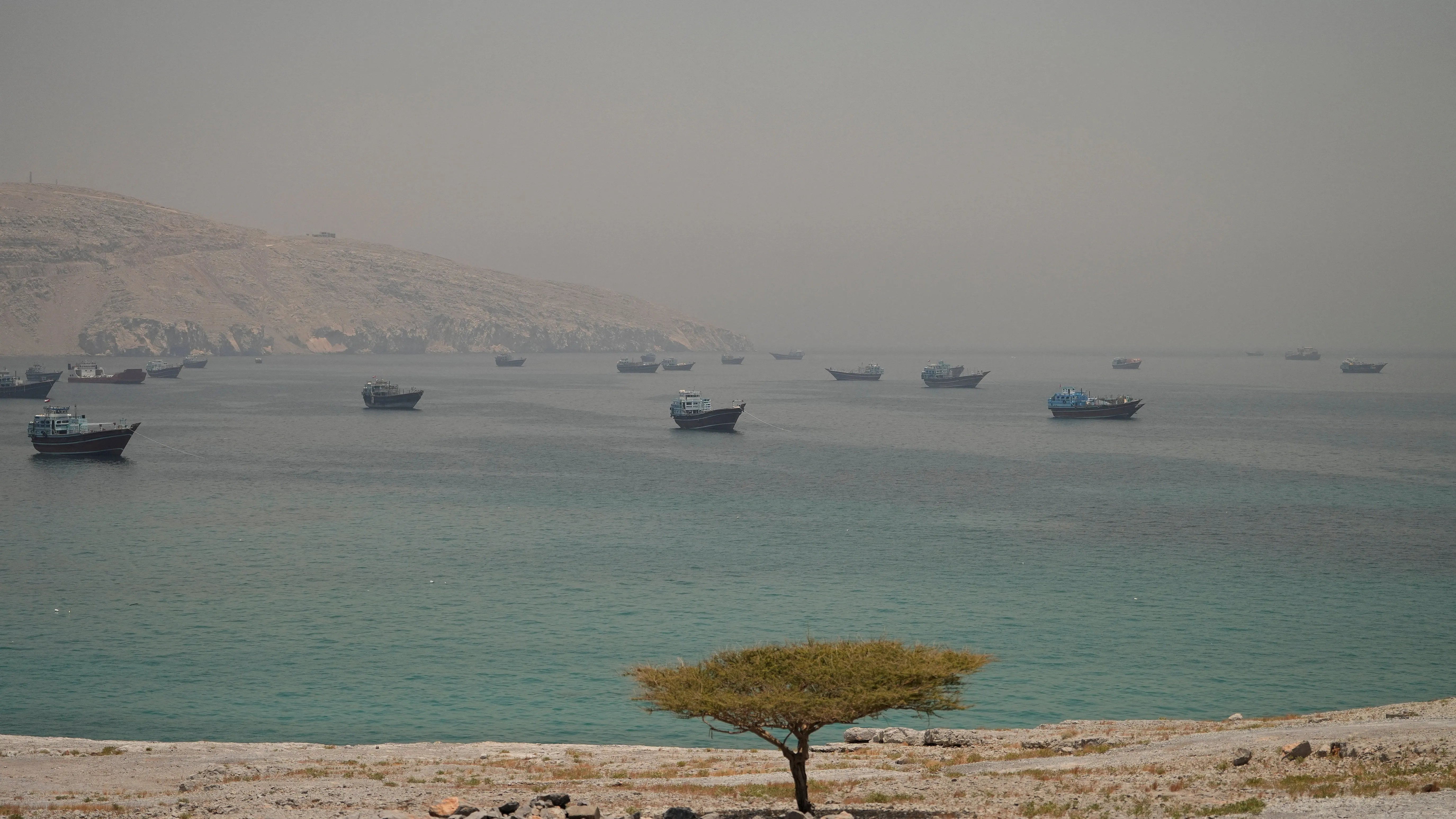
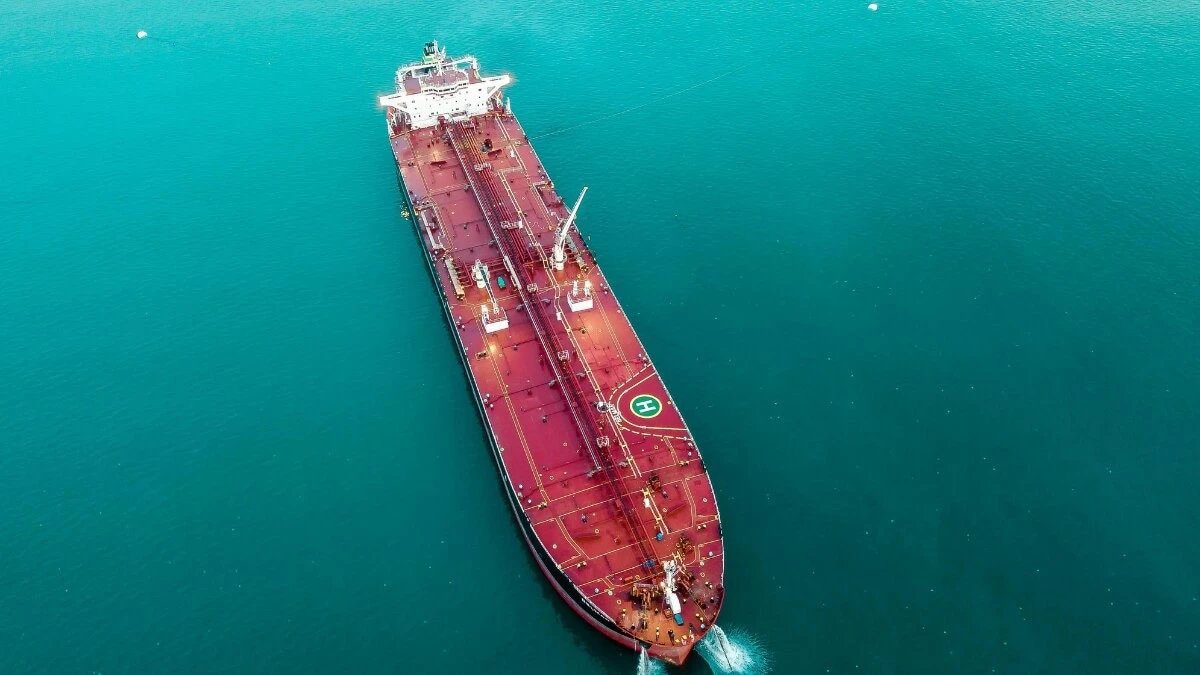
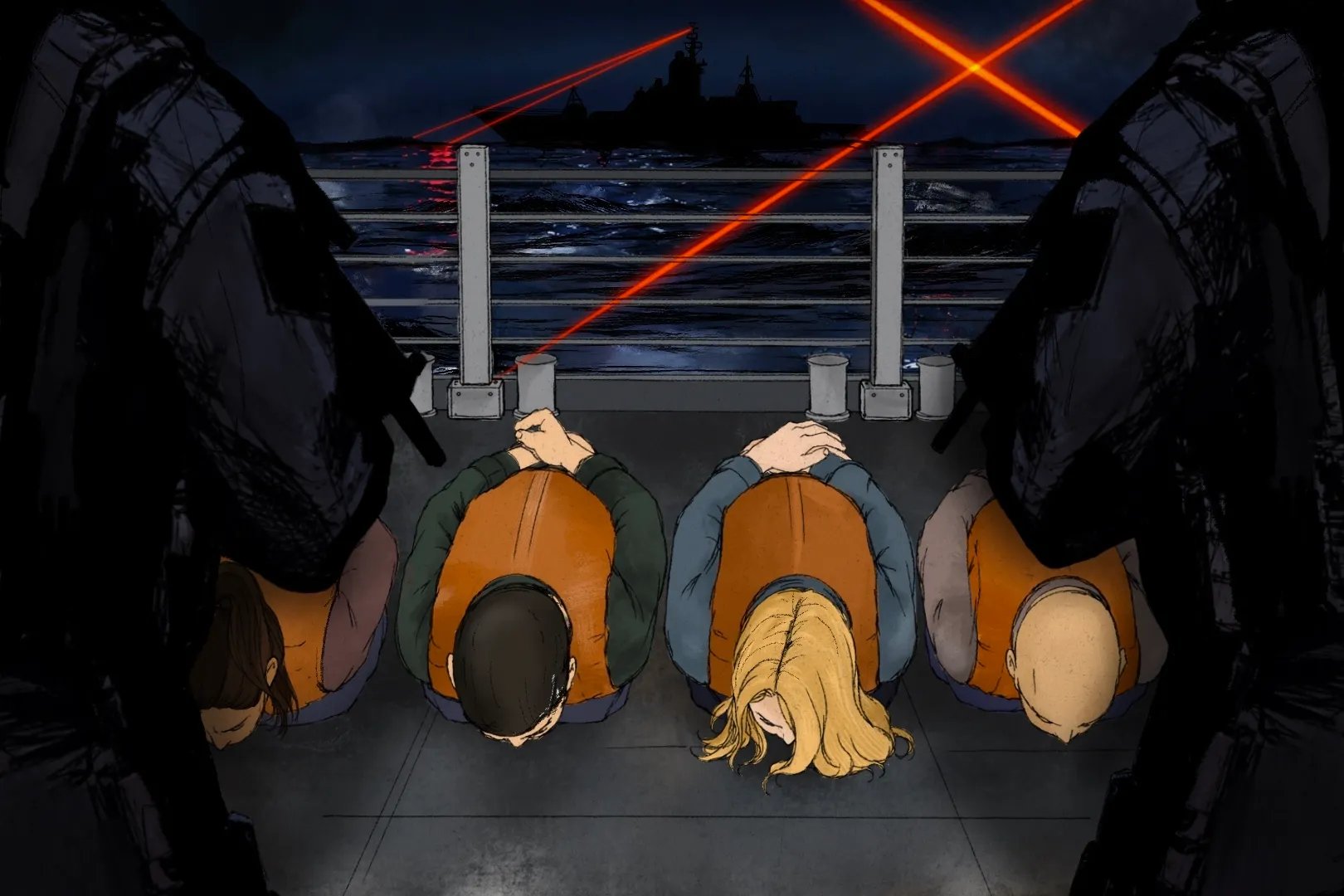
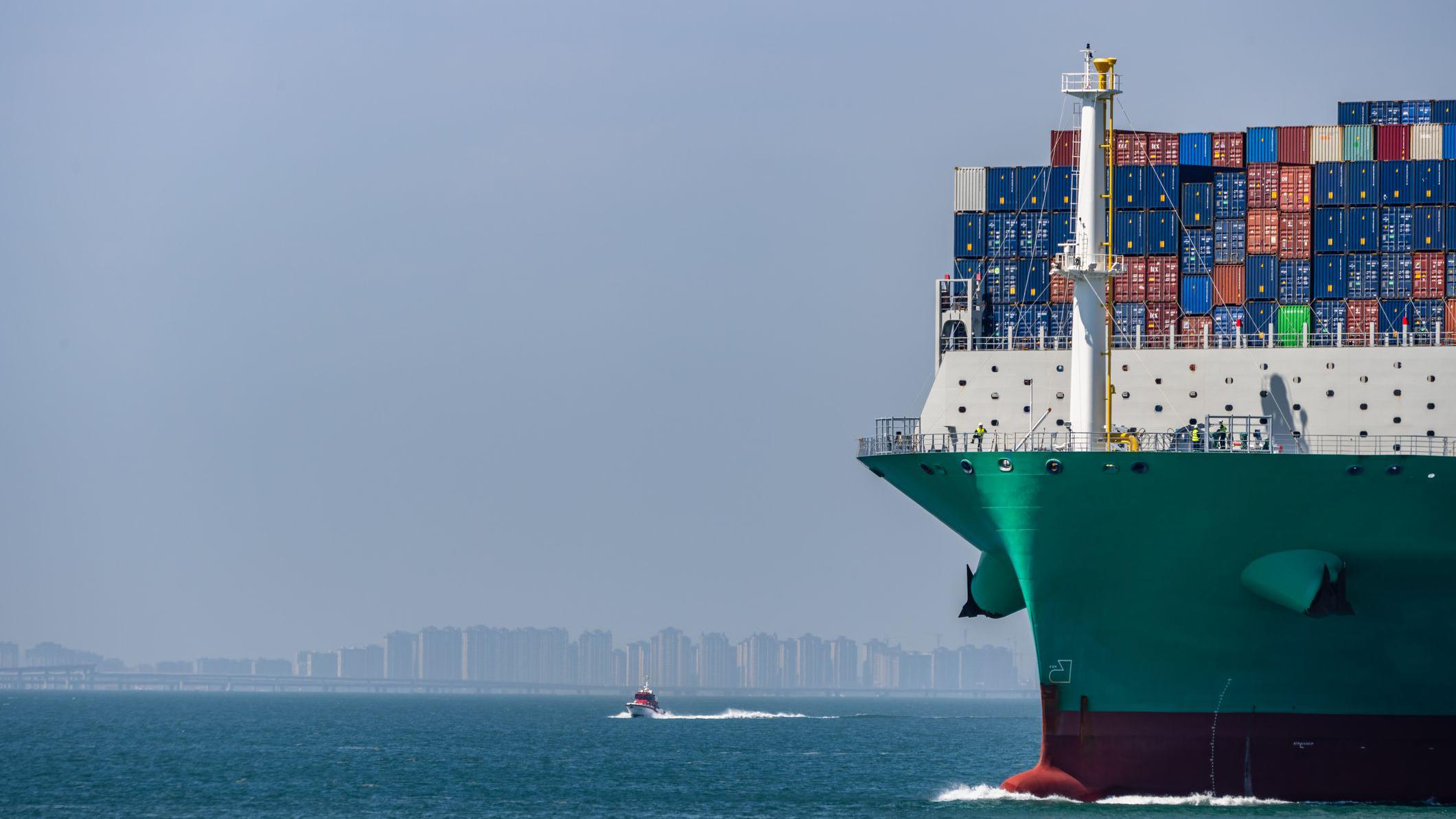
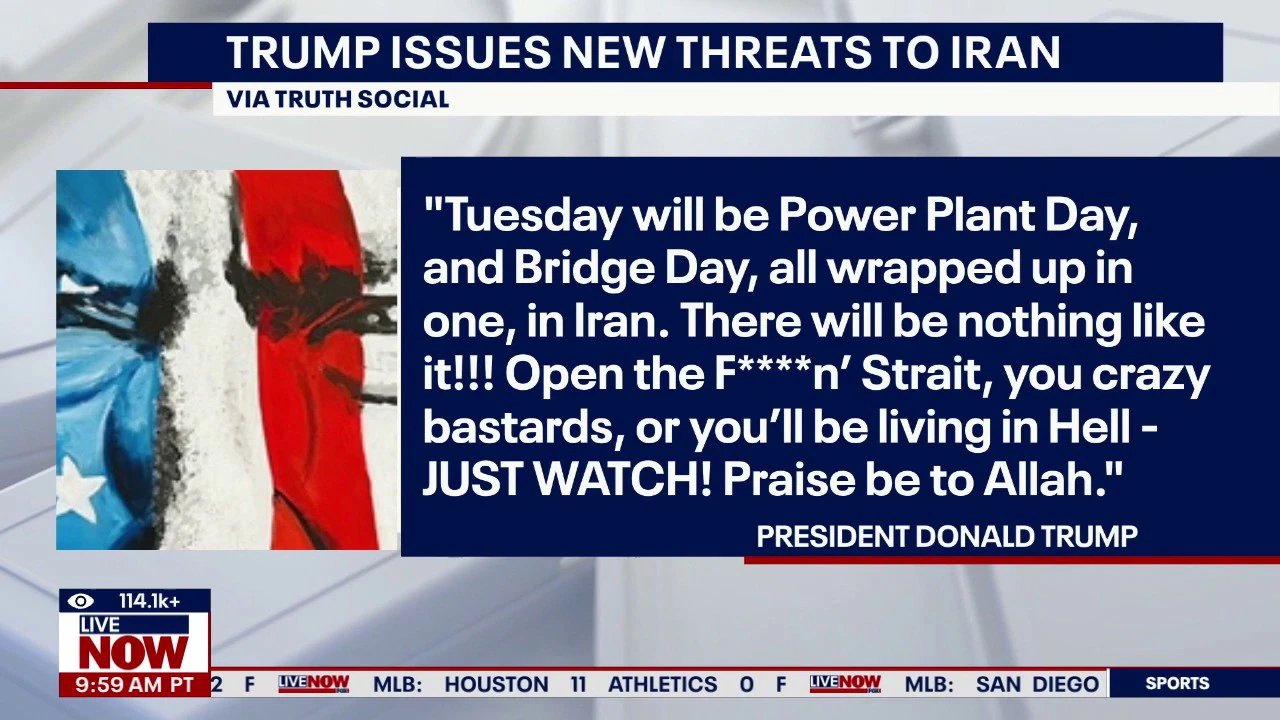
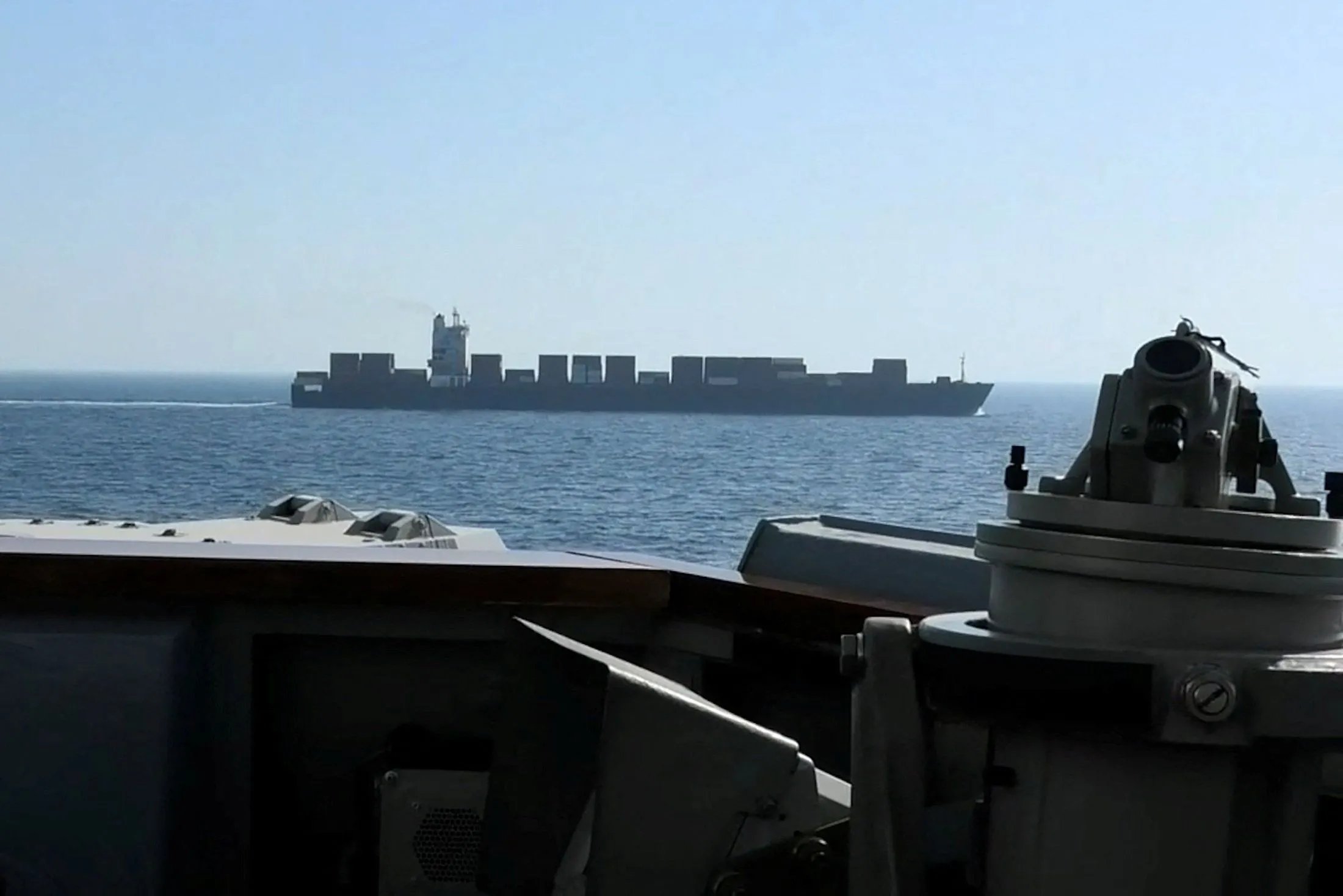
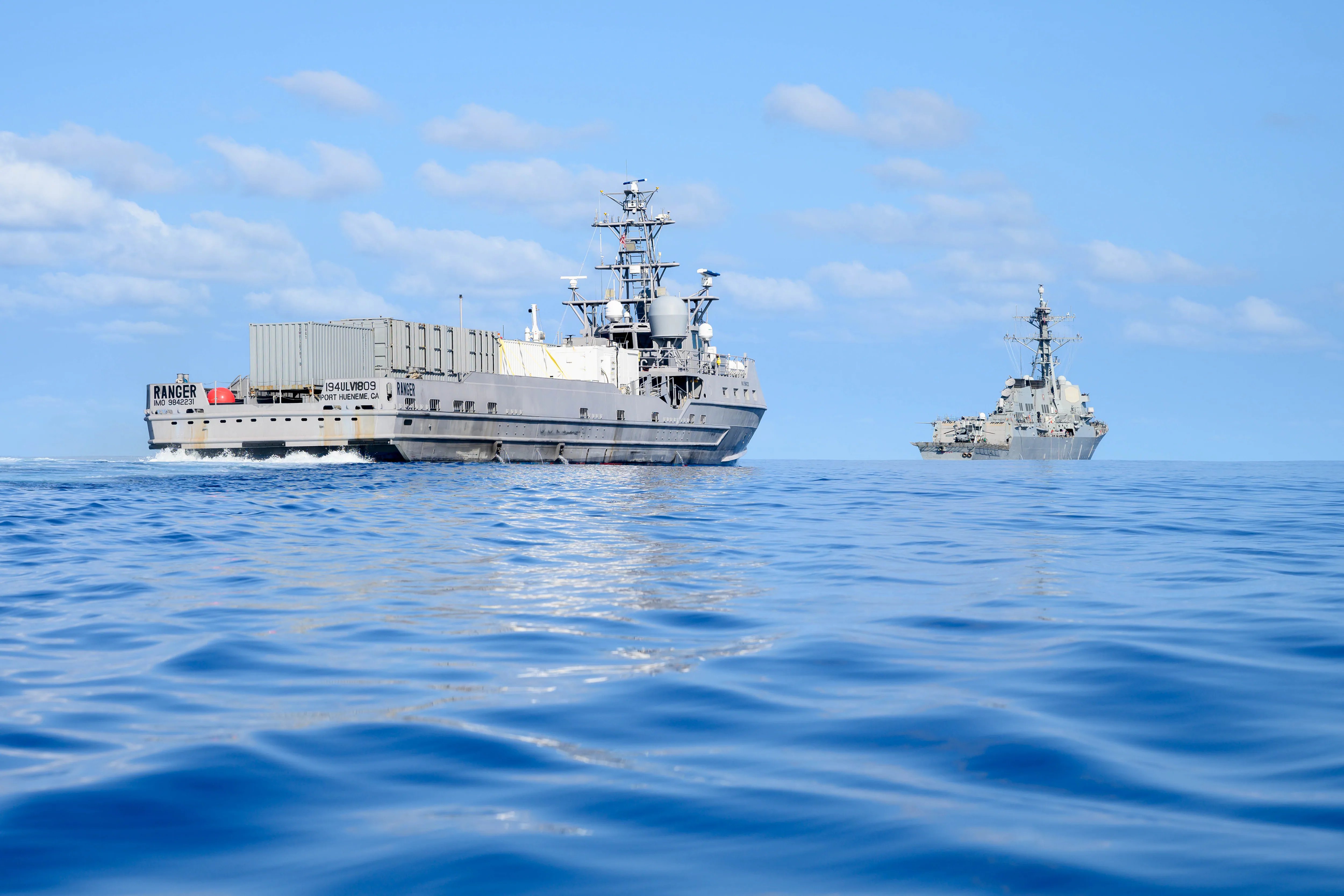
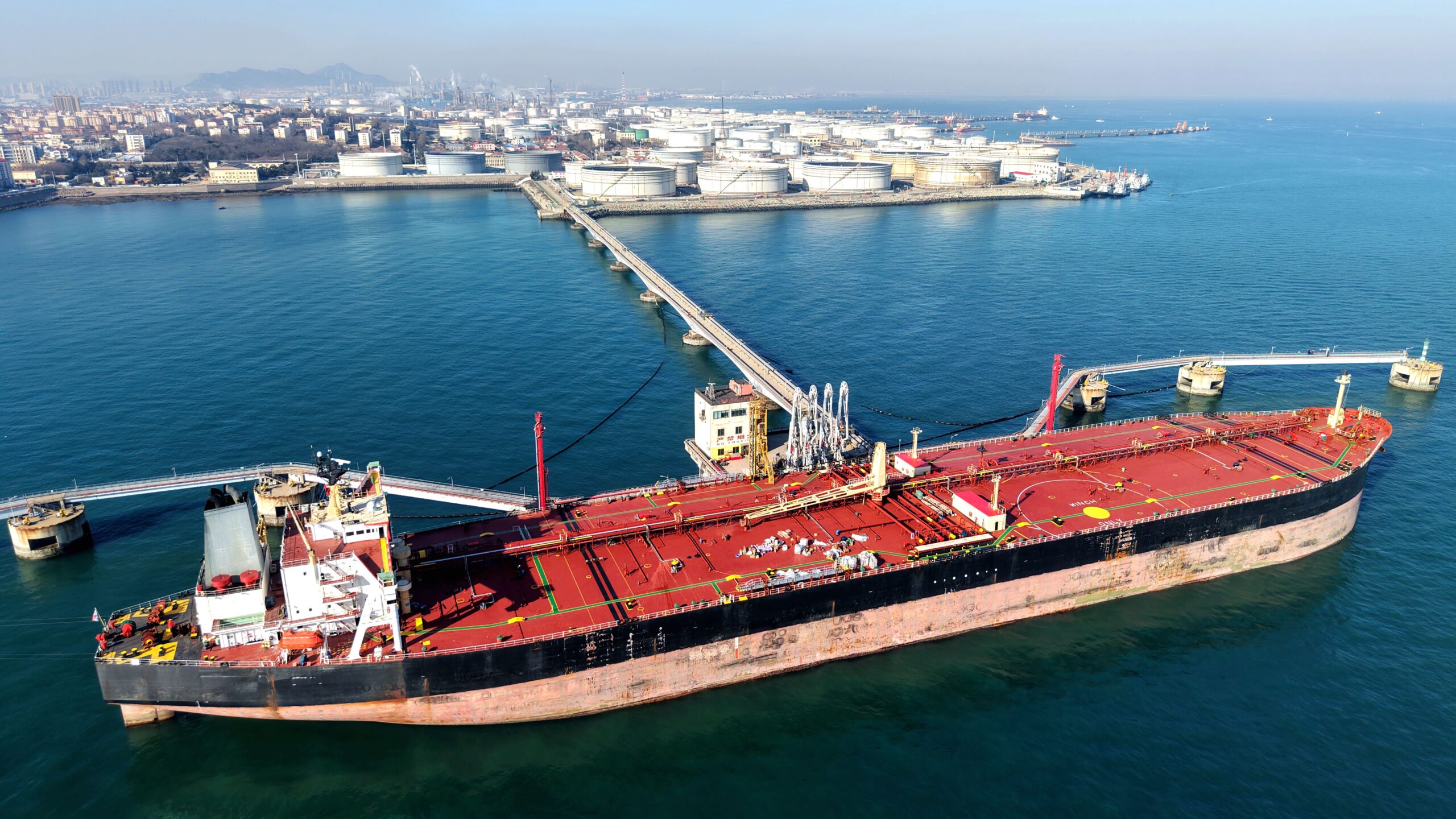
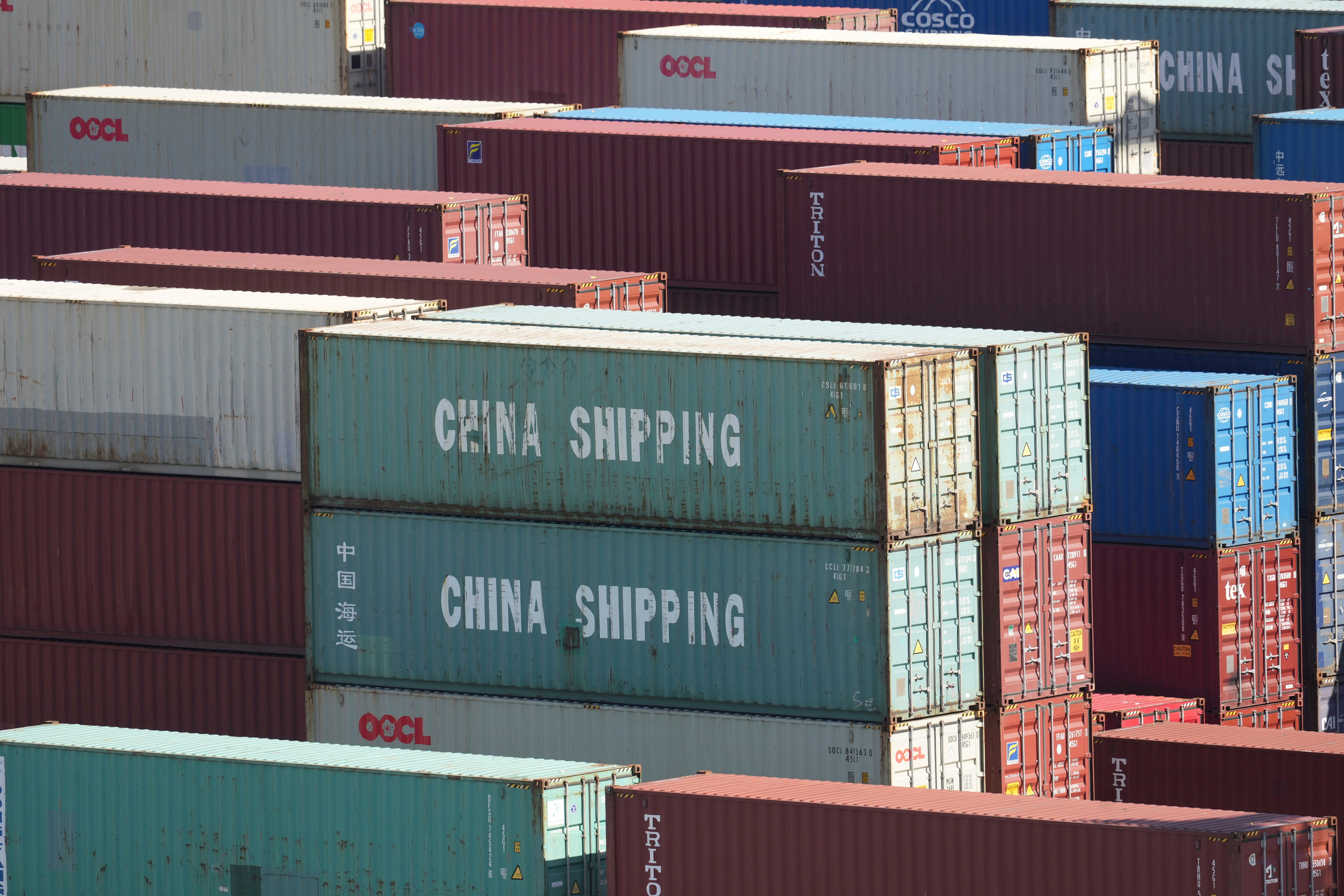
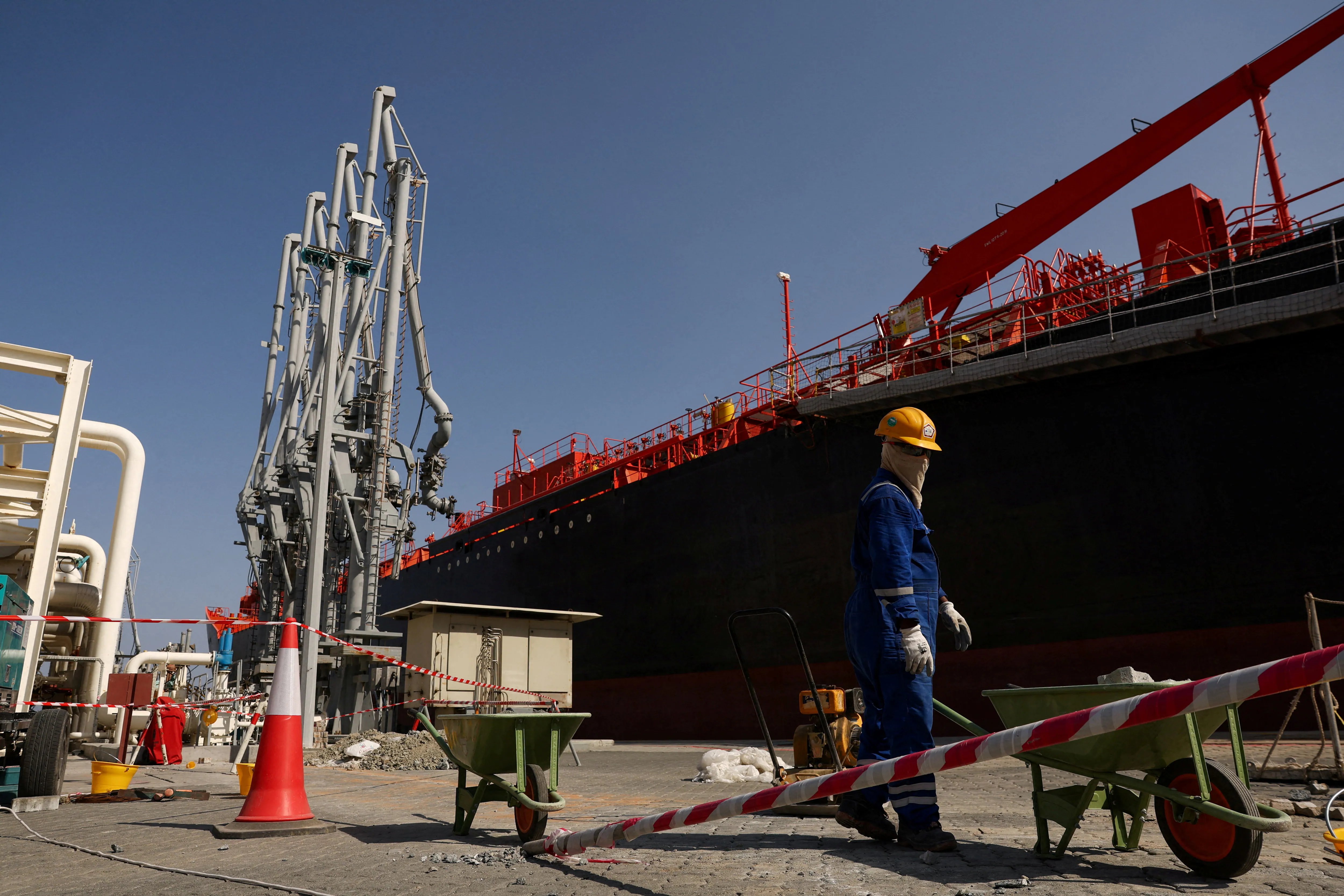
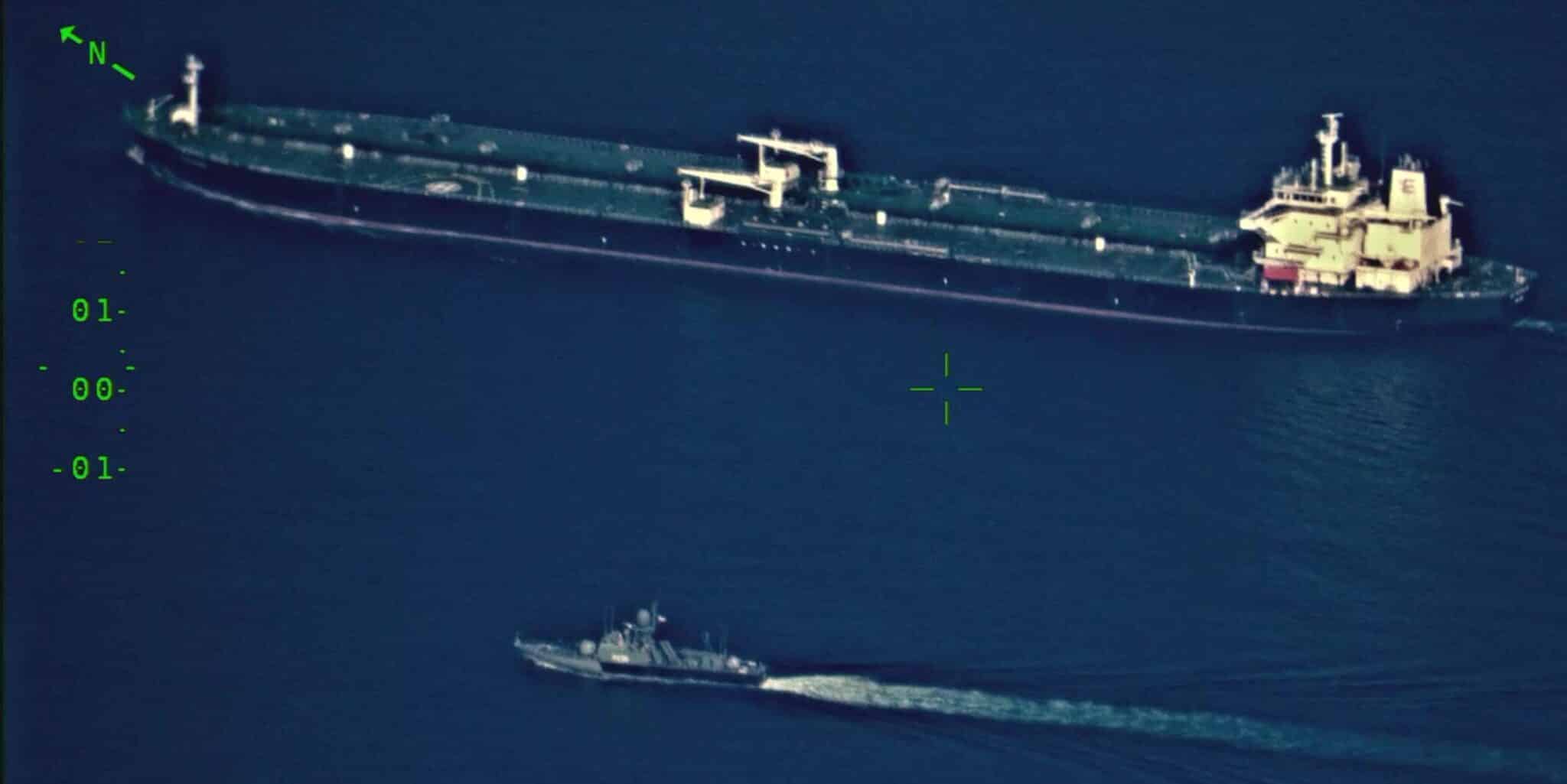
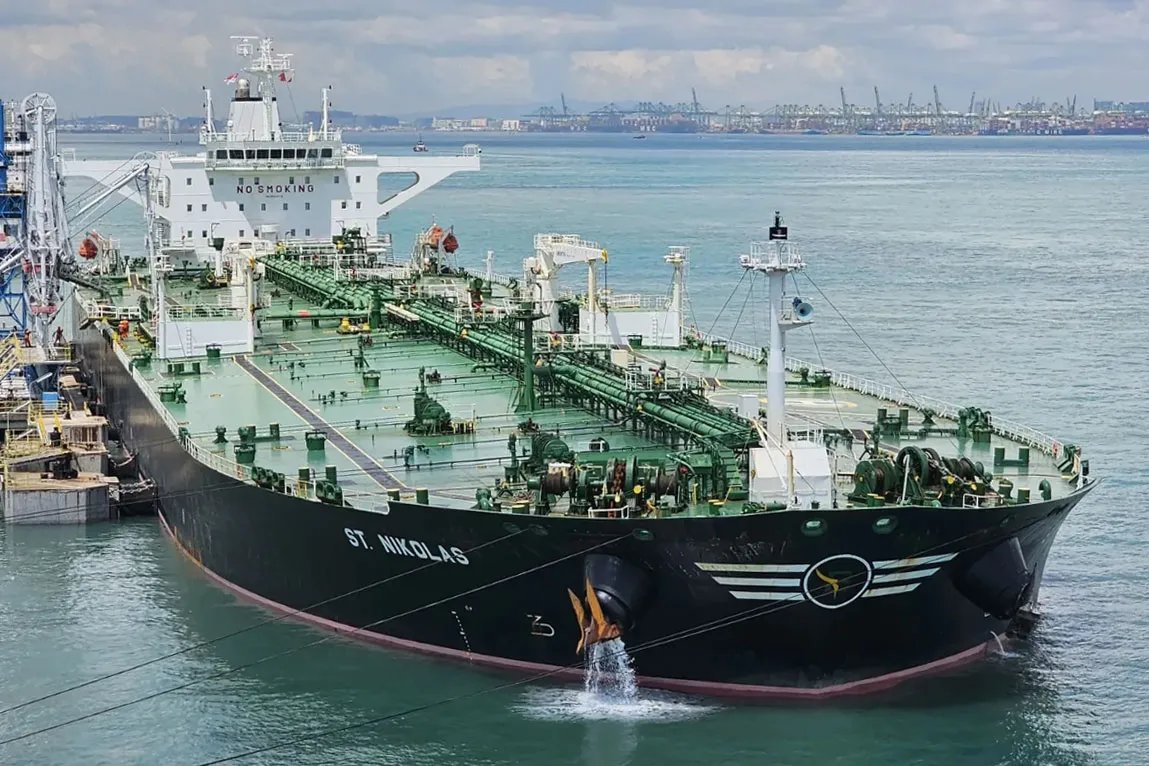
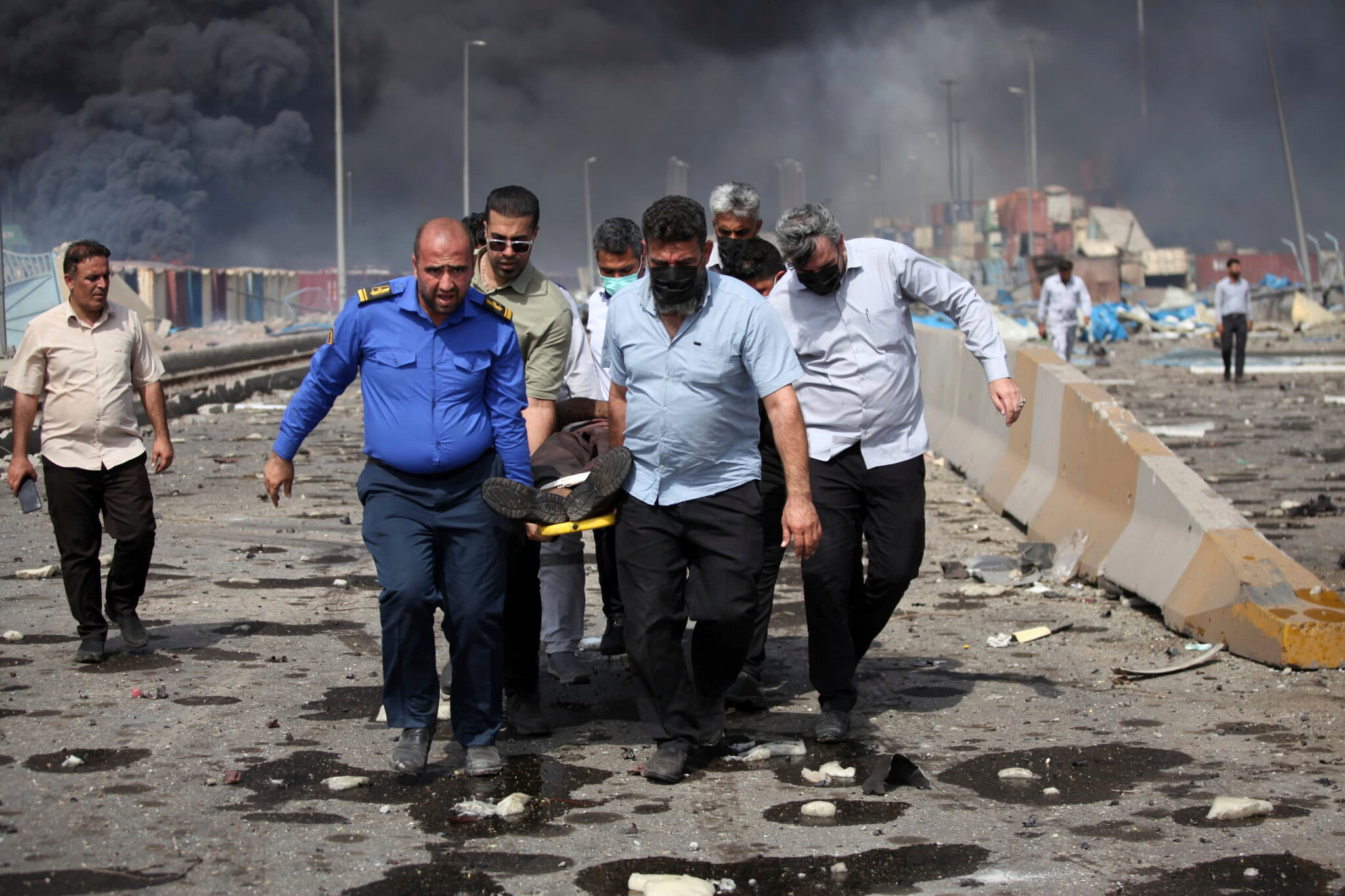
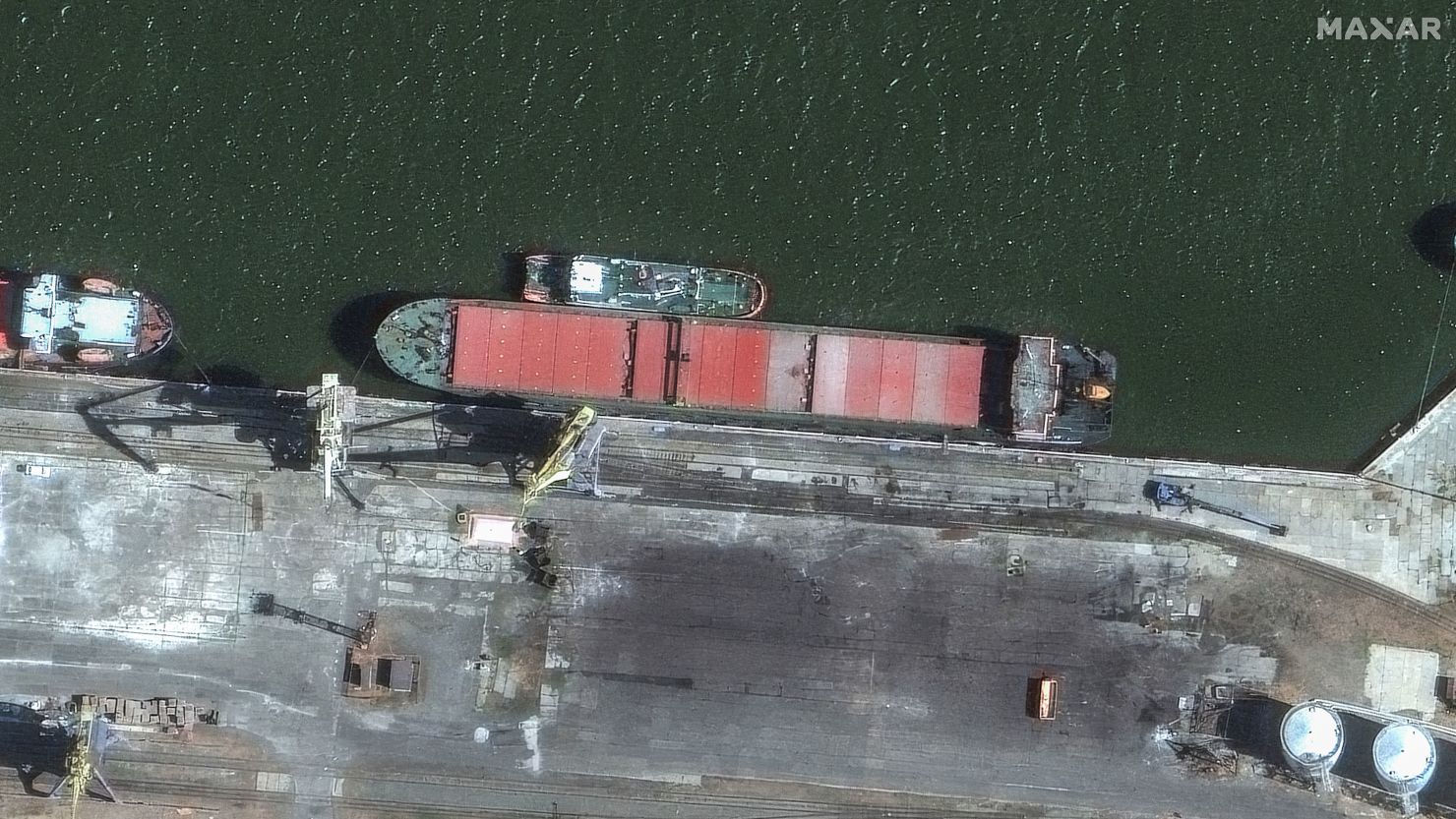
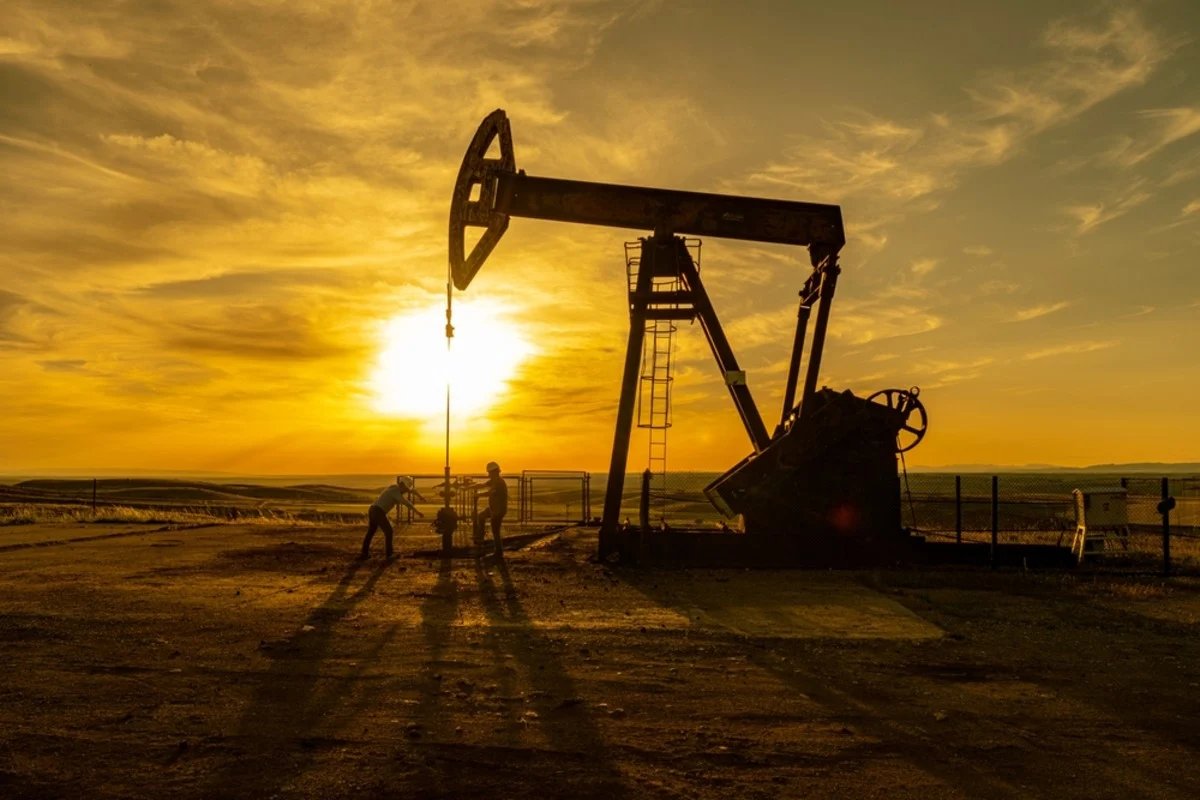
The disruption stems from Iran's effective blockade of the Strait of Hormuz, a vital shipping lane for global energy supplies. Iran has permitted only a select few oil tankers to transit the waterway in recent days and has seized two commercial ships it accused of violating its restrictions. In response, the U.S. military says it has forced at least 39 vessels to turn around after they attempted to enter or exit Iranian ports in breach of the American blockade.
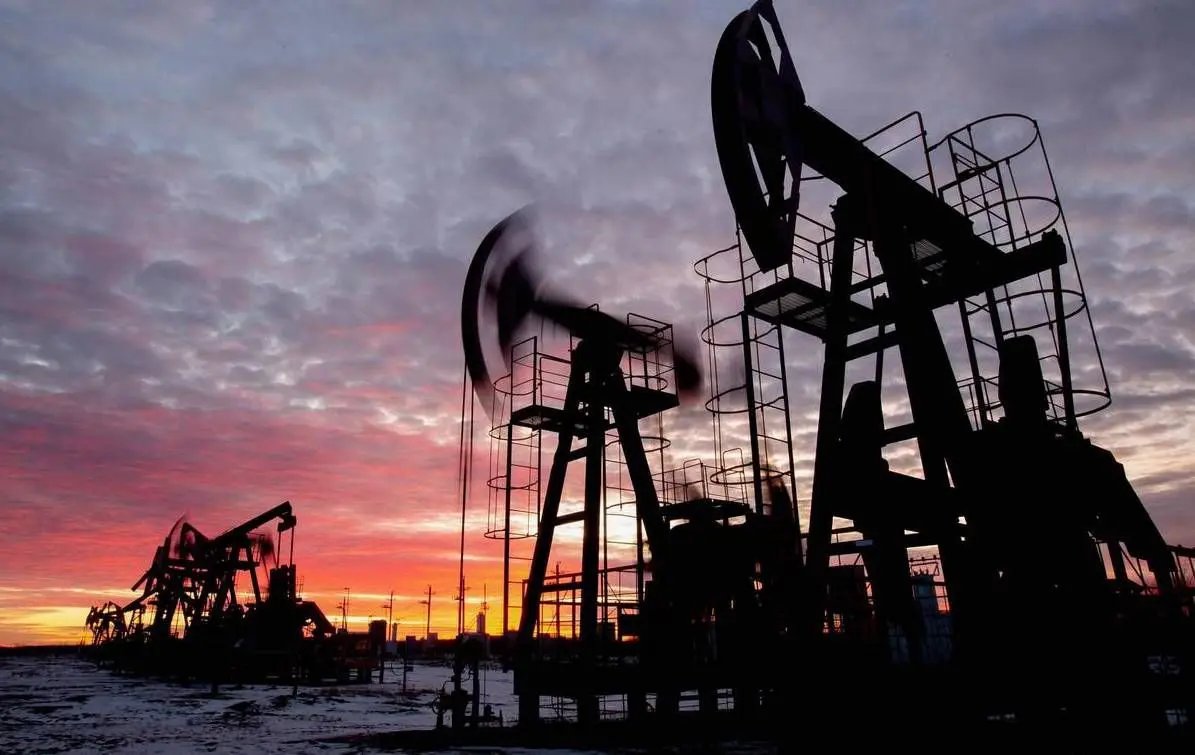
Oil accounts for 51 percent of the cost of a gallon of gas. Brent crude, the international benchmark, edged close to $115 in early morning trading Wednesday, up from around $70 per barrel before the war began. Patrick De Haan, a petroleum expert at GasBuddy, said negotiations have stalled and "there's no cohesive plan for reopening" the Strait of Hormuz.
Democrats Question the War's Justification
Rep. Ro Khanna, a California Democrat, pressed Hegseth on the household costs Americans face from the conflict. "Do you know how much it will cost Americans in terms of their increased cost in gas and food over the next year because of the Iran war?" Khanna asked.
Hegseth responded by asking Khanna about the cost of an Iranian nuclear bomb. Khanna countered that the Trump administration had failed to live up to campaign promises to lower the cost of living. "I'm sad for all the people who voted for Trump. I'm sad for them because you betrayed them," Khanna said, arguing that Iran's blockade would cause American households to pay thousands more dollars for gas and food.
Rep. Chrissy Houlahan, a former Air Force officer from Pennsylvania, asked Hegseth how many more months the military would need to conclude operations successfully and how many additional billions Congress should expect to fund. Hegseth declined to provide a timeline, saying the U.S. military would never tip its hand to an adversary about its commitment to the mission.
Rep. Adam Smith, the top Democrat on the committee, said Hegseth needed to explain the Trump administration's goals in the Middle East. "Where is this going? What is the plan to achieve our objectives? We've seen the cost, and the cost is very, very high," Smith said.
Hegseth Defends Operations Against Criticism
Hegseth called critics of the war "the biggest adversary we face at this point," describing them as "reckless, feckless and defeatist" members of Congress. He denied that the U.S.-Israel war on Iran is "a quagmire," as some lawmakers have suggested, and claimed critics posed a greater threat to the U.S. than Iran itself.
When asked about a deadly strike on an Iranian elementary school that killed more than 165 people two months ago, Hegseth said the incident "remains under investigation" but declined to tie a cost to it. A preliminary U.S. assessment suggested the U.S. was "likely" responsible for the attack but did not intentionally target the school, possibly due to the use of dated intelligence that wrongly identified the area as part of an Iranian military installation.
International Costs Mount Beyond U.S. Borders
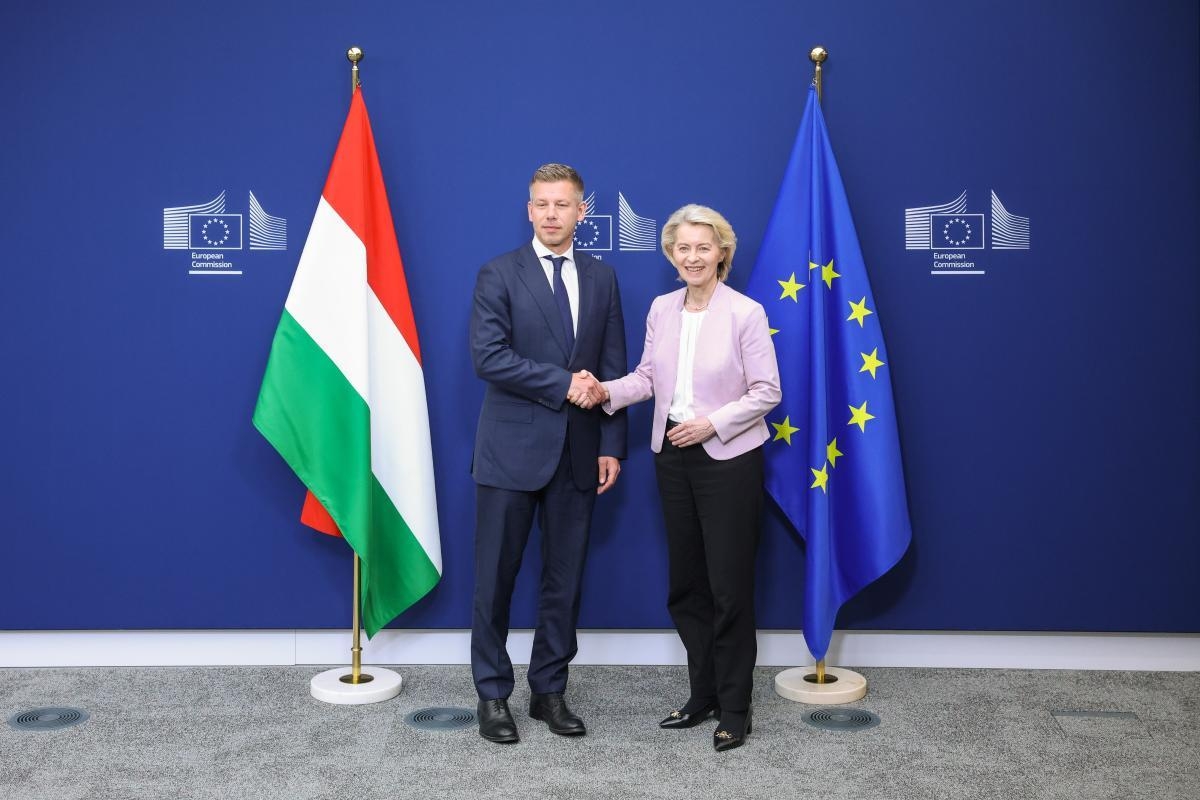
The war is draining resources and disrupting economies worldwide. The U.S.-Israeli war with Iran is costing the European Union almost 500 million euros, or $600 million, every day, European Commission President Ursula von der Leyen warned Wednesday. She called on EU countries to funnel energy aid to vulnerable households and industries to avoid wasting billions of euros as the conflict drives up oil and gas prices.
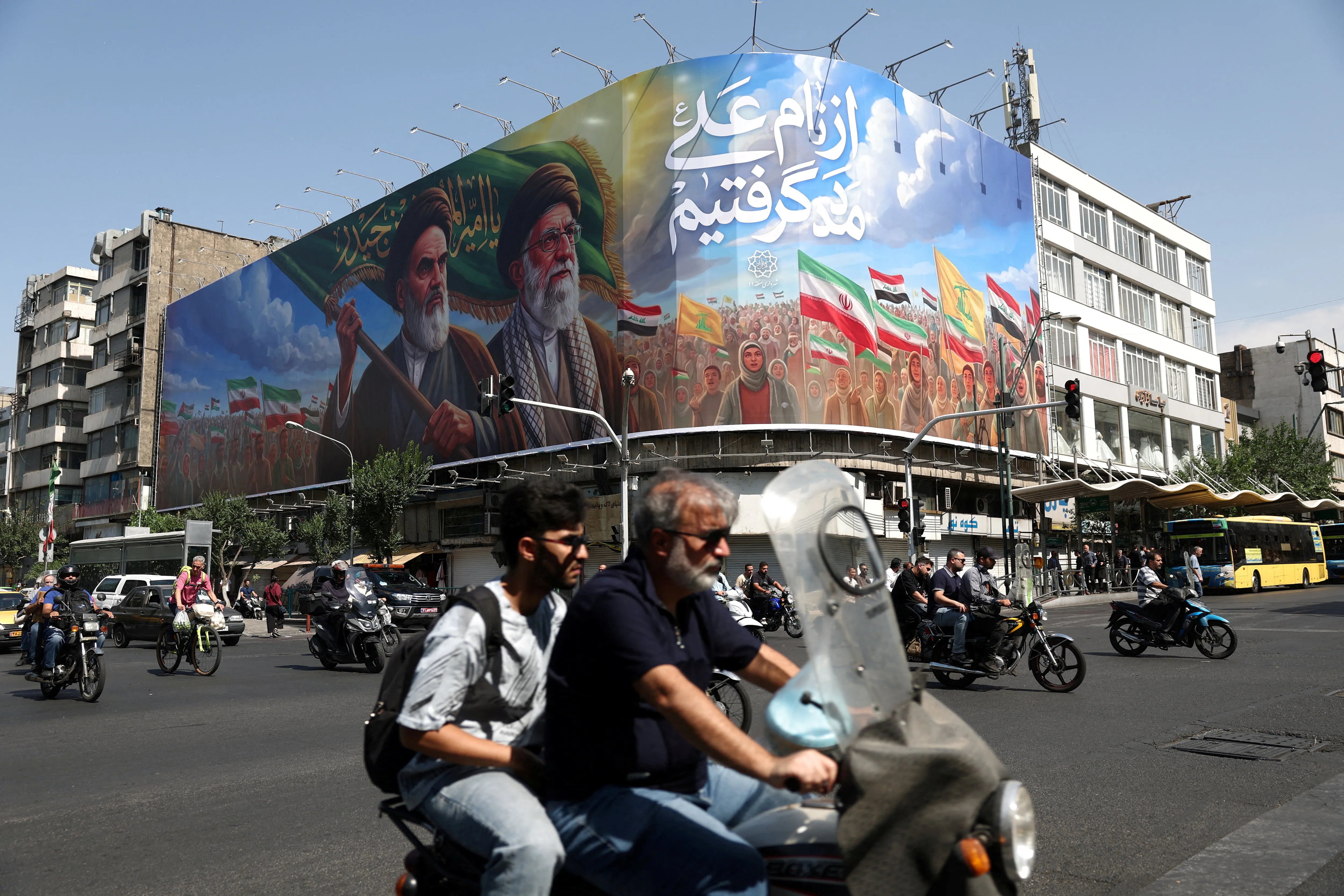
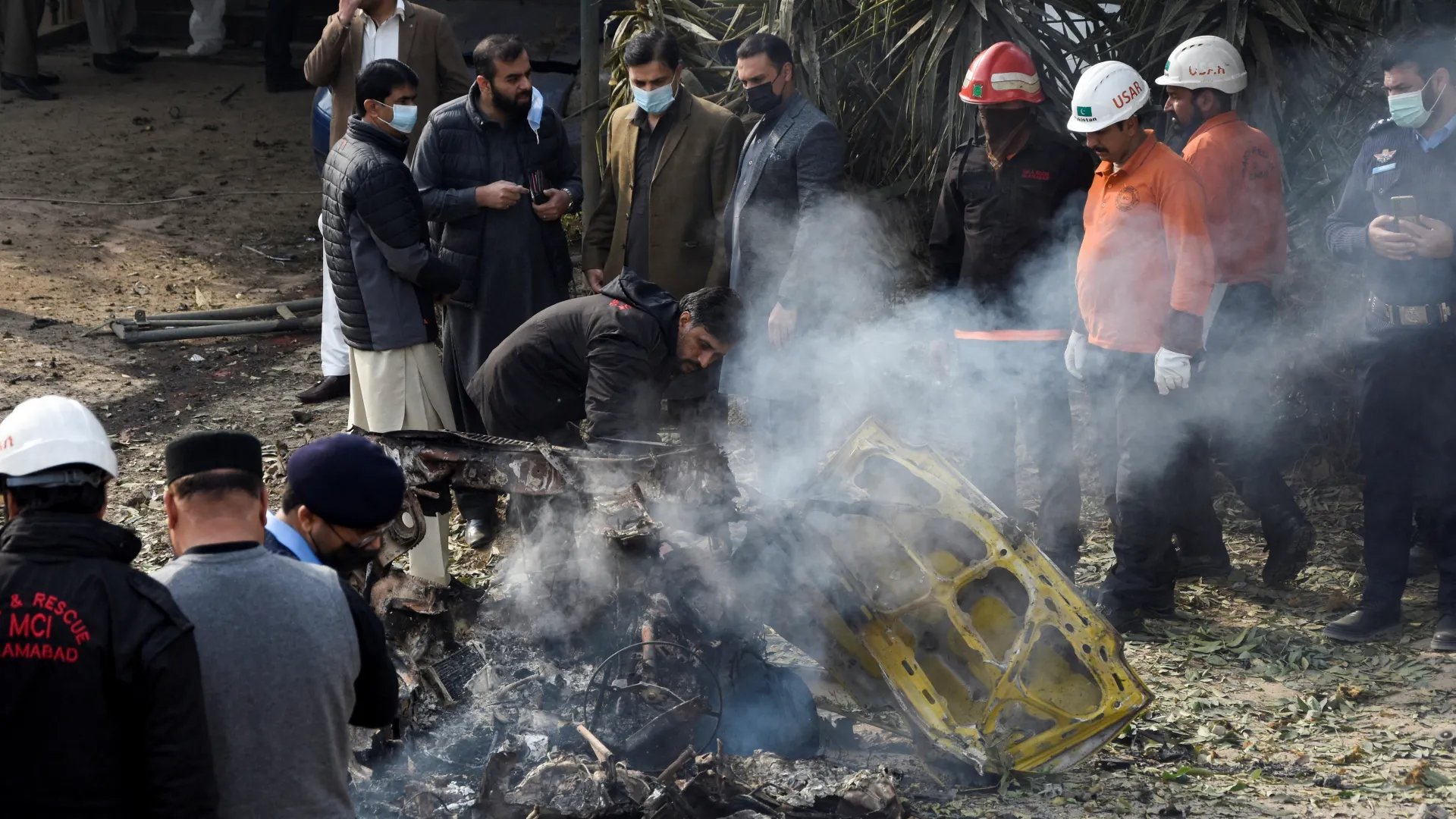
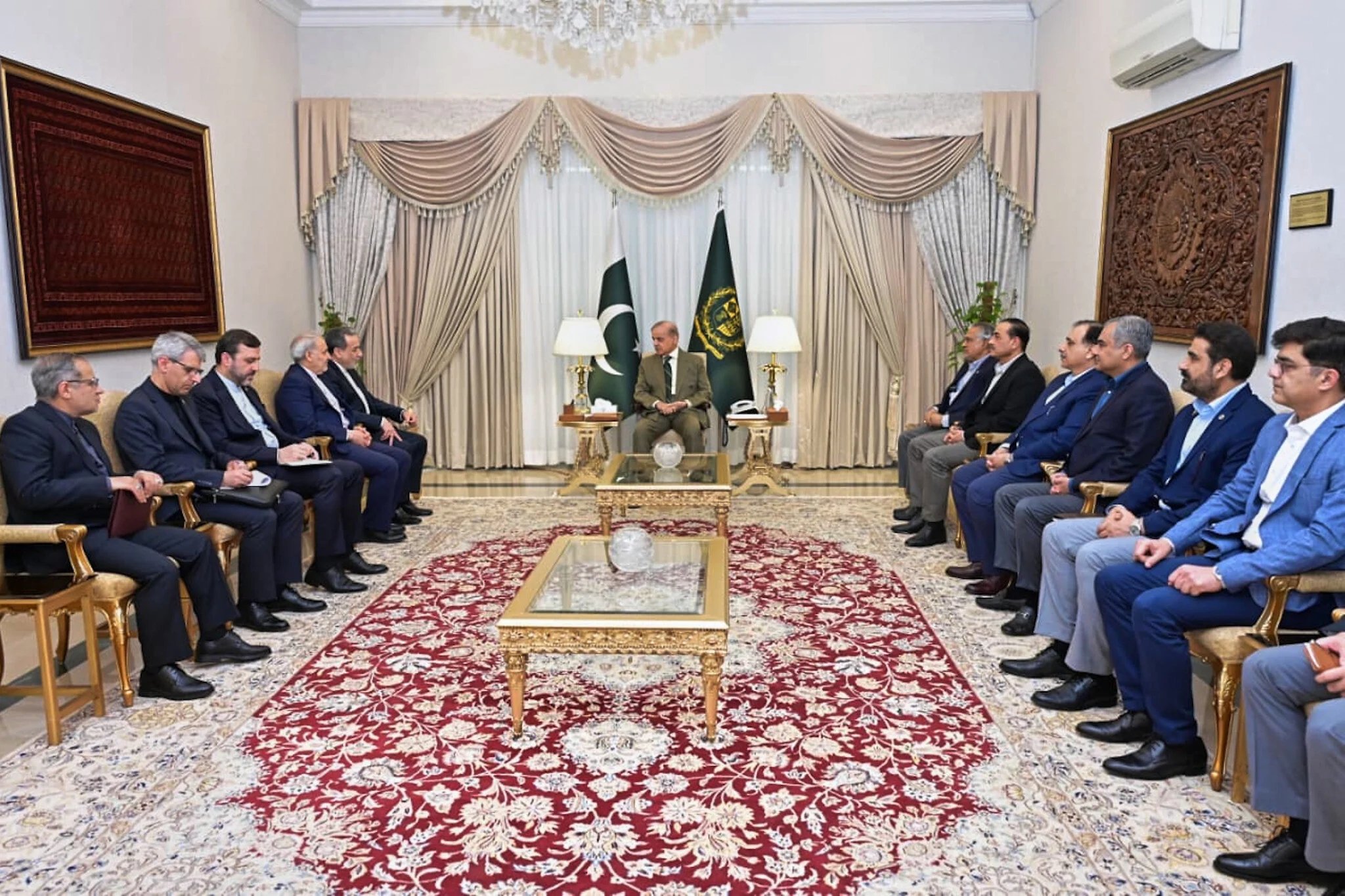
German Chancellor Friedrich Merz said Wednesday that he had "had doubts from the very beginning about what was started there with the war in Iran." He noted that Germany and Europe were "suffering considerably" from the closure of the Strait of Hormuz. Pakistan's Prime Minister Muhammad Shehbaz Sharif told his cabinet that his country's economic development "has come to a halt" due to the war, with petroleum prices soaring.
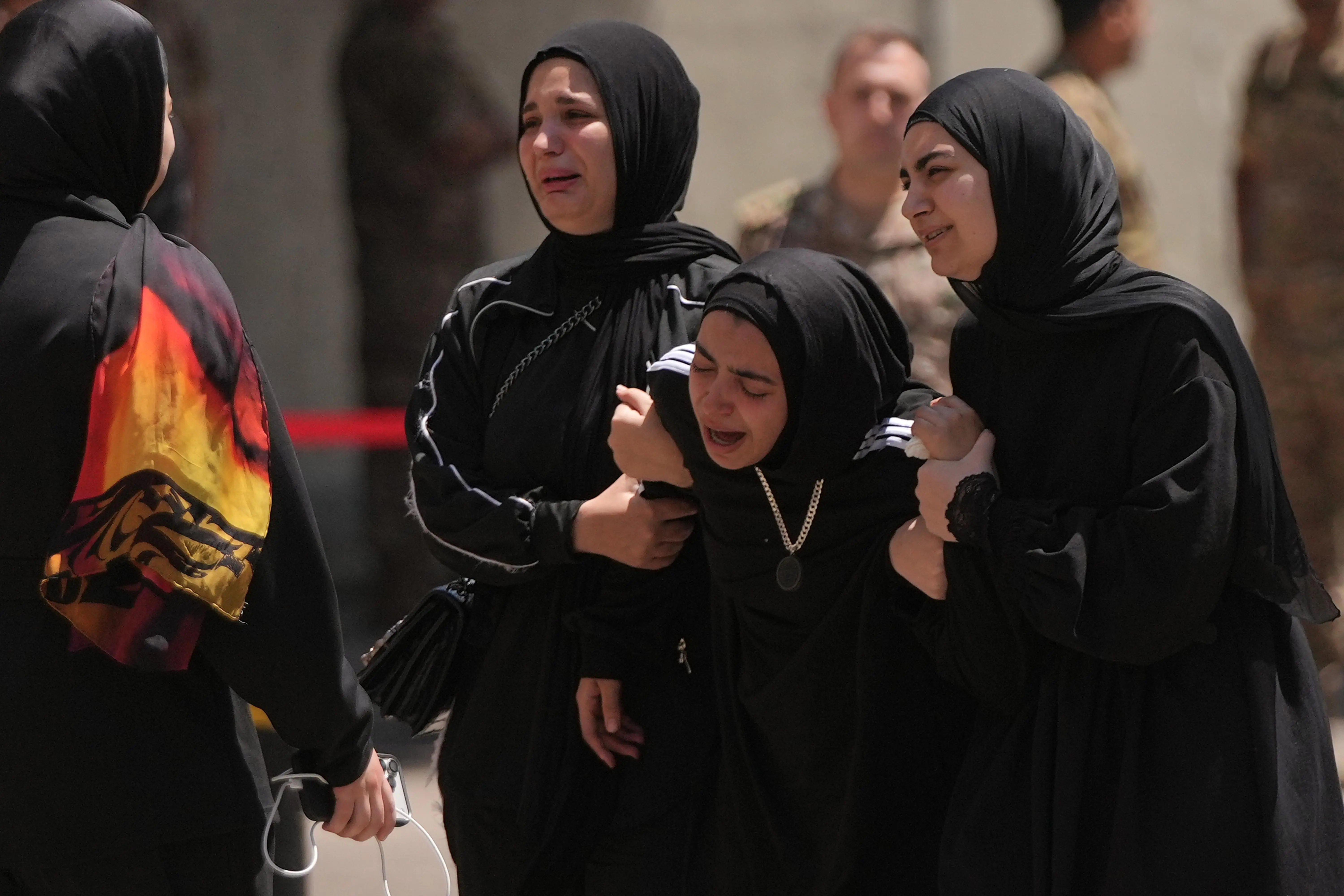
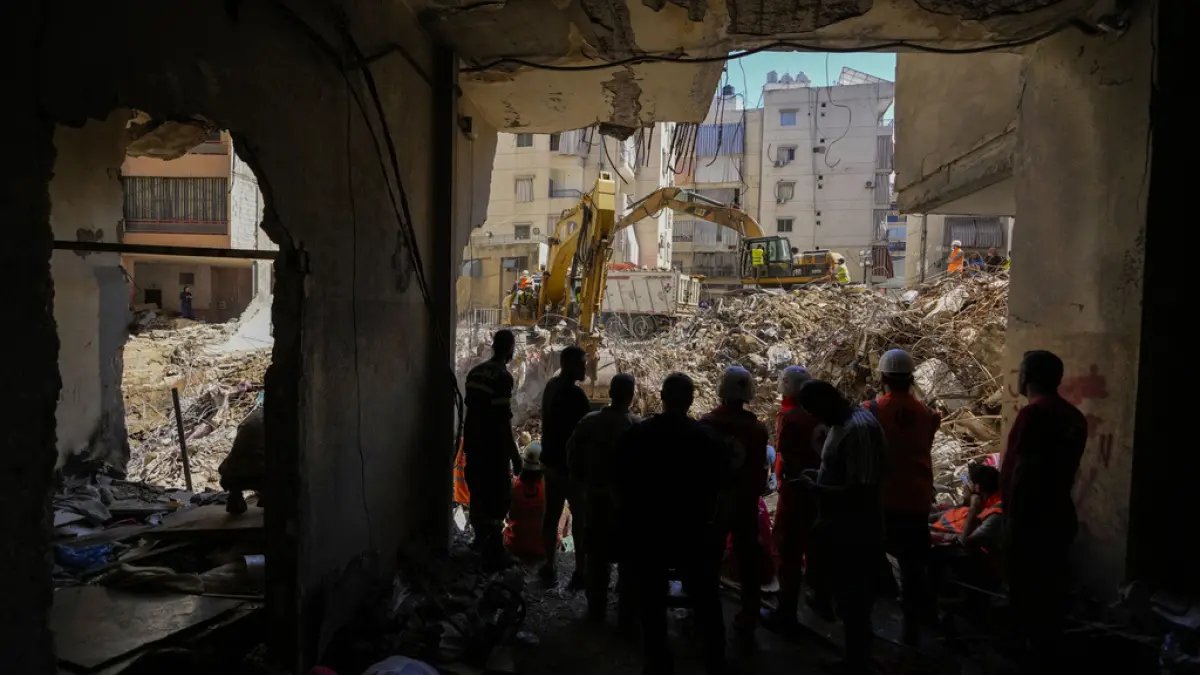
A U.N.-backed report said more than 1.2 million people in Lebanon are expected to face acute hunger between April and August, a significant deterioration from before the war erupted in March, when an estimated 874,000 people faced food insecurity. The deterioration is due to conflict, displacement and economic pressures, the report stated.
Iran's Currency Collapses as Blockade Tightens
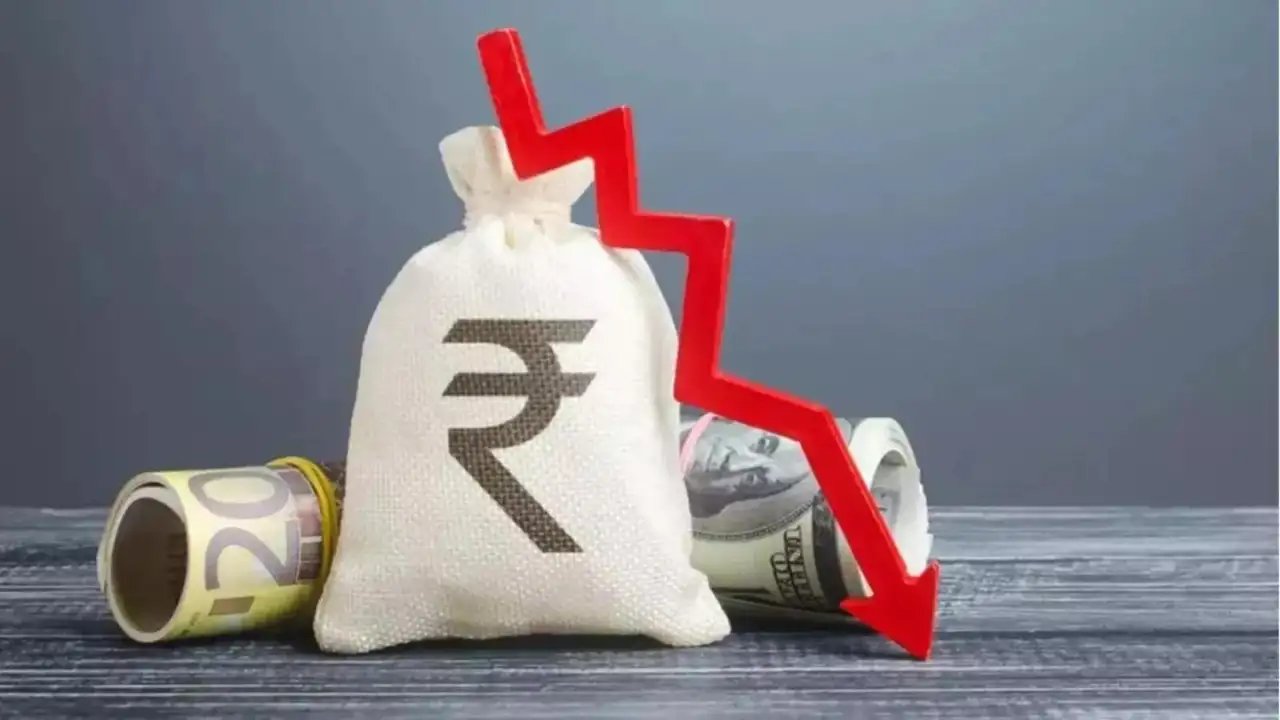
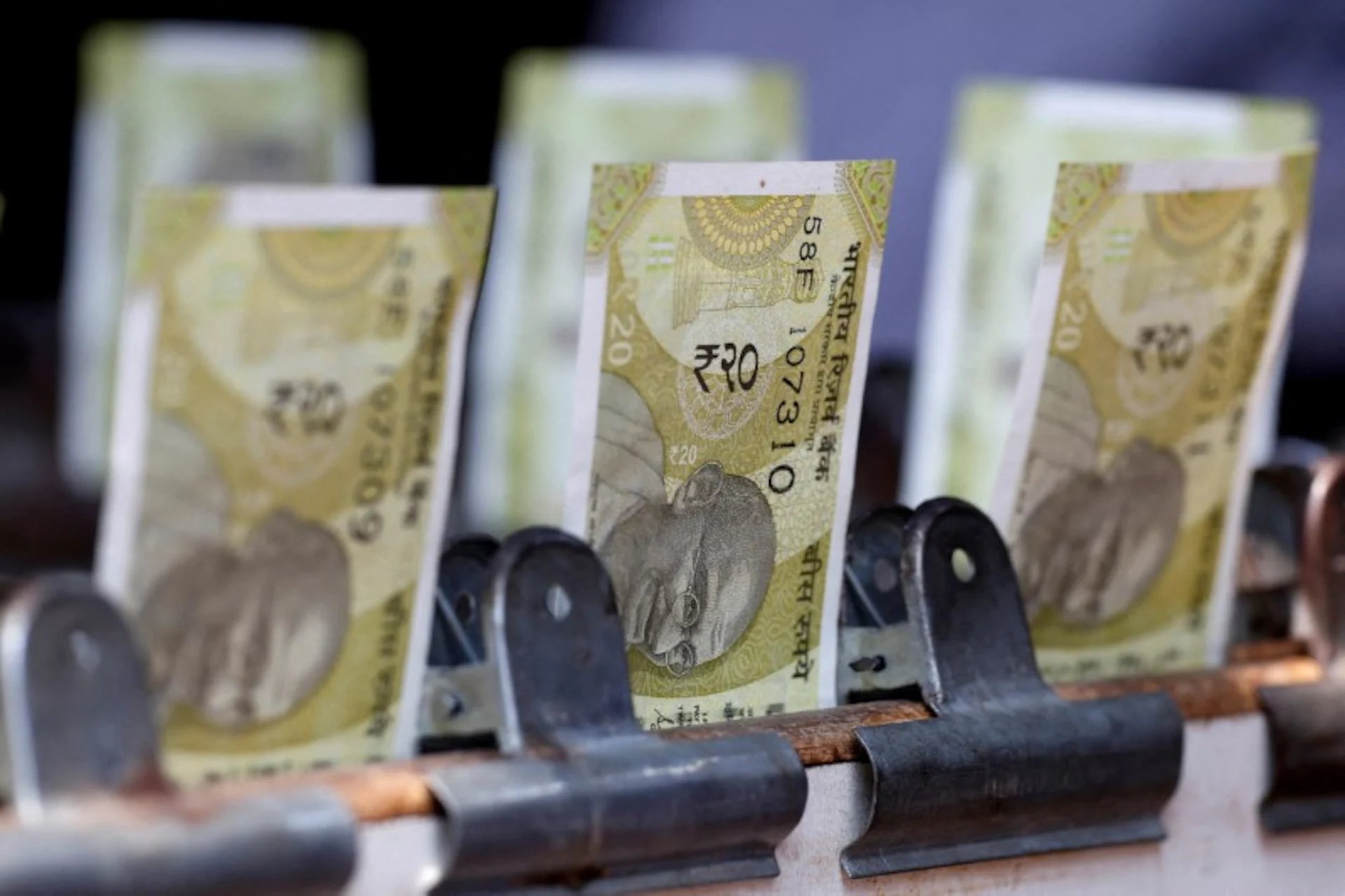
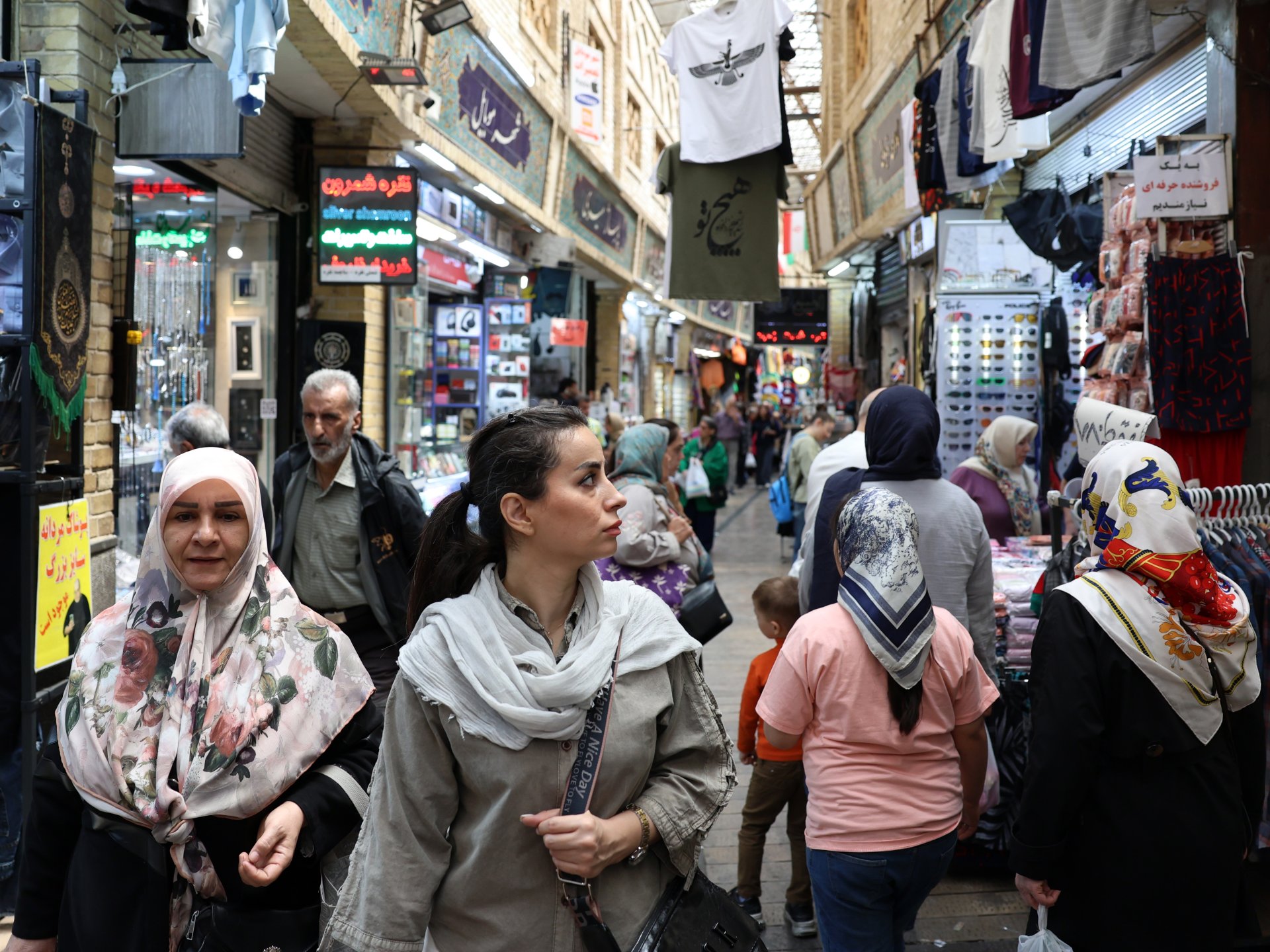
The Iranian rial plummeted to a record low against the dollar Wednesday as the U.S. naval blockade of Iran's ports and vessels continued. On the black market, the rial was trading at around 1.80 million rials to the dollar, according to currency-tracking websites. When the war erupted two months ago, one dollar was traded at about 1.70 million rials.
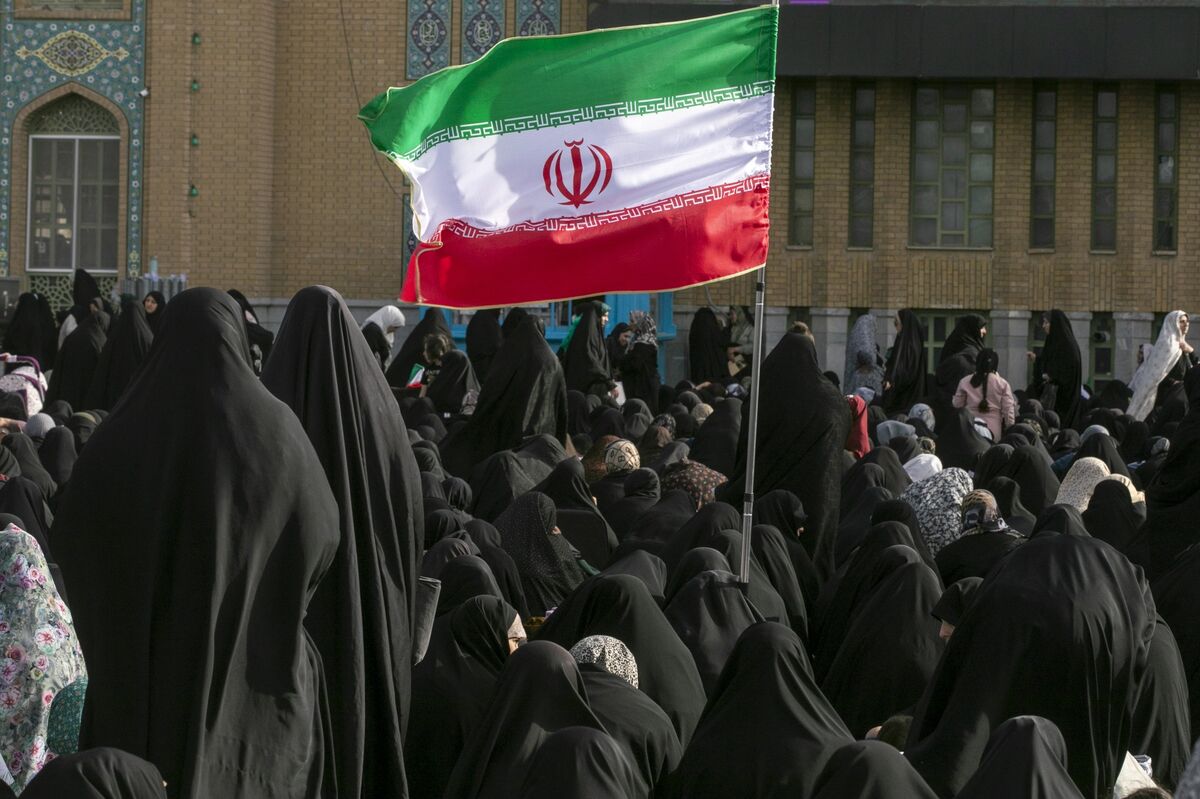
Iran has refused to engage in direct peace negotiations with the U.S. while the American blockade remains in place. A proposal tabled by Iran earlier this week, which would have involved a mutual dropping of restrictions on shipping via the Strait of Hormuz, was tacitly rejected by the Trump administration, probably because it would have delayed negotiations on Iran's nuclear program.
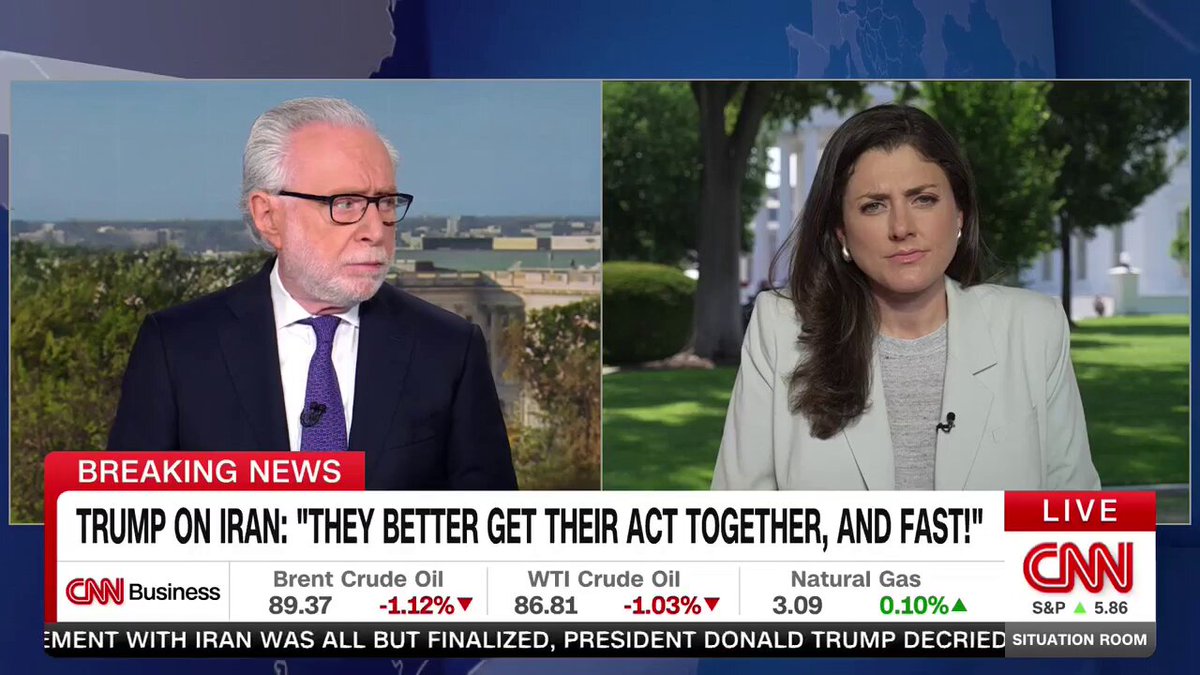
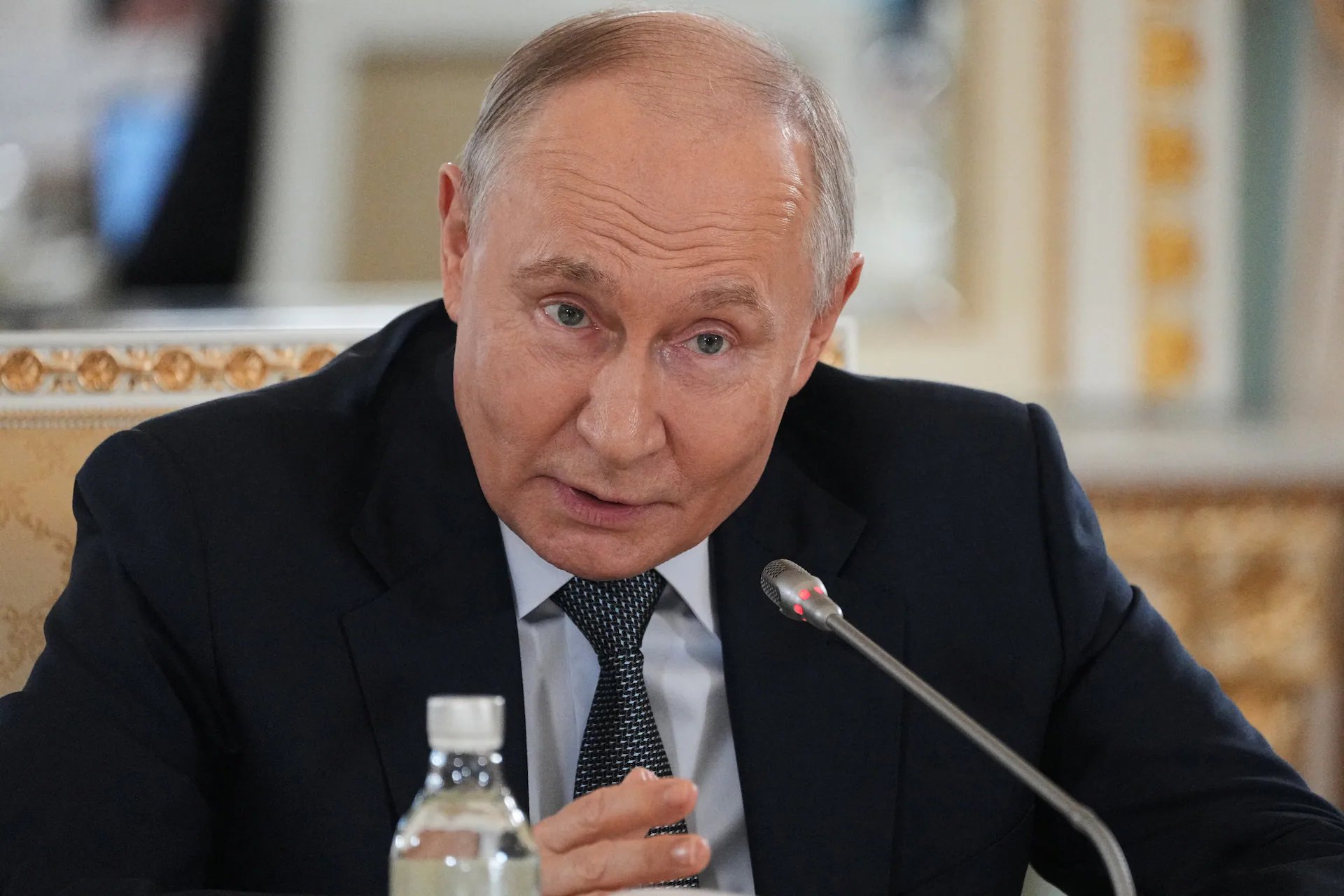
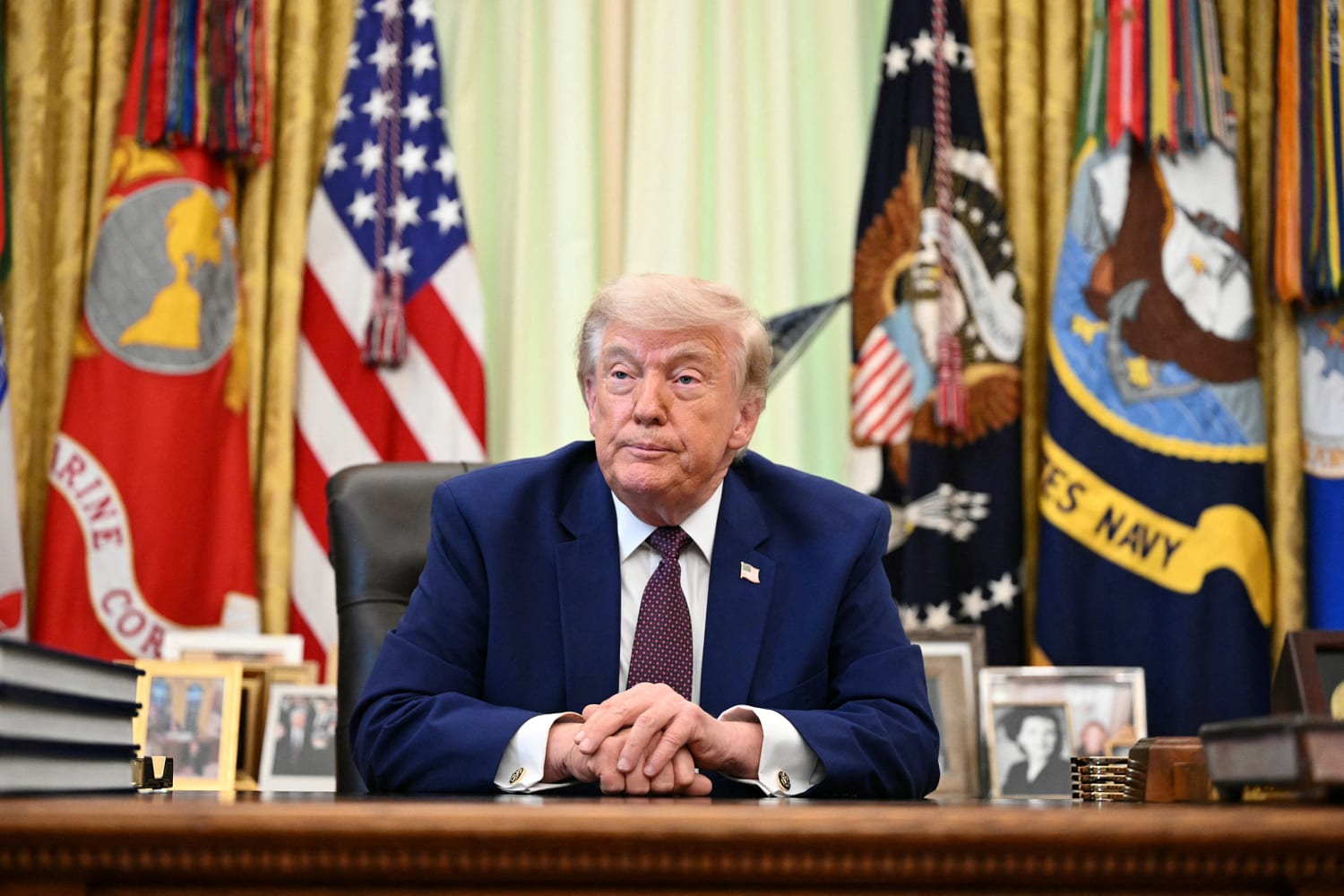
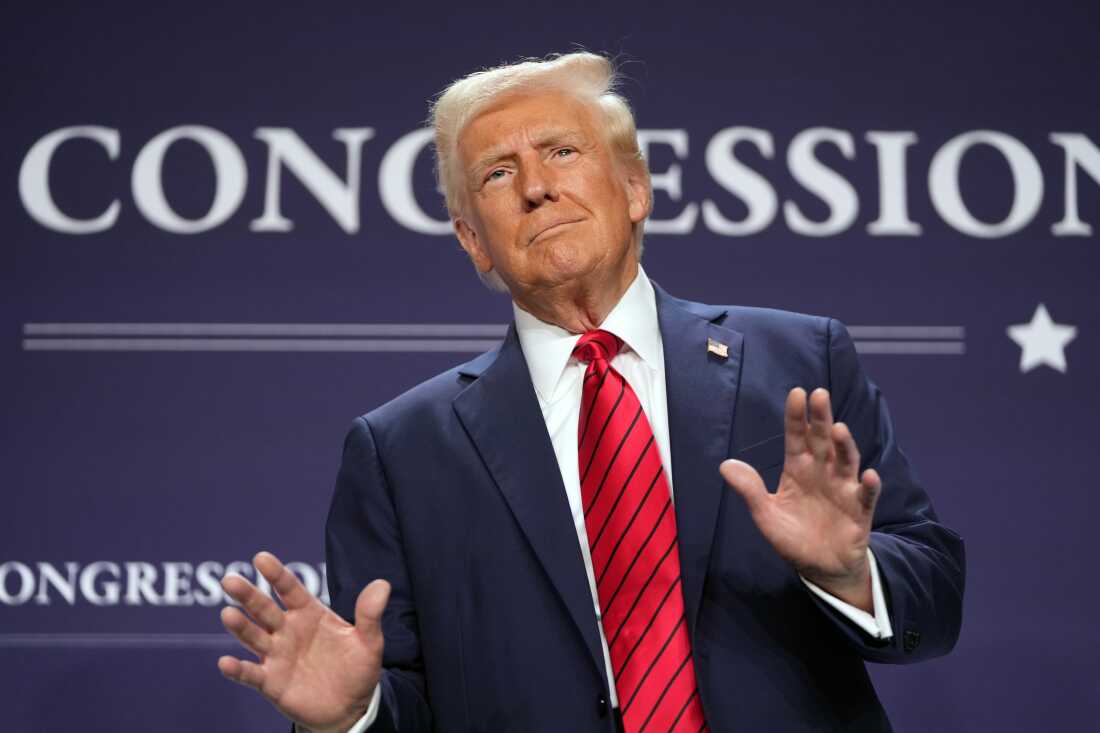
The White House stated Wednesday that the blockade has given the U.S. "maximum leverage over the regime." Deputy White House press secretary Anna Kelly said in a statement: "Thanks to the successful blockade of Iranian ports, the United States has maximum leverage over the regime, and the President will only accept a deal that protects the national security of our country."
Iran Threatens Retaliation and Vows to Hold the Strait
Iran's state-run Press TV network said Wednesday, citing an unnamed "high-ranking security source," that a continued U.S. blockade would draw "practical and unprecedented military action" in response. The network said Iranian leaders' "patience has limits" and that if the blockade continues, "a punishing response is necessary."
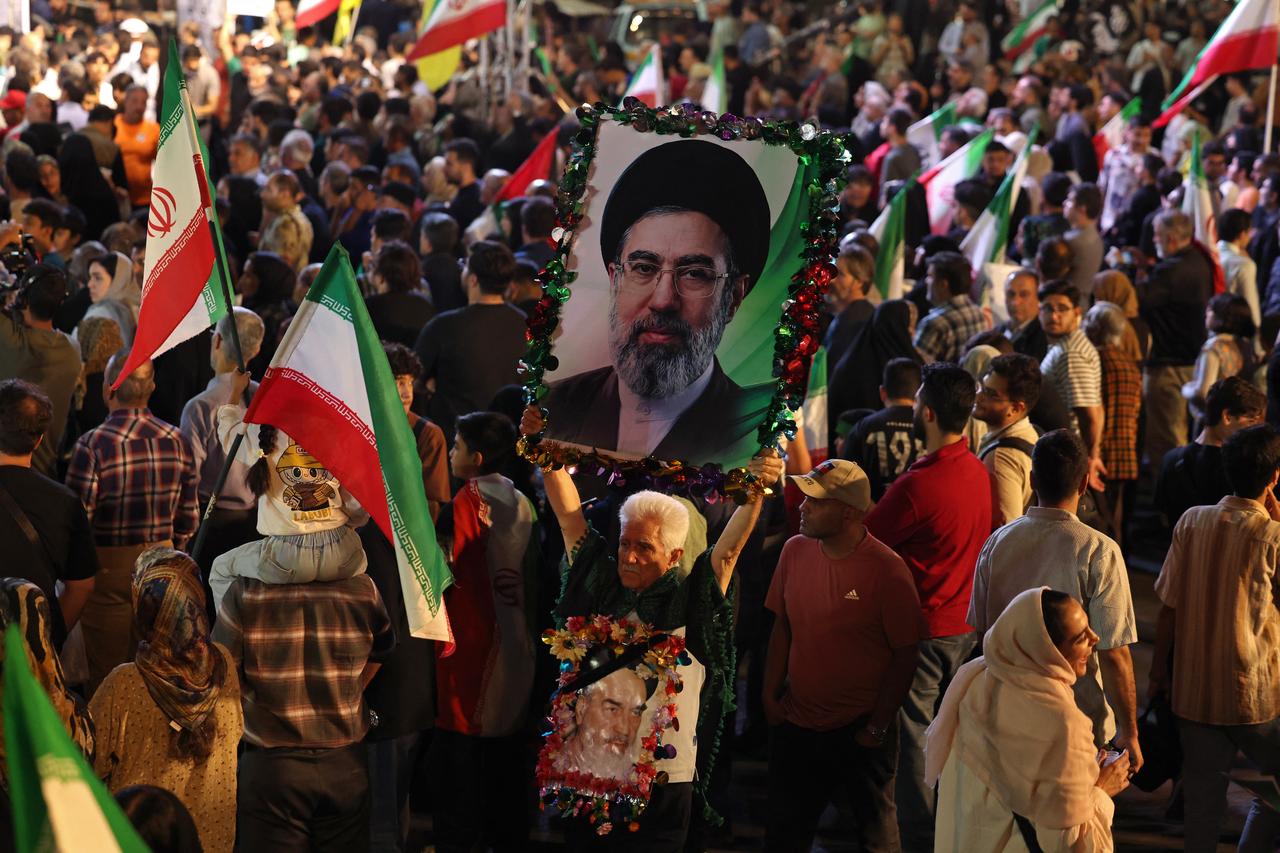
Alaaeddin Boroujerdi, Deputy Head of the National Security Committee in the Iranian Parliament, said Wednesday that Iran "will never relinquish its control over the Strait of Hormuz." He claimed Iran still had sufficient missile stockpiles to sustain several years of war and dismissed U.S. threats as "endless" and "empty."
Boroujerdi renewed a threat to ask the Houthi rebel movement in Yemen to target shipping in the Bab el-Mandeb strait, another key chokepoint for global energy supplies, if the blockade is not lifted. He said Iran's "Yemeni allies are waiting to block it and deliver another blow to America, its economy, and its illegitimate interests worldwide."
Human Rights Violations Mount in Iran
Iran has executed at least 21 people and arrested more than 4,000 since the beginning of the war, the United Nations said, criticizing the Islamic Republic's "harsh and brutal" treatment of its people. The U.N.'s rights office said that since the U.S.-Israeli strikes sparked the war in late February, "at least nine people have been executed in connection with the January 2026 protests, 10 for alleged membership in opposition groups, and two on espionage charges."
Regional Conflict Spreads
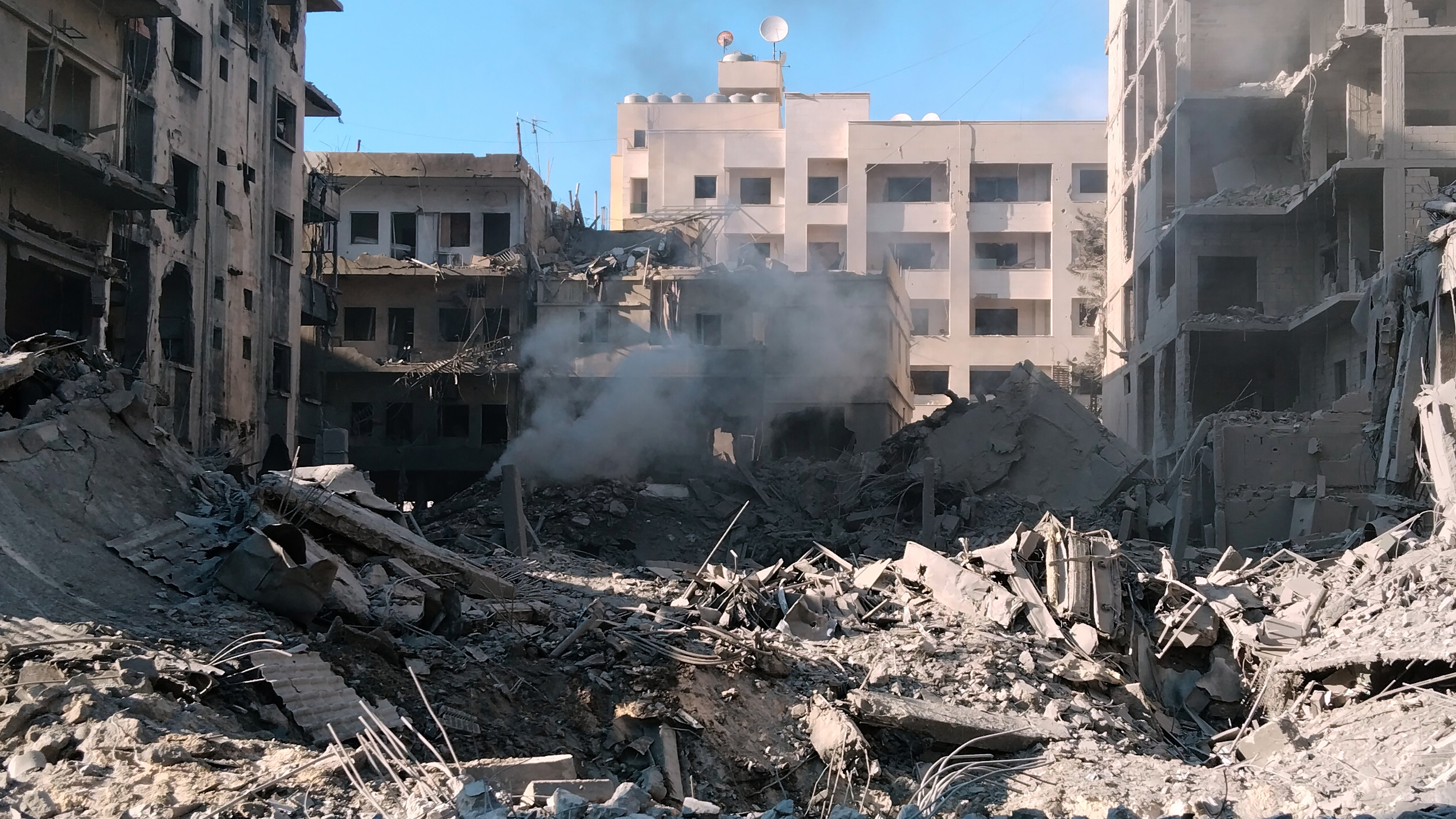
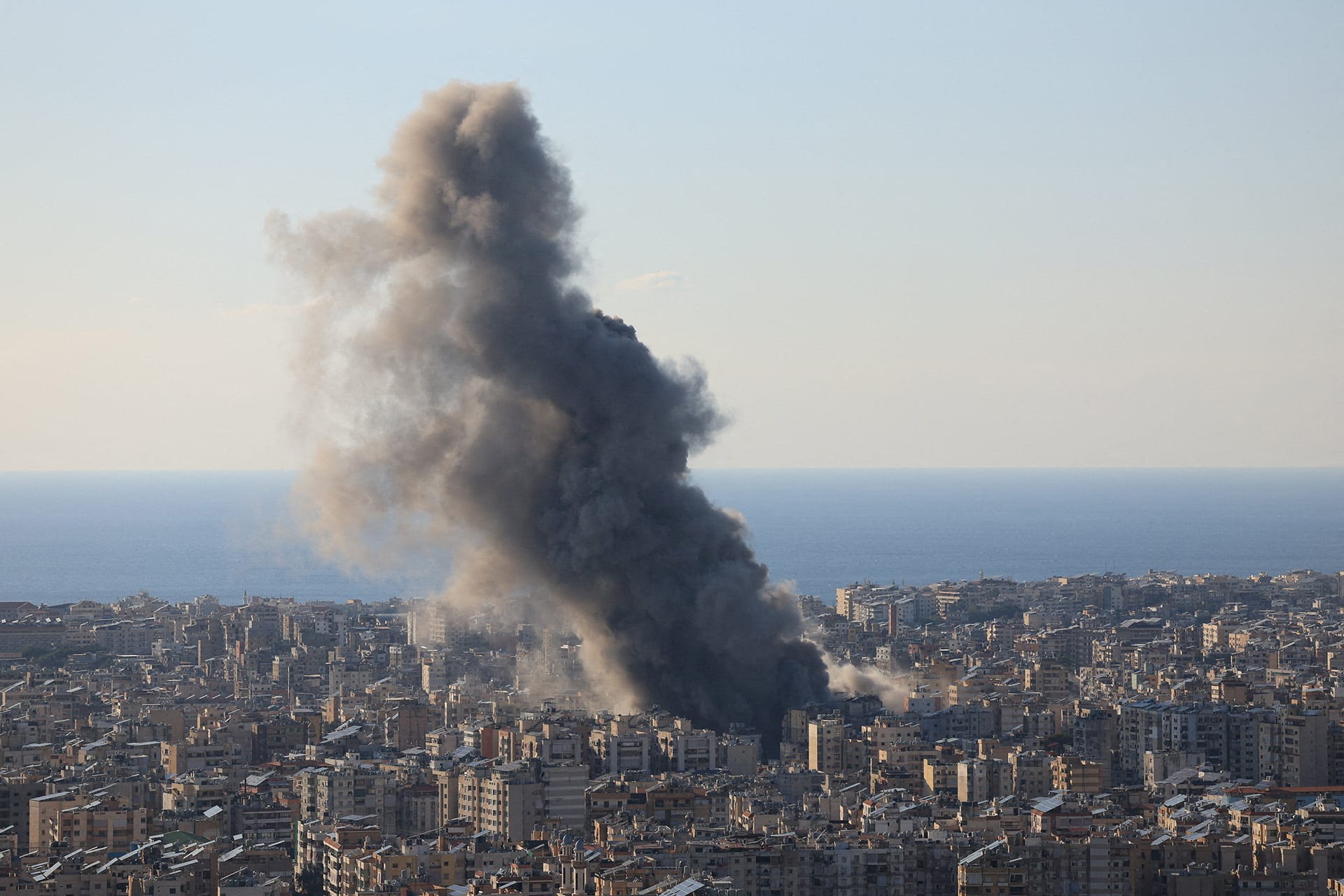
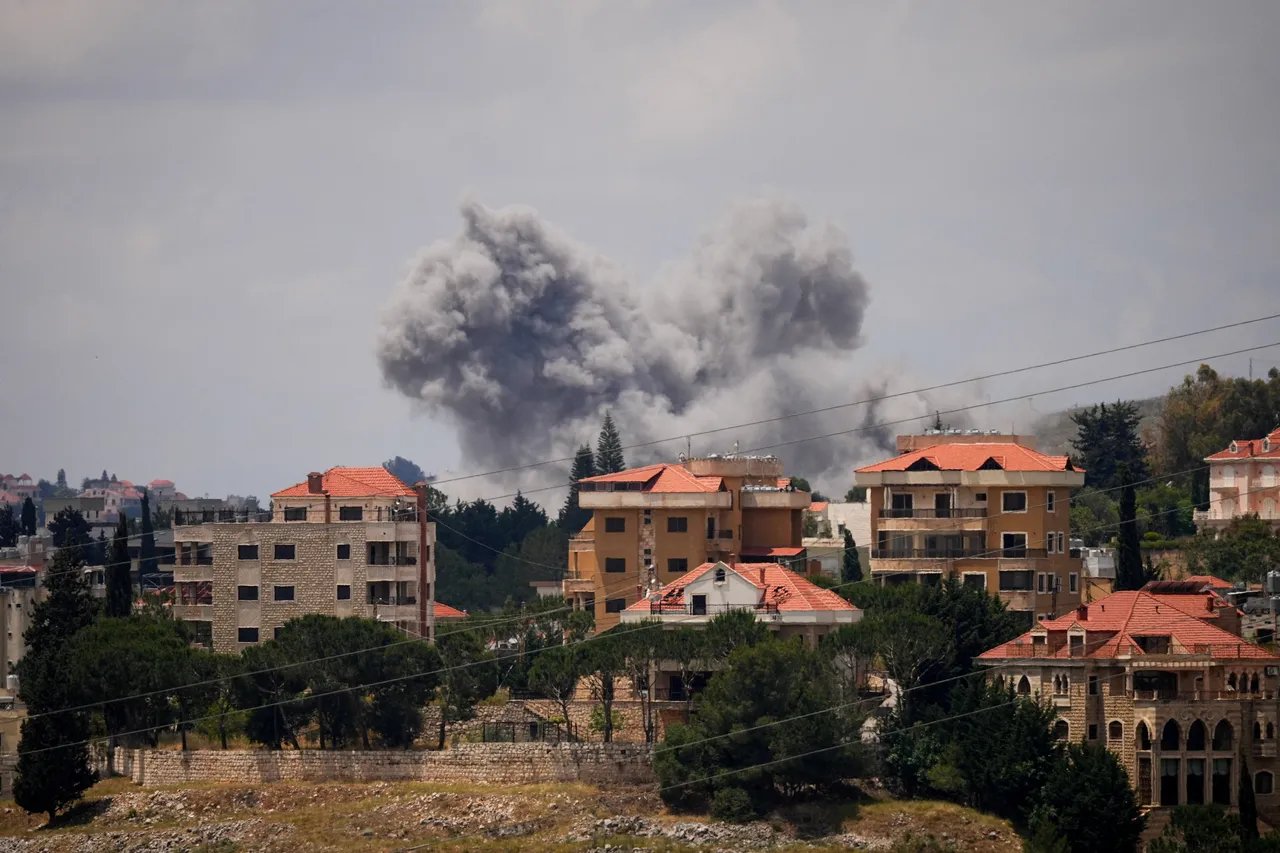
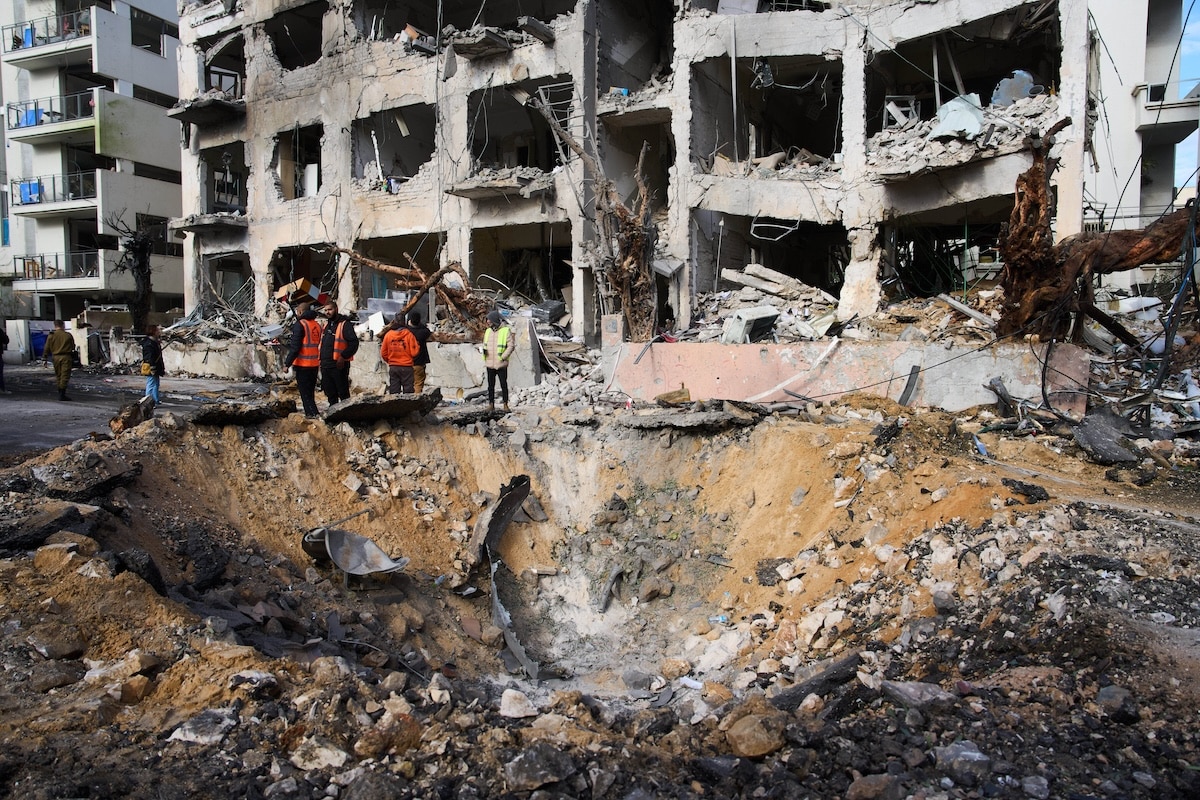
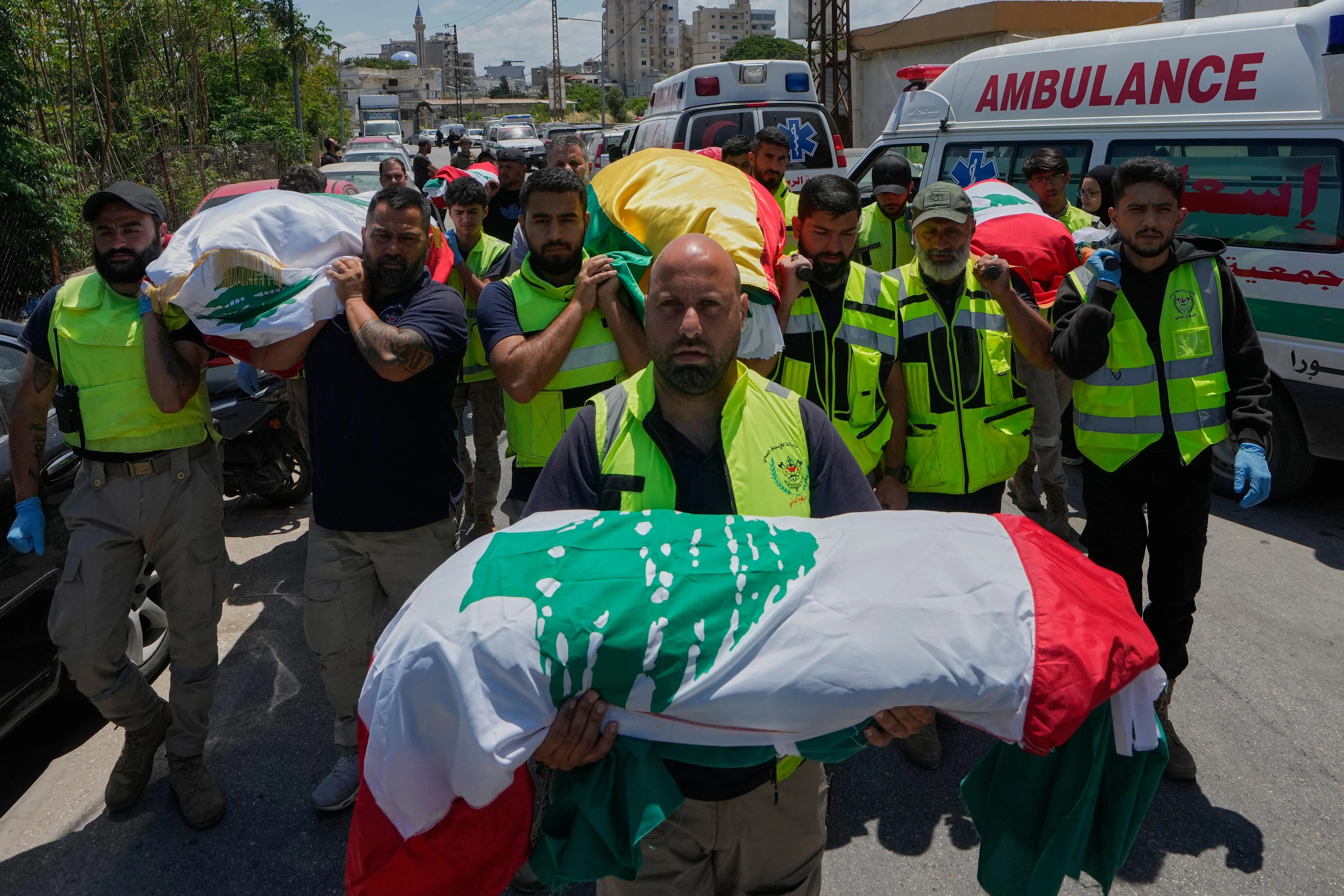
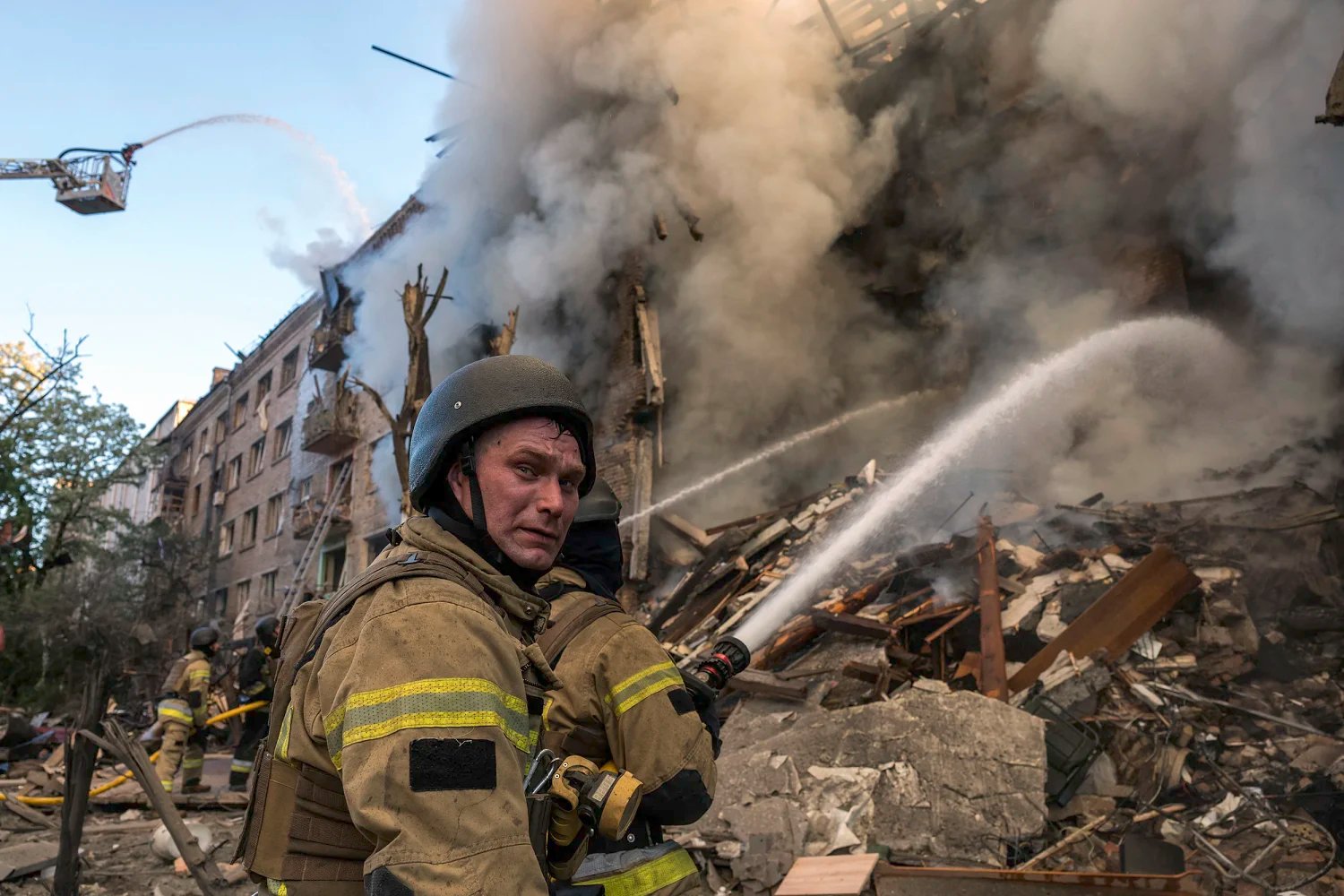
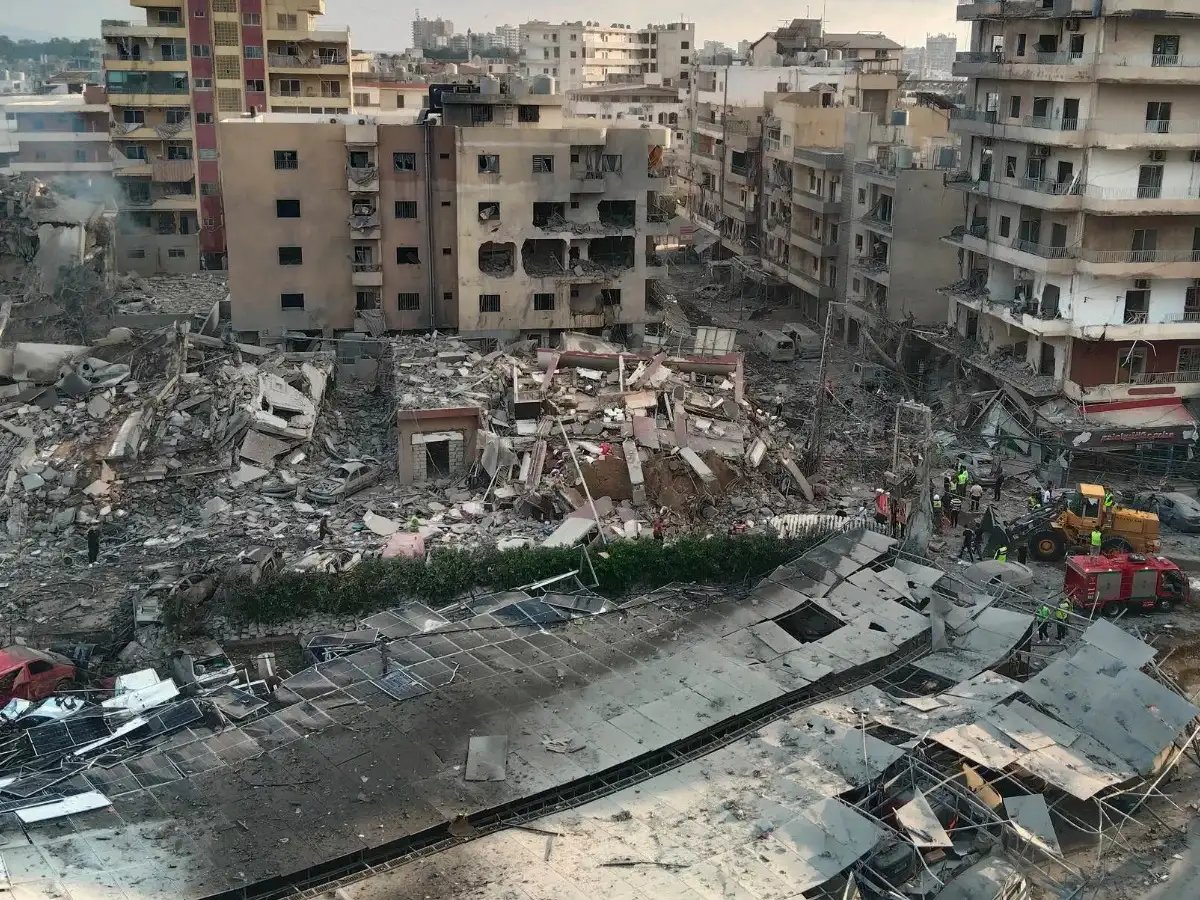
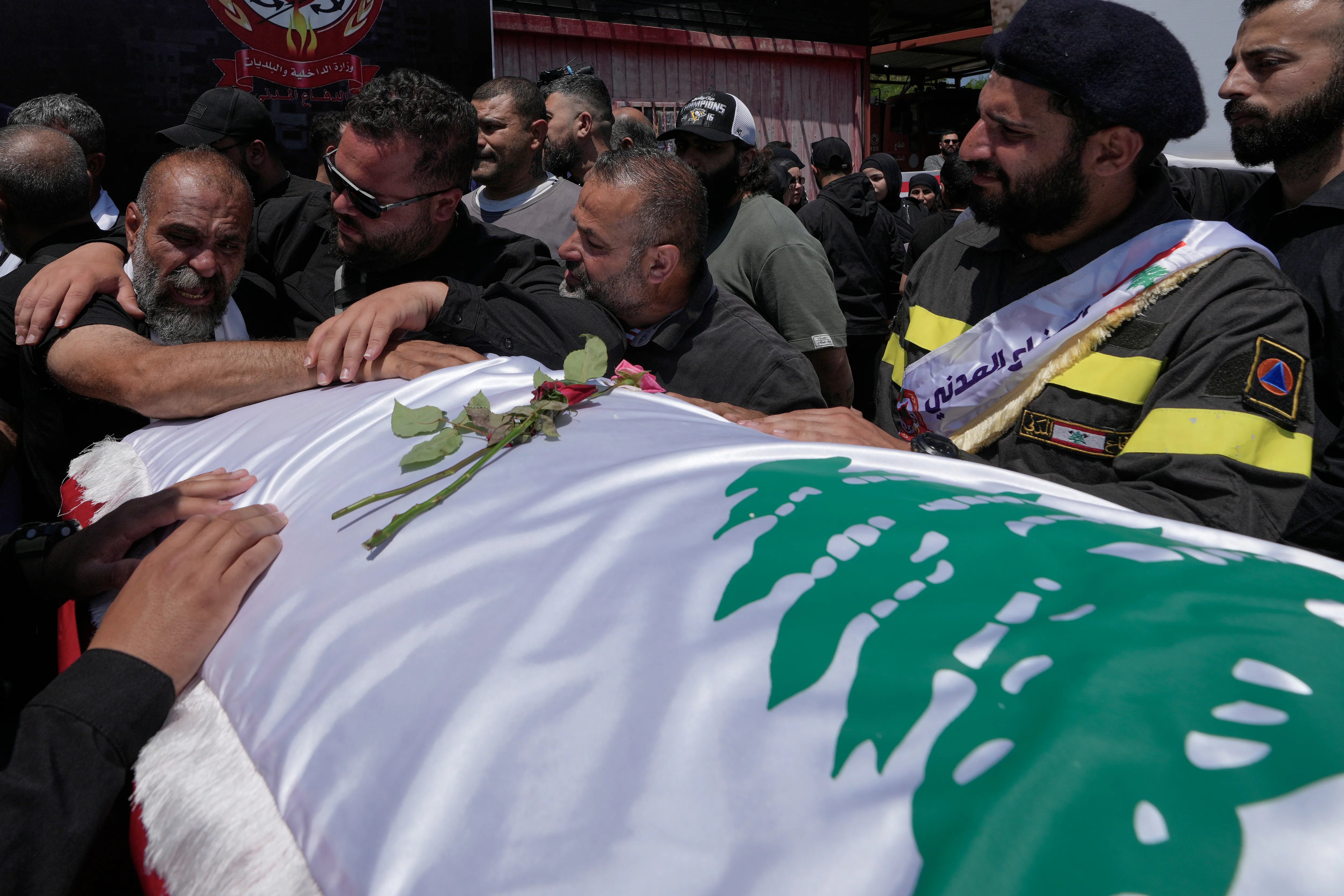
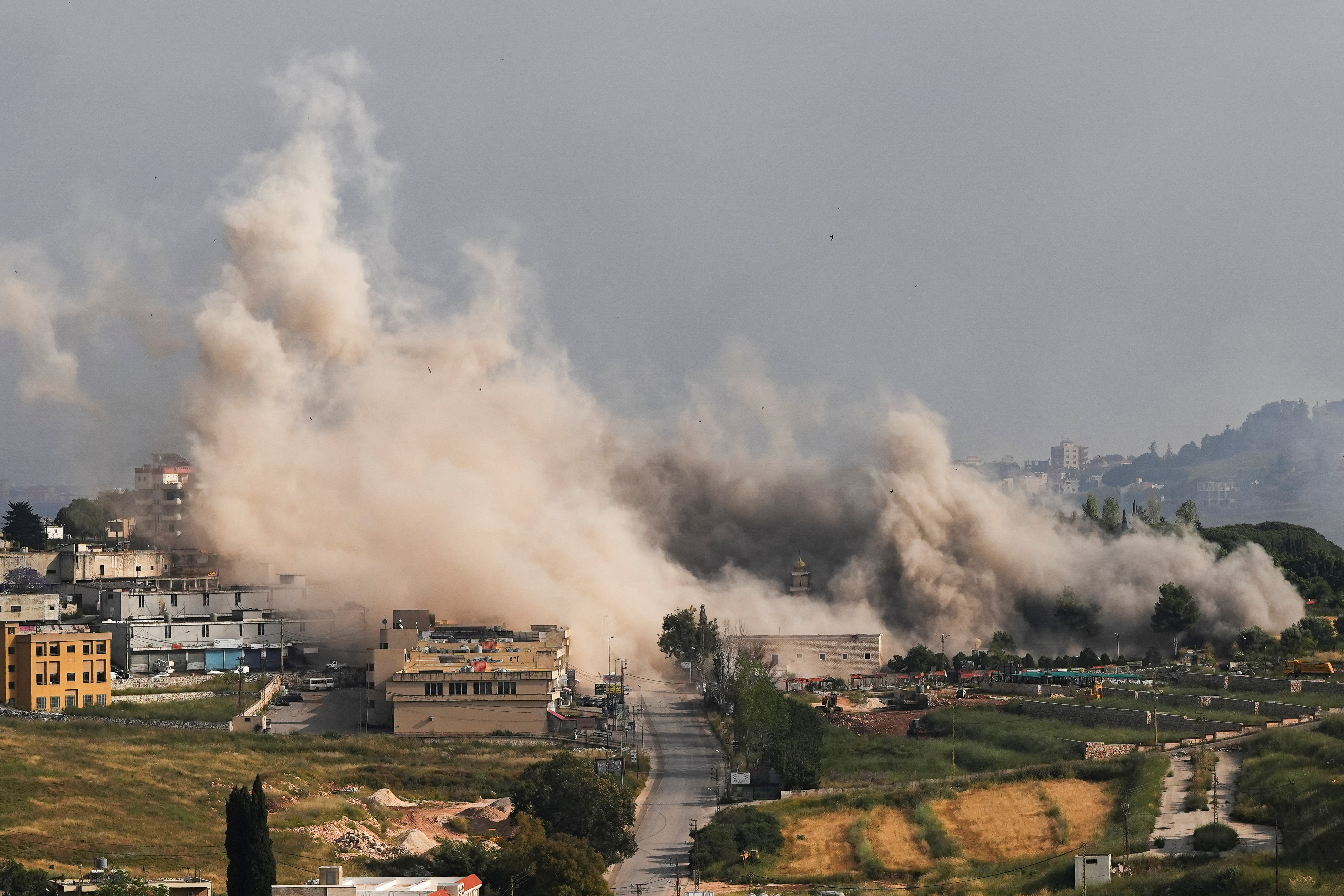
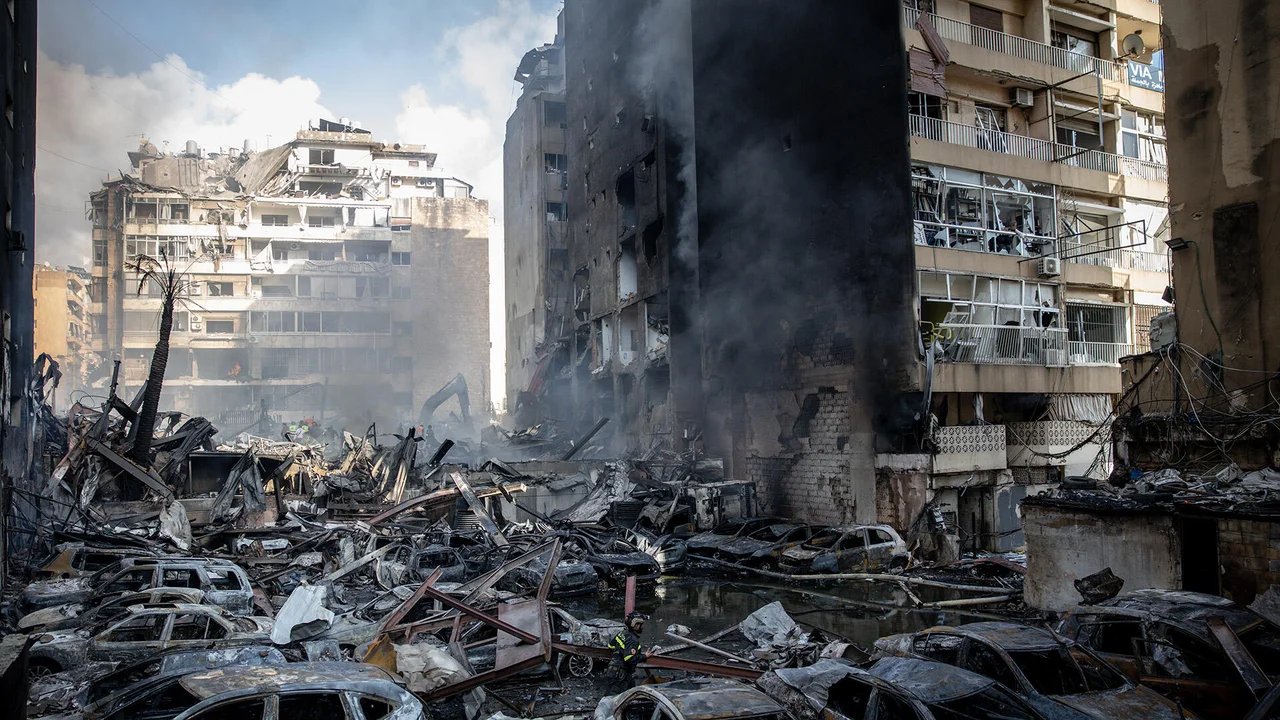
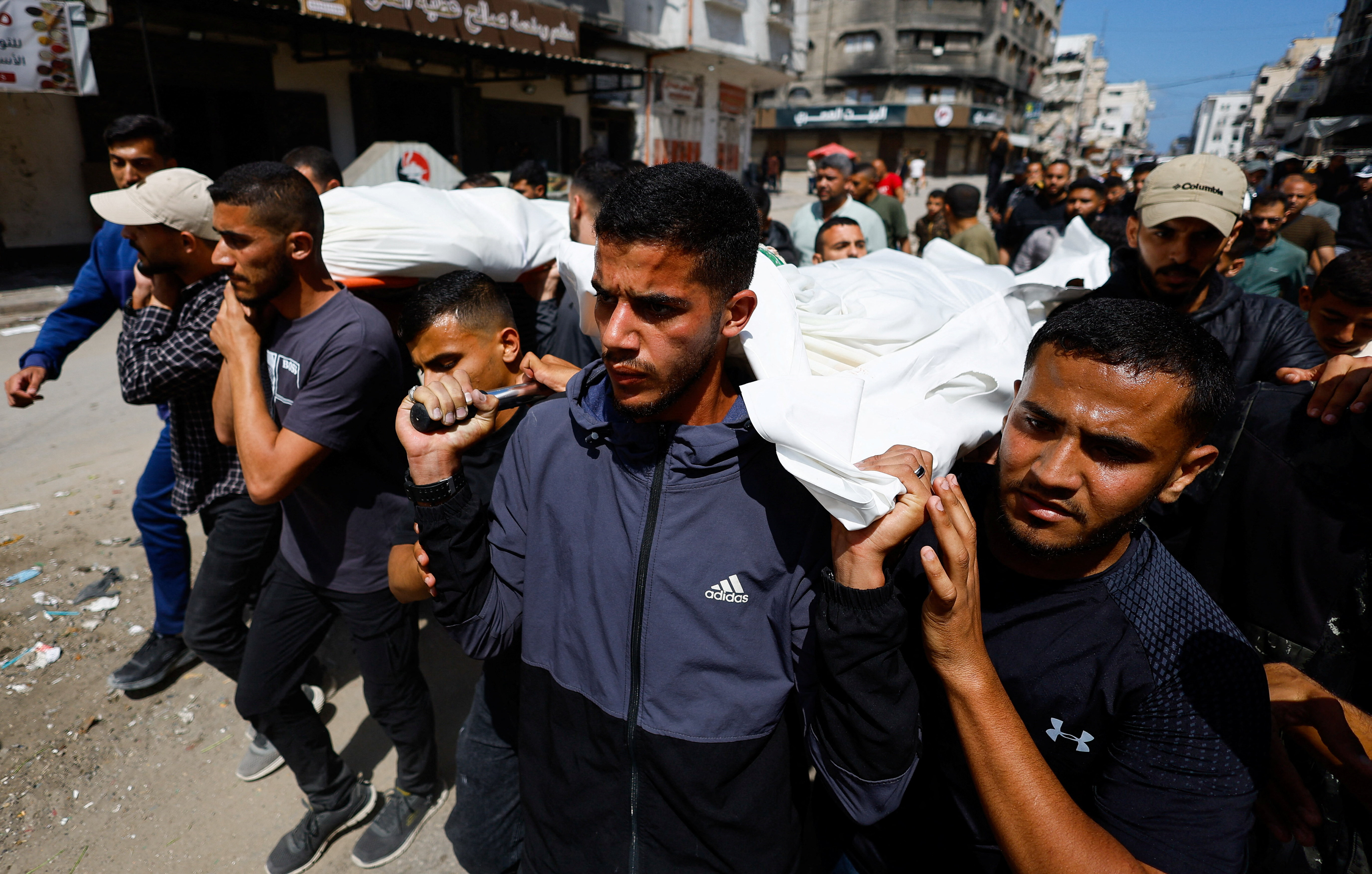
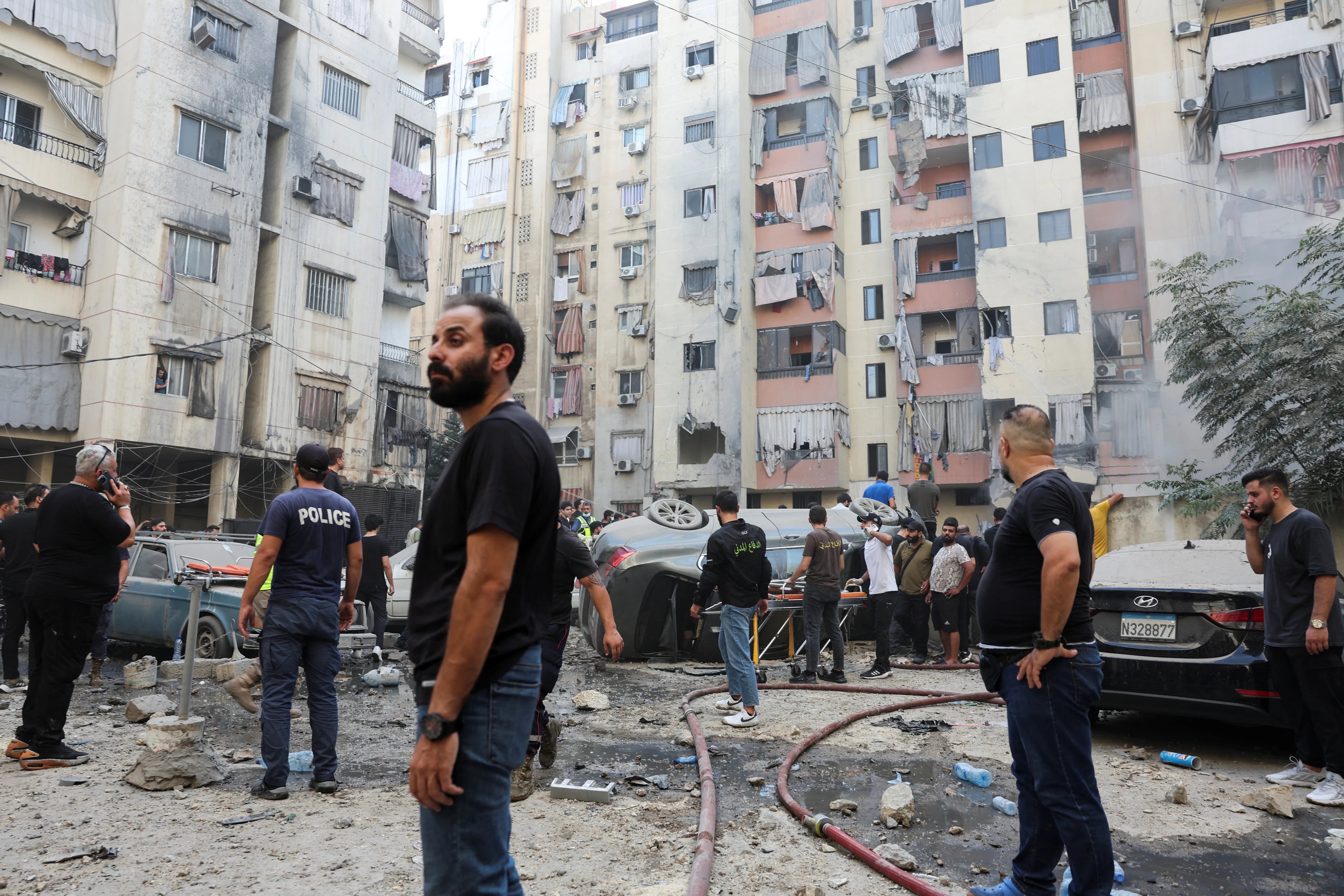
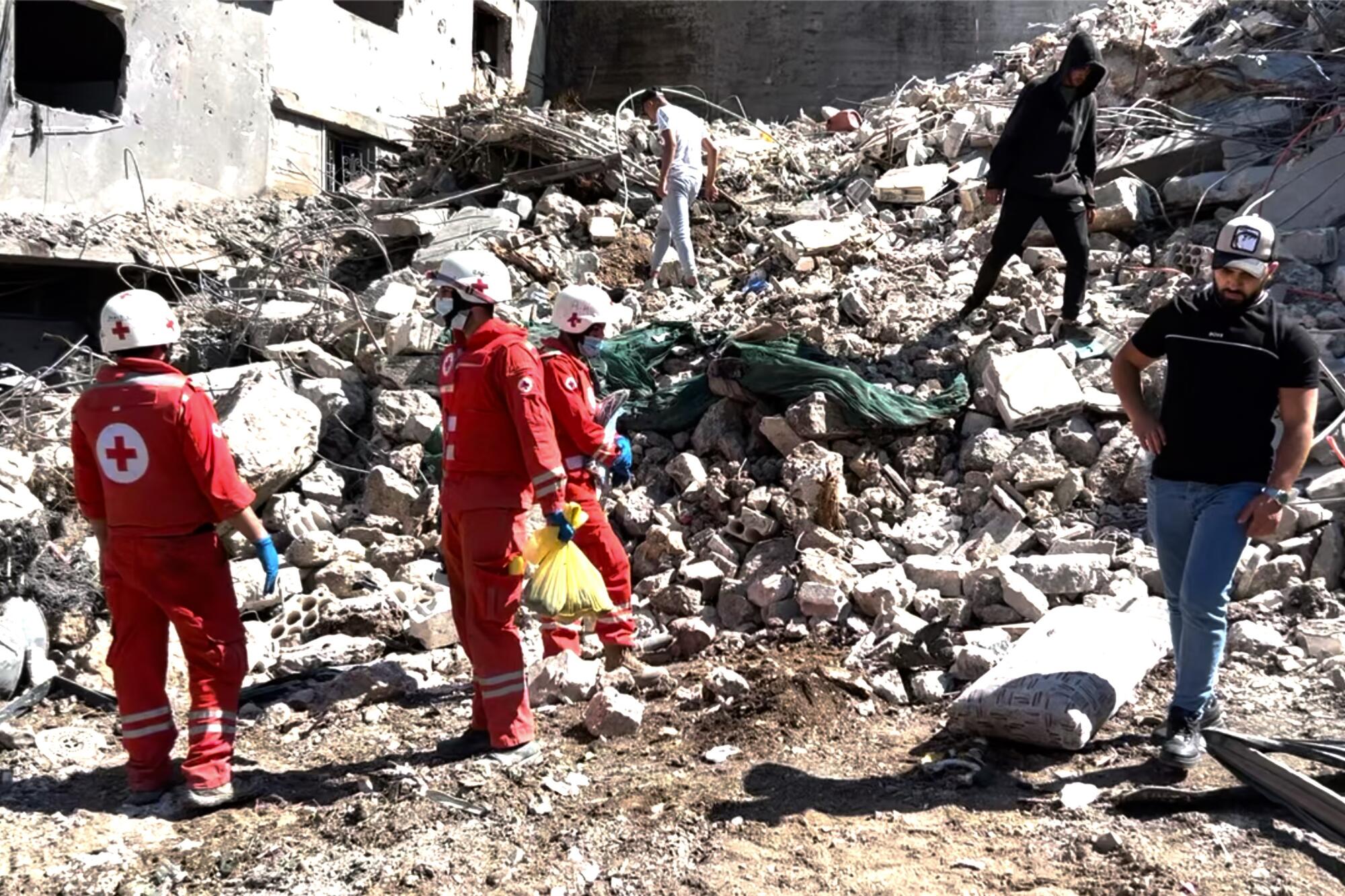
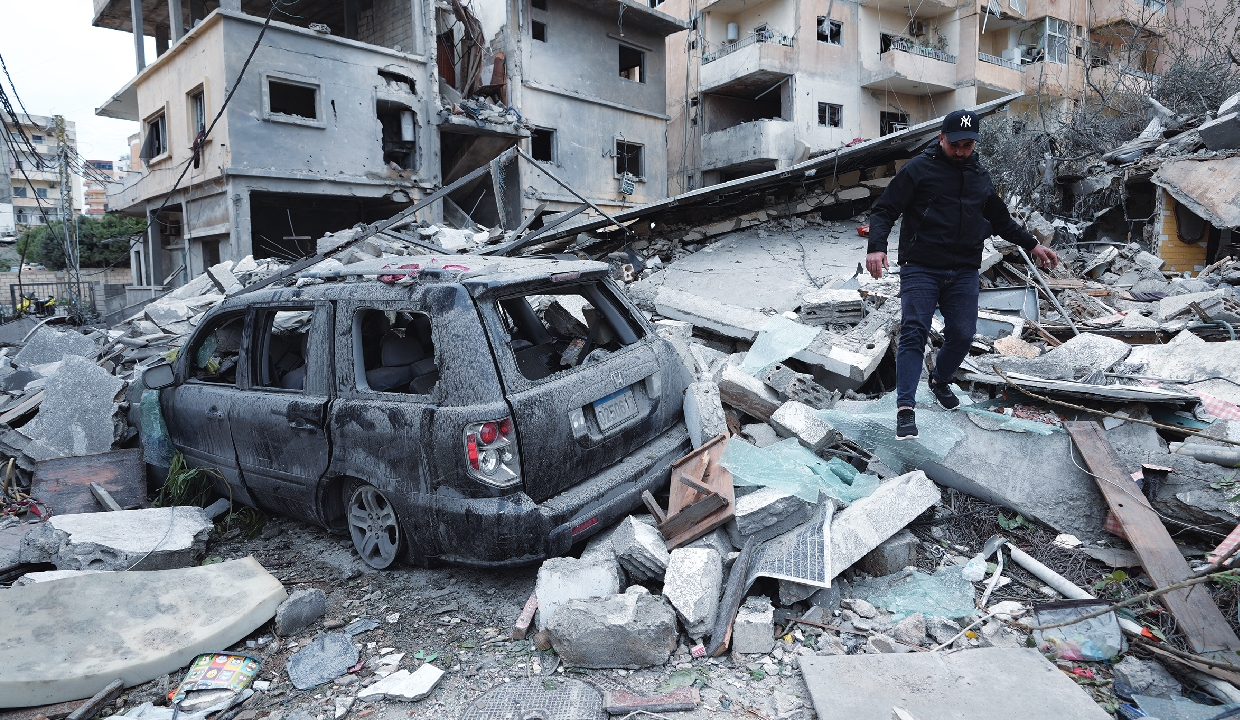
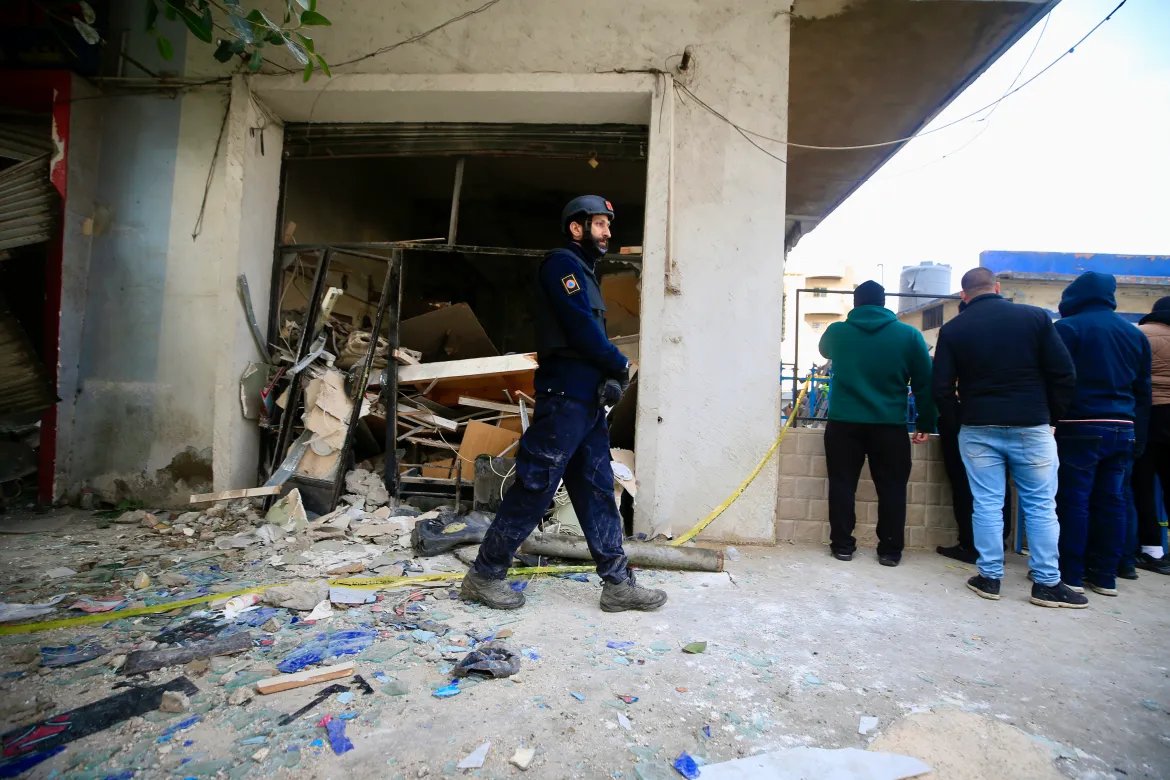
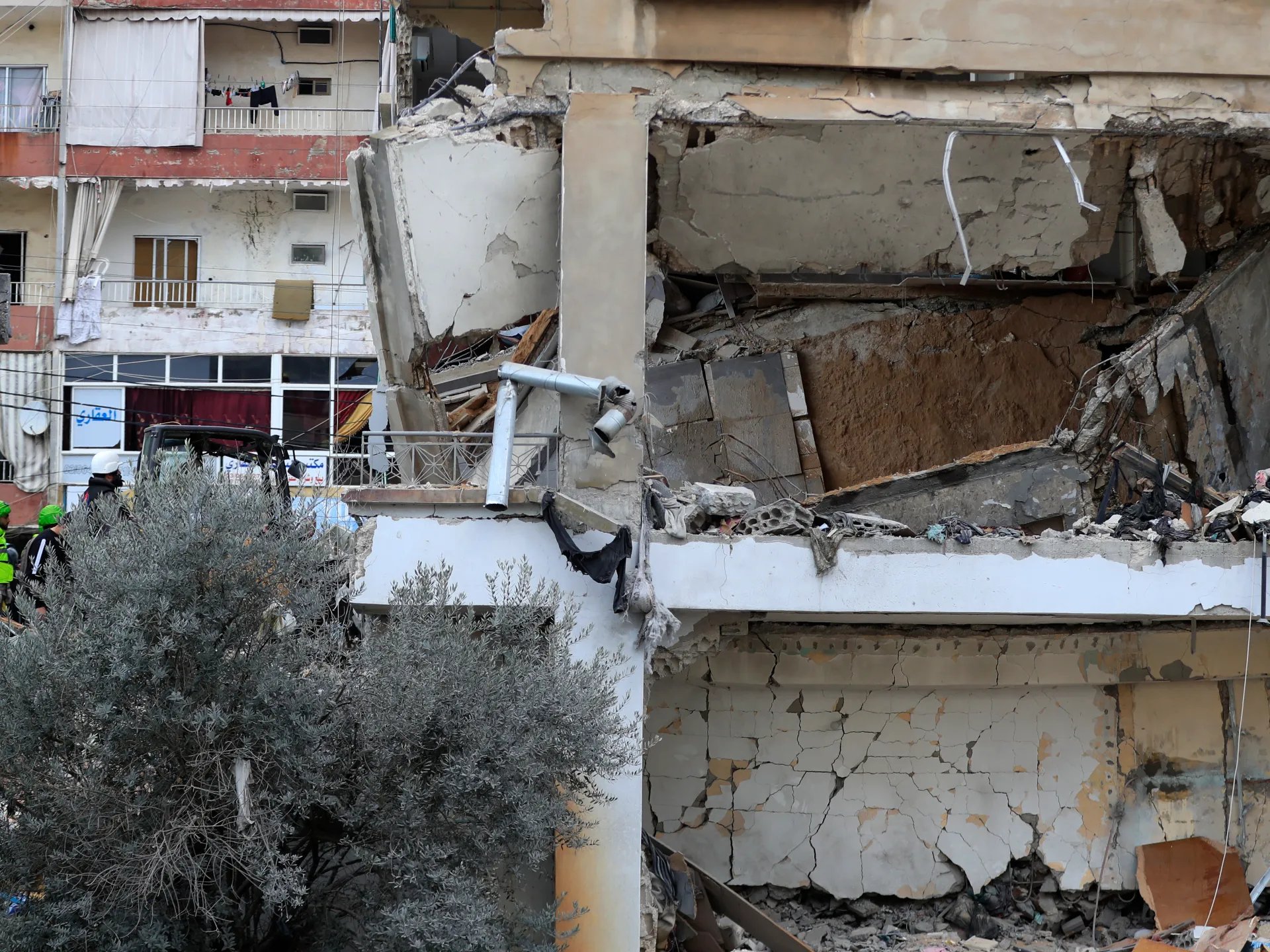
The conflict has also spread to Lebanon. The Lebanese health ministry said more than 2,530 people had been killed since Israel launched major military operations against Hezbollah on March 2 in response to the group firing rockets and drones at Israel in solidarity with Iran. In Israel, the war with Iran and Lebanon has killed at least 40 people, according to the independent Institute for National Security Studies.