




New Restrictions Implemented
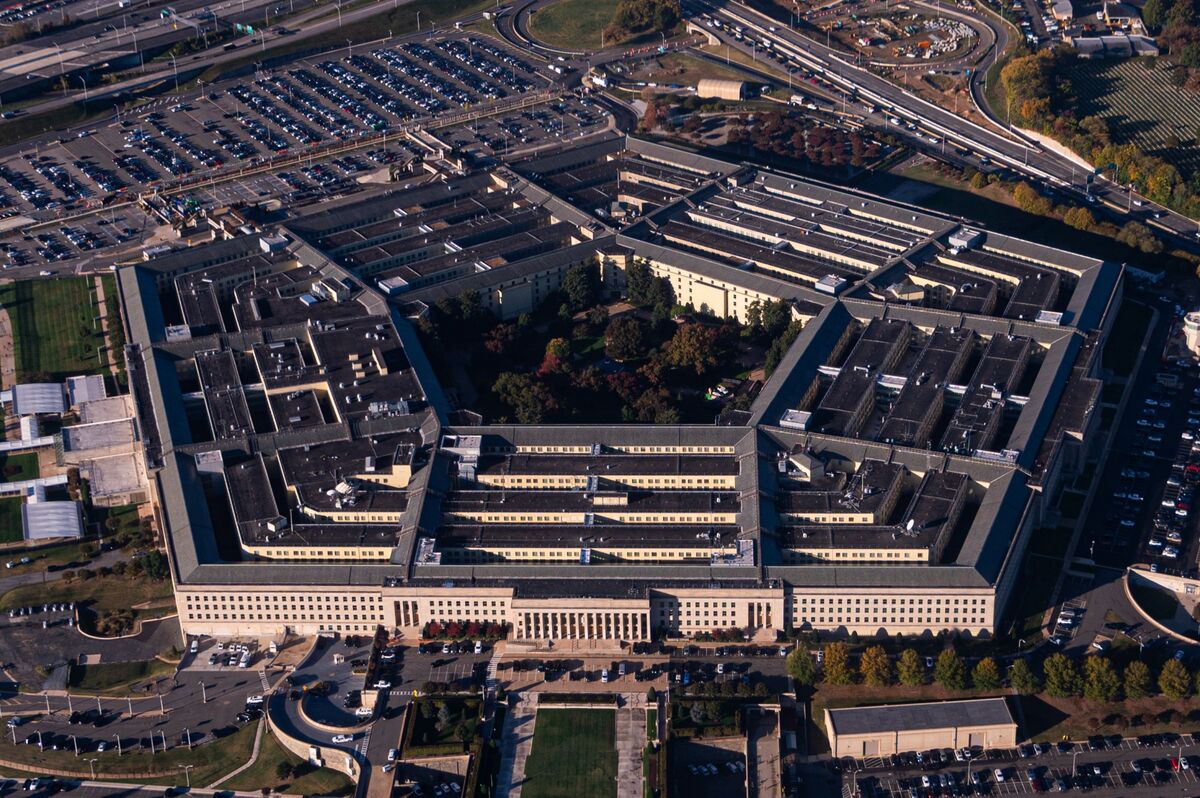
The Department of Defense announced new media policies on Monday, following a federal judge's ruling that previous restrictions violated the First Amendment. Chief Pentagon spokesperson Sean Parnell stated the Defense Department "disagrees with the decision and is pursuing an appeal." The New York Times sued after a federal judge ruled that Defense Secretary Pete Hegseth had improperly revoked credentials for dozens of journalists.
Correspondents' Corridor Closed
The Pentagon closed the area known as "the Correspondents' Corridor" with immediate effect. Parnell said that unescorted access to the Pentagon cannot be responsibly maintained without the ability to screen credential holders for security risks. The Pentagon will notify all Pentagon Facility Access Credential holders when the new workspace is operational.
Escorted Access Only
All journalists will be required to have an escort by authorized Department personnel to access the Pentagon. Credential holders will still have access to the Pentagon for scheduled press briefings, press conferences, and interviews arranged through public affairs offices. The Pentagon is establishing a "new press workspace" in an annex facility outside the Pentagon.
Press Groups Respond
The National Press Club noted that the public depends on journalists being able to observe, report, and ask questions freely, especially when the U.S. "is engaged in active military conflict." The organization added that eliminating the Correspondents Corridor and requiring escorted access would sharply limit how journalists gather news, build sources, and cover one of the most powerful institutions in government. Independent reporting on the U.S. military is essential to accountability, transparency, and public trust.
Background of the Lawsuit
The judge's ruling blocked the Pentagon from imposing a policy that required reporters to sign a pledge committing to its rules to maintain their press credentials. Most outlets, including Fox News and Newsmax, refused to sign the pledge.
Supreme Court Declines Journalist Case
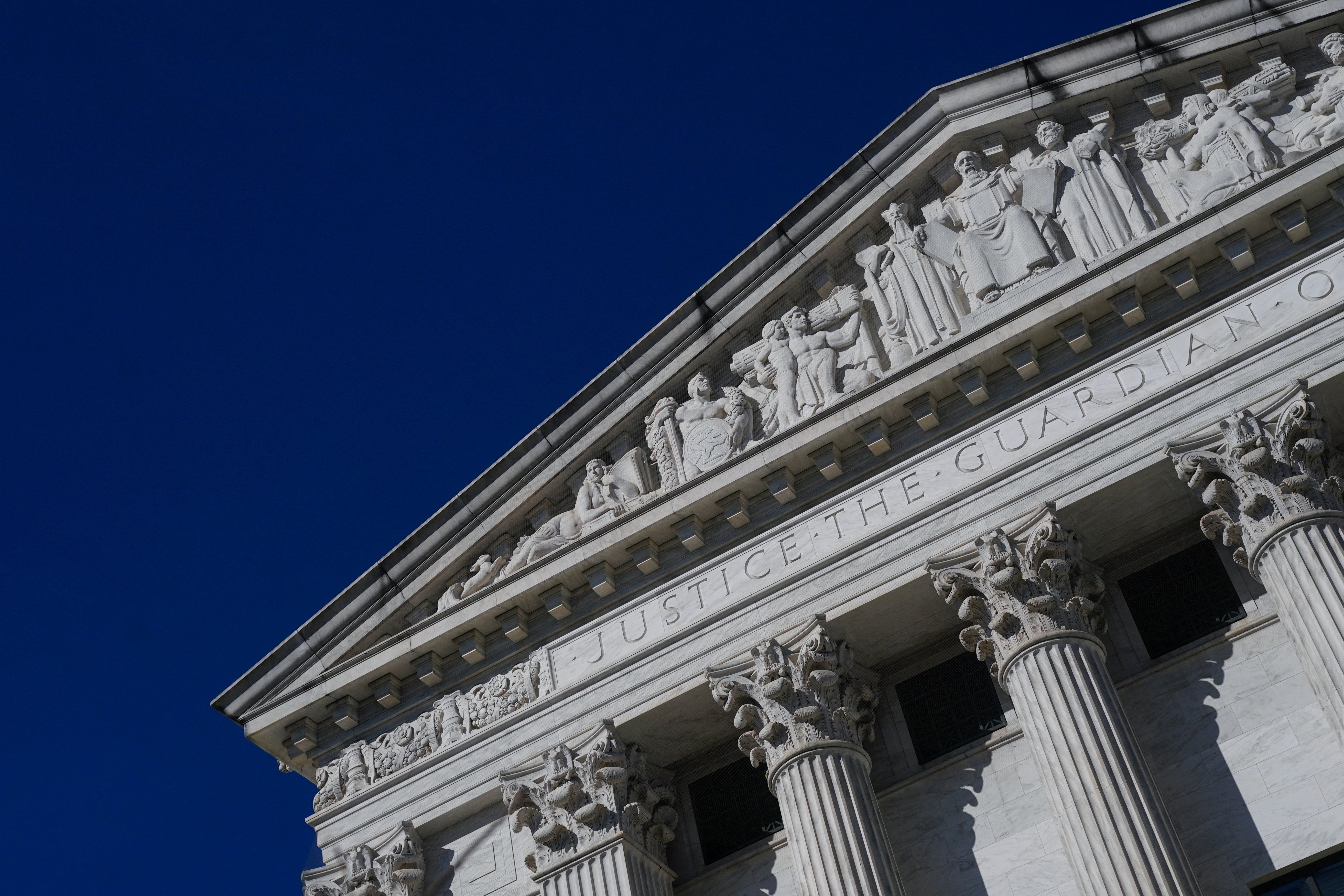
Separately, the U.S. Supreme Court declined to hear a case testing a Texas law allowing law enforcement to arrest reporters who obtain information from government employees. In 2017, Laredo, Texas, journalist Priscilla Villarreal was arrested for publishing news stories about a border agent's public suicide and a car crash. She was arrested because she fact-checked her stories with information voluntarily provided by a police officer. Justice Sonia Sotomayor dissented from the decision not to hear the case.