





Pentagon Announces Revised Media Policy
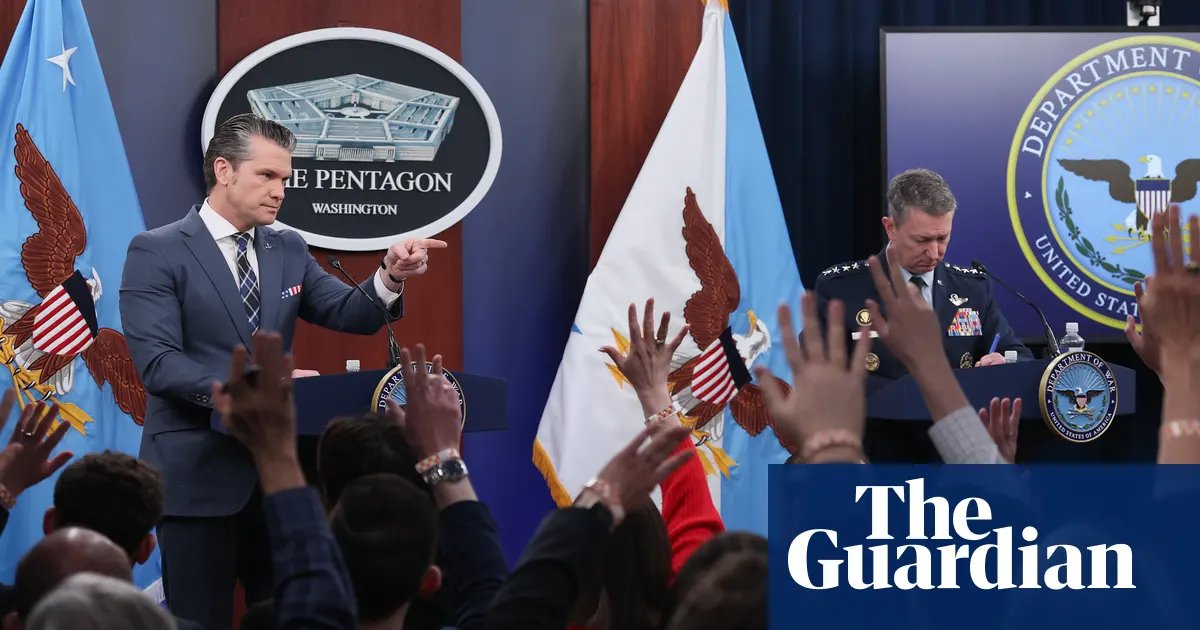
The Department of Defense issued a new media policy on Monday, closing the Correspondents' Corridor with immediate effect. Chief Pentagon spokesperson Sean Parnell stated in a release that the Pentagon determined unescorted access posed security risks, leading to the creation of a new press workspace in an annex outside the building. Journalists will now need an escort by authorized personnel to enter the Pentagon, though they can still attend scheduled briefings and interviews.
Judge's Ruling Sparks Changes
A federal judge ruled last week that the Pentagon's prior restrictions on journalists violated the First Amendment, as part of a lawsuit filed by The New York Times. The court ordered the reinstatement of credentials for Times reporters, prompting the Pentagon to announce its compliance in a memorandum. Sean Parnell added that the Defense Department disagrees with the decision and plans an appeal, while implementing the new rules.
Press Groups Voice Opposition
The Pentagon Press Association described the new rules in a statement as "a clear violation of the letter and spirit" of the court's order, and said it is consulting legal counsel for further action. Charlie Stadtlander, a spokesperson for The New York Times, declared that the policy imposes unconstitutional restrictions and the organization "will be going back to court." Andrew deGrandpré, deputy national security editor for The Washington Post, called the move an "end run" around the judge's directive in a social media post.
Security Reasons for the Shift
Sean Parnell explained in his statement that the changes stem from the need to screen credential holders for security risks, a measure the Pentagon views as essential. The Defense Department noted that the new annex will remain on Pentagon grounds and be available once operational, ensuring continued access for credential holders. Barbara Starr, a former CNN Pentagon correspondent, noted that all reporters already undergo FBI background checks as a condition of receiving press credentials, questioning the necessity of the additional restrictions.
Effects on Journalism and Access
The closure of the Correspondents' Corridor will relocate journalists to a remote workspace, potentially limiting their ability to gather news and build sources quickly. Barbara Starr, a former CNN Pentagon correspondent, pointed out that this setup reduces opportunities for impromptu updates from officials during breaking events. The National Press Club emphasized in a statement that such changes undermine independent reporting, especially amid U.S. military activities, affecting public understanding of government decisions.
Legal and Practical Next Steps
Following the court's order, The New York Times, Reuters, and the Associated Press have sought reinstatement of their credentials. Seth Stern, director of advocacy for Freedom of the Press Foundation, asserted that the revised policy retains core constitutional issues and does not comply with the judge's instructions. Judge Friedman will likely have to rule again on whether the new policies comply with his order, as the New York Times and other outlets have signaled they will return to court.
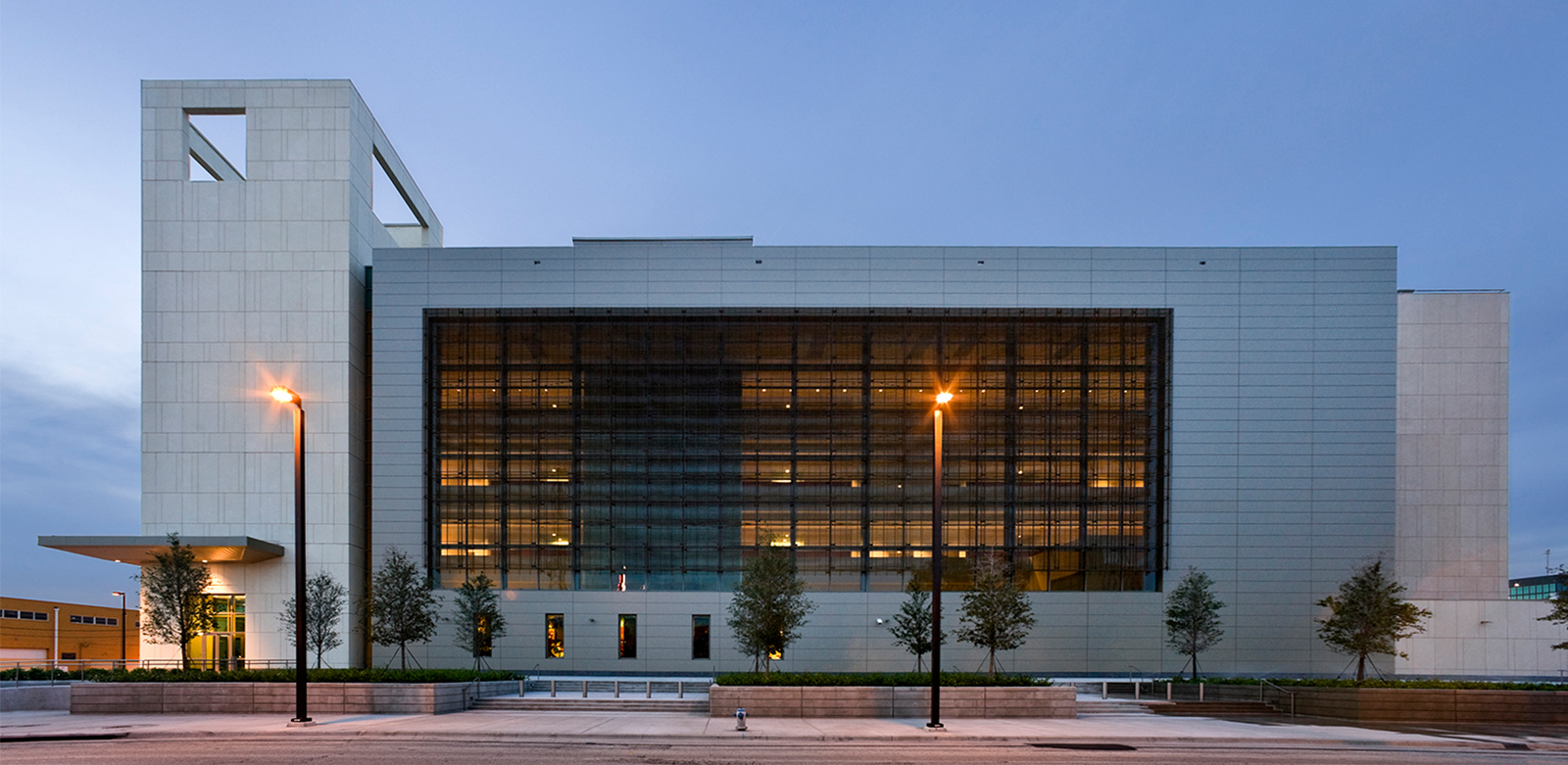
For example, the new press workspace will be located in an annex outside the Pentagon, but it will still be on Pentagon grounds.