Warsh Clears Committee Hurdle
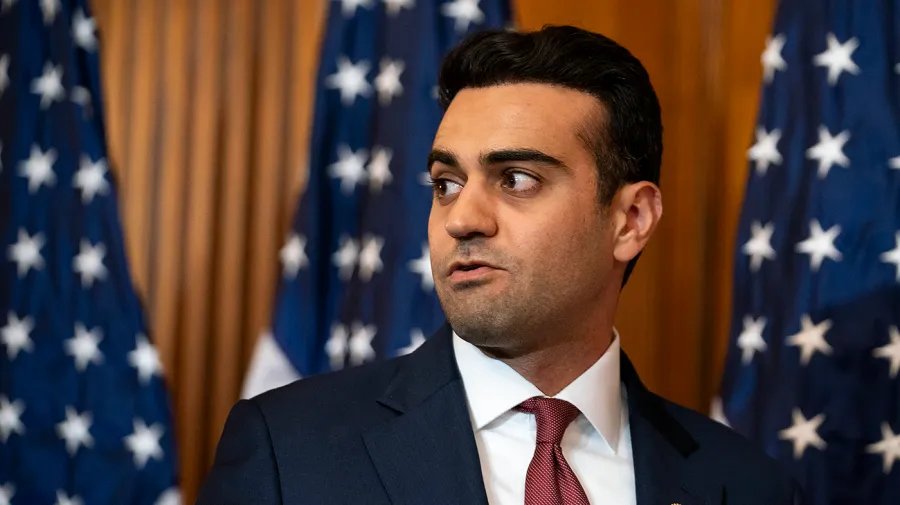
The Senate Banking Committee voted 13-11 on Wednesday to advance Kevin Warsh's nomination for Federal Reserve chair, sending his candidacy to the full Senate for confirmation. All 13 Republicans on the committee voted in favor, while all 11 Democrats opposed the nomination. Warsh, President Trump's handpicked choice, now moves toward a confirmation vote on the Senate floor, with the earliest possible vote scheduled for May 11.
The committee vote removes a significant obstacle that had blocked Warsh's path weeks earlier. Senator Thom Tillis of North Carolina had previously vowed to oppose any Trump nominee unless the Department of Justice dropped its criminal investigation into current Fed Chair Jerome Powell. Last week, the Department of Justice dropped its criminal investigation into Powell. Tillis then reversed course, voting to approve Warsh's nomination on Wednesday.
The Independence Question
Democrats on the committee raised sharp concerns about whether Warsh would maintain the Federal Reserve's independence from political pressure. Senator Elizabeth Warren of Massachusetts directly challenged Warsh's defense of a president's right to criticize Fed policy, saying Trump's actions extended far beyond public commentary. "You said it's perfectly fine for elected officials to state their views on interest rates. But that's not what Donald Trump is doing," Warren told Warsh during his confirmation hearing last week.
Warsh responded by stating that monetary policy independence was essential and that Fed policymakers must act in the nation's interest. "Central bankers must be strong enough to listen to a diversity of views from all corners," he said. When questioned directly about Trump's pressure, Warsh testified: "The president never asked me to predetermine, fix or decide on any interest rate decision, nor would I ever do so."
Warsh's Record and Recent Positions
Warsh served as a Federal Reserve governor from 2006 to 2011 and gained a reputation as an interest-rate hawk who favored higher rates to combat inflation. He currently works as a fellow at the Hoover Institution, a conservative think tank based at Stanford University. In recent months, however, Warsh has shifted his stance, voicing support for lower interest rates and criticizing the Fed's concern about inflation risks from new tariffs.
Republicans Defend the Nomination
Senate Banking Committee Chairman Tim Scott of South Carolina praised Warsh after the vote, saying his experience as a Fed governor during the financial crisis made him battle-tested. "An independent Federal Reserve is essential to achieving its mission. That independence must be protected," Scott said. Scott argued that Warsh would refocus the Fed on economic stewardship, claiming the central bank had shifted attention under President Joe Biden to issues like climate change. Democrats did not address this specific claim in the available testimony.
Timeline to Confirmation
If confirmed by the full Senate, Warsh would take over as Fed chair on May 15, when Powell's current term ends. Powell has said he will remain in his position until Warsh is confirmed. Warsh is widely expected to be confirmed, given the Republican majority in the Senate. Once confirmed, he could assume the role at the Fed's June 16-17 meeting.
The question of Powell's future remains uncertain. Trump has threatened to fire Powell if he does not step down entirely, but Powell's term as a Fed governor extends through 2028, and past Fed chairs have remained on the board after leaving the chair position.