





Citizen Journalist's Case Rejected
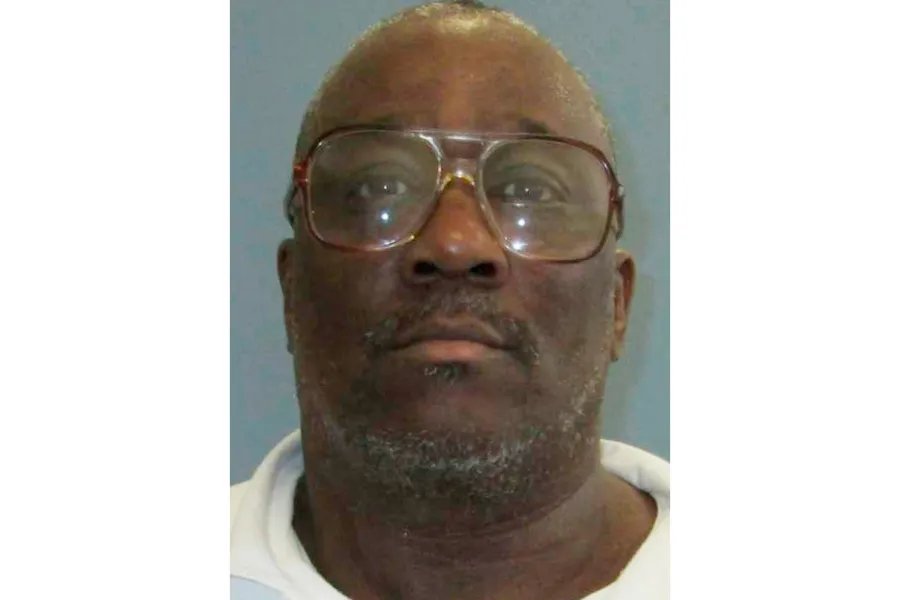
The Supreme Court declined to hear a case brought by citizen journalist Priscilla Villarreal against officials in Laredo, Texas, concerning her arrest for publishing news stories after confirming details with a police officer in 2017. This decision leaves in place a lower court ruling that favored the officials. Villarreal, known online as "La Gordiloca," was arrested for publishing news stories about a border agent's public suicide and a car crash, after confirming details with a police officer.
Dissenting Opinion on First Amendment
Justice Sonia Sotomayor dissented from the decision, calling the court's refusal to hear the case a "grave error." She argued that the arrest violated the First Amendment, stating it should have been obvious. Sotomayor wrote that the case "implicates one of the most basic journalistic practices of them all: asking sources within the government for information."
Qualified Immunity Shield
At issue was whether Laredo officials could claim "qualified immunity," protecting them from being sued. The 5th Circuit federal appeals court initially ruled for Villarreal, asserting that "a citizen journalist has the right to ask a public official a question, without fear of being imprisoned." However, the full 5th Circuit subsequently held that the officials were entitled to qualified immunity because they could have reasonably thought they were just enforcing the law. Villarreal's lawyers argued qualified immunity did not apply because officials would have known enforcing the state law was an obvious free speech violation. Defendants included former police chief Claudio Trevino and District Attorney Isidro Alaniz.
Mail-In Ballot Debate
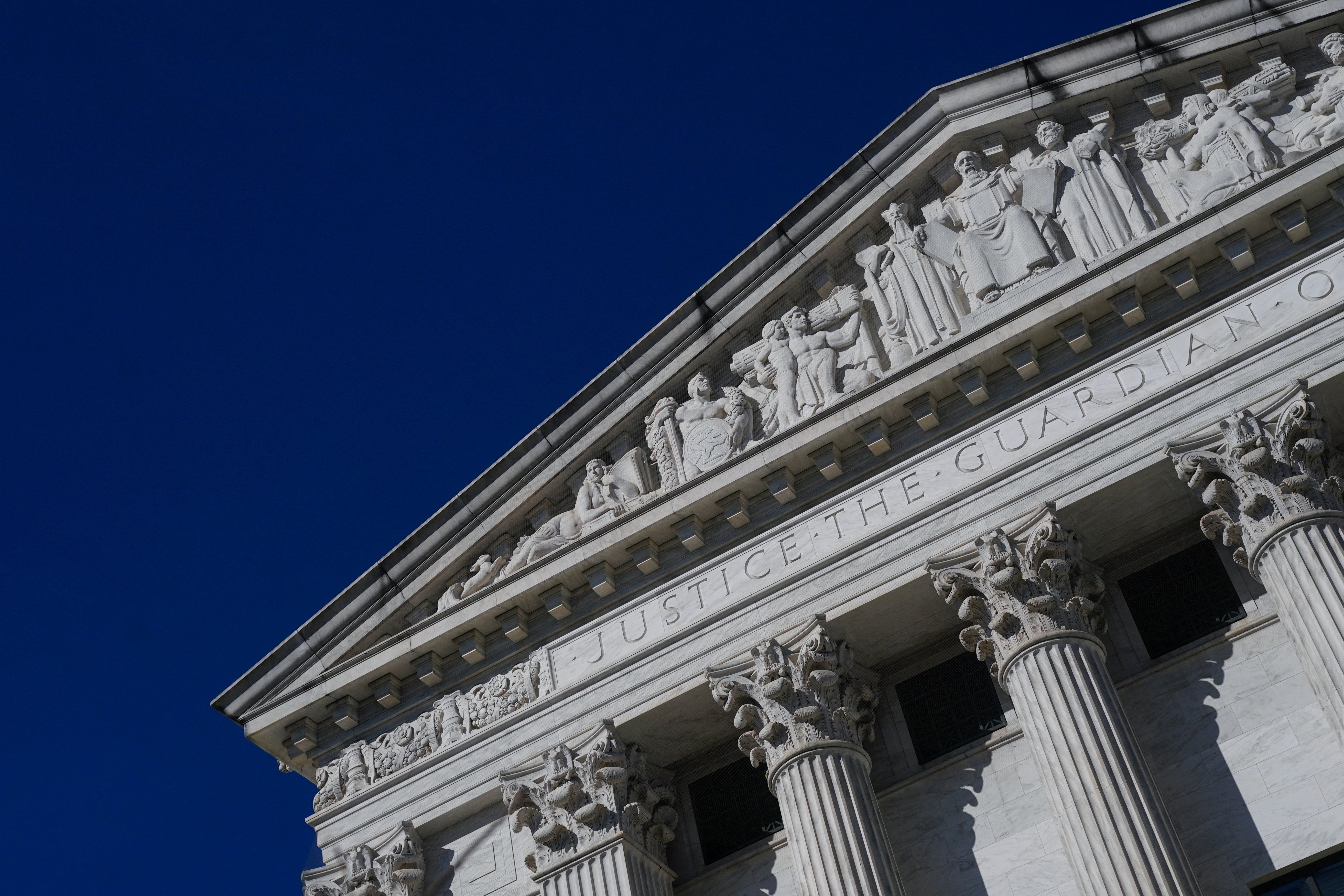
The Supreme Court heard arguments regarding mail ballots postmarked by Election Day but received later. The case, Watson v. RNC, involves a challenge to a Mississippi law allowing ballots received up to five days after Election Day to be counted. More than a dozen states have similar laws. The Republican National Committee and the state GOP filed lawsuits challenging Mississippi's ballot-receipt deadline in 2024.
Justices' Skepticism and Concerns
Several conservative justices, including Samuel Alito and Clarence Thomas, appeared skeptical of state laws governing late-arriving ballots. Alito emphasized the literal meaning of the word "day" when determining when ballots should be accepted. Liberal justices Elena Kagan, Sonia Sotomayor, and Ketanji Brown Jackson defended the measures as an exercise of states' authority to set rules for federal elections. Chief Justice John Roberts and Justice Amy Coney Barrett expressed concern about how invalidating deadlines for late-arriving ballots could affect election rules for early voting.
Potential Impact on Elections
A decision striking down the grace period could jeopardize the ability of 29 states and the District of Columbia to count some ballots from military and overseas voters that arrive after Election Day. There are nearly 4 million servicemembers and U.S. citizens living abroad who rely on mail ballots to vote. Four states—Kansas, North Dakota, Ohio, and Utah—passed laws last year eliminating grace periods and now require mail ballots to be received by Election Day in order to be counted.
Arguments for and Against Grace Periods
Mississippi Secretary of State Michael Watson is urging the Supreme Court to uphold the law, arguing that states have "broad power over elections." Lawyers for the RNC argued that the election ends when the ballot box is closed, not when voters make their selection. The Trump administration submitted a brief arguing that states cannot count ballots received after Election Day, aligning with the RNC's position. A decision is expected by the end of June or early July, leaving election officials in some states potentially scrambling to inform voters about changed deadlines before the November midterm elections.
The sources also report that the Texas law allowing arrests for soliciting non-public information from officials had never been enforced before Villarreal's case.