




Pentagon Escalates Campaign Against Mine Threat
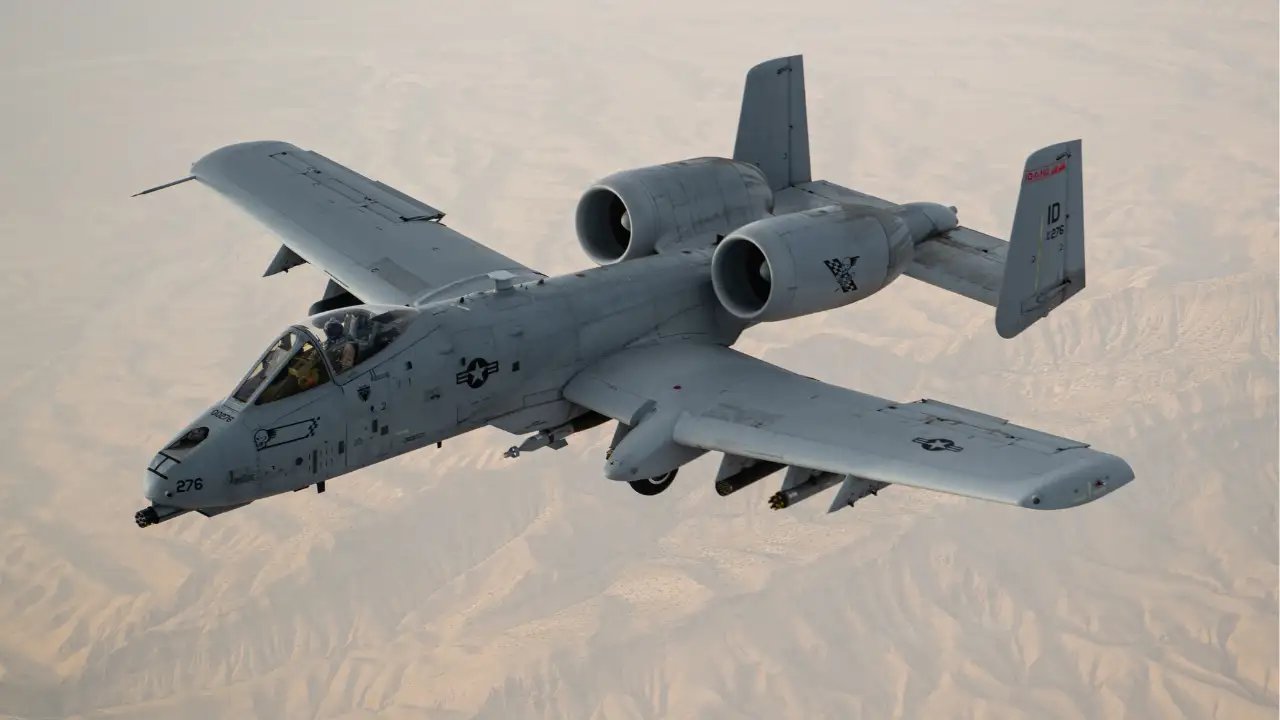
The Pentagon is zeroing in on mine-laying vessels that Iran has deployed to maintain control over the Strait of Hormuz, with military leaders announcing Thursday that the U.S. has destroyed 44 Iranian mine-laying vessels so far. General Dan Caine, chairman of the Joint Chiefs of Staff, told reporters that Air Force A-10 Warthog attack jets are now "in the fight," hunting fast boats Iran could use to lay mines in the strategic waterway. The A-10's signature weapon is a 30mm chain gun capable of firing up to 4,200 rounds per minute.
The military campaign reflects the scale of the challenge facing U.S. forces. Two of the Navy's three warships with counter-mine capabilities based in the Middle East, the USS Tulsa and USS Santa Barbara, are currently in Singapore for scheduled maintenance and logistics, according to Navy Commander Joe Hontz. The Pentagon has not disclosed the location of the third counter-mine vessel, the USS Canberra. More significantly, the U.S. has no ships in its fleet exclusively designed to hunt and sweep mines, after decommissioning its four dedicated minesweepers in September.
Retired Admiral James Foggo, who commanded the U.S. Navy's Sixth Fleet, described mines as an "asymmetric weapon" that any vessel can deploy. "Some might say mines are a poor man's weapon," Foggo said. "So if you don't have anything else, you lay mine. And any vessel is a minelayer. So you could have a boat that looks like a fishing vessel running around and rolling mines off the stern in the dark."
Traffic Collapse and Iran's Selective Control
Daily traffic through the Strait of Hormuz has dropped approximately 95 percent since the war began, according to BBC Verify analysis. Just under 100 ships have passed through the waterway since the start of March, averaging 5 to 6 vessels per day, compared to the pre-war average of 138 ships daily. Before the conflict, the strait carried roughly one-fifth of the world's global oil supply.
Iran appears to be implementing a selective control system rather than a complete blockade. According to Lloyd's List, Iran is developing a new vetting and registration system through its Islamic Revolutionary Guard Corps for ships seeking approval to transit through Iranian territorial waters. Several countries including India, Pakistan, Iraq, Malaysia and China are in direct talks with Tehran to use this route. One tanker has paid $2 million for the right to transit, though it remains unclear whether other vessels have paid similar fees.

One tanker is understood to have paid $2 million for the right to transit, though it remains unclear whether other vessels have paid similar fees.→One tanker has paid $2 million for the right to transit, though it remains unclear whether other vessels have paid similar fees.
Source article [9] states that Iran is charging ships $2 million for safe passage through the Strait of Hormuz. The summary states 'one tanker is understood to have paid'. This is an unnecessary hedge.
About 20,000 seafarers and 2,000 vessels are currently stuck in the Gulf, according to the International Maritime Organisation. Arsenio Dominguez, the IMO's secretary general, said he was "ready to start working immediately in negotiations to establish a humanitarian corridor to evacuate all vessels and seafarers trapped." However, when the Cook Islands' representative asked the Iranian delegation about specific conditions for vessel extraction, Iran declined to provide a response.
Allied Support Remains Largely Symbolic
Six U.S. allies announced Thursday their support for a potential coalition to reopen the strait, but the statement includes no commitment to send naval vessels or military resources. The signatories are the United Kingdom, Germany, Italy, the Netherlands, Japan, and France. In their joint statement, the leaders condemned Iran's attacks on commercial vessels and called on Iran to "cease immediately its threats, laying of mines, drone and missile attacks and other attempts to block the Strait to commercial shipping."
NATO Secretary General Marc Rutte and British Prime Minister Keir Starmer convinced French President Emmanuel Macron to lift his opposition to the political declaration. Macron had previously opposed forming any coalition except as part of a post-war agreement with Iran. German Chancellor Merz was initially skeptical of the idea, and many other European countries hesitated to move forward without France's support.
The statement came after NATO Secretary General Marc Rutte and British Prime Minister Keir Starmer convinced French President Emmanuel Macron to lift his opposition to the political declaration.→NATO Secretary General Marc Rutte and British Prime Minister Keir Starmer convinced French President Emmanuel Macron to lift his opposition to the political declaration.
The source article [2] states that NATO Secretary General Marc Rutte and British Prime Minister Keir Starmer convinced French President Emmanuel Macron to lift his opposition. The summary states 'the statement came after'. This is an unsupported claim.
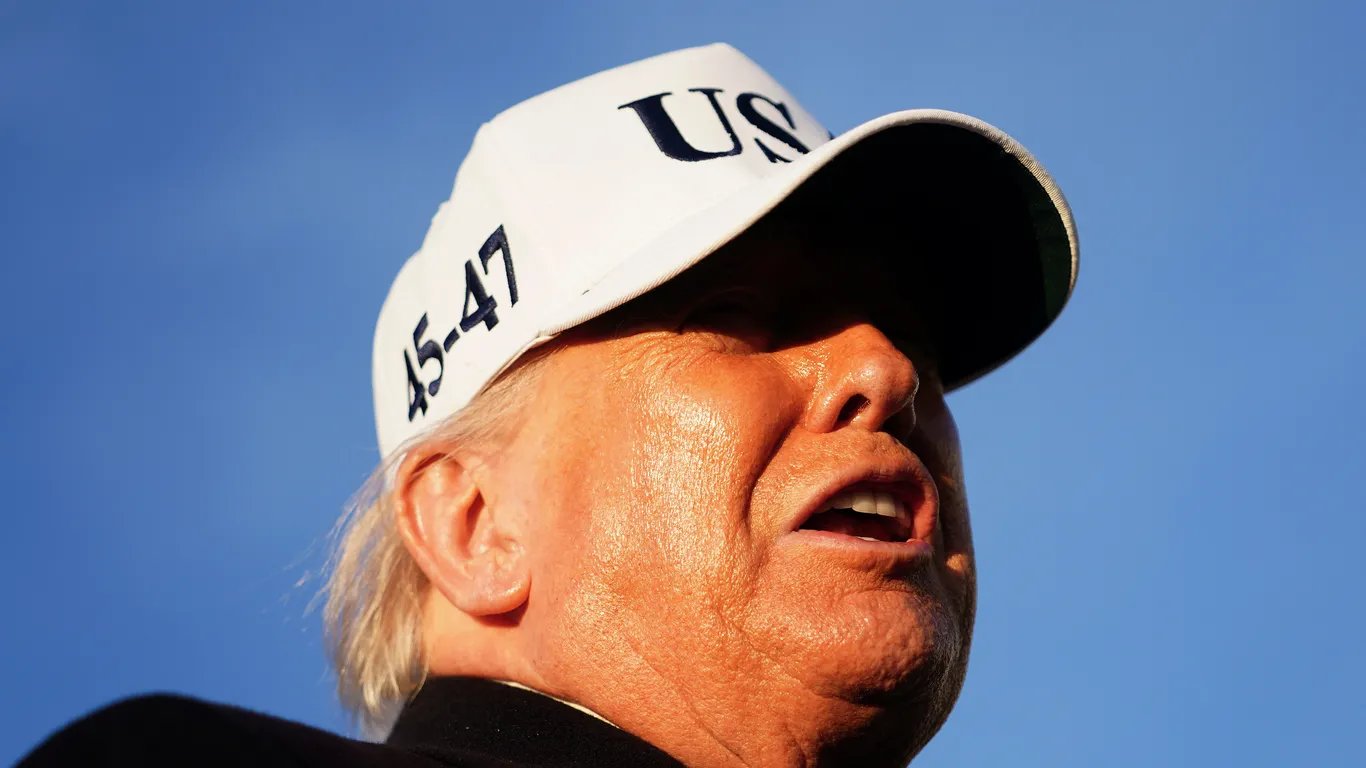
France, Germany, Italy and Japan have all previously ruled out sending naval vessels to the strait during the war. The U.K. has taken the most concrete step, dispatching two warships to the region and sending military officers to CENTCOM headquarters in Tampa, Florida to begin planning with the U.S. military. Trump said Thursday that Japan was "really stepping up to the plate" without providing details, while taking a jab at European allies. "Unlike NATO," he added.
The Broader Economic Stakes
The Strait of Hormuz closure has become the main crisis for the White House in the war. As long as the Iranian blockade holds and Gulf oil remains trapped, President Trump cannot end the conflict and declare victory even if he wants to. The strait disruption has caused world oil prices to spike and threatens global supply chains.
The Strait of Hormuz closure has become the central crisis for the White House in the war.→The Strait of Hormuz closure has become the main crisis for the White House in the war.
The source article [2] states that the strait closure has become the main crisis for the White House in the war. The summary states 'central'. This is an exaggeration.
India is among the countries feeling the impact. According to an S&P Global Energy report, India is moving to broaden its sources of liquefied petroleum gas imports, stepping up refinery output and intensifying diplomatic engagement to maintain steady cooking fuel supplies for households. The International Maritime Organisation has called for the establishment of a "safe maritime framework" to ensure the swift evacuation of merchant ships confined within the Persian Gulf.
Military experts told ABC News that the U.S. Navy cannot begin escort duty to protect commercial shipping until the mine threat is addressed. President Trump said the U.S. military could manage the challenge without European allies. Admiral Foggo said, "I think we do need their help. You always want allies and partners and friends with you."
The sources also report that the USS Tulsa and USS Santa Barbara are in Singapore for 'scheduled maintenance and logistics,' according to Navy Commander Joe Hontz.