




Investors Face Market Losses from Regional Unrest
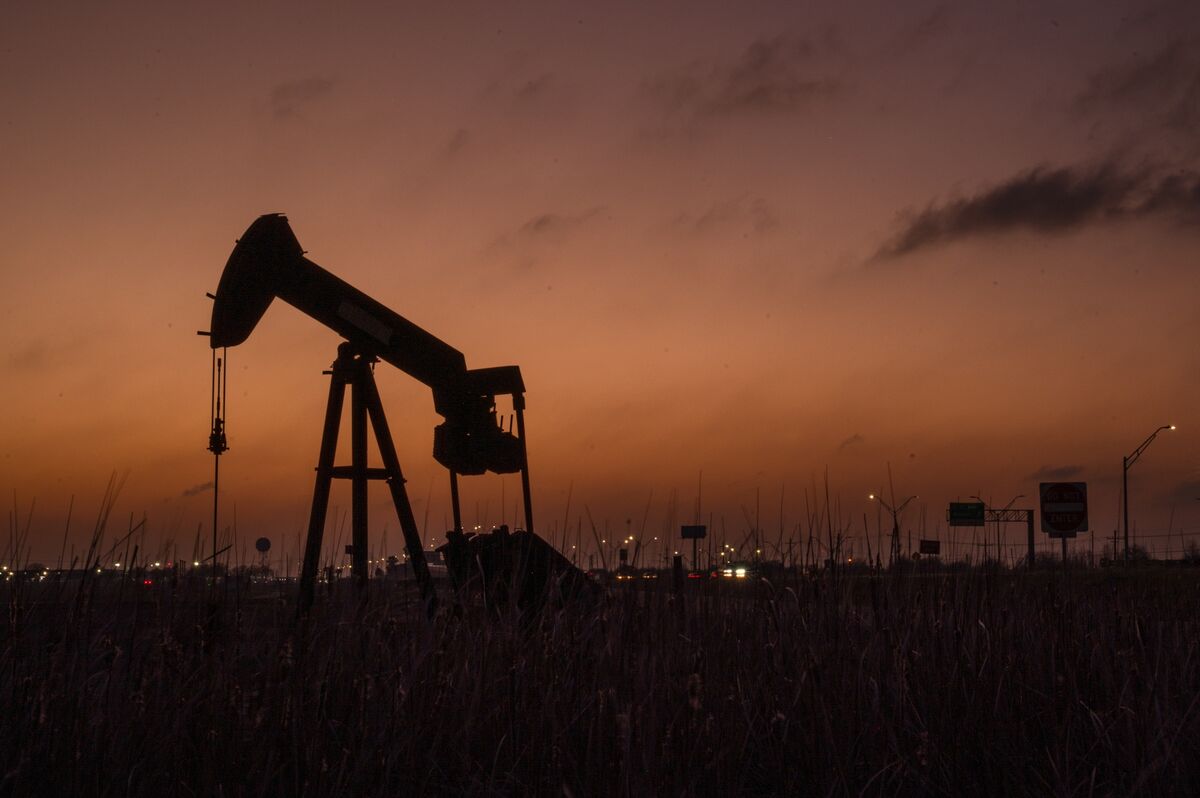
Stock indexes fell due to escalating tensions, with oil prices jumping more than 40 percent since the conflict effectively closed the Strait of Hormuz. Diane Swonk, chief economist at KPMG, noted that these shifts add to costs across the U.S. supply chain, directly raising expenses for shoppers.
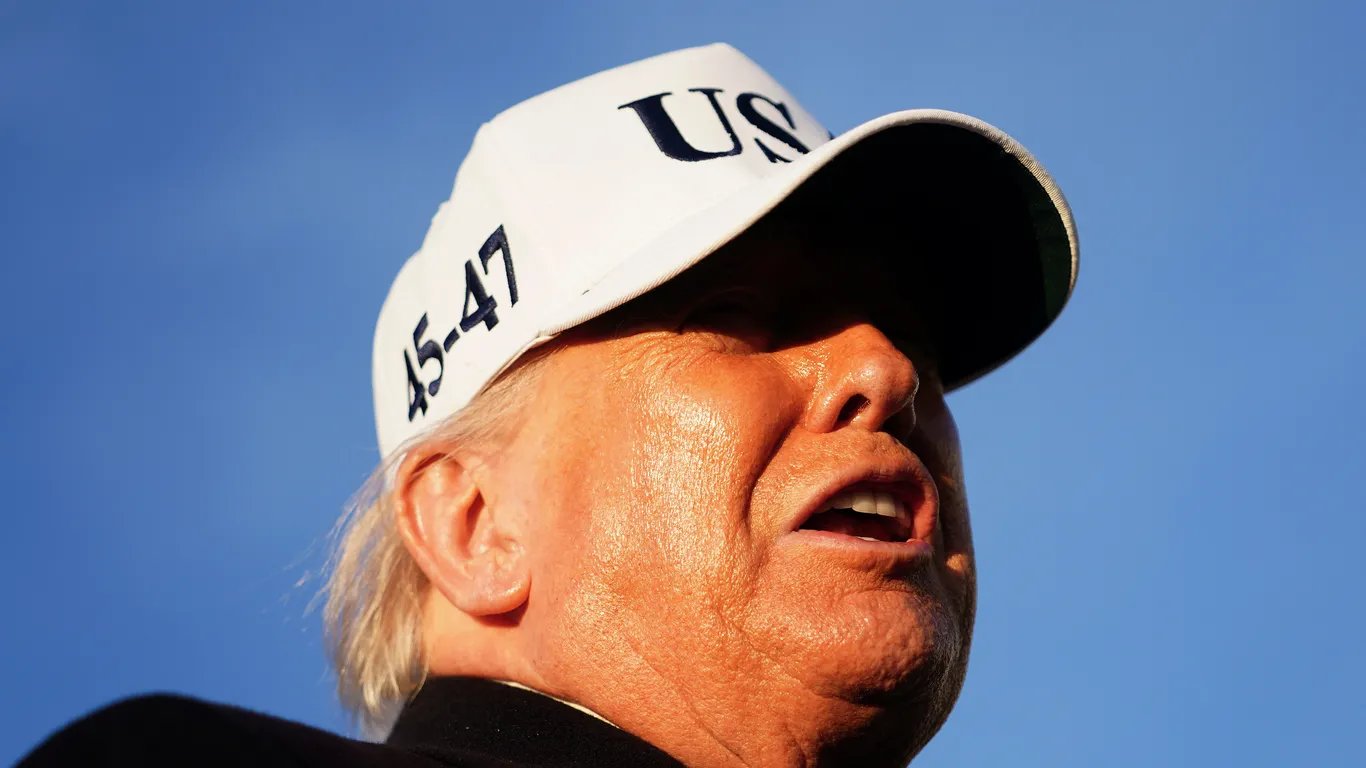
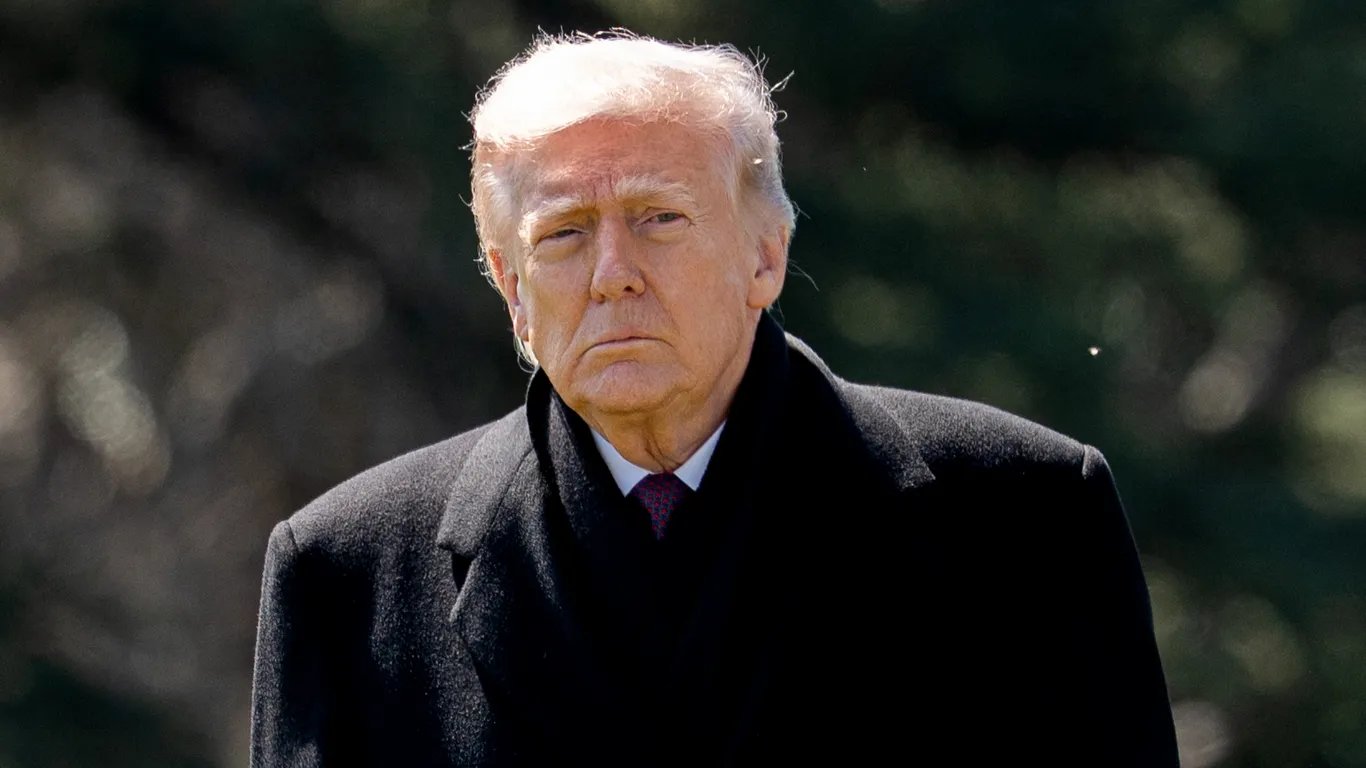
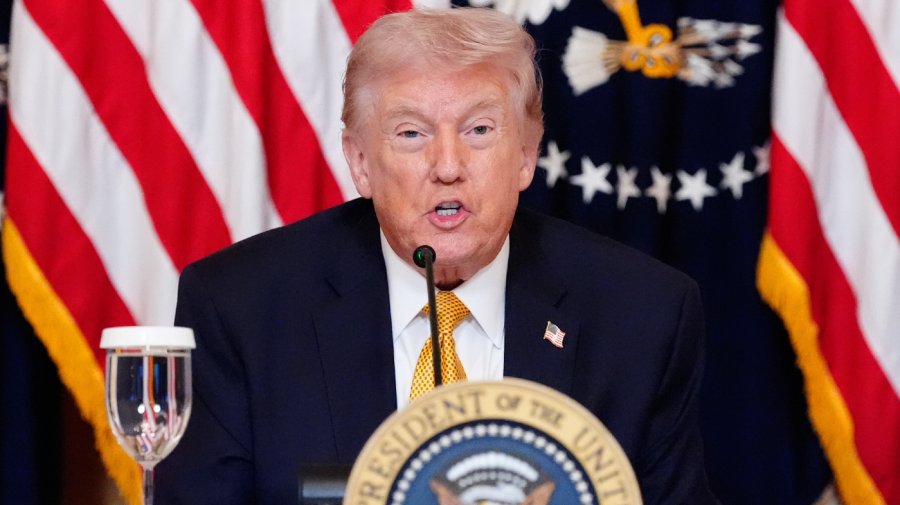
President Trump described the Iran war as "militarily won" in a White House event, yet ongoing attacks continue to unsettle markets. Gen. Abolfazl Shekarchi warned that "parks, recreational areas and tourist destinations" worldwide are at risk from Iranian retaliation.
Troop Deployments Escalate US Involvement
The Pentagon sped up the deployment of the 11th Marine Expeditionary Unit, made up of at least 2,200 Marines, aboard the USS Boxer, USS Comstock, and USS Portland. These forces left San Diego earlier this week, potentially joining the 31st MEU to add nearly 9,000 troops in the region. The USS Comstock departed on March 19. It will take two weeks for the USS Boxer Amphibious Ready Group to reach southeast Asia, with additional time to reach the Middle East if ordered.
This buildup includes ground forces, aviation units with fighter jets, and attack helicopters, as officials confirmed. The move responds to Iranian missile strikes, with Defense Secretary Pete Hegseth overseeing the operation. Such deployments heighten risks for U.S. personnel, potentially drawing more nations into the conflict.
Oil Surge Hits Everyday Costs
Oil headed for another weekly gain as Iranian attacks closed the Strait of Hormuz, affecting global trade routes. The United Arab Emirates Ministry of Defense reported intercepting 338 ballistic missiles and 1,740 drones since the strikes began, underscoring the crisis's scale. This disruption drives up fuel prices, impacting cargo ships and delivery vans that transport goods to consumers.
Chief economist Diane Swonk explained that rising energy costs will squeeze profit margins and employment in the U.S. A fire at Kuwait's Mina Al-Ahmadi refinery from a drone strike further illustrates the fallout. These events mean higher prices at stores and online, directly affecting household budgets.
Iranian Officials Defy US Claims
Gen. Ali Mohammad Naeini stated that Iran is "producing missiles even during war conditions" with no issues in stockpiling. Iran's Supreme Leader Mojtaba Khamenei released a message claiming Iranian resilience delivered a "crippling blow" to enemies, including America and Israel. This rhetoric counters President Trump's assertion that "their leaders are all gone" and Iran has no navy left.
Israeli Prime Minister Benjamin Netanyahu announced strikes on Iranian infrastructure, such as eliminating Ali Mohammad Naini, head of IRGC public relations. Netanyahu also speculated that Mojtaba Khamenei's influence may wane, given his absence. These exchanges highlight ongoing hostilities, with both sides claiming victories amid the chaos.
Global Alliances Strain Under Pressure
President Trump labeled NATO allies "cowards" for not aiding in reopening the Strait of Hormuz, demanding they send forces. Six major allies, including the U.K. and France, expressed readiness to ensure safe passage through the strait in a joint statement. Britain's Foreign Minister Yvette Cooper condemned Iranian attacks and warned against targeting British interests.
NATO pulled its advisory mission out of Iraq, relocating personnel to Europe as attacks hit British and French bases. Russian diplomats summoned Israel's ambassador after an incident injured RT journalists in Lebanon. These actions show how the conflict strains international partnerships, potentially leading to broader instability.
Economic Fallout Demands Quick Action
The war's toll includes eight deaths in the UAE from Iranian strikes, with an Indian national dying in Saudi Arabia amid the tensions. Black smoke rose from an oil refinery in Haifa after an Iranian attack, halting operations for days. Consumers now face immediate choices, such as cutting back on fuel use, as these disruptions erode daily finances and job security.