




The Strait of Hormuz becomes the war's economic chokepoint
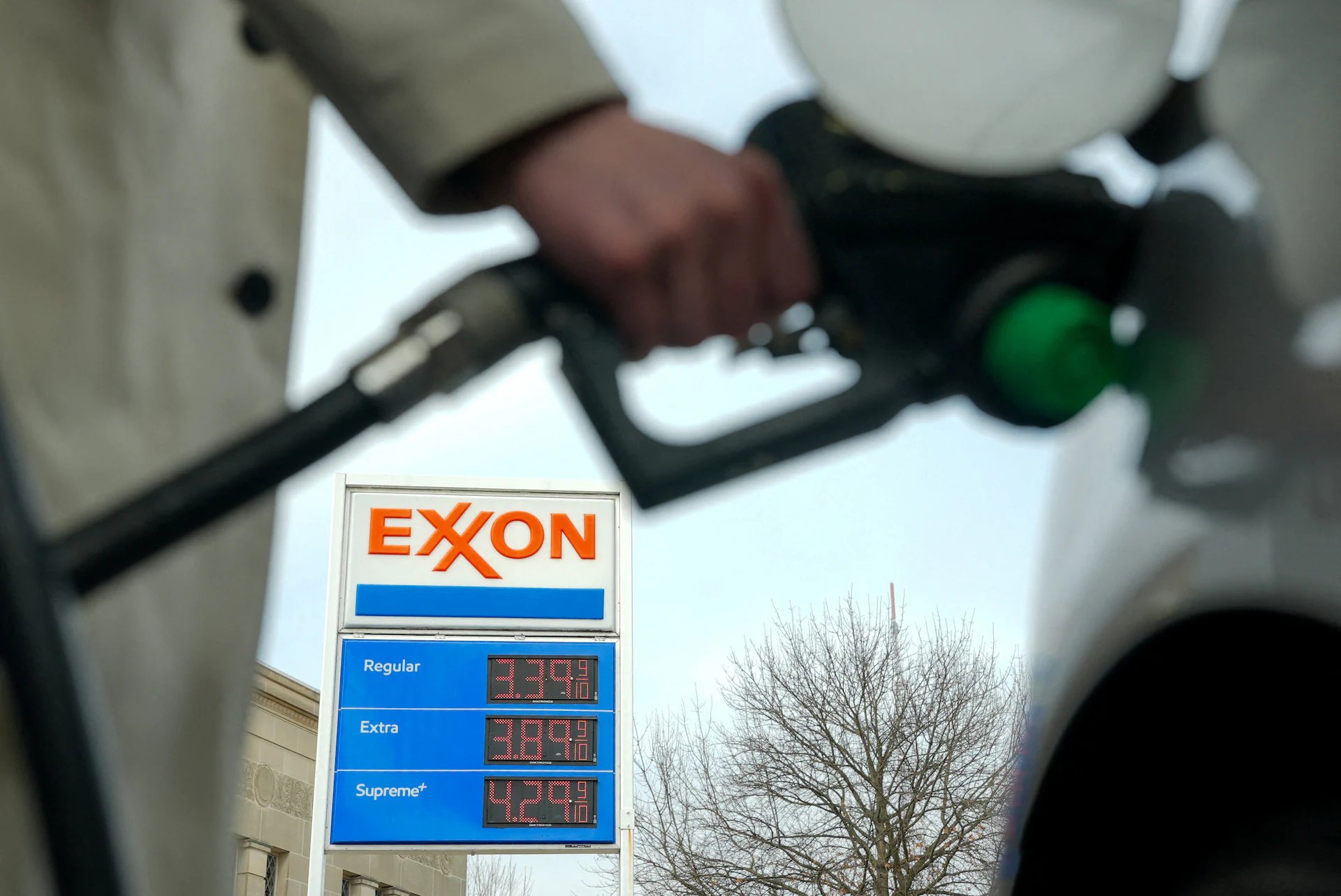
As the conflict enters its fourth week, Iran's blockade of the Strait of Hormuz has reshaped energy markets worldwide. A significant share of the world's oil passes through the strait each day, and the blockage has surged global oil prices. Gas prices in the U.S. are up $1 per gallon on average since the war began, according to GasBuddy. In some states, the increases have been even steeper: gas prices have risen more than 30 percent in parts of the South and Southwest, where drivers have lamented how the increased costs have cut into their budgets.
The economic ripple extends far beyond American gas pumps. Growers in Tanzania racing to sell avocados before they overripe now face soaring fertilizer and fuel costs as the shipping choke point disrupts supply chains.
Pentagon seeks $200 billion as Republican senator questions strategy
The Pentagon is requesting $200 billion in additional funding for the operation, according to a senior administration official. Secretary of Defense Pete Hegseth confirmed Thursday that the department will request additional funding for the war.
Yet Republican Sen. Thom Tillis of North Carolina has raised alarm about the war's direction. In an interview that aired Sunday, Tillis told ABC News' Jonathan Karl that he does not know what the administration's primary objective is. "I don't know, and I think it's a real problem," Tillis said. He praised last summer's "Operation Midnight Hammer" when the U.S. military struck Iran's nuclear facilities, but said the weeks-long current operation is "ambiguous."
Tillis supports the president's actions in Iran generally but warned that securing the $200 billion in funding will require 60 votes in the Senate. "I don't know what our long-term strategic goals are, but we're going to need to know that," he said.
Americans divided on war aims but united on economic anxiety
A CBS News poll conducted between March 17-20 with 3,335 nationally representative adults found that most Americans hold multiple, sometimes conflicting goals for the conflict. Most feel it is important to stop Iran's nuclear program, ensure the Iranian people are free, and prevent the regime from remaining in power. But most also say ending the conflict as quickly as possible is paramount.
Most Americans believe the war is not going well so far. The poll found that disapproval of the U.S. military action has grown since the war started, and the longer people think the conflict will last, the more disapproval there is. Those disapproving of the action view this as a war of choice rather than necessity, while those approving see it as a war of necessity.
On the economy, Americans express deep pessimism. Most see the conflict weakening the U.S. economy in the short term. Feelings that the U.S. will head into a recession are trending back up. Most do not believe Americans should have to pay more for gas during the conflict, and a sharp upsurge in the percentage of people who have noticed rising prices reflects the war's immediate impact on household budgets.
Trump's shifting rhetoric and NATO tensions
President Donald Trump has sent contradictory signals about the war's duration and scope. He mused about "winding down" the war soon and last week suggested in a social media post that he may pull out of Iran before the Strait of Hormuz issues are resolved. In a Wednesday post, Trump wrote: "I wonder what would happen if we 'finished off' what's left of the Iranian Terror State, and let the Countries that use it, we don't, be responsible for the so called 'Strait?' That would get some of our non-responsive 'Allies' in gear, and fast!!!"
Trump has given Iran a 48-hour deadline to reopen the Strait of Hormuz or face bombing of its power plants. Treasury Secretary Scott Bessent said U.S.-Israeli attacks are aimed at destroying Iran's fortifications along the waterway while Iranian leaders face this deadline. Iran has vowed to hit energy and desalination infrastructure if the U.S. targets Iran's energy infrastructure.
After Trump lashed out at NATO allies for not assisting with opening the strait, calling them "cowards," Tillis defended those nations. "I don't think that they're cowards. I think they're people that weren't consulted on a major military operation," Tillis said. He noted that NATO allies were not consulted before the operation began and argued that leaving the strait blockaded harms U.S. partners whose economic fortunes depend on it remaining open.
Most Republicans, especially those aligned with Trump's Make America Great Again movement, continue to support the military action and express confidence in Trump personally. However, prominent conservative media figures including Tucker Carlson, Laura Loomer, Candace Owens, and Ben Shapiro have clashed over the war's alignment with Trump's "America first" promise and the role of Israel, creating a schism within the MAGA coalition. The president's overall approval rating remains virtually unchanged at 40 percent or in the low 40s, where it has been for many months.