




Wright's Forecast for Rising Costs
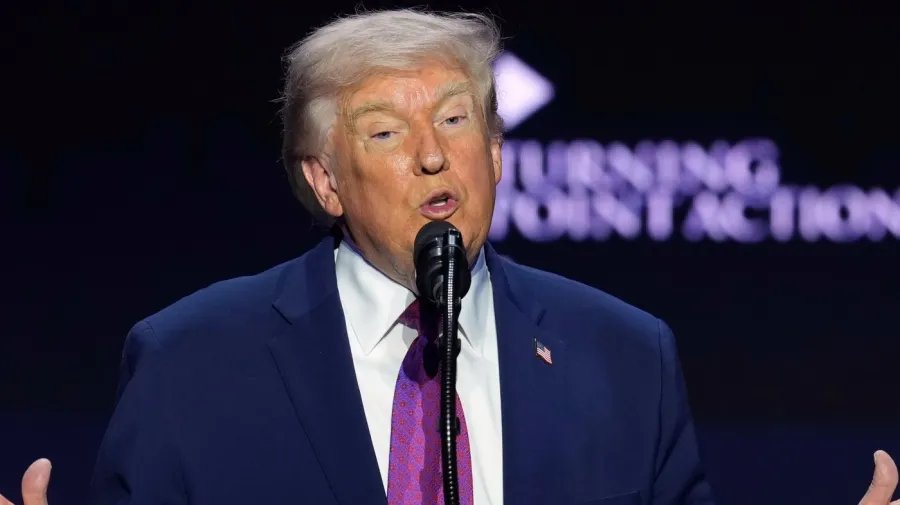
Energy Secretary Chris Wright stated on CNN that US gas prices might not fall below $3 a gallon until next year. He told host Jake Tapper, "I don't know. That could happen later this year. That might not happen until next year." Wright added that prices have likely peaked and will decline with a resolution to the Iran war.
Factors Driving Current Prices
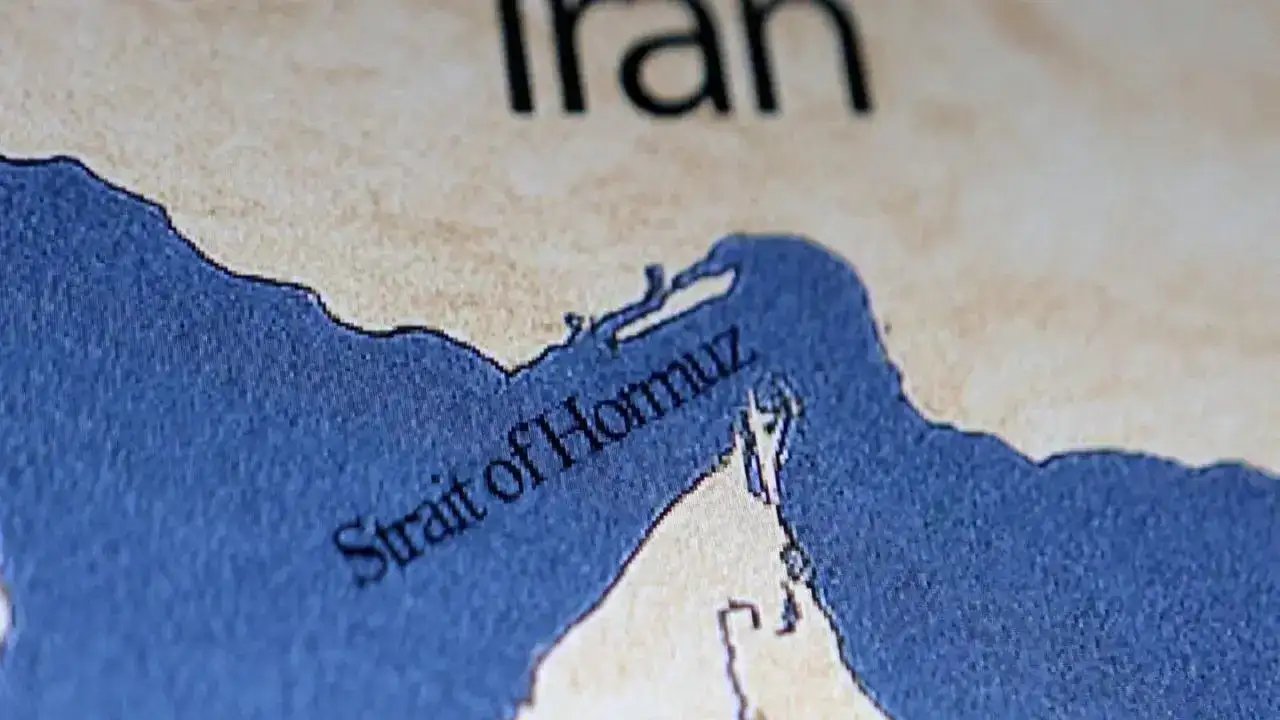
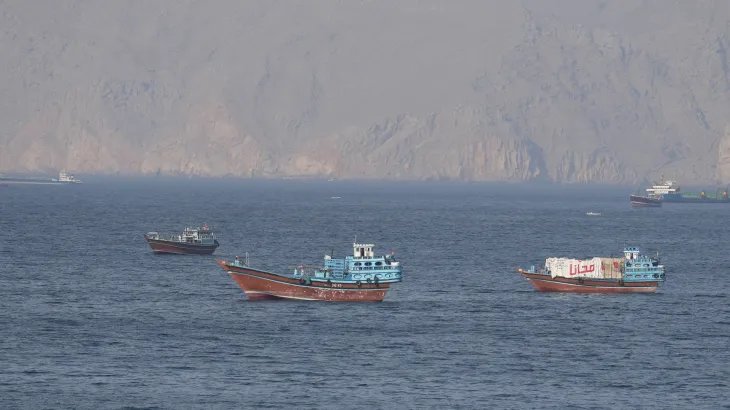
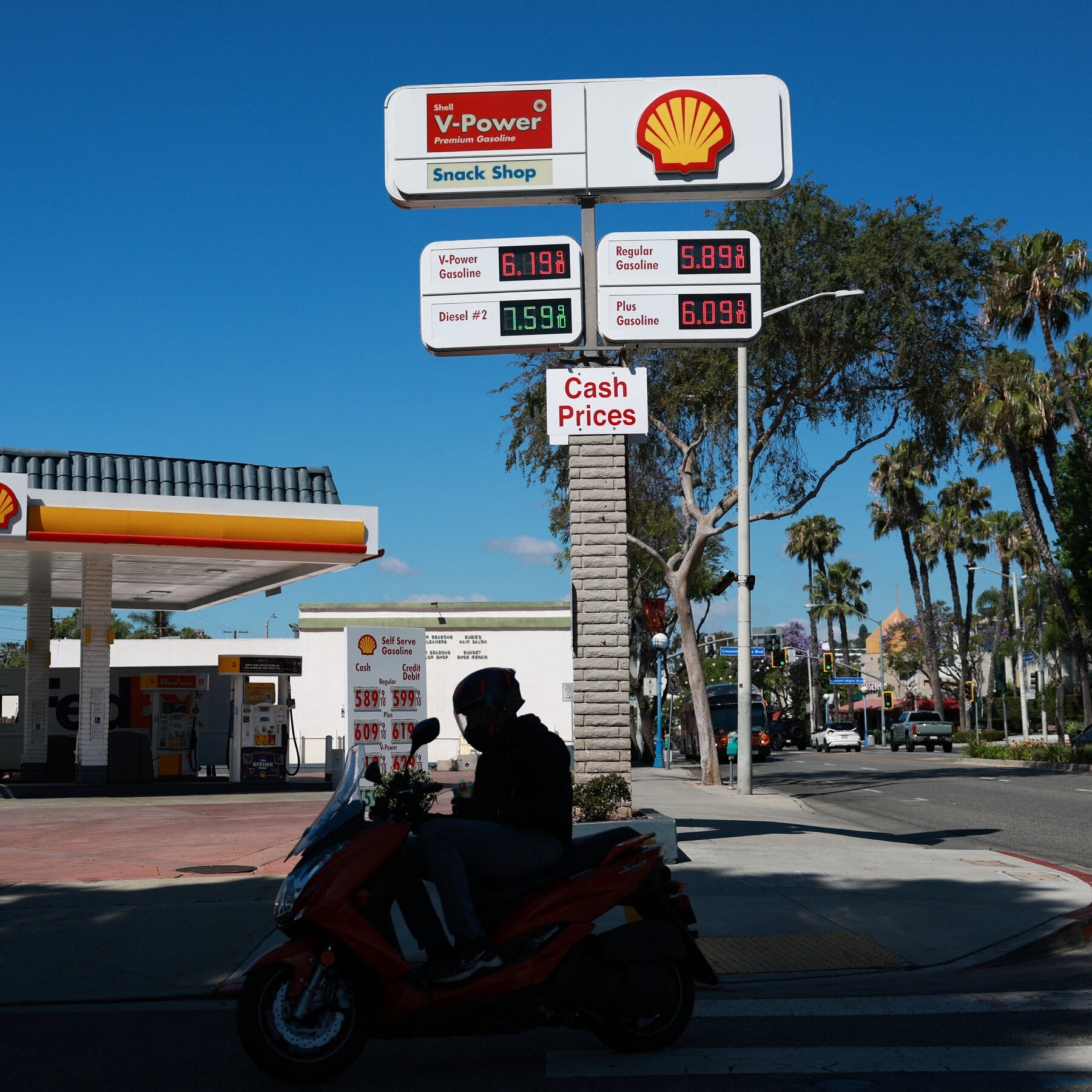
US gasoline prices reached $4.16 per gallon earlier this month, according to AAA data. Prices stood at $2.98 a gallon in late February 2026, before the Iran war started. Iran closed the Strait of Hormuz twice, pushing averages to $3.98 a gallon in late March and stabilizing above $4 in April.
Hardships for Ride-Share Workers
Uber and Lyft drivers are spending hundreds more dollars each month on fuel due to the price surge. John Mejia, a driver in Oakland, said his hybrid car now costs $60 to fill instead of $36 a few weeks ago, leading him to drive less. Prisell Polanco, an eight-year driver in Boston, reported an extra $300 a month in fuel expenses without any fare increases from the companies.
Drivers' Frustrations with Company Support
Uber offers rewards through its Pro debit card that could save top-tier drivers up to $1.44 per gallon, but drivers call this inadequate. Mejia described the discounts as a "slap in the face" because they push drivers to more expensive stations. Lyft's VP Yuko Yamazaki said the company wants drivers to feel supported, yet workers like Harvin in Los Angeles must work 12-hour days to cover $75 tank fills that were $55 two months ago.
Contradictions in Official Statements
Wright's recent comments differ from his earlier NBC interview on March 15, where he said there was a "very good chance" prices would drop under $3 by summer. Treasury Secretary Scott Bessent predicted relief by summer, contrasting Wright's view. A CBS News/YouGov poll found 51% of adults view gas prices as a financial hardship, highlighting public discontent.
Effects on Daily Life and Next Steps
The price spike forces drivers like Mary in Chicago to reduce hours, as she struggles to afford fuel for fares that have not adjusted. This situation means workers must choose between earning less or driving more, affecting their ability to pay bills.