



The Seizure
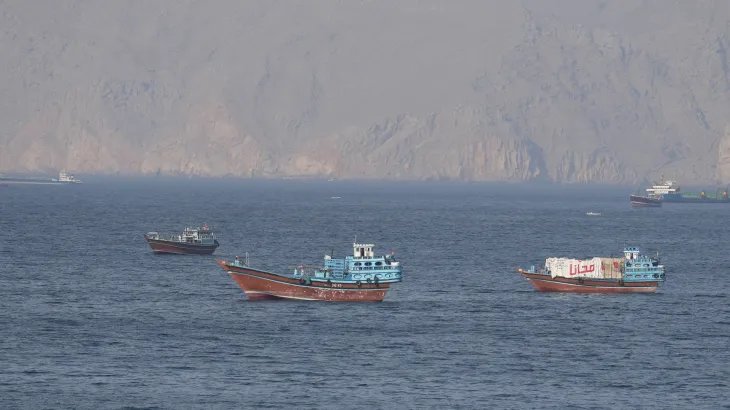
President Trump announced Sunday that U.S. forces had seized an Iranian-flagged cargo ship named the Touska after it refused to stop for warnings in the Gulf of Oman. The Navy destroyer USS Spruance intercepted the nearly 900-foot vessel and, according to Trump's post on Truth Social, disabled it by "blowing a hole in the engineroom" when the Iranian crew refused to comply over six hours. U.S. Marines now have custody of the ship, which Trump said was "under U.S. Treasury Sanctions because of their prior history of illegal activity."
U.S. Central Command confirmed the account, stating that "American forces acted in a deliberate, professional, and proportional manner to ensure compliance." The seizure marks the first ship fired upon since the U.S. blockade of Iranian ports began last Sunday.

The sources also report that the Trump administration said more than 20 ships were turned back since Monday, a higher number than the 25 vessels mentioned in paragraph 2.
The Blockade's Toll
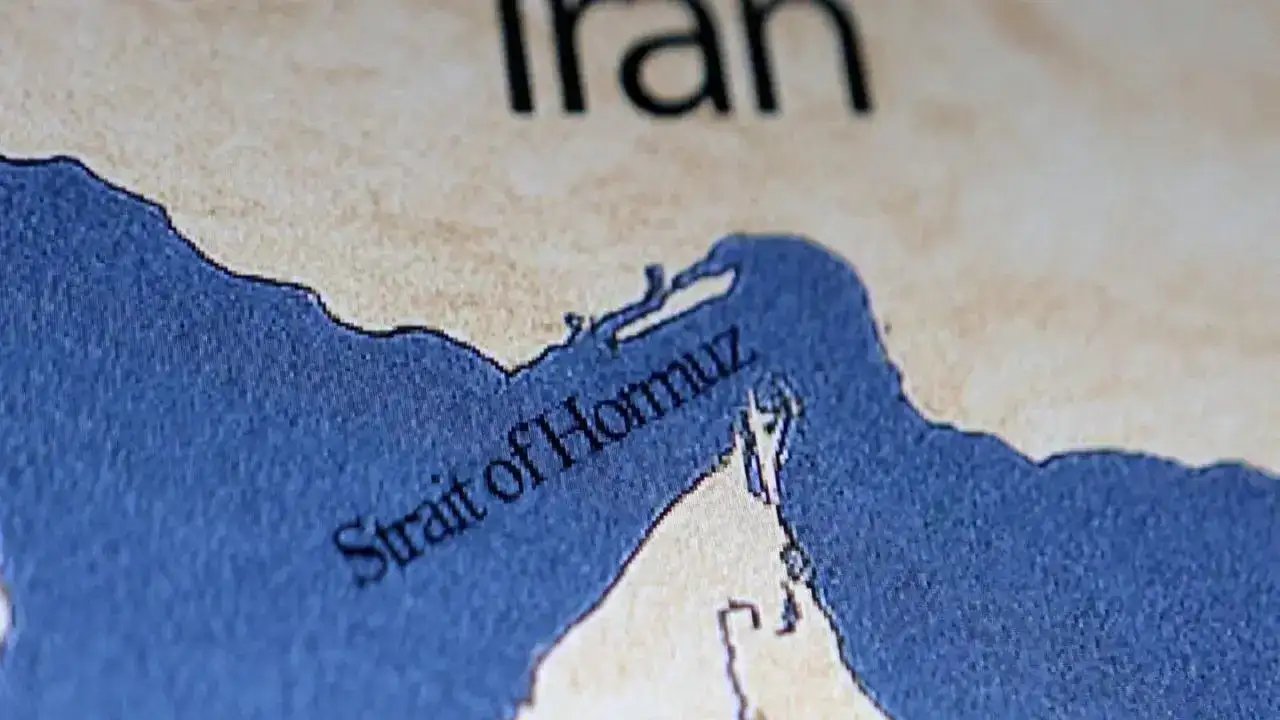
The U.S. military has directed 25 commercial vessels to turn around or return to Iranian ports as part of the blockade. Trump claimed the blockade costs Iran "$500 Million Dollars a day" while the United States "loses nothing." About 20 percent of the world's crude oil and natural gas typically passes through the Strait of Hormuz, a chokepoint now effectively closed to international tankers.
More than 20,000 seafarers have been stuck on hundreds of ships in the Gulf since the war began in late February. India summoned Iran's ambassador in New Delhi after what it described as a shooting incident involving two Indian-flagged vessels in the strait. Iran's semiofficial Tasnim news agency reported that Iran's forces forced back tankers sailing under the flags of Botswana and Angola on Sunday. The Islamic Revolutionary Guard Corps warned that any violating vessels would be targeted as "cooperation with the enemy."
Iran's Countermove
Iran closed the Strait of Hormuz on Saturday in response to the U.S. blockade, reversing its brief reopening the day before. Parliamentary speaker Mohammed Bagher Qalibaf stated on Iranian state television: "It is impossible for others to pass through the Strait of Hormuz while we cannot." Iran's National Security Council said the country is "determined to exercise supervision and control over traffic through the Strait of Hormuz until the war is definitively ended and lasting peace is achieved in the region."
Qalibaf, who serves as Iran's chief negotiator, warned that "if the ceasefire is not implemented, we will not continue negotiations, and we will start the war." He said the strait would remain closed if the U.S. naval blockade continues, though he acknowledged that some issues in negotiations "have been concluded, while others have not."
Threats and Negotiations
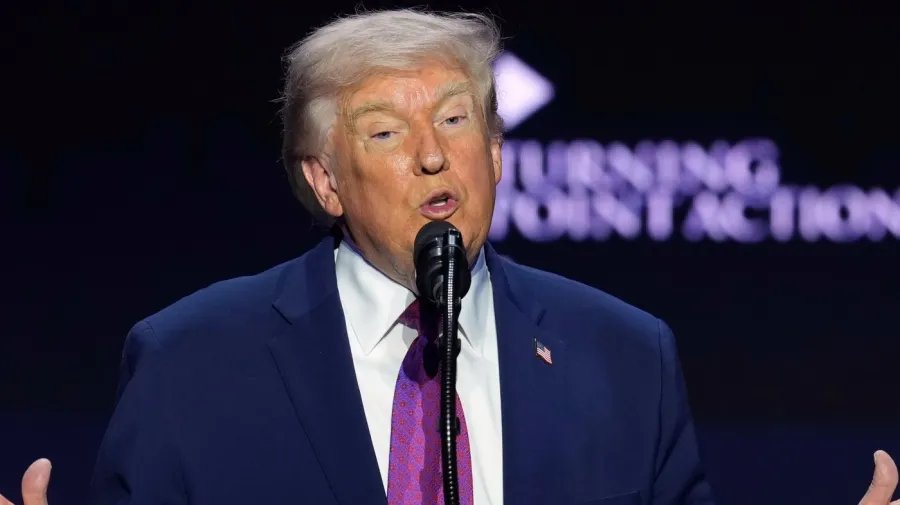
Trump threatened military escalation if Iran rejects his peace proposal. "We're offering a very fair and reasonable DEAL, and I hope they take it because, if they don't, the United States is going to knock out every single Power Plant, and every single Bridge, in Iran. NO MORE MR. NICE GUY!" U.N. Ambassador Mike Waltz defended the threat, telling NBC News that Iran can "choose to be a responsible member of the international community, or they can continue to be a rogue regime."
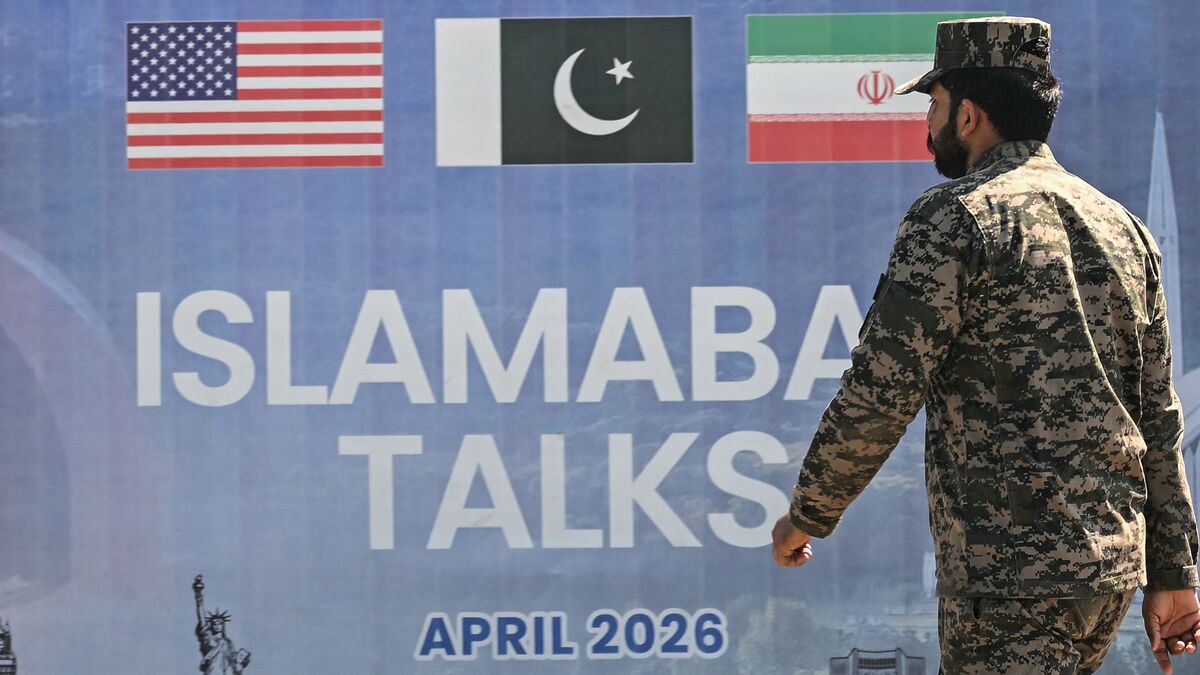
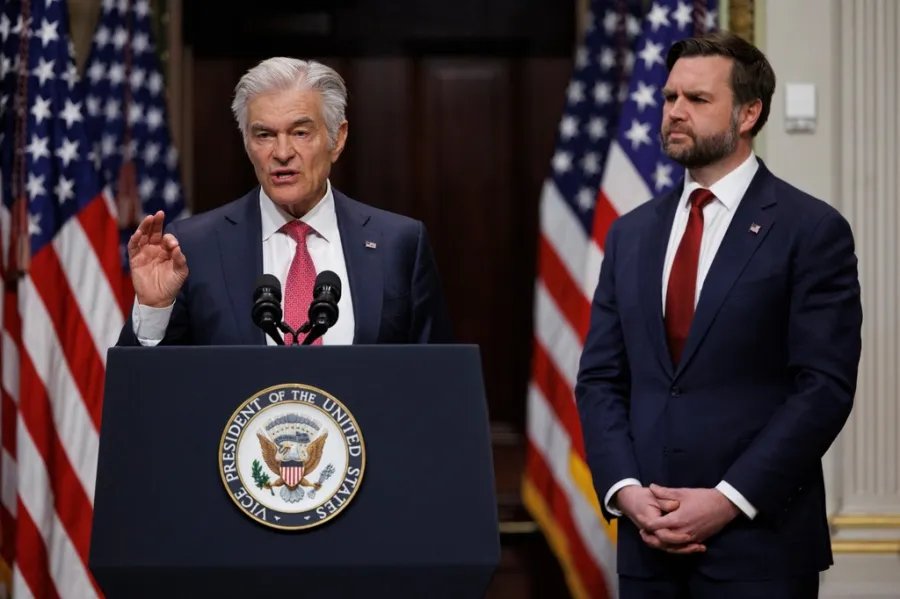
The White House announced that Vice President JD Vance would lead a U.S. delegation to Islamabad, Pakistan, with envoys Steve Witkoff and Jared Kushner for talks set to begin Monday evening. Iran's state news agency IRNA declined to confirm attendance, citing "Washington's excessive demands, unrealistic expectations, constant shifts in stance, repeated contradictions, and the ongoing naval blockade." Iranian President Masoud Pezeshkian said Sunday that Trump was seeking to deny Iran its "nuclear rights" and that Iran was trying to end the war "with full dignity."
The Ceasefire's Fragility
The two-week ceasefire is set to expire Wednesday. Both sides have accused the other of violations: Trump claimed Iran fired on ships in the strait as a "total violation" of the ceasefire, while Iran views the U.S. blockade as a breach. French shipping company CMA CGM reported that one of its vessels was targeted with warning shots, and the U.K. Maritime Trade Operations Centre received reports that Iranian Revolutionary Guard gun boats fired on a tanker.

For example, NBC News reported that Iranian state media confirmed shots were fired near two Indian ships to force them to turn back, and Iran's Tasnim news agency said tankers from Botswana and Angola were also forced to turn back.
Energy Secretary Chris Wright said Sunday that the Strait of Hormuz will likely remain closed until the U.S. and Iran reach a deal to permanently end hostilities. Virginia Senator Tim Kaine told Fox News that "if they're going to be open, I think they have to be open to all," while French President Emmanuel Macron and British Prime Minister Keir Starmer called for the "unconditional, unrestricted, and immediate re-opening of the Strait of Hormuz."



The sources do not specify that this seizure was the first ship fired upon during the blockade.