





Amnesty Details and Scope
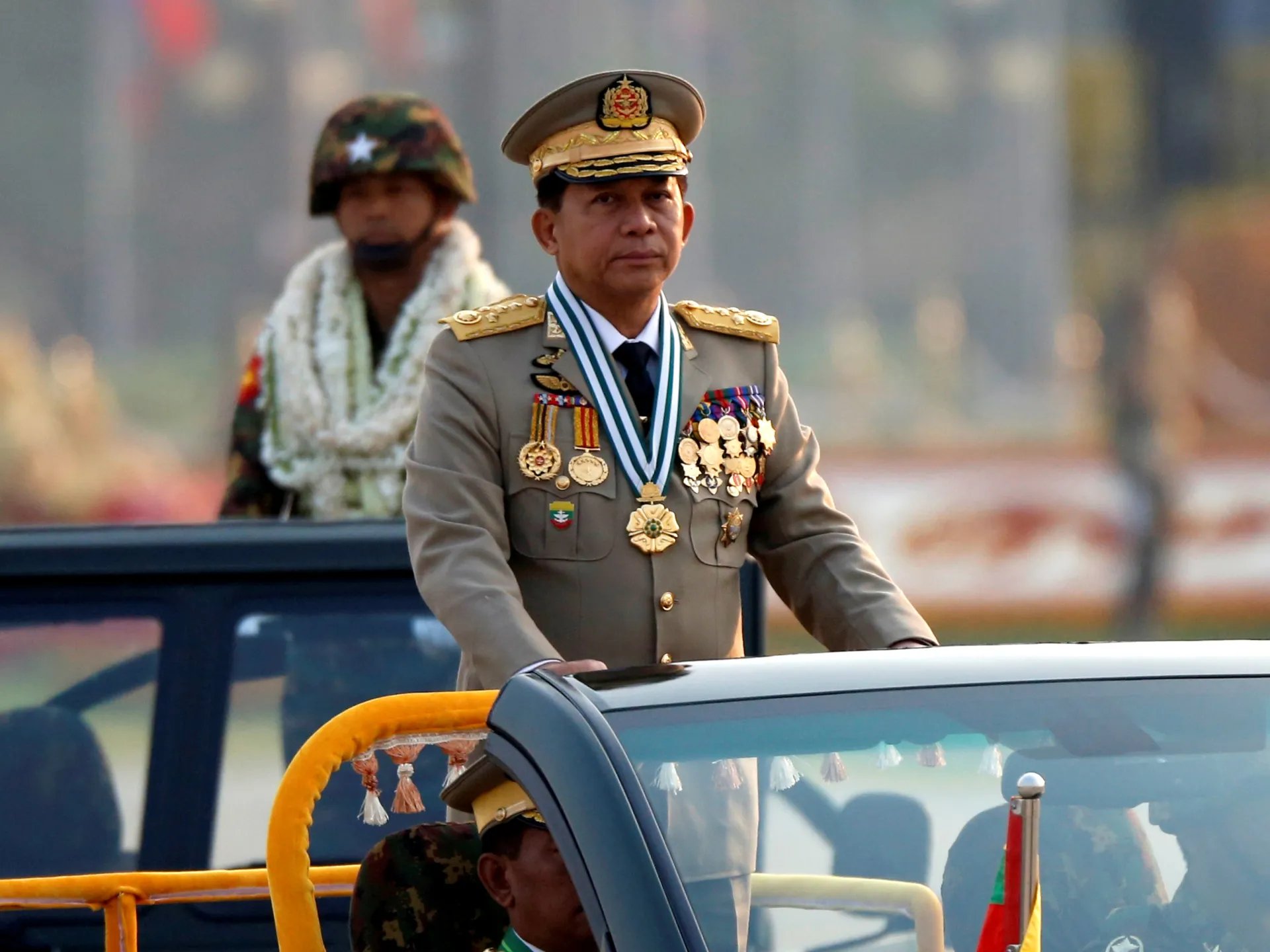
Myanmar's former President Win Myint was released Friday as part of a sweeping prisoner amnesty issued by newly inaugurated President Min Aung Hlaing, coinciding with the country's traditional New Year celebrations. The amnesty pardoned 4,335 prisoners and nearly 180 foreigners who would be deported. The release did not extend to 80-year-old former leader Aung San Suu Kyi, who remains imprisoned under various charges.
Win Myint's Background
Win Myint, a close ally of Suu Kyi, was elected president in 2018 but was arrested on February 1, 2021, the same day the military seized power. Initially sentenced to a total of 12 years for multiple offenses, his sentence was reduced to eight years in 2023. His release from Taungoo township prison was confirmed by state-run MRTV television, marking a significant moment in Myanmar's ongoing political turmoil.
Broader Implications of the Amnesty
The amnesty comes a week after Min Aung Hlaing took office. The election that brought him to office was widely criticized for lacking fairness. The terms of the release stipulate that if any freed prisoners reoffend, they will serve their original sentences in addition to any new penalties.
Context of Political Detentions
Since the military coup in 2021, nearly 8,000 civilians have been killed, and approximately 22,170 political detainees, including Suu Kyi, remain imprisoned, according to the Assistance Association for Political Prisoners. Many detainees were charged under laws targeting critics of the military regime. These include incitement charges and a counterterrorism law that carries severe penalties.
Criticism of the Amnesty
The slow release of political prisoners has drawn criticism from human rights groups, including Burma Campaign UK, which argues that these actions are more about public relations than genuine reform. Advocacy and communications officer Minn Tent Bo stated, "If the Burmese military regime were genuine about reform, they could release all 14,000 political prisoners today." The group emphasizes that those incarcerated should never have been arrested in the first place.
Next Steps for Myanmar
The military regime's approach to governance and civil rights remains under scrutiny. It navigates both domestic and international pressures. The recent amnesty could be seen as an attempt to foster an image of reconciliation and social justice while maintaining control over the political landscape.









The sources also report that Aung San Suu Kyi, the former leader, will be transferred to house arrest as part of the clemency.