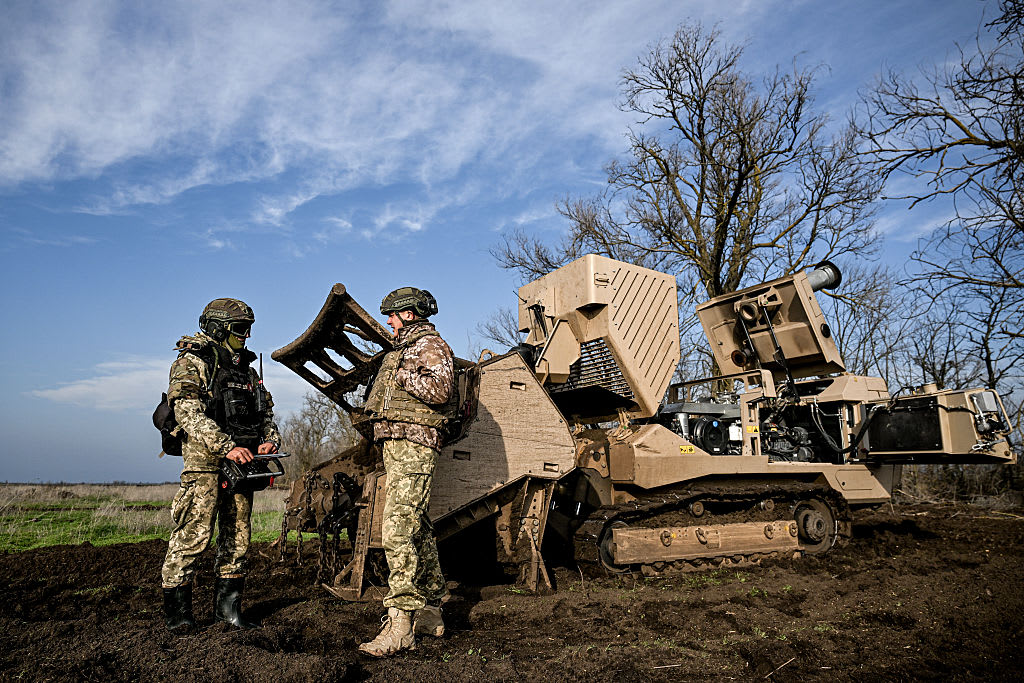
A French soldier died in a deliberate attack on a UN peacekeeping patrol in southern Lebanon's Ghandouriyeh village, officials reported. The incident involved small-arms fire that wounded three other peacekeepers, two seriously, while they cleared explosive ordnance to reconnect isolated positions.
French President Emmanuel Macron blamed the attack on Hezbollah, calling it unacceptable and urging Lebanese authorities to arrest those responsible. French Armed Forces Minister Catherine Vautrin described the patrol as ambushed at close range during a mission, with the soldier hit by direct small-arms fire and unable to be revived by colleagues.
Hezbollah denied any involvement in the attack, labeling accusations as baseless and calling for caution until a Lebanese army investigation concludes. The group urged UNIFIL and Lebanese forces to coordinate with locals amid sensitive circumstances.
UNIFIL confirmed the patrol came under fire from non-state actors, launching an investigation into the deliberate assault. The force, established to monitor the Blue Line border, has seen more than 330 peacekeepers killed since 1978, including three Indonesian soldiers in late March from separate attacks.
The attack occurred days after a 10-day ceasefire between Israel and Lebanon took effect, amid efforts to address broader conflicts. Lebanese President Joseph Aoun condemned the incident and ordered an immediate probe, while Prime Minister Nawaf Salam also initiated an investigation.
UN Secretary-General Antonio Guterres previously warned that attacks on peacekeepers violate international law and could constitute war crimes. Lebanon's army is coordinating with UNIFIL during this sensitive phase, reflecting efforts to protect personnel.
A French soldier died in a deliberate attack on a UN peacekeeping patrol in southern Lebanon's Ghandouriyeh village, officials reported. The incident involved small-arms fire that wounded three other peacekeepers, two seriously, while they cleared explosive ordnance to reconnect isolated positions. This event underscores the dangers to international forces, potentially disrupting global efforts to maintain stability in conflict zones and affecting the safety of personnel deployed worldwide.
French President Emmanuel Macron blamed the attack on Hezbollah, calling it unacceptable and urging Lebanese authorities to arrest those responsible. Macron identified the soldier as Staff Sergeant Florian Montorio from the 17th Parachute Engineer Regiment, emphasizing evidence pointing to the group. French Armed Forces Minister Catherine Vautrin described the patrol as ambushed at close range during a mission, with Montorio hit by direct small-arms fire and unable to be revived by colleagues.
Hezbollah denied any involvement in the attack, labeling accusations as baseless and calling for caution until a Lebanese army investigation concludes. The group urged UNIFIL and Lebanese forces to coordinate with locals amid sensitive circumstances. This denial highlights ongoing disputes over responsibility, showing how such claims can escalate tensions between nations and armed groups.
UNIFIL confirmed the patrol came under fire from non-state actors, launching an investigation into the deliberate assault. The force, established to monitor the Blue Line border, has seen more than 330 peacekeepers killed since 1978, including three Indonesian soldiers in late March from separate attacks. These events illustrate the mounting risks to UN personnel, which could strain international commitments and force nations to reconsider troop deployments.
The attack occurred days after a 10-day ceasefire between Israel and Lebanon took effect, amid efforts to address broader conflicts. Lebanese President Joseph Aoun condemned the incident and ordered an immediate probe, while Prime Minister Nawaf Salam also initiated an investigation. Such violence threatens fragile truces, potentially leading to wider instability that affects trade routes and civilian safety in the region.
UN Secretary-General Antonio Guterres previously warned that attacks on peacekeepers violate international law and could constitute war crimes, as stated in his recent comments. Lebanon's army is coordinating with UNIFIL during this sensitive phase, reflecting efforts to protect personnel. This loss reminds families of peacekeepers that such missions carry direct risks, prompting calls for stronger safeguards to prevent future casualties.
Highlighted text was flagged by the council. Tap to see feedback.