




Treasury Secretary Contradicted Within 48 Hours
Treasury Secretary Scott Bessent said on Wednesday that the Trump administration would not renew a waiver allowing countries to purchase Russian oil. On Friday, the administration issued a new license permitting those same purchases through May 16. The monthlong waiver permits countries to buy Russian oil loaded on vessels as of Friday and excludes transactions involving Iran, Cuba, and North Korea.
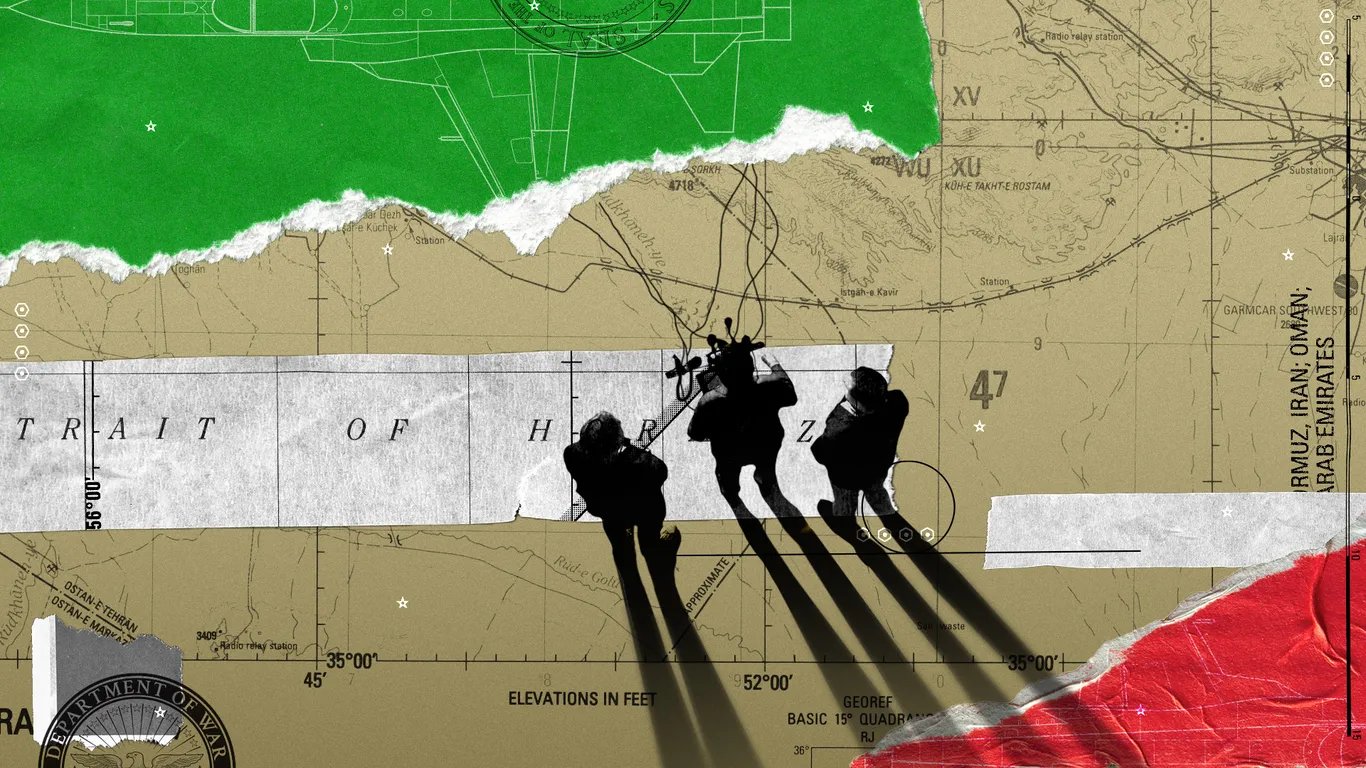
The reversal came as global energy markets reacted to the war between Israel and Iran. Oil prices had skyrocketed during the conflict but have more recently fallen after the start of a temporary ceasefire, giving the administration room to extend sanctions relief without triggering sharp price increases at the pump.
Investigation Into Suspicious Trading
The Commodity Futures Trading Commission is investigating a series of suspiciously well-timed trades in the oil futures market ahead of recent policy pivots by President Trump related to the war in Iran. The timing of these trades, which occurred before the administration announced its policy shifts on Russian oil, has drawn scrutiny from the top U.S. derivatives regulator.
The investigation suggests that traders may have gained advance knowledge of the administration's decisions. Such advance trading would allow investors to profit from predictable market movements caused by policy announcements.
Lawmakers Criticize Economic Support for Adversaries
U.S. lawmakers criticized the decision to extend the Russian oil waiver, saying the move helped the economies of Russia while it wages war on Ukraine. The waiver for purchasing Iranian oil, which was issued on March 20, allowed some 140 million barrels of oil to reach global markets and helped relieve pressure on energy supply during the war, according to Bessent's own statements last month.
The decision has undermined efforts to deprive Russia of oil revenue needed for its war effort, complicating Washington's relations with its allies. U.S. lawmakers slammed the move, saying waivers helped the economies of Iran and Russia while they were at war with the U.S. and Ukraine, respectively.