Ballistic Missiles Fired
North Korea launched multiple ballistic missiles into the sea on Sunday, according to South Korea's Joint Chiefs of Staff, marking the seventh such test this year. The launches originated from the eastern Sinpo area. Japan's Defense Ministry also detected the launches, with the weapons believed to have landed in waters off North Korea's east coast. Tokyo strongly protested to Pyongyang, stating the launches threaten regional and international peace and violate UN Security Council resolutions. South Korea stated it has bolstered its surveillance posture and is closely exchanging information with the U.S. and Japan.
Rising Tensions in Hormuz
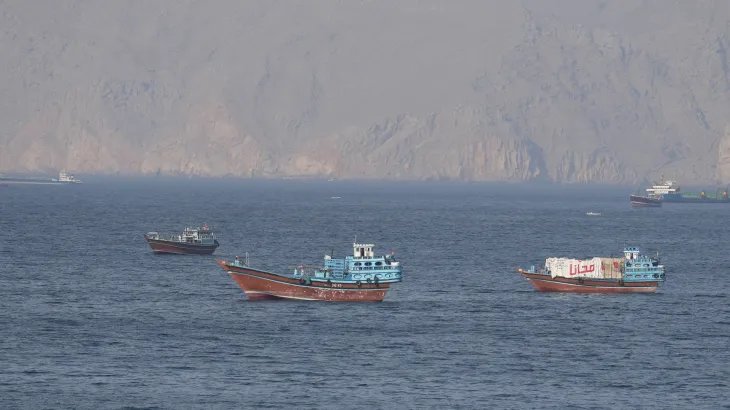
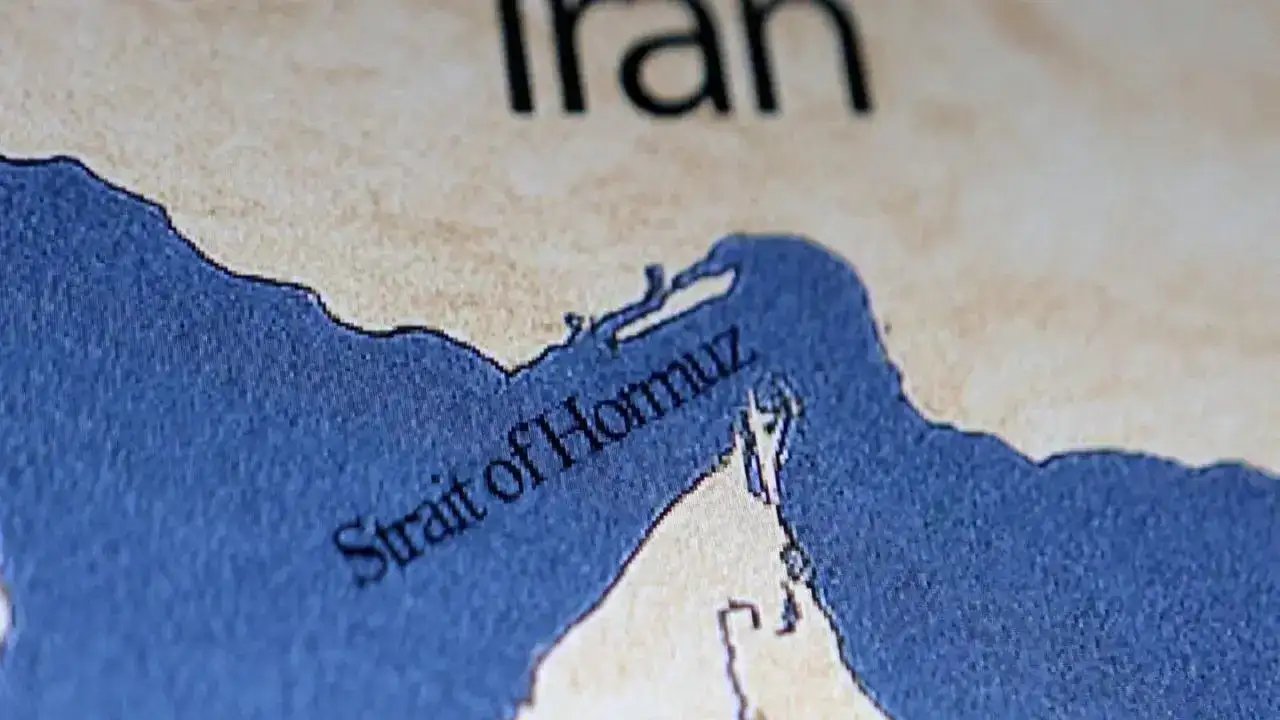
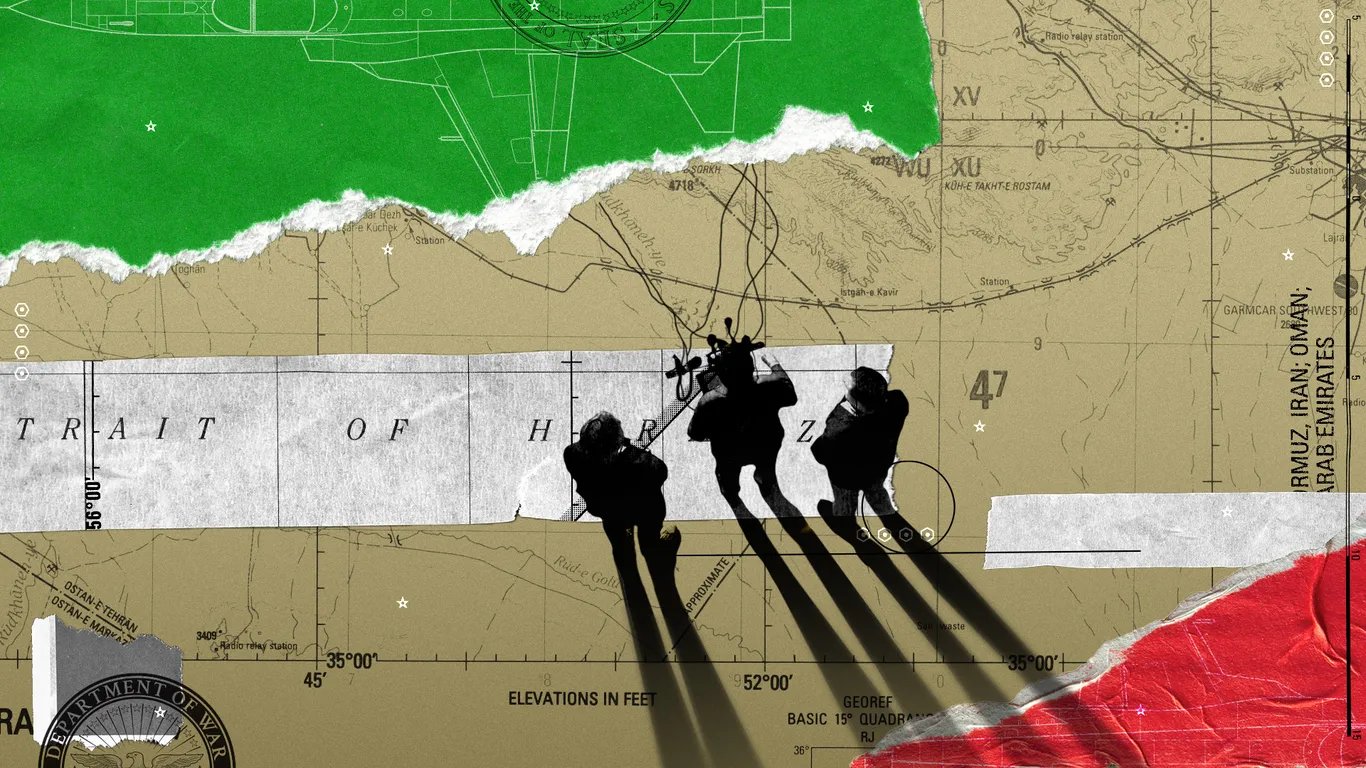
The missile launch occurs as tensions remain high in the Middle East, with Iran closing the Strait of Hormuz on Saturday due to the U.S. blockade of Iranian ports. Fars, Iran's semi-official state news agency, reported the closure. According to a military official quoted by Fars, the Strait of Hormuz will remain tightly controlled until the United States agrees to "complete freedom of navigation for vessels." A U.S. official told Axios that at least three attacks on commercial ships have occurred so far on Saturday, while the UKMTO reported two attacks. TankerTrackers.com reports two of the ships fired upon were Indian vessels, one carrying 2 million barrels of Iraqi oil.
US-Iran Negotiations
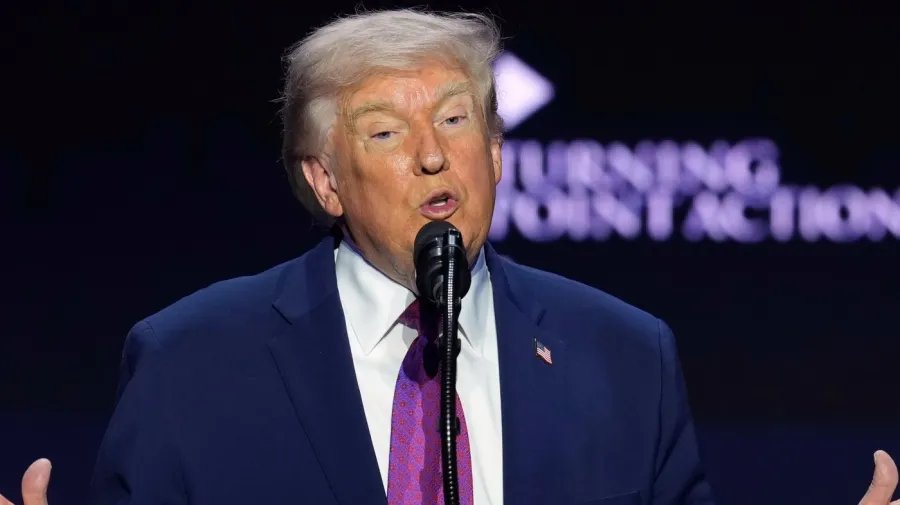
The Strait of Hormuz closure could impede negotiations to end the war. President Trump said Iran "got a little cute...they wanted to close up the Strait again." He added that the nation "can't blackmail us." Trump said he will know by the end of the day if the parties are going to move forward with a deal. Mohammad Bagher Ghalibaf, Iran's top negotiator, said there was still "a big distance" between the two sides.
Trump's Stance
On Saturday morning, President Trump convened a White House Situation Room meeting to discuss the renewed crisis around the Strait of Hormuz and negotiations with Iran. Attendees included Vice President Vance, Secretary of State Marco Rubio, Defense Secretary Pete Hegseth, and Treasury Secretary Scott Bessent. White House Chief of Staff Susie Wiles, White House envoy Steve Witkoff, CIA Director John Ratliffe and Joint Chiefs chairman Dan Caine also attended.
Pope vs. President
The U.S. attack on Iran has created a public disagreement between Pope Leo XIV and President Trump. Pope Leo posted on X on April 10 that a "disciple of Christ … is never on the side of those who once wielded the sword and today drop bombs." Two days later, Trump posted a retort calling the pontiff "weak on crime and terrible on foreign policy." Trump later wrote that "Iran has killed at least 42,000 innocent, completely unarmed, protesters in the last two months, and that for Iran to have a nuclear bomb is absolutely unacceptable." Scholars and religious leaders disputed the view that Leo is trespassing on matters of armed conflict. John Carr, founder of the Initiative on Catholic Social Thought and Public Life at Georgetown University, said: "Questions of war and peace have been the church's lane for centuries. They've been thinking about the use of violence since the invention of gunpowder." Bishop Mariann Budde of the Episcopal Diocese of Washington, D.C., told NBC News: "Speaking about war, peace and human dignity is squarely within the vocation of all religious leaders, because those are moral questions at the heart of the common good."
Economic Impact
The war in Iran has sent shockwaves through global energy markets, pushing oil and gas prices higher. IEA Executive Director Fatih Birol said that damage to more than 80 energy facilities could take years to repair, keeping markets volatile. IMF Managing Director Kristalina Georgieva has warned that the imbalance between supply and demand, combined with infrastructure damage, could have lasting economic consequences. Former US Treasury Secretary Hank Paulson says the conflict is likely to push inflation higher and keep interest rates elevated.
With the ceasefire set to expire in the coming days, the next few days will determine whether negotiations between the U.S. and Iran continue, or whether military action resumes.