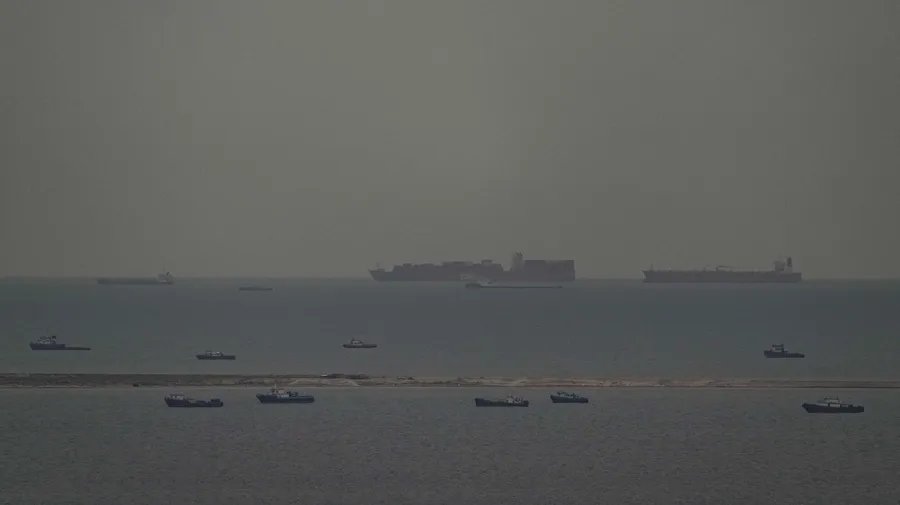
Iran's Foreign Minister Abbas Araghchi announced that the Strait of Hormuz is now "completely open" to all commercial vessels for the duration of a ten-day ceasefire between Israel and Hezbollah. This marks a significant shift after weeks of blockade that had severely limited maritime traffic through the vital waterway, which carries about 20% of the world's oil supply. Araghchi stated that ships must adhere to a "coordinated route" previously designated by Iranian authorities to ensure safe passage.
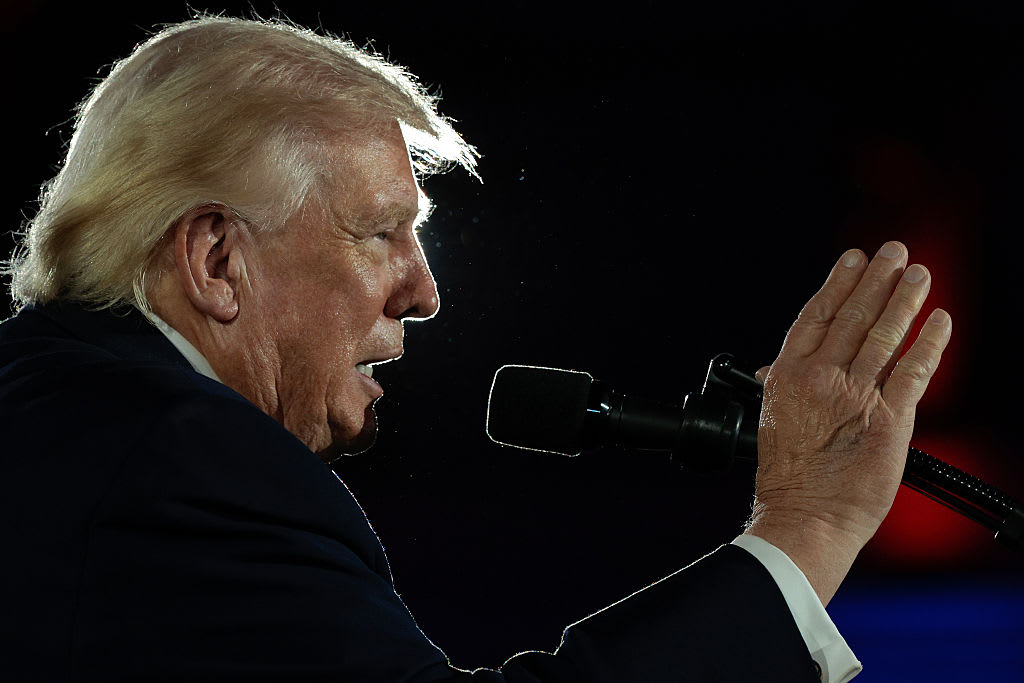
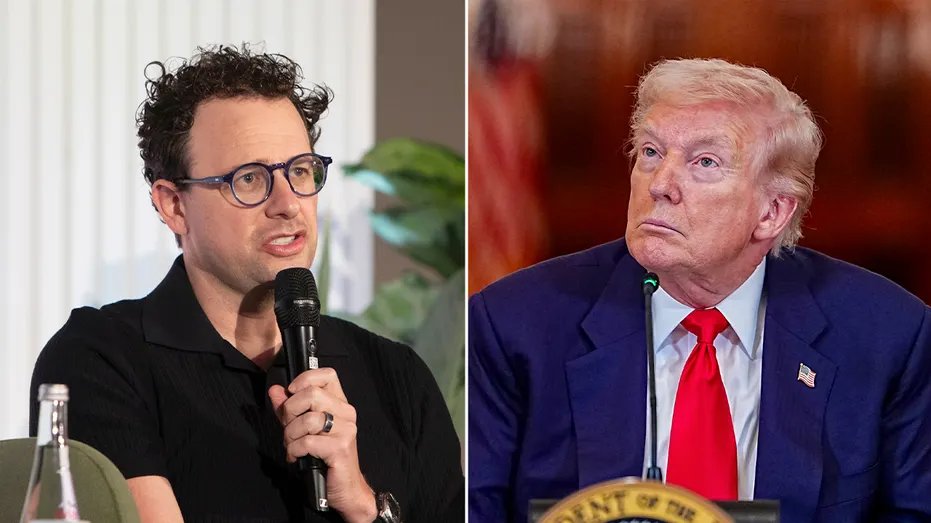
Despite Iran's announcement, President Trump emphasized that the U.S. naval blockade targeting Iranian ports and vessels will remain "in full force and effect." Trump stated on Truth Social that the blockade would continue until the U.S. could complete its negotiations with Iran, describing the process as "should go very quickly."
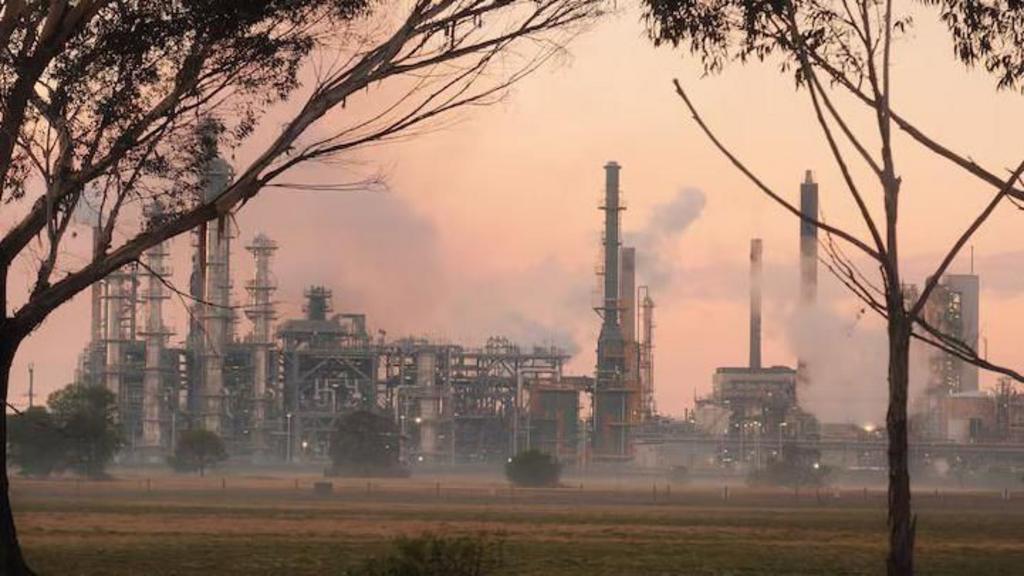
The news of the Strait's reopening sent oil prices tumbling, with West Texas Intermediate crude dropping approximately 10.9% to $84.36 a barrel. Analysts noted that the reopening of the strait could relieve pressure on global energy markets and potentially ease inflationary concerns in the U.S. economy.
The reopening comes amid renewed diplomatic efforts to stabilize the region, with President Trump indicating that Iran has agreed to suspend its nuclear program indefinitely as part of broader negotiations. Trump expressed optimism that a deal could be reached soon, stating that "most of the main points are finalized." However, Iran has denied any agreement to transfer its enriched uranium, asserting that its stockpile will remain intact.
Macron called for the "unconditional and immediate reopening" of the strait, stressing it as a global responsibility.
The toll of the recent fighting has been devastating, with reports indicating nearly 2,300 fatalities in Lebanon since the escalation began. As families begin to return, they face the daunting task of assessing the damage to their homes and communities.
While the Strait of Hormuz is now open, the situation remains precarious. The U.S. military continues to enforce its blockade, and Iran retains the capability to threaten navigation in the region. The ceasefires, while providing temporary relief, are fragile and could easily unravel, leading to renewed conflict. As the situation develops, the world watches closely, aware that the stability of global energy supplies hinges on the outcomes of ongoing negotiations and military actions.
Iran's Foreign Minister Abbas Araghchi announced that the Strait of Hormuz is now "completely open" to all commercial vessels for the duration of a ten-day ceasefire between Israel and Hezbollah. This marks a significant shift after weeks of blockade that had severely limited maritime traffic through the vital waterway, which carries about 20% of the world's oil supply. Araghchi stated that ships must adhere to a "coordinated route" previously designated by Iranian authorities to ensure safe passage.
Despite Iran's announcement, President Trump emphasized that the U.S. naval blockade targeting Iranian ports and vessels will remain "in full force and effect." Trump stated on Truth Social that the blockade would continue until the U.S. could complete its negotiations with Iran, describing the process as "should go very quickly." The U.S. military has confirmed that since the blockade began, 19 vessels have complied by returning to Iranian ports, underscoring the ongoing tension in the region.
The news of the Strait's reopening sent oil prices tumbling, with West Texas Intermediate crude dropping approximately 10.9% to $84.36 a barrel. The announcement also boosted stock markets, with the S&P 500 surging 1.2% to an all-time high. Analysts noted that the reopening of the strait could relieve pressure on global energy markets and potentially ease inflationary concerns in the U.S. economy.
The reopening comes amid renewed diplomatic efforts to stabilize the region, with President Trump indicating that Iran has agreed to suspend its nuclear program indefinitely as part of broader negotiations. Trump expressed optimism that a deal could be reached soon, stating that "most of the main points are finalized." However, Iran has denied any agreement to transfer its enriched uranium, asserting that its stockpile will remain intact.
In Paris, French President Emmanuel Macron and British Prime Minister Keir Starmer convened over 50 countries to discuss securing safe passage through the Strait of Hormuz. They emphasized the need for coordinated naval escorts and enhanced intelligence-sharing to ensure the safety of commercial shipping once the fighting subsides. Macron called for the "unconditional and immediate reopening" of the strait, stressing it as a global responsibility.
The ongoing conflict has displaced approximately 1.2 million people in Lebanon, with many returning to their homes despite warnings from both Hezbollah and Israeli military officials. The toll of the recent fighting has been devastating, with reports indicating nearly 2,300 fatalities in Lebanon since the escalation began. As families begin to return, they face the daunting task of assessing the damage to their homes and communities.
While the Strait of Hormuz is now open, the situation remains precarious. The U.S. military continues to enforce its blockade, and Iran retains the capability to threaten navigation in the region. The ceasefires, while providing temporary relief, are fragile and could easily unravel, leading to renewed conflict. As the situation develops, the world watches closely, aware that the stability of global energy supplies hinges on the outcomes of ongoing negotiations and military actions.
Highlighted text was flagged by the council. Tap to see feedback.






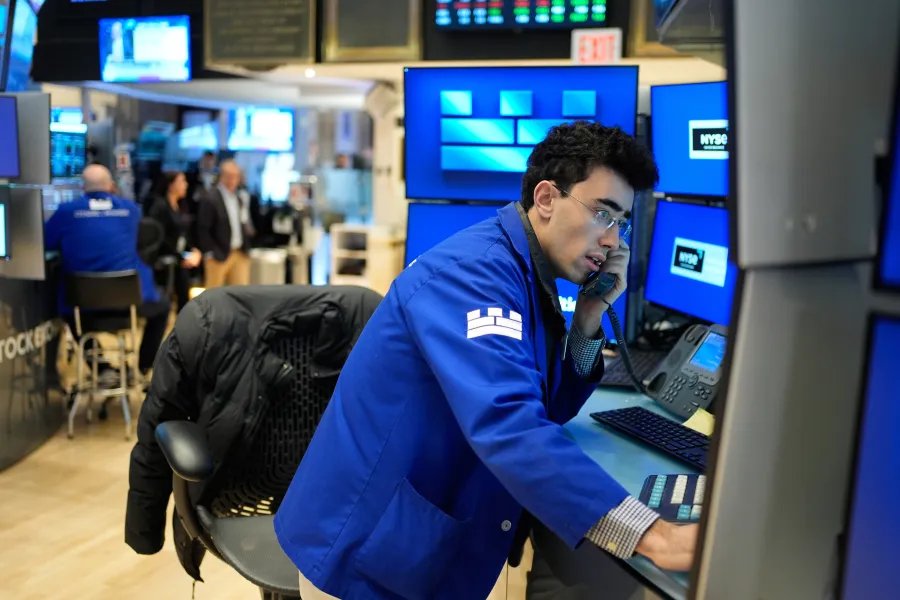

For example, the sources report that oil prices fell by around 10% on the announcement, with West Texas Intermediate crude dropping by $10.33 to $84.36.