





What the Treasury Department Just Unfroze
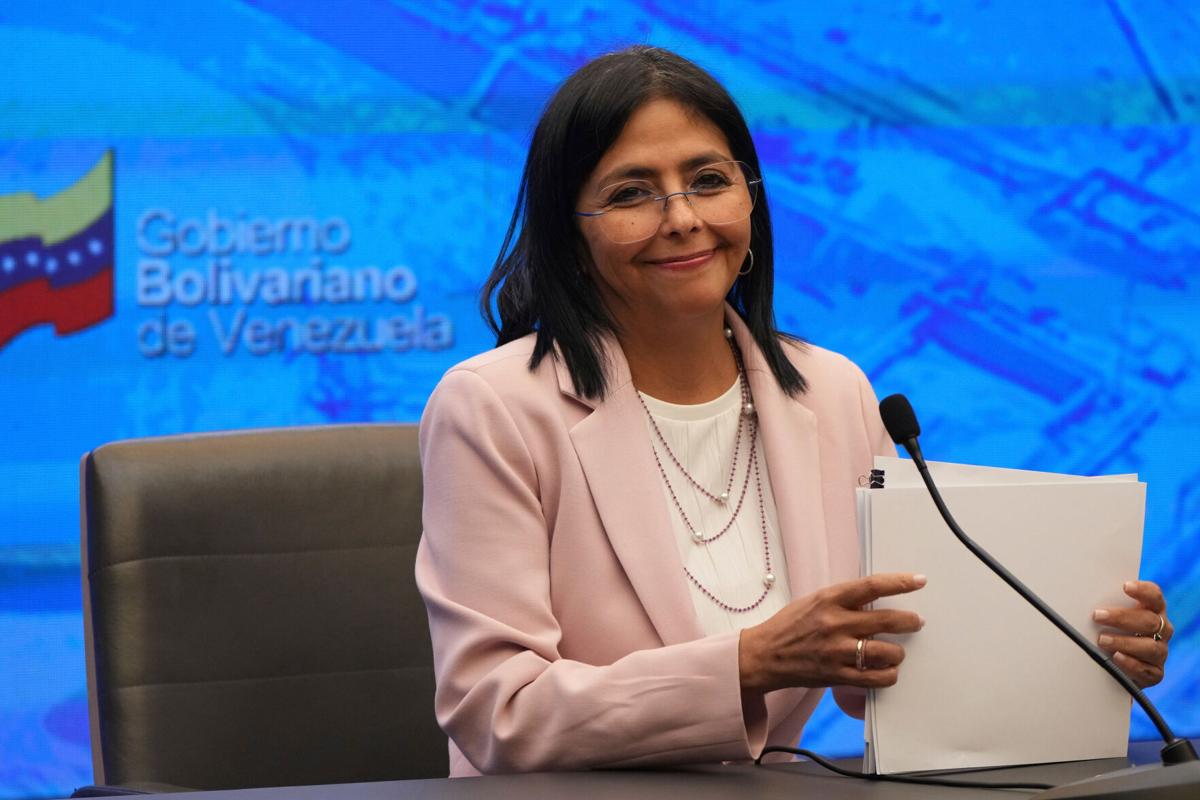
The U.S. Treasury Department removed Delcy Rodríguez from its Specially Designated Nationals List on Wednesday, instantly unblocking her U.S. assets and allowing American companies and banks to resume legal dealings with Venezuela's acting president. Rodríguez had been sanctioned since September 2018, when the Treasury accused her and her brother Jorge of helping Nicolás Maduro "maintain power and solidify his authoritarian rule." The removal came three days before her initial 90-day interim presidency term expires Friday, though Venezuela's high court has already authorized extending her rule up to six months.
How Trump Describes the Woman He Once Punished
President Donald Trump personally praised Rodríguez after lifting her sanctions, calling her "a terrific person" who is "doing a great job and working with the United States very well," according to White House spokeswoman Anna Kelly. The Treasury Department sanctioned Rodríguez in September 2018 during Trump's first term. Trump's current administration has now recognized her as Venezuela's sole head of state in ongoing U.S. federal court proceedings. Kelly framed the decision as proof of "progress between our two countries to promote stability, support economic recovery and advance political reconciliation in Venezuela."
The Oil Money Behind the Diplomatic Thaw
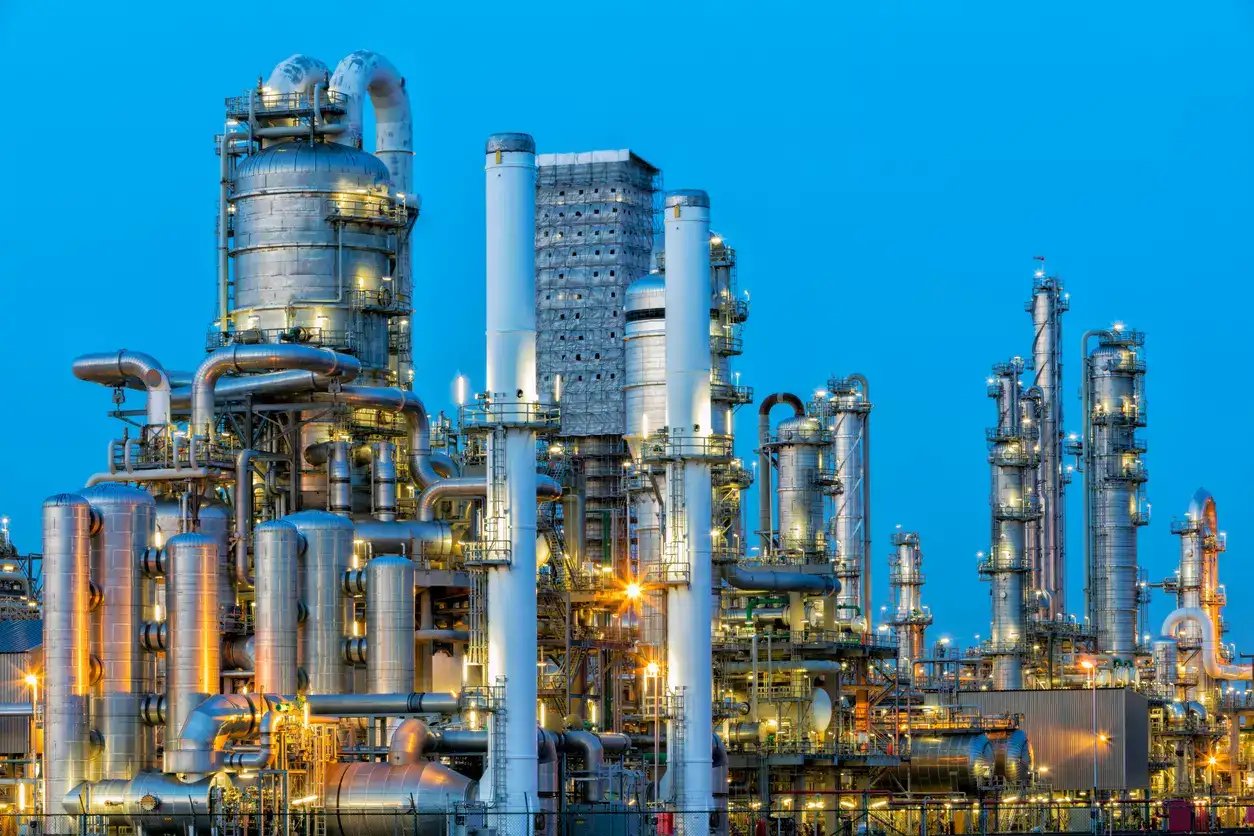
Washington's reversal follows months of quiet negotiations over Venezuela's energy resources. The Treasury issued a broad authorization in March allowing state-owned Petróleos de Venezuela SA (PDVSA) to sell oil directly to U.S. companies and global markets, ending years of restrictions on dealings with Venezuela's government and oil sector. Several high-level U.S. delegations have traveled to Caracas since January to discuss expanding American access to Venezuelan oil and mineral wealth. A Venezuelan diplomatic team has been dispatched to Washington.
What Rodríguez Promises in Return
Rodríguez publicly welcomed her removal from sanctions, posting on X that it represents "a significant step in the right direction to normalise and strengthen relations between our countries." In a statement on her Telegram channel, she expressed hope that "this progress will allow for the lifting of current sanctions against our country, enabling us to build and guarantee an effective bilateral cooperation agenda for the benefit of our people." She has positioned herself as the key figure opening Venezuela to private capital, international arbitration and foreign scrutiny while pitching her oil-rich nation to international investors.
The Political Prisoners Still Waiting
The sanctions relief came despite Rodríguez failing to meet a key U.S. demand: releasing all political prisoners. Secretary of State Marco Rubio had made freeing detainees a central requirement after Maduro's removal, but prisoners' rights group Foro Penal reports nearly 500 political prisoners remain behind bars. While Venezuela's National Assembly passed an amnesty law and hundreds of detainees have been freed, opposition activists in Caracas, including María Corina Machado, argue that despite warming relations, there has been little discussion of holding democratic elections.
The Exiled Opposition Leader's Fragile Optimism
María Corina Machado, living in exile after leaving Venezuela to collect her Nobel Peace Prize in December, met with Rubio on Tuesday despite being sidelined by Trump in favor of Rodríguez. Machado called the meeting "excellent" and praised Rubio's "dedication to democracy, freedom and Venezuelans' well-being." Rubio outlined a three-phase plan for Venezuela, telling Fox News the country has entered the "recovery" phase and will ultimately require "free and fair elections," though he gave no timeline. Despite being sidelined by Trump in favor of Rodríguez, Machado struck an optimistic note about U.S. engagement.
The Legal Limboland That Made This Possible
Maduro remains Venezuela's legal president despite being captured in a U.S. military operation in January and flown to New York to face drug trafficking charges, to which he has pleaded not guilty. Venezuela's high court declared his absence "temporary" after the raid, eliminating the need for immediate elections and preserving his presidential protections under international law. The court ordered Rodríguez to serve as interim president for up to 90 days, extendable to six months with National Assembly approval. The assembly, controlled by Maduro loyalists and presided over by Rodríguez's brother, is expected to approve the extension.


The sources also report that the US officially reopened its embassy in Caracas.