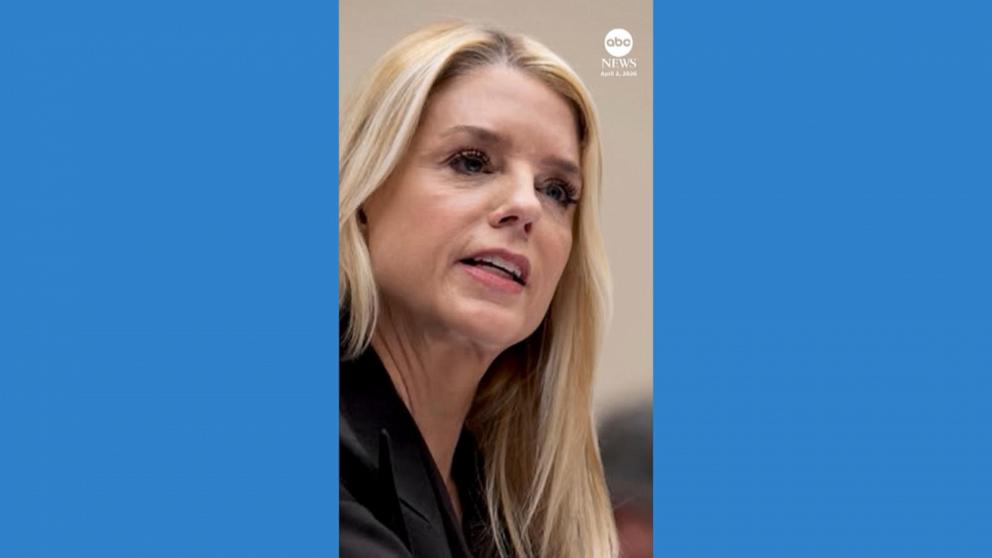
President Trump announced on Thursday that Attorney General Pam Bondi is leaving the Department of Justice, citing her transition to a private sector role. In his Truth Social post, Trump called Bondi "a Great American Patriot and a loyal friend, who faithfully served as my Attorney General over the past year." Her departure marks the second Cabinet shakeup in a month, following the removal of Kristi Noem, and raises questions about DOJ stability for millions of Americans facing federal law enforcement.
Bondi served 14 months in the role, during which she oversaw a crackdown on crime that Trump credited with dropping murders to their lowest level since 1900. Critics, including former DOJ attorney Stacey Young, argue Bondi's leadership eroded the department's independence by targeting Trump's political foes, such as former FBI Director James Comey and New York Attorney General Letitia James.
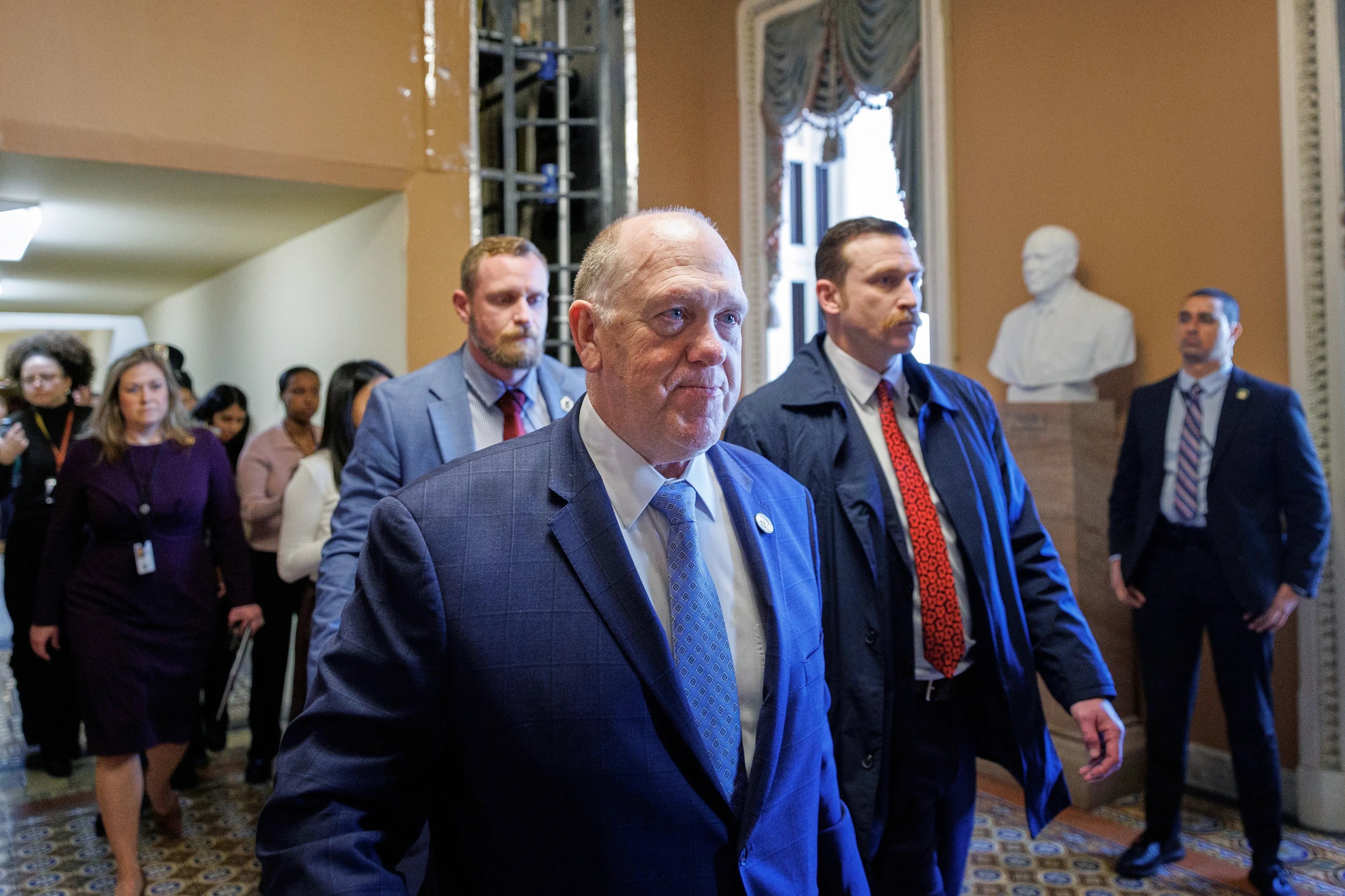
Todd Blanche, Trump's former personal attorney and current Deputy Attorney General, will serve as acting Attorney General starting immediately. Blanche praised Bondi in a post on X, saying she "led this Department with strength and conviction" and pledged to "continue backing the blue, enforcing the law and doing everything in our power to keep America safe."
Blanche has shaped the department through his interim role, including managing the release of Epstein-related documents. Administration officials discussed other candidates for the permanent position, with Lee Zeldin, head of the Environmental Protection Agency, emerging as a favored pick.
Bondi's handling of files related to convicted sex offender Jeffrey Epstein fueled frustration, leading to her ouster. Trump expressed dissatisfaction with her oversight, as noted in sources, particularly after Congress passed the Epstein Files Transparency Act, compelling the release of millions of pages. Lawmakers from both parties, including Rep. Robert Garcia, insisted Bondi still testify under a subpoena scheduled for April 14, despite her departure.
The Justice Department botched the initial release, missing a 30-day deadline and drawing bipartisan ire over redactions. Conservative figures like Rep. Nancy Mace criticized Bondi for "handled the Epstein Files in a terrible manner," while Democrats accused her of ignoring survivors and lying under oath.
Bondi directed sweeping changes at DOJ, including firing prosecutors and FBI agents involved in Trump-related probes, which gutted the Public Integrity Section. The department also shifted focus to immigration and drug enforcement, dismantling efforts against white-collar crime. Career attorneys reported a mass exodus, with thousands leaving due to these priorities, as noted by Young, who said Bondi "took a sledgehammer to the Justice Department and its workforce."
Federal judges intervened in several cases, tossing indictments against Trump's enemies due to unlawful appointments. The department's new directives included partnering with the IRS to investigate nonprofit groups for potential domestic terrorism ties.
With Bondi out, Congress may enforce her subpoena, as Oversight Committee Chair James Comer plans to consult GOP members on the matter. Blanche's interim role could lead to Zeldin's confirmation, bringing a former military prosecutor with limited experience to the helm. This leadership gap might slow DOJ reforms, affecting communities reliant on consistent crime-fighting and civil rights protections.
President Trump announced on Thursday that Attorney General Pam Bondi is leaving the Department of Justice, citing her transition to a private sector role. In his Truth Social post, Trump called Bondi "a Great American Patriot and a loyal friend, who faithfully served as my Attorney General over the past year." Her departure marks the second Cabinet shakeup in a month, following the removal of Kristi Noem, and raises questions about DOJ stability for millions of Americans facing federal law enforcement.
Bondi served 14 months in the role, during which she oversaw a crackdown on crime that Trump credited with dropping murders to their lowest level since 1900. Critics, including former DOJ attorney Stacey Young, argue Bondi's leadership eroded the department's independence by targeting Trump's political foes, such as former FBI Director James Comey and New York Attorney General Letitia James. This shift affected public trust in federal institutions, potentially impacting citizens' rights in ongoing investigations and prosecutions.
Todd Blanche, Trump's former personal attorney and current Deputy Attorney General, will serve as acting Attorney General starting immediately. Blanche praised Bondi in a post on X, saying she "led this Department with strength and conviction" and pledged to "continue backing the blue, enforcing the law and doing everything in our power to keep America safe." His appointment comes as Trump seeks a more effective leader for DOJ operations.
Blanche has shaped the department through his interim role, including managing the release of Epstein-related documents. Administration officials discussed other candidates for the permanent position, with Lee Zeldin, head of the Environmental Protection Agency, emerging as a favored pick. This change could alter DOJ priorities, directly influencing public safety measures and legal actions that affect everyday Americans.
Bondi's handling of files related to convicted sex offender Jeffrey Epstein fueled frustration, leading to her ouster. Trump expressed dissatisfaction with her oversight, as noted in sources, particularly after Congress passed the Epstein Files Transparency Act, compelling the release of millions of pages. Lawmakers from both parties, including Rep. Robert Garcia, insisted Bondi still testify under a subpoena scheduled for April 14, despite her departure.
The Justice Department botched the initial release, missing a 30-day deadline and drawing bipartisan ire over redactions. Conservative figures like Rep. Nancy Mace criticized Bondi for "handled the Epstein Files in a terrible manner," while Democrats accused her of ignoring survivors and lying under oath. These missteps highlight tensions that could delay justice for Epstein victims and reshape public perceptions of government accountability.
Bondi directed sweeping changes at DOJ, including firing prosecutors and FBI agents involved in Trump-related probes, which gutted the Public Integrity Section. The department also shifted focus to immigration and drug enforcement, dismantling efforts against white-collar crime. Career attorneys reported a mass exodus, with thousands leaving due to these priorities, as noted by Young, who said Bondi "took a sledgehammer to the Justice Department and its workforce."
Federal judges intervened in several cases, tossing indictments against Trump's enemies due to unlawful appointments. The department's new directives included partnering with the IRS to investigate nonprofit groups for potential domestic terrorism ties. These actions weakened traditional safeguards against political interference, potentially leaving citizens more vulnerable to biased enforcement.
With Bondi out, Congress may enforce her subpoena, as Oversight Committee Chair James Comer plans to consult GOP members on the matter. Blanche's interim role could lead to Zeldin's confirmation, bringing a former military prosecutor with limited experience to the helm. This leadership gap might slow DOJ reforms, affecting communities reliant on consistent crime-fighting and civil rights protections.
Highlighted text was flagged by the council. Tap to see feedback.


































The sources also report that Bondi targeted additional foes, including Federal Reserve Chairman Jerome Powell and California Democratic Senator Adam Schiff.