




Escalating troop deployment
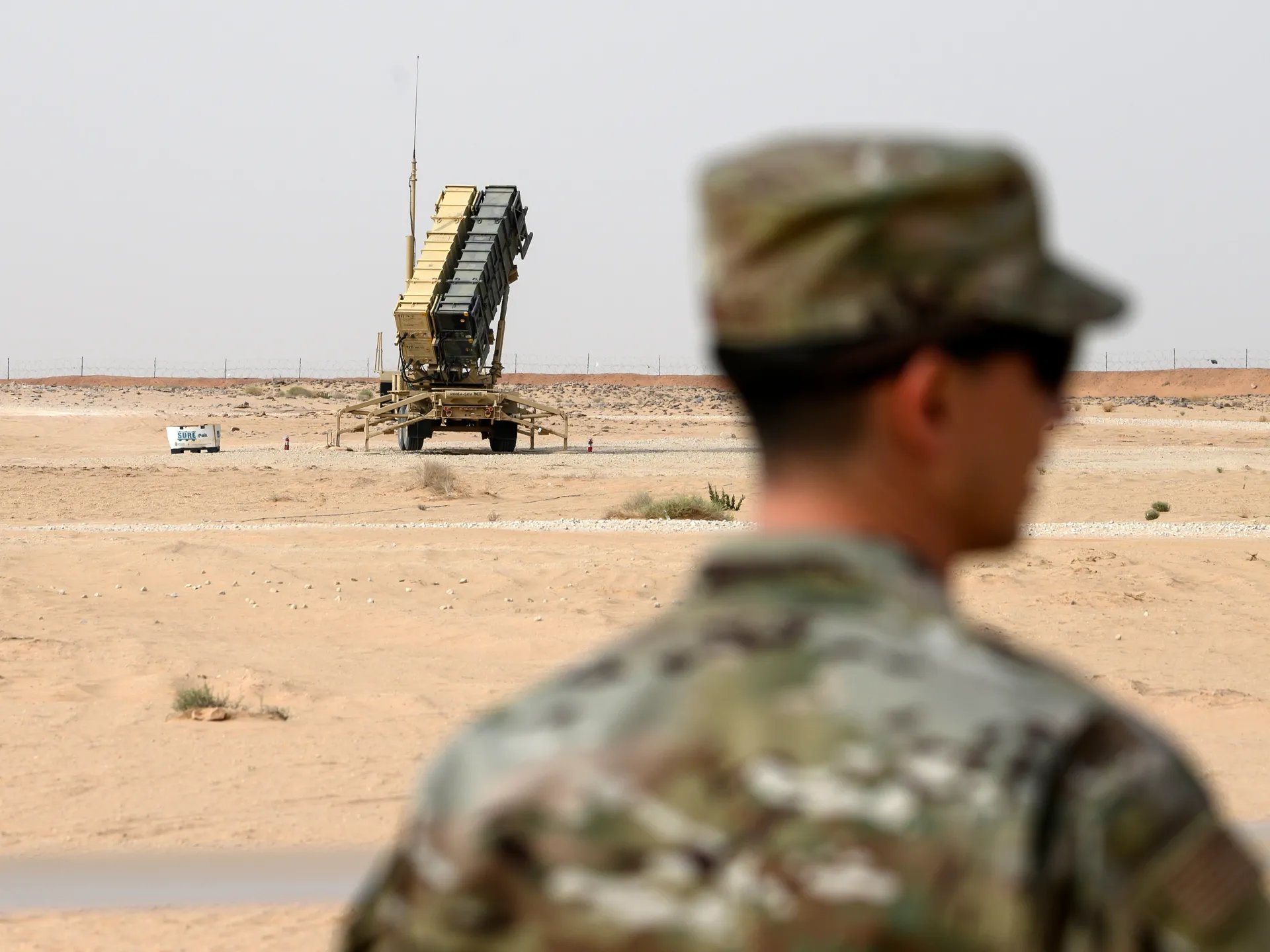
The U.S. military has built up the largest American force in the region in more than 20 years, including some 50,000 troops, two aircraft carriers, and several other warships. Fresh reinforcements continue arriving. The USS Tripoli, an amphibious assault ship carrying about 2,500 Marines from the 31st Marine Expeditionary Unit, arrived Saturday after being redirected from exercises near Taiwan almost two weeks ago. The vessel brings transport and strike fighter aircraft along with amphibious assault assets. The USS Boxer and two additional ships, carrying another Marine Expeditionary Unit from San Diego, have also been ordered to deploy to the region.
Mounting casualties from Iranian attacks
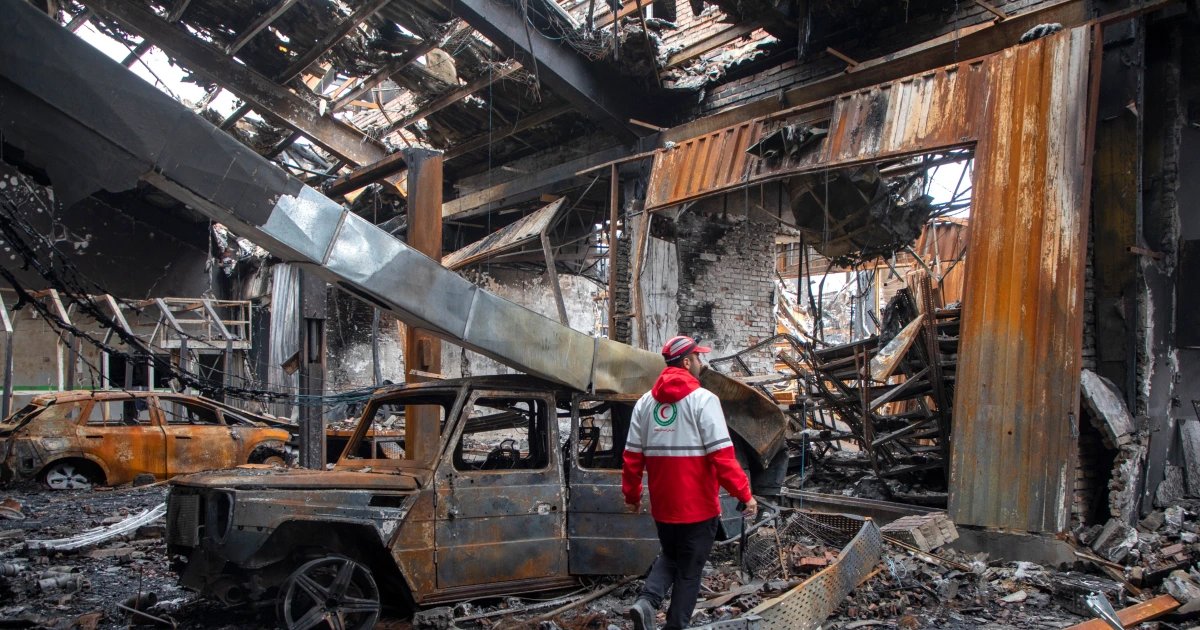
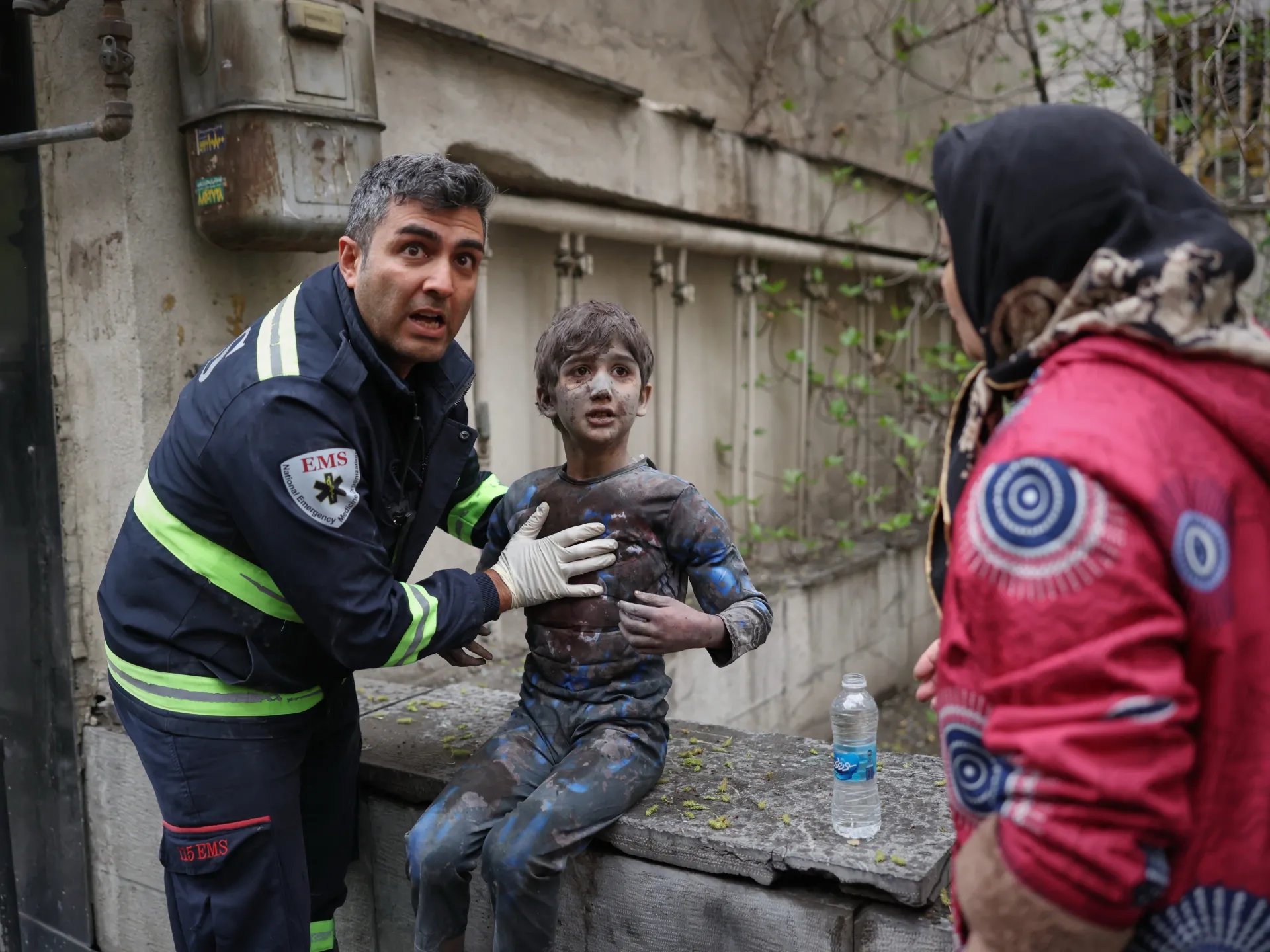
More than 300 American service members have been wounded since the war began, with casualties accelerating this week. An Iranian attack Friday on Saudi Arabia's Prince Sultan air base, located 60 miles from Riyadh, injured at least 15 troops, including five seriously wounded, according to two people briefed on the matter. The base sustained two other attacks earlier in the week. One injured 14 troops, according to people not authorized to discuss the matter publicly. The other damaged a U.S. aircraft with no injuries reported. Thirteen service members have been killed overall. Army Sgt. Benjamin N. Pennington, 26, was wounded during a March 1 attack on the base and died days later. Six of the fallen were killed when an Iranian drone struck an operations center at a civilian port in Kuwait, while another six died when their refueling plane crashed in Iraq following an incident the U.S. military said was not caused by hostile or friendly fire.
Strategic disagreement over ground forces
Secretary of State Marco Rubio stated Friday that the United States can achieve its objectives "without any ground troops." He added that President Donald Trump "has to be prepared for multiple contingencies" and that American forces are positioned "to give the president maximum optionality and maximum opportunity to adjust to contingencies should they emerge." Trump said he had given Iran until April 6 to reopen the Strait of Hormuz. Iran has denied engaging in any negotiations on the matter.
Broader economic consequences
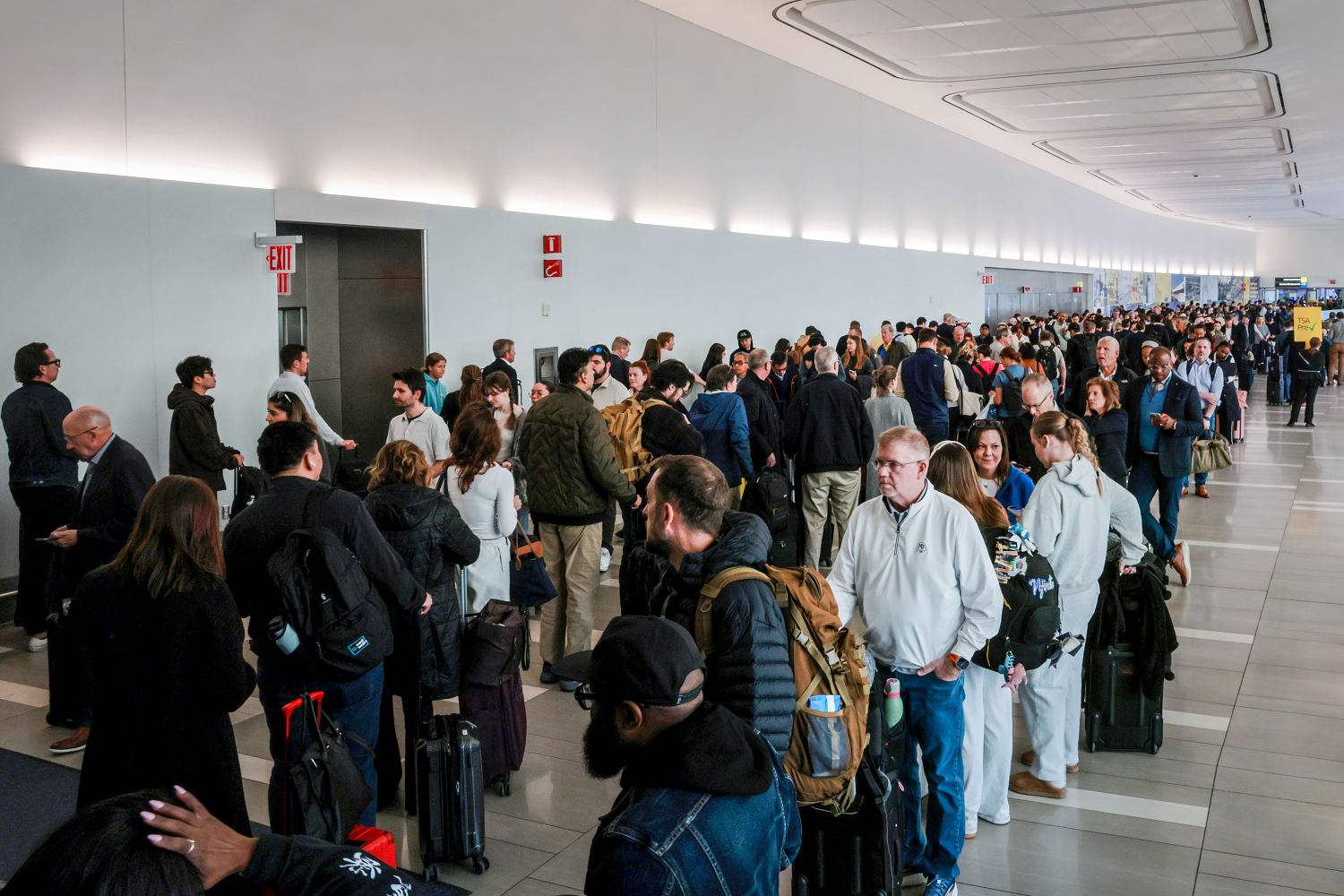
The conflict has disrupted global air travel, disrupted oil exports, and caused fuel prices to soar. James Jeffrey, a scholar at The Washington Institute for Near East Policy who served as deputy national security adviser under President George W. Bush, said Iran's primary goal is not killing American troops but inflicting economic pain on U.S. allies and the world. Jeffrey noted that despite Iranian missile and drone strikes, American casualties remain relatively low, which he attributed to effective operational and tactical military use. He cautioned, however, that the United States has not stopped Iran's campaign against the Gulf region, has not eliminated all Iranian missiles, and that Iran retains more than 400 kilograms of highly enriched uranium.

The sources also report that James Jeffrey served as U.S. ambassador to Iraq and was a special envoy for Syria during the first Trump administration.








The sources also report that of the more than 300 wounded service members, 30 remained out of action and 10 were seriously wounded.