Absences among Transportation Security Administration (TSA) workers at U.S. airports have decreased sharply following the distribution of back pay. This reduction has led to improved efficiency in airport operations, directly impacting traveler experiences across major hubs.
The back pay, amounting to $166 million, has allowed workers to regain financial stability. Many employees had faced hardships due to delays in compensation, which contributed to higher absence rates. Some employees noted that the funds helped them manage overdue bills and other essential expenses.
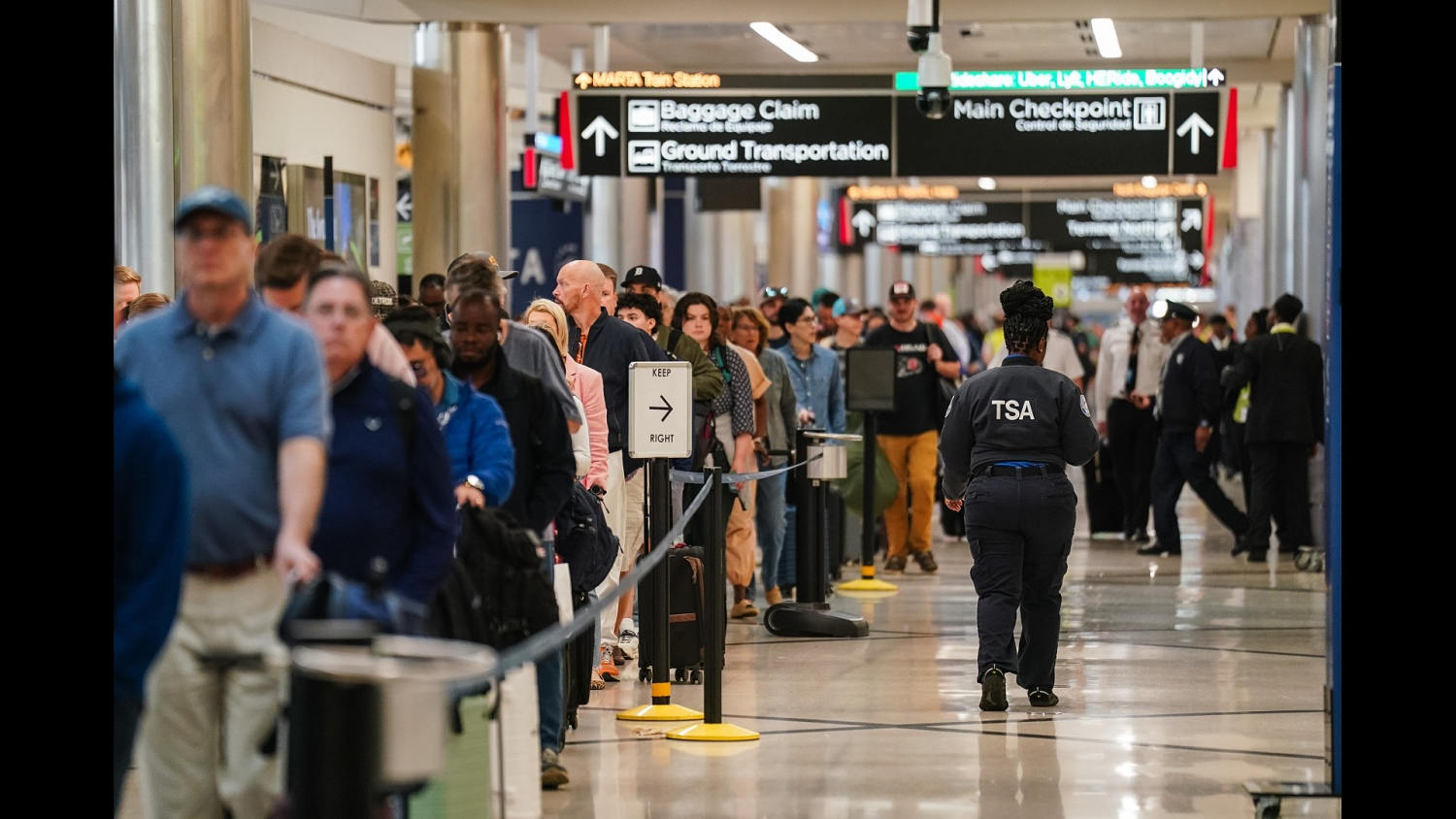
With fewer absences, the TSA has been able to maintain optimal staffing levels, which has enhanced security processes at airports. Long wait times at security checkpoints have noticeably improved, with reports of reduced queues at major airports.
The drop in absences among TSA workers is not only a win for employee morale but also for airport operations overall. The improved staffing levels have allowed for better resource allocation and more effective management of security lines. This shift comes at a crucial time, as airports gear up for increased travel demands in the coming months.
Despite the positive changes within the TSA, the U.S. labor market continues to face challenges.
As TSA workers enjoy the benefits of back pay and reduced absences, the agency is encouraged to address ongoing workforce concerns. Ensuring fair compensation and stable working conditions will be vital in maintaining this positive trend.
Absences among Transportation Security Administration (TSA) workers at U.S. airports have decreased sharply following the distribution of back pay. Reports indicate that the number of TSA employees calling in sick dropped by 40% since the payments were issued. This reduction has led to improved efficiency in airport operations, directly impacting traveler experiences across major hubs.
The back pay, amounting to $166 million, was critical in addressing the financial strain experienced by TSA workers. Many employees had faced hardships due to delays in compensation, which contributed to higher absence rates. The back pay has allowed workers to regain financial stability, with some employees noting that the funds helped them manage overdue bills and other essential expenses.
With fewer absences, the TSA has been able to maintain optimal staffing levels, which has enhanced security processes at airports. Long wait times at security checkpoints have noticeably improved, with reports of reduced queues at major airports. Travelers have expressed relief at the faster screening processes, which have alleviated some of the stress associated with air travel.
The drop in absences among TSA workers is not only a win for employee morale but also for airport operations overall. The improved staffing levels have allowed for better resource allocation and more effective management of security lines. This shift comes at a crucial time, as airports gear up for increased travel demands in the coming months.
Despite the positive changes within the TSA, the U.S. labor market continues to face challenges. Job openings and hiring rates have dropped significantly, with the latest figures showing a decrease in job postings. This trend raises concerns about the broader economic environment, as many industries struggle to attract and retain workers amidst changing job dynamics.
As TSA workers enjoy the benefits of back pay and reduced absences, the agency is encouraged to address ongoing workforce concerns. Ensuring fair compensation and stable working conditions will be vital in maintaining this positive trend. The TSA has been urged to continue engaging with employees to foster a supportive work environment that prioritizes job satisfaction and security.
Highlighted text was flagged by the council. Tap to see feedback.