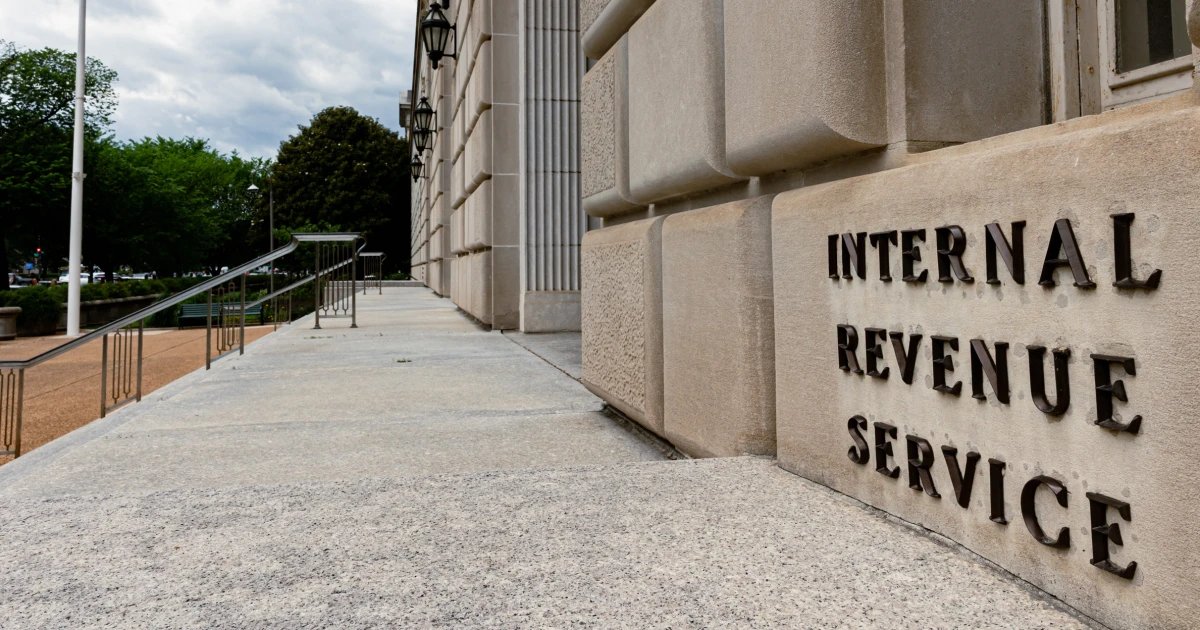
The U.S. Department of the Treasury announced sanctions against Nicaraguan Vice Minister of the Interior, Luis Alberto Pineda, due to his alleged involvement in human rights abuses. These sanctions will freeze any assets Pineda holds within U.S. jurisdiction and prohibit Americans from engaging in transactions with him. The action reflects a broader U.S. strategy to hold accountable those involved in the repression of dissent in Nicaragua, where the government has faced increasing criticism for its treatment of political opponents and protesters.
The sanctions come as part of ongoing concerns over human rights violations in Nicaragua.
He characterized the measures as an attempt to destabilize the country, asserting that the Nicaraguan people will resist such actions.
These sanctions are likely to strain U.S.-Nicaragua relations further, which have already been tense. The move signals the U.S. government's willingness to directly target individuals it deems responsible for human rights violations, a tactic that could have broader implications for how countries in the region engage with the U.S.
As Nicaragua navigates the fallout from these sanctions, the government may seek to strengthen ties with other nations that may offer support in defiance of U.S. pressure. Observers note that countries such as Russia and China may be potential partners for Nicaragua as it looks to counterbalance U.S. influence in the region. The situation remains dynamic, and the international community will be monitoring Nicaragua's next moves closely.
This development underscores the ongoing struggle for human rights in Nicaragua and the complexities of international diplomacy in addressing such issues. Citizens in Nicaragua and those engaged in international business may feel the repercussions of these sanctions, impacting their daily lives and economic opportunities.
The U.S. Department of the Treasury announced sanctions against Nicaraguan Vice Minister of the Interior, Luis Alberto Pineda, due to his alleged involvement in human rights abuses. These sanctions will freeze any assets Pineda holds within U.S. jurisdiction and prohibit Americans from engaging in transactions with him. The action reflects a broader U.S. strategy to hold accountable those involved in the repression of dissent in Nicaragua, where the government has faced increasing criticism for its treatment of political opponents and protesters.
The sanctions come as part of ongoing concerns over human rights violations in Nicaragua. The U.S. State Department has reported that the Nicaraguan government, led by President Daniel Ortega, has systematically targeted dissent through arbitrary detentions and violent crackdowns on peaceful protests. In a recent statement, Secretary of State Antony Blinken emphasized the U.S. commitment to promoting human rights and democratic governance in the region.
Nicaragua's government has condemned the U.S. sanctions, labeling them as an unjustified interference in its internal affairs. The Vice Minister of Foreign Affairs, Valdrack Jaentschke, stated that the sanctions reflect the U.S.'s long-standing policy of aggression against Nicaragua. He characterized the measures as an attempt to destabilize the country, asserting that the Nicaraguan people will resist such actions.
These sanctions are likely to strain U.S.-Nicaragua relations further, which have already been tense. Analysts suggest that the sanctions could limit Pineda's ability to travel internationally and conduct business, thereby isolating him from potential allies and partners. The move signals the U.S. government's willingness to directly target individuals it deems responsible for human rights violations, a tactic that could have broader implications for how countries in the region engage with the U.S.
As Nicaragua navigates the fallout from these sanctions, the government may seek to strengthen ties with other nations that may offer support in defiance of U.S. pressure. Observers note that countries such as Russia and China may be potential partners for Nicaragua as it looks to counterbalance U.S. influence in the region. The situation remains dynamic, and the international community will be monitoring Nicaragua’s next moves closely.
This development underscores the ongoing struggle for human rights in Nicaragua and the complexities of international diplomacy in addressing such issues. Citizens in Nicaragua and those engaged in international business may feel the repercussions of these sanctions, impacting their daily lives and economic opportunities.
Highlighted text was flagged by the council. Tap to see feedback.