




Court Invalidates Referendum
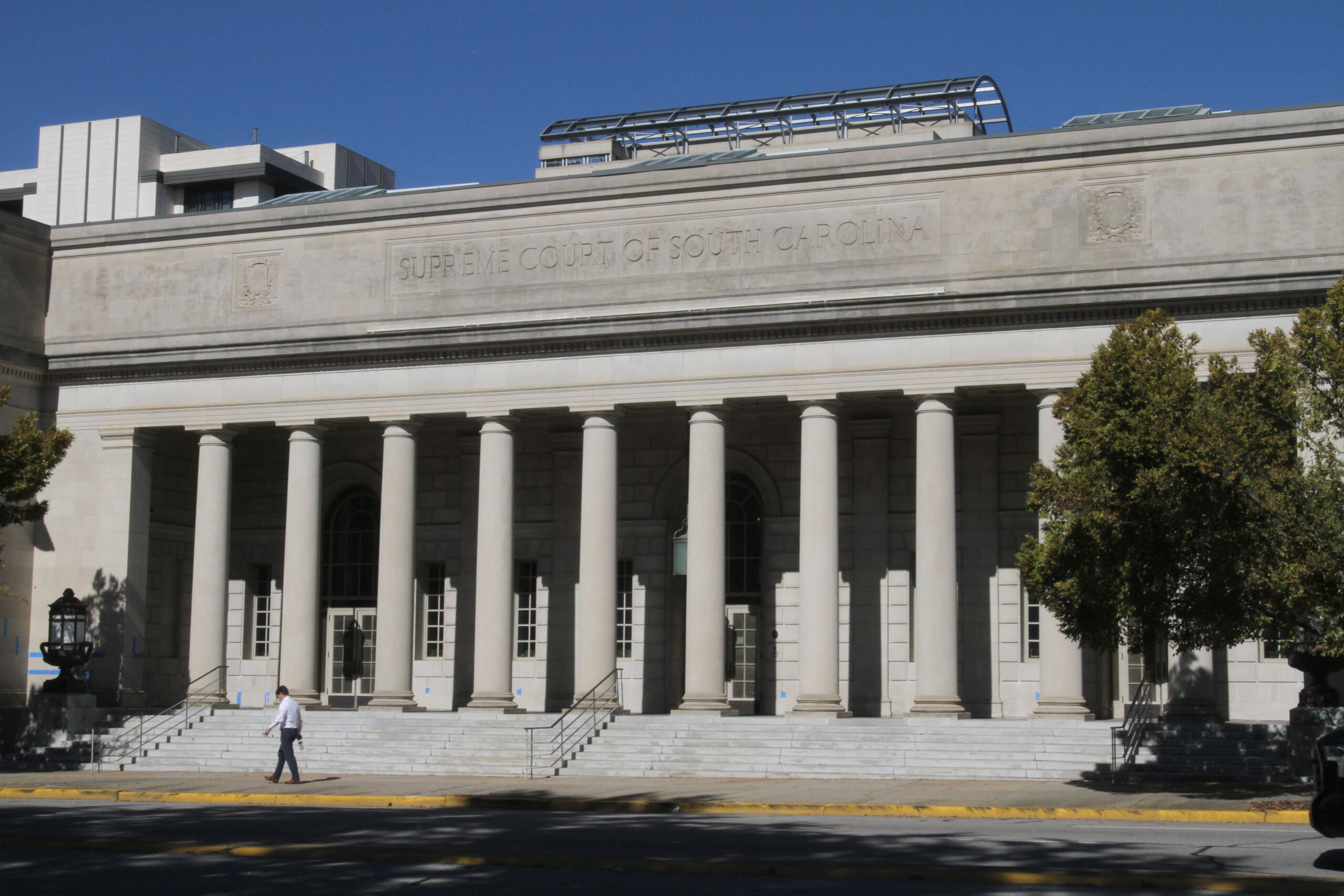
The Virginia Supreme Court blocked a Democratic-drawn congressional map from taking effect, delivering a boost to Republicans as they defend their narrow House majority in the midterm elections. The 4-3 ruling invalidated the results of an April referendum where 1.6 million Virginians approved the redistricting plan. The court stated that the legislature did not follow the correct procedure for putting the constitutional amendment on the ballot.
Procedural Violation
The court found that the General Assembly's vote on proposing the redistricting amendment to Virginia voters took place on October 31, after early voting had already begun on September 19. By that time, approximately 40%, or more than 1.3 million Virginians, had already cast their ballots. The court determined that this deprived those voters of their constitutionally protected opportunity to elect the House of Delegates that would participate in the second legislative vote on the proposed amendment.
Democratic Response
Virginia House Speaker Don Scott stated that they respect the decision of the Supreme Court of Virginia. Attorney General Jay Jones accused the court of putting "politics over the rule of law" and "silenc[ing] the voices" of Virginia voters. Jones said his office is reviewing "every legal pathway forward."
Republican Celebration
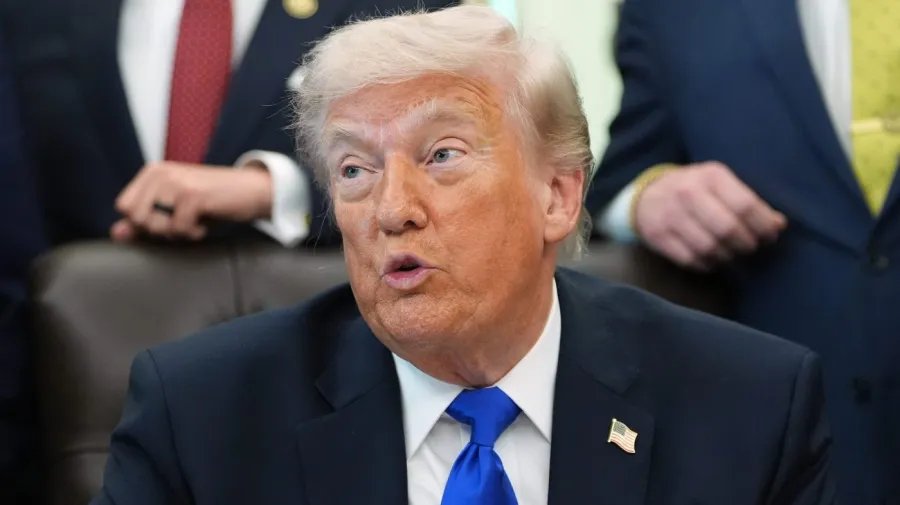
Virginia Senate Republican Leader Ryan T. McDougle praised the court's decision in Scott v. McDougle, stating that "you cannot violate the Constitution to change the Constitution." Former Attorney General Jason Miyares, and former U.S. House majority leader Eric Cantor, co-chairs of Virginians for Fair Maps, celebrated the ruling. President Trump also praised the decision as a "huge win for the Republican Party, and America, in Virginia" on Truth Social.
National Implications
The decision eliminates four House seats that were expected to flip to the Democrats’ side, shifting the state's congressional split from 6-5 favoring Democrats to a potential 10-1 advantage for the party. Democrats had been aiming to implement maps that would turn their party's current 6-5 edge in the state's U.S. House delegation into a 10-1 advantage as a way to counter GOP redistricting in Texas and elsewhere. Republicans could gain as many as 14 seats from redrawn maps across six states so far, compared with six for Democrats from redrawn maps.
Redistricting Battles Across States
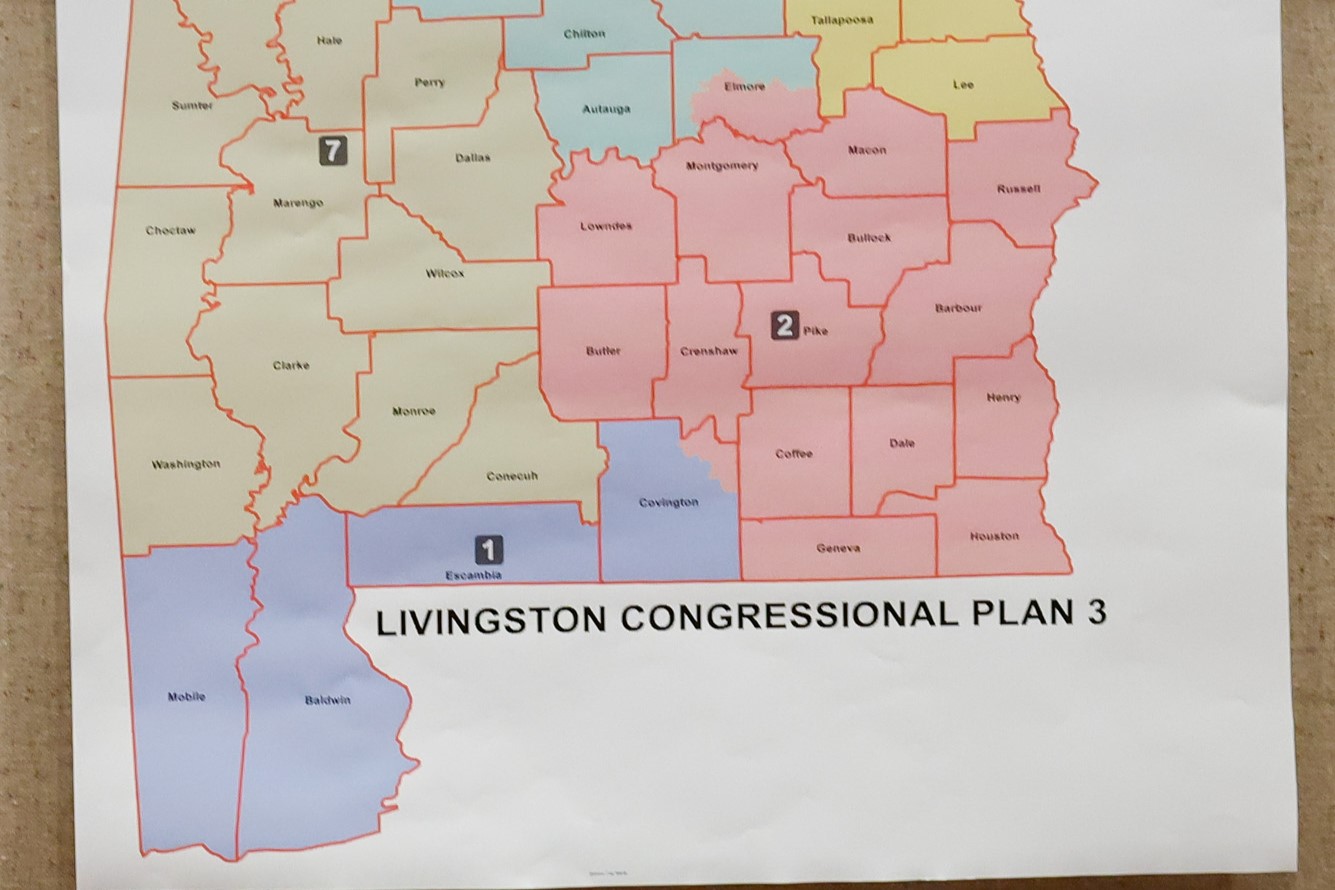
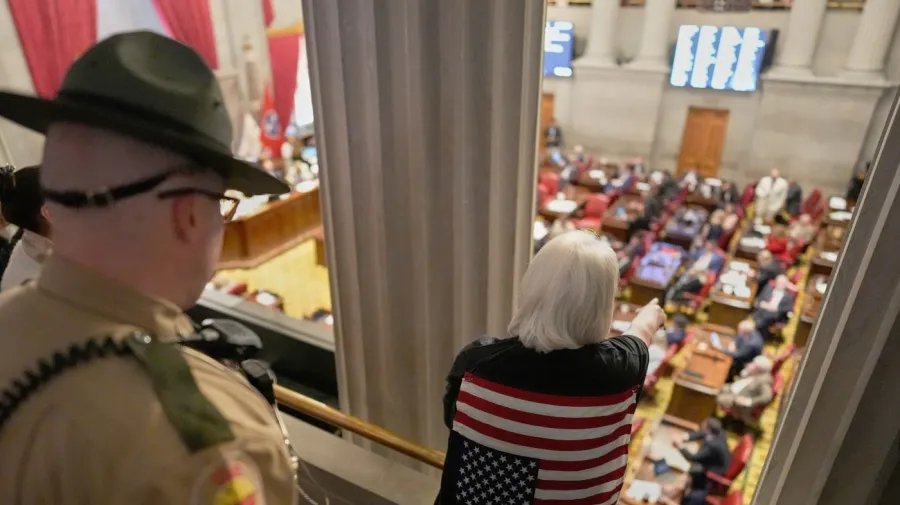
Southern Republicans are moving to gerrymander a slew of Southern states based on a ruling by the U.S. Supreme Court weakening the Voting Rights Act. Republican-led legislatures in Alabama and Tennessee started special redistricting sessions within four days of the ruling. South Carolina Republicans have started steps toward redrawing there. Alabama urged the Supreme Court on Friday for an emergency order clearing the way for its redrawn congressional map that could boost Republicans’ chances of holding on to the House in November.
Costly Referendum
The state spent $5.2 million to pay for the special election, and outside groups raised nearly $100 million to sway voters. Virginia appropriated $5 million to administer the election, tens of millions of dollars were spent on advertising, and more than 3 million people cast ballots.
Uncertain Future
Democrats are considering appealing to the U.S. Supreme Court. The state, Virginia’s House of Delegates Speaker Don Scott and others filed a joint motion asking the state Supreme Court for a stay on its ruling that threw out last month’s referendum on redistricting in the commonwealth, signaling plans to appeal to the U.S. Supreme Court.