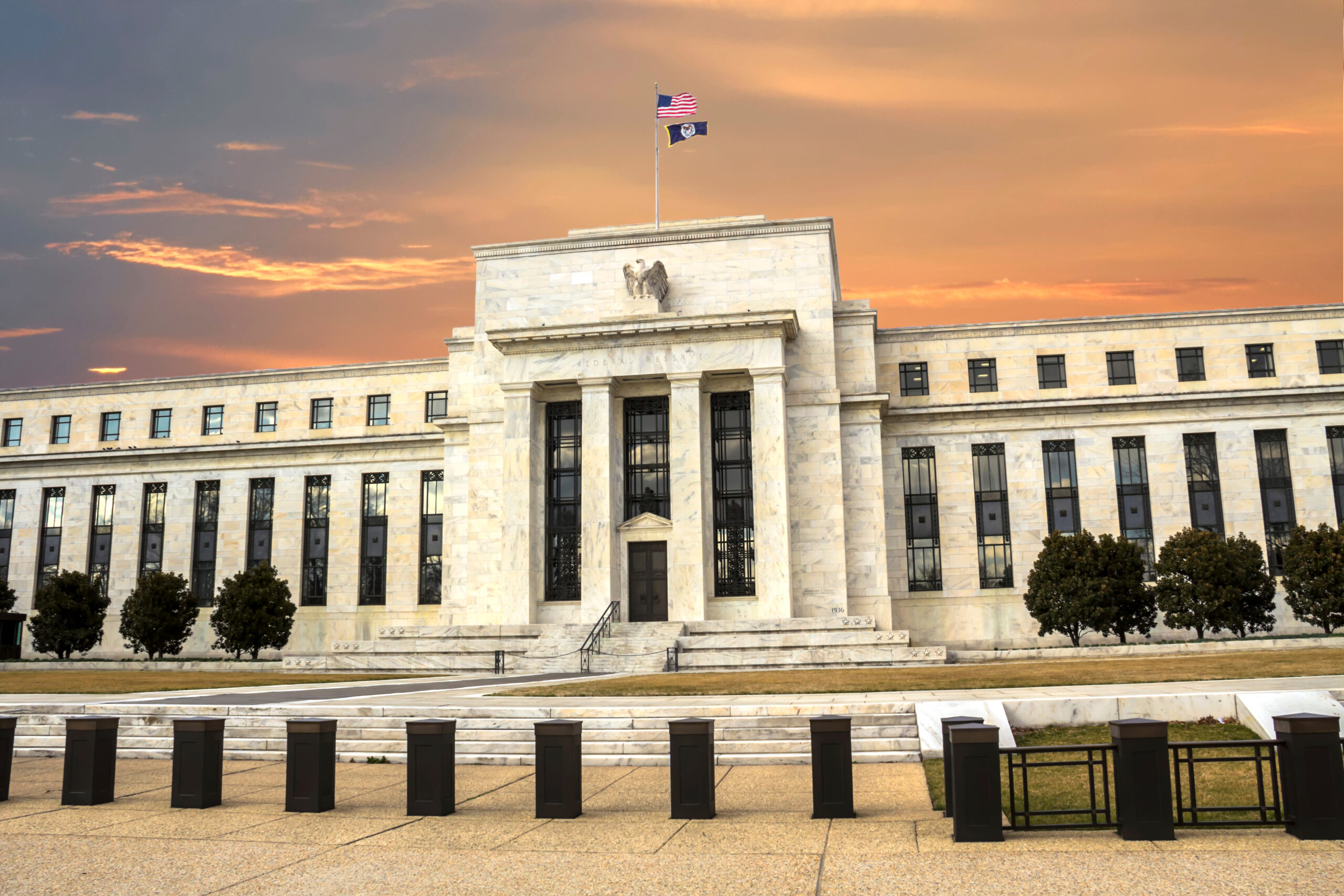
The Federal Reserve's March meeting minutes released Thursday show officials growing more open to raising interest rates if inflation pressures intensify. The shift marks a departure from the central bank's patient stance that has held borrowing costs steady since last summer. For consumers carrying credit card balances or shopping for mortgages, the minutes signal that the era of stable rates may be ending sooner than markets expected.
Fed Chair Jerome Powell's leadership team faces pressure as inflation has proven stickier than anticipated through the first quarter. The internal debate reflects competing concerns about taming price growth without triggering an economic downturn that could affect hiring and wages.
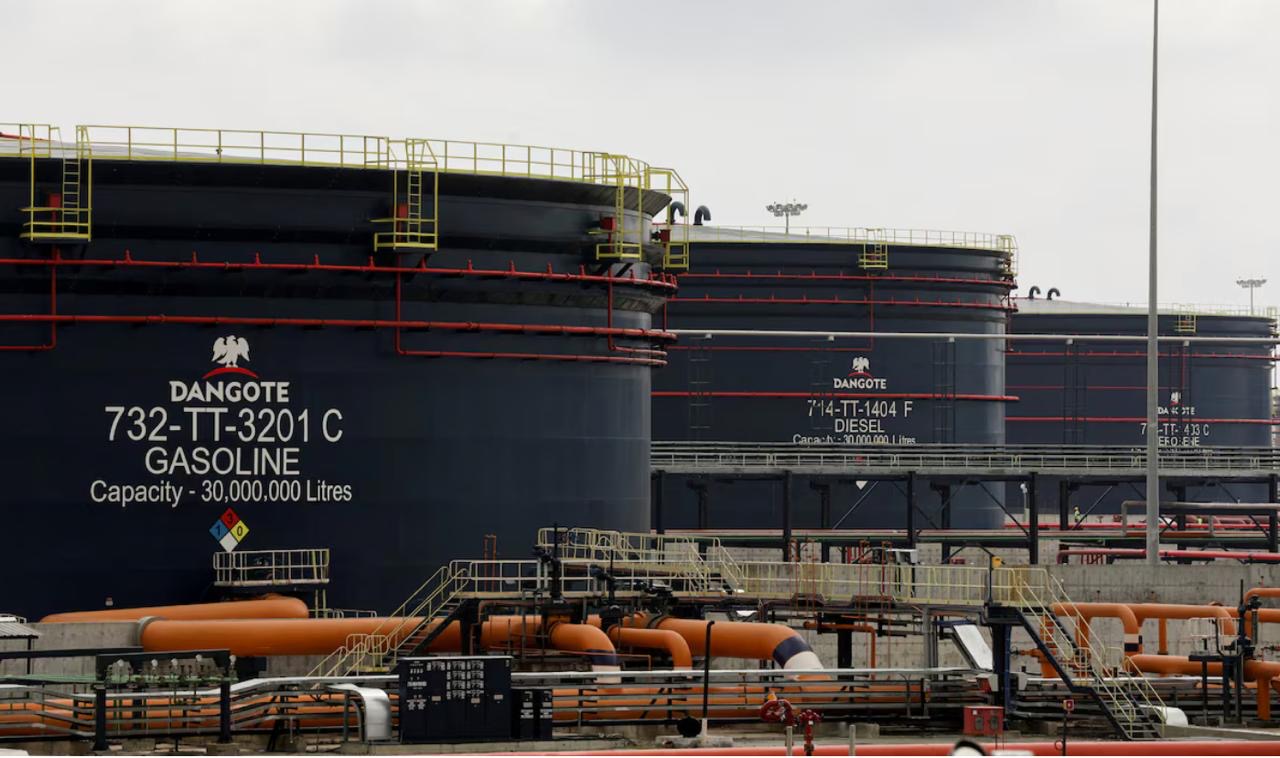
The minutes show officials particularly focused on how renewed fighting could push oil prices higher, forcing them to respond with tighter monetary policy. This geopolitical risk assessment has become a key factor in their rate-setting calculations.
Following the minutes' release, traders dramatically reduced expectations for rate cuts this year. Just weeks ago, markets had priced in multiple reductions starting as early as summer. Now, fed funds futures show investors see a growing probability of rate increases instead.
San Francisco Fed President Mary Daly told reporters Thursday that the U.S. economic fundamentals remain "in a good place." Daly, who votes on rate decisions this year, emphasized that the central bank can afford to be patient while assessing incoming data. Her comments suggest the bar for actual rate increases remains high despite the hawkish tone in the minutes.
The potential rate increases come as Americans hold a record $1.2 trillion in credit card debt, according to banking industry data. Average credit card rates already hover around 21 percent, and each quarter-point Fed increase typically adds billions in annual interest charges across all borrowers. For someone carrying a $5,000 balance, another rate hike could mean paying an extra $50 in interest annually.
Major banks have begun adjusting their lending standards in anticipation of higher rates. Wells Fargo and JPMorgan Chase have already tightened credit card approval criteria, while regional banks report slowing loan demand from small businesses. The minutes suggest Fed officials view this credit tightening as a feature, not a bug, of their strategy to cool economic activity and inflation.
The Federal Reserve's March meeting minutes released Thursday show officials growing more willing to raise interest rates if inflation pressures intensify. The shift marks a departure from the central bank's patient stance that has held borrowing costs steady since last summer. For consumers carrying credit card balances or shopping for mortgages, the minutes signal that the era of stable rates may be ending sooner than markets expected.
The minutes reveal a divided committee, with "a number" of officials expressing openness to rate increases while others emphasized the need to maintain current levels. Fed Chair Jerome Powell's leadership team faces pressure as inflation has proven stickier than anticipated through the first quarter. The internal debate reflects competing concerns about taming price growth without triggering an economic downturn that could affect hiring and wages.
Fed policymakers spent significant time discussing how Middle East conflicts could impact the U.S. economy through energy prices and supply chain disruptions. The minutes show officials particularly focused on how renewed fighting could push oil prices higher, forcing them to respond with tighter monetary policy. This geopolitical risk assessment has become a key factor in their rate-setting calculations.
Following the minutes' release, traders dramatically reduced expectations for rate cuts this year. Just weeks ago, markets had priced in multiple reductions starting as early as summer. Now, fed funds futures show investors see a growing probability of rate increases instead. The shift has already pushed the 30-year mortgage rate up by nearly half a percentage point from its February lows.
San Francisco Fed President Mary Daly told reporters Thursday that the U.S. economic fundamentals remain "in a good place," supporting the Fed's wait-and-see approach. Daly, who votes on rate decisions this year, emphasized that the central bank can afford to be patient while assessing incoming data. Her comments suggest the bar for actual rate increases remains high despite the hawkish tone in the minutes.
The potential rate increases come as Americans hold a record $1.2 trillion in credit card debt, according to banking industry data. Average credit card rates already hover around 21 percent, and each quarter-point Fed increase typically adds billions in annual interest charges across all borrowers. For someone carrying a $5,000 balance, another rate hike could mean paying an extra $50 in interest annually.
Major banks have begun adjusting their lending standards in anticipation of higher rates. Wells Fargo and JPMorgan Chase have already tightened credit card approval criteria, while regional banks report slowing loan demand from small businesses. The minutes suggest Fed officials view this credit tightening as a feature, not a bug, of their strategy to cool economic activity and inflation.
Highlighted text was flagged by the council. Tap to see feedback.