




The Ruling and Its Limits
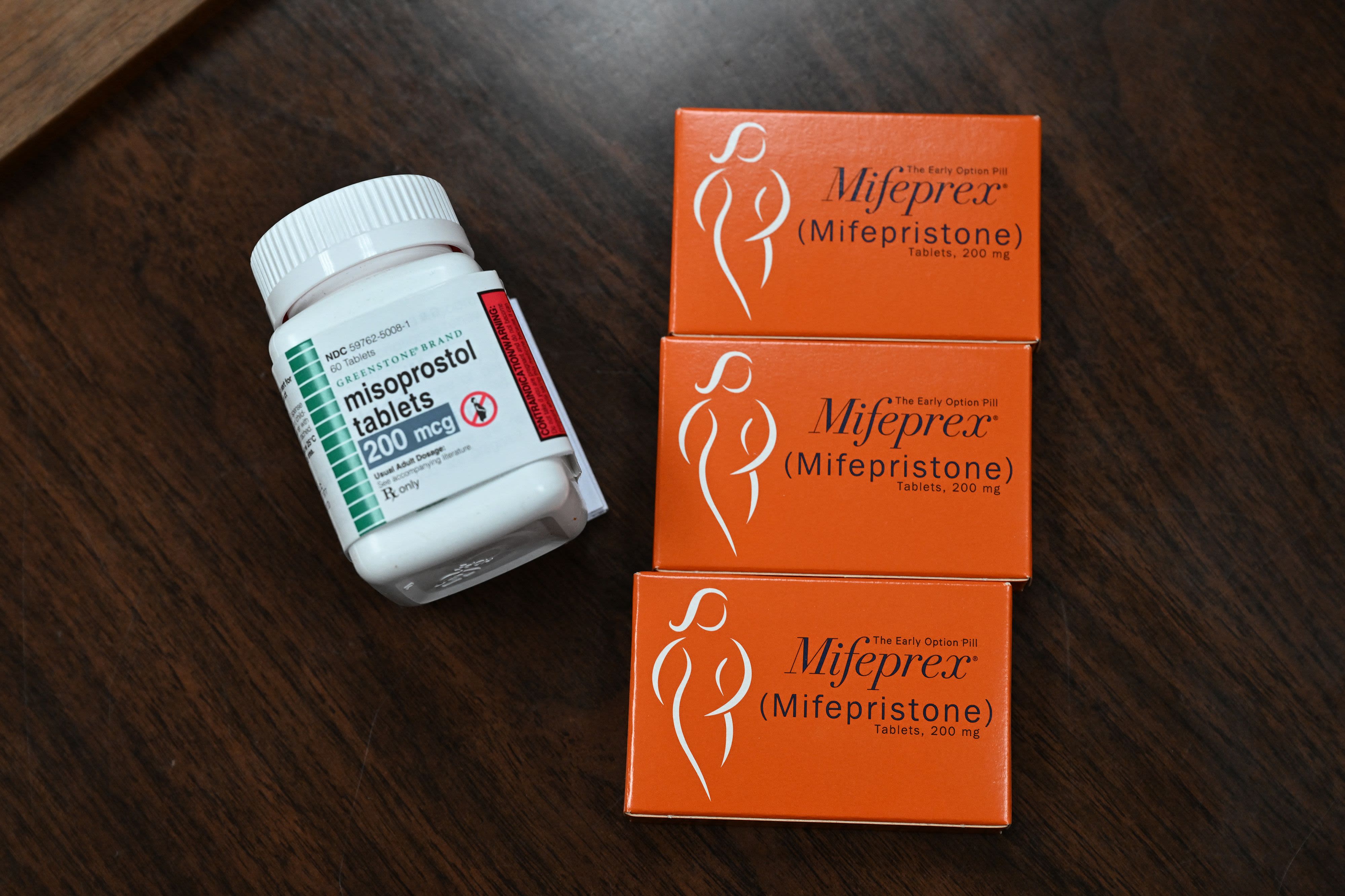
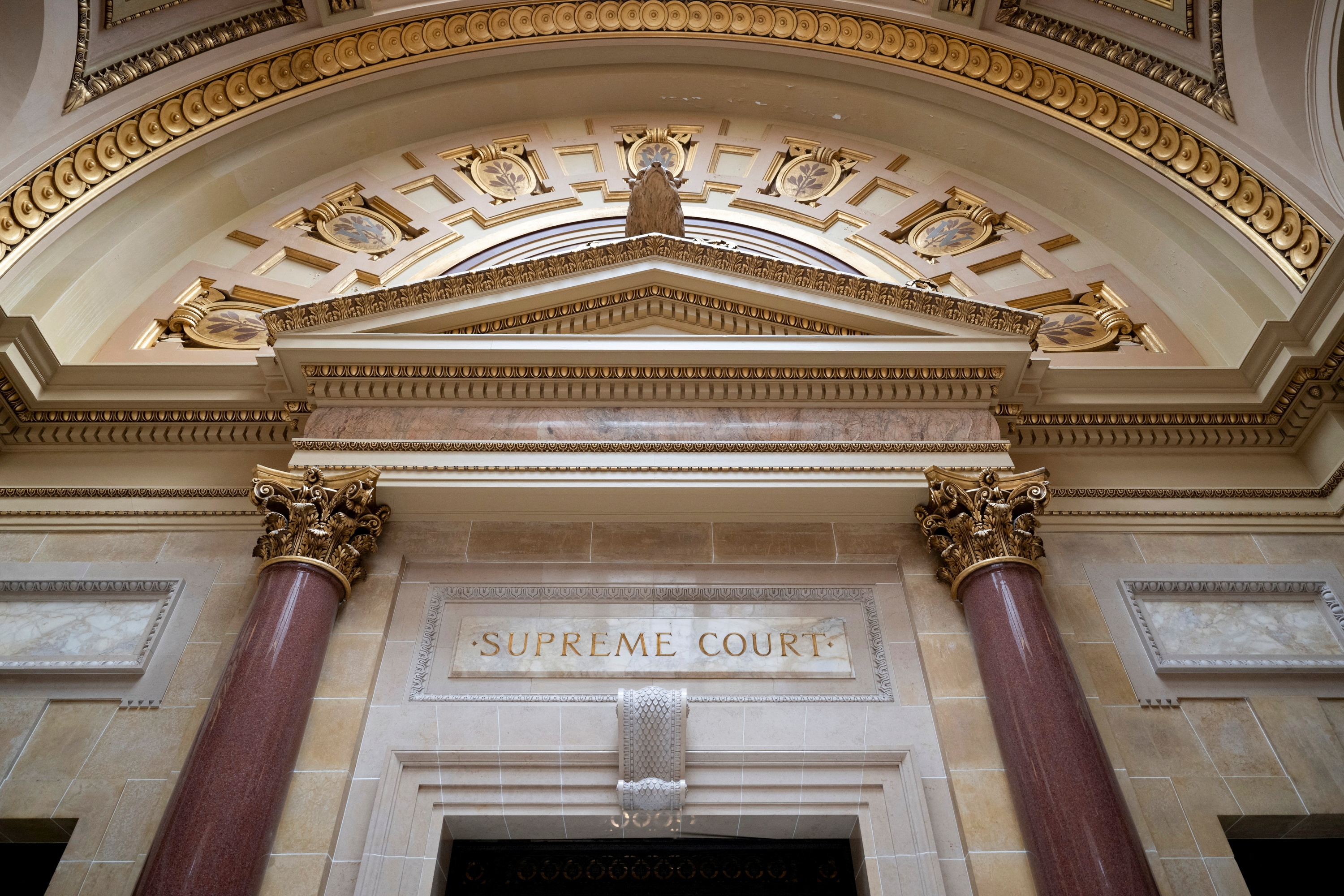
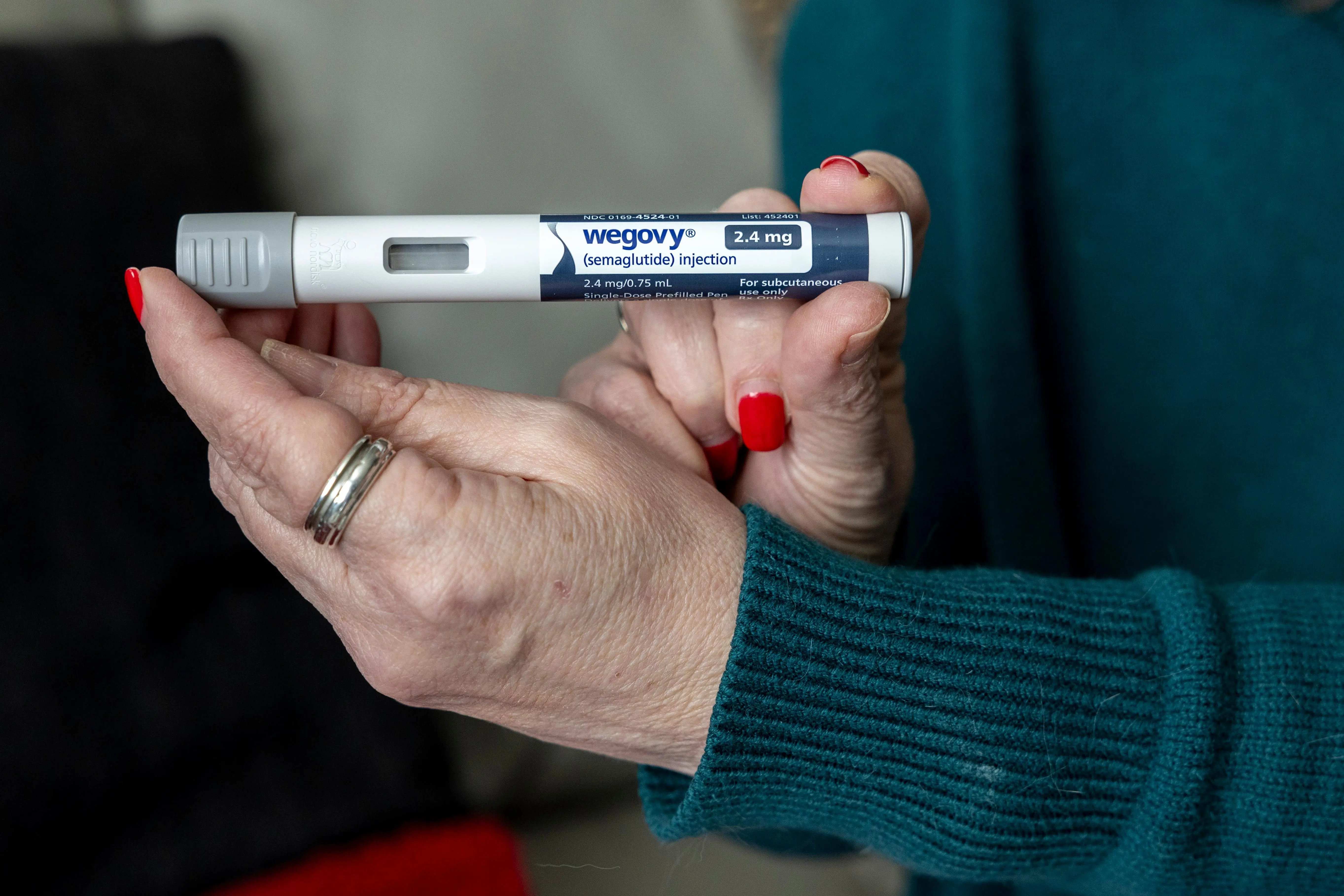
A federal judge in Louisiana ruled Tuesday that access to mifepristone, a medication used in abortions, can continue being distributed by mail nationwide for now. Judge David C. Joseph granted a request from the Food and Drug Administration to pause the case while the agency completes its own safety review of the drug, which has been available in the U.S. for more than 25 years. The judge ordered the FDA to report back to the court on its progress in six months.
Joseph's decision stopped short of endorsing telehealth abortion, which now accounts for more than one in four abortions in the U.S. The judge acknowledged Louisiana's arguments about harms from mifepristone being available via telemedicine but wrote that "ultimately it is FDA, not this Court, that possesses the expertise to evaluate scientific evidence and make public health judgments."
What Louisiana Sought
Louisiana, led by Attorney General Liz Murrill, filed the lawsuit challenging a 2023 FDA policy change that removed the requirement for in-person appointments to receive mifepristone. Previously, patients had to meet with a doctor in person. The Biden administration changed the rules to allow patients to meet with a doctor virtually and receive medications through the mail.
The state named two plaintiffs: Louisiana itself and Rosalie Markezich, a resident whose complaint alleged she became a victim of the "mail-order abortion scheme" in October 2023 when her boyfriend ordered FDA-approved abortion drugs from a California doctor without her consent. The lawsuit asked the judge to undo the 2023 change and restore the in-person requirement.
Judge Joseph determined that Louisiana had standing to sue and found evidence suggesting the 2023 policy was approved "at least in part, as part of an effort to circumvent anti-abortion states' ability to regulate abortion." He also noted that changing the prescribing rules would have had a "sweeping effect" across states with and without abortion bans.
The Stakes for Patients
According to Reuters, mifepristone is the single-most popular method of abortion in the U.S., representing about 60% of all abortions. In Louisiana, there were about 2,500 abortions in 2023, and more than 9,000 in 2025. According to the Guttmacher Institute, 91,000 patients in states with bans received telehealth abortions in 2025.

The sources report that in Louisiana, there were about 2,500 abortions in 2023, and more than 9,000 in 2025, indicating a significant increase.
A New Orleans resident identified only as E., who is 31, had two abortions by receiving medications in the mail since Louisiana's ban took effect. She requested that NPR use only her first initial because she fears legal and safety repercussions. E. said living in a state so assertive about restricting abortion "does feel just very depressing, like your government hates you." She is currently pregnant, due in September, and said deciding to become a parent was empowering: "I chose this Louisiana, not you, on my clock and my time."
The Pressure on Trump's Administration
The case puts pressure on President Trump's FDA at a moment of internal Republican division. In asking for the stay, Trump's FDA signaled that it would be taking a harder line against mifepristone, possibly reversing some of what Biden's FDA did to maximize access to telehealth abortion. Meanwhile, anti-abortion Republicans in Congress have grown more aggressive. Senator Josh Hawley, R.-Mo., introduced a bill to remove the full approval of mifepristone, and Senator Bill Cassidy, R.-La. announced an investigation into the drugmakers behind the drug.
Mary Ziegler, a legal history professor at the University of California, Davis, observed that "we're seeing a kind of civil war between Republicans about how quickly and how far to go that the Louisiana case exemplifies." She noted that abortion opponents are trying to force the president and Congress into a more absolute stand rather than letting them maintain flexibility as they have done to some degree. Trump faced pushback earlier this year from congressional Republicans when he suggested they be "flexible" about abortion restrictions in health care legislation. Abortion was notably absent from his State of the Union address in February.
What Comes Next
Murrill told Fox News Digital she plans to appeal Joseph's ruling to the Fifth Circuit despite the ongoing FDA review. She stated that "Judge Joseph concluded that Louisiana has standing to sue and is likely to succeed in showing that the 2023 REMS is unlawful" and that "Louisiana suffers irreparable harm every day that the 2023 REMS remains in effect."
Joseph warned that if the FDA fails to complete its review and make any necessary revisions within a reasonable timeframe, the court's analysis and the weight given to its factors "will inevitably change." The ruling sets up a high-stakes legal fight with a federal appeals court showdown looming and the FDA under pressure to justify rules that dramatically expanded access in recent years.


































The sources also report that in 2025 Louisiana abortions rose to over 9,000 from about 2,500 in 2023.