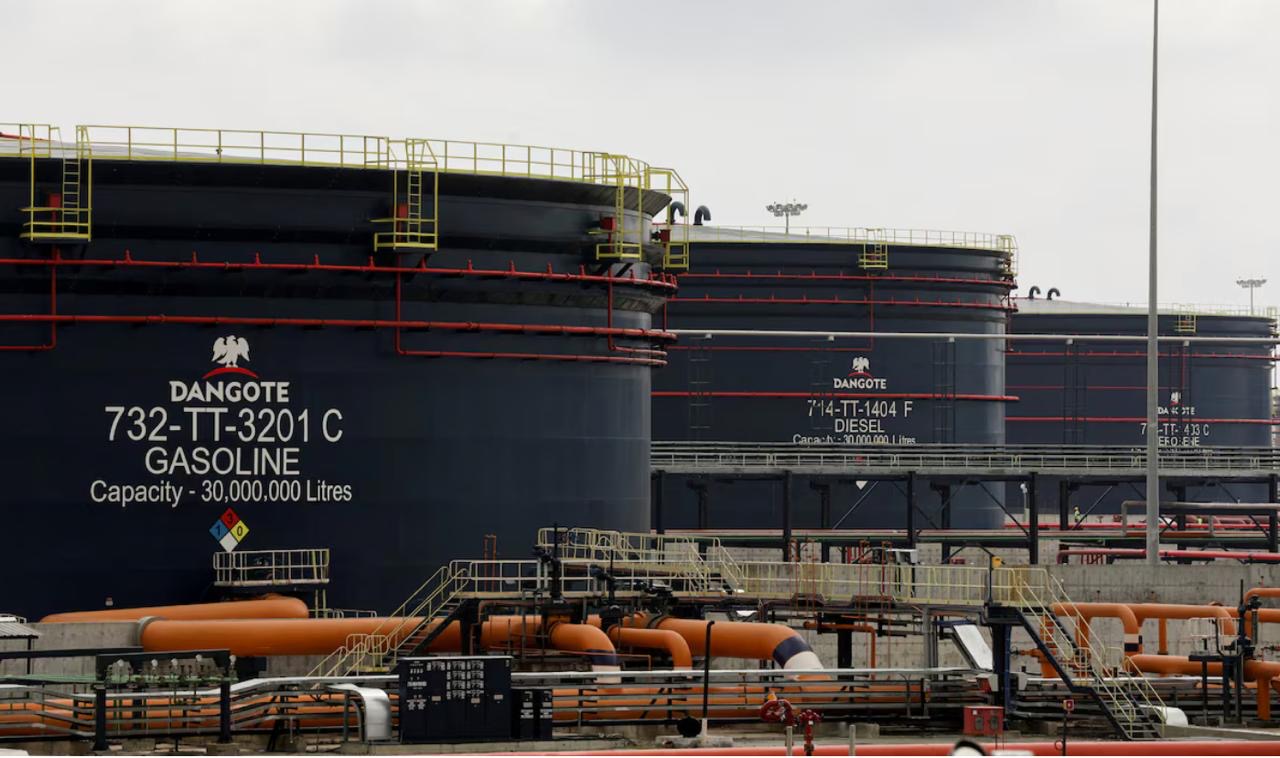
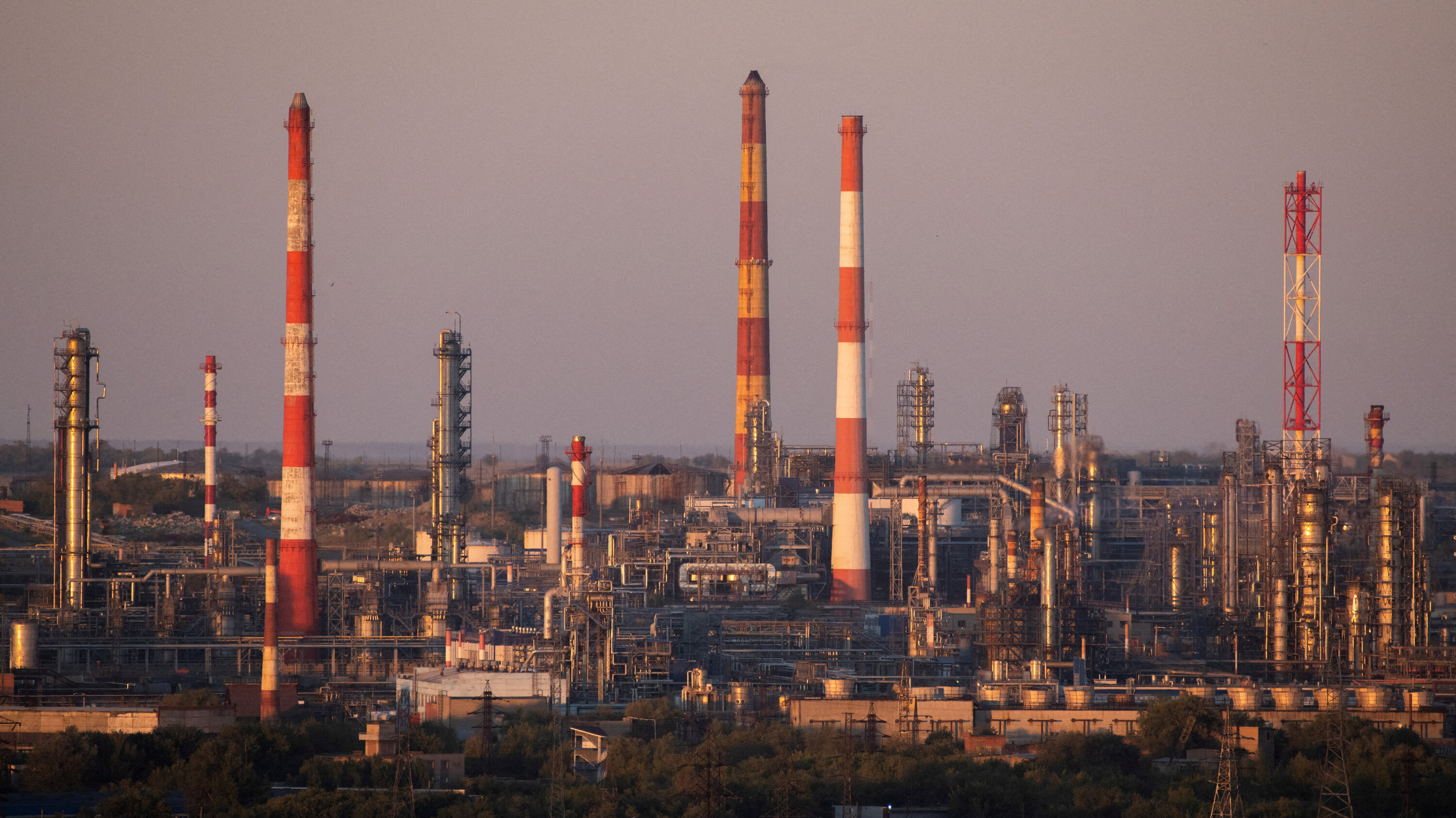
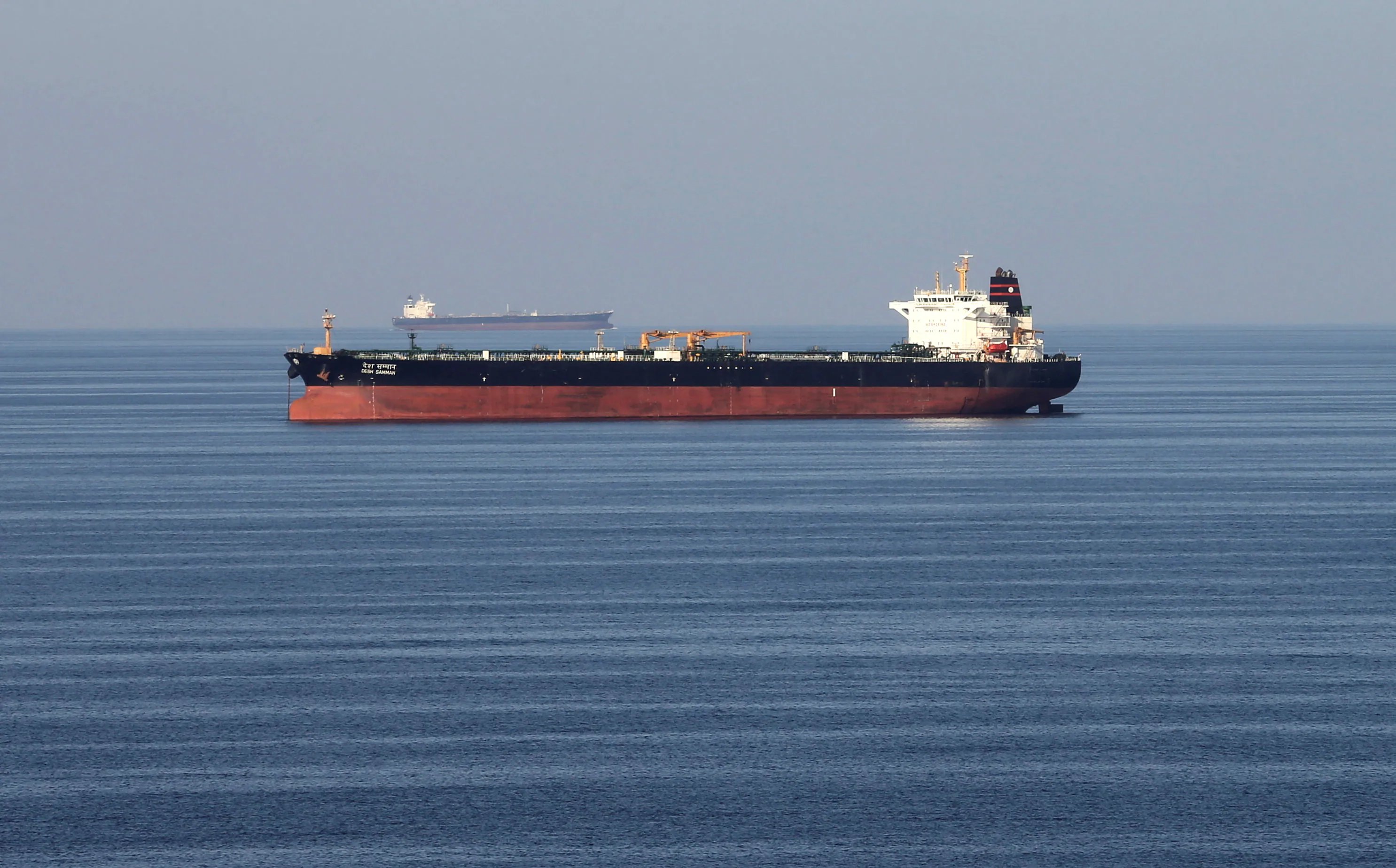
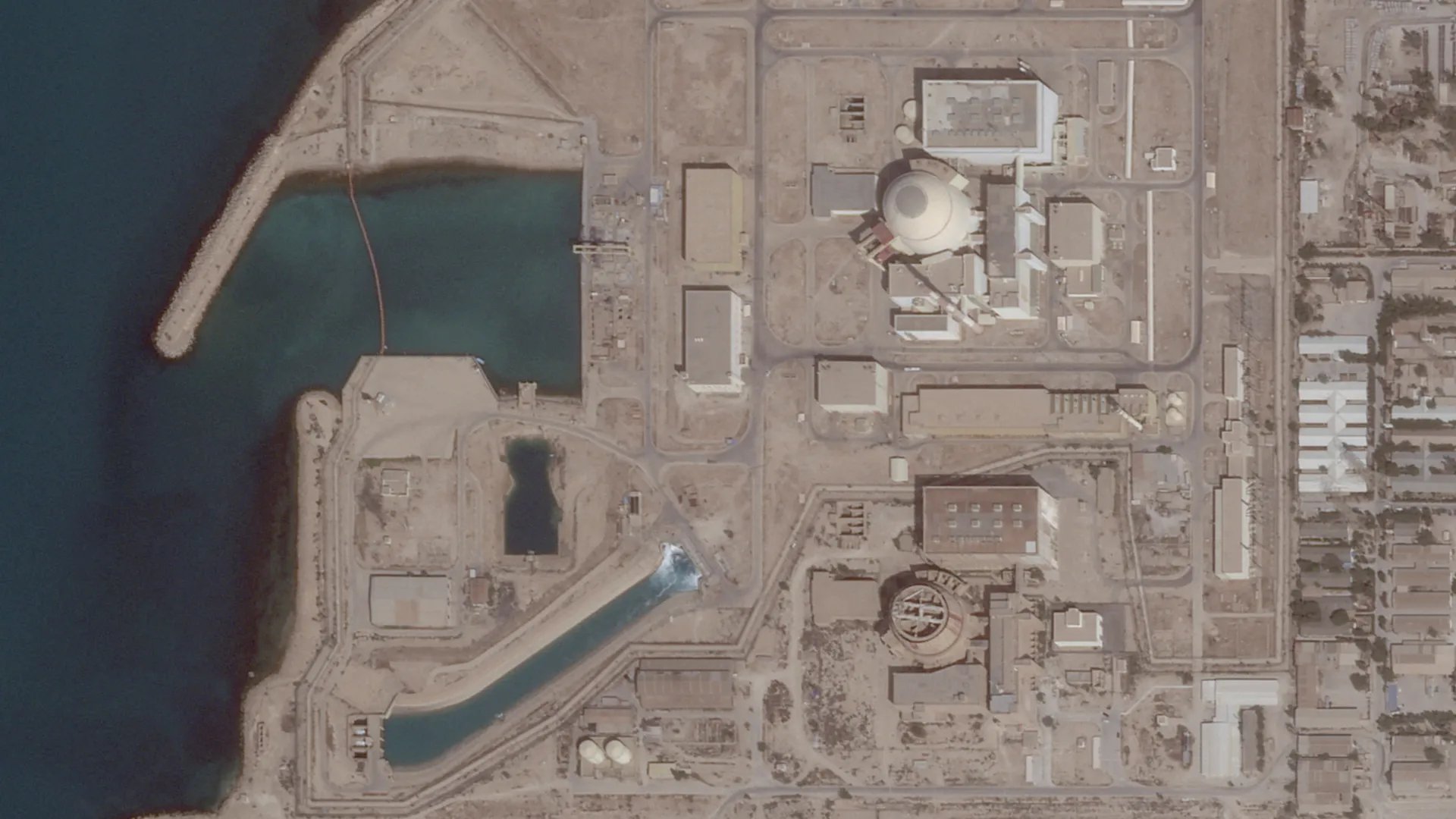
Aliko Dangote's $20 billion refinery in Lagos has begun exporting 100,000 barrels per day of refined products to West African markets, marking the first time Nigeria's private sector has supplied fuel to neighboring countries. The refinery shipped its inaugural cargo of 27 million liters of diesel to Ghana last week, with additional cargoes bound for Senegal, Togo, and Côte d'Ivoire.
The influx of Nigerian fuel has driven down gasoline prices by 15% across West Africa since exports began, according to regional petroleum marketers. Senegal's petroleum ministry confirmed the country now sources 40% of its fuel imports from Nigeria, reducing its monthly fuel import bill by $30 million.
European fuel traders have lost significant West African market share since Nigerian exports began.
The Dangote refinery's export boom coincides with record-high premiums for US crude oil, as Asian and European refiners compete fiercely for limited supply. US West Texas Intermediate crude now trades at a $7.50 premium to Brent, the highest differential since trading records began. This price inversion has forced the Nigerian refinery to source 60% of its 650,000 barrel-per-day feedstock from domestic production, with the remainder coming from Angola and Congo.
Cameroon and Benin have announced plans to phase out fuel subsidies within six months, citing increased regional supply from Nigeria. Cameroon's finance minister revealed the country will save $450 million annually by ending subsidies, with domestic fuel prices expected to drop 20% below current subsidized rates. Benin's energy minister confirmed the government has already reduced subsidy spending by $80 million since Nigerian imports began flowing through the Port of Cotonou.
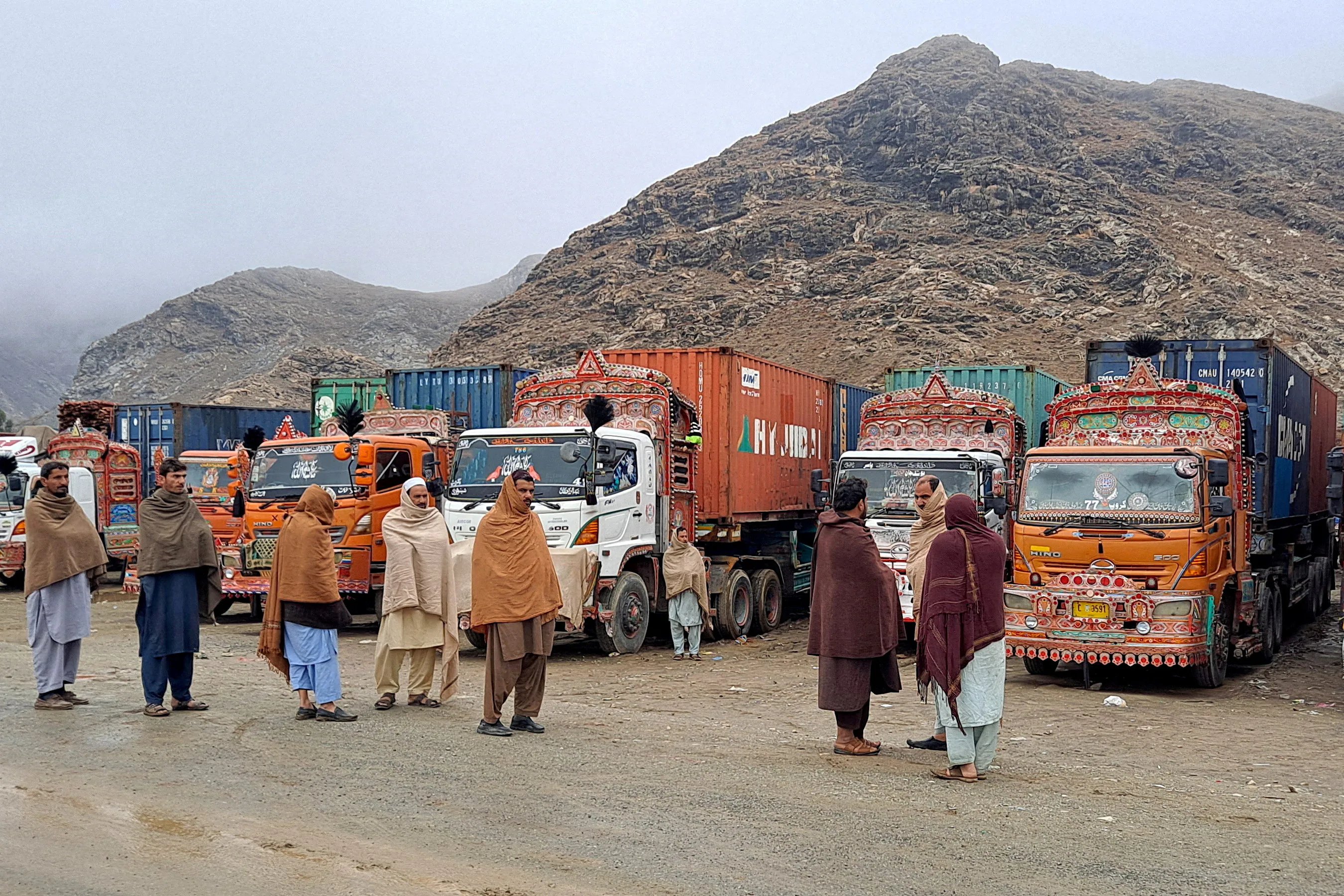
Burkina Faso and Niger, lacking direct coastal access, remain dependent on trucked fuel imports through Benin and Togo, where border delays add $40 per ton to landed costs. The 600-kilometer distance from Lagos to Ouagadougou requires 2,000 tanker trucks monthly to meet Burkina Faso's fuel demand, but only 800 trucks currently operate on the route. Niger's military government has requested 50,000 tons of Nigerian fuel monthly but faces a 450-kilometer haul through Benin that takes truckers 14 days round-trip.
Dangote's trading desk has booked three Very Large Crude Carriers to load 90 million liters of gasoline for Kenya and Tanzania in early May, marking the refinery's first exports beyond West Africa. Kenyan energy officials confirmed negotiations for 150,000 tons monthly supply, which would replace 25% of its current Indian Ocean imports. The refinery has also offered Uganda and Rwanda direct supply contracts at $25 per barrel below their current import costs from Gulf suppliers.
Aliko Dangote's $20 billion refinery in Lagos has begun exporting 100,000 barrels per day of refined products to West African markets, marking the first time Nigeria's private sector has supplied fuel to neighboring countries. The refinery shipped its inaugural cargo of 27 million liters of diesel to Ghana last week, with additional cargoes bound for Senegal, Togo, and Côte d'Ivoire. Devakumar Edwin, CEO of Dangote Group, told Reuters the facility will export 6 million tons of refined products monthly once it reaches full capacity.
The influx of Nigerian fuel has driven down gasoline prices by 15% across West Africa since exports began, according to regional petroleum marketers. Ghana's state-owned Tema Oil Refinery reported receiving 45 million liters of Nigerian diesel at $50 per barrel below previous import costs from Europe. Senegal's petroleum ministry confirmed the country now sources 40% of its fuel imports from Nigeria, reducing its monthly fuel import bill by $30 million.
Trafigura and Vitol, two of Europe's largest fuel traders to Africa, have seen their West African market share plummet from 70% to 35% since Nigerian exports began. European refiners are losing an estimated $200 million monthly in African sales, according to shipping data compiled by Reuters. Shell's trading arm has idled three tankers that previously supplied West African markets, while TotalEnergies has redirected two cargoes originally bound for Lagos to storage facilities in Rotterdam.
The Dangote refinery's export boom coincides with record-high premiums for US crude oil, as Asian and European refiners compete fiercely for limited supply. US West Texas Intermediate crude now trades at a $7.50 premium to Brent, the highest differential since trading records began. This price inversion has forced the Nigerian refinery to source 60% of its 650,000 barrel-per-day feedstock from domestic production, with the remainder coming from Angola and Congo.
Cameroon and Benin have announced plans to phase out fuel subsidies within six months, citing increased regional supply from Nigeria. Cameroon's finance minister revealed the country will save $450 million annually by ending subsidies, with domestic fuel prices expected to drop 20% below current subsidized rates. Benin's energy minister confirmed the government has already reduced subsidy spending by $80 million since Nigerian imports began flowing through the Port of Cotonou.
Burkina Faso and Niger, lacking direct coastal access, remain dependent on trucked fuel imports through Benin and Togo, where border delays add $40 per ton to landed costs. The 600-kilometer distance from Lagos to Ouagadougou requires 2,000 tanker trucks monthly to meet Burkina Faso's fuel demand, but only 800 trucks currently operate on the route. Niger's military government has requested 50,000 tons of Nigerian fuel monthly but faces a 450-kilometer haul through Benin that takes truckers 14 days round-trip.
Dangote's trading desk has booked three Very Large Crude Carriers to load 90 million liters of gasoline for Kenya and Tanzania in early May, marking the refinery's first exports beyond West Africa. Kenyan energy officials confirmed negotiations for 150,000 tons monthly supply, which would replace 25% of its current Indian Ocean imports. The refinery has also offered Uganda and Rwanda direct supply contracts at $25 per barrel below their current import costs from Gulf suppliers.
Highlighted text was flagged by the council. Tap to see feedback.