
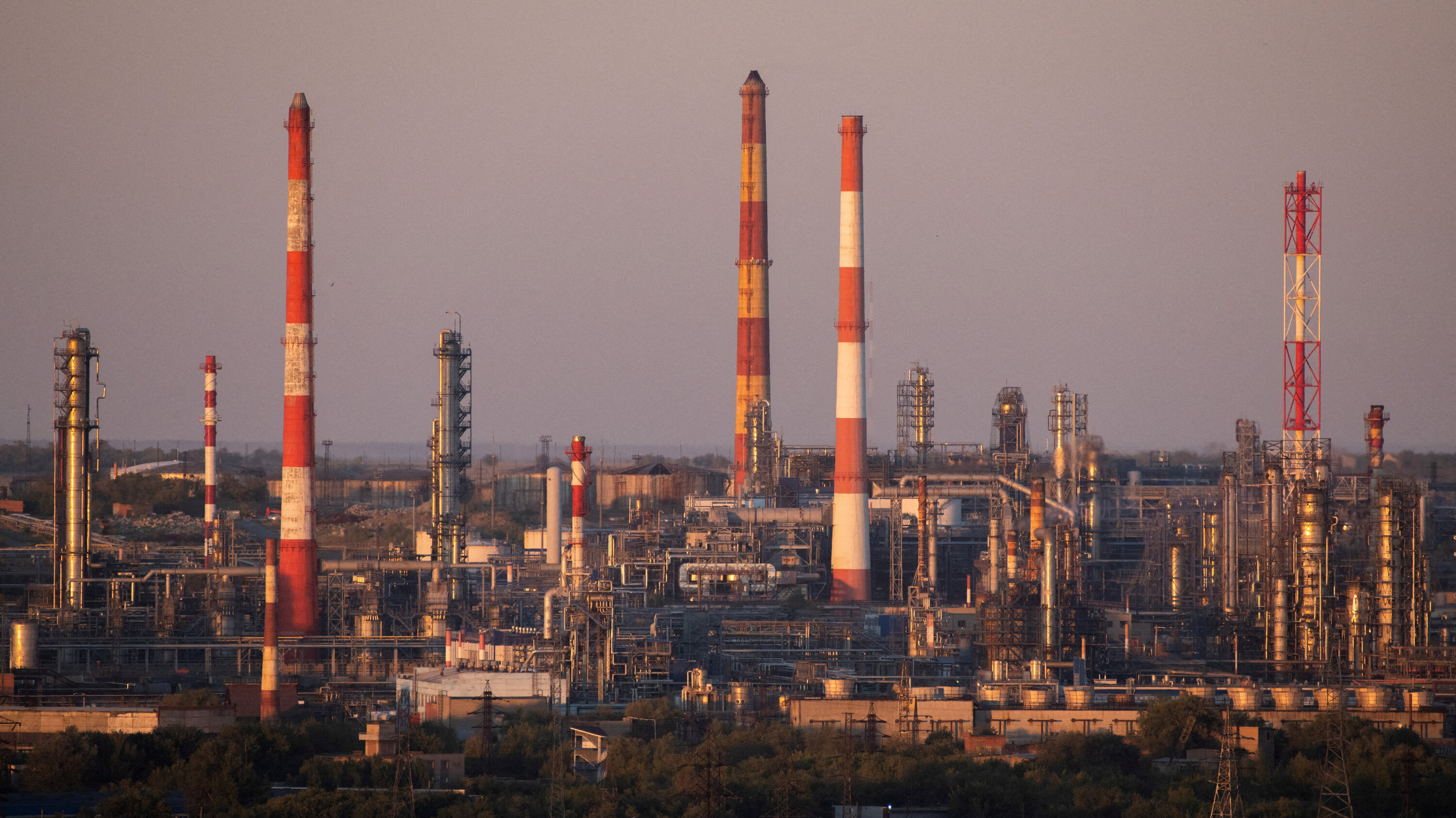





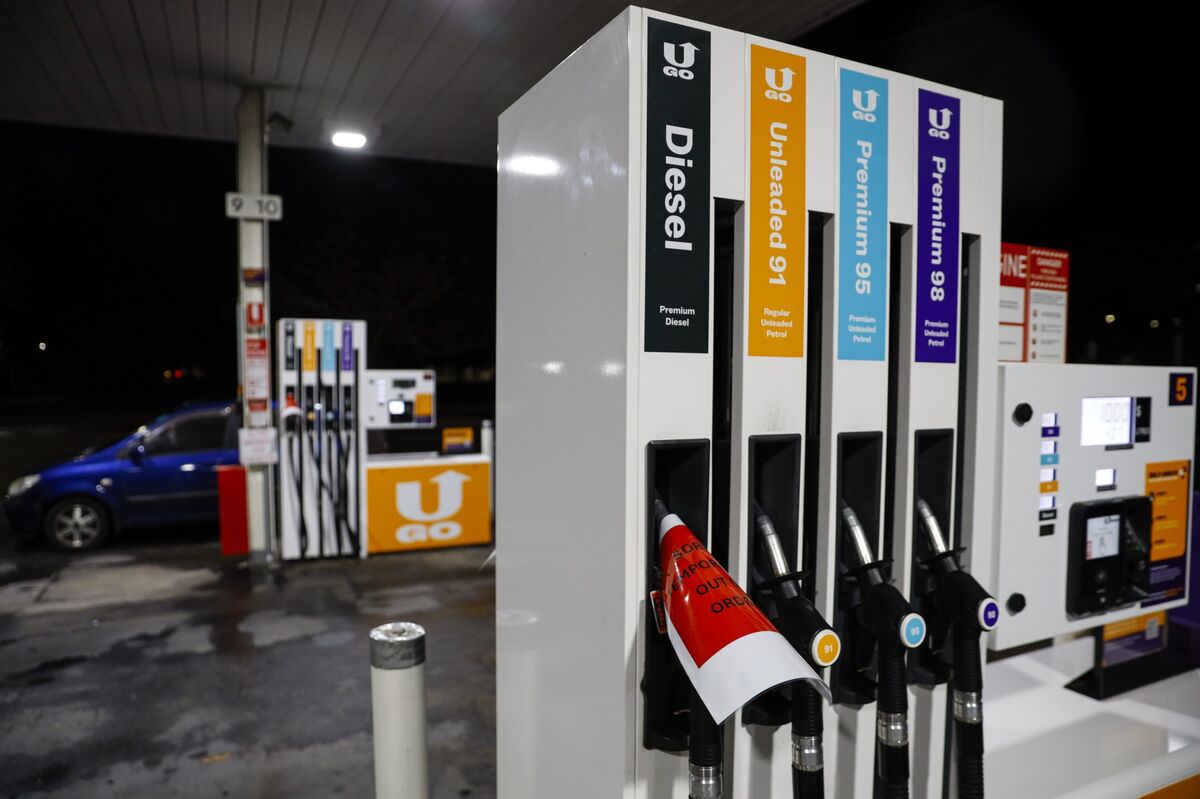
Diesel hits €2.39 a liter as ministers call for energy companies to contribute from windfall profits
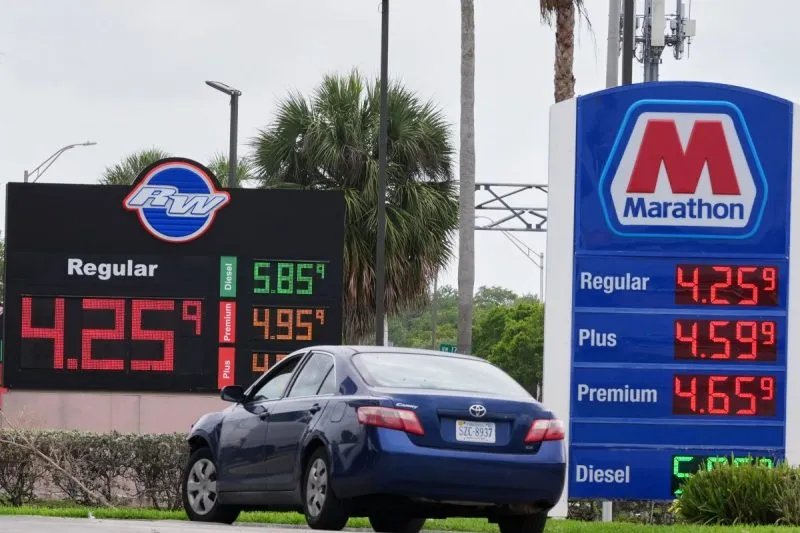
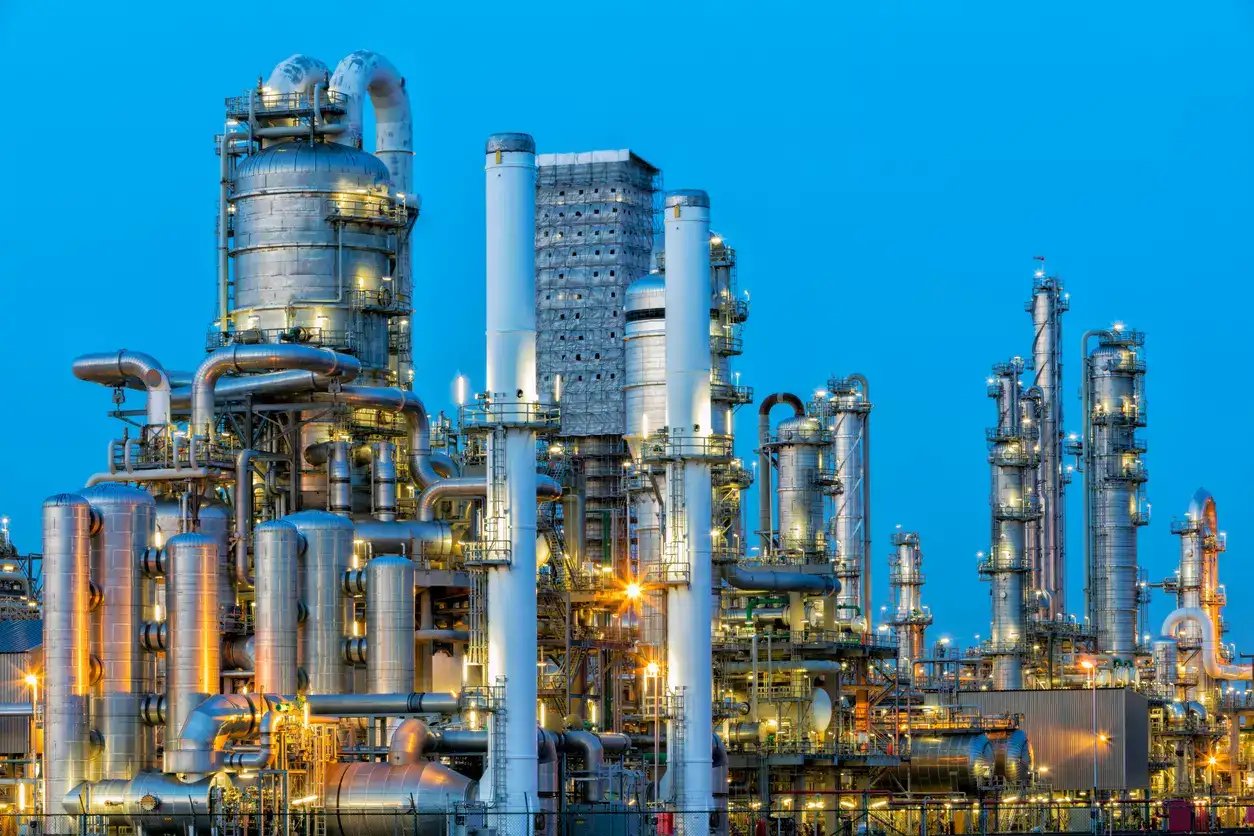
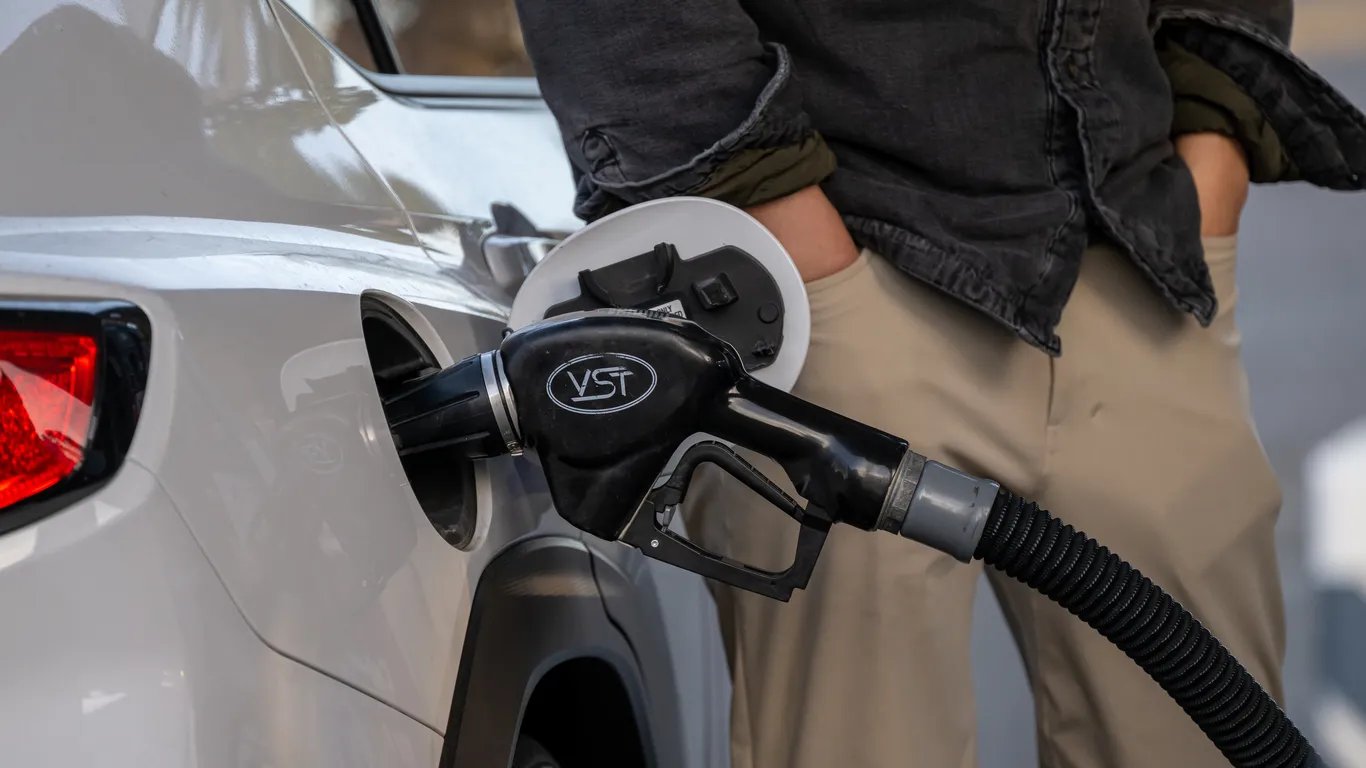
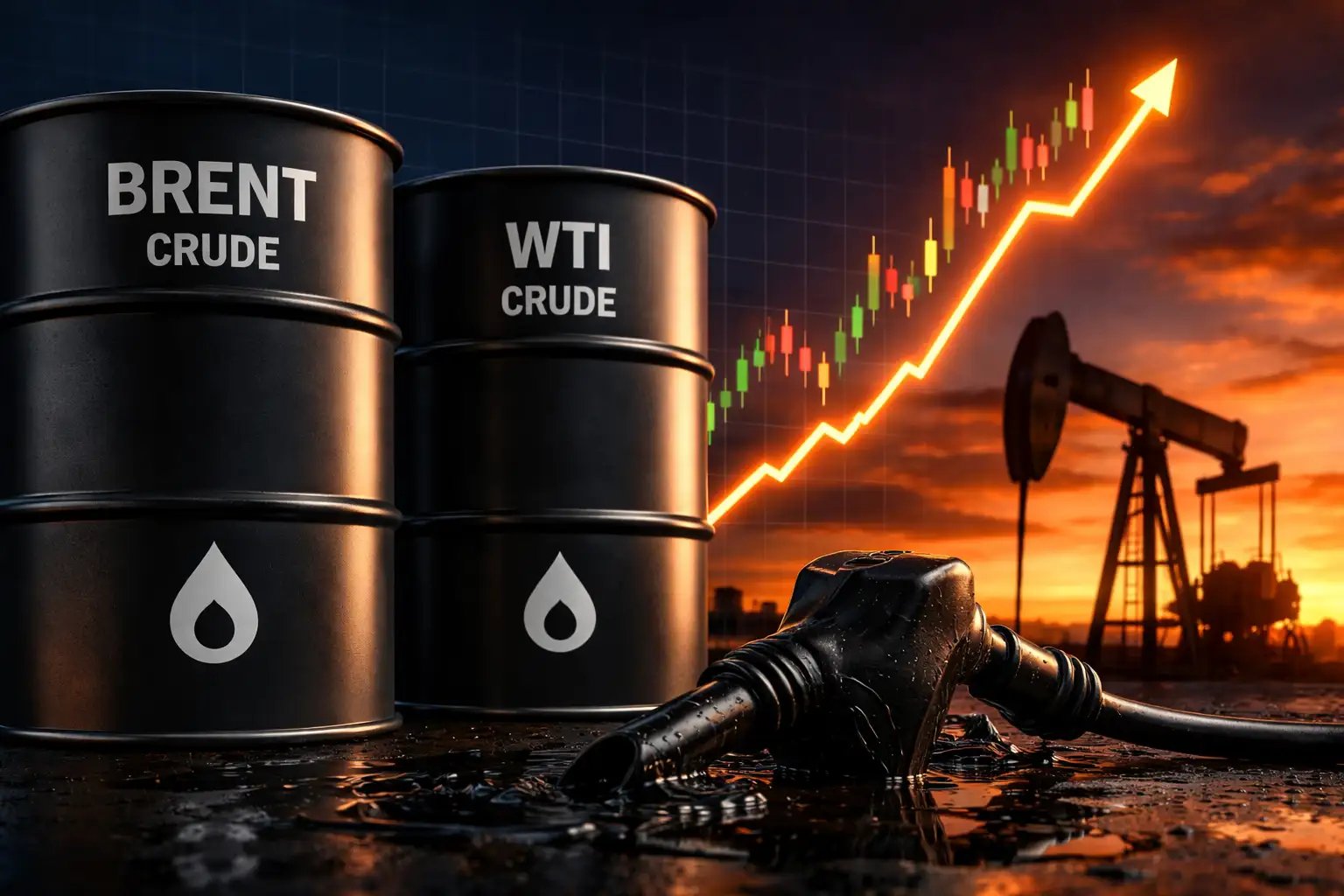
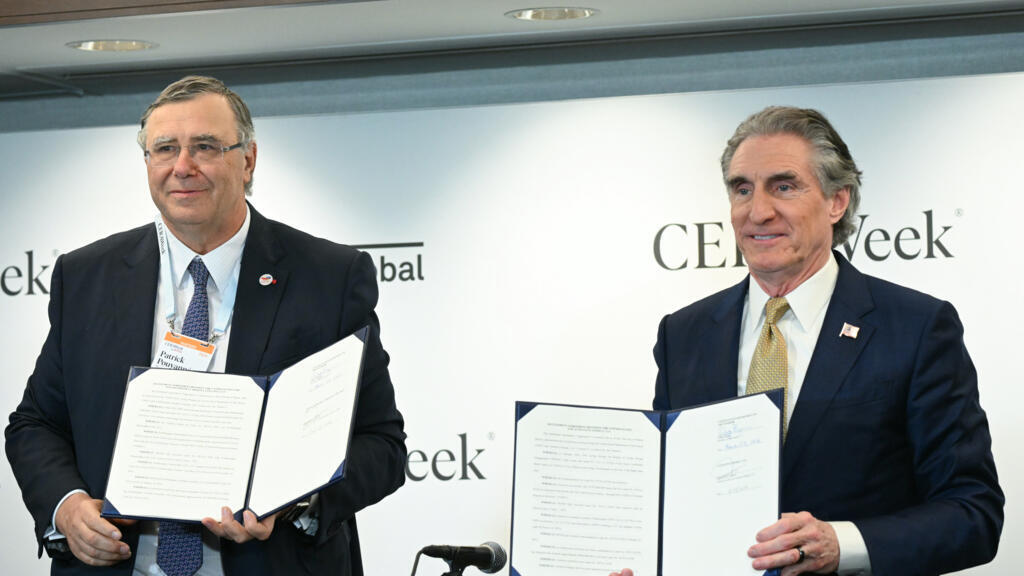
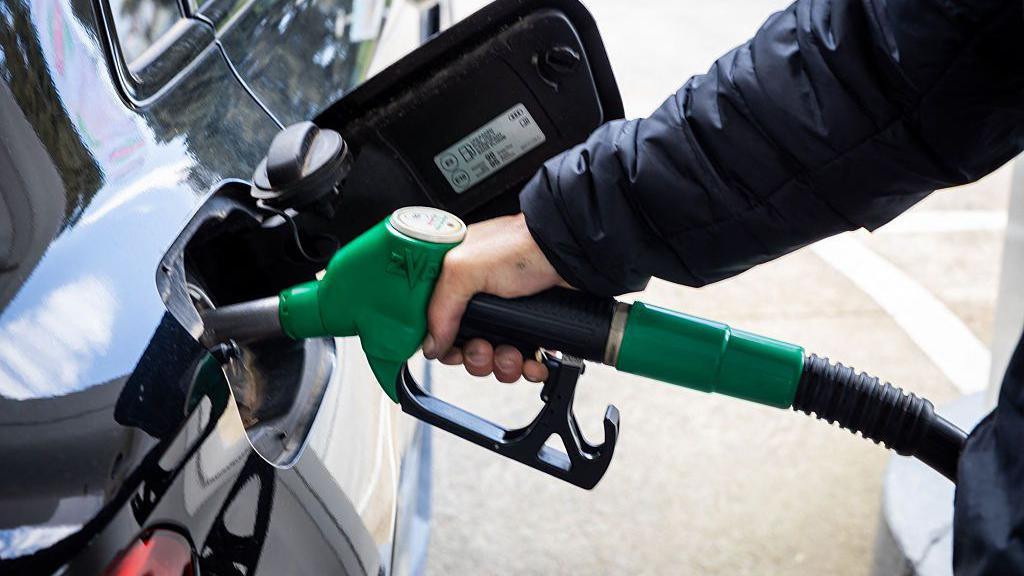
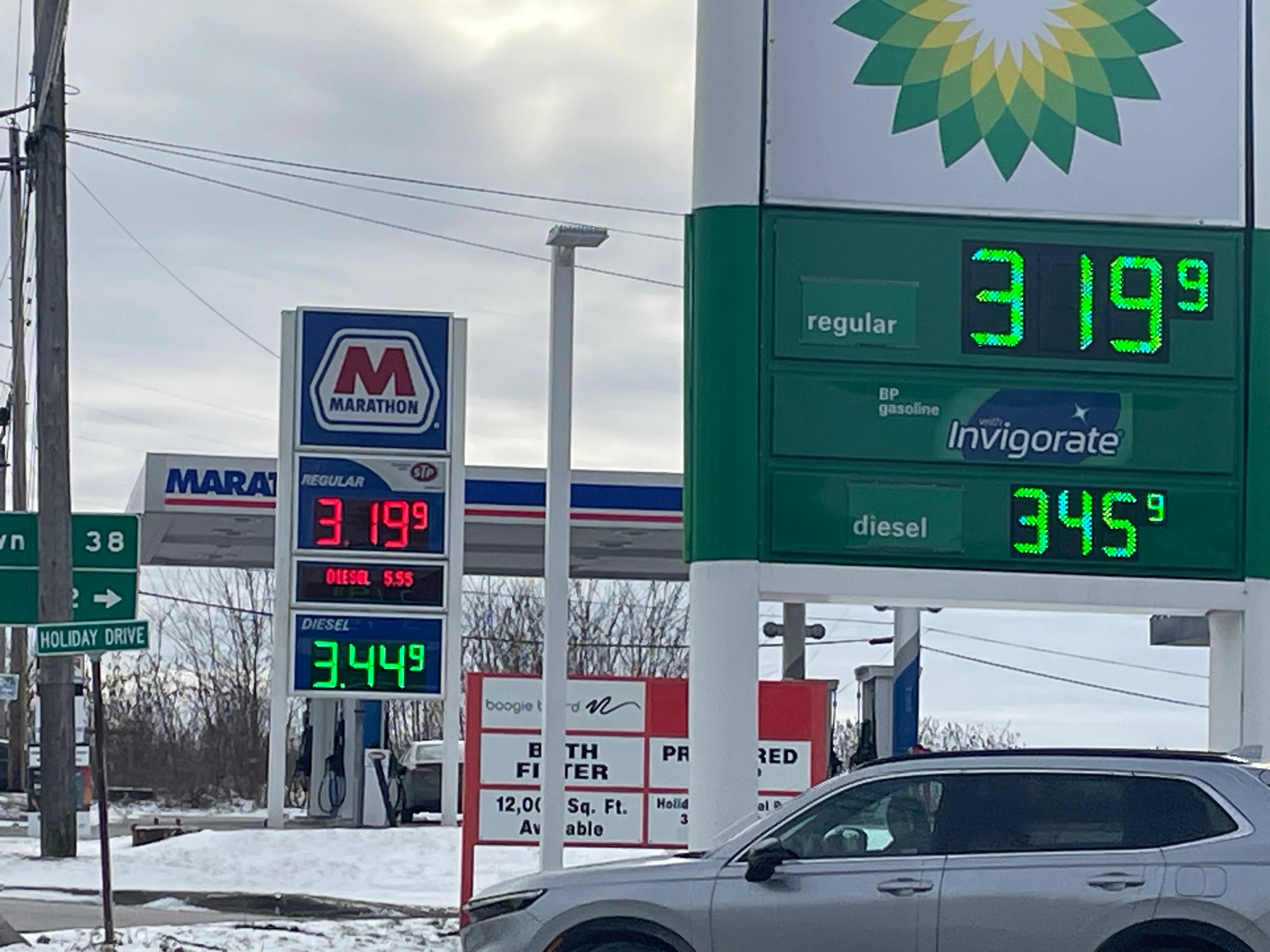
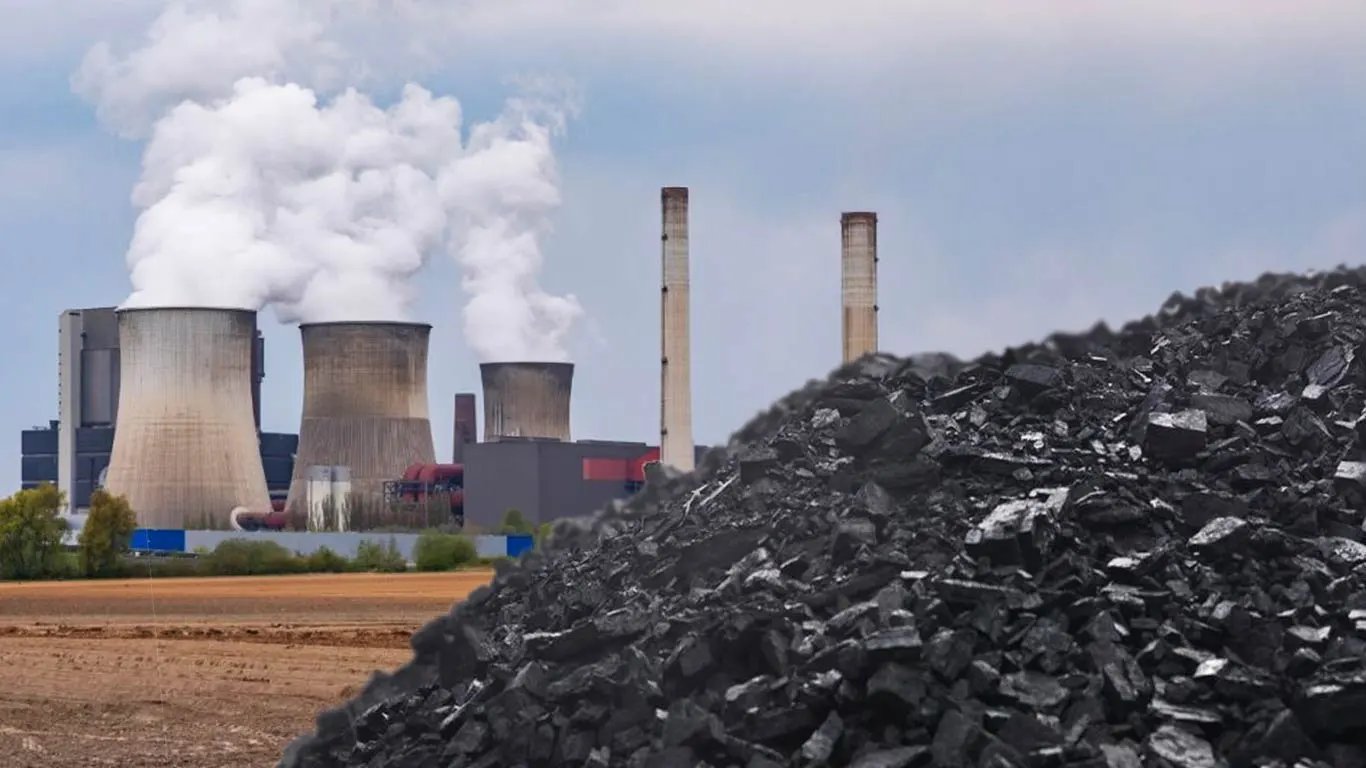
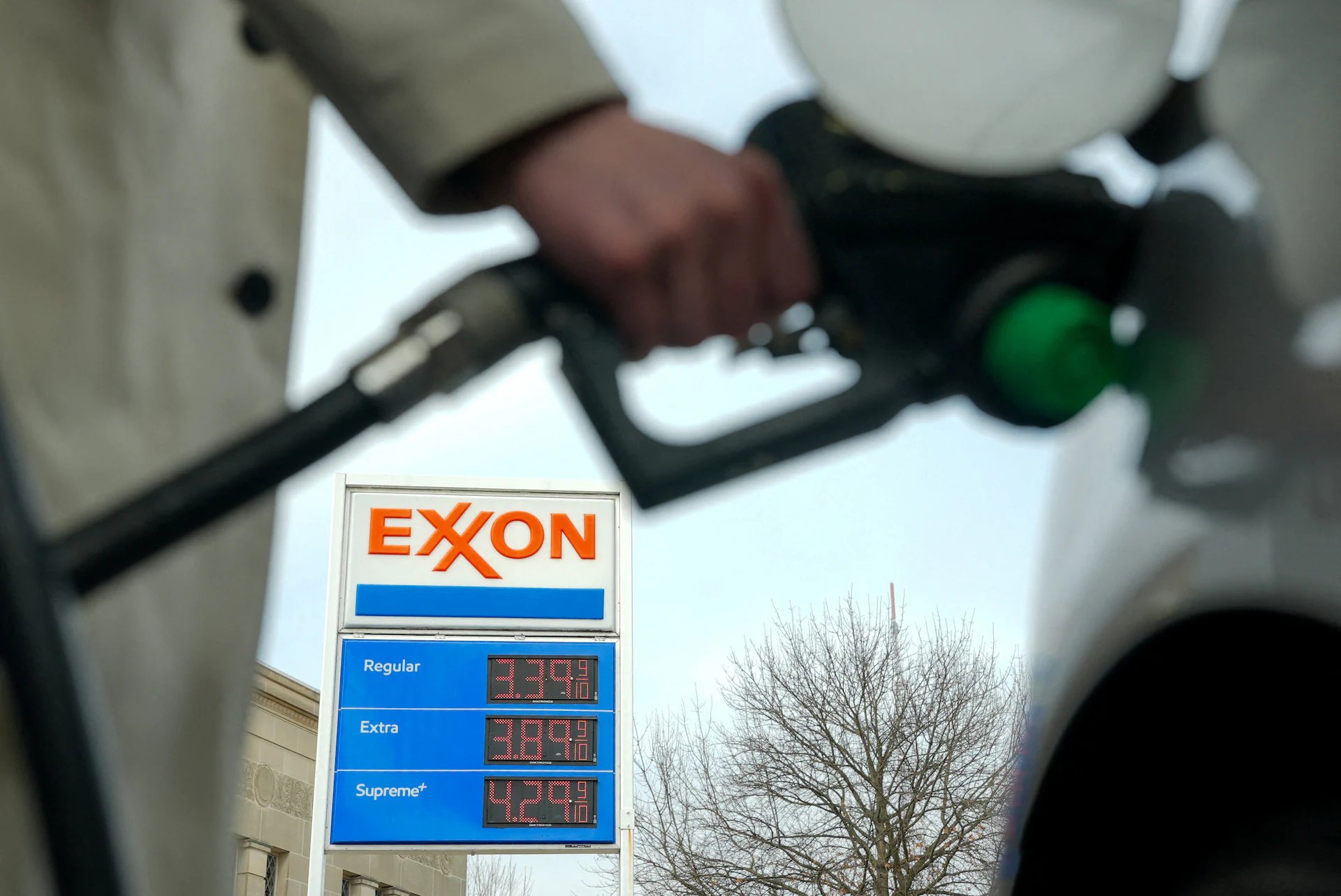
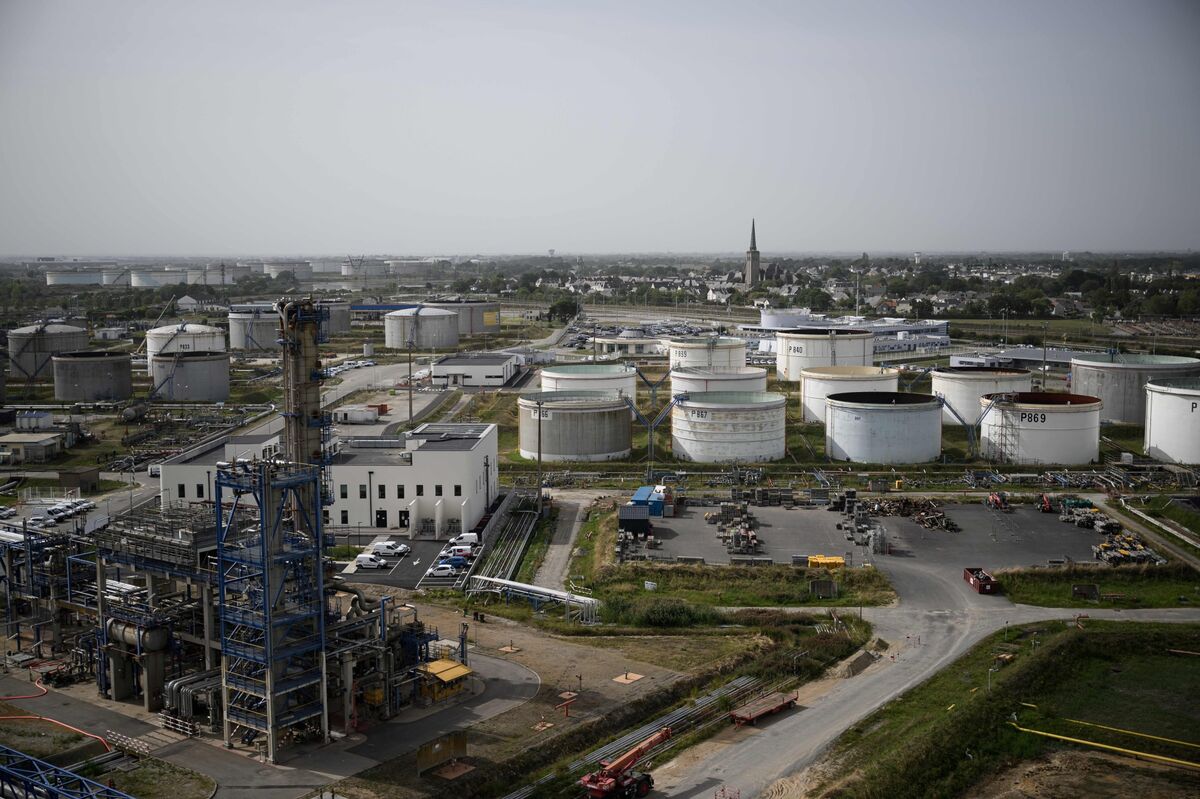
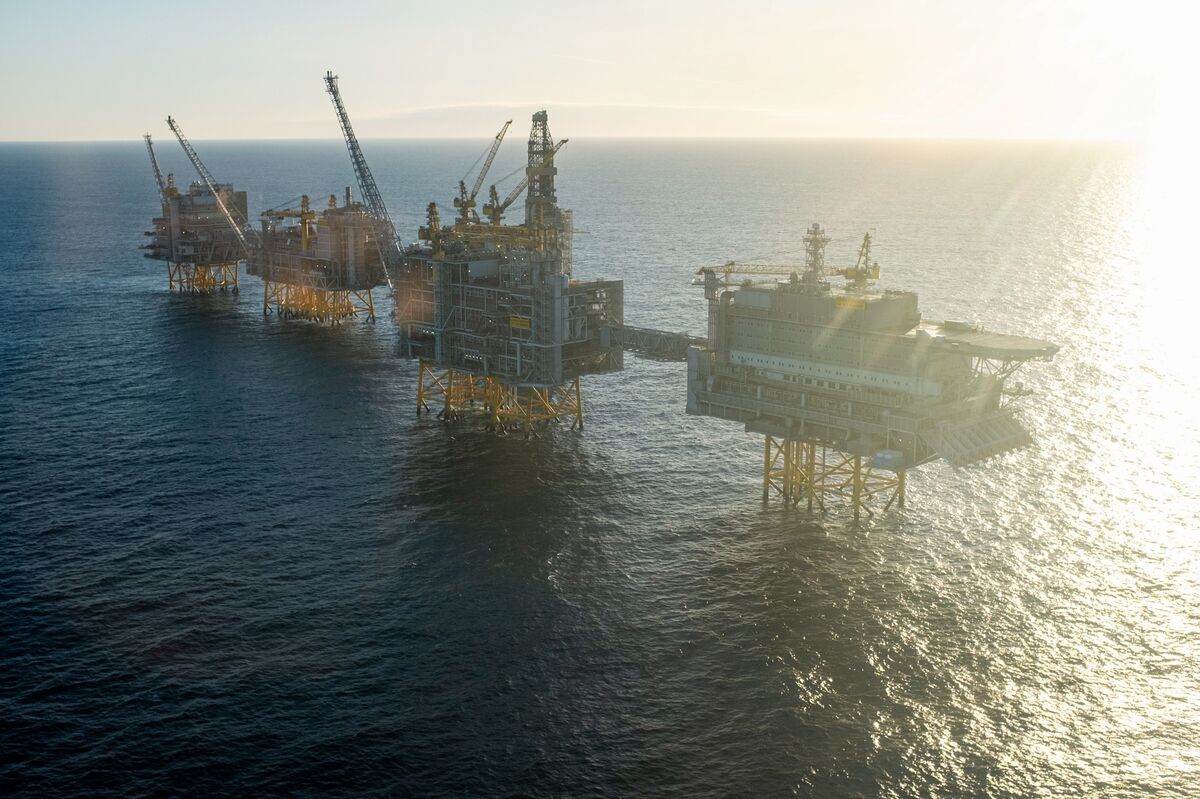
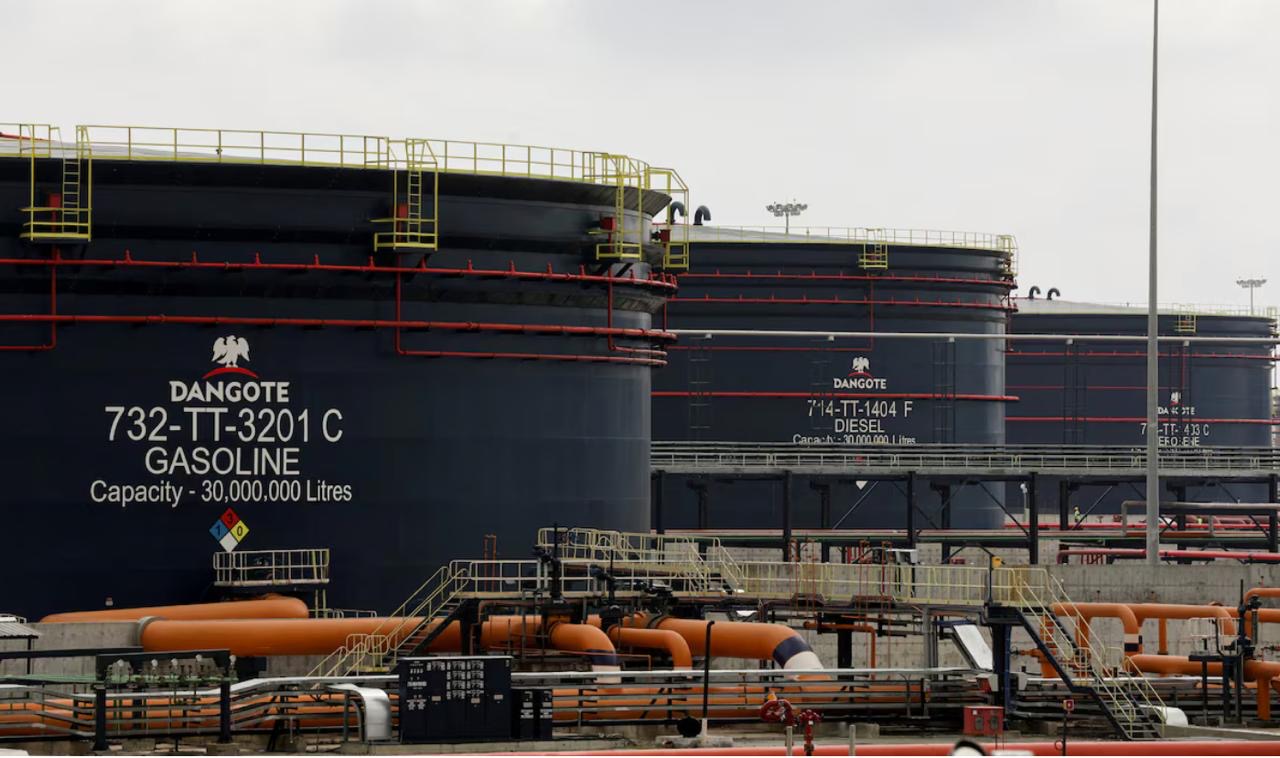
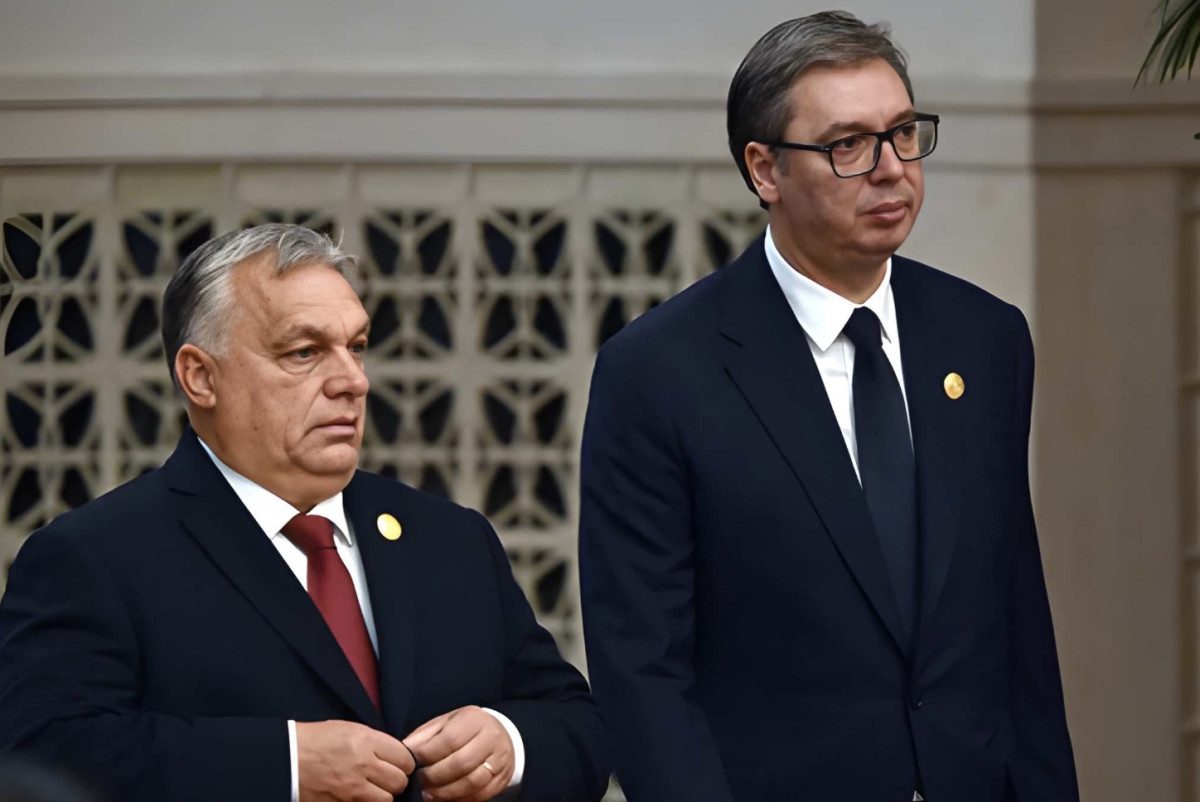
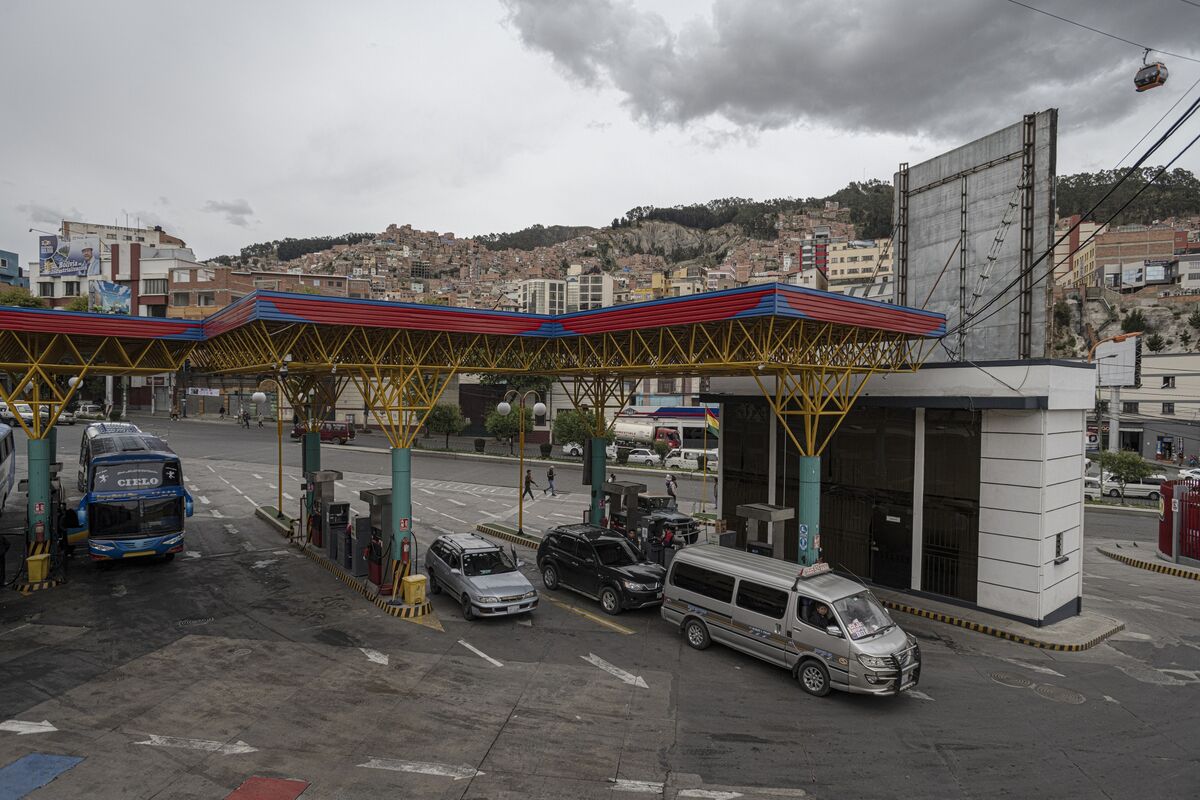
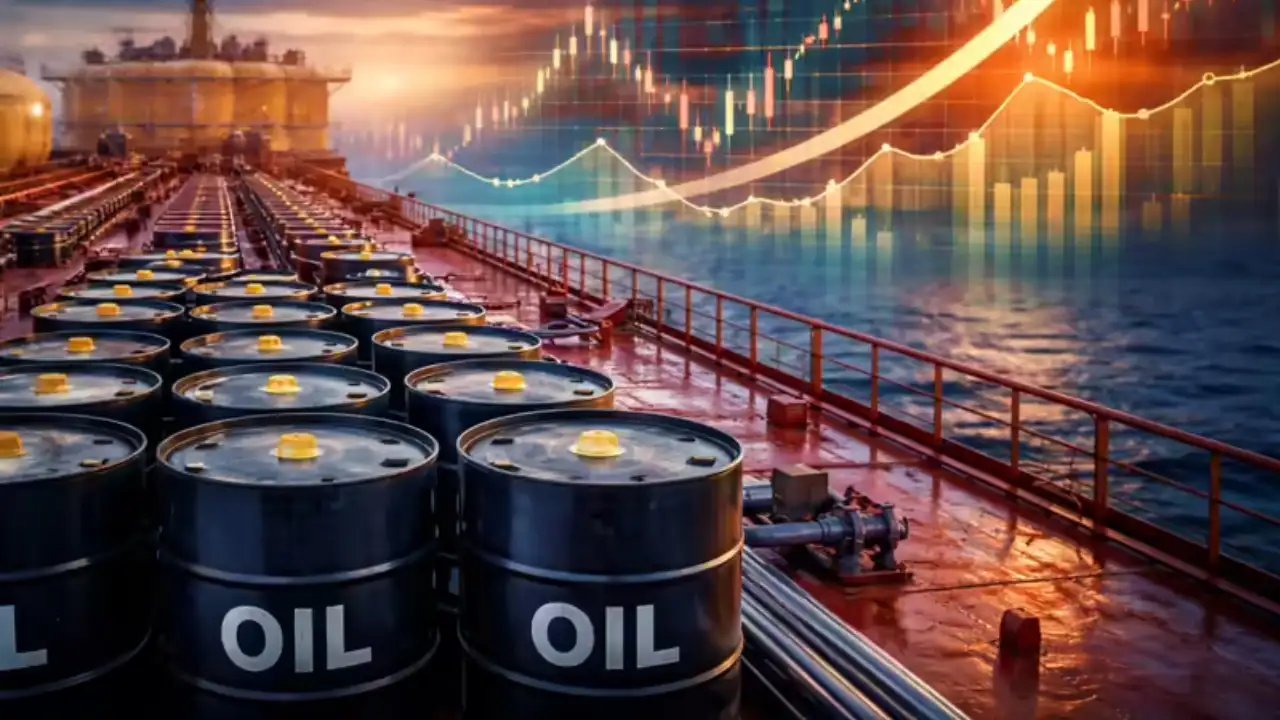
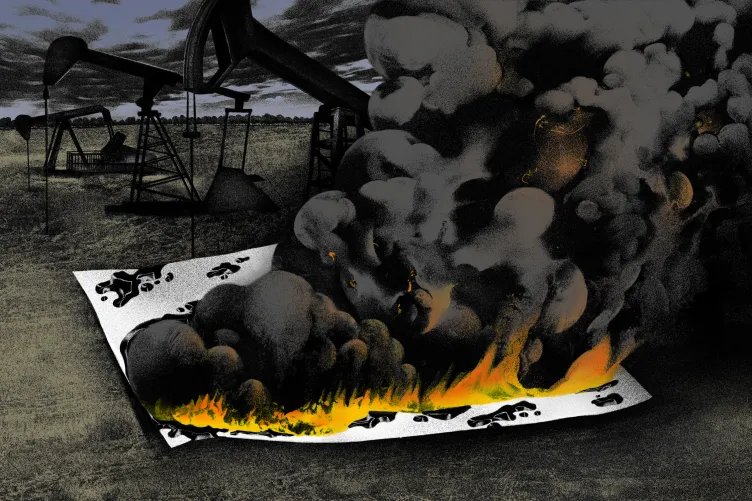
German drivers paid a record €2.39 for a liter of diesel on Friday, according to automobile association ADAC, as finance ministers from Germany, Austria, Italy, Portugal and Spain pressed the European Commission to impose a windfall-tax on energy companies. The five ministers, in a joint letter to EU Climate Commissioner Wopke Hoekstra, said the surge—which has pushed European gas prices up more than 70 percent since 28 February—justifies reviving the emergency levy used after Russia's 2022 invasion of Ukraine. They argue the tax would finance direct relief for consumers without adding strain to national budgets.
Ministers cite 2022 precedent: tax funded relief without extra debt
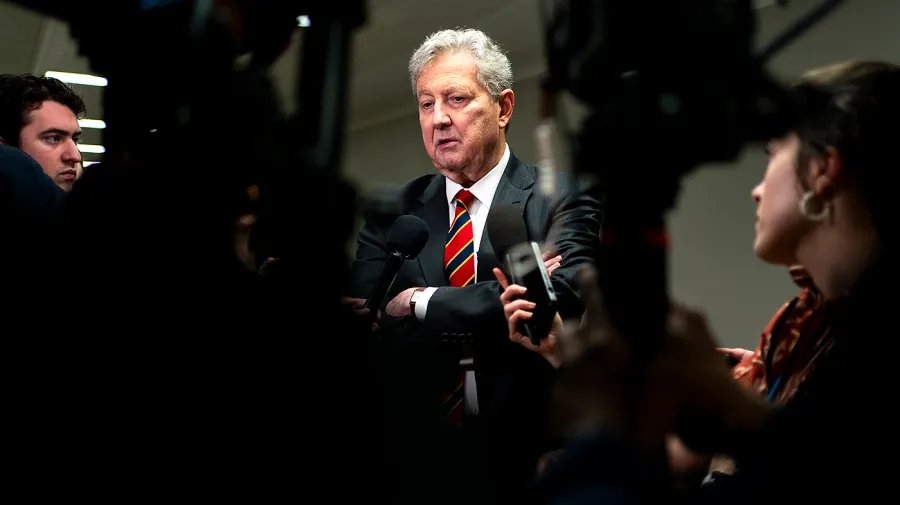
The 2022 package the ministers want replicated capped gas prices, set mandatory demand-reduction targets and, crucially, skimmed "windfall profits" from firms that benefited from price spikes. "Given the current market distortions and fiscal constraints, the European Commission should swiftly develop a similar EU-wide contribution instrument grounded on a solid legal basis," they wrote. EU Energy Commissioner Dan Jorgensen has already confirmed the bloc is weighing comparable steps.
Tehran's Strait of Hormuz closure drives global ripple beyond oil importers
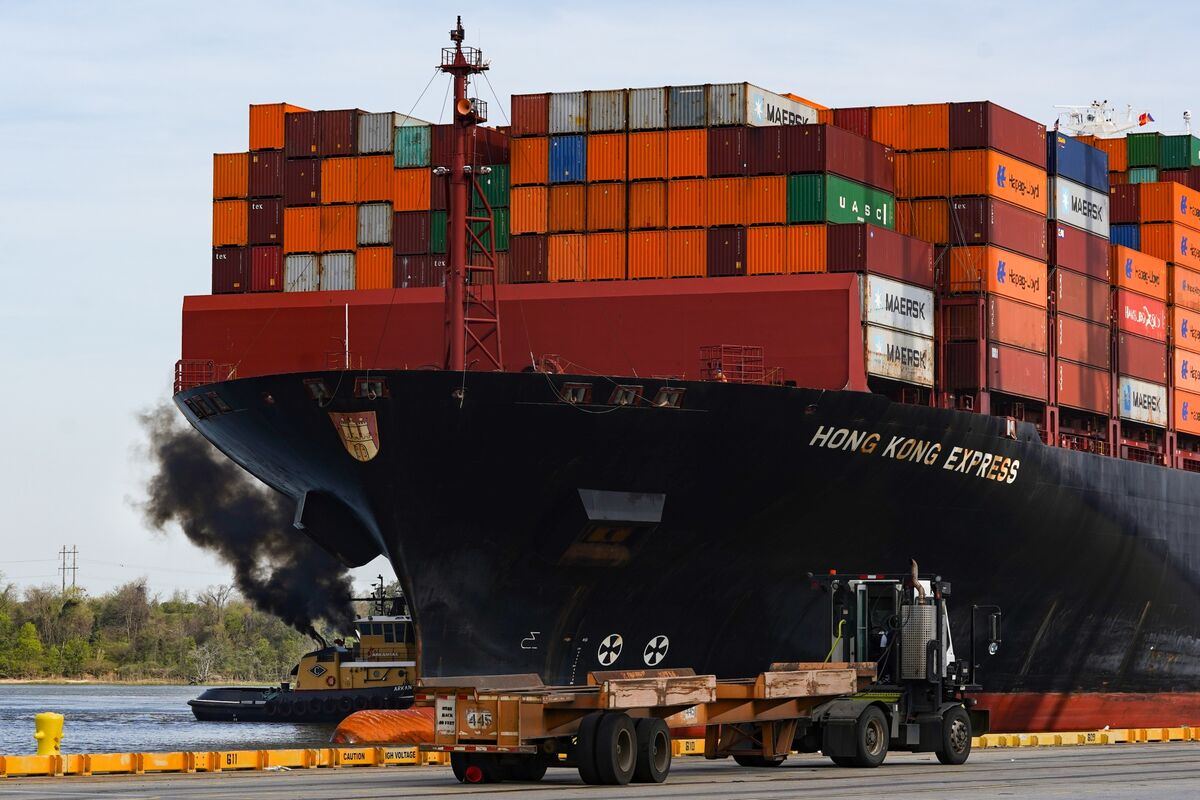
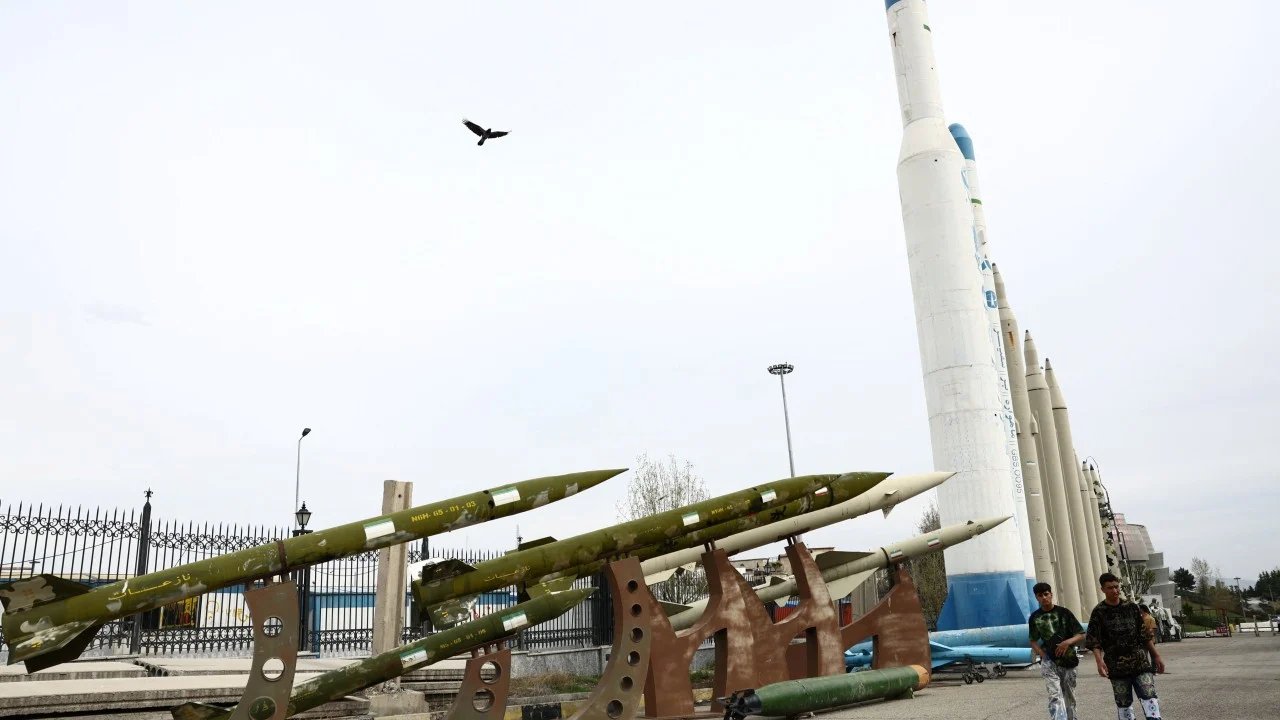
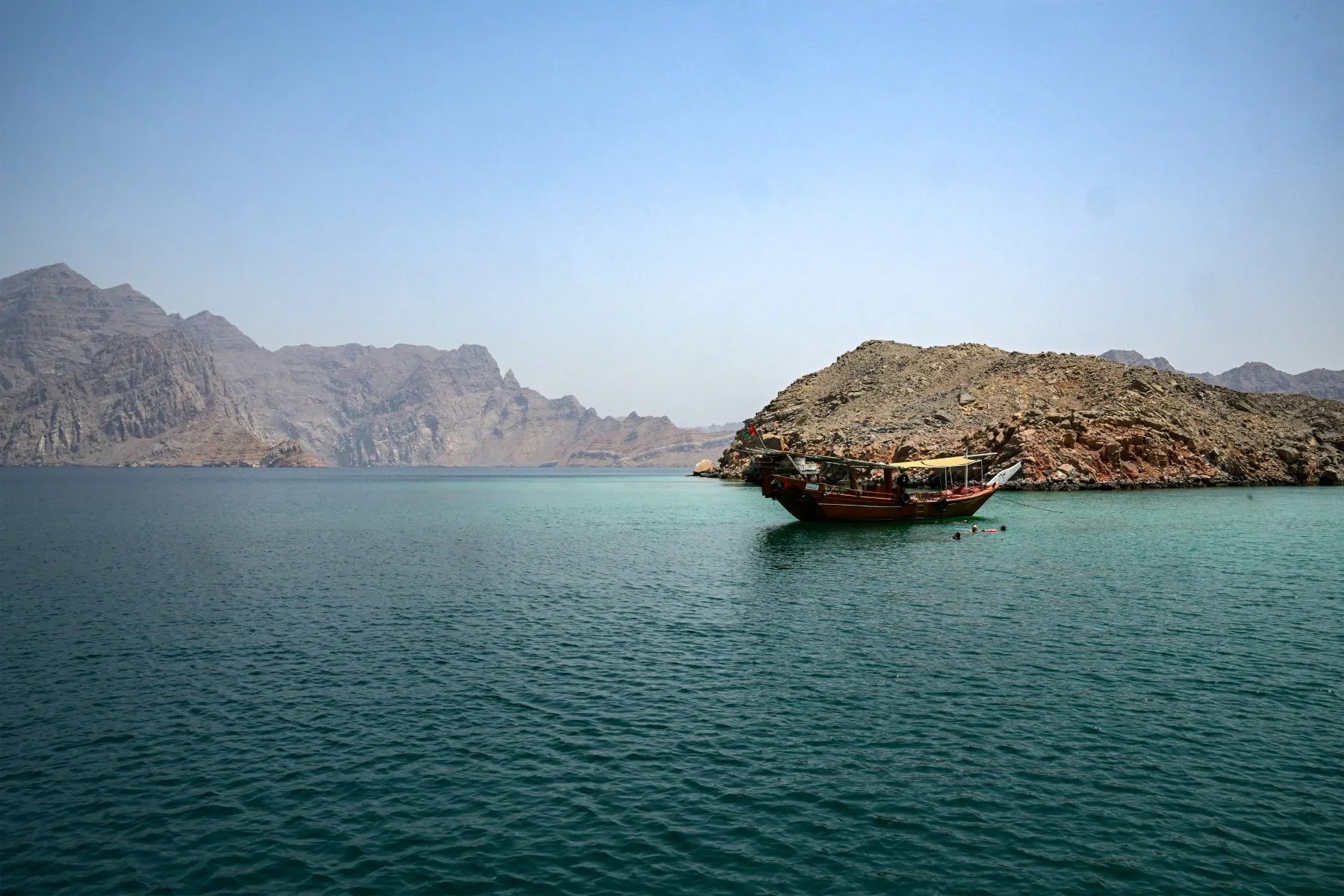
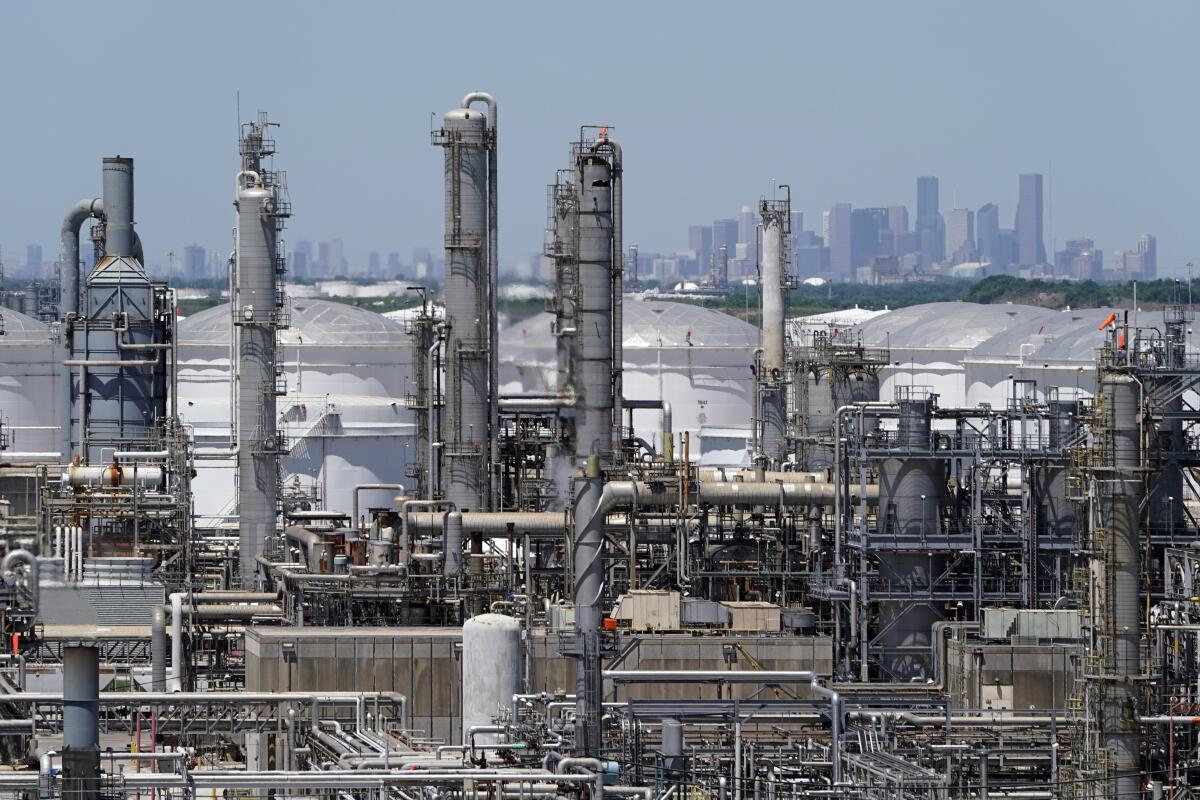
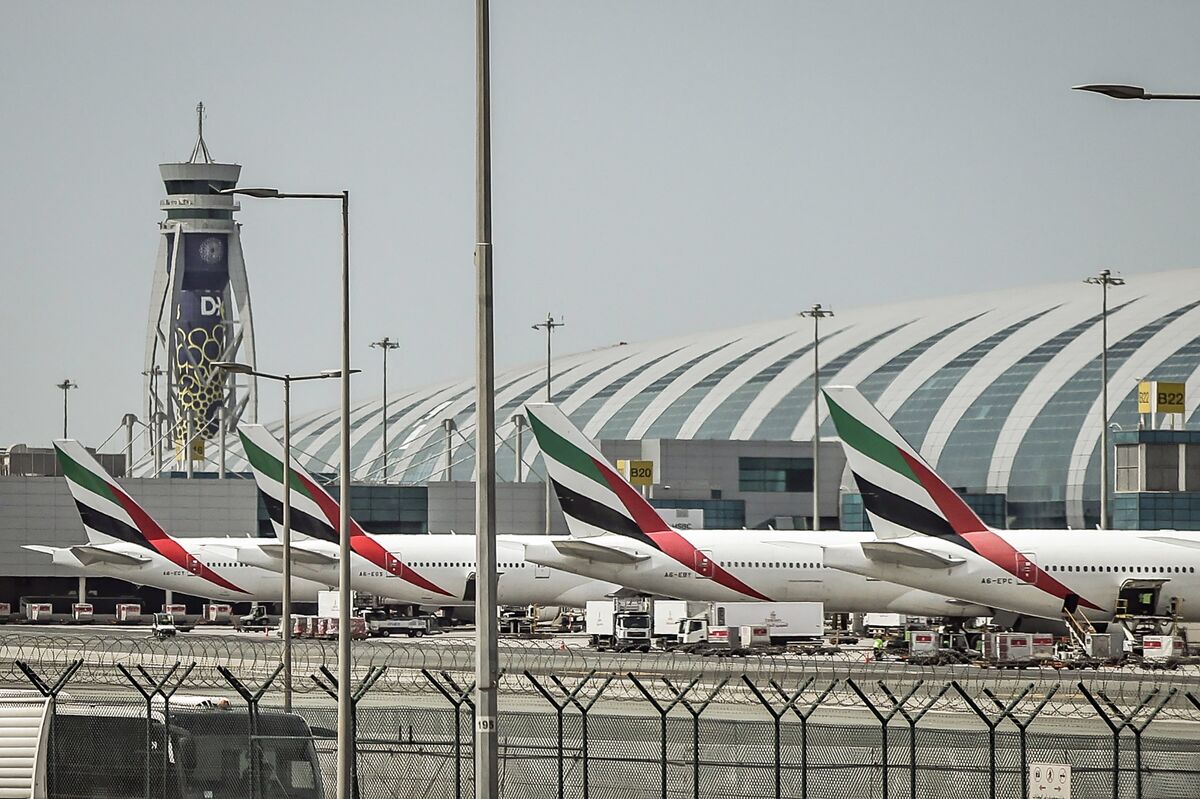
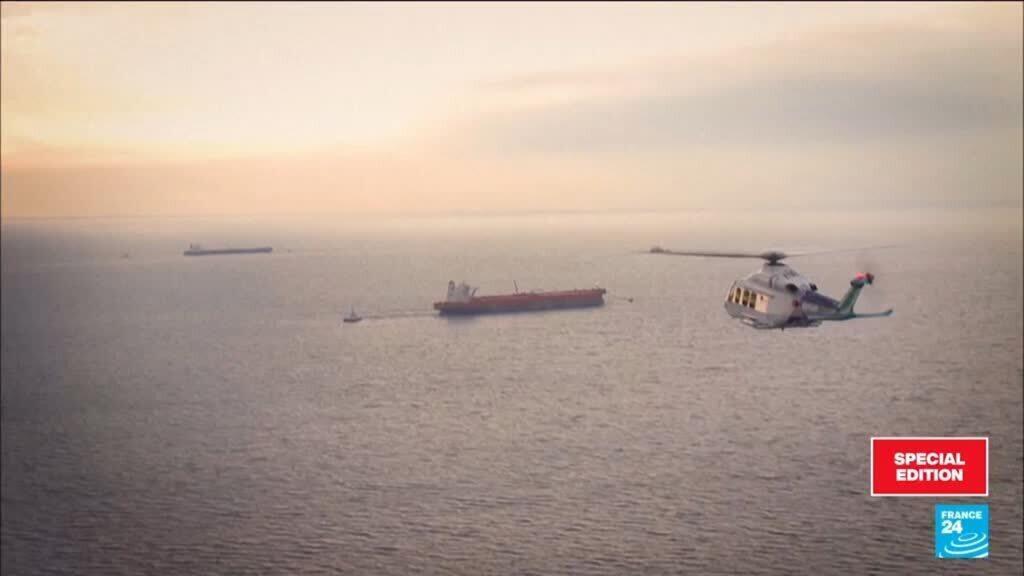
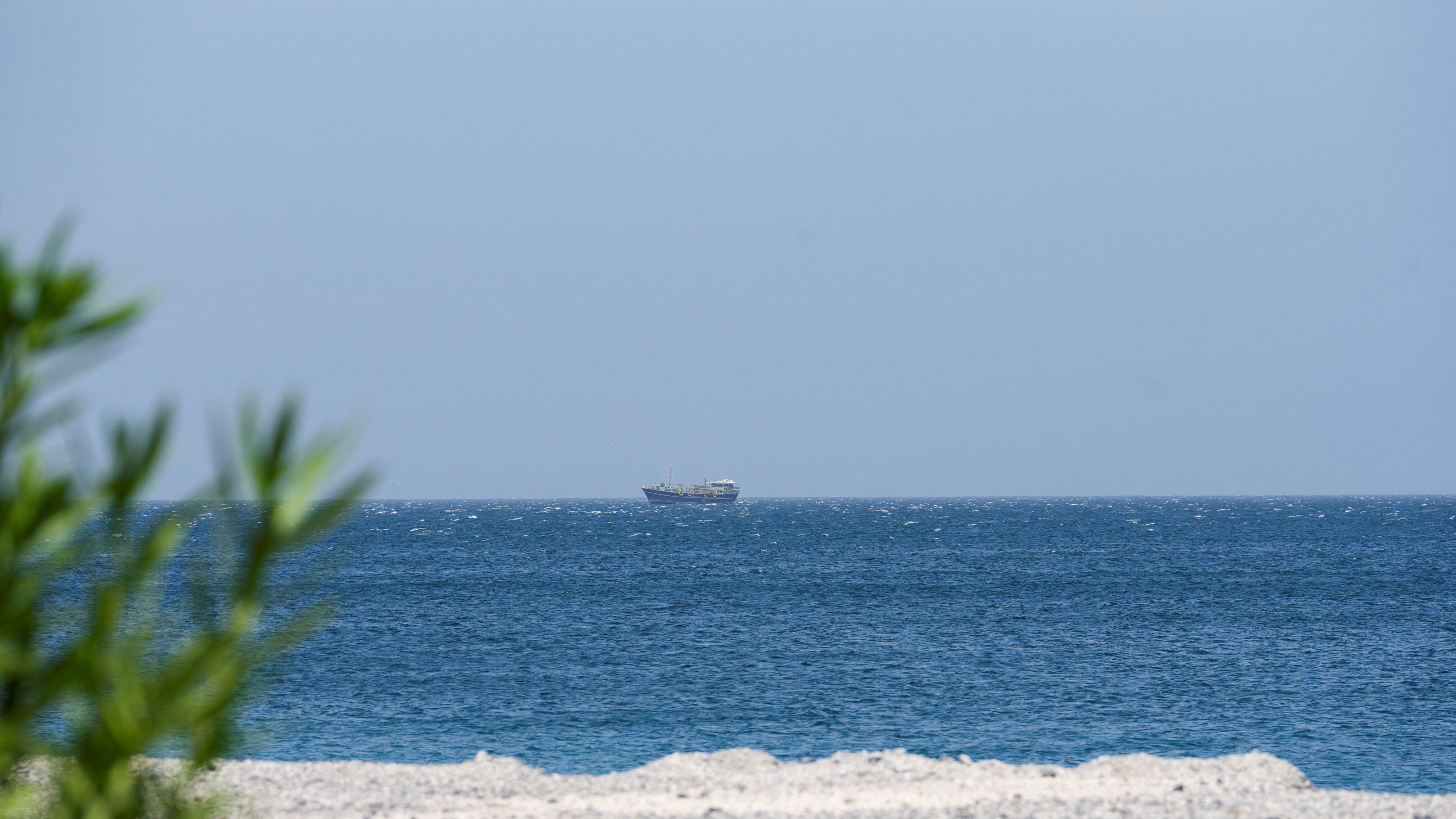
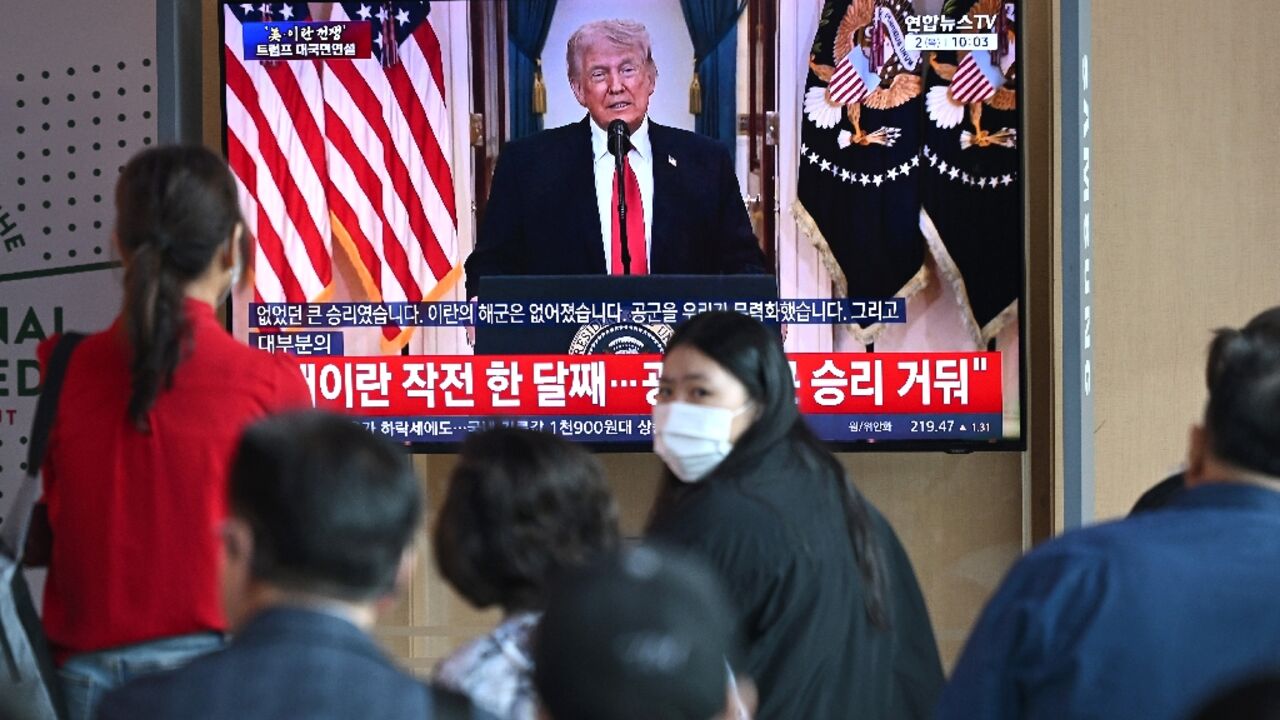
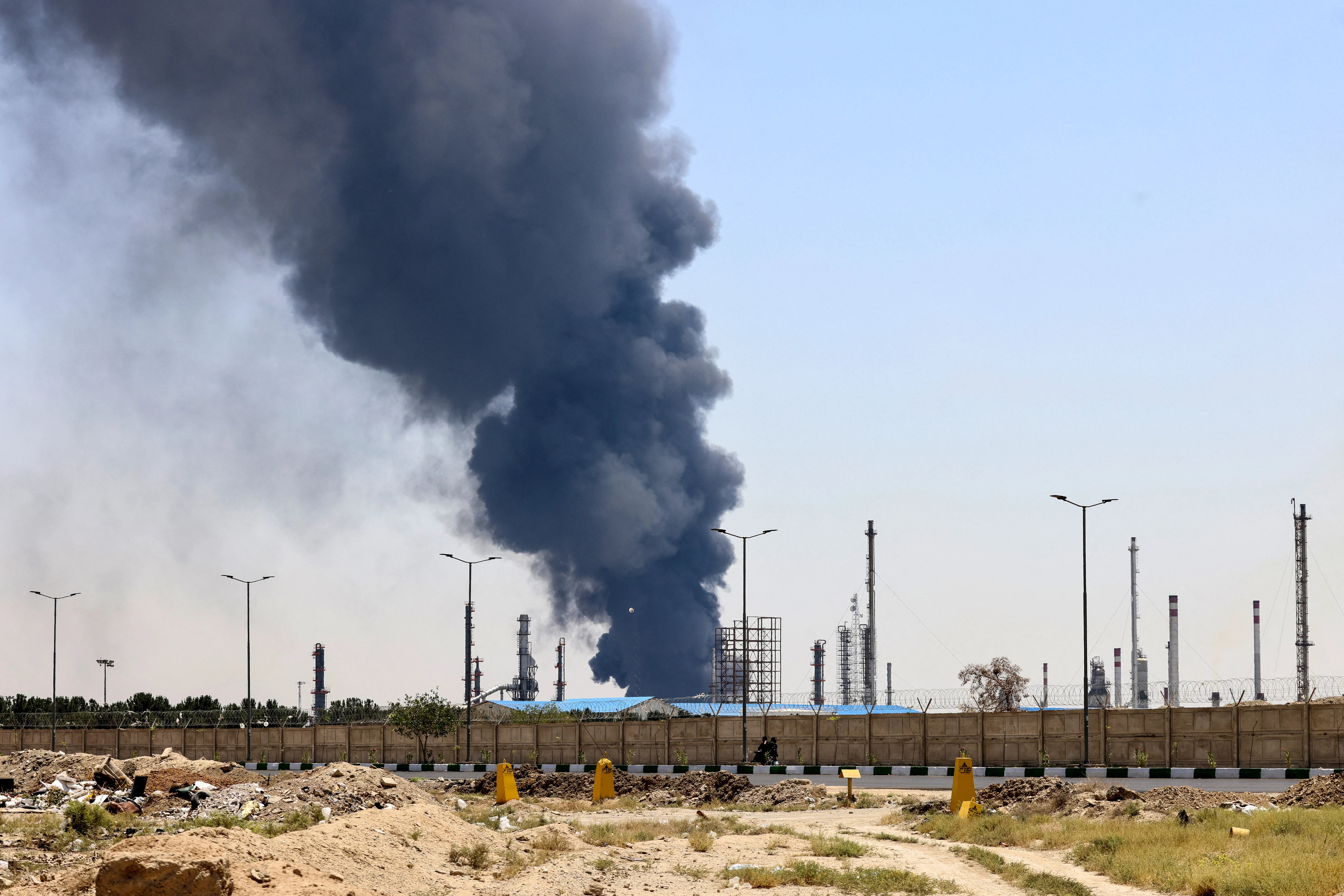
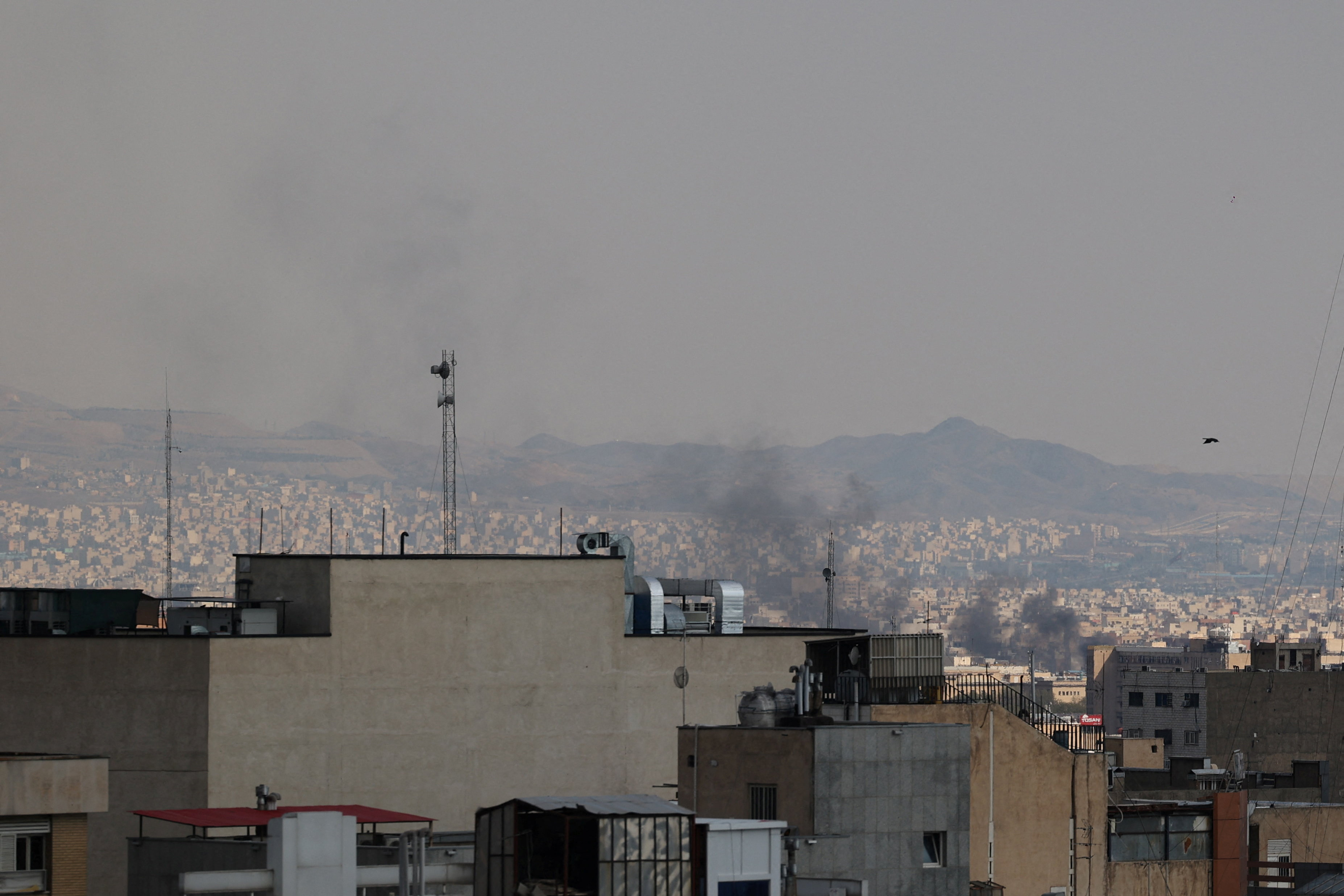
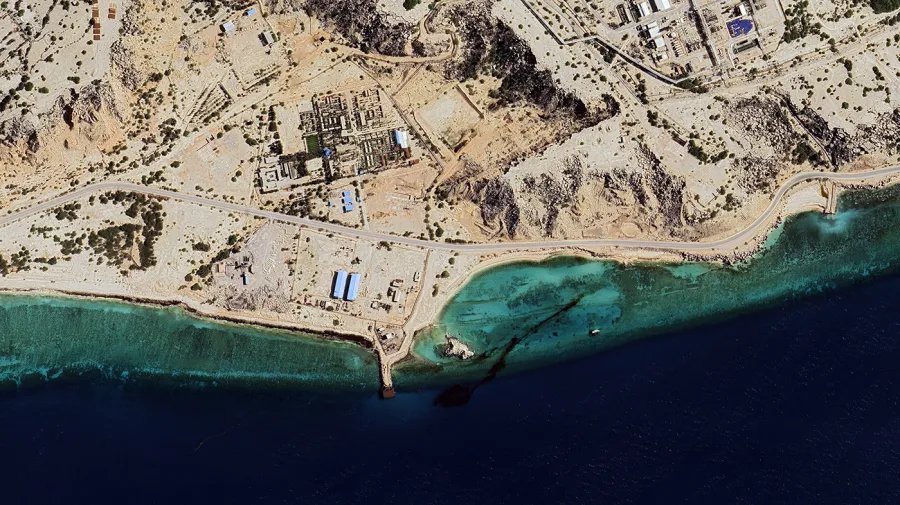
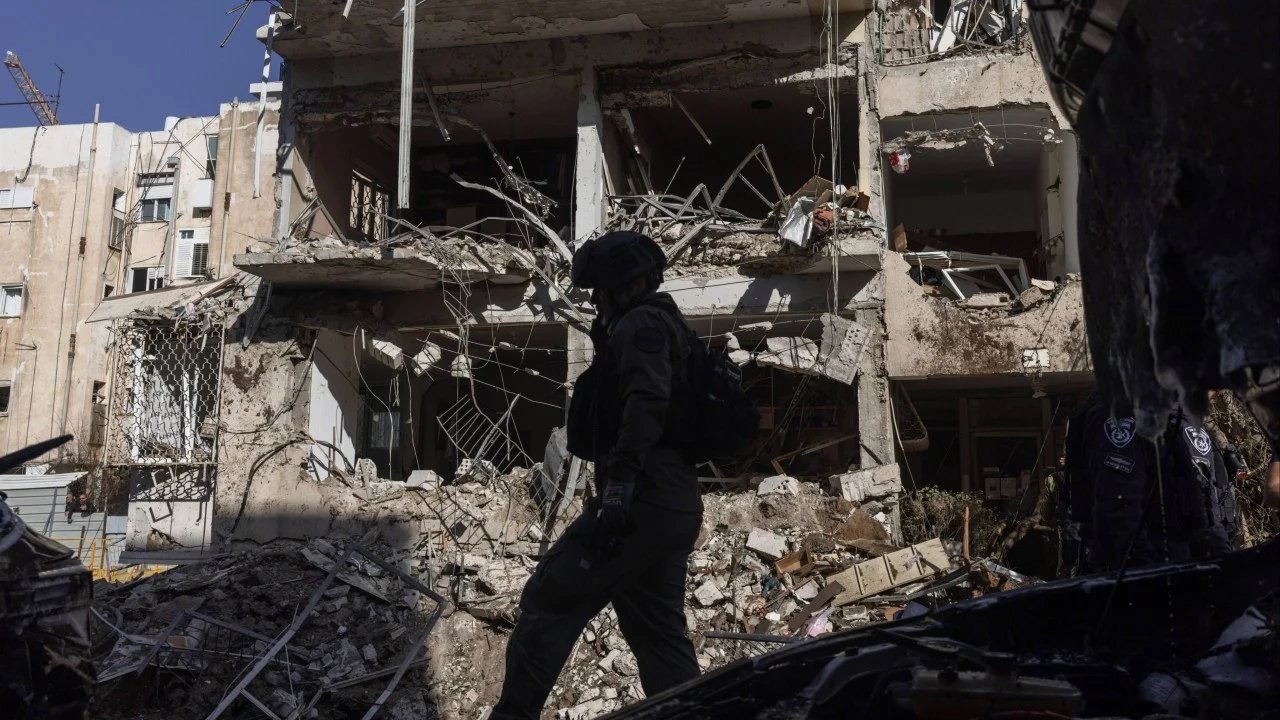
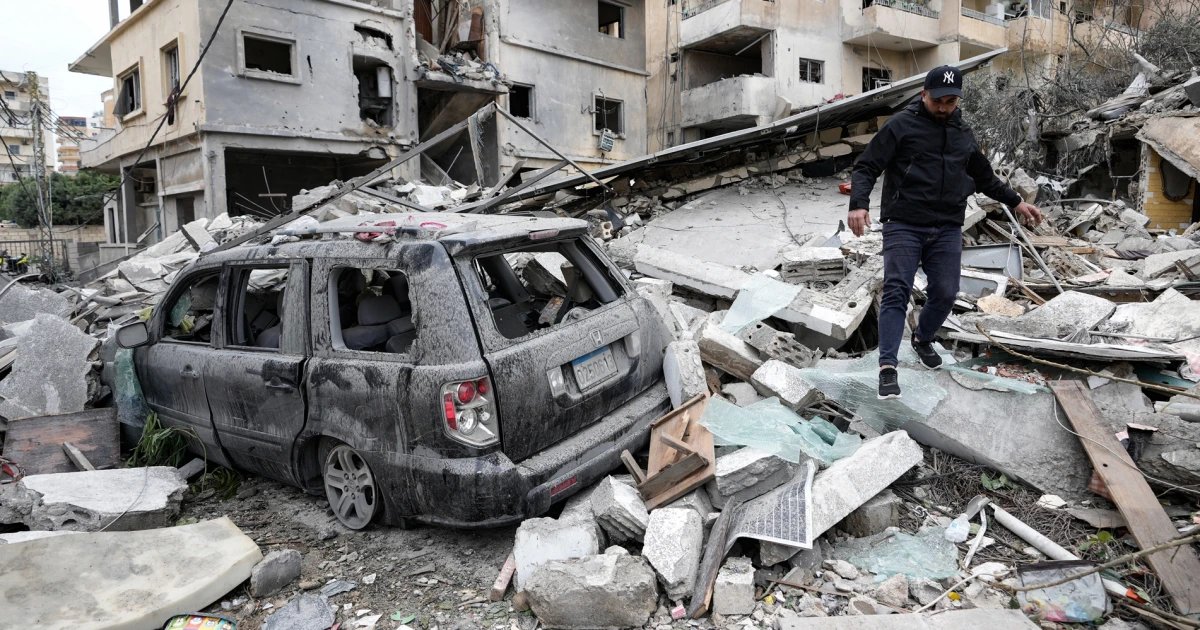
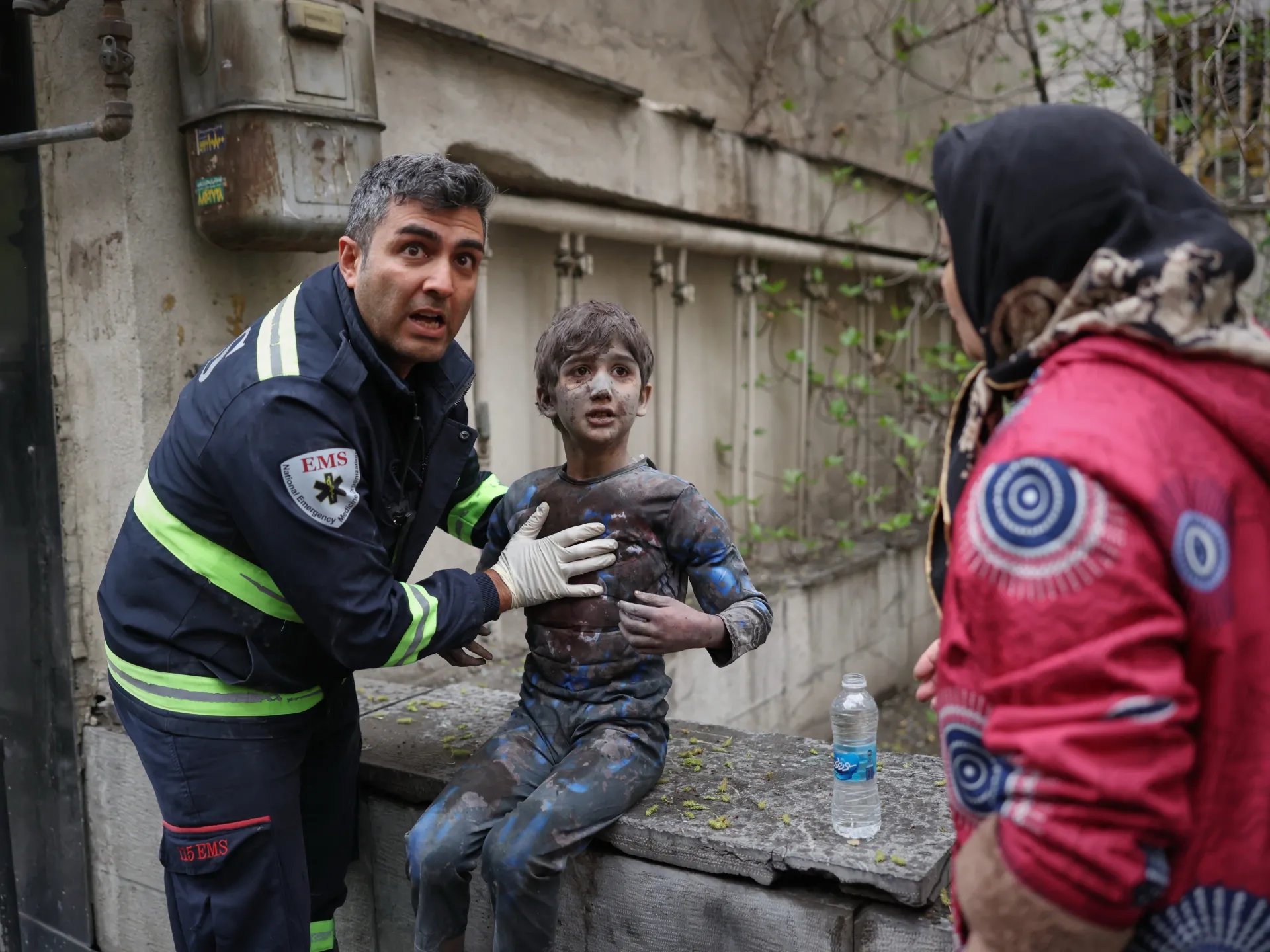
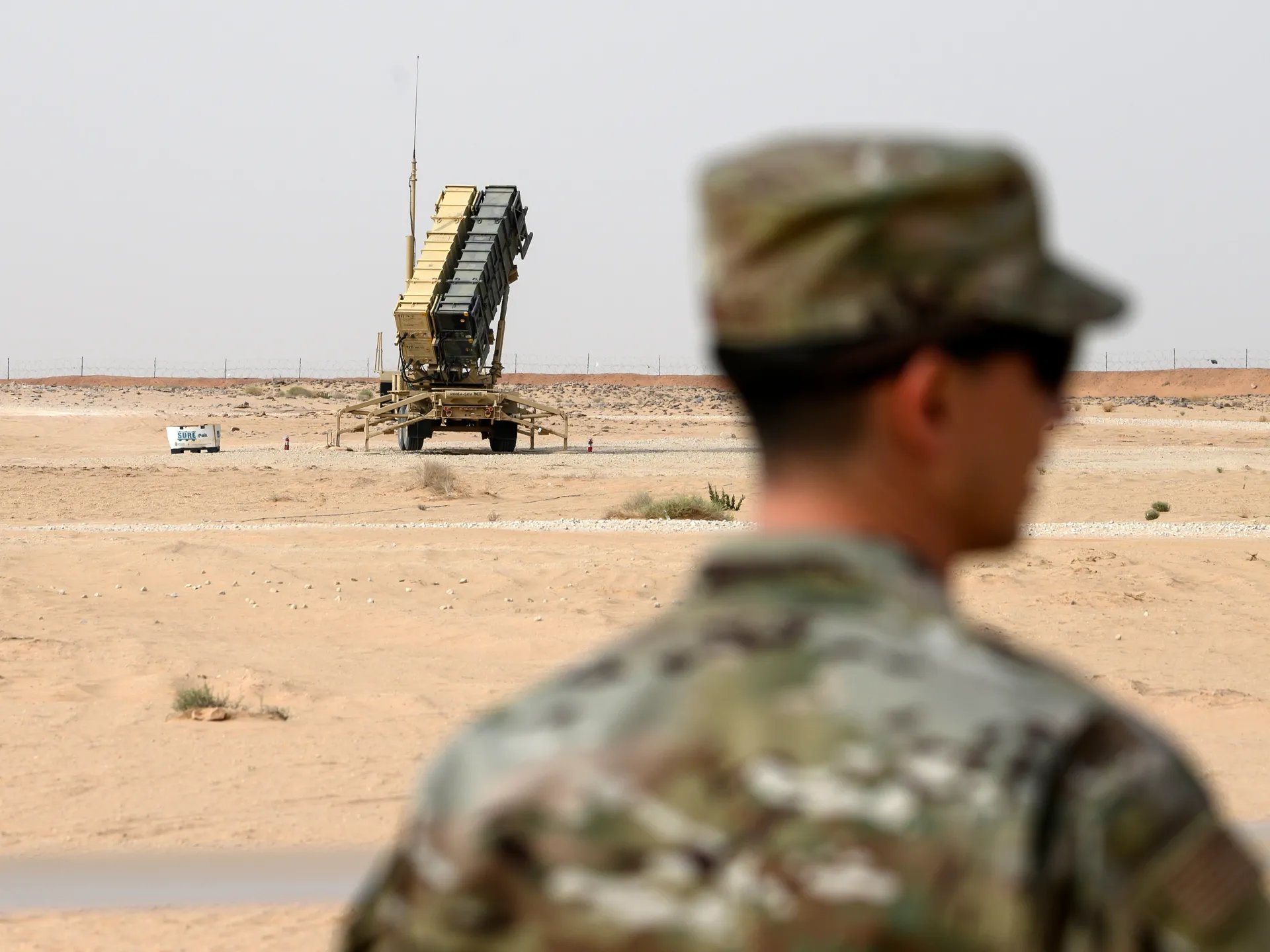
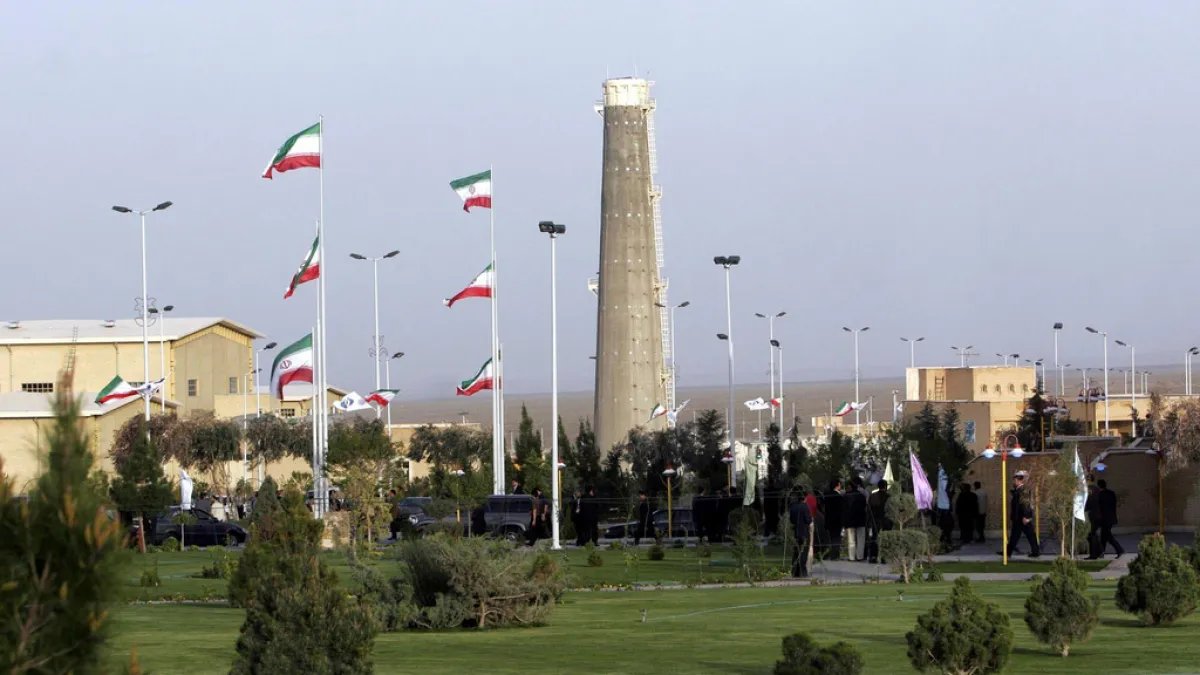
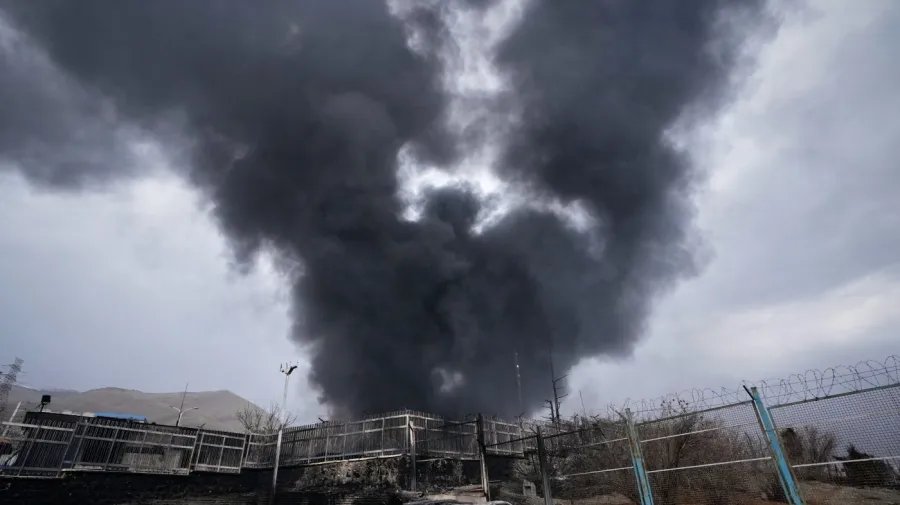
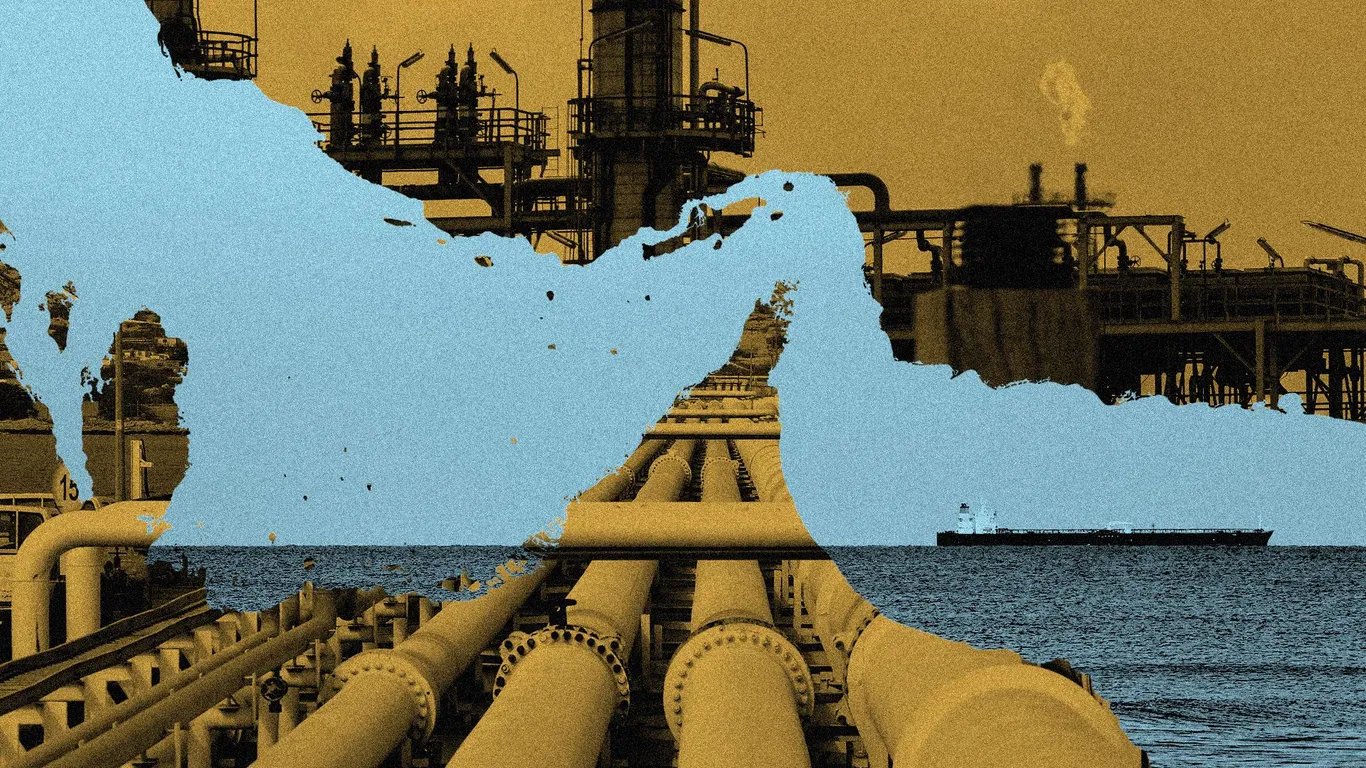
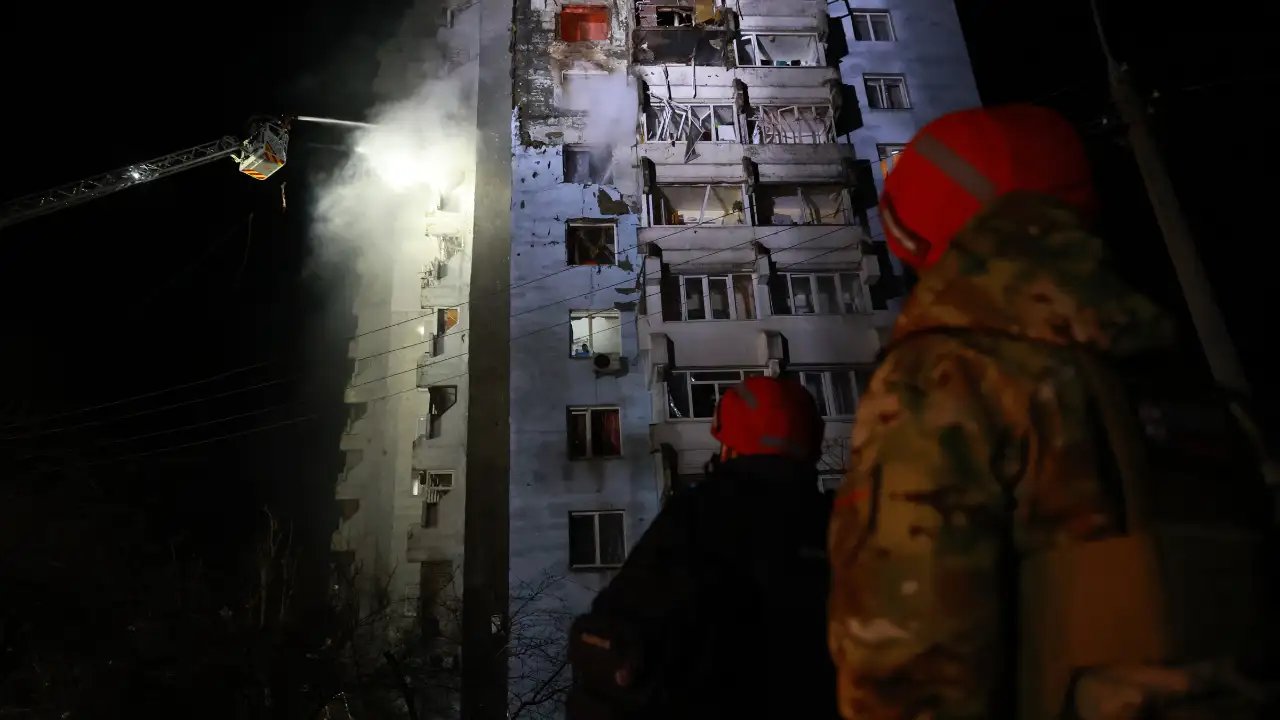
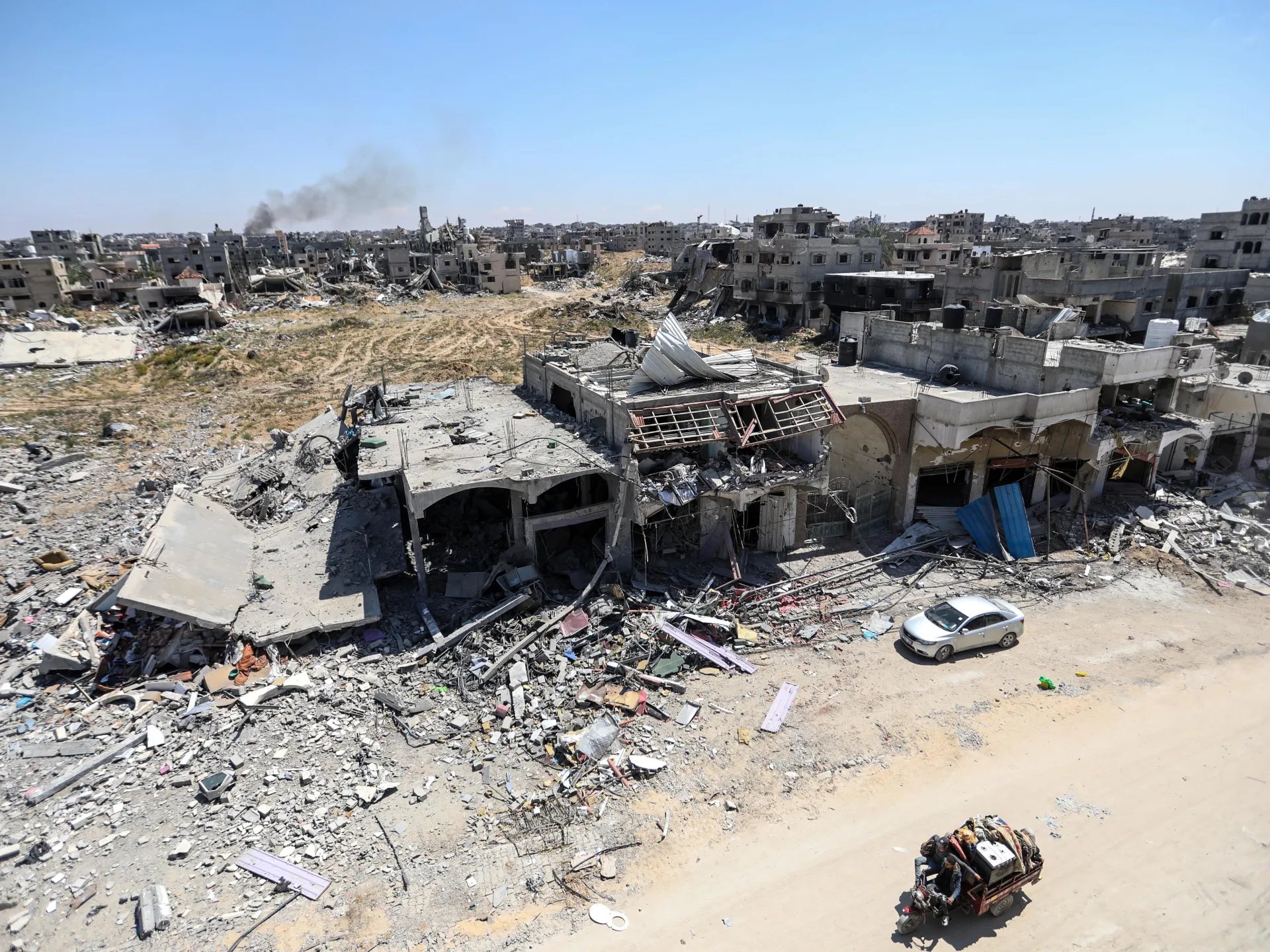
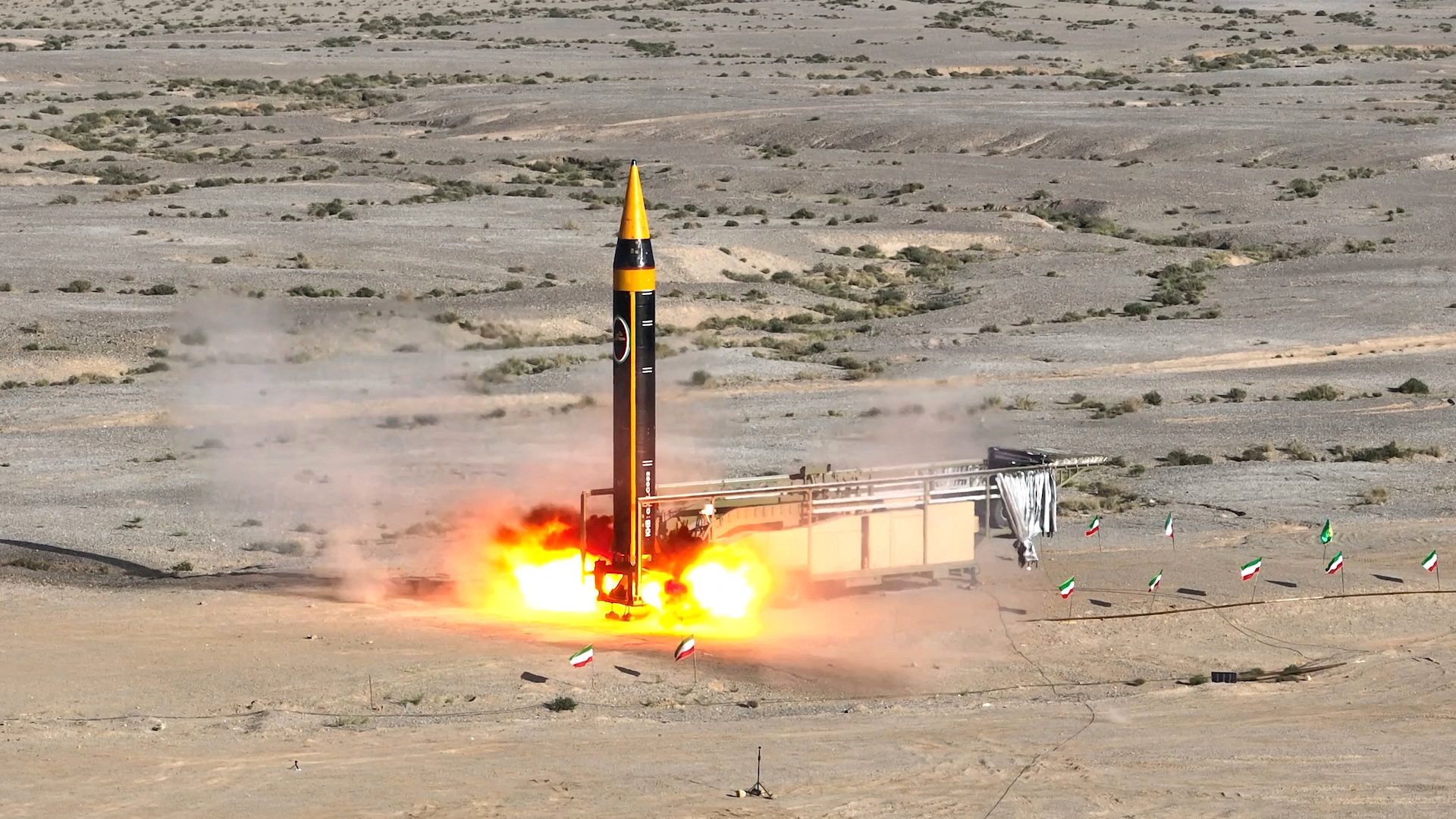
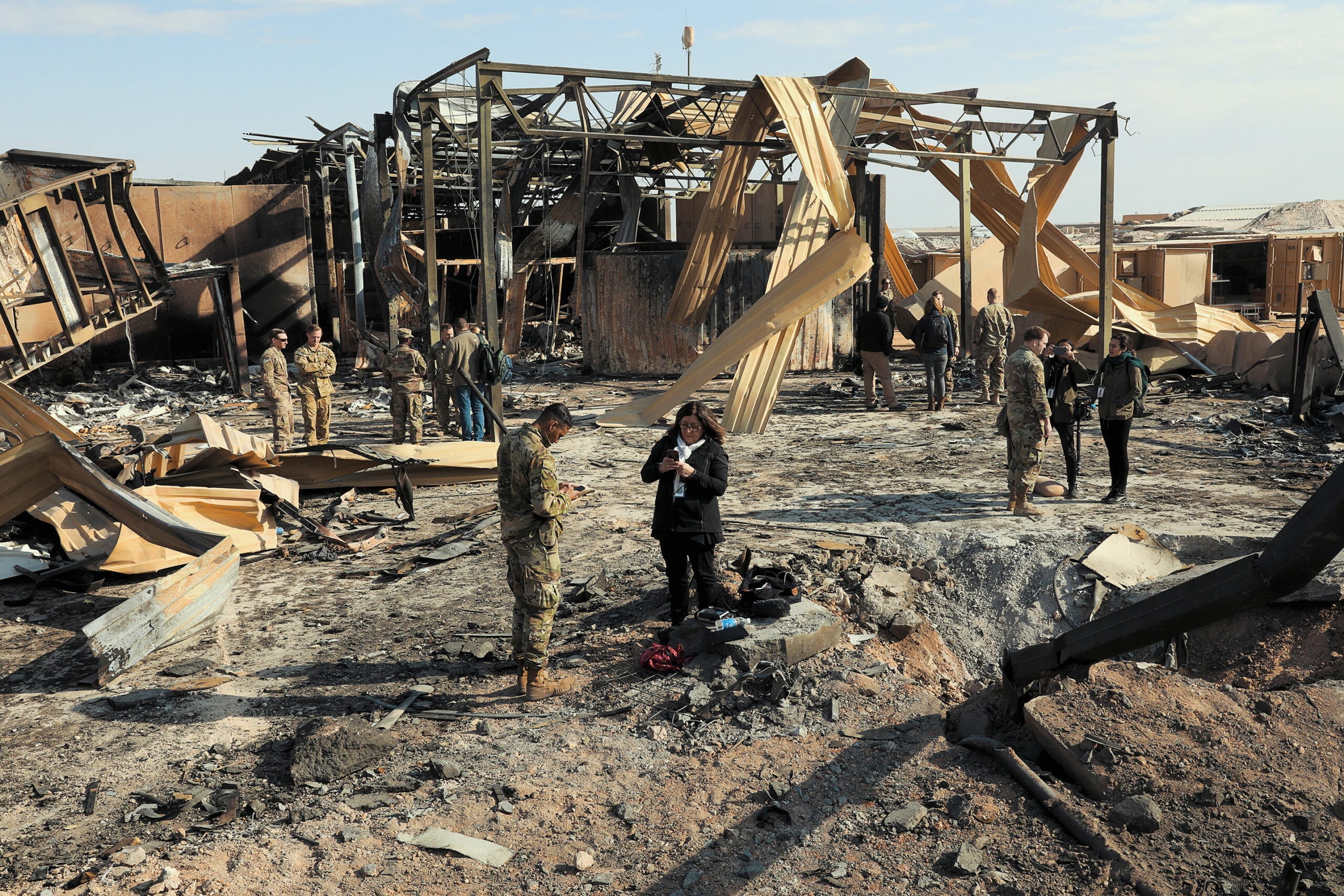
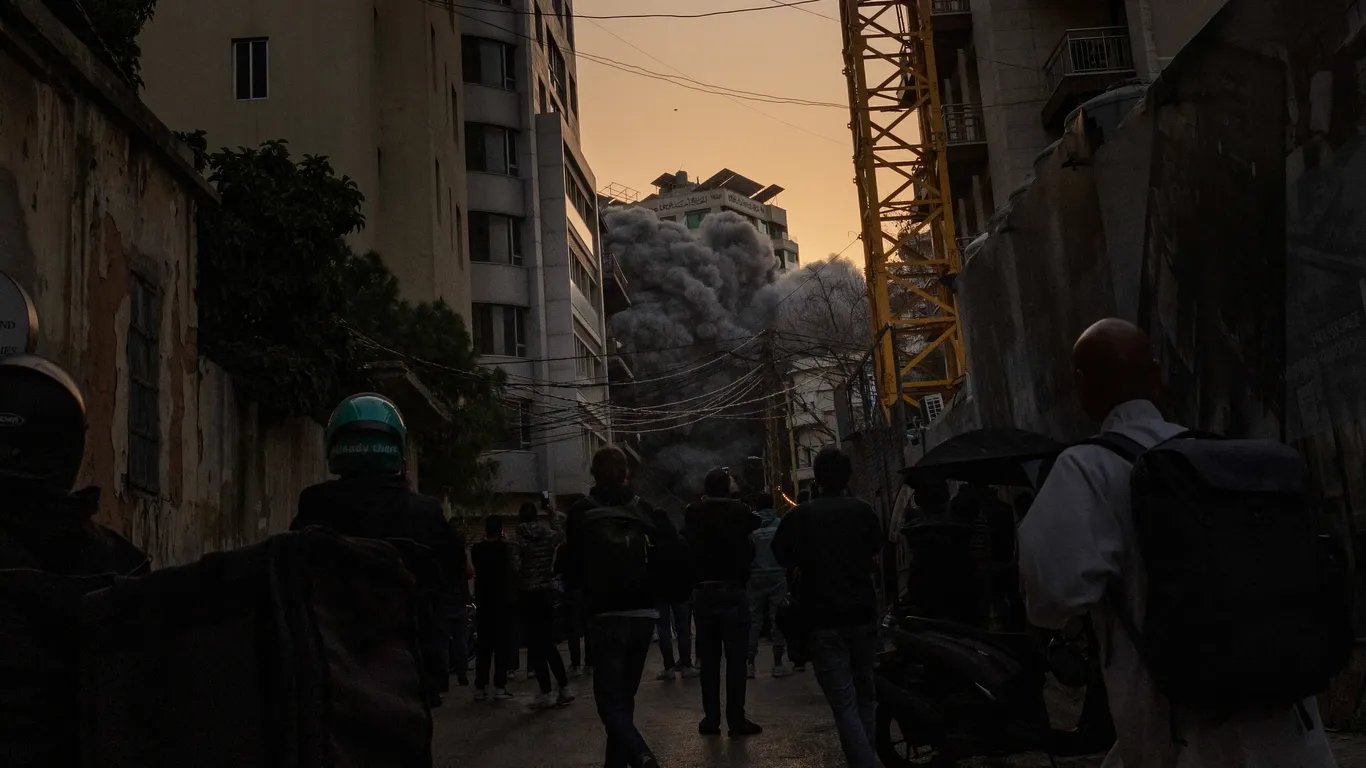
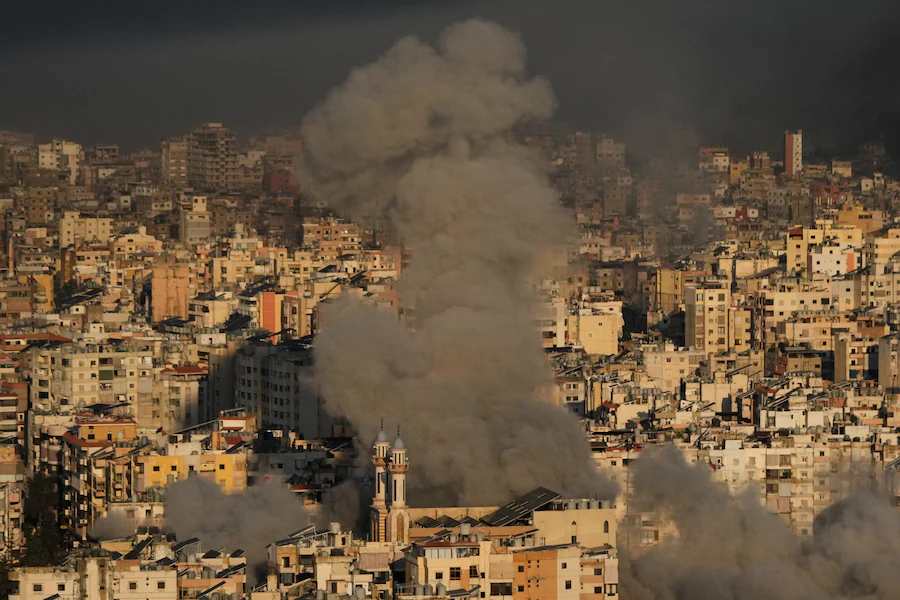
Iran's retaliatory closure of the Strait of Hormuz, a response to US and Israeli strikes, has choked off a key supply route and sent shockwaves through global markets. Even countries that do not rely on shipments through the chokepoint are seeing prices climb, highlighting the interconnected nature of the fossil-fuel system the EU still depends on despite rapid renewable expansion. European consumers, already squeezed, face inflationary pressure as transportation and heating costs rise.
Letter frames levy as solidarity signal: "we stand united and are able to take action"
The ministers' letter insists a windfall tax would "send a clear message that those who profit from the consequences of the war must do their part to ease the burden on the general public." By targeting surplus profits rather than general taxation, they say governments can curb inflation and protect households without breaching EU deficit rules or hiking national levies.








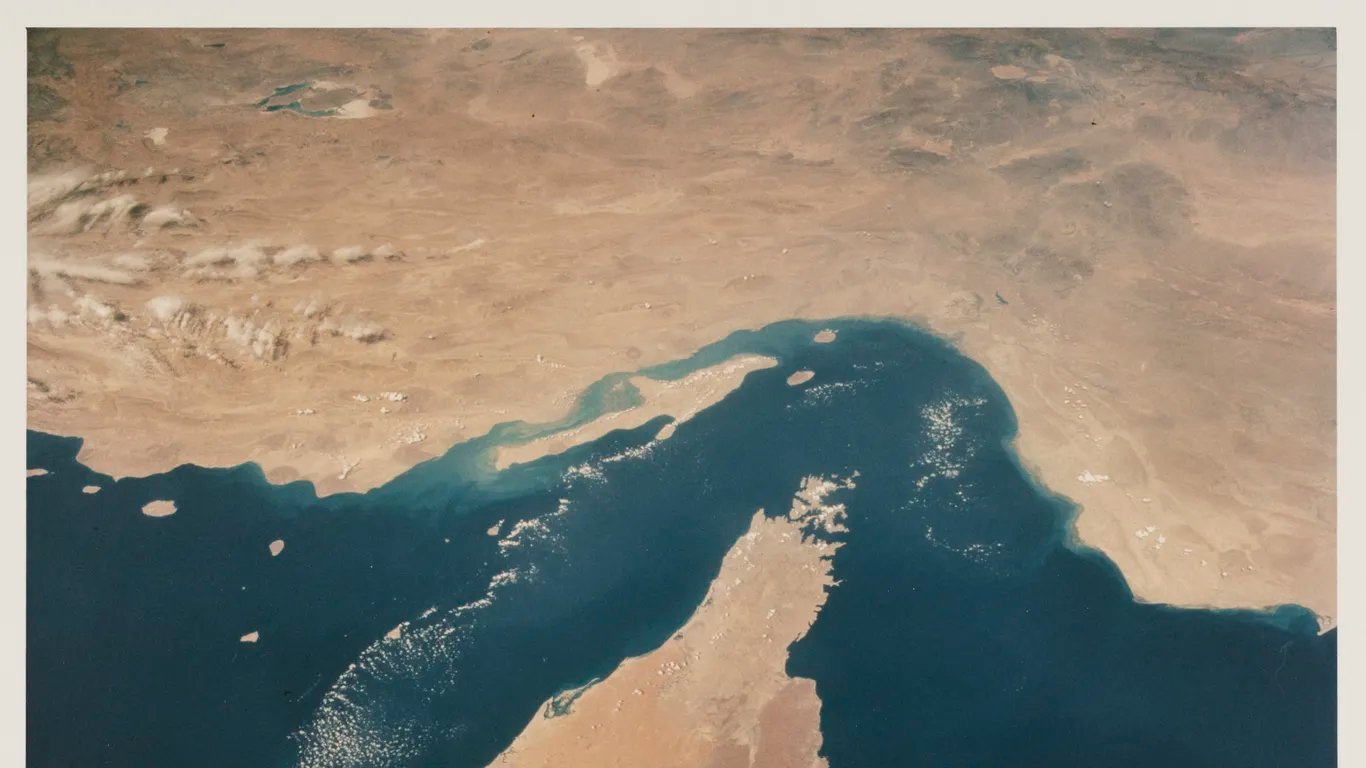



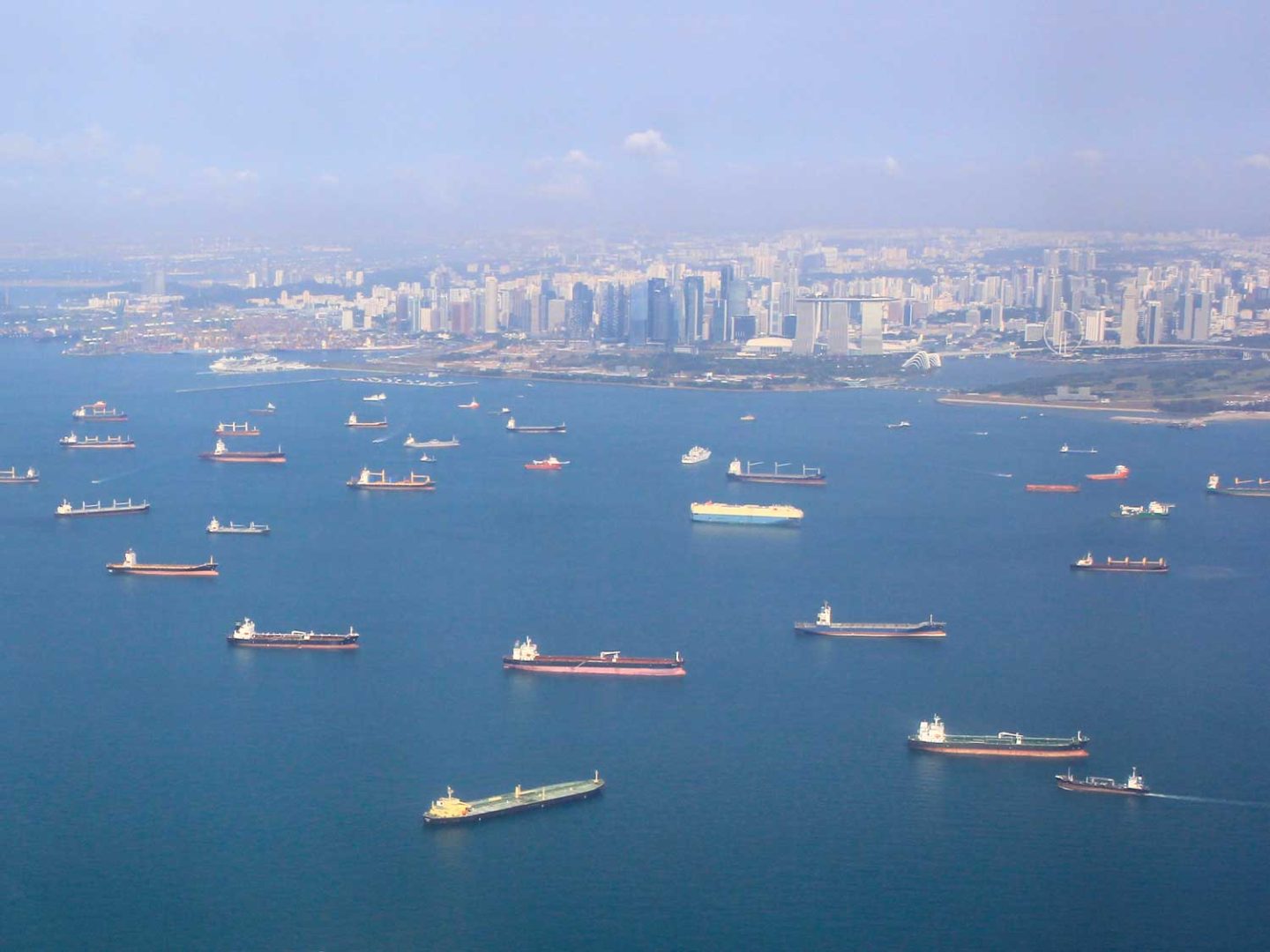

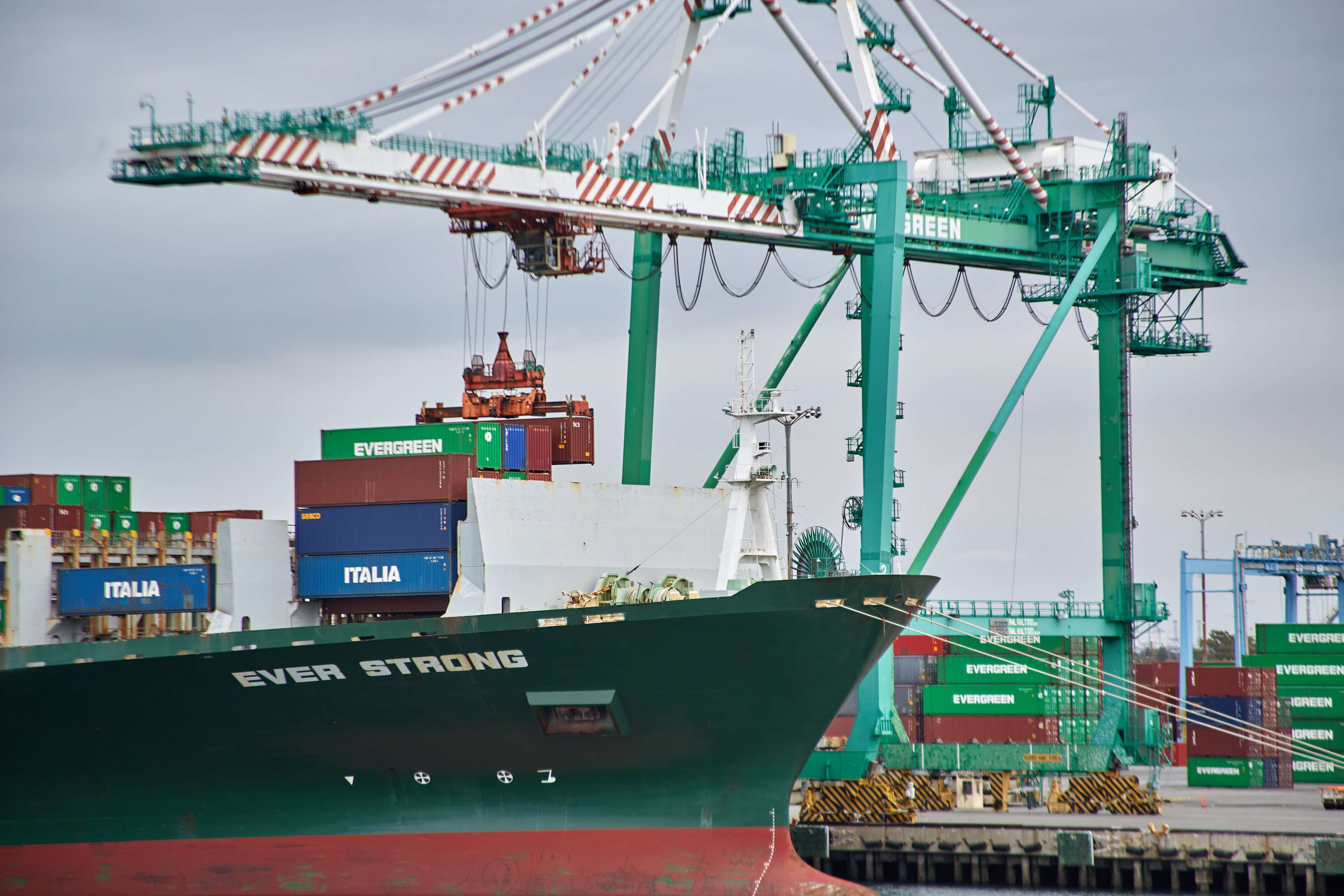






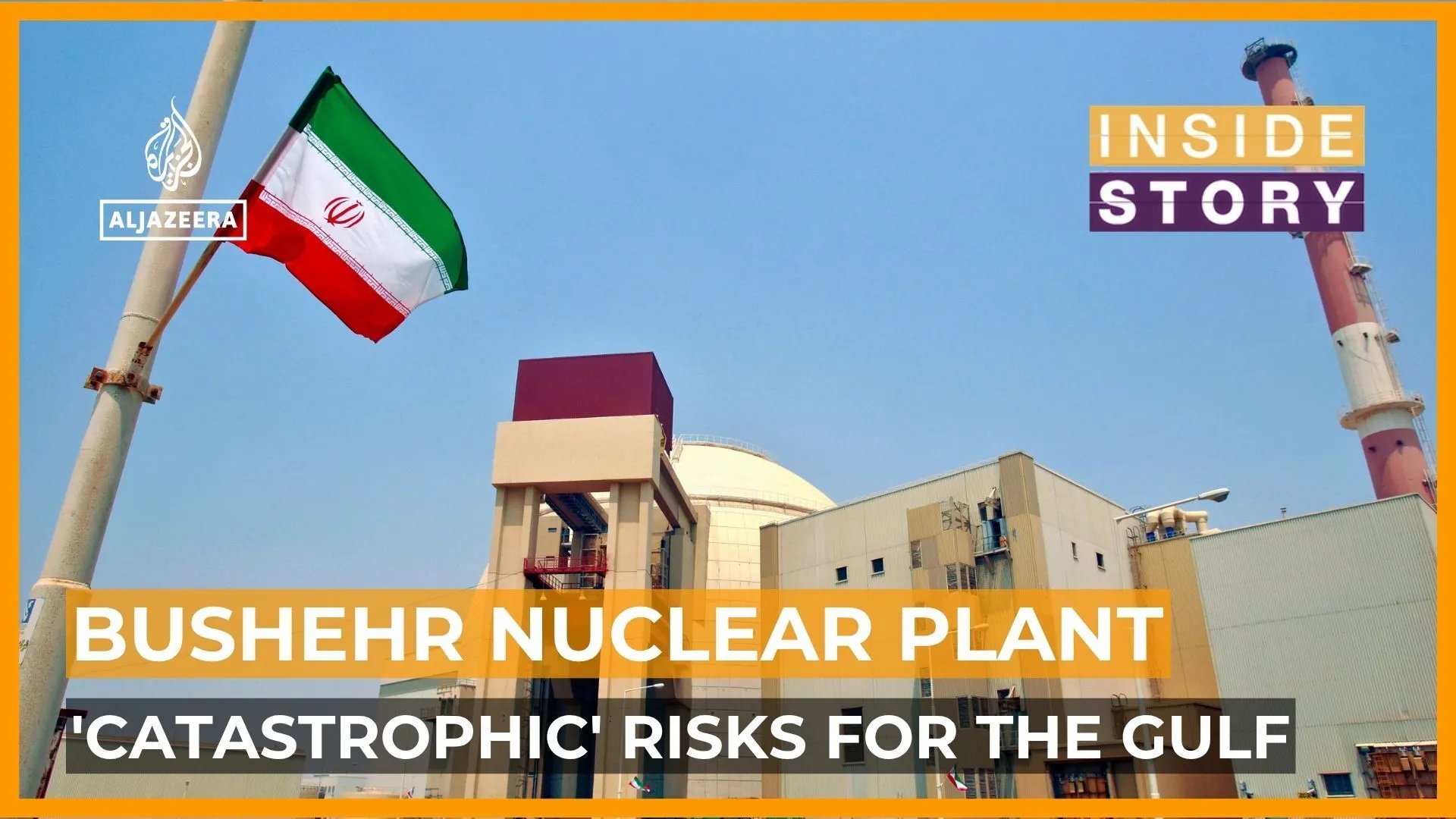





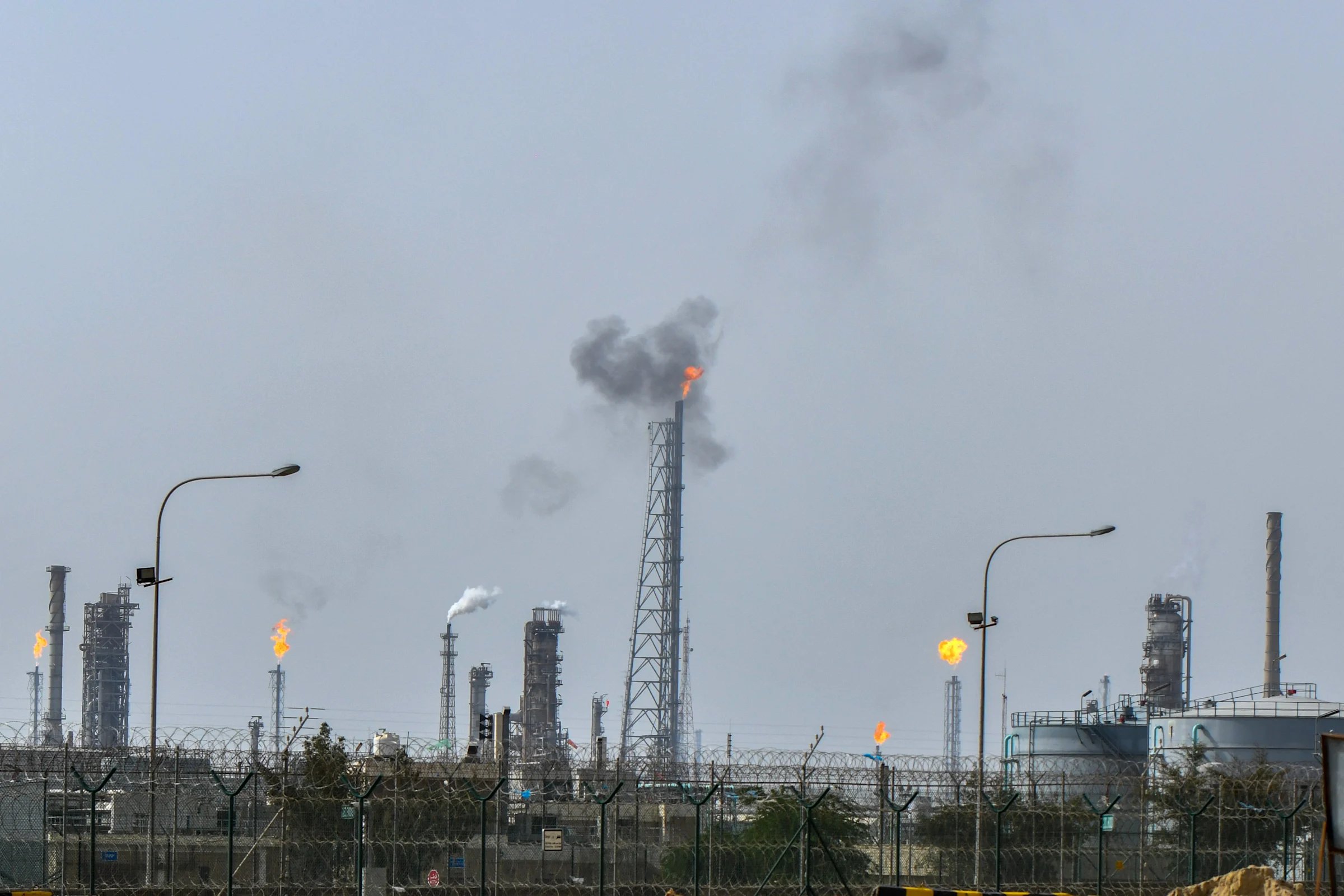





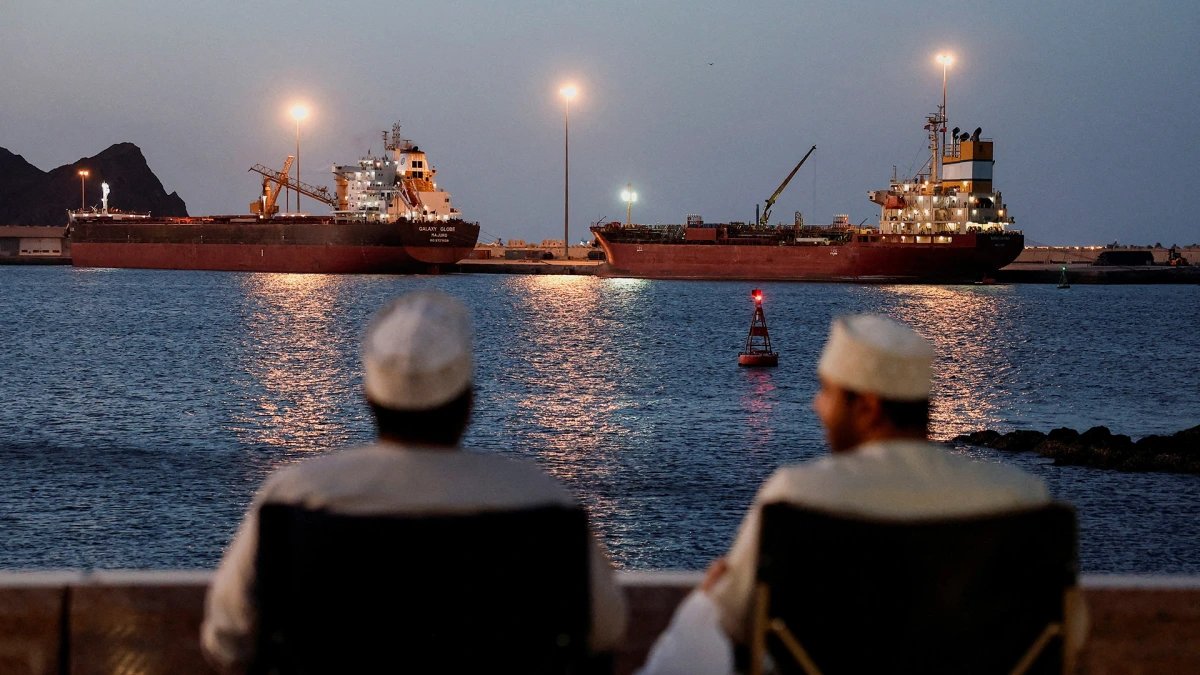





























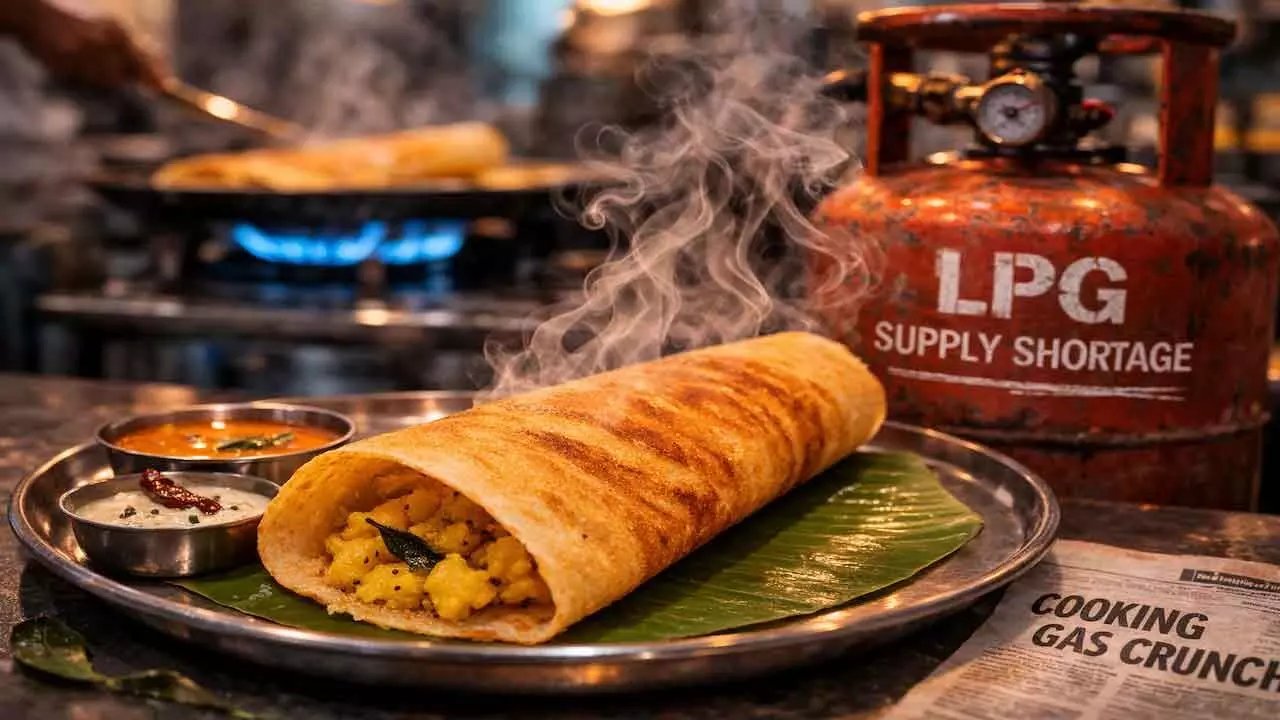









The sources also report that the closure of the Strait of Hormuz has caused price increases even in countries not dependent on oil and gas shipments through the chokepoint.