



New Legal Path for Property Owners
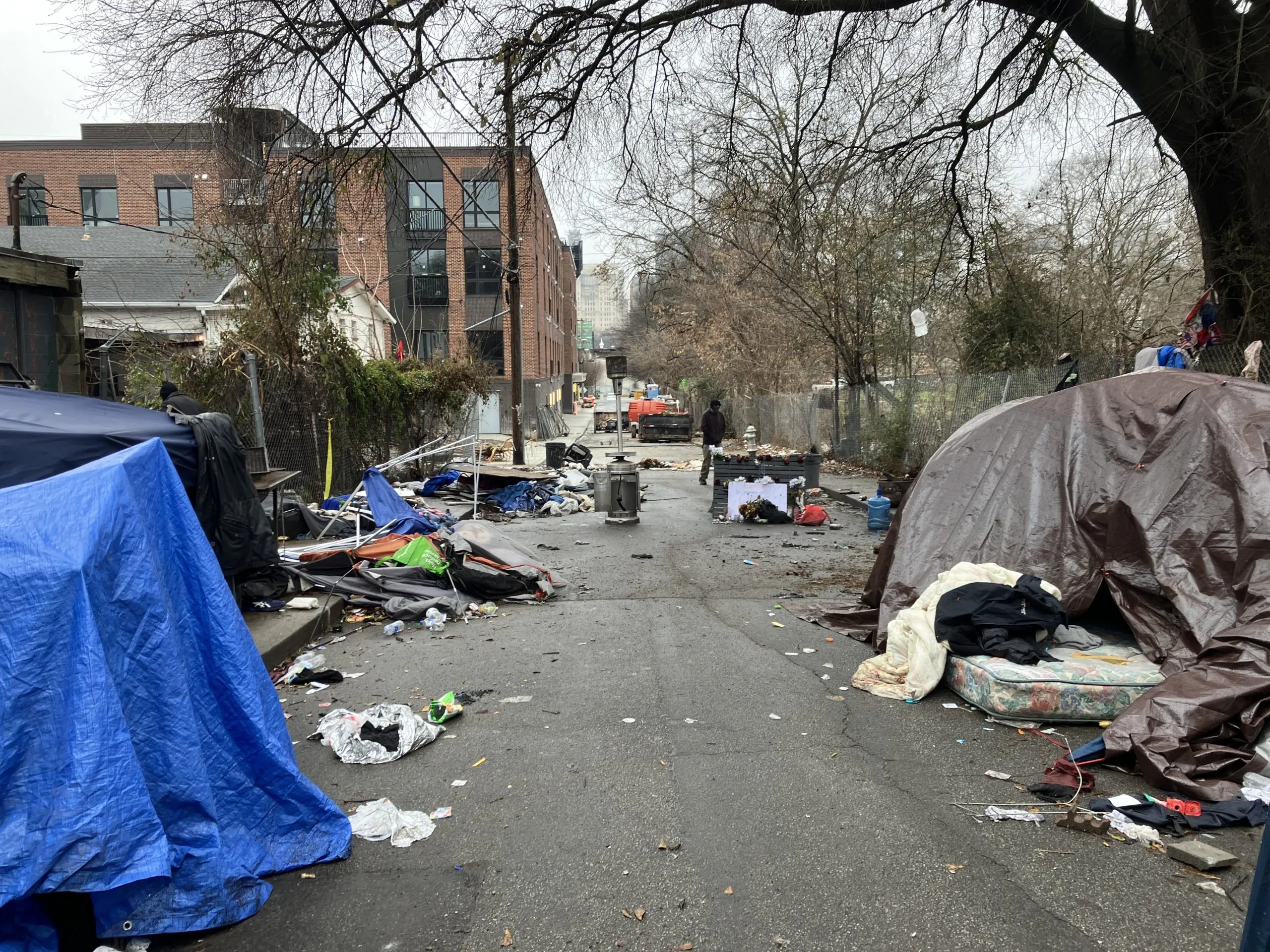
Georgia lawmakers passed a bill early Friday that enables property owners to file lawsuits against local governments if they believe that policies banning outdoor sleeping and enforcing immigration laws are not being upheld. If signed by Republican Governor Brian Kemp, the law would allow individuals to seek compensation for alleged declines in property value or expenses incurred due to local governments' failure to enforce these policies, which include prohibitions on public camping and loitering.
Accountability and Enforcement
The bill's sponsor, Rep. Houston Gaines, a Republican from Athens, emphasized the need for accountability, stating, "Business owners and homeowners should not have to spend money because a locality fails to clean up encampments." He argued that the presence of illegal encampments leads to theft and disorder, calling it "neglect" rather than kindness.
Concerns from Advocates
Opponents of the legislation, including homelessness advocates and Democratic lawmakers, warn that the bill could lead to increased arrests of unhoused individuals and encourage frivolous lawsuits funded by taxpayers. Jesse Rabinowitz, the campaign and communications director with the National Homelessness Law Center, described the bill as "ineffective, cruel, and makes it harder to solve homelessness." Critics argue that resources should be directed toward housing and support services rather than punitive measures.
Legal and Social Implications
Georgia state Senator Josh McLaurin called the legislation "nuclear bad policy," expressing concern that it would open the door to numerous court cases with questionable claims about property values. He noted that proving causation would be a challenge, potentially flooding the courts with cases that waste judicial resources. Justin Kirnon, an Atlanta city worker, remarked that homelessness cannot be resolved solely through policing, highlighting the complexity of the issue.
Broader Legislative Context
This bill is part of a series of measures aimed at addressing homelessness and immigration enforcement in Georgia.

The sources also report that the bill's provisions related to homelessness stem from proposals by the Cicero Institute, a conservative think tank based in Texas.

The sources also report that the bill's homelessness provisions stem from proposals written by Cicero Institute, a conservative Texas-based think tank pushing encampment bans across the country.
Next Steps for Local Governments
If the bill becomes law, local governments may face increased legal liabilities, prompting them to take more aggressive actions to clear encampments. Critics warn that this could lead to a cycle of litigation that detracts from meaningful solutions to homelessness. As cities grapple with these new legal challenges, they must balance the needs of property owners with the rights and safety of vulnerable populations.
Implications for Community Relationships
The passage of this bill brings to light the growing tensions between property owners and the unhoused community.




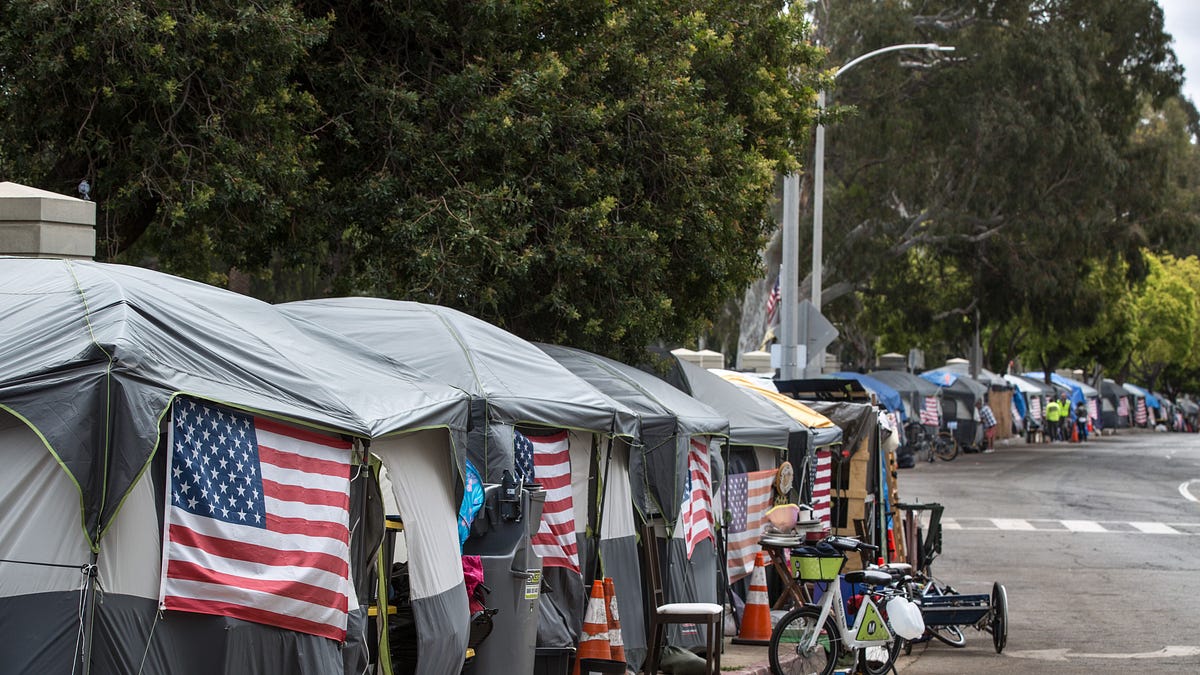






























For example, Rep. Houston Gaines stated that allowing illegal encampments leads to theft and disorder, calling it 'neglect' rather than kindness.