




Global Supply Chain Under Pressure
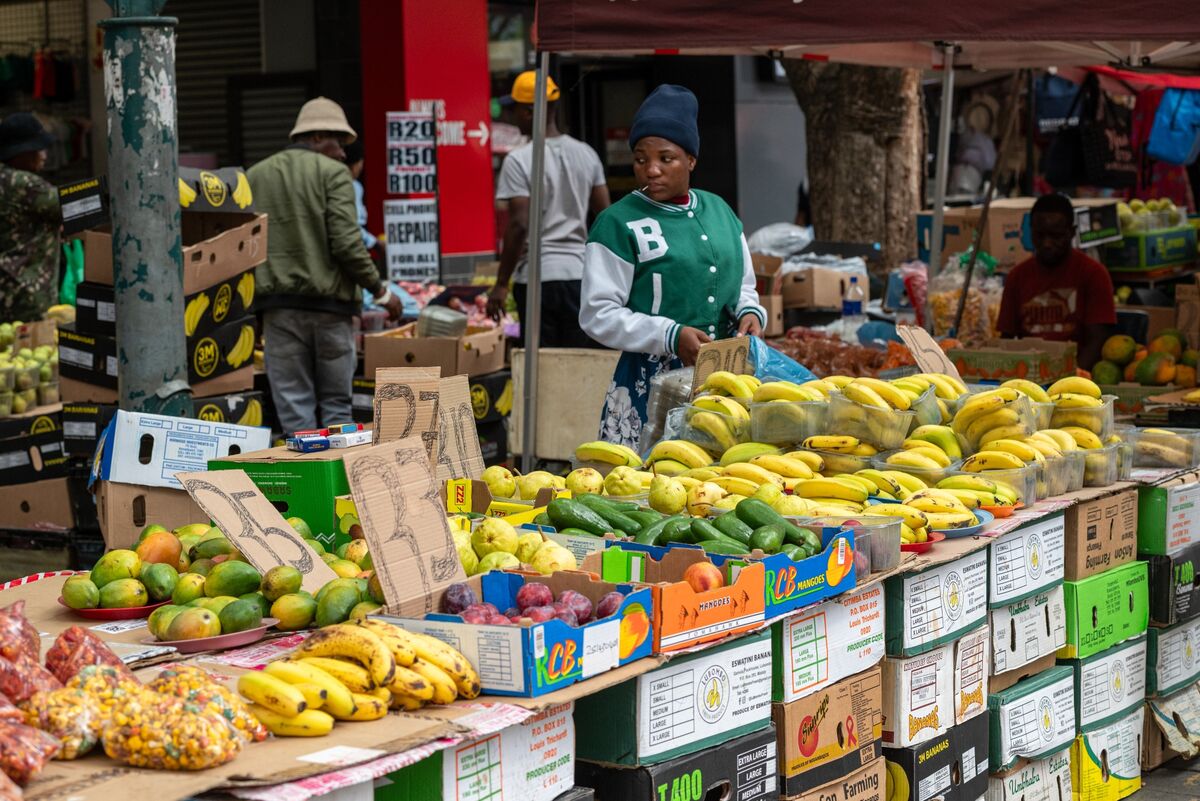
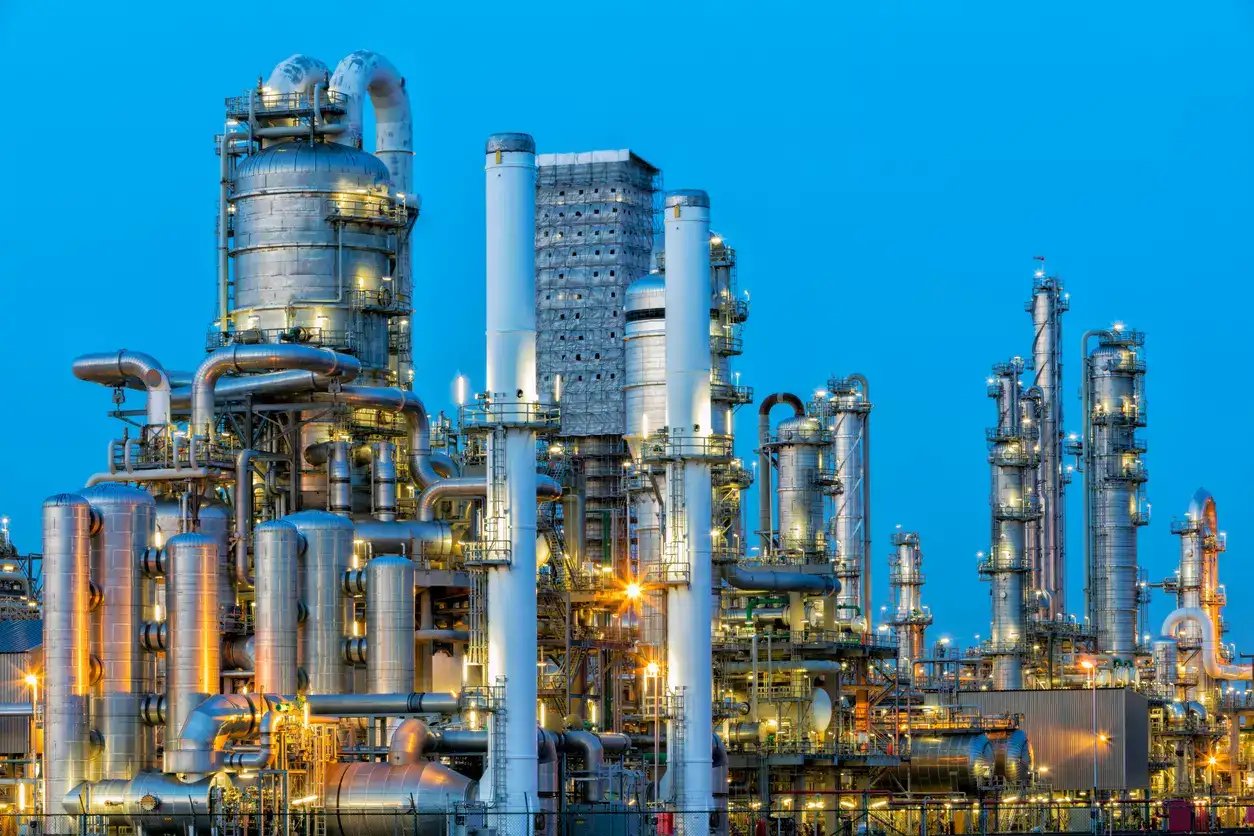
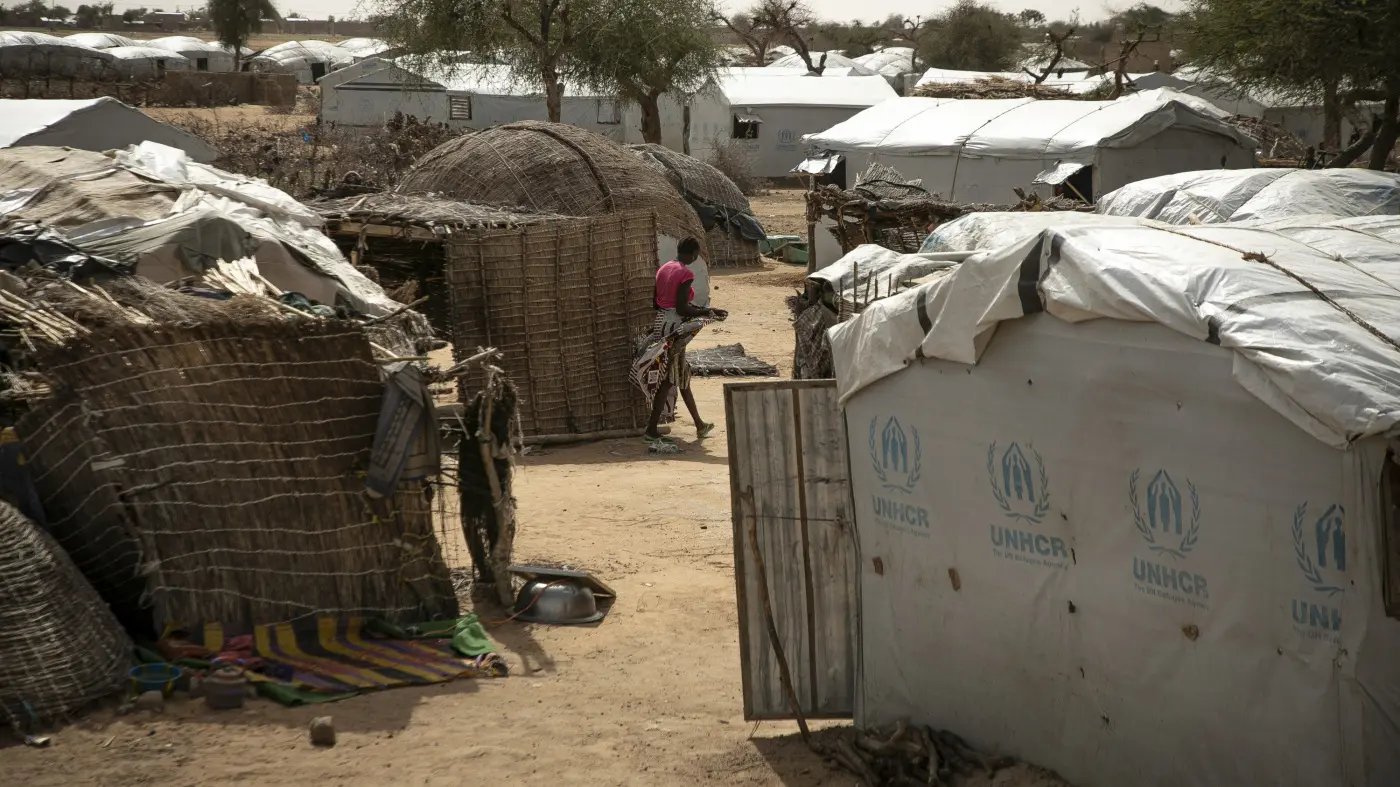
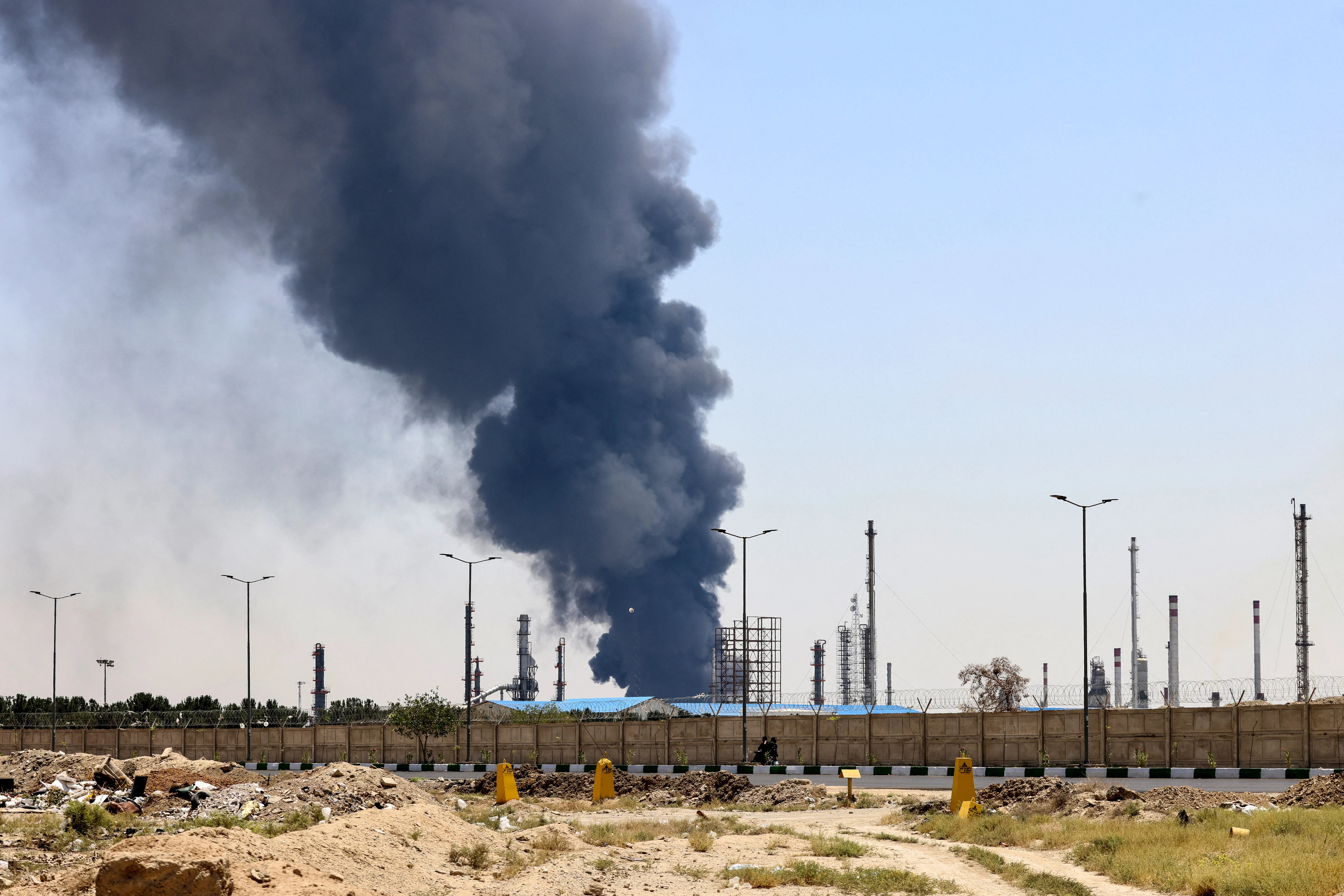
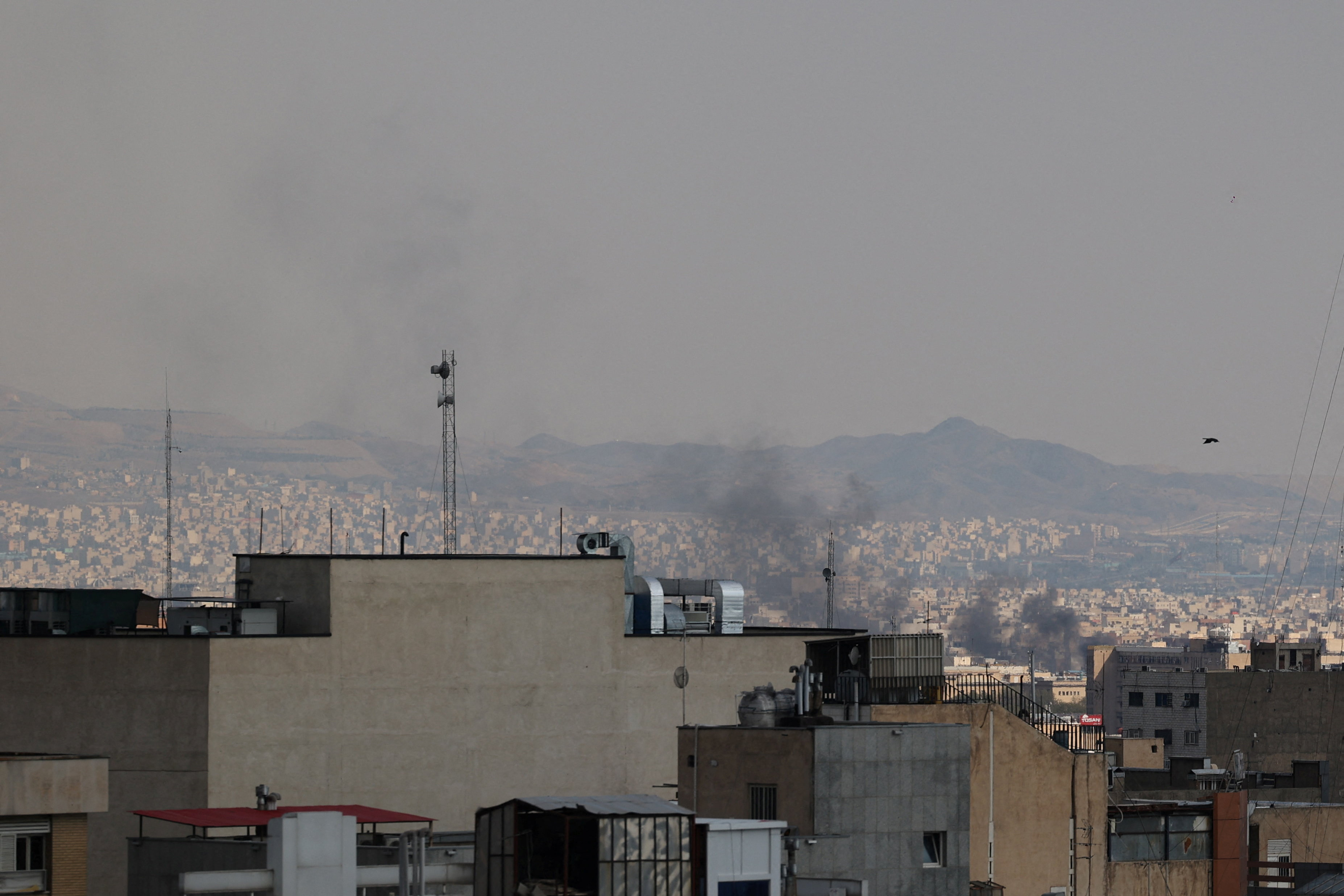
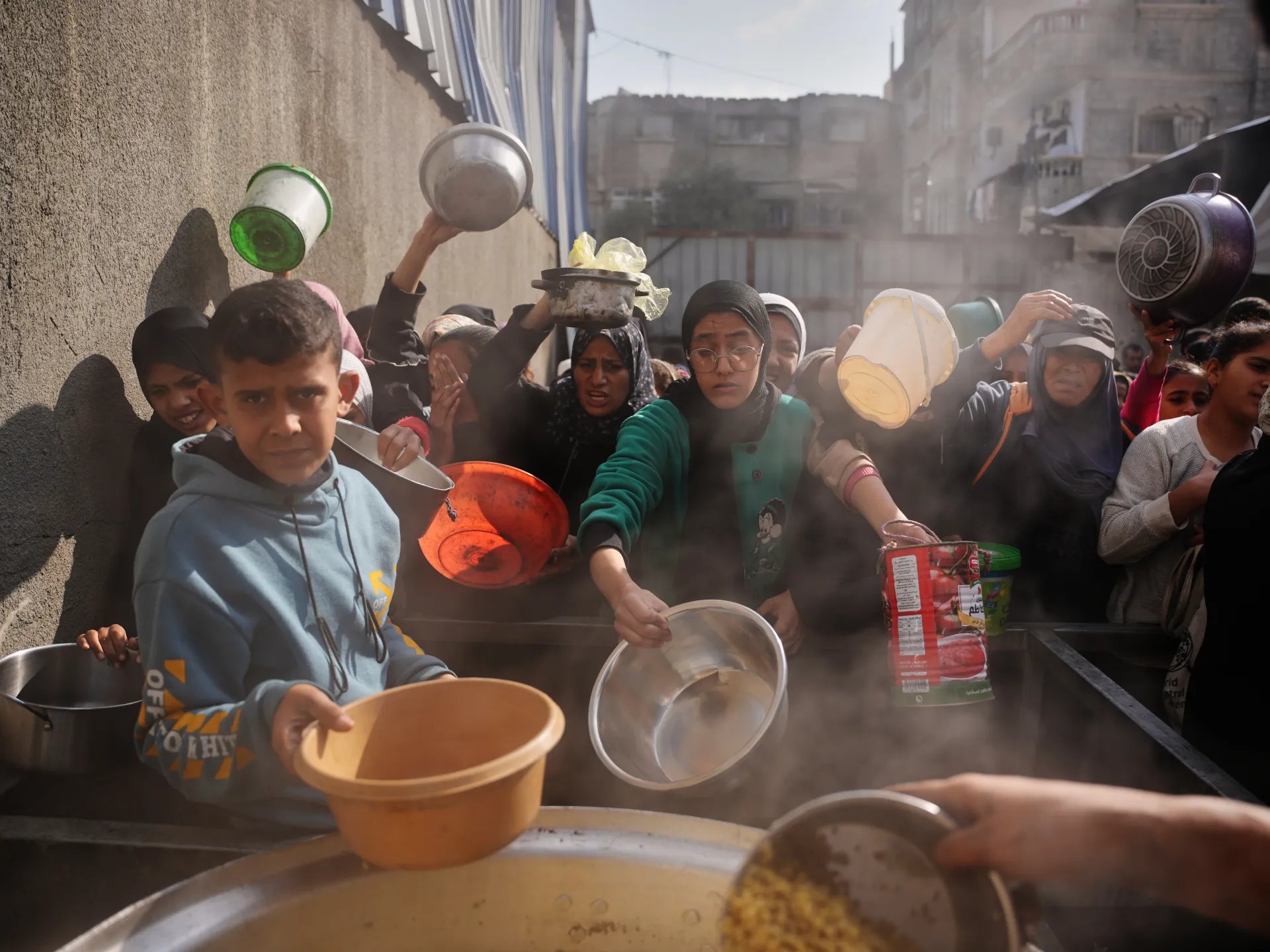
The Food and Agriculture Organization of the United Nations projects that world food prices will continue rising if the Iran war extends beyond its current trajectory. The conflict has already triggered one of the worst global oil shocks in decades, disrupting shipping routes and raising production costs across agricultural sectors worldwide.
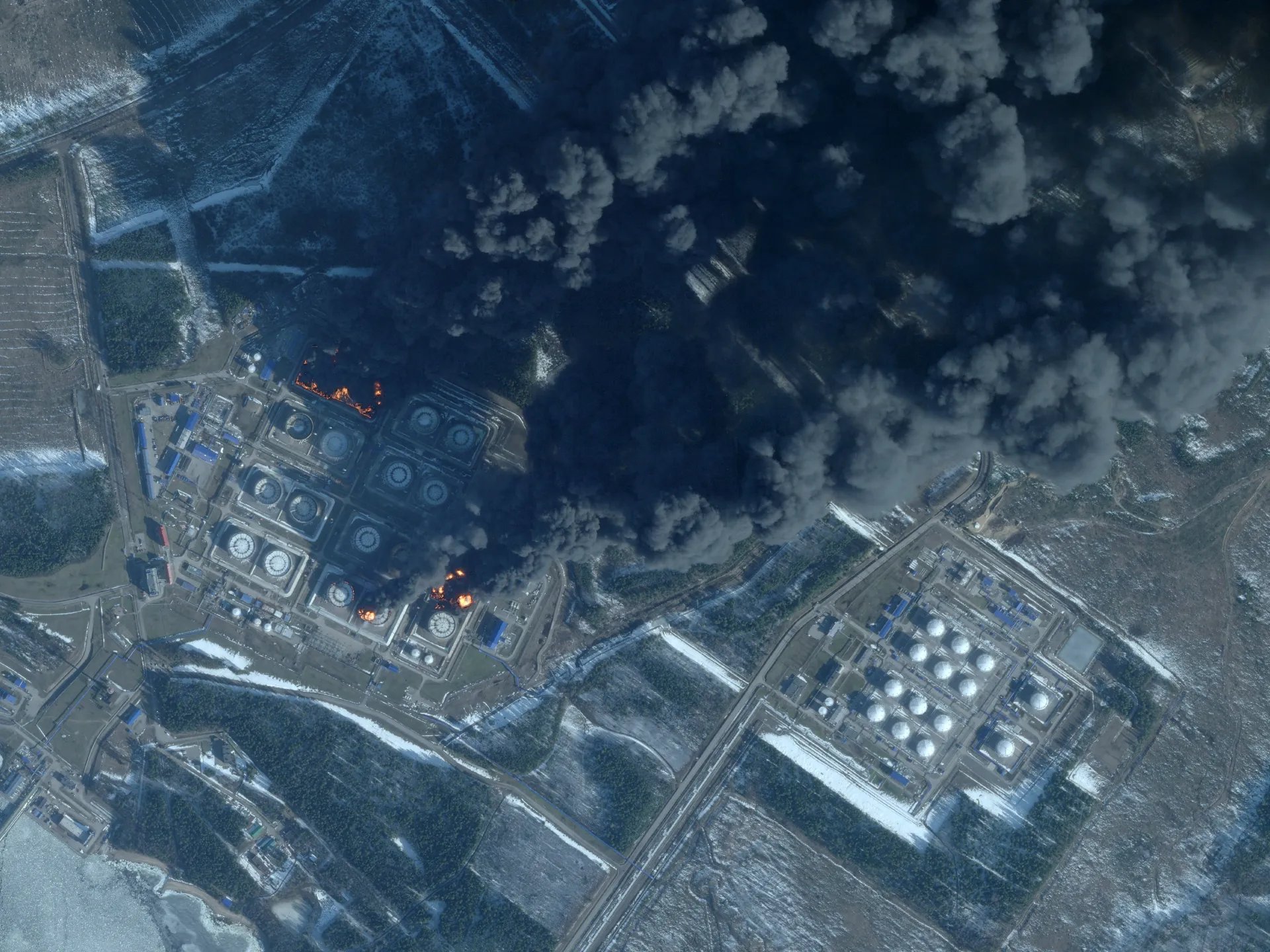
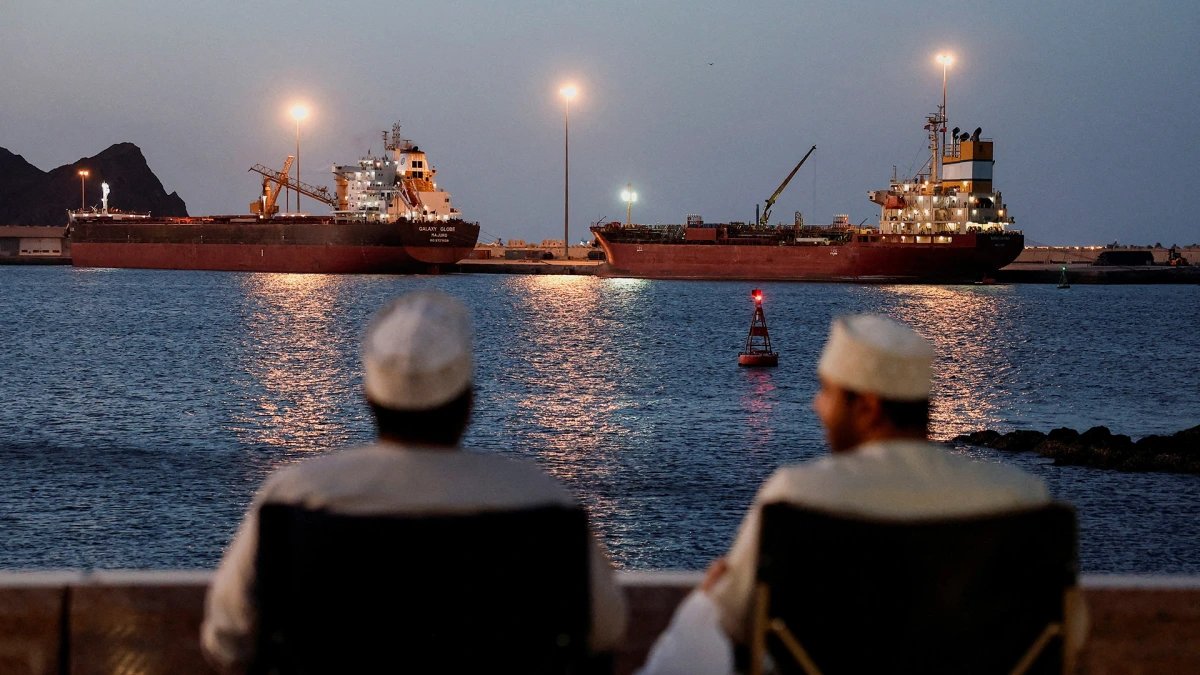
The Strait of Hormuz, a critical passage for global energy trade, has been largely closed since the war began. Britain reported that 40 countries are discussing reopening the waterway, underscoring the international urgency around restoring normal shipping patterns. Until that passage reopens, the cascading effects on food production and transport will persist.
Immediate Economic Consequences for Households
Consumers globally face steeper grocery bills as energy costs ripple through food supply chains. In the United States, the 30-year fixed mortgage rate rose to 6.46% amid the conflict, signaling broader economic strain. Stock markets opened Thursday morning with sharp losses following President Trump's address on the war, with the Dow Jones Industrial Average down roughly 600 points and the S&P 500 also declining 1.3 percent.
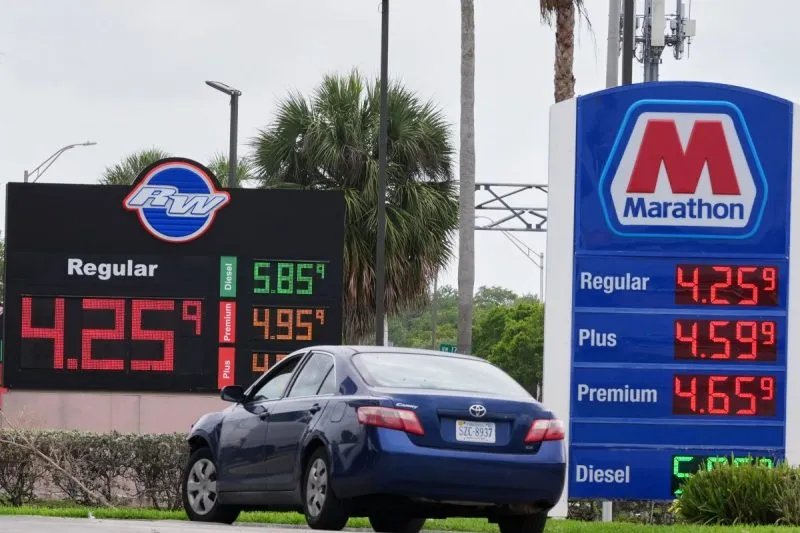
Italy committed approximately €500 million in additional funds to extend its fuel tax cut through May 1, a direct government response to higher energy prices caused by the war. Czech and Romanian governments approved measures to stem fuel price rises. France's Prime Minister Sebastien Lecornu asked ministers to prepare targeted fuel assistance as pump costs jumped.
Regional Vulnerabilities and Shortages
Pakistan faces a looming liquefied natural gas shortage as LNG supplies collapsed amid the escalating regional conflict. The country's earlier surplus has evaporated, creating an energy crisis for a nation dependent on imports. Pakistan braces for extended gas shortages as suppliers redirect shipments to higher-paying markets.
China's independent refineries, known as "teapot" refineries, are cushioning the country from immediate oil supply disruptions by continuing to import Iranian oil through alternative channels. Chinese airlines including China Eastern Airlines have adopted cost management measures such as stricter weight controls and routing more flights through Russian airspace to trim fuel costs as oil prices surge.
Uncertainty Over Conflict Duration
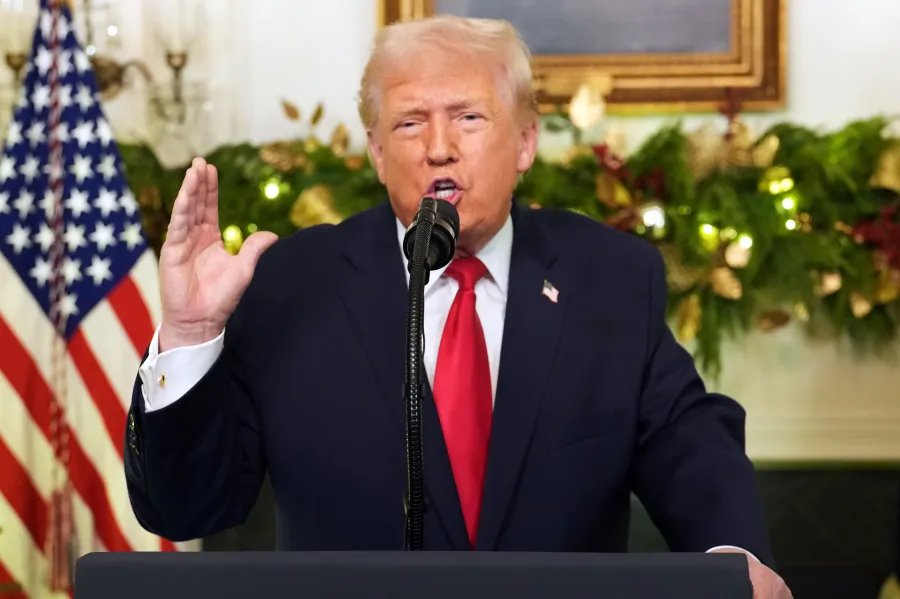
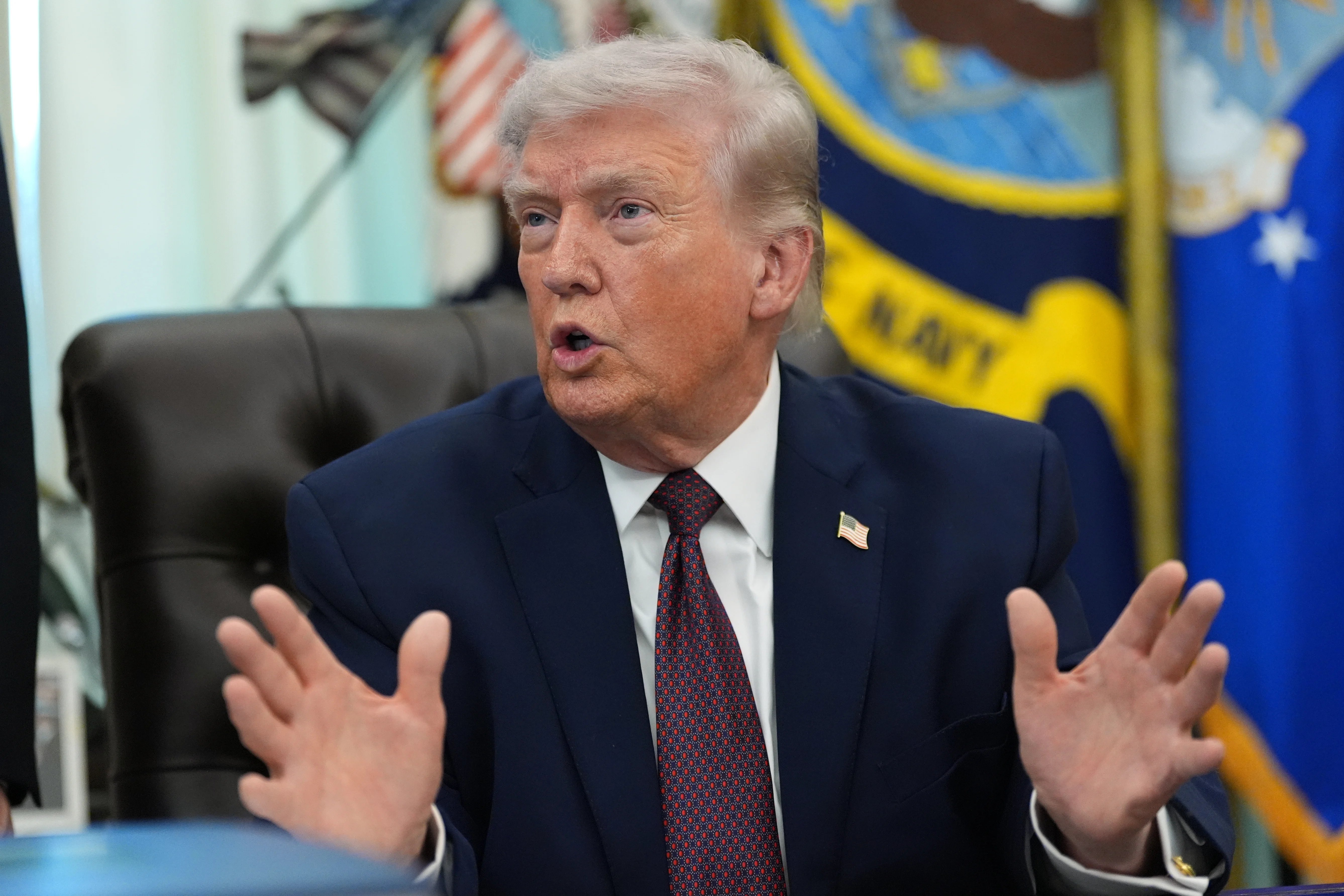
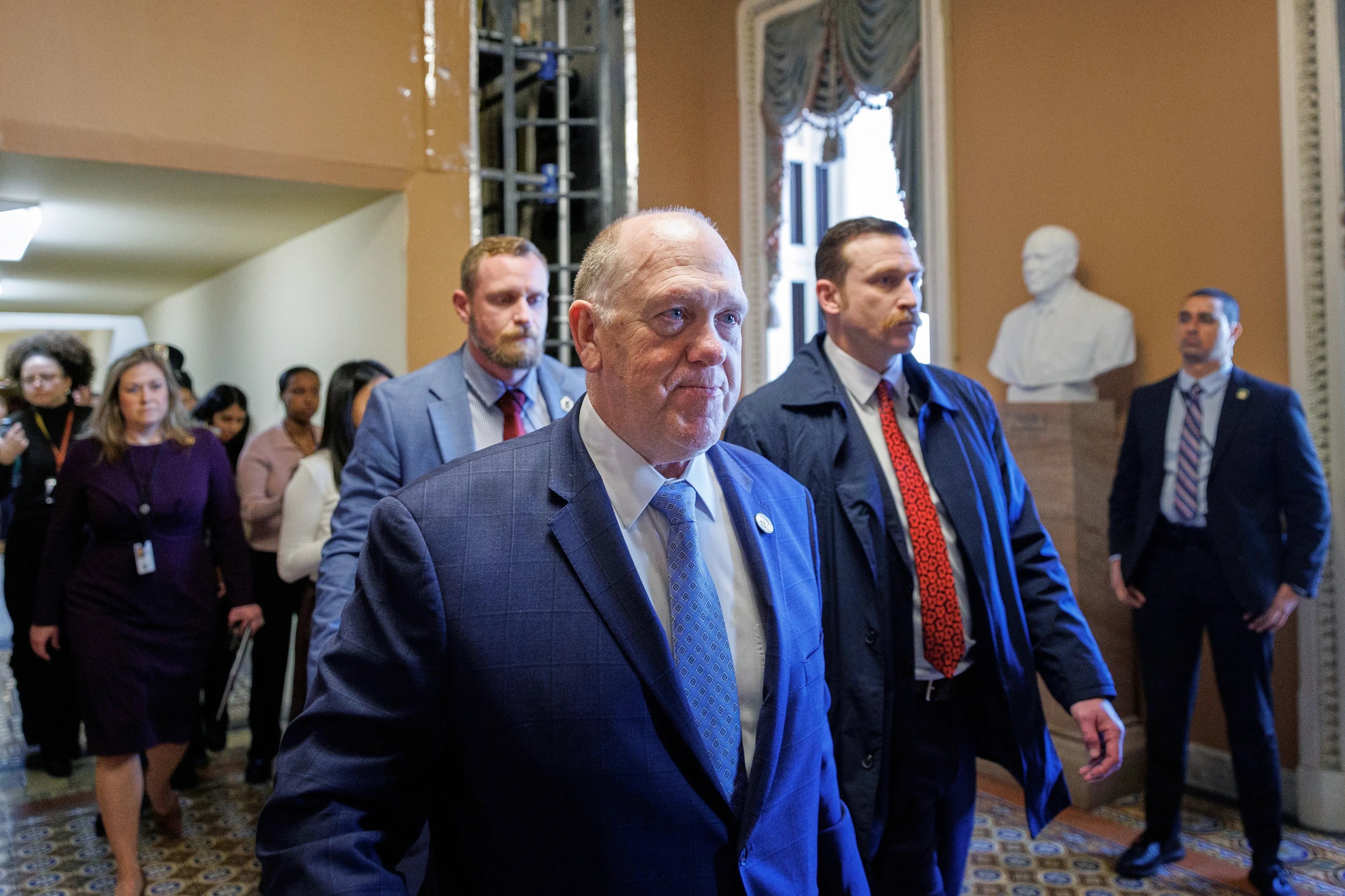
President Trump predicted two to three more weeks of military operations during his Wednesday address to the nation. However, experts note that many U.S. presidents have offered timelines for conflicts only to shift their estimates as situations evolved. The BBC's analysis documented Trump's shifting deadlines for ending the Iran war, highlighting the gap between stated objectives and operational reality.
Former White House national security adviser Brett McGurk told CNN that the president's address spelled a potential escalation in military operations. Trump threatened to strike Iran's bridges and electric power plants, language that prompted over 100 U.S. legal experts to sign an open letter raising concerns about possible war crimes. U.S. Military Services Archbishop Timothy Broglio told CBS that the war is likely not justified under Just War Theory, because the threat has not yet been realized.
Market Volatility and Banking Concerns
The Bank of Japan kept its rate-hike door open even as the Iran war squeezed Japanese firms operating in affected regions. Westpac Banking Corporation's chief executive Anthony Miller warned that the conflict has raised the risk of recession in Australia, citing unclear timelines for supply chain disruptions to work through the economy.
Bond traders remain focused on the Iran war as the central economic concern, even as they prepare for key U.S. jobs data. The Canadian dollar fell as fading hope of a quick end to the war boosted the U.S. greenback. Asian stocks rose modestly at week's end with reports suggesting more traffic might be allowed through the Strait of Hormuz, though sustained uncertainty continues to dominate trading decisions.