




Tariffs Hit Imported Drugs to Cut Consumer Costs
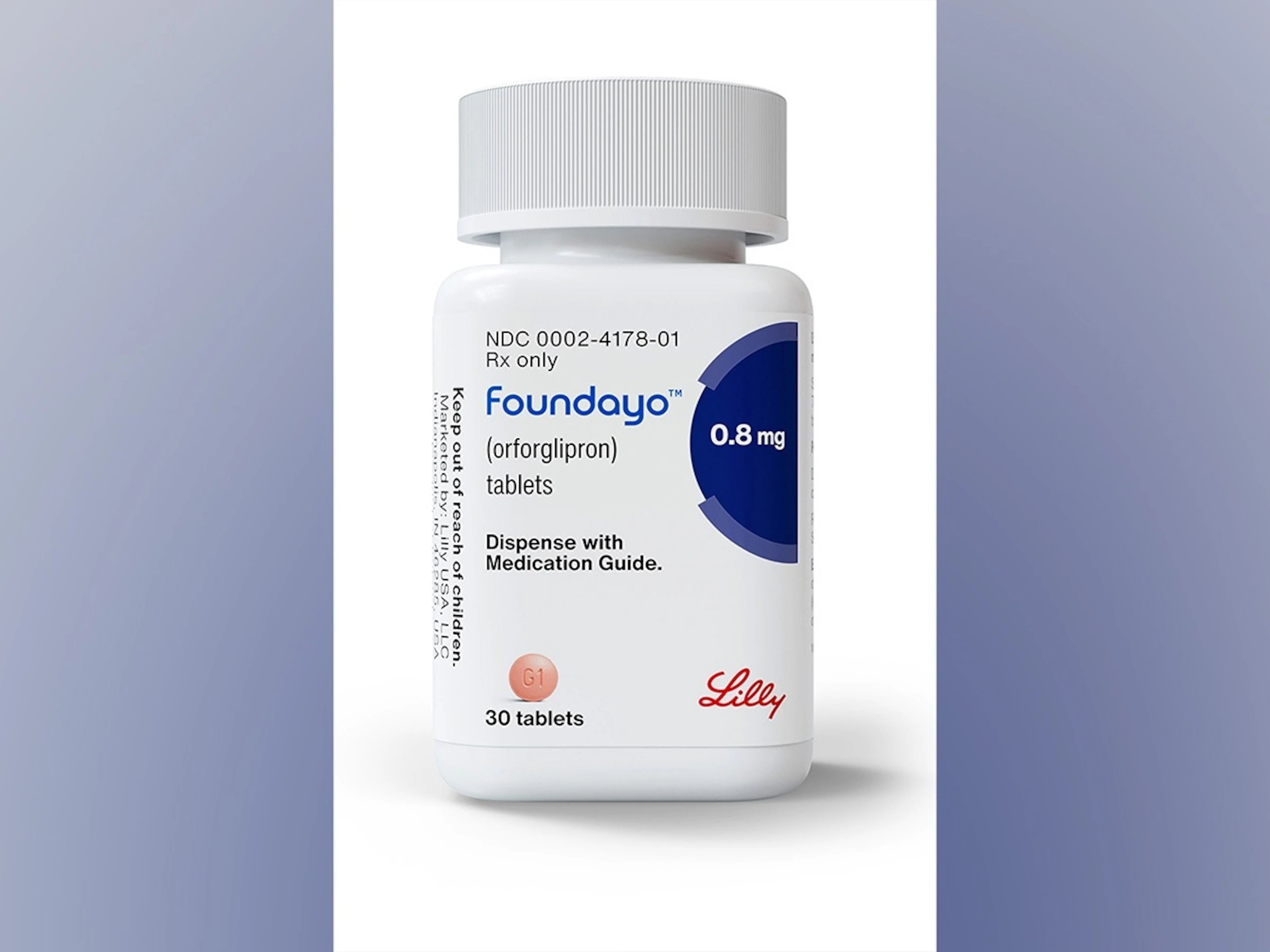
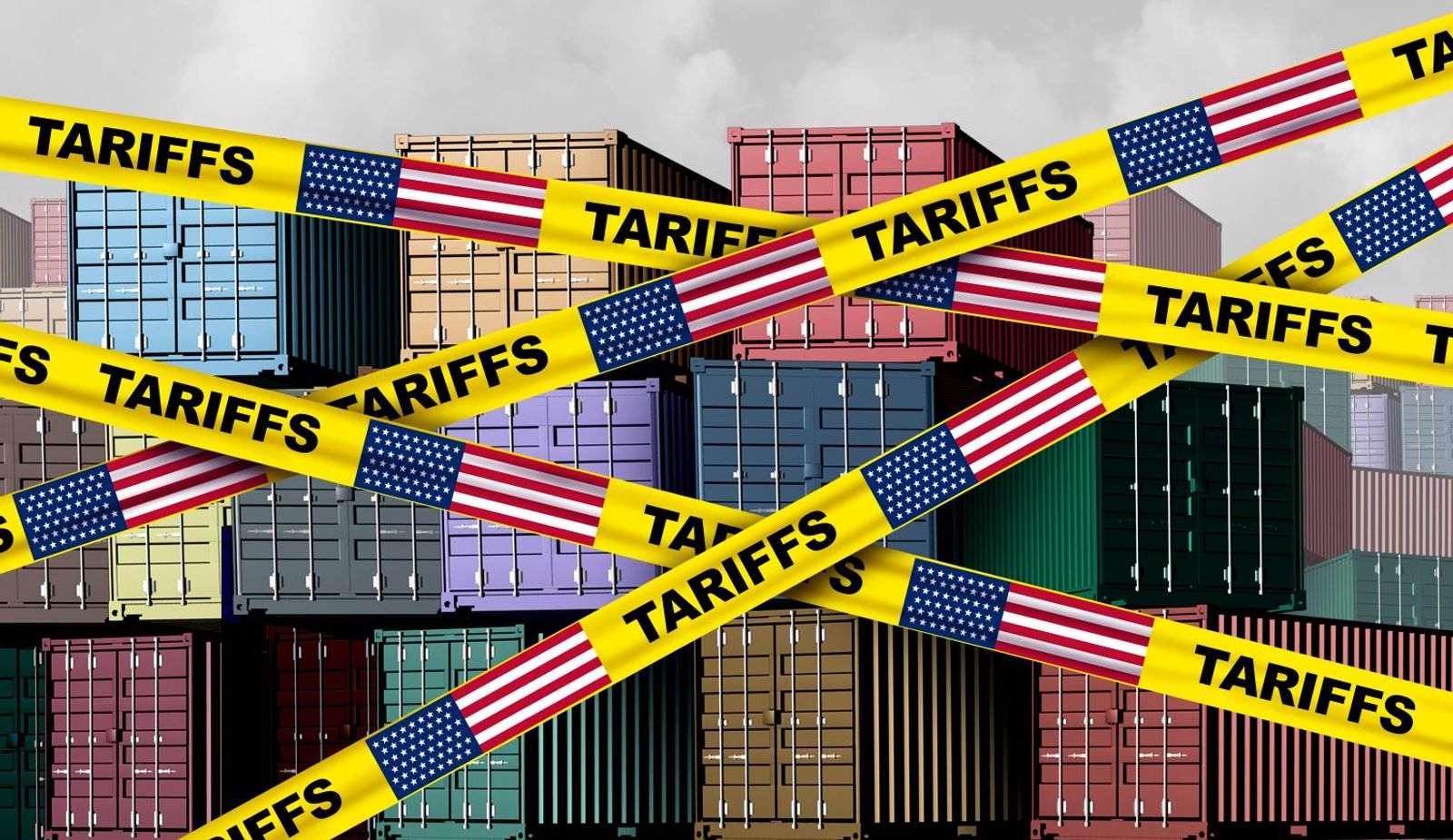
The Trump administration imposed 100% tariffs on patented pharmaceuticals Thursday to compel drugmakers into pricing agreements and shift production to the United States. A senior administration official stated that companies must commit to "most-favored nation" deals to avoid these duties, directly affecting the price Americans pay for medications. This move targets import reliance, as President Trump declared in an executive order that such tariffs address national security risks from foreign drug supplies.
Exemptions Reward US Manufacturing Pledges
Companies that agree to build facilities in America face a reduced tariff rate of 20%, according to the official's briefing. Those firms will gain full exemption if they also sign pricing deals, encouraging investments that create domestic jobs.
Deals Already Struck by Major Drugmakers
Thirteen drug companies have signed "most-favored nation" pricing agreements with the White House. A senior official noted that 17 companies are in discussions, with these pacts aiming to lower costs on branded drugs. A senior administration official said they expect all the big, patented pharmaceutical companies to build in the U.S.
Tariffs Spare Some Allies but Target Key Hubs
The European Union, Japan, Korea and Switzerland will see a 15 percent US tariff on patented pharmaceuticals. The United Kingdom will get 10 percent, which will then reduce to zero under future trade agreements.
Critics Warn of Higher Prices for Patients
Pharmaceutical trade group PhRMA CEO Stephen J Ubl argued that these taxes will raise medicine costs and threaten US investments, pointing to reliable allies as current sources. Medical groups expressed concerns that the duties could disrupt supply chains and limit access to treatments. Democrats and former officials highlighted potential burdens on consumers, with one congresswoman noting that everyday Americans might face steeper bills for essential drugs.
Other Trade Actions Accompany Drug Tariffs
The administration also adjusted tariffs on steel, aluminum, and copper, setting a 50% rate based on US purchase prices to prevent foreign exporters from underreporting costs. Commerce Secretary Howard Lutnick initiated these changes under Section 232, targeting system abuses. This broader strategy includes exemptions for products where metals make up less than 15% of weight, linking drug policies to overall trade enforcement.
Human Impact on Access to Medications
The new tariffs could lead more drugmakers to invest in US facilities, potentially creating thousands of jobs in American communities. Patients relying on imported drugs might see price fluctuations, with experts predicting delays in new treatments. As a result, individuals should monitor announcements from their providers for changes in medication availability and costs in the coming months.