
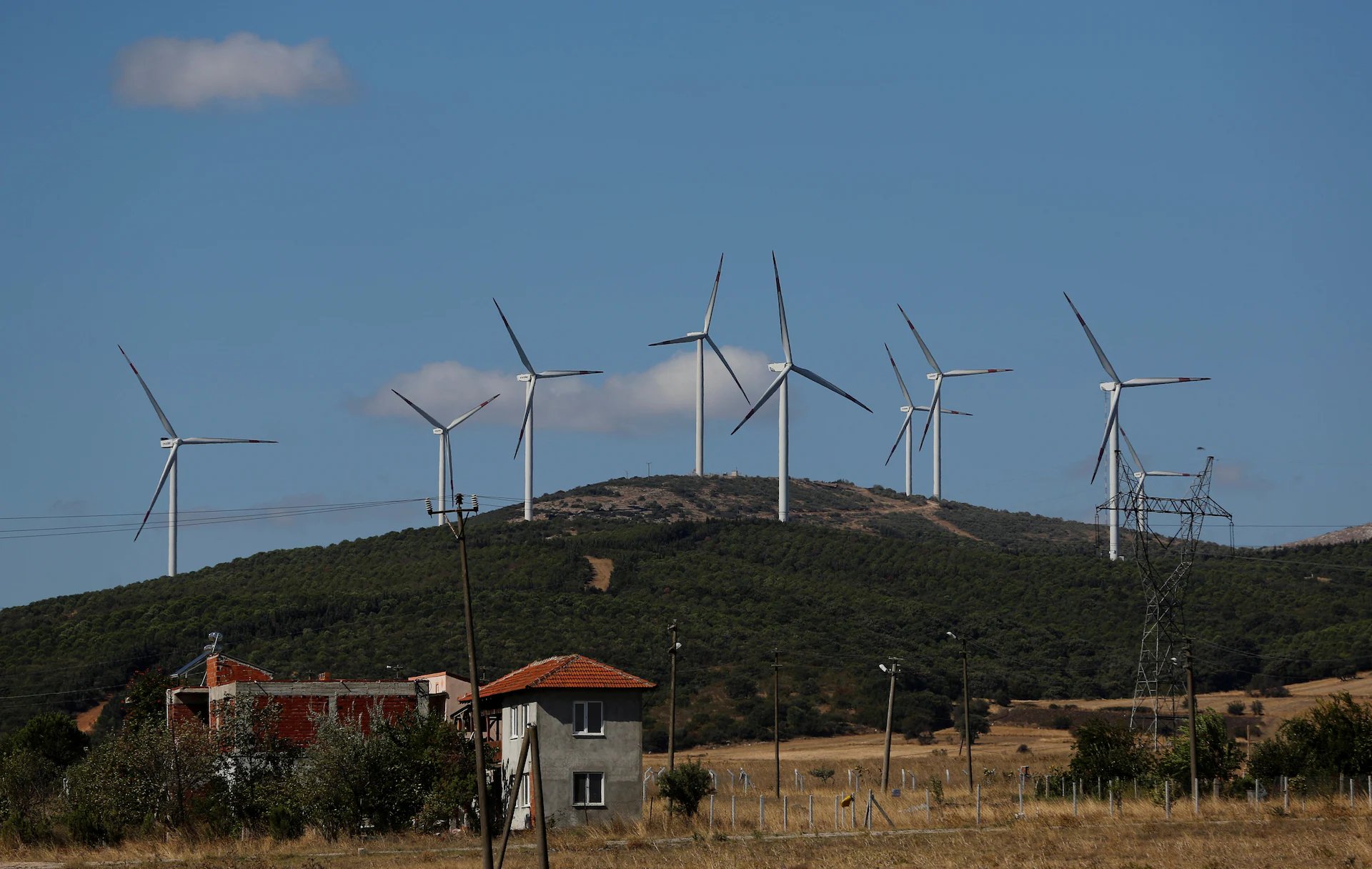




Los Angeles faces record pump prices
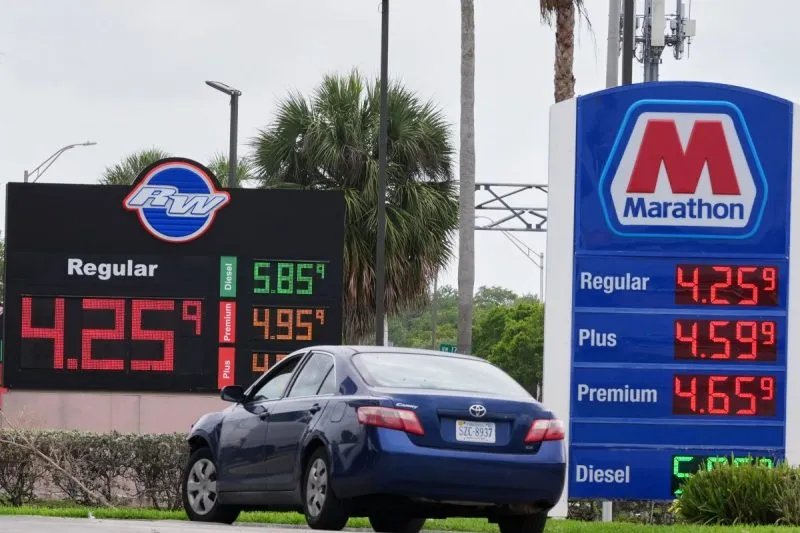
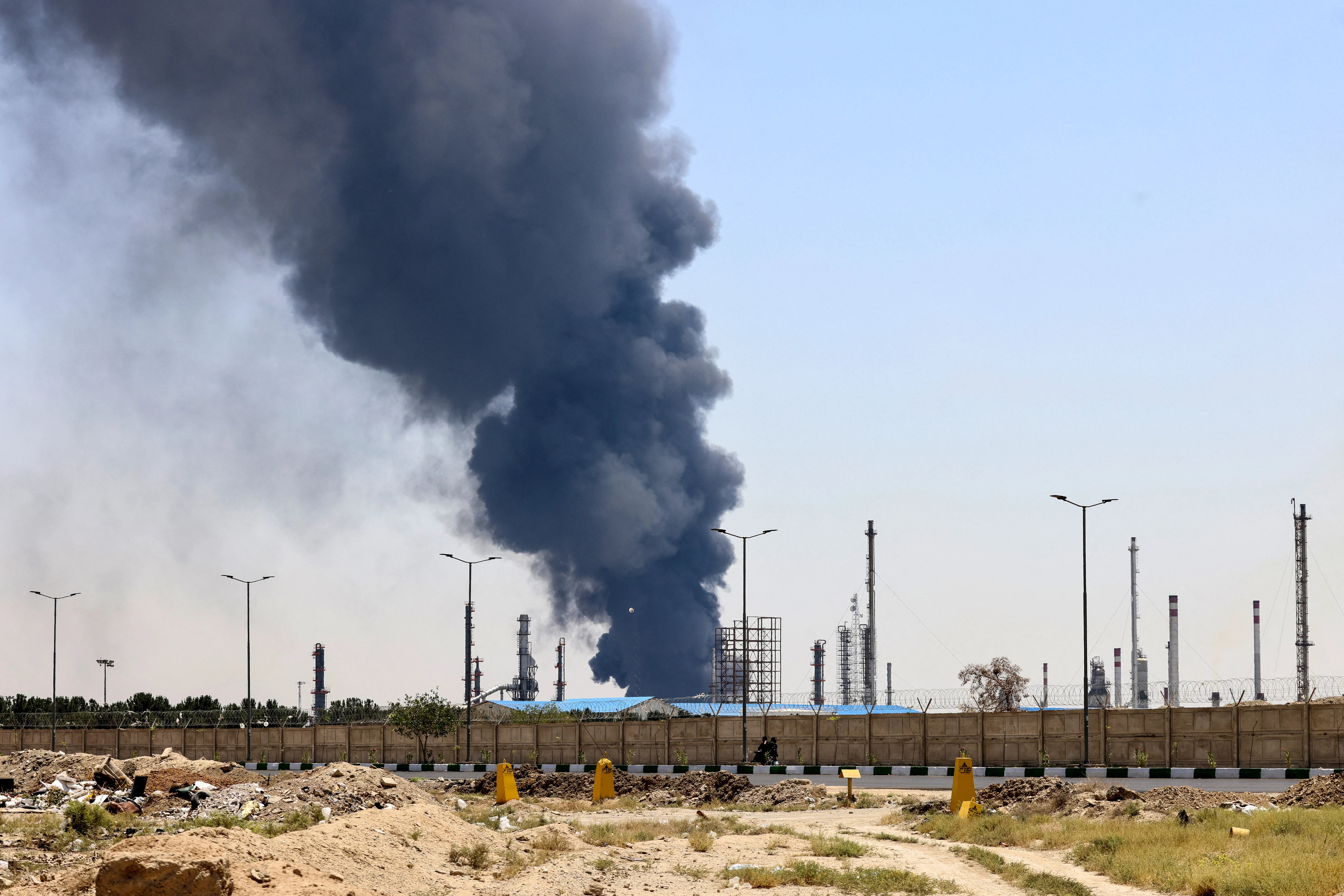
Jack Nooney drives nine miles each way from his San Fernando Valley apartment to Santa Monica, a journey that consumes an hour in traffic and now drains his $20-per-hour grocery deli salary faster than ever. Angelenos are paying nearly $5.90 a gallon on average, with some stations charging $8 a gallon. The outsized prices are directly related to the Iran war, which has created the largest supply disruption in the history of the global oil market, according to the International Energy Agency.
Nooney has adopted survival tactics. He shifts his manual transmission into neutral while coasting downhill on the I-405 toward West Los Angeles and again northbound into Sherman Oaks on the return trip. He scouts cheaper gas stations near his home rather than paying Santa Monica prices. When his band has a gig in West Hollywood, the entire band rides together to split fuel costs, since profit margins on their shows are already low.
Small business owners absorb costs without raising rates
Jenise Blanc, who with her husband Randy Chance has owned LA's Canyon Car Service for 25 years, employs six others and operates a small fleet. Most of their fleet runs on gasoline, though they are leaning into two electric automobiles. Blanc has absorbed the increased costs rather than pass them to customers, fearing that a significant fuel surcharge would alienate the repeat business and referrals that built their reputation.
She faces an impossible calculation. Raising rates by $5 to $10 might preserve margins but risks losing clients. Holding prices steady erodes profit. For now, she waits and hopes conditions improve, but the uncertainty weighs on her decisions about the company's future.
Artists and touring musicians feel cascading effects
Chris Hardin manages musicians in Burbank and has watched the crisis unfold across his client roster. One of his bands began a month-long tour as the Iran war broke out. By tour's end, gas prices for their trucks and buses had risen so sharply that fuel costs blew through their budget. Hardin has managed contingencies in his business for more than 20 years, but he said this rapid price surge is unprecedented in his experience.

The sources also report that Chris Hardin, a Burbank music manager, called the rapid gas-price surge a first in his 20-plus years.
He now rides a motorcycle to work multiple times per week instead of driving, saving fuel and enjoying the ride. He reserves his car for the 40-mile round trip to teach as an adjunct professor at California Lutheran University in Thousand Oaks, a journey he makes once weekly and refuses to take by motorcycle because his class finishes late.
Former gig workers struggle with math that no longer works
Nooney previously drove for Uber but found the economics impossible. He would have needed to drive 12 hours daily just to earn enough to eat. His current grocery deli job offers better stability, though fuel costs still threaten his tight budget. He is actively seeking a transfer to a store closer to home and has cut other expenses where possible, packing sandwiches for lunch despite a 50 percent employee discount at his workplace. With fuel and living costs climbing, he said, the strategy now is simply to save wherever possible.























The sources also report that in spring, California gas stations must switch to a costlier summer blend formula, increasing production expenses for consumers.