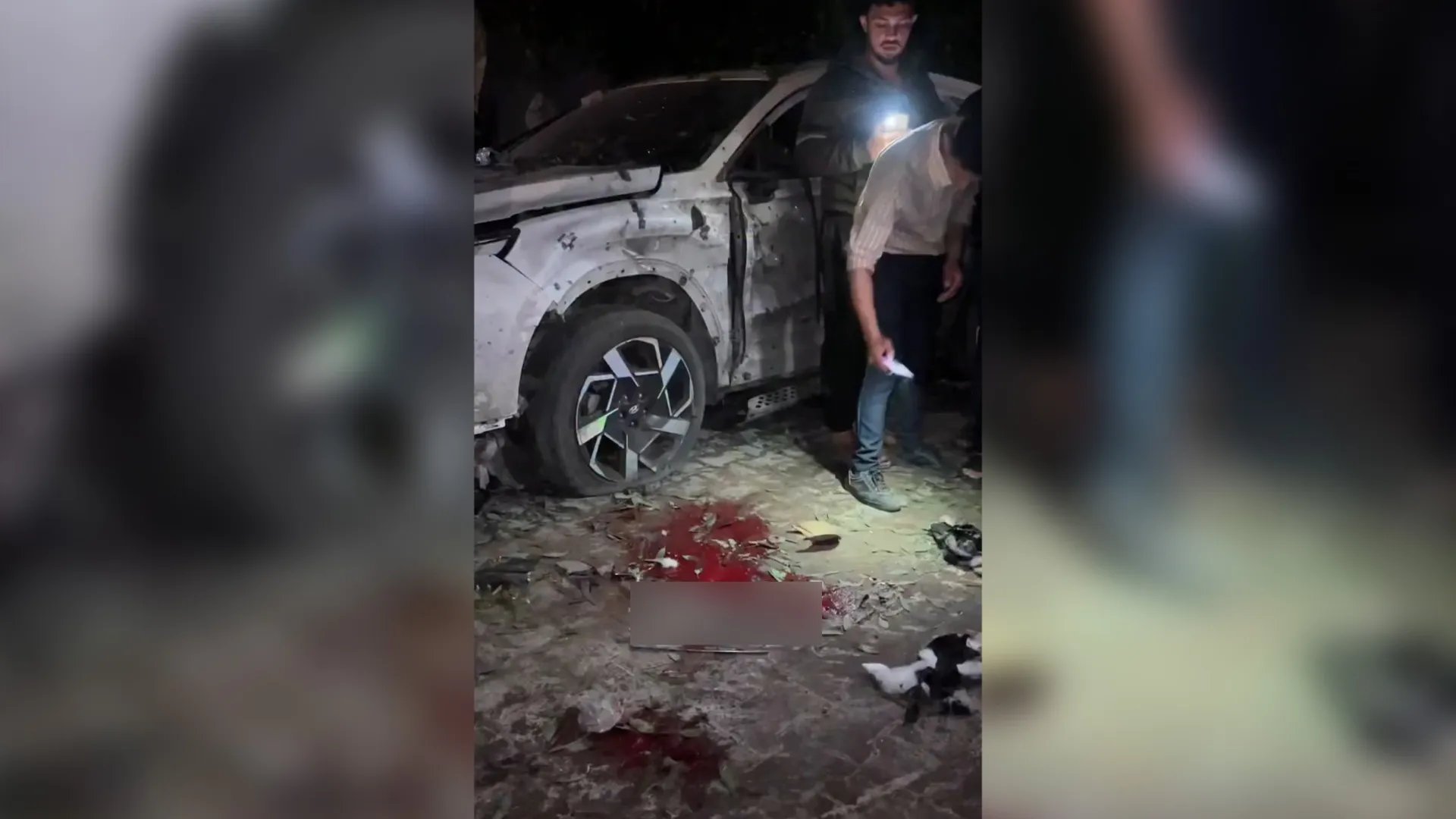
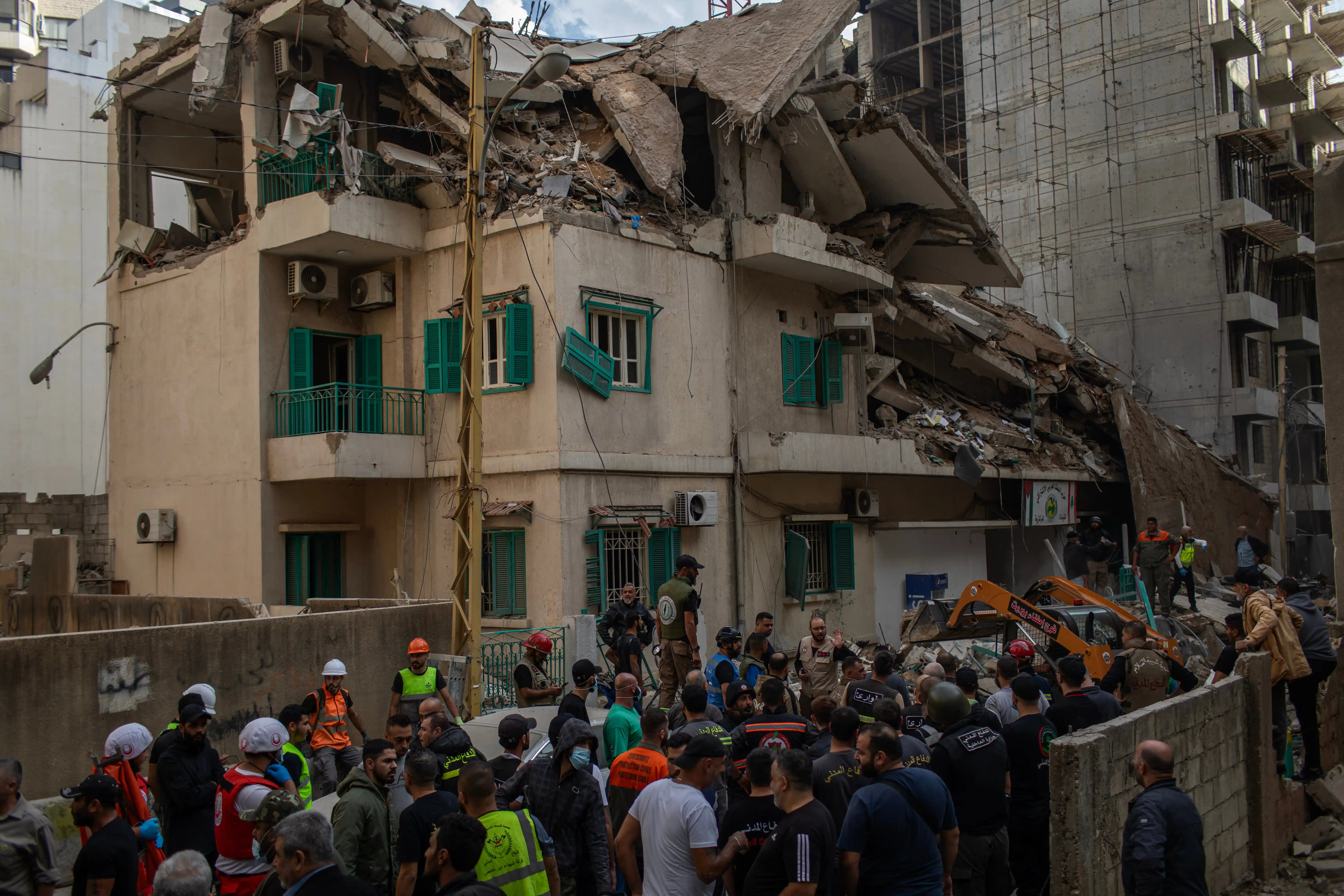
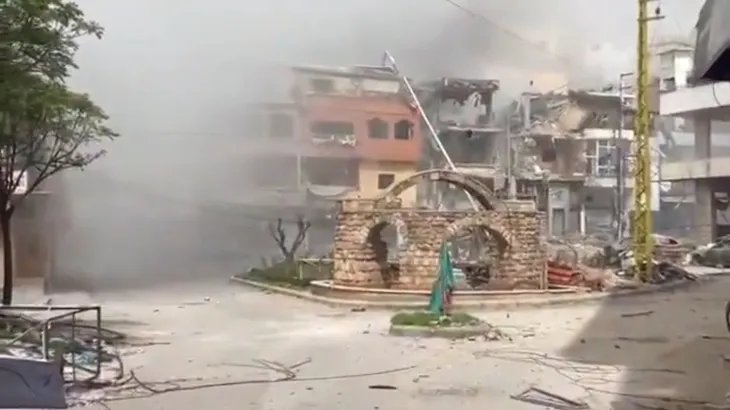
An Israeli airstrike struck South Beirut, killing at least 4 people.
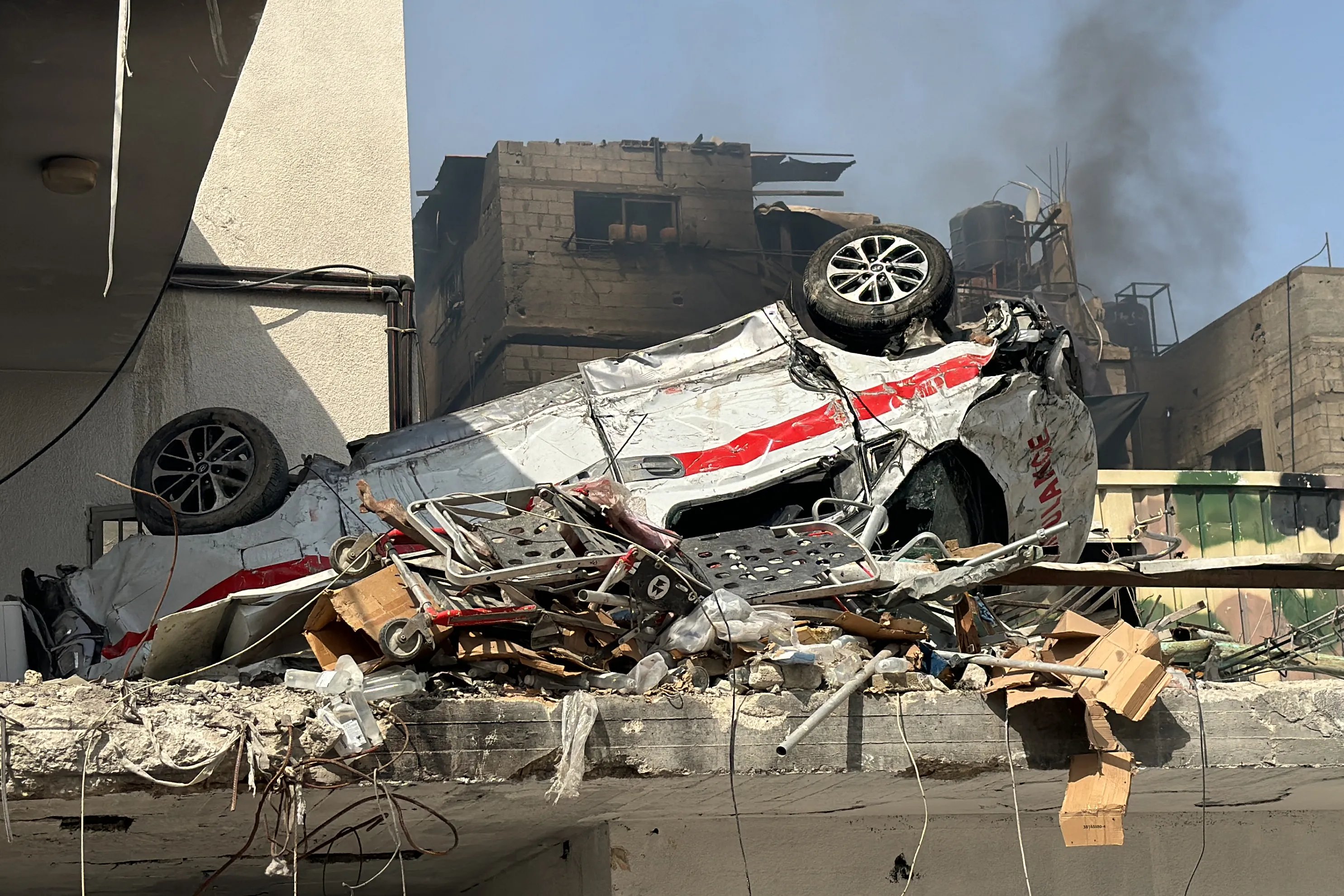
The Beirut strike occurs alongside a widening pattern of airstrikes across the Middle East. Near the Al Jazeera Club in central Gaza City, an Israeli airstrike hit a crowd, sending several Palestinians to hospitals with severe injuries. Since a ceasefire took effect in October 2025, near-daily Israeli attacks in Gaza have killed more than 700 people.
Civilian deaths have also occurred in other military operations. A Pakistani bombing on March 16 destroyed a drug treatment centre in Kabul, killing 411 people according to Afghan officials. A United Nations source, speaking on condition of anonymity, verified at least 250 killed, with more still missing.
The scale of civilian deaths has prompted calls for investigation. Samira Muhammadi, 43, lost her eldest son in the Kabul strike. She said there should be investigations into the attack, noting that "like me, many mothers lost their sons, many women lost their husbands and many sisters lost their brothers." Human rights groups have called for an independent investigation into the March 16 strike on the Afghan treatment centre.
Muhammadi scrolled through photos of her son at her home while describing her hope that an international investigation could help resolve her grief.
An Israeli airstrike struck South Beirut, killing at least 4 people. The attack marks a concrete escalation in regional military operations that have intensified across multiple fronts in recent weeks.
The Beirut strike occurs alongside a widening pattern of airstrikes across the Middle East. Near the Al Jazeera Club in central Gaza City, an Israeli airstrike hit a crowd, sending several Palestinians to hospitals with severe injuries. Since a ceasefire took effect in October 2025, near-daily Israeli attacks have killed more than 700 people in Gaza.
The casualty toll extends beyond Gaza and Lebanon. A Pakistani bombing on March 16 destroyed a drug treatment centre in Kabul, killing 411 people according to Afghan officials. A United Nations source, speaking on condition of anonymity, verified at least 250 killed, with more still missing.
The scale of civilian deaths has prompted calls for investigation. Samira Muhammadi, 43, lost her eldest son in the Kabul strike. She said there should be investigations into the attack, noting that "like me, many mothers lost their sons, many women lost their husbands and many sisters lost their brothers." Human rights groups have called for an independent investigation into the March 16 strike on the Afghan treatment centre.
Muhammadi scrolled through photos of her son at her home while describing her hope that an international investigation could help resolve her grief. Her case reflects a broader pattern: across three countries and multiple military operations, civilians continue to bear the heaviest cost of regional conflict.
Highlighted text was flagged by the council. Tap to see feedback.


















The sources attribute the 411 deaths only to Afghan officials and do not mention a United Nations source verifying 250 killed.