
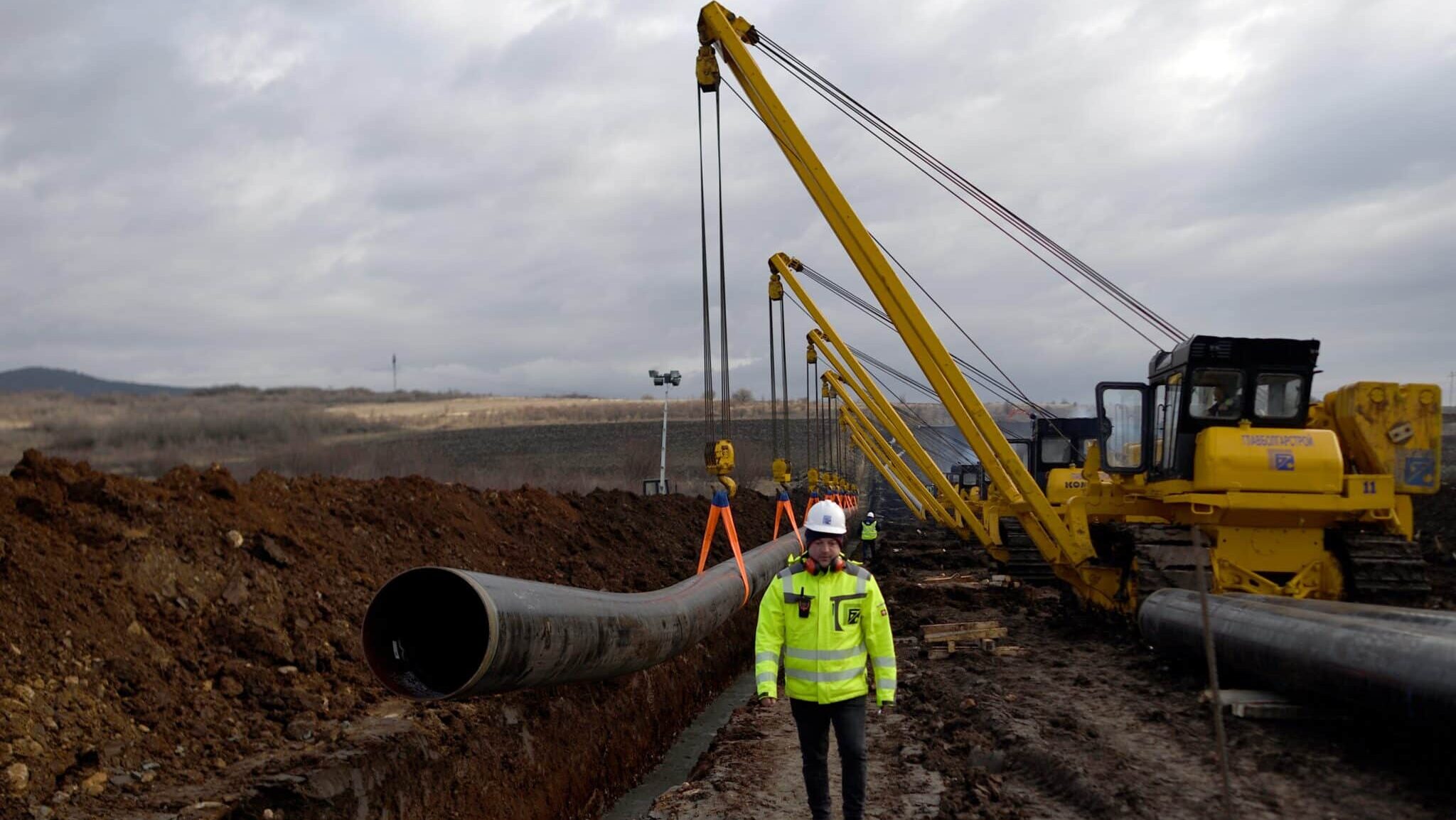



Discovery of Explosives Raises Alarm
Explosives "of devastating power" were found near the Balkan Stream pipeline in Serbia, which transports Russian gas to Hungary, just days before Hungary's parliamentary elections. Serbian President Aleksandar Vucic confirmed that two rucksacks filled with explosives and detonators were located near the village of Tresnjevac, approximately 20 kilometers from the Hungarian border. This discovery has triggered significant political scrutiny and emergency meetings among Hungarian officials, including Prime Minister Viktor Orban.
Political Implications Ahead of Elections
The timing of the discovery has raised concerns about potential sabotage aimed at influencing the upcoming elections scheduled for April 12. Orban's Fidesz party is currently trailing in opinion polls against the opposition Respect and Freedom Party. Opposition leader Peter Magyar accused Orban of "panic-mongering," claiming the incident was a staged event orchestrated by "Russian advisers" to garner sympathy and support for Fidesz during the election.
Orban and Vucic's Response
In response to the incident, Orban convened an emergency meeting of Hungary's National Defence Council. He stated, "According to information that we have, there was an act of sabotage prepared." Meanwhile, Vucic communicated the findings to Orban, indicating that Serbia would keep Hungary updated on their investigation. The Serbian president emphasized the seriousness of the situation, noting the potential threat to energy security in the region.
Accusations and Counterclaims
Orban appeared to blame Ukraine, alleging that Ukraine has been attempting to disrupt European access to Russian energy. He claimed that a "Kyiv-Brussels-Berlin" axis seeks to prevent Hungary from obtaining cheap Russian fuel. However, Ukraine has categorically denied any connection to the incident. Foreign Ministry spokesperson Heorhiy Tykhyi labeled the accusations as an attempt to shift blame, suggesting that it could be a Russian "false-flag operation" designed to interfere with Hungarian elections.

The sources also report that Hungarian Foreign Minister Peter Szijjarto claimed Ukraine organized an oil blockade and drone attacks on the TurkStream pipeline.
Concerns Over Energy Security
Hungary receives between five and eight billion cubic meters of Russian gas annually through the TurkStream pipeline, which connects to the Balkan Stream pipeline that runs through Serbia. The situation is particularly precarious as Hungary relies heavily on Russian energy imports amid ongoing geopolitical tensions. On April 2, Hungarian security expert Andras Racz warned that a "fake attack" on the TurkStream pipeline could be staged inside Serbia to bolster Orban's standing before the elections.

The article specifies that Hungary and Slovakia both depend on the TurkStream pipeline for Russian gas, not just Hungary.
Future Investigations and Outcomes
As investigations continue, Serbian authorities are expected to release initial findings soon. The political ramifications of this incident could be profound, affecting not only the upcoming elections but also the broader energy security landscape in Central Europe. With both Hungary and Serbia dependent on Russian gas, any disruption could have severe economic implications for millions of residents in the region.
The Stakes for Hungary and Europe
As the election date approaches, the fallout from the discovery of explosives near the pipeline adds a layer of complexity to an already contentious political climate. Voters will likely be watching closely how the government handles the situation and whether it impacts their views on energy security and national stability. The outcome of the elections could reshape Hungary's energy policies and its relationship with Russia, making this incident pivotal for the future of both the country and the region.





























For example, the explosives were described as having 'devastating power' by Serbian President Aleksandar Vucic, who confirmed their discovery near Tresnjevac.