Iran's Khatam al-Anbiya Central Headquarters said Saturday: "Brotherly Iraq is exempt from any restrictions we have imposed on the Strait of Hormuz." The order covers all Iraqi-flagged vessels and any tanker hauling oil that originated in Iraq, military spokesman Brig-Gen. Abolfazl Shekarchi said in an Arabic-language video published by the state-run Islamic Republic News Agency.
Tehran's statement praised Iraq as "a nation that bears the scars of American occupation" and saluted its "struggle against the U.S." The language mirrors Iran's wider policy that controls apply only to "enemy countries," a classification it has never applied to Iraq since the U.S.-Israeli bombing campaign began five weeks ago.
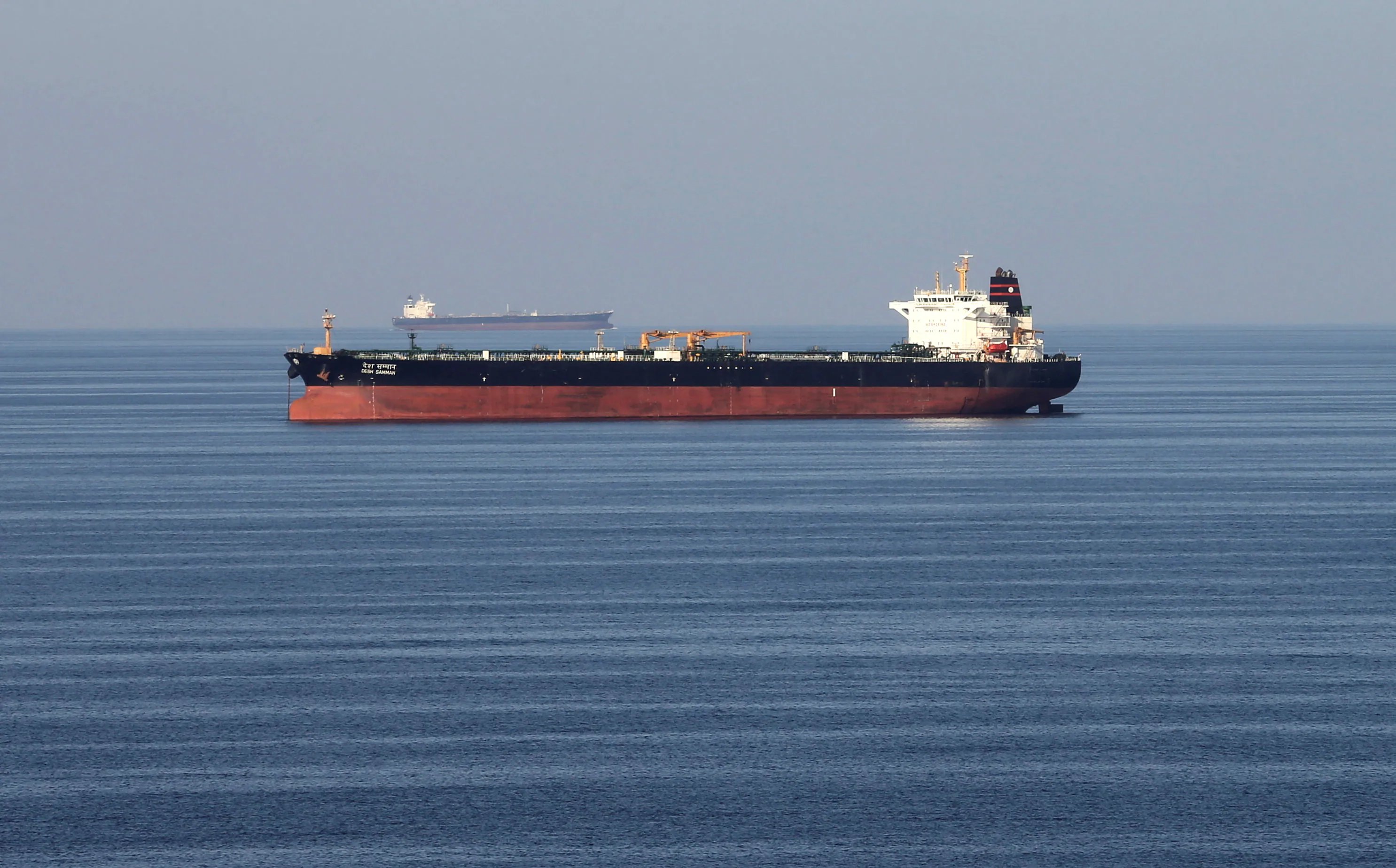
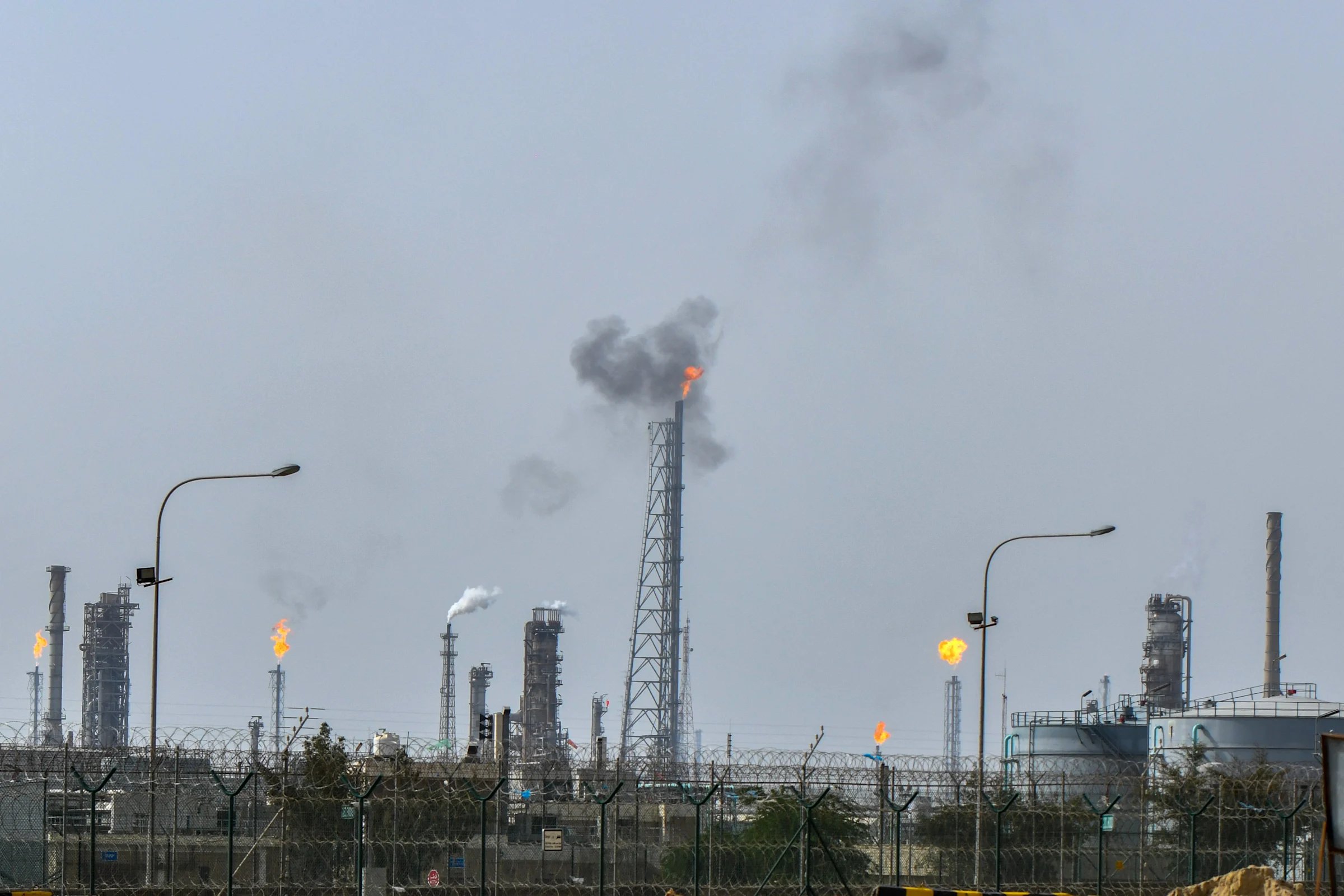
An oil tanker carrying crude from Iraq appeared to be transiting the Strait of Hormuz. The vessel is flagged in the Marshall Islands but listed Basrah Oil Company as the cargo interest, confirming the load's Iraqi origin. Lloyd's List Intelligence counted 53 transits through the strait last week, the most since the war started and up from 36 the previous week, though still down more than 90 percent from the pre-war norm of roughly 500 weekly passages.
Brent crude slipped 92 cents to $108.17 a barrel within two hours of Iran's announcement, trimming this month's 19 percent surge that has pushed U.S. retail gasoline past $4.60 a gallon. Analysts at Energy Aspects calculate that restoring 3 million barrels of Iraqi exports would replace about half of the oil now trapped inside the Persian Gulf, enough to keep global inventories from drawing down further during the northern-hemisphere summer driving season. Iraq, the world's sixth-biggest producer in 2023, accounts for 4 percent of global supply; its return would ease but not eliminate the risk of diesel and jet-fuel shortages in Europe and Asia.
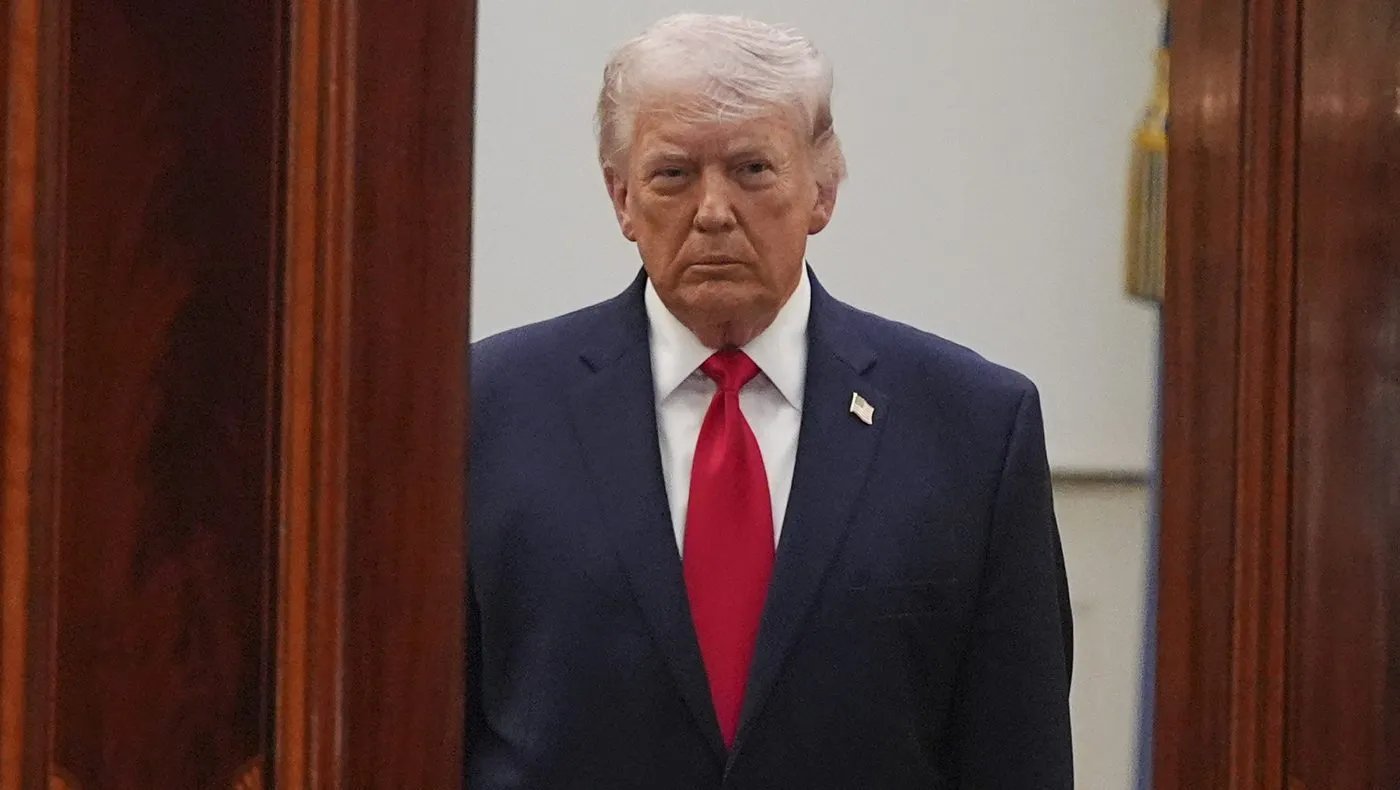
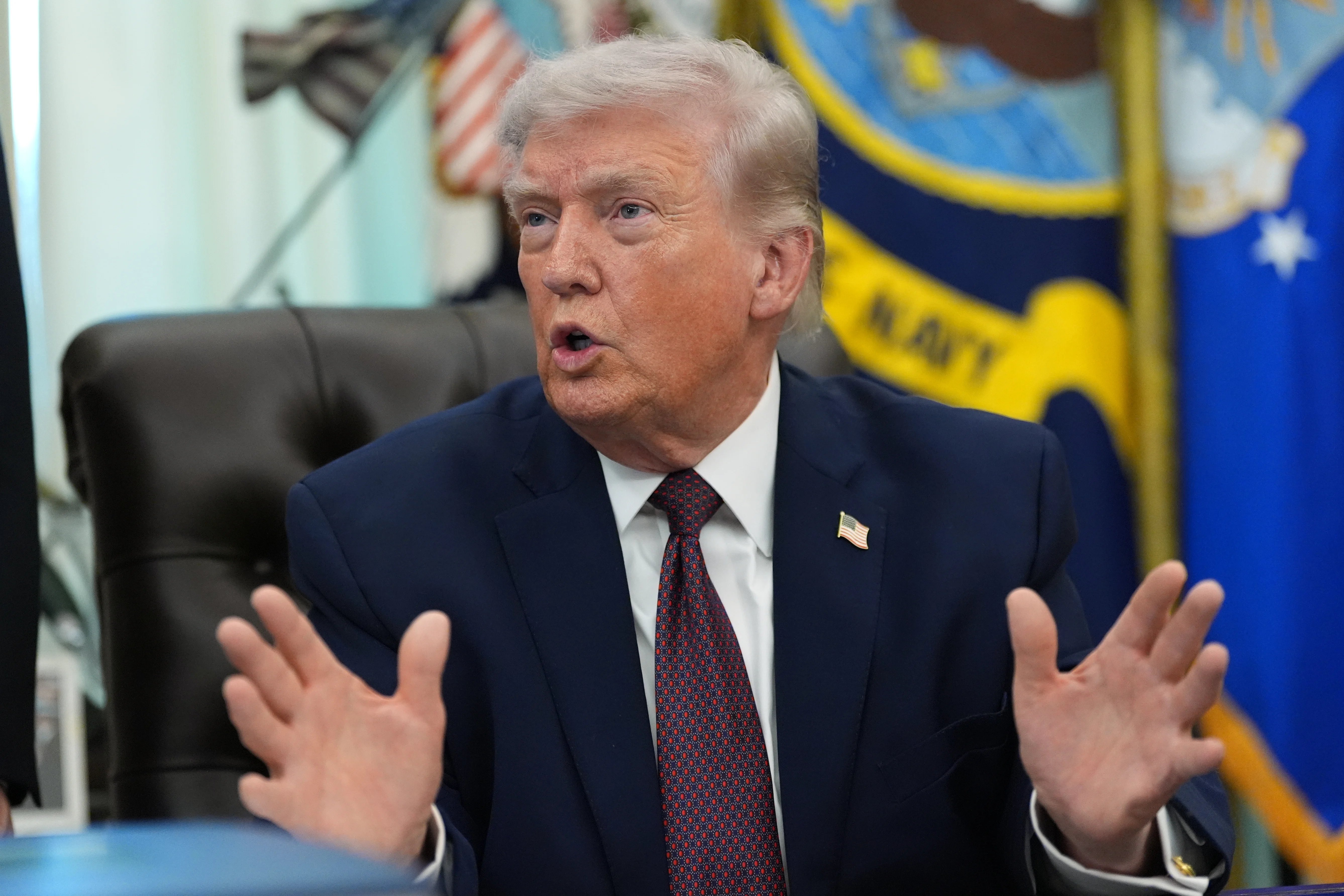
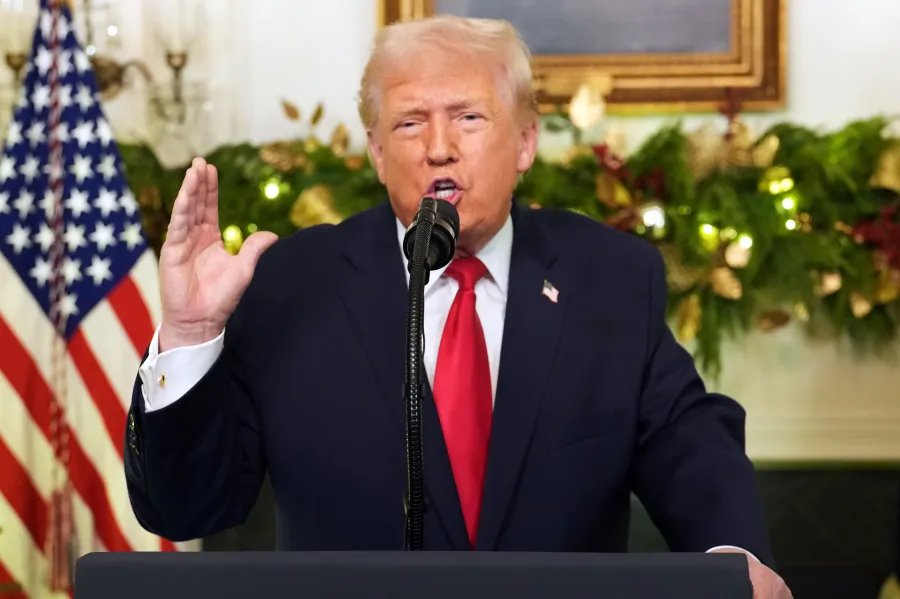
The exemption landed one day after U.S. President Donald Trump posted on social media that Tehran had 48 hours to "make a deal or all hell will rain down." Iran's military headquarters answered within hours, calling Trump's ultimatum a "helpless, nervous, unbalanced and stupid action" and giving no indication it will reopen the waterway to vessels linked to the United States, United Kingdom, or Israel. A French container ship and a Japanese-owned tanker did cross Friday under what maritime lawyers describe as a de-facto toll arrangement, but no Western-flagged crude carrier has yet followed.
If Iraqi exports rebound toward 3 million barrels a day, the Energy Information Administration estimates U.S. retail gasoline could retreat 15–20 cents a gallon within six weeks, saving a two-car household about $25 a month. The bigger relief will arrive in Europe, where refiners have been bidding up Iraqi Kirkuk crude to replace sanctioned Russian barrels. Truckers in Germany and France face diesel prices that have jumped 34 percent since the strait tightened, and Italian officials have rationed fuel for non-essential vehicles on weekends.
Iraq's storage farms around Basra can hold only 12 million barrels, roughly four days of pre-war output, so any production increase must move by tanker or be shut in again. Oil Minister Hayan Abdul-Ghani said last week that Baghdad would restart wells only when "a clear, reliable export route is guaranteed," a signal that flows will rise gradually while Tehran's policy remains unpredictable. Shipbrokers report at least seven very-large-crude-carriers have been placed on subjects—the industry term for a provisional booking—to load from Iraqi ports this week, the most since late February.
Iran’s Khatam al-Anbiya Central Headquarters issued a blunt one-sentence ruling on Saturday: “Brotherly Iraq is exempt from any restrictions we have imposed on the Strait of Hormuz.” The Arabic-language video, carried by the state-run Islamic Republic News Agency, removes every permit, inspection, or escort requirement that had bottled up Iraqi crude since late February. The order covers all Iraqi-flagged vessels and any tanker hauling oil that originated in Iraq, military spokesman Brig-Gen. Abolfazl Shekarchi said in the clip.
Tehran’s statement praised Iraq as “a nation that bears the scars of American occupation” and saluted its “struggle against the U.S.” The language mirrors Iran’s wider policy that controls apply only to “enemy countries,” a classification it has never applied to Iraq since the U.S.-Israeli bombing campaign began five weeks ago. Iraqi oil officials, who had watched exports plummet to 1.2 million barrels a day from 4.3 million, received no advance notice of the decision, according to two ministry staffers who asked not to be named because they are not authorized to speak to media.
Satellite images from marine-analytics firm Kpler show the Suezmax tanker Seaking loaded 1 million barrels of Basra Heavy at Iraq’s Al-Basra Oil Terminal on Thursday and appeared to clear the strait’s narrow traffic-separation scheme by dawn Saturday. The vessel is flagged in the Marshall Islands but listed Basrah Oil Company as the cargo interest, confirming the load’s Iraqi origin. Lloyd’s List Intelligence counted 53 transits through the strait last week, the most since the war started and up from 36 the previous week, though still down more than 90 percent from the pre-war norm of roughly 500 weekly passages.
Brent crude slipped 92 cents to $108.17 a barrel within two hours of Iran’s announcement, trimming this month’s 19 percent surge that has pushed U.S. retail gasoline past $4.60 a gallon. Analysts at Energy Aspects calculate that restoring 3 million barrels of Iraqi exports would replace about half of the oil now trapped inside the Persian Gulf, enough to keep global inventories from drawing down further during the northern-hemisphere summer driving season. Iraq, the world’s sixth-biggest producer in 2023, accounts for 4 percent of global supply; its return would ease but not eliminate the risk of diesel and jet-fuel shortages in Europe and Asia.
The exemption landed one day after U.S. President Donald Trump posted on social media that Tehran had 48 hours to “make a deal or all hell will rain down.” Iran’s military headquarters answered within hours, calling Trump’s ultimatum a “helpless, nervous, unbalanced and stupid action” and giving no indication it will reopen the waterway to vessels linked to the United States, United Kingdom, or Israel. A French container ship and a Japanese-owned tanker did cross Friday under what maritime lawyers describe as a de-facto toll arrangement, but no Western-flagged crude carrier has yet followed.
If Iraqi exports rebound toward 3 million barrels a day, the Energy Information Administration estimates U.S. retail gasoline could retreat 15–20 cents a gallon within six weeks, saving a two-car household about $25 a month. The bigger relief will arrive in Europe, where refiners have been bidding up Iraqi Kirkuk crude to replace sanctioned Russian barrels. Truckers in Germany and France face diesel prices that have jumped 34 percent since the strait tightened, and Italian officials have rationed fuel for non-essential vehicles on weekends.
Iraq’s storage farms around Basra can hold only 12 million barrels, roughly four days of pre-war output, so any production increase must move by tanker or be shut in again. Oil Minister Hayan Abdul-Ghani said last week that Baghdad would restart wells only when “a clear, reliable export route is guaranteed,” a signal that flows will rise gradually while Tehran’s policy remains unpredictable. Shipbrokers report at least seven very-large-crude-carriers have been placed on subjects—the industry term for a provisional booking—to load from Iraqi ports this week, the most since late February.
Highlighted text was flagged by the council. Tap to see feedback.
























The source [2] says the military spokesman made the statement in an Arabic-language video published by the state-run Islamic Republic News Agency, not "in the clip."