



A pause in the fight over wages and safety
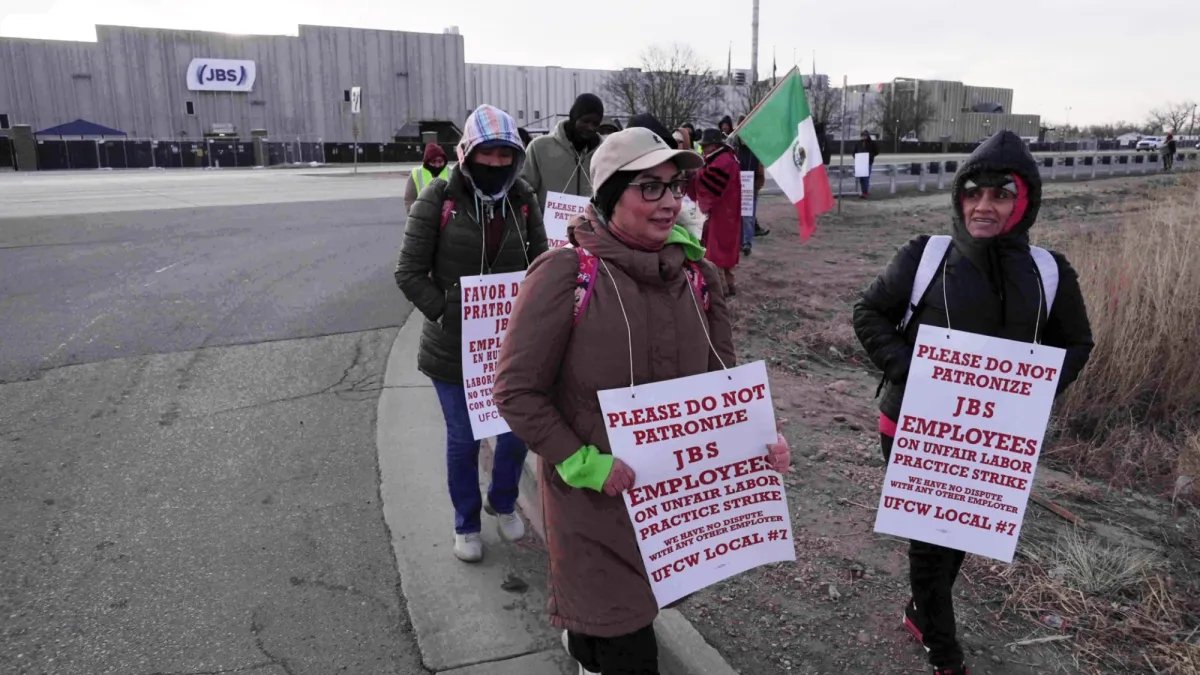
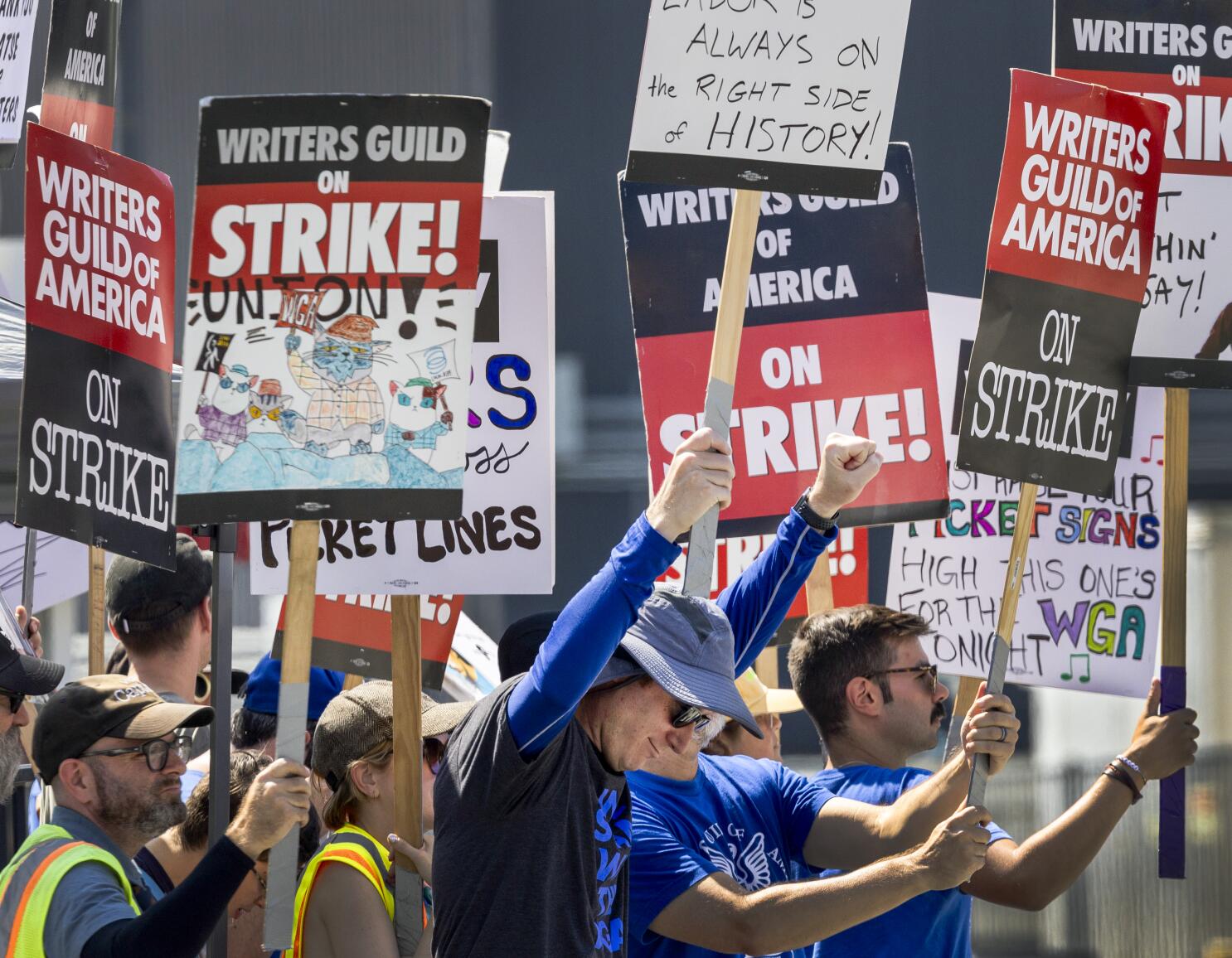
Thousands of meatpacking workers at JBS's Swift Beef plant in Greeley, Colorado, agreed on Saturday to return to work after striking for three weeks, though the underlying dispute over wages, safety equipment, and working conditions remains unresolved. United Food and Commercial Workers Local 7 members walked out on March 16 over these issues at a facility that processes roughly seven percent of the nation's beef supply. The company, the world's largest meatpacker, agreed to resume contract negotiations on April 9 and 10, with workers set to return on Tuesday, April 7.
UFCW Local 7 President Kim Cordova framed the return as tactical rather than a surrender. "Workers remain united and will continue to fight until JBS fully ends its unfair labor practices and gives workers a contract offer that protects them," Cordova said in a Saturday press release.
The wage gap and inflation squeeze
The strike's timing reflects broader economic pressures on workers. The union rejected JBS's latest offer, which included less than two percent more a year in wages. The union said the wage increase does not reflect the rate of inflation in Colorado.
JBS maintained that its "Last, Best and Final offer" remains on the table and characterized the contract proposal as fair. JBS denies wrongdoing; the National Labor Relations Board has not yet ruled on the union's unfair-labor-practice charges.
A workforce under pressure
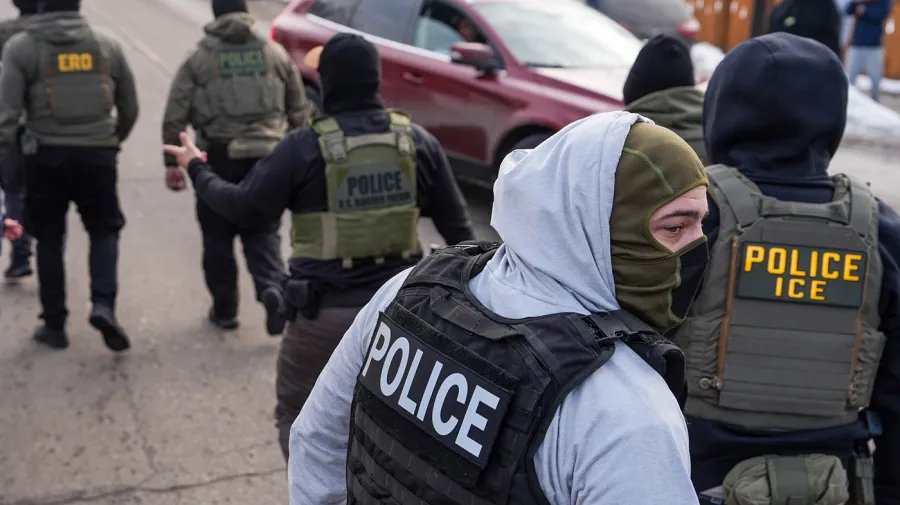
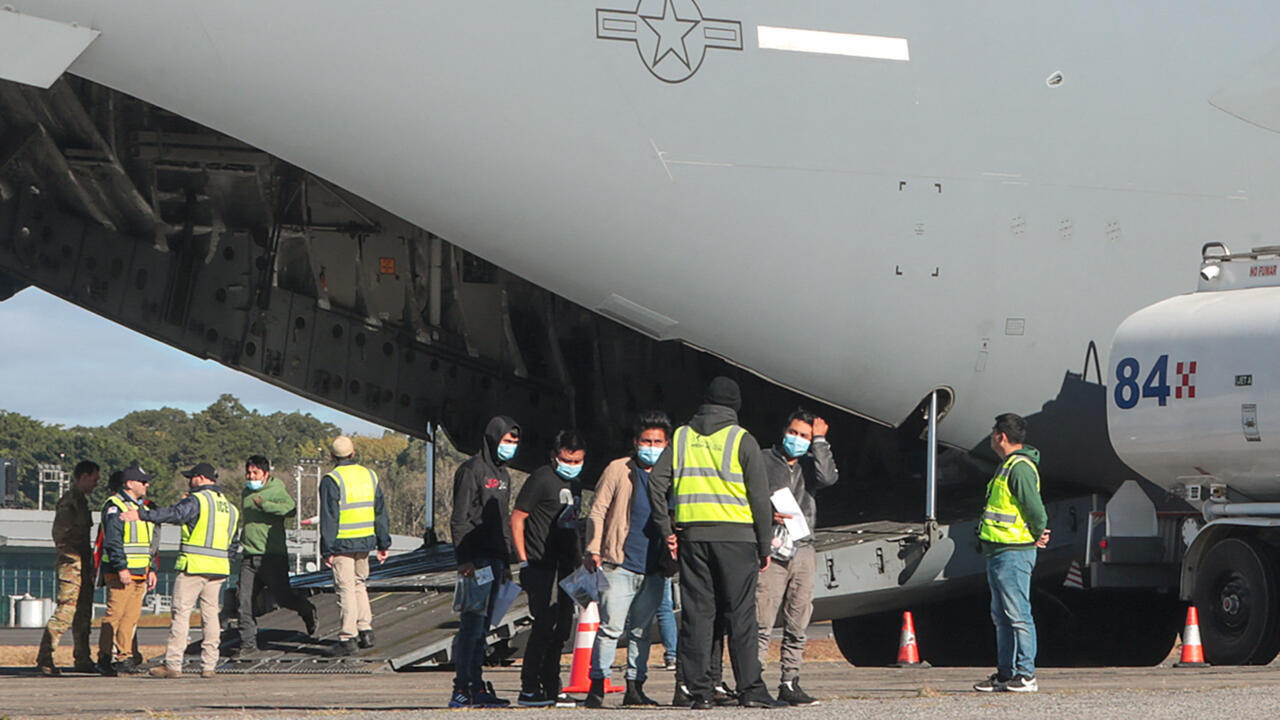
The workers at the Greeley plant are predominantly foreign-born, hailing from Haiti, Somalia, Burma, and Mexico. A lawsuit filed in December by Haitian workers at the facility alleged the plant segregated them to night shifts and forced them to work at dangerously fast speeds. The union cited additional company actions in its strike rationale, noting that JBS threatened to discontinue healthcare benefits and warned workers with termination if they did not resign from the union and refuse to strike.

For example, Mother Jones reported that Ted Genoways summarized the stakes as potentially becoming a proxy for 'bigger picture conflicts—inflation and affordability, the Trump administration’s crackdown on immigrants, and corrupt corporate influence.'

For example, the sources report that most workers at the Greeley plant are foreign-born laborers from Haiti, Somalia, Burma, and Mexico, highlighting the demographic diversity of the workforce.
The stakes extend beyond this single facility. The last major meatpacking worker strike occurred 40 years ago at a Minnesota pork facility, where the plant brought in over 500 permanent replacements, ultimately breaking union power in the industry and paving the way for companies to consolidate the market.













The sources also report that a pound of ground beef now costs more than the federal minimum wage, per the personal finance site Money.